












Singapore's Printing Industry at a Glance
1. Types of Printing Services Offered
Printing services in Singapore encompass a broad spectrum of solutions tailored to meet diverse business and individual needs. From digital printing to large format and specialty printing, each method offers unique advantages suited to specific applications.

Various printing methods such as digital, offset, and large format printing are available to cater to different project requirements.
Digital printing is known for its fast turnaround time and cost-effectiveness, making it ideal for smaller print runs and personalized projects. Offset printing, on the other hand, provides high-quality output for larger orders, making it suitable for catalogs, flyers, and brochures. Large format printing is essential for banners, posters, and signage, allowing for impactful visuals on larger surfaces.
Pro Tip: Choosing the Right Method
For orders under 500 units, digital printing is almost always more cost-effective. For runs above 1,000 units, offset printing delivers better per-unit cost and superior color consistency.
- Digital Printing: Ideal for short-run projects and quick turnarounds, digital printing allows high-quality images to be printed directly from digital files on-demand. It is cost-effective for small batches and offers high flexibility in customization.
- Offset Printing: Recognized for high-volume printing capabilities, offset printing produces superior image quality and color consistency. Suitable for large orders such as catalogs, magazines, and packaging.
- Large Format Printing: Designed for banners, posters, signage, and trade show displays using wide printers to produce vivid, detailed images on various substrates including vinyl, fabric, and foam board.
- Flexography and Screen Printing: Commonly employed for packaging, labels, textiles, and promotional items. Screen printing offers vibrant colors and durability for textiles and promotional merchandise.
- Specialized Finishes and Techniques: Advanced services include embossing, debossing, foil stamping, spot UV coating, and laminate finishes that enhance the tactile and visual appeal of printed materials.
"Digital printing is ideal for short-run projects, providing quick turnaround times and high-quality results suitable for on-demand printing and personalized items."
— Singapore Printing Industry GuideSpecialized Printing Techniques

State-of-the-art offset printing machinery for high-volume projects.
The world of digital printing has advanced, offering a wide range of unique and customizable options to elevate your branding and marketing materials. From UV printing on unconventional surfaces to embossing and debossing techniques, these processes can create visually striking and tactile experiences. UV printing allows you to print on non-traditional surfaces such as acrylic, wood, or metal, resulting in long-lasting and durable items with a distinct appearance. Embossing and debossing techniques can be applied to business cards, packaging, and other items to add a tactile dimension and enhance the perceived quality of your branding collateral. For businesses looking to add a touch of luxury to their branding, foil stamping can achieve a metallic effect that catches the eye. Last but not least, dye sublimation is an excellent choice for producing vibrant, long-lasting images on textiles. It's widely used for custom apparel, soft signage, banners, and other textile-based products.
Special Finishing and Binding Options
Printing services offer more than just the act of printing. They extend to finishing touches that can elevate the final product. Options like lamination, UV coating, and matte or gloss finishes protect printed materials and enhance the visual appeal. Die-cutting allows for creativity in business cards or packaging, enabling unique shapes. Binding solutions such as saddle stitching, perfect binding, and spiral binding are crucial for professional reports, catalogs, and bound portfolios. These finishing touches are essential in creating a polished and professional end result.
2. Common Uses of Printing Services
Printing services are essential across many different industries, serving a wide array of needs from marketing and branding to personal projects. The variety of available printing options allows companies and individuals to create compelling visual communications and real products.

High-quality brochures and marketing materials produced by professional printers in Singapore.
- Marketing Collateral: Brochures, flyers, posters, and banners to promote products and events — vital for advertising campaigns that ensure visual impact and convey professionalism.
- Corporate Identity: Business cards, letterheads, presentation folders, and signage that help establish brand identity and foster brand recognition among clients and partners.
- Event Materials: Invitations, menus, program booklets, banners, and table tents that contribute to memorable event experiences and effective event promotion.
- Personal Projects: Express your individuality with custom stationery, photo books, greeting cards, and memorabilia. Perfect for personal expression or giving unique gifts.
- Packaging and Labels: We offer custom packaging solutions, product labels, and hang tags that enhance product appeal and brand coherence in retail environments.
- Educational Materials: Brochures, prospectuses, and certificates for institutions to communicate information and recognize achievement.
Key Point: Print's Impact on Brand Recognition
Studies show that physical printed materials generate 70% higher brand recall compared to digital-only marketing. A well-designed business card or brochure creates lasting impressions that digital communications often cannot replicate.
The healthcare sector benefits from printing services for appointment cards, informational leaflets, and medical forms. The hospitality industry relies on printed menus and promotional materials for guest experience and brand differentiation. Retailers use customized packaging, labels, and promotional displays to enhance shelf presence and brand recognition.
"The strategic use of printing services amplifies a message's reach, enhances visual appeal, and reinforces brand identity across multiple touchpoints."
3. Factors to Consider When Choosing a Printing Service
Selecting the right printing partner involves a comprehensive evaluation of several critical factors that ensure the success of your printing project. First, assess the range of printing techniques available. Different projects demand different methods, from digital printing for quick turnaround jobs to offset printing for large-volume, high-quality outputs.

A professional print shop with advanced equipment ensures quality results.
- Service Range: Confirm the availability of the specific printing method that suits your project needs — digital, offset, large format, or specialty.
- Quality Standards: Assess samples and seek references to verify print quality and consistency. High-resolution output, accurate color reproduction, and durable finishes are vital.
- Turnaround Time: Find out if the provider can meet your project deadlines without sacrificing quality. Some projects need rush services.
- Pricing Structure: Understand the pricing model, including setup fees, bulk discounts, and additional charges for special finishes. Transparent pricing prevents budget overruns.
- Customer Support: Evaluate the responsiveness and expertise of our customer service team for consulting and post-printing assistance.
- Sustainability Practices: Consider providers who use eco-friendly inks, recyclable materials, and waste reduction initiatives.
Watch Out For Hidden Costs
You should ask for itemized quotes that clearly break down setup fees, per-unit costs, finishing charges, and delivery. Vague "all-inclusive" pricing often conceals additional charges for colour matching, bleeds, or special paper stocks.
| Factor | Digital Printing | Offset Printing | Large Format |
|---|---|---|---|
| Best For | Short runs, personalized | High-volume bulk orders | Banners, signage |
| Min. Quantity | 1 unit | 500+ units | 1 unit |
| Colour Accuracy | Good | Excellent | Very Good |
| Turnaround | Same day – 3 days | 5 – 14 days | 1 – 5 days |
| Cost per Unit | Higher for large runs | Lower at volume | Varies by size |
| Customisation | ✓ High | Medium | ✓ High |
| Setup Costs | Minimal | Plate fees apply | Minimal |
You should output the following: Delivery options are important for streamlining your workflow. Whether you prefer pickup, local delivery, or national courier services, make sure the printing provider can accommodate your logistical needs. Customer service quality is crucial — effective communication, responsiveness to questions, and willingness to provide guidance show a professional approach.

Premium business cards with sharp detail and consistent colour reproduction — a hallmark of quality printing.
4. Pricing and Budgeting for Printing Projects
Budgeting for your printing project is key to success. Consider the printing technology, how much you need, the materials, and any special finishes or expedited production. You may get a discount on larger orders, but there may be extra costs if you need specialty finishes or high-quality materials.
Budgeting Note
Always allocate 10–15% contingency in your printing budget for unforeseen adjustments — colour corrections, additional proofing rounds, or last-minute quantity changes are common in production workflows.
Budgeting for printing projects starts with understanding the key cost components: setup fees, print runs, materials, finishing options, and delivery charges. Tiered pricing models allow for greater flexibility, with smaller orders incurring higher per-unit costs and larger volumes benefiting from economies of scale.
Request quotes from multiple vendors to ensure an accurate cost estimate. For example, full-colour printing with specialty finishes will cost more than single-colour or black-and-white prints. Provide a detailed project scope, including specifications, quantity, quality expectations, and deadlines.
"Prioritize essential features and identify areas where costs can be minimized without compromising quality. Consider bulk purchasing of materials or early order placements to secure discounts."
Ensure your budget is transparent and well-structured to prevent overruns and allocate resources effectively. This will keep your project aligned with quality standards and financial constraints. Request comprehensive quotes from multiple providers to compare offerings based on cost, turnaround time, and included services.
5. Design and File Preparation for Printing
When it comes to printing, preparing your files correctly is key. Printers prefer certain file types, such as PDF, AI or EPS. The resolution should be at least 300 DPI, or your print quality may suffer. Make sure the colors are set to CMYK, otherwise they may not look like you imagined. For best results, check with your printer about their file requirements. They can guide you on the optimal file type, resolution and color settings for your project. A little preparation can save you a lot of headaches later on!
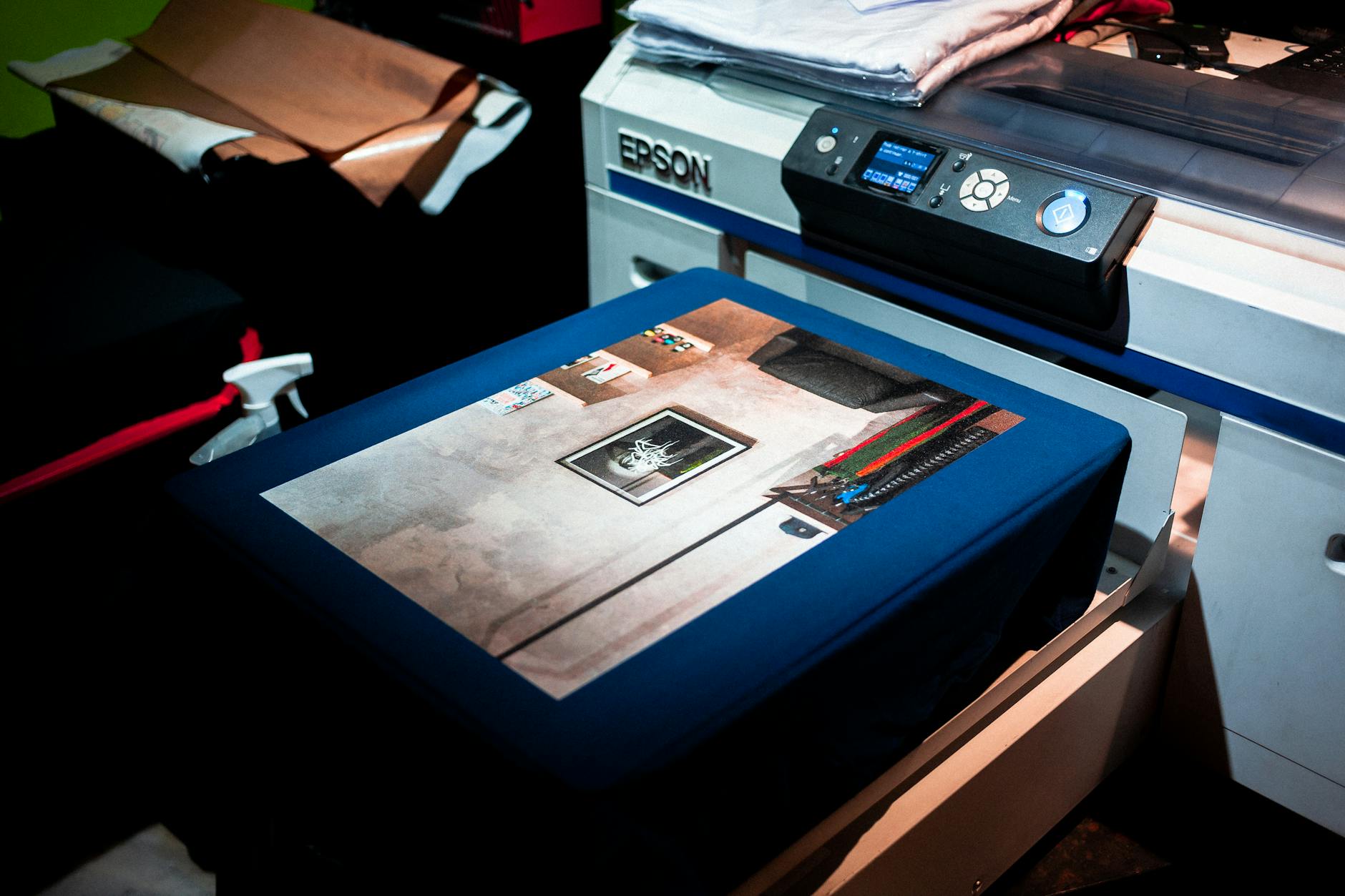
Preparing high-quality digital files with correct specifications ensures accurate printing results.
Critical File Requirements
Your colour mode should be set to CMYK, with a minimum resolution of 300 DPI. Include 3mm bleed on all sides, and embed all fonts or convert them to outlines before submission.
Bleed margins, safe zones, and the right fonts are key to a flawless printing process. To keep your logo and text crisp, use vector graphics. To prevent font problems, embed the fonts or convert them to outlines.
Before submitting your print job, carefully proof both its digital and physical samples. This step ensures colour accuracy, layout alignment, and the overall visual impact. By clearly communicating these specifications to your printing provider, you can avoid errors and streamline the production process.
- Resolution: Minimum 300 DPI for all raster images
- Colour Mode: CMYK for print (convert from RGB)
- File Format: PDF/X-1a, PDF/X-4, AI, or EPS preferred
- Bleed: 3mm bleed on all sides extending beyond trim
- Safe Zone: Keep all text and logos 3mm inside trim edge
- Fonts: Embedded or converted to outlines
- Proofing: Digital soft proof approved before production
6. Specialty Printing Techniques
Professional printing providers in Singapore offer a diverse array of printing techniques tailored to meet diverse business and personal needs. Specialized printing methods add unique value and visual appeal to a variety of products. UV printing allows for printing on unconventional surfaces like acrylic, wood, or metal, resulting in vibrant, durable finishes that endure environmental exposure.
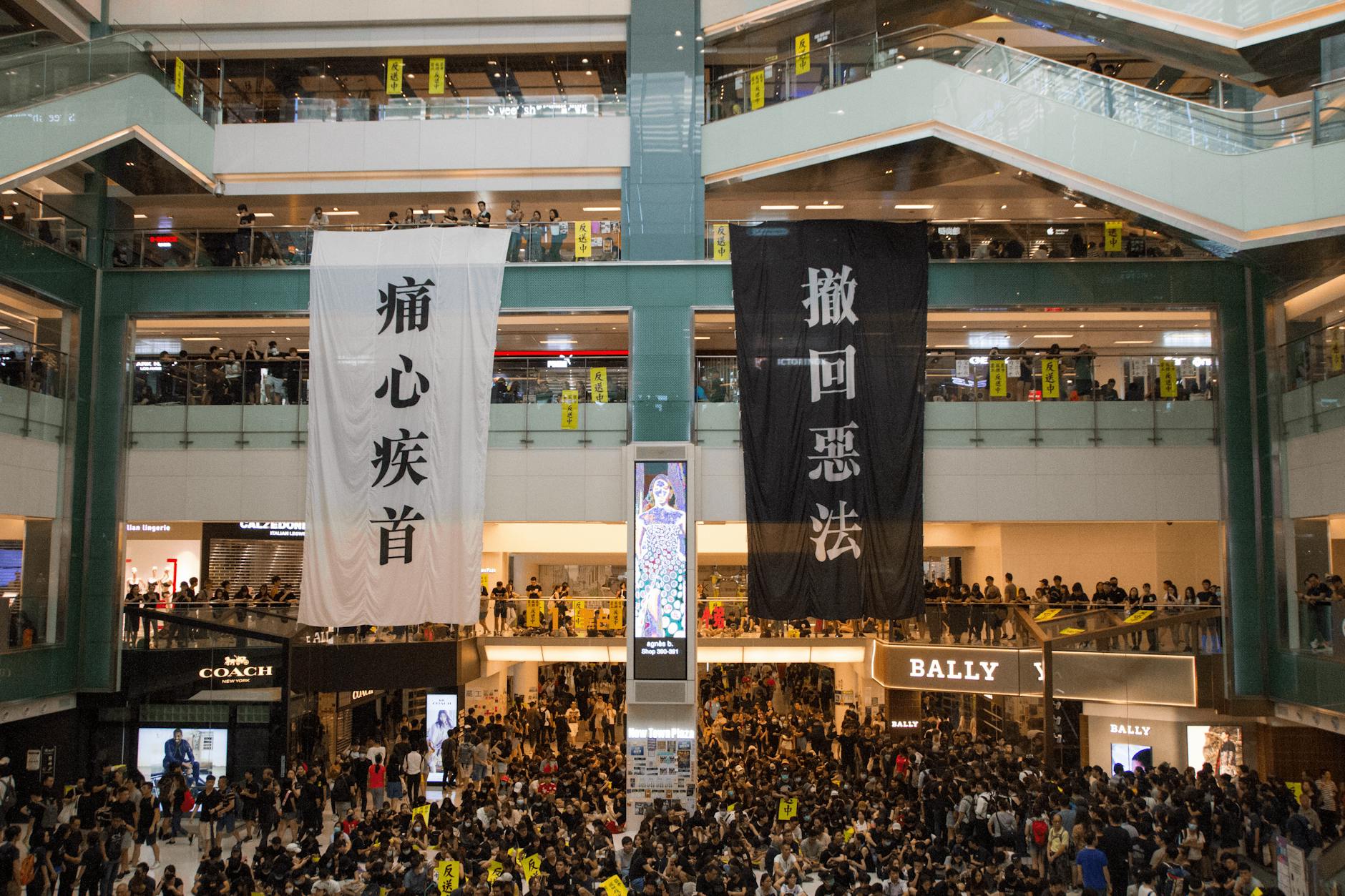
Large format printing delivers eye-catching visuals for banners, signage, and outdoor advertising.
Foil stamping, embossing, and debossing techniques add a tactile touch to business cards, packaging, and other items. These processes create premium textures and finishes that make products feel more luxurious and high-end. The metallic effects achieved through foil stamping stand out, especially for luxury goods and promotional products. Dye sublimation printing is a popular choice for custom textiles. Long-lasting and vivid, it's ideal for apparel, soft signage, banners, and other fabric items.
Premium Finish Recommendation
When soft-touch lamination is combined with spot UV, a striking contrast is created. The velvet matte base and glossy raised elements create a luxurious tactile experience that dramatically increases the perceived value of business cards and packaging.
"Staying ahead with the latest technologies and techniques ensures that clients receive tailored solutions that meet both aesthetic standards and functional demands."
7. Finishing and Binding Options
Printing services extend to finishing touches that significantly refine the final product. Options such as lamination, UV coating, and matte or gloss finishes protect printed materials and enhance visual appeal. These finishing techniques significantly contribute to the presentation and durability of printed items.

Professional finishing options elevate the quality and durability of all printed materials.
- Gloss Lamination: Adds a shiny, reflective coating that makes colours pop and provides moisture resistance
- Matte Lamination: Creates a sophisticated, non-reflective finish with a soft, velvety texture
- Soft-Touch Lamination: Ultra-smooth, rubberized feel that commands attention and signals premium quality
- Spot UV Coating: Selective high-gloss areas on a matte background for striking contrast
- Foil Stamping: Metallic or holographic foil applied under heat and pressure for luxurious effects
- Embossing / Debossing: Raised or recessed designs that add tactile dimension
- Die-Cutting: Custom shapes cut from printed materials for unique business cards or packaging
Binding solutions such as saddle stitching, perfect binding, and spiral binding are essential for creating professional reports, catalogs, and bound portfolios. Saddle stitching is ideal for magazines and booklets up to 64 pages. Perfect binding delivers a squared spine suitable for thicker documents and annual reports. Spiral and comb binding offer lay-flat convenience for manuals and workbooks.
8. Environmental Considerations in Printing
You're right, many clients are looking for eco-friendly printing options these days. Printers that care about the environment use vegetable-based inks and recyclable papers to reduce their carbon footprint and waste. You can find green printing services that will provide you with quality printed products while also helping to protect the planet.
Eco-friendly printing solutions utilising sustainable materials and vegetable-based inks.
Look for Certifications
Look for FSC certification or Green Seal accreditation when choosing a printing provider. These credentials demonstrate a commitment to sustainable forestry and responsible printing practices.
It is important to implement effective job planning and print management for sustainability. Accurate file preparation and reduced errors lead to saving on waste materials and resource utilization. Utilizing digital workflows and automated production systems can also help to complete projects more quickly with better efficiency.
Choosing a printing service that prioritises environmental considerations not only contributes to global sustainability efforts but can also enhance a company's public image. As the demand for green printing continues to grow, providers who integrate sustainable practices are positioned as industry leaders.
Key Takeaways
- For smaller jobs of less than 500 units, choose digital printing for the best cost per piece. For larger orders over 1,000, offset printing is most economical.
- Always prepare files at minimum 300 DPI in CMYK colour mode with 3 millimetre bleed to avoid quality issues at production.
- Request itemized, detailed quotes from at least 3 providers to accurately compare costs and prevent hidden charges from disrupting your budget.
- Specialty finishes like foil stamping, embossing, and soft-touch lamination significantly elevate perceived quality and brand impression.
- Turnaround times can vary widely, so be sure to confirm production capacity for rush orders and factor in delivery time when planning campaign launches.
- Environmental certifications (FSC, Green Seal) are reliable indicators of a printer's genuine commitment to sustainable practices.
- Banners and signage for large format printing are usually delivered in 1–5 business days, which is ideal for event and outdoor advertising purposes.
