
Types of Printing Services Offered
In the competitive landscape of printing, understanding the variety of services available is essential for selecting a provider that meets your specific needs. A reputable printing company typically offers multiple printing methodologies, such as digital printing, offset printing, large-format printing, and specialized printing options. Each of these methods is designed to serve different business requirements, project sizes, and quality expectations, ensuring clients can find an optimal solution for their projects.

Digital Printing
Digital printing is renowned for its speed, cost-efficiency, and flexibility, making it ideal for short-run jobs, personalized printing, and quick turnarounds. It allows for on-demand printing and easy customization, which is beneficial for promotional materials, marketing collateral, and business cards. The process involves directly transferring digital files onto substrates, eliminating the need for printing plates and reducing setup time.
Offset Printing
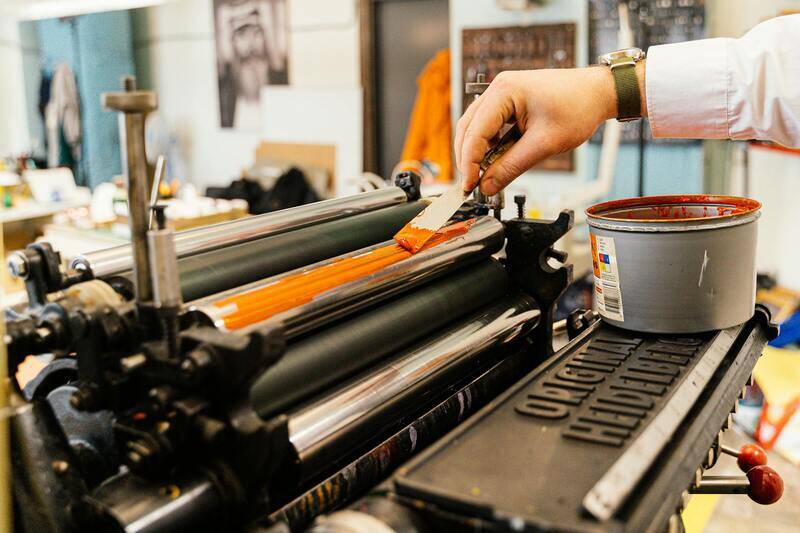
Offset printing remains a popular choice for high-volume projects that demand exceptional quality and consistency. This process leverages plates to transfer ink onto rubber blankets before printing on the final substrate. Offset printing offers superior color accuracy and sharpness, making it suitable for producing large quantities of brochures, magazines, catalogs, and packaging materials. Although it involves longer setup times, the per-unit cost decreases significantly with volume, providing an economical option for large projects.
Large-Format Printing
Large-format printing specializes in producing oversized prints, banners, posters, and signage. Utilizing specialized inks and printers, this service caters to business advertising, exhibitions, and retail displays. High-resolution output and durable materials ensure vibrant visuals that withstand weather conditions and handling, making this a key service for impactful marketing campaigns.
Specialty Printing
Specialty printing encompasses unique techniques such as foil stamping, embossing, acrylic printing, and textured finishes. These methods add a premium touch to printed materials, enhancing brand identity and visual appeal. Specialty services are often used for luxury packaging, customized gifts, event invitations, and branding elements that require a distinctive tactile experience.
Factors to Consider When Selecting a Printing Company
Choosing the right printing partner involves evaluating multiple aspects to ensure the quality, reliability, and overall value of the service. Clients need to balance budget constraints with project requirements, timeline expectations, and desired outcomes to make an informed decision. A comprehensive assessment of a printing company's capabilities and reputation is crucial for delivering successful projects.

Experience and Expertise
Opt for companies with a proven track record in handling diverse printing projects. Experienced providers are familiar with industry standards, advanced technology, and troubleshooting, which ensures a smoother workflow and predictable results. Expertise often correlates with a broader range of available services and innovative solutions.
Technology and Equipment
Modern, well-maintained machinery impacts the quality and speed of printing. State-of-the-art printers and finishing equipment enhance detail, color accuracy, and durability. Companies that invest in the latest technology are more likely to meet high-quality standards and accommodate complex or customized orders.
Portfolio and Client Testimonials
Reviewing a company's portfolio provides insight into their capabilities and attention to detail. Positive testimonials from clients also offer reassurance regarding their professionalism, reliability, and customer satisfaction levels. It’s beneficial to explore past projects similar to your requirements to gauge expected outcomes.
Importance of Quality and Materials
The selection of quality materials significantly influences the final appearance and lifespan of printed products. High-caliber paper stocks, inks, and finishing processes not only enhance visual appeal but also ensure durability and resistance to wear and environmental factors. When examining a printing company, inquire about their material options to align with your project’s durability and aesthetic goals.
Types of Printing Services Offered
When choosing a professional printing company, understanding the range of services they provide is fundamental to ensuring your project's success. Reputable printing providers typically offer a broad spectrum of solutions designed to meet diverse business and personal needs. These services include:
- Offset Printing: Ideal for large volume orders, offset printing delivers high-quality images with consistent color reproduction, making it suitable for brochures, catalogs, and direct mail campaigns.
- Digital Printing: Perfect for short runs and quick turnarounds, digital printing offers flexibility and cost-efficiency. It is especially useful for personalized items, business cards, or on-demand printing.
- Large Format Printing: This service specializes in printing banners, posters, trade show displays, and other oversized visuals with vibrant detail and durability.
- Screen Printing: Commonly used for apparel, signage, and promotional merchandise, screen printing ensures bold and durable graphics on different surfaces.
- UV Printing: Utilizing ultraviolet light to cure inks instantly, UV printing allows for high-quality outputs on unconventional materials, including wood, glass, and acrylic.
- Finishing Services: Beyond printing, many companies provide finishing options such as binding, lamination, die-cutting, folding, and embossing—adding a professional touch to your printed products.
Customization and Special Techniques
Advanced printing companies also incorporate innovative techniques to elevate your branding or project design. Embossing and debossing create tactile elements that add texture and depth to packaging or stationary. Foil stamping introduces metallic accents, enhancing visual appeal for luxury branding. Spot UV coating selectively enhances specific areas of a print piece, drawing attention and creating contrasts. For environmentally conscious clients, eco-friendly printing options utilizing soy-based inks and recycled materials are increasingly available, aligning your project with sustainable practices.
Understanding Your Project Requirements
Matching the right printing services with your project ensures optimal results. Consider the intended use, scale, and aesthetic goals of your material. For instance, high-resolution digital printing might be perfect for personalized items, while offset printing is well-suited for large-scale marketing materials requiring consistent quality and color fidelity.
In addition to standard services, many reputable printers offer consultations to help you select the appropriate printing methods and materials. This collaborative approach ensures your project adheres to your expectations and budget while achieving the desired visual and tactile impact.
Types of Printing Services Offered
Printing companies in Singapore provide a comprehensive array of printing solutions designed to meet diverse business and personal needs. From traditional large-format and offset printing to innovative digital methods, each service caters to different project scales and quality requirements. Core offerings typically include business card printing, brochure and flyer production, poster and banner printing, and customized packaging solutions. Specialty services such as 3D printing are also gaining popularity in the region, allowing for creative and functional prototypes.
Offset printing remains a preferred choice for bulk production due to its high-quality output and cost efficiency at scale. This method utilizes plates to transfer ink onto substrates, making it ideal for producing consistent colors and detailed images in large quantities. Digital printing, on the other hand, offers flexibility for shorter runs and quick turnaround times, with the ability to customize each print—perfect for personalized marketing materials, short-run booklets, or on-demand labels.
Large-format printing services are essential for producing impactful banners, point-of-sale displays, and vehicle wraps. These printers utilize wide-format digital presses capable of handling various substrates, including vinyl, fabric, and paper, ensuring vibrant colors and durability. Additionally, specialty print finishing techniques such as lamination, embossing, foil stamping, and die-cutting are commonly offered to enhance the tactile and visual appeal of printed products, adding a touch of sophistication or uniqueness as required.

Additional Customization and Finishing Methods
To further elevate printed items, printing companies provide a variety of finishing options. UV coating adds a glossy or matte layer that enhances durability and visual depth. Spot UV is used selectively to highlight specific areas, creating contrast and focus. Other finishing techniques include folding, binding, die-cutting for custom shapes, and laminating for a polished appearance.
Factors to Consider When Selecting a Printing Company
Choosing the right printing company involves evaluating several key factors to ensure your project achieves the desired impact and quality. First, assess the range of services offered—having access to multiple printing techniques allows for greater flexibility and innovation in your projects. Second, consider the company's reputation for quality and reliability, often evidenced through client testimonials and a portfolio of past work.
Location and proximity can influence turnaround times and shipping costs, especially for urgent projects. It’s also important to verify the company's expertise in handling the specific materials and substrates your project requires. Compatibility with eco-friendly printing processes might be essential for clients committed to sustainable practices. Price transparency and detailed quotations help in budgeting while avoiding unforeseen expenses.
Effective communication and customer service are critical for clarifying project requirements, making adjustments, and receiving support throughout the process. Many reputable printers also offer consultation services that assist in selecting the best printing methods and materials suited to your objectives. The ability to handle large-volume orders efficiently, coupled with the capacity for quick turnaround, ensures you meet deadlines without compromising quality.
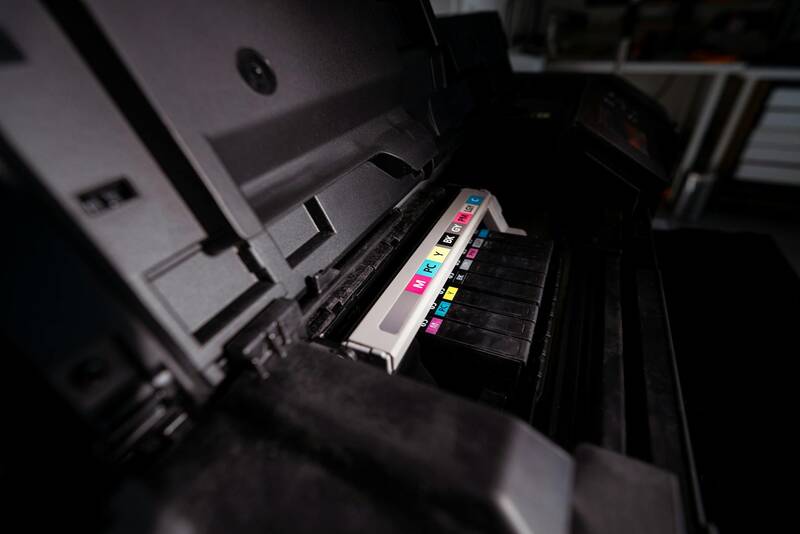
Reviewing certification and adherence to industry standards can provide additional assurance of legitimacy and consistent quality. A company’s investment in advanced printing technology might also reflect their commitment to excellence and innovation, enabling them to offer cutting-edge solutions that stand out in competitive markets.
Effective Communication and Project Management
Establishing clear channels of communication with your chosen printing company is crucial for the success of your project. A reliable printing partner will assign dedicated project managers or account executives to serve as your primary point of contact. This ensures that your specifications are accurately conveyed, questions are promptly addressed, and any necessary adjustments are incorporated seamlessly throughout the production process.
Throughout the project lifecycle, detailed discussions regarding design files, color matching, and material choices help prevent misunderstandings and costly reprints. Regular updates on production status, quality checks, and delivery schedules foster transparency and trust. An efficient project management approach from the printing company minimizes delays and ensures all deliverables meet your expectations.
Additional Services Enhancing Your Printing Experience
Many professional printing companies offer a suite of value-added services that contribute to the overall success of your branding and marketing efforts. These include graphic design assistance, where experts help fine-tune your artwork to optimize print quality and vibrancy. Proofing services, such as digital proofs or physical samples, enable you to verify colors and layout before mass production, reducing the risk of errors.
Finishing options like lamination, embossing, die-cutting, and binding can elevate the visual appeal and durability of your printed materials. Creative and innovative finishing techniques make your products stand out, enhancing brand recognition and customer engagement. Furthermore, some companies provide warehousing and distribution solutions, managing inventory and delivering printed materials directly to your preferred locations, streamlining your supply chain.
Handling Large-Scale and Specialized Printing Projects
For clients with extensive or highly specialized requirements, it is essential to choose a printing company with extensive capacity and technical expertise. Experienced printers can handle high-volume runs efficiently, maintaining consistency across large batches. Their equipment and workflow are optimized for speed without sacrificing quality, ensuring project deadlines are consistently met.
Specialty printing projects, such as production on unusual substrates or employing unique printing techniques like foil stamping or textured finishes, require specific skills and advanced machinery. Engaging a company with proven competence in these areas guarantees results that are both aesthetically appealing and technically precise. This capability is vital for projects that demand intricate details, precise color matching, or non-standard materials.
Types of Printing Services Offered
Printing companies provide a diverse array of services tailored to meet the specific needs of various industries and projects. Common offerings include digital printing, offset printing, large-format printing, and special techniques such as UV and flexo printing. Digital printing is ideal for short runs and projects requiring quick turnaround times, providing high-quality images with minimal setup. Offset printing, on the other hand, excels in producing high-volume orders with excellent color consistency and sharp detail, making it suitable for magazines, brochures, and catalogs.
Large-format printing is essential for banners, posters, and trade show displays, offering vibrant visuals on expansive surfaces. Specialty services encompass foil stamping, embossing, textured finishes, and printing on unconventional substrates like fabric, acrylic, or wood. These techniques add a distinctive touch to branding materials, packaging, or promotional items, elevating their visual appeal and tactile experience.

Some printing companies also provide die-cutting, lamination, and finishing services—such as UV coating, gloss/matte lamination, and embossing—to enhance durability and aesthetics. Additionally, integrated solutions like warehousing, inventory management, and distribution enable seamless delivery and supply chain management, particularly beneficial for brands requiring regular replenishment of printed materials.
Factors to Consider When Selecting a Printing Company
Choosing the right printing partner involves evaluating their technological capabilities, experience, and service range. It is vital to verify that a company employs modern, well-maintained equipment compatible with your project specifications. A company with extensive expertise across different printing techniques can accommodate unique design requirements and substrate options, ensuring your vision is accurately realized.
Assessing a printing company’s portfolio and client testimonials provides insight into their consistency and quality standards. Responsiveness and transparency throughout the project lifecycle are equally important, as they reflect the company's commitment to customer satisfaction.
Another crucial factor is their capacity to handle large orders and deliver within tight deadlines. Proximity and logistical efficiency also play a role, especially if rapid delivery is necessary. By focusing on these aspects, you can select a printing partner that aligns with your project demands and business objectives.
Importance of Quality and Materials
The durability, appearance, and overall effectiveness of printed materials are heavily dependent on the quality of materials used and the precision of the printing process. High-quality paper stocks, such as coated, uncoated, or textured papers, contribute to the tactile experience and longevity of products like business cards, brochures, and packaging.
Advanced inks and coatings are fundamental to achieving vibrant, long-lasting colors, and resistance to environmental factors like moisture and UV exposure. For instance, UV coatings not only enhance gloss but also provide an extra layer of protection against scratches and fading.
Furthermore, selecting the appropriate finishing techniques can add sophistication to printed materials. Raised embossed logos, matte varnishes, or metallic foils can elevate branding efforts, making materials more memorable and impactful to recipients. Thus, a thorough understanding of material options and finishing methods ensures your printed pieces meet both aesthetic and functional standards.
Pricing and Cost-Effectiveness
Understanding the cost structure of printing projects is essential for effective budgeting. While low costs might be appealing initially, the focus should be on the value delivered through quality, durability, and service reliability. Many printing companies offer tiered pricing models, providing discounts for large-volume orders, long-term contracts, or repeat business.
Transparent quotes that itemize costs—including setup, materials, finishing, and delivery—allow for accurate budget planning and comparison between providers. It is also beneficial to inquire about the possibility of bulk discounts or package deals that incorporate multiple services, such as design, printing, and distribution.
Additionally, consider the potential cost savings from opting for digital printing for short-run projects, as it reduces setup time and costs associated with traditional processes. Balancing quality and budget ensures that your investment yields high-impact printed materials without unnecessary expenditure.
Types of Printing Services Offered
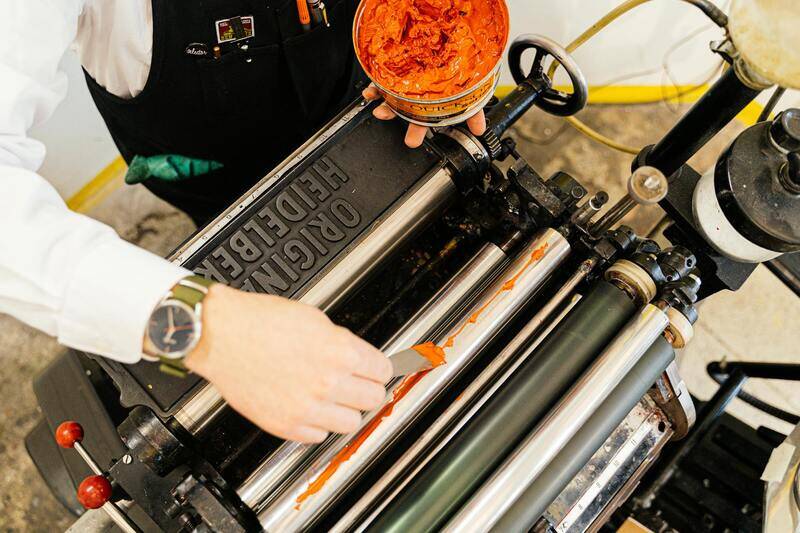
Leading printing companies possess a diverse portfolio of printing options tailored to meet the specific needs of various industries and projects. Common services include digital printing, offset printing, large format printing, and specialty printing techniques. Digital printing is ideal for quick turnarounds and small to medium runs, offering high-quality results with minimal setup time. Offset printing remains the preferred choice for large-volume orders, delivering consistent color output and sharp details at cost-effective rates. Large format printing caters to banners, posters, and trade show displays, requiring wide-format printers capable of producing high-resolution imagery across expansive surfaces. Specialty printing encompasses techniques such as foil stamping, embossing, spot UV coating, and textured finishes, elevating the tactile and visual appeal of printed materials. A comprehensive printing service provider also offers custom options, including booklet printing, brochure production, business cards, packaging solutions, and promotional items. Harmonizing these services ensures clients receive a seamless experience, from initial design concepts to final delivery, with each method optimized for aesthetic impact and functional durability.
Factors to Consider When Selecting a Printing Company
Choosing an appropriate printing partner requires evaluation of several critical aspects. First, assess the company's technical capabilities, including the range of printing methods, equipment quality, and capacity to handle your specific project requirements. A versatile provider can adapt to different printing needs and offer suitable solutions. Next, review their portfolio and customer testimonials to gauge consistency in quality and customer satisfaction. Experience within your industry often correlates with an understanding of industry-specific standards and deadlines. Pricing transparency is equally vital. Request detailed quotes that break down costs such as setup, materials, finishing, and delivery. This transparency allows for accurate budgeting and comparison among providers. Turnaround times are crucial for project planning, especially for campaigns with strict deadlines. Inquire about lead times, rush order options, and the company's ability to meet urgent requests without compromising quality. Lastly, evaluate the printing company's eco-friendly practices and adherence to environmental standards. A commitment to sustainability can enhance your brand image and align with corporate social responsibility goals.

Importance of Quality and Materials
The quality of printed materials significantly impacts brand perception and communication effectiveness. High-quality printing starts with the selection of premium materials, including paper stock, inks, and finishes. The choice of paper varies from matte, gloss, silk, to textured finishes, each offering unique tactile and visual effects suitable for different applications. Durable inks and advanced printing techniques ensure that colors remain vivid over time and resist fading or smudging. For promotional materials, business cards, or packaging, robust materials can withstand handling and environmental exposure, maintaining a professional appearance. Moreover, specialty finishes, such as embossing, foil stamping, and varnishes, add sophistication and tactile appeal. These elements can highlight logos, text, or imagery, enhancing brand recognition. Selecting reputable printing companies that prioritize quality control measures ensures consistency and adherence to specifications. This focus on quality extends from pre-press preparations through final inspection, guaranteeing that the end product meets your standards and effectively communicates your message.
Pricing and Cost-Effectiveness
Understanding the cost structure behind printing services is essential for achieving optimal value. Willingness to spend should be balanced with the quality and durability of the output. Many print providers adopt tiered pricing models, offering discounts for bulk orders or repeat business. Obtaining detailed and transparent quotes allows for effective comparison of services. Such quotes should specify all associated costs, including pre-press setup, materials, finishing, and distribution charges. Additionally, exploring package deals that combine multiple services can lead to significant savings. For short-run projects, digital printing offers a cost-efficient alternative by reducing setup time and costs traditionally associated with offset printing. This flexibility enables businesses to execute experiments, test designs, or produce limited editions without excessive expenditure. Strategic investment in high-quality prints, even at a slightly higher initial cost, often yields better results in terms of impact and longevity. A reliable printing partner should strive to deliver maximum value, ensuring your brand message resonates effectively with your target audience.
Types of Printing Services Offered
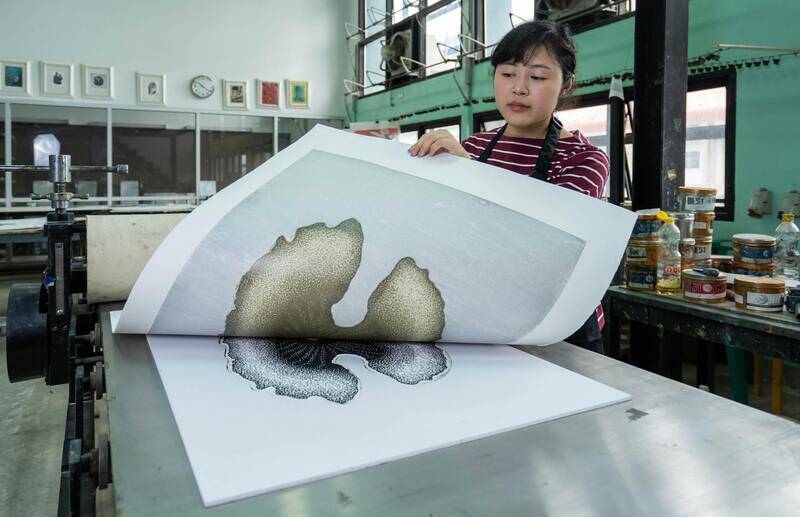
Printing companies in Singapore provide a comprehensive array of services tailored to meet diverse business and personal needs. Digital printing is ideal for short runs, customization, and quick turnarounds, making it perfect for marketing materials, banners, and posters. Offset printing remains popular for high-volume projects, offering superior color fidelity and cost efficiency at scale. Flexographic and letterpress printing are utilized for packaging, labels, and specialty items, delivering textured finishes and vibrant outcomes. Additionally, large-format printing caters to signage, wallpapers, and display graphics, enabling firms to produce eye-catching visuals with sharp detail. Specialized services such as embossing, foil stamping, and UV coating further enhance product appeal, providing tactile and visual depth that can elevate brand perception. An experienced printing provider often offers consultation to identify the most suitable method based on project requirements, budget, and desired effect.

Factors to Consider When Selecting a Printing Company
Choosing a reliable printing partner involves evaluating several critical aspects. First, assess the company's technical capabilities and equipment. Modern, well-maintained machinery ensures precision and consistency across large batches. Experience in handling various print projects indicates expertise and adaptability. Second, review the company's portfolio and references. A history of satisfied clients and diverse case studies demonstrates professionalism and reliability. Third, consider the scope of customer support. A company that offers comprehensive assistance—from design consultations to proofing and post-print services—can streamline the process and reduce errors. Fourth, evaluate their quality assurance protocols. Strict inspection procedures and quality control standards minimize mistakes and ensure the final output meets expectations. Lastly, transparency regarding pricing, lead times, and delivery options reflects a trustworthy organization committed to client satisfaction. Careful research and comparison of these factors can lead to a partnership that delivers both quality and value.
Look for a printing company that maintains clear communication channels, providing regular updates and addressing concerns promptly. Availability of customizable solutions, flexible scheduling, and scalable printing options are additional advantages to consider. Such attributes underscore a company's dedication to accommodating unique needs while maintaining professionalism throughout the entire project.
Importance of Quality and Materials
The overall quality of printed materials hinges significantly on the choice of materials and finishing techniques. Premium paper stocks, such as coated, matte, or textured papers, influence the tactile experience and visual impact of the final product. For critical branding elements, thick card stocks or specialty papers with unique finishes like silk, linen, or random textures create a sophisticated appearance. Ink quality and color matching are equally vital; high-quality inks ensure vibrant, consistent hues that accurately represent your design. Advanced printing technologies, including precise color calibration and color management workflows, guarantee fidelity to your branding standards. Finishing options—such as lamination, spot UV, embossing, or foil stamping—not only enhance durability but also add a premium dimension that captures attention. These details elevate your printed materials from merely functional to visually compelling, helping to reinforce your brand identity and message.
Pricing and Cost-Effectiveness
Understanding the intricacies of printing costs enables better budgeting and resource allocation. Common cost components include setup fees, materials, printing processes, finishing, and shipping. Offset printing generally offers economies of scale; the more copies produced, the lower the cost per unit. Digital printing, on the other hand, excels with small batches, offering flexibility without heavy setup charges. Tiered pricing models and bulk discounts can significantly reduce expenses for large orders or repeat business. Requesting detailed quotations is essential to clarify what is included and avoid unexpected charges. Exploring package deals that bundle multiple services—such as printing, cutting, and finishing—can maximize savings. Strategic choices in materials and finishing options also influence costs; for example, opting for standard finishes over specialty enhancements can reduce overall expenditure without compromising quality. Working closely with a printing provider to balance these factors ensures optimal value and aligned project outcomes.
Turnaround Times and Delivery Options
Efficient turnaround times are crucial for meeting deadlines and campaign schedules. Reputable printing companies typically offer standard and expedited options, with clear estimates for each phase—from pre-press preparations to finished product delivery. Digital printing facilitates rapid production, often within 24 to 48 hours, ideal for last-minute projects or small runs. Offset printing usually requires longer lead times due to setup, but mass production can be completed within several days. Some providers offer express options for critical deadlines, leveraging high-speed presses and streamlined workflows. Delivery methods vary from in-house courier services to international freight, with tracking systems to ensure transparency. When selecting a print partner, confirm the flexibility of delivery schedules, packaging quality, and options for multiple destination points. This entails aligning production timelines with your operational demands to guarantee timely availability of your printed materials.

Environmental Sustainability in Printing
Many printing companies now prioritize environmentally responsible practices. This includes utilizing eco-friendly inks, such as vegetable-based or soy-based options, which reduce volatile organic compounds (VOCs). Adoption of sustainable paper sources, such as FSC or PEFC certified materials, supports responsible forestry management. Waste reduction initiatives, including efficient job planning and recycling of scraps, minimize environmental impact. Additionally, some providers incorporate energy-efficient machinery and environmentally conscious finishing processes. Printing with digital workflows also reduces excess inventory and waste, aligning operations with sustainability goals. Engaging with a company committed to green practices not only benefits the environment but also enhances your brand's reputation among environmentally conscious consumers. Transparency about sustainability policies can further ensure that your printed materials are produced with eco-friendly considerations at the forefront, aligning your business practices with global environmental standards.
Types of Printing Services Offered
Printing companies provide a diverse array of services tailored to meet various business and personal needs. Common offerings include digital printing, offset printing, large format printing, and specialty printing techniques such as foil stamping, embossing, and UV coating. Digital printing is ideal for short runs and quick turnaround times, making it suitable for marketing brochures, business cards, and event banners. Offset printing excels in producing high-volume, high-quality prints at cost-effective rates, often used for magazines, catalogs, and corporate stationery. Large format printing is essential for creating eye-catching visuals like posters, trade show displays, and retail signage, utilizing wide-format printers capable of handling oversized media. Specialty finishes, such as foil stamping or embossing, add tactile and visual enhancement to printed materials, elevating branding efforts. In addition, some printing providers offer binding, lamination, and packaging services to deliver finished products ready for distribution. Collaboration with a comprehensive printing partner ensures access to a full spectrum of services, thereby streamlining the production process and maintaining consistent quality across diverse projects.
Factors to Consider When Selecting a Printing Company
Choosing the right printing partner involves a careful evaluation of multiple criteria to ensure your expectations are met consistently. First, assess their expertise and track record in handling projects similar to yours. Experienced firms are more likely to understand industry standards and technical requirements. Next, review their technological capabilities; state-of-the-art equipment enables higher quality outputs and more efficient workflows. Transparency in pricing models, including detailed quotes that itemize costs, helps in comparing options and avoiding unexpected expenses. It is also crucial to evaluate their customer service reputation—prompt communication, flexibility, and responsiveness contribute significantly to a smooth printing process. Consider their capacity for scalability; a company that can handle both small and large volume orders without compromising quality is preferable. Implementation of quality control protocols ensures that each print run maintains consistent standards. Finally, proximity, certifications, and adherence to industry best practices contribute to a reliable partnership that aligns seamlessly with your project timelines and quality expectations.
Importance of Quality and Materials
The selection of quality materials directly influences the durability, appearance, and overall impact of printed products. Premium paper stocks, such as coated or uncoated with specific weight and texture options, enhance the tactile experience and visual appeal. Ink quality and color fidelity are vital for vibrant, true-to-design reproductions, especially for branding assets where consistency is key. Hardware that supports high-resolution printing, coupled with skilled craftsmanship, ensures sharp images, crisp text, and smooth finishes. Furthermore, the environmental attributes of materials, such as recycled paper and eco-friendly inks, can align with corporate sustainability efforts. A reputable printing firm will advise on the best materials suited for your project’s purpose, budget, and longevity requirements. In the realm of promotional and marketing collateral, high-quality finishes like matte or gloss coatings, lamination, and special textures can significantly elevate the perception of your brand and leave a lasting impression on your audience.

Pricing and Cost-Effectiveness
Accurate pricing assessment is essential for effective budgeting and maximizing return on investment. Reputable printing companies provide detailed quotations based on specifications such as quantity, materials, printing techniques, and finishing options. Volume discounts are often available for bulk orders, decreasing the unit cost and making large print runs economically viable. Additionally, understanding the pricing structure helps identify optional add-ons and avoid hidden charges that could inflate the final bill. Cost-effective printing does not exclusively mean the lowest price; it encompasses value delivered through quality, reliability, and timely delivery. Negotiating terms and exploring flexible payment options can further optimize your expenditure. Strategic planning—such as batching multiple projects or choosing standardized materials—also contributes to reducing overall costs. Partnering with a printing provider that balances affordability with quality enables consistent delivery of high-impact printed materials within your financial framework.
Turnaround Times and Delivery Options
Efficient management of project timelines is critical to maintaining operational flow and meeting marketing or event deadlines. A professional printing service must offer clear turnaround schedules that are aligned with your project needs. Express services are often available for urgent requirements without sacrificing quality, thanks to streamlined workflows and advanced equipment. Delivery options—ranging from local courier services to international freight—should offer flexibility, tracking, and timely arrival at multiple destination points. Some companies also provide warehousing and inventory management solutions for ongoing projects, reducing lead times for reorders. It’s advisable to confirm turnaround commitments in writing, including contingency plans for unforeseen delays. Regular communication during the production process ensures any potential issues are addressed proactively, safeguarding your project schedule and overall success.

Environmental Sustainability in Printing
Many printing firms incorporate sustainable practices into their operations, recognizing the importance of minimizing environmental impact. This approach involves using eco-friendly inks, such as those based on soy or vegetable oils, which contain fewer volatile organic compounds. Adoption of responsibly sourced paper products, certified by organizations like FSC or PEFC, supports sustainable forest management practices. Waste reduction strategies, including precise job planning and recycling of leftover materials, contribute to cleaner production processes. Energy-efficient machinery and environmentally conscious finishing techniques further bolster sustainable initiatives. Digital workflows reduce excess inventory and waste, aligning printing activities with ecological standards. Working with a company committed to green practices not only supports environmental preservation but also enhances corporate reputation among eco-conscious consumers. Transparency about sustainability policies ensures your printed materials are produced with eco-responsibility at the core, aligning your brand values with global sustainability goals.
Customer Support and Extra Services
Exceptional customer support and added services can significantly enhance the overall printing experience. Reliable providers offer dedicated account managers to assist with project coordination, design advice, and technical inquiries. Value-added services such as graphic design, file preparation, and proofing ensure your print-ready materials are optimized for quality and accuracy. Many companies also provide personalized consultations to help select appropriate materials, finishes, and formats tailored to your branding needs. After-sales support encompasses reordering, inventory management, and issue resolution, which streamline ongoing projects. Additionally, some firms deliver creative solutions like packaging, mailing services, and product assembly, consolidating multiple stages of production into a single partnership. Responsive support and comprehensive service portfolios facilitate smoother workflows, reduce turnaround times, and elevate the overall quality of your printed collateral.
