Environmental Sustainability in Printing
In today’s competitive marketplace, environmentally conscious practices are a crucial aspect of the printing industry, especially within Singapore’s vibrant business ecosystem. Sustainable printing practices focus on minimizing environmental impact through the use of eco-friendly materials, energy-efficient processes, and adherence to green certifications.

Eco-conscious printing involves selecting materials that are renewable, recyclable, and biodegradable. Recycled paper, vegetable-based inks, and soy inks are increasingly preferred for their lower environmental footprint. Additionally, some Singaporean printing companies are adopting digital printing technologies that reduce waste and energy consumption while ensuring high-quality output.
Green certifications such as ISO 14001, GreenLabel, and FSC (Forest Stewardship Council) certification serve as benchmarks for environmentally responsible printing services. These certifications indicate adherence to stringent standards that promote sustainable resource management, reduction of hazardous waste, and energy conservation.
Moreover, sustainable printing companies in Singapore often implement practices such as:
- Use of energy-efficient equipment
- Recycling and waste management programs
- Implementing water conservation measures
- Reducing carbon emissions through optimized logistics and supply chain management
Choosing a printing partner that prioritizes environmental sustainability not only aligns with global eco-friendly initiatives but also offers a positive corporate image and compliance with increasing environmental regulations.
Overview of Printing Services in Singapore
Beyond eco-friendly practices, Singapore boasts a diverse array of printing services catering to various industries, including commercial printing, packaging, promotional materials, and personalized print products. Renowned for technological innovation and quality standards, local printing providers offer tailored solutions to meet specific client needs, whether for bulk corporate brochures or bespoke artistic prints.

Leading printing establishments in Singapore emphasize technological advancements such as digital, offset, large-format, and 3D printing. These state-of-the-art methods allow for high-resolution images, vibrant colour reproduction, and efficient turnaround times. The combination of modern technology and sustainable practices creates a robust foundation for businesses seeking quality and eco-conscious printing solutions.
Environmental Sustainability in Printing
In Singapore's competitive printing industry, sustainability has become a fundamental aspect of responsible business operations. Choosing a printing service that employs eco-friendly practices not only supports global environmental efforts but also demonstrates a company’s commitment to corporate social responsibility. Industry leaders in Singapore integrate multiple sustainable initiatives to minimize their ecological footprint, ensuring that printing processes are both efficient and environmentally conscious.

Key sustainable strategies adopted by printing companies include the use of energy-efficient equipment, which consumes less power and reduces greenhouse gas emissions. Modern digital presses and LED lighting systems play a vital role in lowering energy consumption, aligning with national sustainability goals. Recycling programs form a core component of waste management, ensuring paper, inks, and packaging materials are repurposed or properly disposed of to prevent environmental contamination.

Water conservation measures are also increasingly critical, especially in processes requiring extensive use of water-based inks or cleaning solutions. Companies implement closed-loop systems that recycle water and reduce overall consumption. Additionally, implementing green logistics and supply chain practices, such as optimized routing and eco-friendly packaging, further diminishes carbon emissions associated with transportation and distribution.
Choosing a printing partner that emphasizes sustainability enhances a company's image and fulfills the growing consumer demand for environmentally responsible services. Such commitment often translates into compliance with evolving environmental regulations and industry standards, making sustainable printing a strategic business advantage in Singapore's dynamic market.
Sustainable Printing Technologies and Innovations
- Digital printing presses that offer energy efficiency and high-quality output.
- Use of soy-based or vegetable inks that are less toxic and easier to recycle.
- Recycling and reuse of paper and ink waste materials.
- Adoption of biodegradable and eco-friendly packaging materials.
- Implementation of paperless workflows and digital proofs to reduce paper usage.
Impact of Sustainable Practices on Business Growth
Adopting sustainable practices in printing not only reduces operational costs but also appeals to environmentally conscious clients. It enhances brand reputation and differentiates a business in a highly competitive landscape. Furthermore, with increasing regulatory emphasis on environmental impact, sustainable printing companies are better positioned to meet compliance requirements without incurring additional costs or risks.
Environmental Sustainability in Printing
Implementing environmentally sustainable practices within the printing industry in Singapore has become a crucial aspect of modern business operations. Companies are increasingly scrutinizing the methods and materials used in their printing processes to minimize ecological impact. Sustainable printing emphasizes reducing waste, conserving energy, and utilizing eco-friendly resources, aligning with global efforts to protect the environment and promote corporate responsibility.
One of the central elements of sustainable printing is the adoption of innovative technologies that enhance energy efficiency. Digital printing presses, for example, typically consume less power compared to traditional offset presses while maintaining high output quality. These machines utilize advanced electronics and software to optimize printing runs, reducing unnecessary energy consumption and material waste. Additionally, they support short-run jobs, minimizing overproduction and excess inventory.
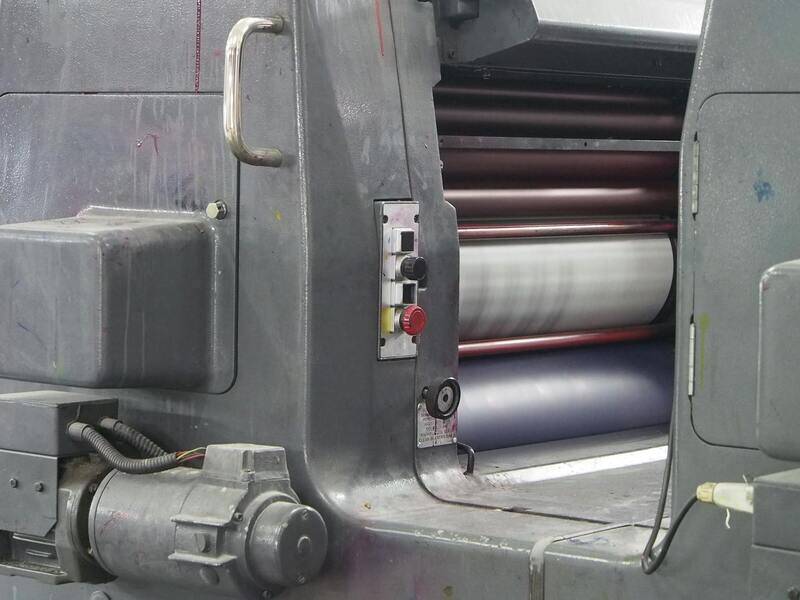
Inks used in eco-friendly printing processes also play a vital role. Soy-based or vegetable-based inks have gained popularity as they emit fewer volatile organic compounds (VOCs) and are easier to recycle or dispose of. These inks are biodegradable and derived from renewable resources, thus reducing reliance on petrochemicals and lowering toxicity levels. Their compatibility with various printing substrates ensures they do not compromise print quality.
Recycling and reusing materials constitute another fundamental component. Paper waste can be recycled multiple times to minimize deforestation impact, while leftover inks and other chemicals are properly processed to prevent environmental contamination. Many printing service providers in Singapore have established dedicated waste management protocols that emphasize sorting, recycling, and disposing of materials responsibly.
Biodegradable packaging materials have also replaced traditional plastic-based options. These sustainable materials decompose naturally over time, reducing plastic pollution. Incorporating biodegradable options for packaging, mailing, and shipping supplies supports greener palettes for printing companies and their clients.
Efficiency in workflow management, particularly the move to paperless processes, further reduces waste generation. Digital proofs, electronic invoicing, and online job submissions limit the need for printed drafts, significantly cutting down paper consumption. By integrating these digital solutions, printing companies in Singapore can deliver environmentally friendly services that uphold high standards of quality and efficiency.
Adopting such sustainable practices effectively benefits businesses in multiple ways. Not only do operational costs decrease through waste minimization and energy savings, but the enhanced reputation associated with eco-conscious initiatives attracts a growing segment of environmentally aware customers. Moreover, companies that champion sustainable printing are better equipped to adapt to new regulations and industry standards focused on environmental preservation.
Environmental Sustainability in Printing
In recent years, the printing industry in Singapore has placed increased emphasis on environmental sustainability as an integral part of its operational ethos. This shift stems from a broader commitment to reducing ecological footprints while maintaining high standards of service delivery. A crucial aspect of sustainable printing practices involves the careful selection of environmentally friendly materials, which include the use of biodegradable inks and papers sourced from responsibly managed forests. These materials not only contribute to lowering pollution levels but also support conservation efforts within the region.
Renewable energy sources play a vital role in the daily operations of printing service providers. Many establishments have adopted energy-efficient machinery and embraced practices such as incorporating solar panels to reduce reliance on non-renewable power sources. Such measures significantly decrease greenhouse gas emissions, aligning the industry with global efforts to combat climate change.
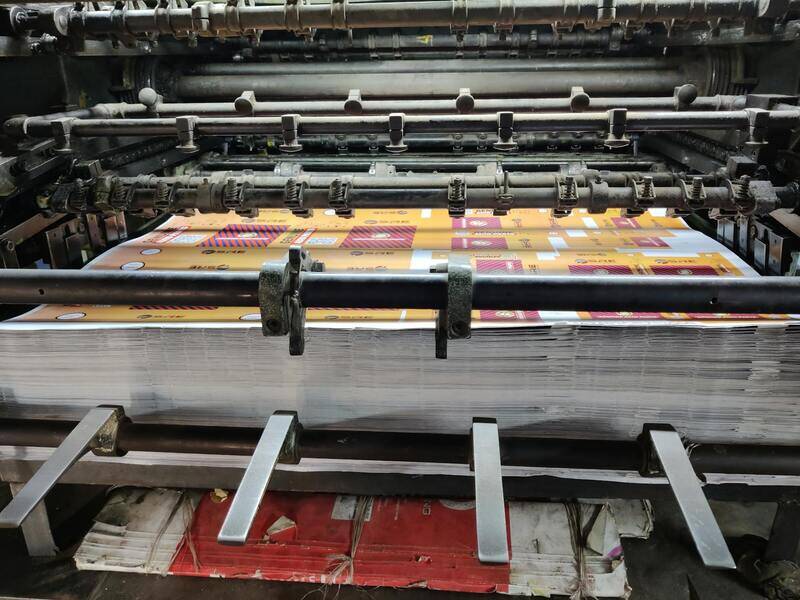
Waste management protocols are rigorously implemented across reputable printing companies in Singapore. These protocols focus on sorting, recycling, and disposing of inks, chemicals, and paper waste responsibly to prevent environmental contamination. For instance, digital workflows are often employed to minimize paper usage, leveraging electronic proofs, online job submissions, and invoicing to reduce paper waste significantly. This digital transformation not only boosts efficiency but also aligns with green initiatives, contributing to a circular economy within the industry.
Additionally, biodegradable packaging options are increasingly adopted by printing services. Such materials decompose naturally, reducing the reliance on single-use plastics that contribute to pollution. These environmentally conscious practices are effectively shaping the industry landscape, making sustainable choices accessible and standard for clients and providers alike. Through strategic investments in green technologies and materials, printing companies are able to uphold environmentally responsible standards while delivering exceptional quality and service.
Implementing sustainable practices offers multiple benefits. Cost savings from reduced waste, energy consumption, and raw material usage often translate into more competitive pricing. Moreover, businesses with a strong eco-conscious profile tend to attract discerning clients who prioritize sustainability in their procurement decisions. Emphasizing eco-friendly procedures also helps companies stay ahead of evolving regulations focused on environmental preservation, fostering long-term operational resilience.
Overview of Printing Services in Singapore
Singapore’s printing industry features a diverse array of service offerings designed to meet various commercial and personal needs. Digital printing services are prized for their speed and flexibility, ideal for short runs or customized projects. Offset printing remains prevalent for large-volume commercial jobs, delivering high-quality results with cost efficiency. Large-format printing caters to applications such as banners, posters, and signage, frequently employed in marketing campaigns and retail displays. Specialty printing services, including foil stamping, embossing, and UV coating, add unique textures and finishes to enhance branding and visual appeal.

Each of these printing types has its ideal use cases and benefits:
- Digital Printing: Perfect for quick turnarounds and small quantities, offering high-quality images with minimal setup.
- Offset Printing: Best suited for larger runs with consistent quality and cost-effective pricing for bulk orders.
- Large-Format Printing: Utilized for promotional banners, posters, and exhibition displays that demand high visual impact.
- Specialty Printing: Used for luxury packaging, business cards, and customized stationery that require distinctive finishes.
By understanding the nuances of each service type, clients can collaborate effectively with printing providers to choose the most appropriate method for their project requirements and budget constraints. Singapore’s printing industry continues to innovate, integrating technological advancements such as eco-friendly inks and high-speed digital presses to meet both environmental standards and client expectations.
Environmental Sustainability in Printing
In today’s competitive market, incorporating environmentally sustainable practices into printing operations has become essential. Printing service providers in Singapore are increasingly adopting eco-friendly solutions to reduce their carbon footprint and promote responsible resource management. This includes utilizing sustainable materials such as recycled paper, biodegradable inks, and vegetable-based dyes, which minimize environmental impact without compromising print quality. TECHNICAL innovations, like waterless printing processes and energy-efficient machinery, further enhance sustainability efforts. Moreover, many printers are pursuing certifications such as Singapore Green Label or ISO 14001, demonstrating their commitment to environmental management standards. By choosing printing services that prioritize eco-conscious practices, businesses can not only meet their corporate social responsibility goals but also appeal to environmentally aware consumers. These practices include implementing waste reduction measures, recycling unused materials, and opting for digital workflows to decrease unnecessary printing. Overall, sustainability in printing fosters a cleaner environment, supports regulatory compliance, and enhances brand reputation within Singapore's dynamic marketplace.

Overview of Printing Services in Singapore
Singapore’s printing industry offers a comprehensive array of services tailored to diverse business needs, from small startups to large corporations. Industry leaders leverage advanced printing technologies to deliver precise, high-quality outputs across various materials and formats. Digital printing is renowned for its rapid turnaround and versatility, making it ideal for customized job orders, event materials, and promotional items. Offset printing continues to be widely used for high-volume projects like catalogs, brochures, and packaging, providing consistent quality at competitive costs. Large-format printing caters to marketing campaigns requiring expansive visuals on banners, posters, and signage, often seen at trade shows or retail outlets. Specialty services such as foil stamping, embossing, UV coating, and textured finishes add sophisticated touches that elevate brand presentations. Additionally, integrated print management solutions streamline workflows, allowing for seamless coordination between design, proofing, and production, which is crucial for time-sensitive projects. The Singapore market also emphasizes digital security and data integrity, ensuring confidential materials are handled with care. This holistic approach enables clients to access tailored printing solutions that align with their strategic objectives while adhering to industry standards.

Environmental Sustainability in Printing
In today's eco-conscious market, integrating sustainable practices within printing operations is more than a trend; it is an industry imperative. Printing services in Singapore are increasingly adopting environmentally responsible methods to reduce their ecological footprint while maintaining high standards of quality. These practices include using eco-friendly inks, such as soy-based or vegetable-based alternatives, which emit fewer volatile organic compounds (VOCs) and are safer for both workers and the environment.
Additionally, many printing companies implement waste reduction strategies, such as optimizing print runs to minimize excess materials and leveraging digital workflows that reduce paper consumption. The use of recycled and post-consumer waste paper demonstrates commitment to resource conservation, while biodegradable laminates and coatings further enhance sustainability. Energy-efficient equipment, including LED UV curing and low-energy presses, contribute to reducing carbon emissions associated with production processes.
Furthermore, quality control measures and environmentally conscious sourcing of raw materials ensure that sustainable principles are upheld throughout the supply chain. Clients seeking printing partners dedicated to environmental stewardship should prioritize providers that transparently share their sustainability initiatives and certifications. Choosing these services not only aligns with corporate social responsibility goals but also resonates with consumers who value eco-friendly practices.

Implementation and Benefits
- Reduced environmental impact through innovative, eco-friendly inks and coatings.
- Minimized waste with optimized print planning and recycling efforts.
- Energy consumption lowered via advanced, energy-efficient machinery.
- Enhanced brand image due to active commitment to sustainability.
- Compliance with local and international environmental standards, facilitating broader market access.
Adopting green printing methods in Singapore not only benefits the planet but also supports the long-term viability of printing businesses and provides a competitive edge in a market that increasingly values sustainability. When selecting a printing service, consider their environmental policies and the practices they employ to deliver eco-friendly results without sacrificing quality or reliability.
Environmental Sustainability in Printing
In the realm of professional printing services in Singapore, environmental sustainability has become a pivotal focus. Leading providers adopt eco-conscious practices that mitigate the ecological footprint of printing operations. This includes the utilization of environmentally friendly inks, such as soy-based or vegetable-based inks that reduce volatile organic compound emissions and are easier to recycle or dispose of safely.
Furthermore, advanced printing facilities employ energy-efficient machinery that lowers electricity consumption, aligning production processes with sustainable standards. Waste management is also a key component, with many providers implementing meticulous recycling programs for paper scraps, used inks, and other materials, thereby reducing landfill contributions. Smart print planning and digital workflows help minimize excess prints, ensuring resources are used judiciously and waste is kept to a minimum.

Transparency in sustainability initiatives is vital for clients aiming to partner with environmentally responsible printers. Reputable printing services often showcase their certifications and eco-labels, such as ISO 14001 or Green Seal standards, which attest to their compliance with environmental management best practices. Choosing a printing partner that prioritizes green practices not only aligns with corporate social responsibility objectives but also enhances brand reputation among environmentally conscious consumers.

Implementation and Benefits
- Significant reduction in carbon footprint through the use of eco-friendly inks and coatings.
- Decreased waste with optimized production workflows and recycling efforts.
- Lower energy consumption owing to state-of-the-art, energy-efficient machinery.
- Enhanced corporate image by demonstrating a commitment to sustainability.
- Compliance with regional and international environmental standards, opening up additional market opportunities.
Quality Assurance and Materials
Ensuring high-quality output requires careful selection of materials and advanced equipment. Trusted printing services leverage high-grade papers, durable substrates, and precise color management systems to meet specific client needs. Moreover, they employ modern printing presses equipped with the latest technology to guarantee consistent color accuracy and sharpness, regardless of the project scale or complexity. Regular maintenance schedules and rigorous quality control protocols further contribute to delivering excellent results.
Implementing Environmentally Conscious Practices in Your Printing Projects
Choosing a printing service in Singapore that emphasizes environmentally sustainable practices involves more than just selecting eco-friendly inks or recycled paper. It requires diligent assessment of a provider’s overall approach to sustainability, including their operational procedures, waste management systems, and energy consumption policies. Companies committed to environmental responsibility often adopt comprehensive sustainability standards, evidenced by certifications such as ISO 14001, which demonstrate effective environmental management systems across their operations.
These providers typically integrate eco-conscious workflows into their daily routines—such as employing digital print technologies that reduce waste, optimizing print runs to minimize excess, and ensuring effective recycling of materials like paper and inks. In addition, they often use water-based or vegetable-based inks that have lower emissions and better biodegradability, reducing harmful chemical runoff and air pollution during production.
The choice of sourcing environmentally friendly materials extends beyond inks to include substrates made from sustainably harvested or recycled materials. This holistic approach helps businesses significantly lower their carbon footprint and aligns with corporate sustainability goals. It also communicates a company’s commitment to social responsibility, which is increasingly valued by consumers, stakeholders, and partners alike.

Furthermore, many environmentally conscious printing services adopt digital proofing and online file submissions to reduce unnecessary waste caused by physical proofs and multiple test prints. Implementing these steps not only conserves resources but also speeds up the process, offering a more efficient and responsible service experience.
From a broader business perspective, choosing a printer committed to green practices can enhance brand reputation and appeal to environmentally conscious clientele. It demonstrates an organization’s dedication to sustainability and responsible business conduct, factors that increasingly influence purchasing decisions in diverse markets.
By prioritizing environmental considerations in their selection process, companies in Singapore can effectively contribute to regional and global sustainability efforts, fostering a healthier environment while achieving high-quality print outcomes. This responsible approach to printing underscores the importance of integrating eco-friendly methods into everyday business practices, ensuring sustainability is a core aspect of all print-related activities.
Environmental Sustainability in Printing
As businesses and consumers in Singapore become increasingly aware of their ecological footprint, the role of sustainable practices within the printing industry gains greater importance. Printing services that prioritize environmental responsibility not only contribute to reducing pollution but also bolster a company's brand image and appeal to eco-conscious clients. In Singapore, many printing providers are adopting green initiatives that align with global sustainability goals, ensuring that the printing process minimizes environmental impact without compromising quality.

Eco-friendly printing involves various strategies, such as utilizing recycled and sustainably sourced materials, adopting energy-efficient equipment, and optimizing printing processes to reduce waste. For instance, digital printing methods significantly cut down excess production and material usage, making them suitable for short runs and customized jobs. Many providers in Singapore also deploy vegetable-based or soy-based inks, which are less toxic and easier to dispose of safely. These practices not only lower the carbon footprint associated with print production but also demonstrate a company's commitment to social responsibility.
In addition, digital proofing and online file submissions help reduce the need for physical samples and test prints. This shift towards virtual collaboration ensures fewer resources are consumed and less waste is generated. By choosing vendors that incorporate these green practices, companies can contribute to regional environmental efforts while maintaining high standards of print quality.

The integration of sustainability into printing services also extends to operational policies, such as recycling waste materials and implementing energy-saving measures within printing facilities. These endeavors gradually transform the industry towards more eco-friendly norms. For Singapore-based businesses, partnering with printing providers committed to ecological responsibility aligns operational goals with societal values of sustainability, creating a positive impact both locally and globally.
Choosing environmentally conscious printing options not only benefits the planet but can also resonate with consumers who prefer brands with responsible practices. As the market evolves, the capacity for printing services to demonstrate environmental integrity becomes a key differentiator, influencing decision-making and fostering long-term business growth.
Environmental Sustainability in Printing
In today's business landscape, integrating environmentally conscious practices within print operations is increasingly vital. Singapore-based printing services are actively adopting sustainable methodologies to minimize environmental impact. These practices include utilizing eco-friendly inks derived from natural sources, which emit fewer volatile organic compounds (VOCs) and reduce air pollution during printing processes. Additionally, many providers incorporate energy-efficient machinery that consumes less power, contributing to lower greenhouse gas emissions. Waste management is another core aspect, with a focus on recycling paper scraps, used cartridges, and other materials to prevent unnecessary landfill accumulation.
Implementing digital workflow solutions, such as online proofing and electronic file submissions, further reduces the need for physical proofs and test prints. These virtual approaches not only conserve paper and ink but also streamline project timelines, resulting in less resource consumption overall. Partnering with printing companies that prioritize sustainability aligns corporate social responsibility goals with operational efficiency, creating a positive brand image that appeals to eco-conscious clients and consumers.

Operational Policies Supporting Sustainability
- Recycling waste materials, including paper, ink cartridges, and packaging
- Adopting energy-saving technologies within printing facilities
- Implementing water conservation measures where applicable
- Utilizing biodegradable and non-toxic materials for printing applications
As a result, these practices contribute to the broader regional efforts to preserve Singapore’s lush urban environment and natural resources. Integrating sustainability into printing operations also resonates with global trends, where consumers increasingly favor brands demonstrating responsible environmental stewardship. This dual benefit—advancing eco-friendly initiatives and maintaining high standards of print quality—helps companies differentiate themselves in a competitive market and build customer loyalty based on shared values.
How to Find the Right Printing Service in Singapore
Identifying a dependable printing partner within Singapore involves thorough research and evaluation of various providers' offerings. Begin by assessing the scope of services available to ensure they align with specific project requirements. Review portfolios and samples to gauge the quality of previous work, paying attention to detail, color accuracy, and overall presentation. Customer reviews and testimonials serve as valuable indicators of a company’s reliability, professionalism, and responsiveness to client needs.
It is also prudent to consider the technical capabilities and infrastructure of potential partners. Does their equipment support the desired print formats and finishes? Are they equipped to handle bulk orders efficiently? Do they employ eco-friendly materials and sustainable practices? Gathering this information early aids in making informed decisions that balance quality, cost, and environmental considerations.

Engaging with Local Industry Networks
- Attending trade shows and industry expos in Singapore
- Seeking recommendations from trusted business contacts
- Consulting online directories and professional associations
- Requesting detailed quotations and service proposals
Thorough engagement ensures the selected printer can meet deadlines, handle complex jobs, and deliver consistent quality. Establishing good communication channels also facilitates smoother collaboration, particularly for customized or large-scale projects. Ultimately, a strategic approach to partner selection secures a printing solution capable of supporting both operational needs and brand objectives effectively.