Overview of Digital Printing in Singapore
Digital printing has revolutionized the printing landscape in Singapore, reflecting the country's dynamic economic growth and technological advancement. Originally known for traditional offset and screen printing, the Singaporean printing industry has seen a significant shift towards digital processes due to their efficiency, versatility, and cost-effectiveness. This transformation meets the diverse needs of local businesses, creative industries, and individual consumers.
Singapore’s strategic position as a regional hub for commerce and innovation has propelled the adoption of digital printing technologies. Companies across sectors such as retail, hospitality, corporate services, and education increasingly leverage digital printing to produce high-quality materials rapidly and on-demand. The ease with which digital printing can handle short runs, personalized prints, and customization options contributes to its growing popularity in the region.
The rise in digital printing’s relevance is also driven by Singapore’s emphasis on sustainable practices. Digital printing’s ability to minimize waste and reduce the need for excessive inventories aligns with local environmental initiatives. As a result, businesses and consumers are embracing digital printing not only for its technological benefits but also for its contribution to sustainable development.

Furthermore, traditional printing methods are gradually complemented or replaced by digital solutions, facilitating faster turnarounds and more flexible production schedules. This adaptability is particularly crucial in Singapore’s fast-paced market environment, where staying ahead of trends and meeting tight deadlines is essential.
As digital printing continues to evolve, local industries benefit from innovative applications such as personalized marketing materials, customized packaging, and on-demand promotional items. The increasing integration of digital technologies in contemporary business operations underscores the importance of digital printing as a vital component of Singapore’s industrial ecosystem.

With the expanding scope of digital printing services, Singapore remains at the forefront of adopting advanced printing solutions that cater to a broad spectrum of needs while supporting sustainable practices. This growth signifies an ongoing commitment within the industry to enhance productivity, quality, and environmental responsibility, ensuring its longevity and continued relevance in a competitive global market.
Types of Digital Printing Technologies
In Singapore, the digital printing industry employs a diverse range of advanced technologies designed to meet various commercial and artistic requirements. Among the most prevalent are inkjet, laser, and UV printing, each offering unique benefits tailored to specific applications.
Inkjet Printing
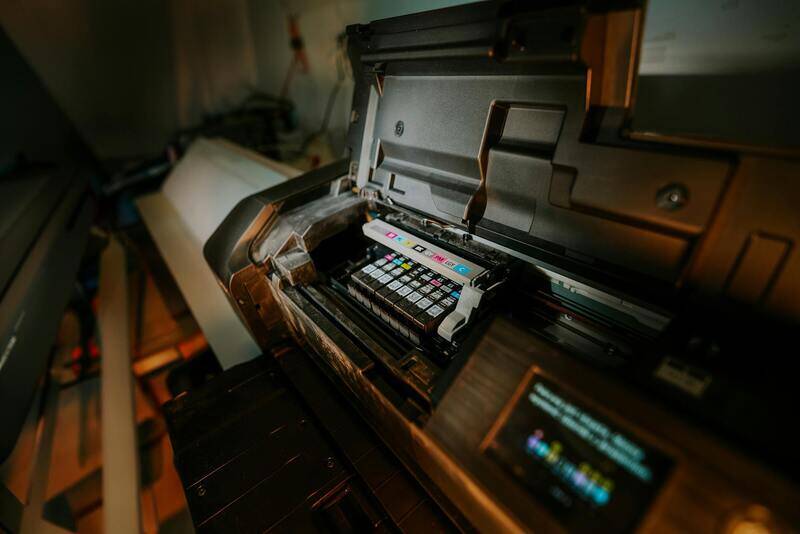
Inkjet digital printing is renowned for its high-resolution output and versatility. This technology sprays tiny droplets of liquid ink directly onto substrates, making it ideal for producing detailed images and vibrant colors. Inkjet printers are widely used for producing fine art prints, promotional banners, and customized packaging, owing to their ability to handle a variety of materials including paper, fabric, and flexible plastics.

Laser Printing
Laser digital printing relies on a laser beam to transfer toner onto paper or other media, offering rapid output with consistent quality. This method is highly suitable for producing business documents, labels, and personalized stationery due to its efficiency and sharp image reproduction. Laser printers in Singapore are known for their fast turnaround times and cost-effectiveness, making them a preferred choice for high-volume printing needs.
UV Printing
UV digital printing involves the application of ultraviolet light to instantly cure or dry the ink on various surfaces, including rigid and non-porous materials such as glass, metal, and plastic. This process enables the creation of durable, weather-resistant prints perfect for outdoor signage, promotional items, and product packaging. Its ability to print directly on diverse substrates expands the creative possibilities for businesses in Singapore.
Understanding these core digital printing methods helps businesses assess which technology aligns best with their project requirements, budget, and desired quality standards. The selection of an appropriate digital printing process ensures effective communication of branding messages and enhances overall presentation quality.
Types of Digital Printing Technologies
Singapore's printing industry employs a diverse array of digital printing technologies, each designed to meet specific project requirements and material compatibilities. The most prominent methods include inkjet printing, laser printing, and UV printing, each offering unique advantages for various applications.
Inkjet Printing
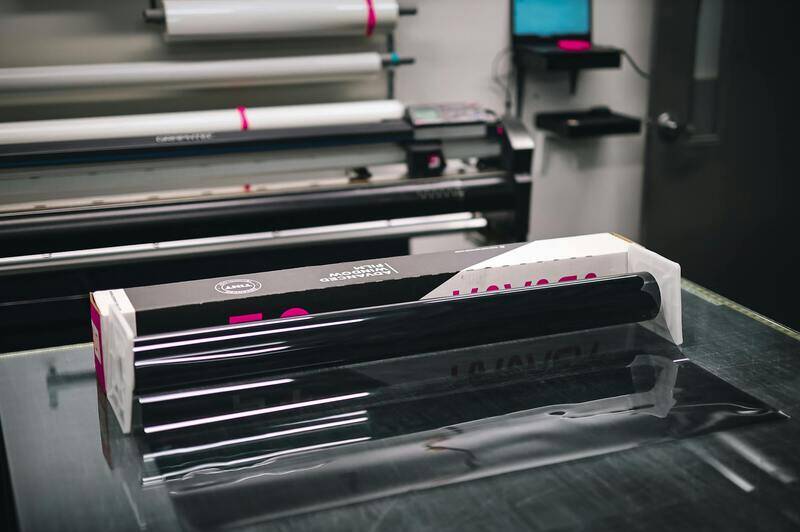
Widely utilized for large-format displays, banners, and fine art reproductions, inkjet digital printing provides exceptionally high-resolution images with vibrant color accuracy. The technology works by propelling tiny droplets of liquid ink directly onto substrates such as paper, fabric, or vinyl. It enables printing on a broad spectrum of materials, making it ideal for promotional materials, retail displays, and bespoke packaging solutions in Singapore. Modern inkjet printers boast impressive speed and color fidelity, ensuring that brands can produce visually compelling content without sacrificing quality or efficiency.
Laser Printing
Laser digital printing utilizes a focused laser beam to transfer toner onto various media, offering rapid production times and consistent quality. This technology is especially suited for document printing, labels, and personalized stationery. In Singapore, laser printers are favored for high-volume tasks thanks to their ability to produce sharp text and detailed images swiftly, reducing turnaround time for business communications and product labeling. The precision and cost-effectiveness of laser printing make it a staple for corporate environments and commercial print shops alike.
UV Printing
UV digital printing involves applying ultraviolet light to instantly cure the ink on surfaces, allowing for printing on rigid and non-porous substrates such as glass, metal, and plastics. This versatility enables businesses to create durable, weather-resistant signage, packaging, and promotional items that withstand outdoor conditions. The instant curing process results in vibrant, high-quality prints with tactile appeal, broadening creative possibilities for branding and product presentation across various industries in Singapore.

Understanding these core digital printing methods allows companies to judiciously select the technology that best aligns with their project scope, budget, and desired output quality. Capitalizing on the right printing process ensures that branding messages are communicated effectively, and that finished products meet the high standards expected by clients and consumers alike.
Factors to Consider When Choosing a Digital Printer in Singapore
Opting for the appropriate digital printing service provider in Singapore requires a comprehensive assessment of multiple key factors to ensure optimal results that align with project objectives and budget constraints. Here are some of the critical considerations to keep in mind:
- Print Quality and Resolution: High-resolution capabilities are essential for producing sharp, vibrant images and crisp text. Seek out printers that offer advanced printheads and color management systems to guarantee consistency across large batches and different media types.
- Technology Compatibility: It is vital to select a digital printer that supports the specific type of media and substrates pertinent to your projects—be it paper, vinyl, plastic, or fabric. An adaptable machine broadens creative options and ensures that unique printing needs are met with precision.
- Production Speed and Capacity: Evaluate the printer's throughput to match your deadlines and volume requirements. Modern digital printing equipment in Singapore is designed for rapid turnaround, making it possible to fulfill urgent orders without compromising quality.
- Cost Structure and Budget: Understand the pricing models—whether it involves setup fees, per-job charges, or bulk discounts. Comparing these costs against the projected volume can help optimize your investment, especially for recurring projects.
- Color Fidelity and Management: Accurate color reproduction is crucial for branding consistency. Confirm that the printer employs advanced color management tools and supports a wide color gamut to achieve the desired visual impact.
- Environmental Practices: Fabricators committed to sustainability often utilize eco-friendly inks and energy-efficient machinery. Investigate if the printing service adheres to environmentally conscious practices, aligning with corporate social responsibility goals.
- After-Sales Support and Maintenance: Regular maintenance and reliable customer support minimize downtime and ensure ongoing quality. Select providers with a track record of prompt service and technical expertise.
- Portfolio and Client Testimonials: Review samples of previous work and client reviews to gauge the consistency and quality of output. A reputable Singapore digital printing company will showcase a diverse portfolio that reflects their capabilities.

Finally, establishing clear communication channels and discussing project specifics upfront can significantly impact the success of your printing initiatives. Clarity on timelines, material specifications, and quality expectations allows for a seamless collaboration with your chosen printing partner in Singapore, ensuring that final products meet your standards and strategic objectives.
Environmental Impact and Sustainability in Digital Printing Singapore
As the digital printing landscape in Singapore continues to grow, so does the focus on environmentally responsible practices. Businesses and consumers alike are increasingly prioritizing eco-friendly options, making sustainability a critical aspect when selecting digital printing services. The adoption of sustainable practices not only aligns with corporate social responsibility goals but also enhances brand reputation in a market where environmental consciousness is highly valued.
One of the fundamental strategies employed by leading digital printing providers in Singapore is the use of eco-friendly inks. These inks typically have lower volatile organic compound (VOC) emissions, reduce air pollution, and are less toxic, ensuring safer working environments and less environmental degradation. Water-based inks are also gaining popularity for their minimal environmental footprint while maintaining high-quality output.
Energy-efficient machinery represents another pillar of sustainable digital printing. Modern printers often feature advanced technology such as LED curing, which consumes less energy compared to traditional UV or heat-based curing systems. These innovations contribute to a significant reduction in overall energy consumption, supporting Singapore's commitment to sustainable development.

Additionally, many printing service providers implement waste reduction initiatives. This includes optimizing print runs to minimize paper waste, investing in recycling programs for used materials and consumables, and embracing digital workflows that reduce the need for physical samples and prototypes.
Choosing a digital printing partner committed to sustainability also involves examining their supply chain practices. Reputable providers often source materials locally to reduce carbon emissions associated with transportation and demonstrate transparency in their sourcing policies. Certifications related to environmental management systems, such as ISO 14001, further indicate a company's dedication to ongoing environmental improvement.
Emerging Trends in Sustainable Digital Printing
- Bio-based Inks: Development and adoption of bio-based inks made from renewable resources are gaining traction as a greener alternative to conventional inks.
- Recycled Materials: Utilization of recycled substrates and substrates made from sustainable raw materials is increasingly common, offering environmentally friendly options for various printing projects.
- Digital Workflow Optimization: Advanced digital workflows help minimize material waste, reduce energy use, and improve overall efficiency.
- Corporate Sustainability Initiatives: Many companies are integrating digital printing into broader sustainability strategies, highlighting their commitment through transparent reporting and certification programs.
Despite the technological advancements and environmental benefits, it remains crucial for businesses engaging in digital printing to conduct thorough assessments. This involves understanding the full lifecycle impact of printed materials, from raw material extraction to disposal or recycling. Selecting a provider who openly communicates their environmentally conscious practices ensures your printing projects contribute to sustainability goals while delivering high-quality products.
Overview of Digital Printing in Singapore
Digital printing has revolutionized the printing industry in Singapore, offering businesses and individuals a versatile and efficient method to produce high-quality prints. Unlike traditional methods, digital printing eliminates the need for extensive setup processes such as creating printing plates, enabling quicker turnaround times and more customized outputs. This flexibility allows for short runs, rapid modifications, and on-demand printing, making it especially suitable for marketing campaigns, personalized items, and limited-edition print runs.
The Singapore market’s dynamic business environment and requirements for timely, cost-effective solutions have driven the widespread adoption of digital printing. The technology's ability to produce vibrant, detailed images on a variety of substrates makes it the preferred choice for signage, promotional materials, packaging, and customized corporate branding. As digital printing continues to evolve, Singapore’s industry players are increasingly investing in advanced equipment and environmentally sustainable practices.
Types of Digital Printing Technologies
Several digital printing technologies are prevalent in Singapore, each suited to different applications based on factors like print quality, substrate compatibility, and volume requirements:
- Inkjet Printing: Known for its ability to produce high-resolution images, inkjet technology is widely used for banners, posters, and fine art prints. Technologies like UV-curable inkjet printing also allow printing on rigid surfaces.
- Laser Printing: Popular for producing sharp text and images at high speeds, laser printing is common in office environments and for producing large quantities of documents and labels.
- Electrophotography: A type of laser printing used for commercial large-format printing, offering precision and consistency across various media types.
- Dye Sublimation: Primarily used for textiles and promotional merchandise, dye sublimation utilizes heat to transfer dyes onto fabric or coated substrates, resulting in vibrant, durable prints.
Popular Digital Printing Services Offered
Singapore’s digital printing providers offer a comprehensive array of services that cater to diverse client needs:
- Large Format Printing: Ideal for banners, for-exhibit displays, window graphics, and wall murals, leveraging high-capacity printers for impressive visual impact.
- Custom Business Stationery: Including business cards, letterheads, and envelopes, with options for personalization and high-volume production.
- Packaging Printing: Flexographic and digital options for product packaging, labels, and cartons with high-quality graphics and vibrant colors.
- Personalized Items: Customized apparel, mugs, and promotional giveaways, benefiting from short-run digital capabilities for tailored design.
- Fine Art and Photography Prints: High-resolution digital printing on specialty papers and canvases to preserve the authenticity and detail of artwork.
Advantages of Digital Printing in Singapore
The shift towards digital printing in Singapore is driven by multiple advantages that benefit businesses and consumers alike. These include:
- Fast Turnaround Time: Digital workflows facilitate rapid production cycles, often completing jobs in a fraction of the time required for traditional methods.
- Cost-Effectiveness for Short Runs: Eliminating setup costs makes digital printing particularly economical for small quantities.
- High Customization: Variable data printing allows personalized content, ideal for targeted marketing campaigns and individualized printing projects.
- Minimal Waste: Digital processes produce fewer unused materials, reducing environmental impact and cost.
- Wide Substrate Compatibility: Capable of printing on diverse materials such as plastics, fabrics, metals, and specialty papers.
Factors to Consider When Choosing a Digital Printer
For businesses seeking reliable digital printing services in Singapore, several key considerations ensure quality and value. These include:
- Print Quality and Resolution: Look for providers with state-of-the-art printers capable of producing sharp, vibrant images with accurate color reproduction.
- Service Range and Capabilities: Evaluate whether the provider can handle your specific project needs, including substrate options and finishing services.
- Turnaround Times: Confirm their ability to meet deadlines without compromising quality.
- Environmental and Safety Standards: Opt for companies that prioritize eco-friendly practices, including the use of sustainable inks and recycling initiatives, as these contribute to greener operation and a healthier environment.
- Pricing Transparency and Contracts: Choose providers with clear pricing policies and flexible contracts to suit both small and large-scale projects.
- Customer Support and Expertise: Experienced staff who offer guidance throughout the project lifecycle can dramatically improve end results.

Environmental Impact and Sustainability
Digital printing in Singapore is increasingly aligned with environmentally conscious practices. Modern digital printing methods significantly reduce waste by utilizing precise ink application and eliminating excess materials associated with traditional printing. This efficiency not only lowers operational costs but also minimizes the ecological footprint of printing projects.
One core aspect of sustainable digital printing is the use of environmentally safe inks. Many reputable print service providers adopt water-based or soy-based inks, which emit fewer volatile organic compounds (VOCs) and are biodegradable. These inks are suitable for a variety of substrates, ensuring vibrant and durable outputs without compromising safety or environmental standards.
Furthermore, digital printers often utilize energy-efficient machinery that consumes less power, contributing to reduced greenhouse gas emissions. Recycling initiatives, such as recycling printed materials and using recyclable substrates, are commonly integrated into business practices. Some providers also participate in eco-label certifications, demonstrating their commitment to sustainable operations.

By choosing providers committed to environmental stewardship, businesses can ensure their print projects are aligned with green practices. These sustainable initiatives not only benefit the planet but also appeal to environmentally aware consumers and clients, enhancing brand reputation.
Key Considerations for Sustainable Digital Printing
- Opt for inks that are low in VOCs and non-toxic.
- Prioritize providers with eco-certifications and recycling programs.
- Invest in digital printing technologies that are energy-efficient and produce minimal waste.
- Encourage the use of recycled or recyclable substrates where feasible.
- Implement a sustainable workflow that maximizes resource efficiency throughout the printing process.
By adhering to these principles, businesses in Singapore can leverage digital printing solutions that are not only high in quality but also environmentally responsible. This balanced approach fosters long-term sustainability and aligns with global efforts to reduce ecological impact while maintaining exceptional print standards.
Environmental Impact and Sustainability in Digital Printing Singapore
In Singapore's dynamic digital printing industry, environmentally sustainable practices are increasingly prioritized. Leading providers incorporate innovative technologies and eco-friendly materials to minimize ecological footprints, ensuring that high-quality print outputs align with environmental values. These efforts include the adoption of energy-efficient machinery, use of low-VOC (volatile organic compounds) inks, and the implementation of waste reduction strategies.
Many digital printing companies have adopted comprehensive recycling programs that manage waste effectively, recycling unused materials and defective prints to reduce landfill contributions. The integration of recyclable substrates and eco-label certifications further demonstrates their commitment to sustainable operations, appealing to companies seeking responsible partners for their printing needs.
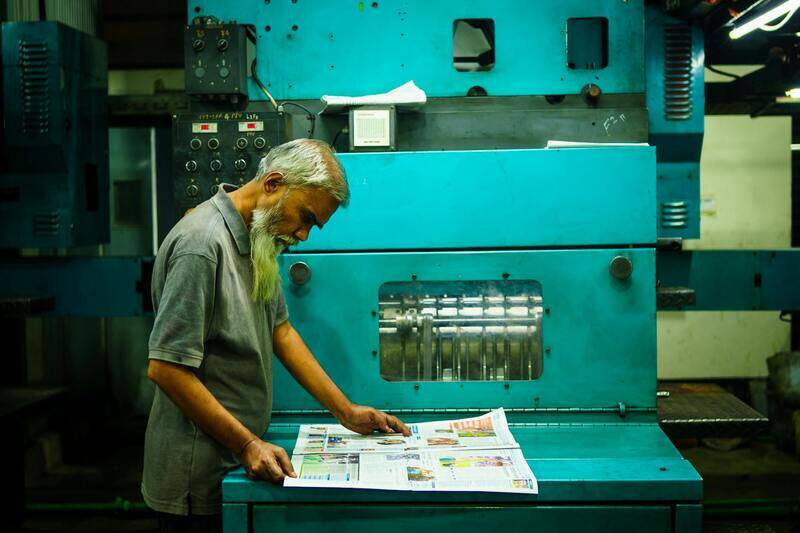
Energy-efficient digital presses have become standard, often equipped with features that lower power consumption and reduce greenhouse gas emissions. By choosing providers that invest in such equipment, businesses contribute to Singapore’s broader sustainability goals. Moreover, the lifecycle management of printing materials, from sourcing to disposal, is carefully monitored to optimize resource use and minimize environmental impact.
Market Trends and Future Outlook
The Singapore digital printing industry continues to evolve as sustainability remains a core focus. Future developments include:
- Further integration of biodegradable and recycled substrates, reducing reliance on virgin materials.
- Advancement of inks that are more environmentally friendly, with decreased VOC emissions.
- Automation of waste management processes to enhance efficiency and waste reduction.
- Encouragement of green certifications and eco-labels to uphold high standards across providers.
These initiatives not only align with local and global environmental commitments but also meet the growing consumer demand for responsible and sustainable products. As digital printing technology advances, providers in Singapore are poised to lead in eco-conscious innovations, offering solutions that marry quality with sustainability.
Choosing a Reliable Digital Printing Partner in Singapore
Selecting the right digital printing partner involves evaluating several key factors. Experience and industry reputation are crucial, as they indicate proficiency in handling diverse projects and maintaining consistent quality. A comprehensive portfolio showcasing previous work allows clients to assess the provider’s capabilities and style adherence.
Certifications such as ISO 14001 for environmental management or certifications related to quality assurance serve as indicators of a provider’s commitment to standard excellence and sustainable operations. Customer reviews further provide insights into reliability, responsiveness, and overall client satisfaction.
When evaluating potential partners, consider their technological capabilities, particularly the use of advanced digital presses that deliver high-resolution outputs with minimal waste. Additionally, transparency in pricing, turnaround times, and communication processes are vital to establishing a smooth working relationship that meets project timelines and expectations.