Definition and Benefits of Quick Print Services
Quick print services refer to specialized printing solutions designed to fulfill immediate printing needs with a rapid turnaround time. These services are tailored to cater to clients who require high-quality print materials delivered within a short timeframe, often within the same day. The core advantage lies in their ability to combine speed with accuracy, ensuring that businesses and individuals can meet tight deadlines without compromising on quality.
Utilizing advanced printing technology and efficient workflows, quick print providers can produce a wide range of printed materials, including marketing collateral, business documents, posters, banners, and flyers. This convenience not only accelerates the pace of business operations but also enhances productivity by reducing waiting times and enabling timely project completions.
Several benefits contribute to the rising popularity of quick print solutions in Singapore and beyond. Firstly, time-saving is a critical factor; clients can obtain their print orders typically within hours, which is essential during last-minute campaigns or urgent corporate communications. Secondly, the convenience aspect allows users to place orders online or via phone, streamlining the process without visiting physical stores. Thirdly, the rapid turnaround times help businesses respond swiftly to market demands, ensuring their promotional materials or critical documents are available when needed.
Moreover, quick print services allow for a greater degree of flexibility in project management. Clients can make real-time adjustments to designs or quantities without significant delays. For small businesses, startups, or event organizers, this flexibility can be crucial in maintaining operational momentum. In addition, modern quick print providers often incorporate environmentally friendly practices, such as using sustainable inks and recycled papers, contributing to ecological responsibility while delivering speedy results.
Ultimately, quick print services serve as an indispensable tool for a diverse array of sectors that demand quality prints produced under tight schedules. Their combination of technological sophistication and customer-centric processes ensures that clients receive professional outputs swiftly and reliably, making them a vital component of contemporary business and personal printing needs.
Types of Printing Options Available for Quick Print
When selecting a quick print service, the range of printing options is a critical factor to consider. Providers typically offer various formats and techniques to cater to diverse needs, from promotional materials to formal documents. The most common options include digital printing, offset printing, large-format printing, and specialty printing.
- Digital Printing: Ideal for short runs and quick turnaround times, digital printing allows for high-quality outputs with minimal setup. This method is particularly popular for business cards, flyers, and event invitations, where fast, on-demand production is essential.
- Offset Printing: Although traditionally used for larger volume printing, modern quick print providers incorporate offset techniques for premium quality and cost efficiency in bulk orders. It is suitable for catalogs, brochures, or packaging materials requiring consistent color fidelity.
- Large-Format Printing: This option caters to applications such as banners, posters, and signage. It involves printing on wide media, often with vibrant color accuracy and high resolution, suitable for advertising and displays.
- Specialty Printing: For unique projects, quick print services may also include foil stamping, embossing, or UV coating. These techniques add textures and effects to enhance branding or aesthetic appeal, suitable for premium invitations, awards, or luxury packaging.
Alongside these primary options, many providers also offer finishing services such as lamination, binding, and cutting. These additional steps ensure the final product meets particular standards and specifications, further streamlining the entire printing process for clients with urgent or complex requests.

Key Factors to Consider When Choosing a Quick Print Service
Selecting a suitable quick print provider involves assessing several crucial factors to ensure quality, speed, and cost-effectiveness. The following considerations guide clients toward optimal choices for their projects.
- Turnaround Time: Verify the provider’s ability to deliver within your required timeframe. Ask about their typical processing times and whether they can accommodate same-day or next-day requests.
- Print Quality: Examine samples or portfolios to assess color accuracy, resolution, and finishing craftsmanship. High-quality outputs should meet professional standards for both digital and offset printing methods.
- Range of Services: Ensure the provider offers the necessary printing options and finishing services, including customization features, to fully support your project requirements.
- Technological Capabilities: Advanced equipment and software integration often translate into better color consistency, precise cutting, and quick adjustments, reducing the likelihood of errors and delays.
- Customer Support and Communication: Clear and responsive communication channels help to clarify specifications, track progress, and resolve issues promptly, essential during urgent print jobs.
- Pricing Transparency: Obtain detailed quotes that include all aspects of the printing process to avoid unexpected costs. Comparing multiple providers helps to find competitive rates without compromising quality.
- Sustainability Practices: With growing environmental awareness, selecting services that utilize eco-friendly inks, recycled paper, and sustainable practices can add value to your project and reinforce your commitment to ecological responsibility.
Technologies and Equipment Used in Quick Print Services
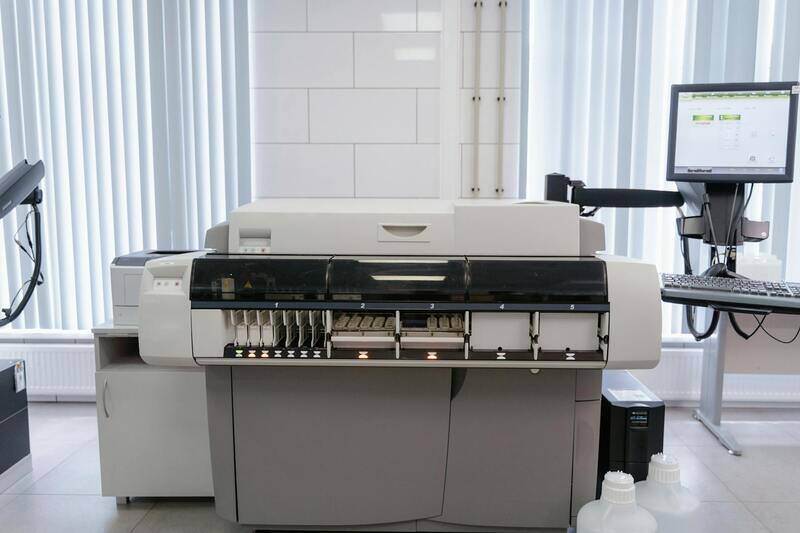
Modern quick print providers leverage cutting-edge technology to deliver high-quality results within tight deadlines. Digital printing presses are commonly employed due to their ability to produce short runs efficiently and with excellent color fidelity. These machines allow for rapid adjustments and quick turnaround times, making them ideal for urgent projects such as promotional flyers or event posters.
Offset printing, though traditionally associated with large volume orders, is now equipped with faster, more advanced press systems that can handle smaller batches without sacrificing quality. By combining digital and offset technologies, quick print services can optimize both speed and cost-effectiveness for a variety of job sizes.
In addition to printing presses, finishing equipment plays a crucial role in quick print workflows. High-speed cutting, binding, lamination, and folding machines are integrated into production lines, reducing manual handling and accelerating completion times. Automation in these processes ensures consistent quality, precise specifications, and minimal delays.
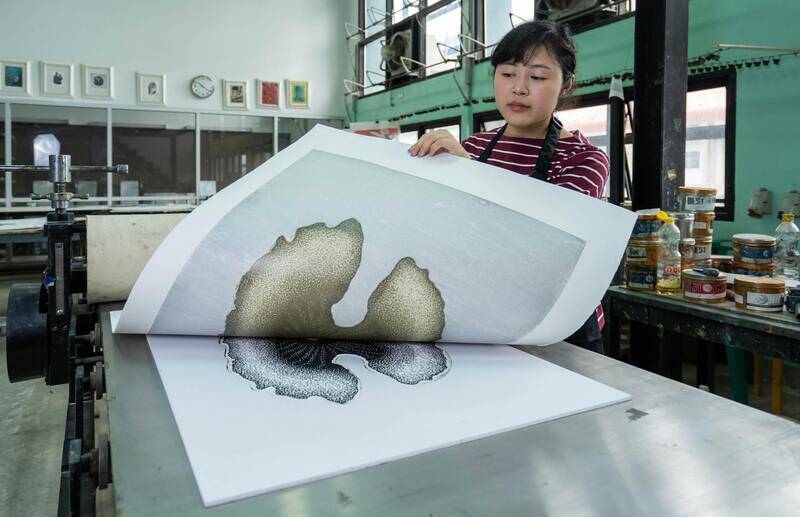
Advanced software solutions for layout design, color management, and print queue control are also vital. These enable operators to monitor job progress closely, make real-time adjustments, and ensure consistency across batches. Integration of cloud-based management platforms provides seamless communication between clients and production teams, facilitating efficient job tracking and updates.
Cost Considerations for Quick Print Services in Singapore
Pricing for quick print services is influenced by factors such as print volume, material choices, and finishing requirements. Digital printing generally offers lower setup costs, making it economical for small to medium-sized jobs, while offset printing becomes cost-effective for larger quantities due to its efficiency and lower per-unit costs.
Additional expenses may include custom finishes like embossing, foil stamping, or specialty coatings, which enhance the prestige of promotional materials but may marginally increase total costs. It's important to obtain detailed quotes upfront, including all potential fees for rush services, setup, and finishing, to avoid surprises.
Many providers offer tiered pricing or discounts for bulk orders, accommodating diverse budget constraints. By comparing quotes from multiple sources, clients can identify options that balance affordability with quality and speed.

Tips to Ensure Fast and Accurate Printing Results
- Prepare Accurate Files: Ensure your digital files are print-ready, with correct dimensions, resolution, and color profiles to prevent delays caused by errors or reprints.
- Communicate Clear Specifications: Provide detailed instructions on paper type, finishes, folding, or any special requirements to facilitate smooth production.
- Select Experienced Providers: Choose vendors with proven quick turnaround capabilities, high-quality equipment, and positive client reviews for urgent projects.
- Schedule Strategically: Plan your orders well in advance of your deadline to allow for unforeseen adjustments or issues during production.
- Confirm Turnaround Times: Verify the provider’s capacity for same-day or next-day delivery and understand any constraints that may affect delivery schedules.
Future Trends in Quick Print Services
Rapid advancements in digital printing technology continue to reshape the quick print landscape. Innovations such as ultra-fast inkjet printers, 3D printing integration, and on-demand digital finishing processes are increasingly popular. These developments enable even faster turnarounds, customization options, and eco-friendly practices.
Artificial intelligence and automation further streamline workflows, from file preparation to quality control, minimizing human error and reducing turnaround times. As sustainability becomes more prioritized, eco-conscious materials and energy-efficient machinery are expected to become standard offerings, aligning fast printing solutions with global environmental goals.
Technologies and Equipment Used in Quick Print Services
To achieve expedited turnaround times while maintaining high-quality output, quick print service providers often leverage advanced printing technologies and state-of-the-art equipment. Digital printing remains the backbone of quick print operations due to its ability to produce prints rapidly with minimal setup. This method eliminates the need for costly and time-consuming printing plates, enabling on-the-spot adjustments and short runs that perfectly suit urgent needs.
High-speed digital presses, such as cut-sheet and roll-to-roll printers, are equipped with powerful processors and precision-engineered printing heads that ensure crisp images and vibrant colors. These machines can handle various media types, thicknesses, and finishes, providing versatile options tailored to diverse client requirements. Additionally, technologies like UV printing allow for immediate curing of inks, reducing drying times and further accelerating production workflows.
3D printing technology is expanding its presence in quick print services, especially for prototyping, custom displays, or small-scale manufacturing. Its ability to produce complex geometries swiftly serves sectors needing rapid development cycles. On the finishing end, automated binding, folding, cutting, and laminating equipment integrate seamlessly into the printing process, reducing manual handling and streamlining the overall output timeline.

Furthermore, automation and digital workflows play a crucial role in boosting efficiency. Integrated software manages the entire process—from file submission and preflight checks to printing and finishing—ensuring quality consistency and reducing human error. Artificial intelligence tools assist in optimizing print layouts and color calibration, enhancing both speed and precision.
Energy-efficient and eco-friendly machinery are increasingly prevalent, aligning quick print services with sustainability goals. These machines use less power and often feature environmentally friendly inks and materials, making it feasible to meet tight deadlines without compromising on eco-responsibility.

Technological innovation continues to drive improvements in speed, quality, and environmental sustainability. The integration of digital printing with cutting-edge finishing solutions promises even shorter cycle times and highly customizable products, setting new standards in the quick print industry.
Technologies and Equipment Used in Quick Print Services
Remarkable advancements in printing technology have revolutionized the quick print landscape, enabling providers to meet urgent demands without compromising quality. Central to these innovations are digital presses, which utilize digital files to produce high-resolution prints rapidly, often with the ability to switch between different jobs seamlessly. These presses significantly reduce setup times, allowing for short turnaround periods that are essential in fast-paced industries.
In addition to digital presses, smart online ordering platforms have streamlined the submission process for clients. These platforms facilitate instant file uploads, automated preflight checks, and real-time job tracking, enhancing transparency and efficiency. By integrating such systems, quick print services can process orders swiftly, minimize errors, and optimize resource allocation.

High-precision finishing equipment further amplifies the productivity of quick print services. Automated cutting, binding, folding, and laminating machines allow for rapid post-print processing, maintaining high standards of consistency and quality. The integration of these machines with digital workflows ensures that each step—from file submission to final product—is optimized for speed and accuracy.
Moreover, innovative inks such as UV-curable and eco-friendly variants facilitate rapid drying times, reducing delays during the production cycle. These inks also offer superior durability, enhancing the overall quality of the printed materials. In tandem with digital workflows, these technological features allow quick print providers to deliver customized, high-caliber products within tight deadlines.
Investments in automation, such as robotic loading and unloading systems, further minimize human intervention, decreasing processing times and reducing potential errors. These systems also support batch processing, enabling simultaneous handling of multiple jobs without sacrificing quality. Overall, the synergy of advanced digital presses, automation solutions, and efficient finishing machinery defines the modern palette of quick print technologies, setting new standards for speed, precision, and sustainability.
Key Factors to Consider When Choosing a Quick Print Service
Selecting the right quick print provider is fundamental to achieving efficient, high-quality results that meet your specific project requirements. Several critical factors must be evaluated to ensure your choice aligns with your operational needs and expectations.
Reputation and Industry Experience
Start by assessing the provider's reputation within the printing industry and their track record of delivering consistent, reliable services. An established quick print service with years of experience typically demonstrates a deep understanding of diverse printing techniques, logistics management, and customer support, which translates to smoother project execution and fewer errors.
Range of Printing Technologies and Capabilities
The availability of modern printing technologies directly impacts the speed, quality, and variety of products offered. Ensure the provider employs advanced digital presses and finishing equipment capable of handling diverse substrates and formats. A versatile service provider can accommodate your specific needs, from standard flyers and posters to complex marketing collateral or specialty materials.
Turnaround Time and Delivery Options
Prompt, reliable turnaround times are vital for quick print services, especially when deadlines are tight. Clarify the provider's typical processing times and delivery options to guarantee timely receipt of your printed materials. Many providers offer expedited services with guaranteed completion times, which are essential for time-sensitive campaigns or last-minute projects.
Quality Assurance Processes
Consistent quality is non-negotiable. Verify that the quick print provider has rigorous quality control procedures in place, including color calibration, print inspection, and finishing checks. High standards ensure that every print job meets your expectations and reduces the need for reprints or revisions, ultimately saving time and resources.
Customer Support and Flexibility
Effective communication and responsive customer service are indispensable. Choose a provider willing to collaborate closely, offering guidance on file preparation, material selection, and finishing options. Flexibility in handling custom requests, order modifications, and resolving issues enhances the overall printing experience.
Pricing Transparency and Value
While cost is a significant consideration, transparency in pricing helps prevent unforeseen expenses. Opt for providers who offer clear quotes, including all fees for setup, materials, and finishing. Remember that the lowest price does not always equate to the best value—consider the balance of cost, quality, and speed.
Environmental Practices
For environmentally conscious organizations, evaluate the provider's sustainability policies. Eco-friendly inks, recycled materials, and energy-efficient equipment demonstrate a commitment to reducing environmental impact without compromising quality and efficiency.
Cost Considerations for Quick Print Services in Singapore
When selecting a quick print service, understanding the various cost components involved is essential to ensure transparency and budget adherence. In Singapore, quick print providers typically offer a range of pricing structures based on the complexity of the job, materials used, and turnaround time. It is important to obtain detailed quotes that break down setup fees, per-page or per-item costs, finishing charges, and any additional services requested.
One of the main factors influencing cost is the choice of printing technology. Digital printing methods, such as LED or toner-based presses, generally provide quicker turnaround times and lower setup costs, making them suitable for small to medium print runs. Conversely, offset printing might be more economical for larger quantities but involves longer setup processes. Evaluating the scope of your project against these methods can help optimize costs.
Material selection also significantly impacts overall expenses. Premium papers, specialty finishes, or eco-friendly inks tend to be priced higher but can add value to your print material. Discussing options with your print provider allows you to balance quality and budget effectively.
Additional costs may include emergency surcharges for same-day or rush orders, custom finishing, binding, and delivery services. Transparent providers will clearly outline these fees upfront, helping you avoid unexpected expenses. It's advisable to inquire about bulk discounts for larger orders or recurring projects, which can offer considerable savings over time.
In Singapore’s competitive market, many print service providers aim to offer cost-effective solutions without compromising quality. Comparing quotes from multiple vendors, assessing their service inclusions, and understanding the scope of what each quote covers will ensure that you receive optimal value for your investment.

Effective Methods for Ensuring Speed and Precision in Quick Print Services
Achieving rapid turnaround times without compromising on print quality requires strategic planning and adherence to established procedures. When engaging in quick print projects, selecting reputable providers who utilize advanced technological solutions is fundamental. Ensure the print service leverages high-performance digital presses that facilitate quick processing, consistent color reproduction, and precise output. Employing standardized file formats, such as PDF or TIFF, minimizes the risk of formatting errors and streamlines the printing workflow.
Preparation of Print Files for Expediency
- Use high-resolution files to avoid delays caused by reprints or adjustments.
- Verify color profiles and print specifications beforehand to ensure accurate reproduction on the first attempt.
- Implement clear communication channels with your service provider to confirm technical requirements and deadlines.
Choosing the Right Material and Finishing Options
The selection of suitable paper stock and finishing touches impacts the overall processing time. Opt for readily available materials that align with your project needs. When specific finishes or custom options are required, coordinate early with your provider to integrate these into the printing schedule, preventing unforeseen delays.
Streamlined Workflow and Communication
Maintaining open and continuous communication with your print service provider helps resolve potential issues promptly. Assign a point of contact to clarify project specifications, approve proofs quickly, and coordinate delivery schedules. Additionally, utilizing digital proofing tools can enable faster approval processes, reducing turnaround times.
Expedited Delivery and Logistics
Arrange for prioritized shipping options or same-day courier services if urgent delivery is necessary. Many providers in Singapore offer specialized logistics solutions tailored to tight schedules, ensuring your printed materials arrive on time without unnecessary handling delays.
Quality Control for Fast Turnaround
Implement on-site checks or digital verification methods during the printing process to detect and correct errors immediately. This proactive approach reduces rework, which can significantly prolong project timelines. Engaging experienced technicians familiar with rapid production workflows further enhances the likelihood of achieving both speed and accuracy.
Conclusion
Efficient quick print outcomes are achievable through thorough preparation, technological leverage, clear communication, and proactive quality control. Choosing a provider with proven expertise in fast turnaround services will enable you to meet tight deadlines while maintaining high standards for your printed materials. Whether for business promotions, event materials, or last-minute marketing campaigns, employing these best practices ensures your project is executed smoothly and swiftly in Singapore's competitive print landscape.