Understanding the Need for Speed in Printing
In the modern business landscape, the ability to deliver print products swiftly is more than a convenience; it is often a critical component of marketing, branding, and operational efficiency. Whether it pertains to promotional materials, event banners, or client presentations, clients expect rapid turnaround times without compromising quality. The demand for fast printing services stems from various factors such as tight deadlines, the dynamic nature of marketing campaigns, and the need for immediate distribution.
Speed in printing directly impacts the ability of businesses to remain competitive and responsive to market demands. For instance, in industries like retail and hospitality, the quick replenishment of point-of-sale displays or seasonal promotional materials can significantly influence sales performance. Similarly, event organizers rely on expedited printing solutions for banners, flyers, and tickets that are often required on short notice.
Within the printing industry, expectations for quick service have prompted the development of specialized processes and advanced technology. Customers typically anticipate not only rapid production but also consistency in quality. They seek providers who can reliably meet short lead times while maintaining high standards, which involves meticulous planning and the integration of efficient workflows.
Moreover, the importance of speed extends beyond mere convenience. It intersects with business reputation, customer satisfaction, and operational success. Companies that can deliver their print materials quickly can also seize opportunities that arise unexpectedly, adapt to last-minute changes, and meet urgent client requests, thereby strengthening their market position.
In essence, embracing fast printing solutions is an essential strategic move for businesses aiming to stay agile in a competitive environment. This drive for speed compels printing service providers to innovate continuously, adopt cutting-edge technologies, and refine their processes to meet the escalating expectations of clients seeking reliable, rapid turnaround of their print products.
Choosing the Right Printing Services for Fast Turnaround
When seeking print products delivered swiftly, selecting the appropriate printing service provider becomes crucial. Reliable providers are equipped with state-of-the-art machinery and streamlined processes designed specifically to meet tight deadlines without compromising the quality of the output. Additionally, their geographical location relative to the client can significantly impact delivery times. Local printing companies tend to offer quicker turnaround options owing to reduced transit times, while those with expansive capacity and flexible scheduling can handle larger or more complex orders efficiently.
Beyond technological capabilities, fostering clear communication with the service provider ensures that specific requirements are understood and met promptly. Transparent workflows, real-time order tracking, and dedicated project managers are indicators of a printing company's commitment to delivering efficient results. When evaluating potential partners, consider their track record for handling rush orders and their ability to adapt quickly to last-minute modifications or urgent requests.

Factors to Consider When Selecting a Fast Printing Service
- Equipment Capabilities: Does the provider utilize high-speed digital or offset printers capable of rapid production?
- Production Capacity: Can they handle large volumes or complex designs without delays?
- Location: Is the company situated nearby or does it have efficient logistics to ensure quick delivery?
- Turnaround Time: What is their standard for rush orders, and do they guarantee specific delivery schedules?
- Service Flexibility: Are they willing to accommodate modifications or urgent requests during tight timelines?
- Quality Assurance: Do they maintain rigorous quality control even during expedited production?
Additional Considerations
It is advisable to review client testimonials and request samples of previous quick turnaround projects. Engaging with a provider that demonstrates professionalism, transparency, and a proven history of handling rush orders can prevent potential delays and ensure your project adheres to the agreed timeline.

Understanding the Need for Speed in Printing
In today’s fast-paced business environment, the ability to deliver print products swiftly can be a critical factor in achieving marketing goals, fulfilling urgent client requests, or responding to unforeseen circumstances. Rapid printing solutions serve a diverse range of needs, from last-minute promotional campaigns to quick inventory updates, requiring a reliable service that prioritizes speed without compromising quality.
Time-sensitive projects demand a strategic approach to printing, emphasizing the importance of efficient workflows, advanced technology, and flexible service options. Companies aiming to meet tight deadlines should focus on establishing partnerships with print providers renowned for their agility and capacity to handle rush orders. Such providers are typically equipped with high-speed digital presses, streamlined production lines, and dedicated teams trained to manage urgent requests professionally and effectively.

Speed in printing is not solely about rapid production; it also encompasses rapid response times, quick communication channels, and seamless processes that reduce downtime. When selecting a print service for fast turnaround, evaluating their operational efficiency and ability to adapt to changing demands is crucial. This encompasses not only their hardware capabilities but also their logistical planning, workflow management, and capacity for handling high-volume or complex jobs under strict time constraints.
Factors Enhancing the Speed of Printing Services
- Advanced Equipment: High-speed digital and offset printers capable of handling large volumes in shorter cycles.
- Strategic Location: Proximity to clients or optimized logistics networks that facilitate quick material pickup and delivery.
- Flexible Scheduling: Ability to prioritize urgent orders without disrupting regular production timelines.
- Streamlined Communication: Real-time updates and seamless coordination between clients and production teams.
- Quality Control: Rigorous checks that ensure haste does not lead to errors or substandard output.

Partnering with a print provider who combines technological excellence with operational efficiency ensures projects are completed within tight timeframes. Such collaborations reduce delays, enhance workflow transparency, and guarantee that your print products arrive precisely when needed, allowing for smooth marketing rollouts and operational workflows.
Additional Tips for Achieving Speed in Printing Projects
- Clear Communication: Provide detailed specifications and deadlines upfront to prevent misunderstandings and rework.
- Pre-Design Preparation: Have designs ready in appropriate formats to expedite the printing process.
- Order in Batches: Consolidate multiple items to streamline production schedules and reduce turnaround times for bulk orders.
- Prioritize Standard Sizes and Materials: Using common formats and materials can significantly cut processing time.
- Regular Follow-ups: Maintain communication to monitor progress and address any issues promptly.
Implementing these best practices ensures that your fast printing projects develop smoothly from initiation to delivery, maximising efficiency while maintaining high-quality standards.
Streamlining the Printing Process for Quick Delivery
Efficiently managing the entire printing workflow is crucial for achieving rapid turnaround times. This begins with meticulous planning, ensuring that each stage—from file preparation to final output—is optimized for speed without compromising quality. By implementing standardized procedures and leveraging automation technologies, print providers can minimize unnecessary delays and reduce manual errors.
One key component is the integration of digital workflows. Digital prepress systems allow for seamless file processing, quick proofing, and instant communication between designers and production teams. This reduces the time spent on corrections and rework, streamlining the transition from design to print.
Another effective strategy involves utilizing high-efficiency equipment, such as digital presses equipped with rapid curing technologies. These machines can produce high-quality prints at significantly faster rates than traditional analog methods. Additionally, the deployment of automated finishing tools—like cutting, binding, and lamination machines—further expedites the process, enabling a near-frictionless production cycle.
Maintaining an organized inventory of common materials and consumables ensures that production halts due to stock shortages are minimized. By synchronizing procurement with production schedules, print providers can facilitate continuous operations, further reducing delivery times.
Moreover, establishing dedicated fast-production lines within the facility allows for prioritized handling of urgent orders. Such isolation ensures that high-volume or standard projects do not interfere with expedited workflows, ensuring that quick turnarounds are consistently achievable.

Understanding the Need for Speed in Printing
In today’s fast-paced business environment, the demand for rapid printing solutions has become a crucial element for maintaining competitive advantage. Companies and individuals alike seek print products that not only meet high standards of quality but are also produced and delivered within tight timeframes. This urgency is driven by various factors, including last-minute marketing campaigns, urgent client presentations, event materials, and promotional giveaways. Recognizing the importance of speed in printing enables service providers to align their processes, infrastructure, and technological capabilities to fulfill urgent requirements without compromising on quality.
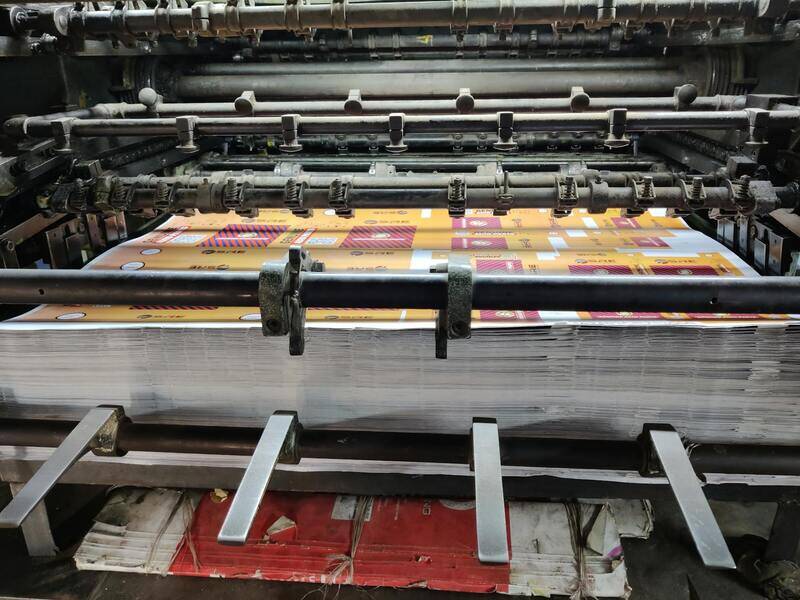
To effectively support fast turnaround demands, it’s essential to understand the complex interplay of equipment, workflow management, and resource allocation. The integration of advanced digital printing technologies and streamlined operational practices plays a pivotal role in achieving quick production cycles. This approach not only reduces lead times but also enhances overall customer satisfaction, fostering loyalty and repeat business in the competitive print industry.
Choosing the Right Printing Services for Fast Turnaround
Opting for the appropriate printing service provider is fundamental to ensuring rapid delivery of print products. Key criteria include technological proficiency, experience with high-volume or time-sensitive projects, and the availability of dedicated fast production lines. Service providers with a comprehensive portfolio of digital and hybrid printing solutions can adapt swiftly to diverse project requirements and tight deadlines.
- Experience and Reliability: Proven track record in handling urgent requests with consistent quality and on-time delivery.
- Advanced Equipment: Availability of high-speed digital printers, automated finishing systems, and real-time workflow management tools.
- Scalable Capabilities: Ability to increase production capacity quickly to manage larger or multiple urgent orders simultaneously.
Choosing a provider that emphasizes transparency and communication ensures clients are continuously informed about production statuses, enabling better planning and coordination for subsequent steps in project execution.
Types of Print Products Suitable for Fast Production
Many print products lend themselves well to expedited creation, provided the right technological and logistical frameworks are in place. Familiarity with these product types allows clients to prioritize projects that can be delivered swiftly without sacrificing quality.
- Flyers and Brochures: Short-run marketing materials that require quick turnaround for promotional campaigns.
- Business Cards: High-demand items for networking events, conferences, and new employee onboarding.
- Posters and Banners: Large-format displays for events, retail promotions, or public notices, often needed at short notice.
- Labels and Stickers: Custom packaging or branding materials that frequently require rapid production for product launches or updates.
- Event Programs and Invitations: Time-sensitive materials for weddings, corporate events, or special functions.

Understanding the suitability of different products for fast production helps in planning workflows more effectively, ensuring that even urgent projects meet deadlines and quality expectations.
Streamlining Finishing Processes for Rapid Delivery
Efficient finishing touches are crucial in maintaining the quick turnaround time required by fast print jobs. Post-printing procedures such as cutting, binding, laminating, and mounting must be executed with precision and speed to meet tight deadlines without compromising quality. Advanced finishing equipment, like high-speed cutters and automated binding machines, enable providers to process large volumes swiftly while ensuring clean, accurate results.
Automation plays a pivotal role in expediting finishing workflows. Modern finishing lines integrate with digital printing presses, allowing seamless transition from printing to finishing stages. This integration minimizes delays caused by manual handling, reduces errors, and accelerates overall production times, making it possible to fulfill urgent orders efficiently.

Furthermore, choosing a print service provider equipped with versatile finishing options can significantly enhance speed. For example, automated laminating and folding systems allow quick handling of sizable batches, while modular binding setups can switch tasks rapidly to accommodate diverse product types. Implementing standardized finishing protocols also ensures consistent output and reduces the risk of rework, which can delay delivery timelines.
Implementing Effective Workflow Management
To consistently maintain rapid production cycles, a streamlined workflow management approach is essential. This includes scheduling and prioritizing urgent jobs, utilizing digital project tracking systems, and coordinating between design, print, and finishing teams. Clear communication channels help identify potential bottlenecks early, allowing adjustments to be made proactively.
Staff training is equally important; well-trained operators can handle high-speed machinery efficiently while adhering to quality standards. Continuous process evaluation and adopting new technology updates contribute to optimizing throughput and ensuring that print products reach clients within their desired timeframe.
Quality Control in High-Speed Production
Maintaining high standards during fast production cycles requires rigorous quality assurance protocols. Real-time inspection systems integrated with printing and finishing equipment can detect issues promptly, minimizing defective products and reducing rework times. Consistent monitoring ensures alignment with specifications and enhances customer satisfaction.
Incorporating quality checkpoints throughout the process helps identify potential problems early and fosters a culture of excellence. This systematic approach ensures that speed does not compromise the integrity and visual appeal of the final print products.
Optimizing Production Workflows for Maximum Speed
Efficient workflow management is crucial to meet the demands of fast print product delivery. Implementing a comprehensive workflow involves precise scheduling, prioritization of urgent jobs, and real-time project tracking. Digital tools, such as print MIS (Management Information Systems), allow teams to monitor each order's progress from submission to completion, ensuring transparency and prompt issue resolution.
Effective communication channels between design, printing, and finishing departments mitigate misunderstandings and streamline handoffs. Regular team briefings help identify potential bottlenecks early and facilitate proactive adjustments. Automated job queuing systems can assign resources effectively, reducing idle times and ensuring high-priority jobs are completed swiftly.
Staff training plays a vital role in maintaining speed without sacrificing quality. Operators skilled in high-speed machinery understand optimal settings, leading to faster setup times and fewer errors. Continuous Education Programs, including technology updates and process improvements, keep the team prepared for rapid production demands.
Periodic process audits help identify inefficiencies and areas for improvement. Incorporating new technologies such as digital hybrid presses, which combine digital and offset processes, can accelerate production cycles and reduce turnaround times. By fostering a culture of continuous improvement, print service providers can consistently deliver quality prints within tight deadlines.

Leveraging Technology for Faster Printing
Adopting advanced printing hardware and software is another key element in achieving rapid turnaround times. Digital printers with high-speed capabilities enable quick production of large quantities without compromising detail or color accuracy. Integrated automation tools, such as inline cutting, binding, and finishing equipment, further reduce manual handling time, shortening overall delivery cycles. Prepress software with automated layout and color management features expedites the preparation process, allowing jobs to move smoothly from design to print with minimal delays. Cloud-based file sharing facilitates faster approvals and revisions, helping to keep projects on schedule. The implementation of predictive maintenance systems ensures that machinery runs optimally, avoiding unexpected downtimes that can disrupt schedules. Regular calibration and servicing based on real-time data prevent equipment failures and keep the printing process on track. Overall, technological integration is pivotal for print service providers committed to rapid turnarounds, enabling them to meet client expectations consistently and efficiently.
Implementing Efficient Delivery Solutions to Ensure Prompt Receipt of Print Products
Once the print products are completed, the focus shifts toward reliable and swift delivery methods that guarantee the final items reach clients in a timely manner. Efficient logistics planning is crucial in minimizing delays and maintaining the integrity of the prints during transit. Strategic coordination with reputable courier services, specialized courier options, and local distribution networks forms the backbone of an effective delivery system tailored for fast-paced printing operations.
Optimizing Logistics for Rapid Distribution
Establishing close partnerships with trusted logistics providers enables print service companies to streamline the shipping process. This involves selecting carriers with a proven record of punctuality and handling delicate print materials with care. Maintaining real-time tracking systems allows both the provider and the client to monitor progress, anticipate delivery windows, and address any unforeseen issues promptly. Additionally, warehousing solutions close to major client locations can facilitate local dispatches that drastically cut down transit times.
Choosing Express Shipping Options
For urgent orders, opting for express shipping services ensures rapid transit, even across longer distances. Priority courier options such as same-day or next-day delivery are often available and can be tailored to specific project deadlines. This service typically includes dedicated handling, expedited customs clearance if necessary, and specialized packaging to protect the products during transit. Prioritizing secure, temperature-controlled packaging further ensures print products arrive in pristine condition, reflecting the professionalism of the service provider.
Coordination and Communication for Seamless Delivery
Clear communication with clients about delivery schedules and expectations is essential. Implementing automated order notification systems and confirmation updates helps keep clients informed at each stage of the process. Pre-arranged delivery time slots and flexible dispatch options accommodate client availability and urgent needs, reducing waiting times and enhancing overall satisfaction. Establishing a dedicated logistics team within the organization fosters proactive management of deliveries, enabling swift responses to any logistical challenges that arise.