Overview of Banner Printing
Banner printing is a specialized form of large-format printing that involves producing visually impactful signage used primarily for advertising and promotional purposes. This process encompasses the creation of banners that are designed to attract attention in busy environments such as trade shows, retail stores, outdoor venues, and corporate events. The significance of banner printing in the marketing landscape cannot be overstated, as it provides businesses with an effective medium for brand visibility and message dissemination. Unlike smaller printed materials, banners offer high visibility due to their large size, vibrant colors, and ability to convey complex graphics or information clearly from a distance.
Banners serve a wide array of functions across numerous industries. Retail outlets utilize them for promotional sales, product launches, or seasonal campaigns. Event organizers incorporate banners for directional signage and branding at festivals or conferences. Companies engaging in outdoor advertising leverage durable banners to reach passersby over sustained periods. The versatility of banner printing makes it a preferred choice for creating eye-catching displays that can adapt to various spaces and purposes.

Decision-makers prioritize banner printing because it combines visual appeal with cost-effectiveness, especially when produced in large quantities. Modern banner printing also allows for customization, enabling businesses to tailor designs to specific campaigns, brand themes, or event requirements. As technology continues to evolve, banner printing techniques have become increasingly sophisticated, offering options for eco-friendly materials, weather-resistant substrates, and high-resolution imagery that ensure banners remain impactful over time.
In summary, banner printing is a vital component of strategic advertising efforts, providing a flexible and durable medium to effectively communicate messages. Its importance across different industries underscores the need for high-quality production methods, strategic design considerations, and appropriate material selection to maximize effectiveness and visual appeal.
Overview of Banner Printing
Banner printing stands out as a fundamental element in modern advertising and communication strategies. It encompasses various processes that produce large-format visuals capable of attracting attention from a distance, making it an indispensable tool for marketing, event promotion, and environmental branding. The core principle involves translating digital designs into physical displays using specialized printing methods that accommodate sizable dimensions while maintaining image clarity and color vibrancy. This printing practice is versatile enough to produce banners for a multitude of settings, from indoor exhibitions to outdoor billboards, and even mobile displays for events or roadside advertising.
One of the most significant attributes of banner printing is its ability to combine high-impact visuals with durability. Using advanced printing equipment, businesses can generate vibrant images on substrates suitable for various environmental conditions. The capacity to customize sizes, shapes, and finishes further enhances the effectiveness of banners as a branding tool or promotional asset. Additionally, the deployment of eco-friendly printing materials and processes allows companies to pursue sustainable advertising initiatives without compromising quality.
Innovations in printing technology have led to the development of high-resolution imaging, weather-resistant inks, and environmentally conscious materials that extend the lifespan of outdoor banners and preserve their visual integrity over time. This evolution in printing methods ensures that banners not only catch visual interest but also withstand environmental elements such as rain, sun, and wind, maintaining their appearance without rapid deterioration.
Strategically produced banners serve multiple purposes—from enhancing brand visibility at trade shows and sports events to serving as directional signage in large-scale festivals or corporate functions. Their ability to adapt to different contexts and display environments underscores their continued relevance in contemporary marketing efforts. As a result, choosing the right printing technique and material is paramount to ensuring that banners deliver maximum impact and longevity in their respective settings.
Overview of Banner Printing
Banner printing stands as a cornerstone in visual marketing, providing businesses with a dynamic method to communicate messages to targeted audiences. This process involves transferring digital designs onto various substrates, utilizing advanced printing technologies that ensure vibrant and durable results. Whether for indoor displays or outdoor advertising campaigns, banner printing offers unparalleled flexibility in size, shape, and material choice, making it an essential tool in promotional and branding strategies. In addition to its visual appeal, banner printing allows for rapid customization and production turnaround, enabling businesses to respond swiftly to marketing opportunities or event-specific needs.
Types of Banners and Materials
Choosing the appropriate banner type and material is crucial for achieving the desired visual impact and longevity. There is a broad spectrum of banner formats, including mesh, vinyl, fabric, and paper, each suited to different display environments and purposes. Vinyl banners, known for their durability and weather resistance, are ideal for outdoor advertising and long-term installations. Mesh banners, featuring a perforated design, allow wind passage, making them suitable for high-wind environments and large outdoor displays.
Fabric banners, including polyester or nylon, offer a premium look with high-resolution printing capabilities and are often used indoors for trade shows and events. Paper or poster banners are more suitable for short-term promotions or indoor uses due to their delicate nature. Additionally, eco-friendly materials like biodegradable films and water-based inks are increasingly favored by businesses committed to sustainable practices, without compromising on quality or performance.

Design Considerations for Banner Printing
Effective banner design hinges on several key factors that influence visibility and message clarity. The selection of size must align with the viewing distance and placement location, ensuring readability from afar. Color schemes should leverage contrast and brand-specific palettes to draw attention and reinforce brand identity. High-resolution graphics and text are vital for crisp, professional visuals that attract viewers and communicate messages effectively.
Incorporating branding elements such as logos, slogans, and taglines ensures consistent messaging across multiple marketing assets. The overall layout should be balanced, with ample negative space to avoid clutter and facilitate quick comprehension. Font choice and size are equally important; legible typefaces and appropriately scaled text improve readability, especially for banners viewed from a distance. Strategic use of call-to-action elements can turn passive viewers into active participants, enhancing the banner's impact.
Printing Technologies and Techniques
Modern banner printing relies on several sophisticated printing methods to produce high-quality images with longevity. Solvent and eco-solvent printing techniques utilize environmentally friendly inks that provide vibrant colors and weather resistance, ideal for outdoor banners. UV printing employs ultraviolet light to instantly cure inks on various substrates, offering sharp details and durability against environmental factors. Latex printing combines water-based inks with flexible latex carriers, making it suitable for versatile applications with high color accuracy.
Each technique offers specific advantages regarding resolution, color vibrancy, and material compatibility. Digital large-format printers with wide-format capabilities ensure seamless, high-quality output across expansive surfaces. The selection of printing methods should be based on factors such as intended use, environmental exposure, and budget considerations. Ensuring the use of advanced machines and quality inks results in banners that are visually striking, resilient, and capable of enduring various environmental conditions.
In-depth Look at Banner Printing Processes
Implementing the right printing technology is essential to achieve vibrant, durable banners that meet specific needs. Digital printing methods, such as UV, solvent, and latex printing, are commonly favored for their ability to produce detailed imagery with high precision on various materials. UV printing is particularly suitable for rigid substrates and offers rapid curing, resulting in crisp details and exceptional resistance to environmental challenges. Solvent and eco-solvent printing excel in outdoor applications due to their ink formulations, which deliver vivid colors and weather resistance. Latex printing stands out for its flexibility and high color fidelity, making it an ideal choice for banners that require some degree of stretch or modularity.
When selecting a printing technique, consider the banner’s primary environment and lifespan. For outdoor advertising with extended exposure to sunlight and rain, solvent or UV printing techniques generally offer the best durability. For indoor displays or short-term campaigns, eco-solvent and latex options provide excellent quality while being environmentally conscious. Digital large-format printers are indispensable tools, allowing continuous printing on large surfaces with minimal seams, ensuring seamless visuals that boost attention and engagement.
Advancements in printing hardware and ink formulations have vastly improved the resolution and color consistency of banners. Ensuring the use of high-quality inks and calibrated machinery guarantees that the final product will maintain its visual appeal over time. Furthermore, employing protective lamination or coating during or after printing can add an extra layer of resilience against scratches, dirt, and UV damage, extending the banner's effective lifespan.
Choosing the Right Printing Method for Your Needs
Aligning your project requirements with the appropriate printing technology involves analyzing factors such as environmental exposure, expected lifespan, design complexity, and budget. For instance, UV printers are ideal for short-run, high-detail metal or plastic signage, while solvent-based printers excel in outdoor vinyl banners. Latex printing offers versatility for various substrates, including fabric and mesh, with high flexibility and eco-friendliness.

It is equally important to work with professional printing services equipped with the latest machinery and eco-friendly inks. This investment guarantees consistency in color reproduction and minimizes post-printing defects or delays. Thoughtful selection of printing techniques tailored to specific campaign objectives results in banners that effectively communicate and endure, offering maximum return on investment.
Durability and Maintenance
Proper handling and maintenance play critical roles in preserving the visual appeal and structural integrity of printed banners. The durability of a banner largely depends on the materials used and the environmental conditions it faces. For outdoor banners, selecting weather-resistant materials such as vinyl or mesh with reinforced edges and UV-resistant coatings helps prolong lifespan despite exposure to sun, rain, and wind.
Regular cleaning extends the quality and appearance of banners. Gentle washing with mild soap and water removes dust, dirt, and pollutants that can diminish print vibrancy. Avoid harsh chemicals or abrasive scrubbers that could damage the ink or material surface. When cleaning, always use soft cloths or sponges to prevent scratches.
For banners installed in high-traffic or outdoor areas, inspecting for tears or fading periodically allows for timely repairs. Small rips can be patched with compatible adhesive or seam tapes, preventing further damage. In cases of fading, especially in prolonged outdoor displays, consider applying protective coatings or laminates that serve as barriers against UV rays and environmental elements.
Installation and Display Tips
Effective installation techniques are crucial for achieving optimal visual impact and safety. When mounting banners, use appropriate hardware such as grommets, ropes, or tension cables designed to evenly distribute weight and minimize stress on the material. This prevents tearing and sagging, especially in outdoor setups.
Position banners at eye level or in prominent locations to maximize visibility. Ensure that the surface where the banner is mounted is clean, smooth, and free of debris. For outdoor banners, securing edges tightly and using wind slits can prevent billowing or damage caused by strong gusts.
Lighting can significantly influence the banner’s effectiveness. Strategic placement of spotlighting or backlighting can enhance visibility at night, drawing attention to promotional messages or branding. Additionally, consider the angle and proximity of lighting sources to avoid glare that might obscure the design.
Maintain a balance between proximity and visual distance when hanging banners. Too close may cause distortion, while too far can diminish detail recognition. Regularly check mounting points for stability and make adjustments as necessary to keep the banner taut and properly displayed.

Durability and Maintenance of Printed Banners
Ensuring the longevity of your banner prints requires careful selection of materials and consistent maintenance practices. Different materials are designed to withstand various environmental conditions, making it essential to choose the right option based on the intended display environment. For instance, vinyl banners are highly resistant to water, UV rays, and tearing, making them suitable for outdoor use. Fabric banners, on the other hand, often provide a more premium look and are ideal for indoor settings. The choice of ink also impacts durability; UV-resistant inks help prevent fading caused by prolonged exposure to sunlight.
Regular inspection of banners, especially those displayed outdoors, is crucial. Look for signs of wear such as fraying edges, fading colors, or surface damage. Prompt repairs or replacements prevent minor issues from escalating into larger problems that could compromise the visual impact and safety of the banner. Cleaning procedures should be gentle yet effective—using mild soap solutions and soft cloths avoids damaging the surface. Specific cleaning instructions may vary depending on the material, so always follow the manufacturer’s guidelines.
Weather-Resistant Materials and Coatings
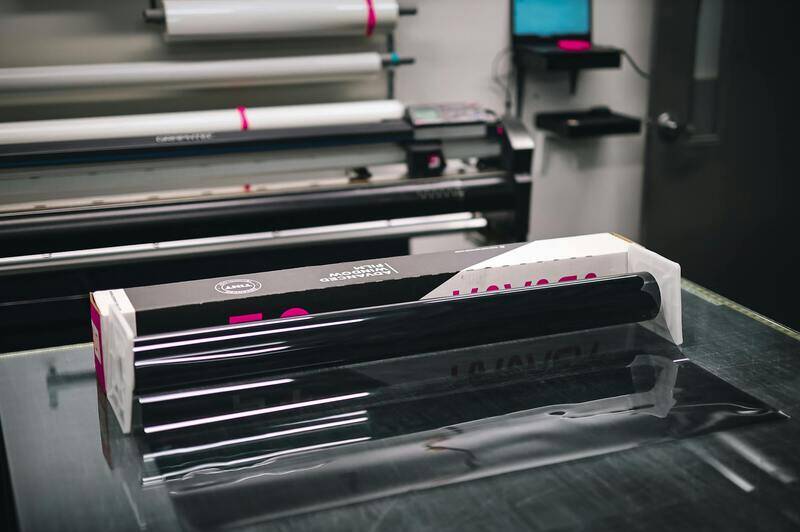
To optimize the lifespan of outdoor banners, selecting weather-resistant materials and applying protective coatings are vital steps. Vinyl banners with laminated or coated surfaces provide enhanced protection against moisture, UV rays, and harsh weather. Additionally, banners treated with an anti-fungal or anti-mildew coating resist mold growth and other moisture-related deterioration.
Protective Tips for Outdoor Banner Durability
- Securely install banners using appropriate hardware that withstands wind and tension.
- Utilize wind slits or grommets for flexible and secure mounting.
- Avoid prolonged exposure to direct sunlight when possible, or rotate banners periodically to reduce UV stress.
- Clean banners regularly to remove dirt, debris, or pollutants that can degrade materials over time.
Strategies for Long-Term Banner Preservation
Long-term preservation involves more than just choosing quality materials. Storage practices play a role in maintaining banner integrity when not in use. Roll banners carefully and store in a cool, dry environment away from direct sunlight. Avoid folding the banners to prevent creases and cracks in printed surfaces. When it’s time to re-display, inspect mounting points and hardware for stability to ensure that the banner remains taut and visually appealing.
Choosing a Banner Printing Service
Selecting the right provider for banner printing is crucial to achieve the desired visual impact, durability, and overall quality of your promotional displays. When evaluating potential service providers, consider their adherence to strict manufacturing standards, transparency in their processes, and certification of their printing technologies. A reputable banner printing company will employ the latest professional-grade techniques and utilize reputable sources for materials, ensuring that your banners meet both aesthetic and functional expectations.
Legitimate banner printing services typically demonstrate their expertise through a comprehensive portfolio showcasing various projects across different industries. This portfolio provides insight into their capability to produce banners of different sizes, designs, and materials—whether for indoor exhibitions, outdoor advertising, or special events. Their experience with complex design requirements, color accuracy, and high-resolution printing is an important factor to assess for a successful outcome.
Evaluating Printing Capabilities and Equipment
- Advanced Printing Technologies: The most trusted providers use large-format digital printers equipped with UV, solvent, or eco-solvent inks. These technologies deliver vibrant, long-lasting colors that resist fading over time, even under outdoor conditions.
- High-Quality Materials: Confirm that the company sources premium substrates such as PVC vinyl, mesh, fabric, or banner paper. Their commitment to using legitimate, quality materials ensures that your banners will withstand environmental stresses and display your branding effectively.
- Color Fidelity and Resolution: Professional banner printers employ color management systems and calibrated equipment to ensure accurate color reproduction and sharp images. High resolution—typically 300 DPI or higher—is essential for detailed graphics and clear text.
- Environmental Certifications: Look for printers adhering to environmental standards, like ISO certifications, which promote responsible sourcing and eco-friendly practices that contribute to sustainable promotion efforts.
Assurances and Certifications
A trustworthy banner printing service provides verifiable documentation of their production processes. Certifications related to quality management systems (like ISO 9001) or environmental standards (like ISO 14001) reinforce their commitment to quality and sustainability, instilling confidence in their offerings. Additionally, a transparency-oriented provider offers detailed quotations, outlining all costs associated with printing, materials, and finishing, enabling precise budgeting.
Customer Support and Project Management
Engaging with a reputable printing company involves assessing their customer service framework. A clear communication pipeline, attentive support staff, and dedicated project managers help streamline your order process. They provide expert guidance on material choices, design considerations, and installation options, ensuring your banners align with strategic branding goals while adhering to legitimate production practices.
Compliance and Ethical Standards
Choosing a service that strictly follows established industry standards ensures the production of banners that meet official specifications. These companies often participate in industry associations and adhere to regulations that uphold the quality and safety of printed materials. Verifying their compliance through available documentation or client testimonials can affirm their commitment to responsible practices and authentic service delivery.

Finalizing Your Banner Printing Project with Certified Practices
When investing in banner printing, it is essential to work with providers that utilize recognized and certified production methods. Certification programs such as ISO 9001 for quality management, ISO 14001 for environmental practices, and industry-specific standards serve as indicators of a company's adherence to proven processes. These certifications are granted after rigorous auditing and evaluation, which ensures that the printing workflows meet high-quality benchmarks and sustainable practices.
Print service providers committed to transparency often provide detailed documentation of their compliance and certification status. This documentation can include certificates of conformity, compliance reports, and quality assurance protocols, which offer tangible proof of their adherence to established standards. Opting for such reputable companies assures that your banners are produced using legitimate, tested procedures that conform to national and international guidelines.

Furthermore, a legitimate banner printing service will offer comprehensive quotations detailing all aspects of the project. This includes costs associated with materials, printing, finishing, and installation. Clear and detailed pricing helps prevent unexpected expenses and enables precise budgeting for your marketing campaign or event. Reliable providers also maintain transparent communication channels, offering support and clarifications throughout the project lifecycle.
Ensuring Authenticity through Quality Assurance Documentation
- Request official copies of certification documents, including ISO standards and industry accreditations.
- Review the provider’s quality management protocols to understand their internal processes.
- Verify their adherence to environmental and safety standards, which reflect their commitment to responsible practices.
- Examine client testimonials and case studies that highlight their adherence to quality standards and project execution transparency.
Choosing a banner printing provider with verifiable credentials not only guarantees the legitimacy of the production process but also contributes to the durability and visual impact of the final product. Certified companies tend to invest in high-grade materials and modern equipment, ensuring that your banners withstand the environmental conditions they are exposed to. This dedication to quality aligns with best practices for successful branding and promotional strategies.
Implementing Best Practices for Display and Maintenance
Once your banner is printed and installed, ongoing maintenance plays a vital role in preserving its appearance and effectiveness. Regular cleaning with suitable, non-abrasive solutions can remove dirt and pollutants that accumulate over time. Avoid harsh chemicals that could degrade the materials or fade the colors.
Protective measures, such as applying UV coatings or laminates, can significantly extend the lifespan of your banners. These finishes offer resistance against sun damage, moisture, and physical abrasion. When installing banners, proper anchoring and support structures are crucial to prevent tearing or detachment, especially in outdoor settings.
Periodic inspections and touch-ups can maintain your banners’ visual appeal. Promptly replacing worn or damaged banners ensures continuous visibility and brand consistency, maximizing your return on investment. By choosing professional services that adhere to certified and documented best practices for printing, installation, and maintenance, you can be confident in achieving a high-impact, durable display that accurately reflects your branding goals.