Overview of Photo Banner Printing
Photo banner printing has become an essential visual communication tool for a wide range of business and personal applications. It involves transforming high-quality photographic images into large-scale banners designed to attract attention, convey messages, and create impactful visual impressions. These banners are commonly used for promotional events, storefront advertising, trade shows, celebrations, and other public displays where visual impact can significantly influence audience engagement.
The core advantage of photo banner printing lies in its ability to reproduce detailed, vibrant images at large sizes without losing clarity or color fidelity. This capability allows businesses to showcase their products, services, or brand identity in a manner that is both eye-catching and professional. Additionally, photo banners serve as portable advertising platforms that can be customized to align with specific marketing campaigns or event themes.

One of the primary benefits of these banners is their versatility. They can be tailored to virtually any size or shape, accommodating different display spaces and design requirements. For outdoor use, weather-resistant materials ensure durability against elements such as rain, wind, and sunlight, maintaining visual integrity over time. In indoor environments, lightweight materials facilitate easy installation and repositioning, making them practical for frequent use or temporary displays.
Technologically, advancements in digital printing have revolutionized photo banner production. High-resolution printers and sophisticated color management systems enable true-to-life reproductions that capture nuanced details and vibrant hues. This precision ensures that the printed images align closely with the original photograph, whether it features sharp detail or subtle gradations of color.
For businesses, investing in quality photo banner printing translates into increased brand recognition and customer engagement. An attractive, professionally printed banner can draw attention from afar, communicate a compelling message, and leave a lasting impression on viewers. Consequently, selecting appropriate printing methods, materials, and design elements is crucial to achieving the desired promotional outcomes and maximizing return on investment.
Types of Banners Suitable for Photo Printing
When selecting a banner for high-quality photo printing, it is essential to consider the material that best complements the intended application and display conditions. Different banner formats serve various purposes, providing options for both indoor and outdoor use, as well as specific aesthetic preferences.
Vinyl Banners
Vinyl banners are among the most popular choices for photo banner printing due to their durability and versatility. Made from sturdy PVC material, they resist tearing and weather elements, making them ideal for outdoor advertising campaigns, event promotions, and trade shows. High-resolution digital printing on vinyl allows for sharp image reproduction, capturing intricate details and vibrant colors that draw attention from a distance.
Fabric Banners
Fabric banners offer a sophisticated and elegant appearance, often chosen for interior settings such as exhibit displays, retail environments, and corporate events. Their matte surface minimizes glare, providing excellent color reproduction for photographic images. Since fabric is lightweight and easy to fold or roll, it simplifies transportation and installation, especially for temporary or mobile displays. Additionally, fabric banners tend to have a premium look that can elevate the overall branding display.
Mesh Banners
Mesh banners consist of a perforated material that allows wind and light to pass through, making them suitable for larger outdoor banners exposed to gusty conditions. Their semi-transparent nature helps reduce wind resistance and prolongs lifespan, ensuring that the photographic quality remains impactful even in challenging weather. These banners are especially effective for large-scale outdoor events, sports arenas, or construction site signage where visibility and durability are priorities.

Specialty Materials
In addition to these standard types, specialty materials such as canvas or waterproof fabrics offer unique textures and finishes that can elevate your visual presentation. Canvas, for instance, provides an artistic touch reminiscent of fine art prints, suitable for gallery displays or high-end promotional displays. Waterproof fabrics extend usability in varied outdoor conditions, affording additional protection for detailed photographic images.
Considerations for Material Selection
- Display environment: Indoor vs outdoor settings influence the material choice based on durability and appearance.
- Image complexity: Detailed photographs with subtle color gradations require high-resolution printing substrates that can accurately reproduce hues and details.
- Longevity and weather resistance: For long-term outdoor displays, weatherproof options like vinyl and mesh are preferred.
- Installation needs: Lightweight fabrics are easier to handle and reposition, ideal for temporary events.
Matching Banner Types to Specific Purposes
Aligning the banner type with the specific goals of your campaign ensures maximum impact. For instance, vinyl banners are perfect for eye-catching outdoor promotions, while fabric banners serve well in elegant retail or corporate showcase environments. Mesh banners effectively combine visibility with resilience for large-scale outdoor displays. With an appropriate choice tailored to your needs, the quality and presentation of your photographic images will significantly enhance overall messaging and brand impressions.
Choosing the Right Materials for Photo Banners
When selecting materials for photo banner printing, it is essential to consider how each option aligns with your display environment, desired visual quality, and longevity. High-quality materials ensure that photographic images are reproduced with clarity, vibrant colors, and fine detail, which are critical factors in capturing attention and conveying your message effectively.
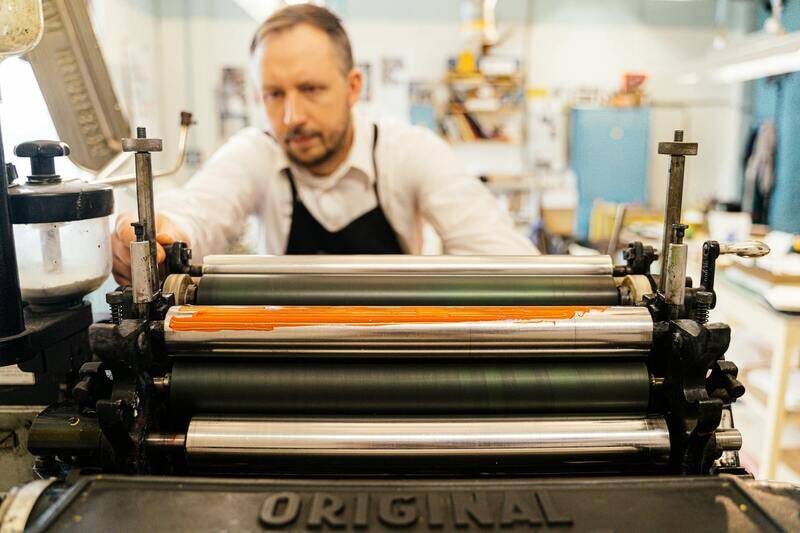
Vinyl remains a popular choice due to its versatility, durability, and weather resistance. It supports high-resolution printing, ensuring detailed photographic images are vividly rendered. Glossy or matte finishes can be selected based on the desired aesthetic and lighting conditions. For outdoor banners exposed to harsh weather, weatherproof vinyl ensures longevity, retaining color fidelity over time.
Fabric materials, such as polyester or nylon, often deliver a sophisticated appearance with rich color reproduction. These fabrics are especially suitable for indoor displays and high-end retail environments, where aesthetics are paramount. They typically have a softer texture and can be finished with eyelets or sleeves for easy installation. Additionally, fabrics tend to produce less glare, enhancing visibility in well-lit settings.
Mesh banners are designed with small holes that allow wind to pass through, making them ideal for large-scale outdoor displays in windy conditions. While mesh offers some reduction in image resolution, advancements in digital printing now allow for high-quality photographic reproduction on these materials. They strike a balance between durability and visibility, making them perfect for large outdoor events or construction sites.
Further considerations include the weight and ease of handling of the materials. Lightweight fabrics facilitate quick installation and repositioning, which is advantageous for temporary displays or trade shows. Heavy-duty vinyl, on the other hand, provides robust support for long-term outdoor signage, resisting tears and abrasions.
It's equally important to evaluate the color accuracy capabilities of the printing substrate. High-end materials designed for photographic reproduction typically feature enhanced ink absorption properties, allowing for an expanded color gamut and finer gradations. This results in images that are true-to-life, with smooth transitions and vibrant hues that bring your photographs to life.
Maintenance is another factor influencing material choice. Fabrics are generally easier to clean and store, especially if protected by appropriate coatings that resist dirt and moisture. Vinyl banners can be wiped clean, but require careful handling to prevent scratches or tears, particularly when used outdoors. Adapting the material selection based on environmental exposure ensures your photographic banner retains its visual impact over time.
Ultimately, matching your specific requirements—whether indoor elegance or outdoor durability—with the right material will optimize the visual quality and lifespan of your photo banners.
Types of Banners Suitable for Photo Printing
When selecting banners for photographic printing, it is essential to consider the specific characteristics and intended use of each type. The most common options include vinyl banners, fabric banners, mesh banners, and rigid substrates, each offering unique benefits aligned with different environments and aesthetic goals.
Vinyl Banners
Vinyl banners are highly versatile and popular for outdoor applications due to their durability and weather resistance. They are produced using reinforced vinyl material that supports high-resolution photographic prints, ensuring sharp images and vibrant colors. These banners can withstand sun, rain, and wind without significant deterioration, making them ideal for long-term outdoor advertising and large-scale displays.
Fabric Banners
Fabric banners are preferred for indoor settings where a softer, more sophisticated appearance is desired. Made from materials like polyester or nylon, they offer excellent print quality with a matte finish that reduces glare. Fabric banners also allow for intricate photographic details and vibrant color reproduction. Their lightweight nature facilitates easy hanging and transport, suitable for trade shows, exhibitions, and personalized events.
Mesh Banners
Designed with perforations, mesh banners are an excellent choice for outdoor use where wind resistance is critical. The mesh structure allows wind to pass through, decreasing the load on mounting points and reducing tearing risk. Despite the perforations, high-quality mesh banners can display detailed photographs with sufficient clarity, especially with specialized printing techniques that optimize ink absorption and vibrancy.
Rigid Substrates
For permanent displays or high-end indoor applications, rigid substrates like foam board, PVC boards, or acrylic sheets can be used for photographic prints. These materials enable large-format, high-resolution visuals that stand out with sharp detail and crisp color rendition. Rigid banners are less flexible but provide a premium look suitable for gallery displays, point-of-sale signage, or museum exhibits.
Summary of Suitable Banner Types
- Vinyl banners: Best for outdoor durability, large-scale advertising.
- Fabric banners: Ideal for indoor elegance and intricate details.
- Mesh banners: Suitable for outdoor windy conditions with a need for good visibility.
- Rigid substrates: Perfect for permanent, high-resolution displays indoors.
Understanding the specific advantages of each banner type helps in selecting the most appropriate material for your photographic display goals, ensuring impactful visuals and long-lasting results.
Understanding the Best Methods for Photo Banner Printing
When it comes to creating eye-catching and durable photo banners, selecting the appropriate printing method is crucial. The choice of printing technology directly influences the quality, vibrancy, and longevity of the final product. Recognized printing techniques such as UV printing, latex printing, solvent printing, and eco-solvent printing are predominantly used in professional banner production, each offering distinct advantages tailored to specific needs.
UV Printing: Precision and Durability
UV printing involves the use of ultraviolet light to cure inks instantaneously upon application to the substrate. This method produces sharp, detailed images with vibrant colors that resist fading over time. UV printing excels in handling various materials, including rigid substrates like acrylic sheets and PVC boards, making it a versatile choice for both indoor and outdoor displays. The technology also allows for the inclusion of textured effects and finishes, adding a premium touch to photographic banners.
Latex Printing: Versatile and Eco-Friendly
Latex printing utilizes water-based inks that are flexible, eco-friendly, and quick-drying. This process is ideal for banners that require flexibility, such as fabric or vinyl materials, ensuring the print remains vibrant even when subjected to outdoor elements. Latex printing is known for its high-resolution imagery, producing detailed photographic reproductions with excellent color accuracy. Its quick turnaround times and environmentally conscious approach make it highly suitable for versatile signage needs.
Solvent and Eco-Solvent Printing: Robust and Weather-Resistant
Solvent-based printing employs chemical solvents to embed inks into the material, resulting in highly durable banners that withstand harsh weather conditions. Eco-solvent printing offers a more environmentally friendly alternative, with reduced emissions and a gentler formulation, while maintaining resilient visuals. These techniques are optimal for outdoor photo banners that need to endure sun exposure, rain, and wind without compromising image quality.
Choosing the Optimal Technique for Your Banner
The decision on which printing method to employ should be guided by the intended application, environmental exposure, material choice, and budget considerations. For instance, UV printing is preferred for rigid displays requiring high detail, while latex and eco-solvent options are better suited for flexible banners exposed to outdoor conditions. Consulting with a professional printing service can help determine the most effective technology to meet aesthetic and durability requirements.
Overview of Photo Banner Printing
Photo banner printing represents a specialized segment of large-format printing, focused on creating visually compelling banners that showcase high-resolution images and vibrant colors. This process is essential for businesses seeking impactful visual displays for advertising, events, or brand promotion. The effectiveness of a photo banner hinges on various factors including print quality, material selection, and finishing techniques, all of which contribute to the final aesthetic and durability of the banner. Advanced printing technologies enable the replication of detailed photographic imagery on large surfaces, making them versatile tools for capturing attention in both indoor and outdoor settings.
Types of Banners Suitable for Photo Printing
- Vinyl Banners: Widely used for outdoor applications due to their weather-resistant properties. They are sturdy, flexible, and capable of sustaining outdoor elements, making them ideal for large-scale advertising campaigns or event signage.
- Fabric Banners: Known for their elegant appearance and smooth surface, fabric banners are suitable for upscale events, interior decor, or trade shows. They offer excellent color reproduction and a matte finish that minimizes glare.
- Mesh Banners: Comprising a perforated material that allows wind to pass through, mesh banners are perfect for outdoor environments exposed to high wind conditions. They provide excellent visibility and durability for large displays.
- Backlit and Lightbox Banners: Designed for illuminated signage, these banners are printed on translucent materials, enabling vibrant visuals to be displayed effectively at night or in dimly lit areas.

Choosing the Right Materials for Photo Banners
Material selection plays a pivotal role in ensuring the longevity and visual impact of photo banners. The choice depends on the banner's intended environment, required durability, and aesthetic preferences. High-quality materials such as vinyl are favored for longevity and weather resistance, while fabric offers a plush finish suitable for indoor or special occasions. Mesh materials are optimal for outdoor use where wind resistance is crucial. Additionally, the thickness and weight of the material influence the banner's rigidity and ease of installation. Considering environmental factors, such as exposure to sunlight, rain, or wind, aids in selecting a material that maintains its visual integrity over time.
Printing Techniques and Technologies
The backbone of effective photo banner printing is the employment of advanced printing techniques that facilitate high-resolution imaging and vibrant colors. UV printing, latex printing, solvent, and eco-solvent printing are among the prominent methods used in the industry.
UV Printing
This technique utilizes ultraviolet light to instantly cure the inks, resulting in highly detailed and vivid images on rigid or flexible surfaces. Its precision makes it suitable for producing sharp photographic reproductions, especially on materials like plexiglass or rigid substrates.
Latex Printing
Latex printing is favored for its ability to produce high-quality, durable graphics on flexible media. It offers excellent color accuracy and resolution, making it ideal for vibrant photo banners intended for outdoor use. The environmentally conscious nature of latex inks also aligns with sustainable practices in signage production.
Solvent and Eco-Solvent Printing
These methods use chemical solvents to embed ink into the material, resulting in highly weather-resistant banners. Eco-solvent inks, in particular, are designed to be more environmentally friendly, offering a balance between durability and sustainability. Their capacity to withstand exposure to sunlight, moisture, and wind makes them suitable for long-term outdoor displays.
Design Considerations for Photo Banners
Effective photo banner design requires meticulous attention to several key elements. Image resolution should be optimized to ensure clarity at large sizes, typically requiring a resolution of at least 150-300 dpi at the final print size. Color management is crucial to reproduce accurate, eye-catching visuals, which may involve calibration of monitors and proofing processes prior to printing.
Composition principles, such as focal points, balancing elements, and negative space, help create a compelling visual narrative. Typography, if incorporated, should complement the imagery without overwhelming or distracting from the main visual. Additionally, considerations such as the placement of important visuals within the safe zone and the inclusion of brand-specific elements can enhance the banner's overall impact.
By integrating these design considerations with high-quality materials and advanced printing techniques, businesses can achieve photo banners that are not only visually stunning but also durable enough to withstand their environment, making every investment deliver maximum return.
Proper Installation and Maintenance of Photo Banners
Ensuring the longevity and visual appeal of your photo banners requires careful attention to installation and ongoing maintenance. An improperly installed banner can suffer from premature damage, while neglecting maintenance may diminish its visual impact over time. The goal is to implement techniques that preserve quality and withstand environmental challenges.
Installation Tips for Photo Banners
- Secure Anchoring: Use appropriate fixtures such as grommets, hooks, or tension rods that are compatible with the banner material. Ensure anchors are evenly distributed to prevent sagging or warping.
- Surface Preparation: Verify that the mounting surface is clean, dry, and free from debris. Rough or uneven surfaces may compromise the banner's stability.
- Wind Resistance: In outdoor settings, consider using weighted edges or additional support systems like poles or frames to resist wind gusts that could cause tearing or detachment.
- Correct Tensioning: Tighten the banner properly to eliminate slack but avoid overstretching, which could distort the visual elements or damage the material.
- Strategic Placement: Position banners in environments where they are less likely to be subjected to physical contact or harsh conditions, while maximizing visibility for your target audience.
Cleaning and Maintenance Guidelines
- Regular Dusting: Use a soft, non-abrasive cloth or brush to remove surface dust and dirt that accumulate over time, especially in outdoor settings.
- Gentle Washing: For stubborn stains or grime, clean with a mild soap solution and soft sponge. Rinse thoroughly with water and allow the banner to air dry.
- Avoid Harsh Chemicals: Refrain from using bleach, solvents, or abrasive cleaners which can degrade the banner material or graphics.
- Protection from Elements: When possible, shield banners from direct exposure to rain or prolonged sunlight, or consider applying protective coatings to enhance resistance to weather conditions.
- Storage Practices: If temporary removal is necessary, store banners rolled or flat in a cool, dry space, away from direct sunlight and extreme temperatures to prevent warping or fading.
Image Placement for Optimal Impact

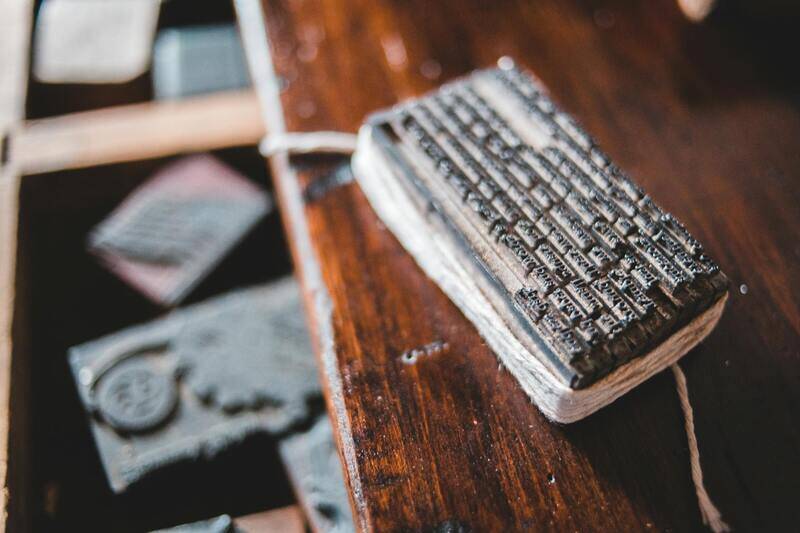
Adhering to these installation and maintenance practices ensures that your photo banners remain vibrant, durable, and effective over time. Consistent care not only preserves their aesthetic appeal but also maximizes your investment by extending their operational lifespan in various environmental conditions.
Proper Handling and Preservation of Photo Banners
To ensure the longevity and visual appeal of your photo banners, it is crucial to adopt proper handling and storage practices. Handling banners with care minimizes the risk of physical damage and preserves the integrity of the printed images. Always use clean, dry hands or wear gloves when unpacking or repositioning banners to avoid transferring oils, dirt, or other contaminants onto the surface.
When storing photo banners, it's ideal to keep them rolled on large, diameter tubes to prevent creases or folds that can lead to cracks or peeling in the print. For banners that need to be stored flat, lay them on smooth, clean surfaces, ensuring they are covered with acid-free paper or protective cloth to prevent dust accumulation and potential surface scratches.
Persistent exposure to elements like moisture, extreme temperatures, or direct sunlight can cause fading, warping, or material degradation. Therefore, it is recommended to display banners in sheltered environments or to apply protective coatings that enhance resistance to environmental factors. Protective laminates can serve as a barrier against UV rays and abrasions, maintaining vibrant colors over time.