Types of Banner Materials Used in Printing Shops
When selecting a banner for promotional, informational, or decorative purposes, the choice of material plays a pivotal role in achieving the desired visual impact and longevity. Printing shops in Singapore utilize a variety of materials, each tailored to specific uses, environmental conditions, and budget considerations. Understanding these materials helps in making an informed decision to maximize the effectiveness of your signage.

Vinyl Banners
Vinyl banners are the most popular choice in commercial printing due to their durability and versatility. They are crafted from high-quality PVC, which provides resistance to weather elements such as rain, wind, and UV rays. Vinyl banners are suitable for both indoor and outdoor use, making them ideal for events, promotions, and long-term signage. Their ability to hold vibrant prints ensures that graphics and text remain sharp and eye-catching over time.
Fabric Banners
Fabric banners are known for their elegant appearance and are often used in indoor settings such as exhibitions, retail displays, and fashion shows. Typically made from polyester or other fabric blends, they lend a premium look and feel that stands out in sophisticated environments. Modern printing techniques allow for high-resolution images on fabric, with the added benefit of easy folding and transportation.
Mesh Banners
Mesh banners are characterized by their open weave design, which allows wind to pass through, significantly reducing strain on installation fixtures. They are particularly effective in large-format applications such as building wraps and sports stadium signage, where wind resistance is critical. Despite their perforated nature, mesh banners can still sustain vibrant printing quality, ensuring visibility and impact even from a distance.
Other Specialty Materials
Beyond the main types, printing shops also offer specialty materials like retractable banners, vinyl canvas, and waterproof fabrics. These options expand the possibilities for branding and advertising, allowing customization based on environment, duration of display, and aesthetic preferences.
Choosing the appropriate material involves considering factors such as exposure to weather, desired visual effect, portability, and budget constraints. Consulting with experienced printing professionals ensures a tailored solution that effectively conveys your message and withstands the conditions it faces.
Types of Banner Materials Used in Printing Shops
In the domain of banner printing, selecting the appropriate material is essential to achieving both visual impact and durability. Printing shops offer a diverse range of options tailored to various needs, including environmental conditions, aesthetic preferences, and display duration.
Vinyl Banners
Vinyl remains the most popular material for outdoor banners due to its robustness and flexibility. Typically crafted from PVC, vinyl banners are resistant to weather elements such as rain, wind, and UV rays. Their smooth surface enables vibrant printing, ensuring that graphics and text remain vivid over extended periods. These banners are frequently used for advertising campaigns, event promotions, and storefront displays.
Fabric Banners
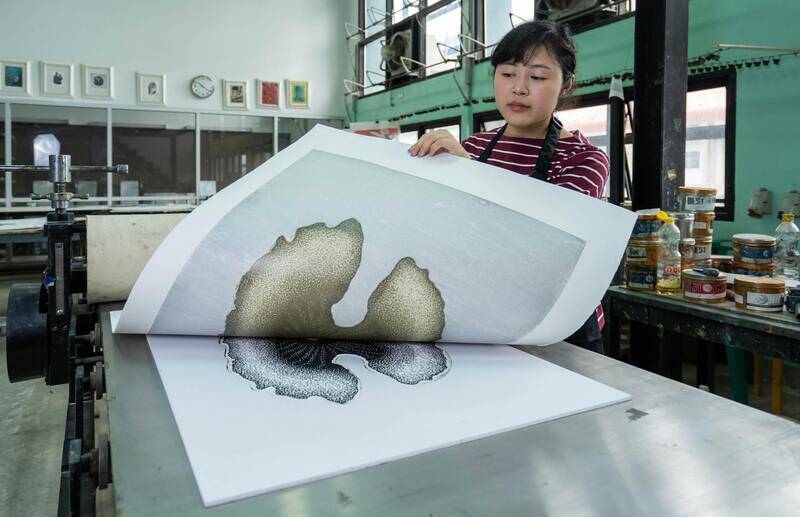
Fabric banners are crafted from polyester or similar textile blends, offering a luxurious appearance with a soft touch. They are particularly favored for indoor applications such as trade shows, fashion displays, and retail branding. The high-resolution printing achievable on fabric materials allows for detailed graphics and a premium look. Furthermore, fabric banners are lightweight, foldable, and easy to transport, making them convenient for temporary or mobile displays.
Mesh Banners
Engineered with an open-weave construction, mesh banners facilitate wind passage, significantly reducing strain on fixtures and the risk of damage. They are ideal for expansive outdoor installations like building wraps, sports arenas, and construction sites. Despite their perforated design, modern printing technologies allow for vibrant, high-resolution images that remain visible even from a distance, ensuring your message captures attention effectively.
Specialty Materials for Banners
- Retractable Banner Materials: Crafted for portability and ease of use, these are often used with retractable stands for quick setup and takedown.
- Waterproof Fabrics: Designed for outdoor environments with high exposure to moisture, ensuring longevity without fading or damage.
- Vinyl Canvas: Combines the durability of vinyl with the textured appearance of canvas, suitable for artistic or premium displays.
Choosing the right banner material hinges on multiple factors. The environment—whether indoor or outdoor—plays a significant role, along with considerations such as wind exposure, weight restrictions, and overall visual goals. Consulting with experienced printing professionals can facilitate a selection process that aligns with your specific branding strategies and display requirements.
Types of Banner Materials Used in Printing Shops
In the realm of banner printing, selecting the appropriate material is essential to achieving desired durability, visual impact, and suitability for specific environments. Printing shops typically offer a variety of materials tailored to diverse needs, from lightweight indoor displays to robust outdoor advertising solutions.
Common Banner Materials
- Vinyl Banners: The most widely used material due to its durability and versatility. Vinyl banners are weather-resistant, UV-stable, and capable of maintaining vibrant colors over time. They are suitable for both short-term promotions and long-term outdoor advertising.
- Mesh Banners: Designed with an open weave pattern, mesh banners allow wind to pass through, reducing pressure on fixtures. This makes them ideal for large outdoor installs where wind load is a concern. High-resolution printing ensures that visual clarity remains sharp despite the perforated surface.
- Fabric Banners: Typically made from polyester or polyester blends, fabric banners offer a premium look with rich color reproduction. They are often used for indoor displays, trade shows, and event backdrops, providing a luxurious feel that can elevate your branding presentation.
- Canvas Banners: Combining the aesthetic qualities of art canvases with the durability of vinyl, canvas banners are suitable for artistic displays or premium signage. They often feature a textured surface that adds a tactile element to the visual message.
- Specialty Materials: For unique requirements, shops may utilize waterproof fabrics for outdoor use, retractable banner materials for quick deployment, or eco-friendly substrates that align with sustainable practices. Each material choice influences the banner's lifespan, appearance, and ease of installation.
Design Tips for Effective Banners
Once the material is chosen, attention to design becomes crucial in creating banners that attract attention and communicate message effectively. Utilizing high-contrast colors, minimal text, and bold imagery ensures visibility from a distance. Incorporate your branding elements consistently to reinforce recognition.
Proper sizing and proportioning of graphics, along with strategic placement of key information, can greatly enhance the visual impact. Testing your design on a scaled mockup or digital preview helps to avoid misalignments and ensures that every element appears as intended when printed on the selected material.
Factors Affecting Banner Quality
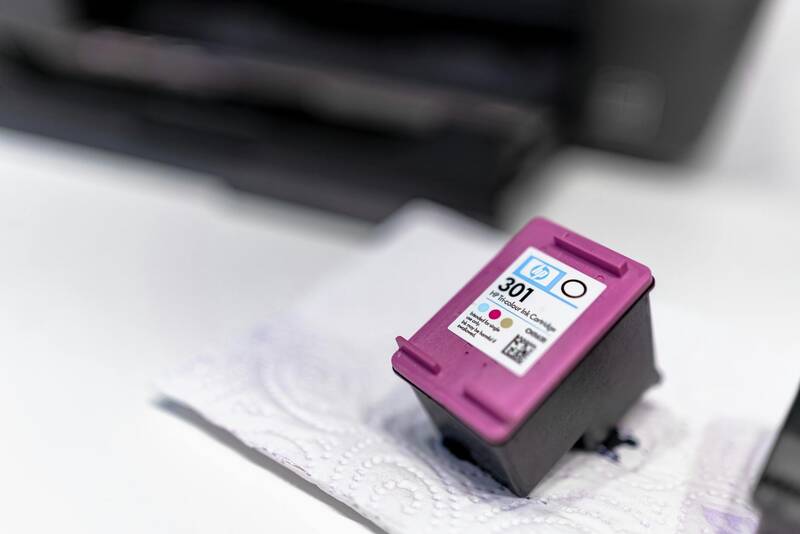
Achieving high-quality banners that effectively promote your brand or message depends on understanding several critical factors. Among these, resolution plays a vital role. A banner with insufficient resolution may appear pixelated or blurry, diminishing its visual impact and professionalism. To ensure crisp, clear images and sharp text, the print resolution should typically be 300 dots per inch (DPI) or higher, depending on the size and viewing distance.

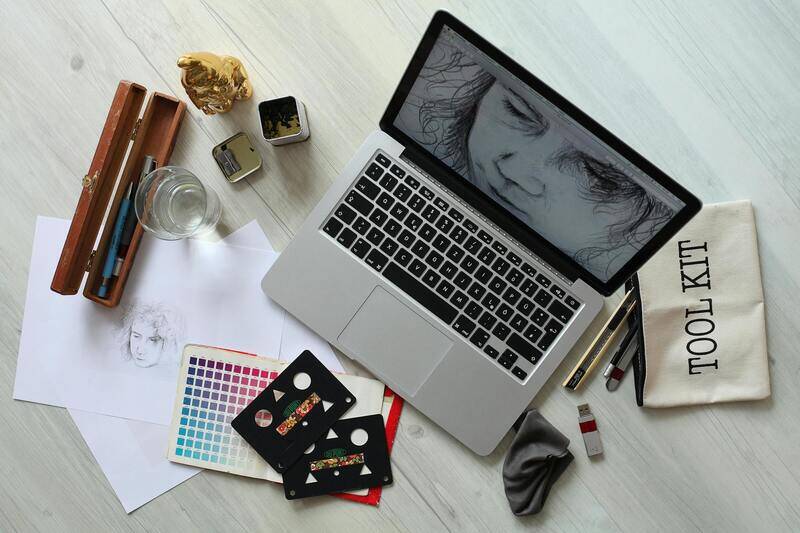
Color accuracy is another essential element that influences the final appearance. Vibrant, true-to-color banners not only capture attention but also reinforce your brand identity. Utilizing advanced color management and professional calibration of printing equipment helps in reproducing consistent, accurate hues. This aspect becomes especially important when matching brand colors or specific corporate palettes.
Material quality significantly affects the durability and aesthetic appeal of your banner. Premium substrates resistant to weathering, UV rays, and abrasions extend the lifespan of outdoor banners, maintaining their visual integrity over time. The choice of material also influences how colors appear once printed; some surfaces enhance color vibrancy, while others may slightly mute tones for a more subdued look.
Finishing options such as lamination, hemming, and grommet placement are crucial for prolonging banner lifespan and ease of installation. Laminations provide a protective layer against scratches and UV damage, while hemming adds strength to edges, preventing tears. Grommets facilitate secure mounting, especially in outdoor environments exposed to wind and weather. Selecting appropriate finishing techniques consolidates the banner’s durability and aesthetic appearance.
Overall, paying attention to these quality-influencing factors ensures your banner not only looks impressive upon printing but also maintains its visual appeal throughout its usage period.
Factors Affecting Banner Quality
When investing in a printed banner, understanding the elements that influence its overall quality is essential for achieving a professional, eye-catching result. Several critical factors come into play, including material selection, printing equipment, color consistency, and finishing processes. Attention to these components ensures that the final product meets both aesthetic expectations and durability requirements.
Material Selection and Its Impact on Quality
Choosing the right substrate is foundational to banner quality. High-grade materials such as weather-resistant vinyl, mesh banners, or synthetic fabrics offer varying benefits depending on usage needs. For outdoor displays, UV-resistant and waterproof materials prevent damage caused by sun exposure, rain, or wind. Indoor banners can utilize lighter materials that provide vibrant color reproduction without the need for weather resistance. The surface texture and thickness of the material influence how colors are rendered and perceived, impacting vibrancy, sharpness, and overall visual impact.
Printing Equipment and Technological Advancements
The type and quality of printing technology employed directly affect the clarity, color accuracy, and durability of banners. Inkjet and latex printing technologies are among the most popular choices, offering high-resolution outputs with a wide color gamut. Latex printers utilize water-based, eco-friendly inks that adhere well to various materials, producing vibrant prints with excellent longevity. The precision of modern digital printers ensures sharp images and crisp text, which are vital for catching attention at busy events or in high-traffic locations.
Color Management and Reproduction
Accurate color matching is vital for brand consistency and visual appeal. Advanced color management systems and calibration of printing equipment help achieve consistent, true-to-brand hues. This process involves adjusting profiles to account for material, ink, and lighting conditions, preventing color deviations across different print runs. A skilled printer ensures that the colors on the banner match the client’s specifications and brand guidelines, fostering brand recognition and professional presentation.
Finishing Techniques and Their Role in Quality
Proper finishing enhances not only the durability but also the professionalism of a banner. Techniques such as lamination provide a protective barrier against UV rays, scratches, and weather conditions, prolonging the banner's lifespan. Hemming strengthens the edges, reducing the risk of tears, especially in high-wind outdoor settings. Grommet placement facilitates secure installation and can withstand environmental stressors. Other finishing options, such as pole pockets or reinforced hems, can be customized to fit specific installation needs, ensuring the banner remains intact and displays optimally over time.

By carefully considering these factors—material choice, printing technology, color accuracy, and finishing methods—a business can produce high-quality banners that effectively communicate messages and withstand environmental conditions. Investing in quality control measures during the production process guarantees that your banners will maintain their visual appeal and structural integrity over time, representing your brand professionally across diverse display settings.
Factors Influencing the Perceived Quality of Printed Banners
Achieving a visually compelling and durable banner involves meticulous attention to several critical factors. These factors not only impact the aesthetic appeal but also the longevity and effectiveness of the signage in various environments. Understanding these elements can assist businesses in making informed decisions when selecting banner printing services.
- Material Selection: The foundation of any banner is its material. Different types of materials like vinyl, mesh, fabric, and eco-friendly substrates offer varying benefits such as weather resistance, flexibility, and print vibrancy. For outdoor banners exposed to elements like wind, rain, and sunlight, choosing high-quality, weather-resistant materials is essential to maintain visual integrity over time.
- Printing Technique: The method employed during printing significantly affects the sharpness, color accuracy, and resolution of the final product. Techniques like solvent, UV, latex, and eco-solvent printing each have unique advantages, with UV printing often providing superior color vibrancy and durability, especially for outdoor use.
- Color Calibration and Matching: Precise color reproduction is vital to ensure that brand colors are accurately represented. Professional printers utilize advanced color management software and calibration tools to prevent deviations, ensuring consistency across large print runs and different materials.
- Resolution and Image Quality: High-resolution images contribute to crisp, clear graphics. Low-resolution images tend to appear pixelated or blurry, undermining the professionalism of the banner. For best results, high-resolution files should be used, especially for close-up views.
- Finishing Techniques: Proper finishing, including lamination, hemming, grommet placement, and pole pockets, not only enhances the visual appeal but also prolongs the lifespan of the banner. Finishes that provide UV protection and weatherproofing are particularly crucial for outdoor banners.
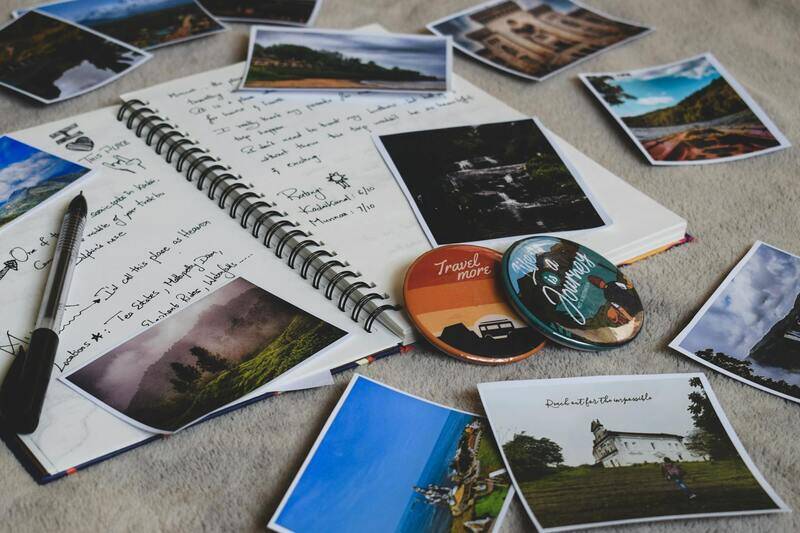
Additionally, environmental considerations, such as sunlight exposure and physical handling, factor into material and finishing choices. By carefully balancing these aspects, businesses can ensure their banners remain visually impactful and structurally sound in diverse display conditions.
Types of Banner Materials Used in Printing Shops
Understanding the variety of materials available for banner printing is essential for selecting the appropriate option that aligns with your specific needs. The choice of material impacts not only the visual appeal but also the durability, weather resistance, and ease of installation of your banner.
- PVC Vinyl: This is one of the most common banner materials, known for its durability and affordability. It offers excellent weather resistance, making it suitable for outdoor advertisements. PVC vinyl banners are flexible, lightweight, and easy to print on, providing vibrant color reproduction.
- Mesh Banner Fabric: Constructed with a perforated material, mesh banners are ideal for environments with high wind conditions. The perforations allow wind to pass through, reducing stress on mounting points. These banners maintain visibility while offering durability and weather resistance.
- Polyester Fabric: Recognized for its high-quality appearance, polyester fabric provides a premium, smooth finish suitable for indoor use, trade shows, and events. It is foldable and easy to store, with excellent color vibrancy and sharp imagery.
- Polypropylene (PP) Banner: This lightweight, cost-effective option is suitable for short-term indoor advertising. It is less weather-resistant but offers good print quality and is easy to install.
- Vinyl with Eco-Friendly Coatings: As environmental considerations gain importance, eco-friendly vinyl options with water-based inks are becoming popular. These materials offer comparable durability while reducing environmental impact.
Considerations for Material Selection
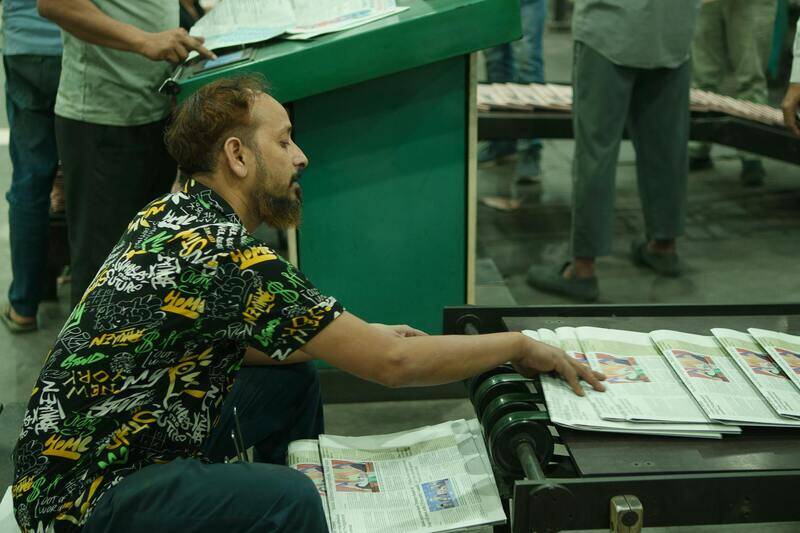
When choosing a banner material, factors such as location of display, expected lifespan, and budget should be considered. For outdoor banners exposed to elements like rain, sun, and wind, materials like PVC vinyl or mesh are preferred for their resilience. Indoor banners, meanwhile, can utilize fabric or polypropylene for a refined, high-quality appearance.
Design Tips for Effective Banners
A well-designed banner can significantly enhance brand visibility and attract the target audience. Employing clear, bold visuals and concise messaging ensures that your banner communicates effectively at a glance.
- Use High-Contrast Colors: Contrasting colors make text and graphics stand out, especially from a distance. Limit the color palette to enhance readability and visual impact.
- Maintain Simplicity: Avoid cluttering the banner with excessive text or images. Focus on a single message or call-to-action (CTA) for maximum clarity.
- Incorporate Branding Elements: Use brand logos, colors, and fonts consistently to reinforce brand recognition and coherence across advertising materials.
- Optimize Text Size and Font: Ensure all text is legible from afar by choosing large, legible fonts and appropriate spacing. Avoid overly decorative fonts that compromise readability.
- Utilize High-Resolution Images: Crisp, detailed images convey professionalism and attract attention. Avoid pixelated or low-quality visuals that may diminish the overall look.

Effective Layout Strategies
Strategically arranging visual elements on the banner guides viewers’ eyes towards the key message or CTA. Use hierarchies in text size and placement to prioritize information, and leave sufficient white space to prevent clutter.
Printing Techniques and Technologies
The choice of printing technology impacts the color fidelity, durability, and overall quality of the banner. Different techniques cater to specific material types and display requirements.
- Solvent and Eco-Solvent Printing: These methods are popular for outdoor banners due to their excellent weather resistance and vibrant color output. Eco-solvent options reduce environmental impact without compromising quality.
- UV Printing: Utilizing ultraviolet light to cure inks instantly, UV printing produces sharp, vivid images with high durability, ideal for outdoor signage exposed to harsh conditions.
- Latex Printing: Known for its flexibility and eco-friendliness, latex printing offers high-resolution results with the ability to print on a range of materials, including fabric and vinyl.
- Digital Inkjet Printing: A versatile and cost-effective solution for short to medium runs, digital printing delivers detailed images with consistent color output.

Factors Influencing Choice of Printing Technique
Deciding on the appropriate printing process depends on factors such as desired durability, budget, material compatibility, and environmental conditions. For instance, UV printing is preferable for outdoor banners seeking longevity, while latex printing offers versatility across materials.
Factors Affecting Banner Quality
Several elements contribute to the overall quality of a printed banner, necessitating careful attention during each stage of production.
- Material Quality: Using high-grade materials ensures durability, color vibrancy, and resistance to environmental factors.
- Image Resolution and File Preparation: High-resolution graphics prevent pixelation and ensure sharpness, especially for large-scale prints viewed up close.
- Color Management: Proper calibration and color matching techniques guarantee that colors are consistent and true to branding standards.
- Printer Maintenance and Calibration: Regular servicing of printing equipment maintains precision and prevents defects or misalignments.
- Finishing and Mounting: Techniques such as lamination, hemming, and grommet placement enhance durability and presentation quality of the finished banner.
Additional Considerations for Banner Excellence
Adherence to these quality factors results in banners that not only look professional but also withstand environmental stressors, thereby extending their lifespan and visual impact.
Choosing the Right Printing Shop for Banners
Selecting an appropriate printing shop is vital to achieving a banner that meets your expectations for quality, durability, and visual clarity. Start by evaluating the shop's portfolio to assess their experience with various banner types and materials. A reputable establishment will showcase a diverse range of past projects, demonstrating their expertise and capacity to handle different design complexities and sizes.
Consult the shop's technical capabilities—ensure they utilize advanced printing technologies such as UV, latex, or solvent printing that are suitable for your intended banner use, whether indoor or outdoor. Equipment calibration and regular maintenance are indicators of a professional operation committed to precision and consistency in output. Discuss their workflow for color management; shops that adhere to strict color calibration protocols can produce banners that accurately reflect your brand colors.
Customer service is another crucial element. A reliable printing partner will offer clear communication, provide detailed quotes, and advise on material choices based on your functional needs and budget constraints. Transparent timelines and policies on revisions or corrections also contribute to a smoother ordering process.
Environmental responsibility is increasingly relevant in selecting a printing partner. Opt for shops that integrate eco-friendly practices, such as using environmentally safe inks and sustainable materials, ensuring your banner production aligns with broader sustainability goals.
Moreover, inquire about the shop's finishing options. Techniques like hemming, grommet insertion, and lamination enhance the durability and ease of installation of your banner. Ask if they provide samples or mock-ups before proceeding with production, allowing for adjustments to design or material choices. These steps reduce the risk of dissatisfaction and ensure that the final product aligns with your specifications.
Ultimately, choosing a printing shop with a solid reputation for quality, advanced technology, and excellent customer service forms the foundation of successful banner advertising campaigns. It guarantees that your investment results in a high-impact visual tool that elevates your brand visibility and effectiveness across various platforms and settings.