Understanding Banner Printing and Its Uses

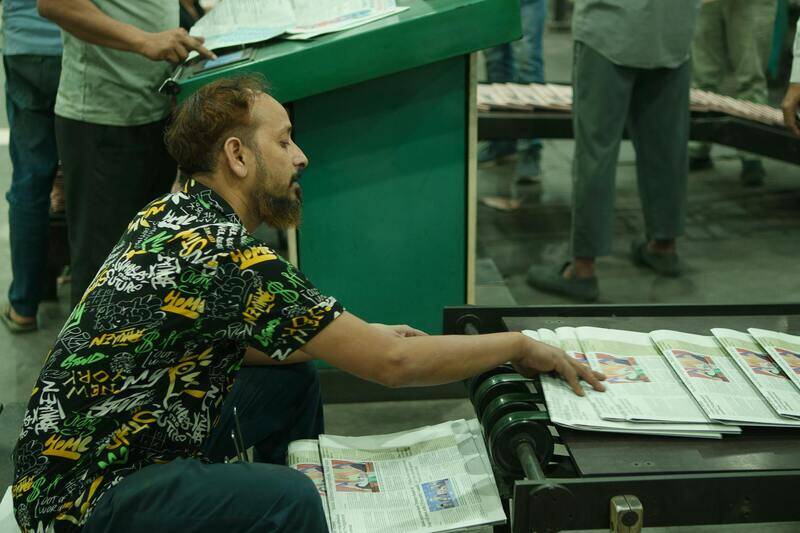
Banner printing is a specialized service that transforms digital designs into large-scale printed graphics used for various promotional and informational purposes. This process involves the creation of visually impactful banners that can be utilized across different platforms and settings, including retail storefronts, conferences, trade shows, outdoor events, and marketing campaigns. The significance of banner printing lies in its ability to attract attention, communicate messages clearly, and enhance brand visibility.
In the realm of business and marketing, banners serve as essential tools to announce sales, promote new products, or increase brand recognition. During public events, banners facilitate wayfinding and convey important information. Their versatility makes them a preferred choice for both temporary displays and long-term signage solutions. Whether made from fabric, vinyl, or other durable materials, banners are designed to withstand environmental conditions while maintaining visual appeal.
The process begins with conceptualizing the design, where factors such as size, color scheme, and messaging are aligned with campaign goals. Once the design is finalized, professional printing services convert digital files into physical banners with high quality and precision. This ensures that colors, graphics, and text appear vibrant and sharp, drawing viewers’ attention from afar. The importance of proper banner printing extends beyond aesthetics; it also involves selecting appropriate materials and printing techniques that match the intended use and placement.
Businesses rely heavily on banner printing for trade events, retail promotions, and outdoor advertising due to its ability to reach large audiences quickly. Additionally, banners can be tailored for specific themes or branding requirements, making them adaptable to various marketing strategies. The durability of printed banners is a critical aspect, especially for outdoor use where they are exposed to weather elements such as rain, wind, and sunlight. Different types of banners and materials are available to ensure longevity and performance in diverse environments.
In summary, banner printing is a dynamic and effective method for visual communication. It combines creative design with advanced printing technology to produce impactful signage that helps organizations communicate their messages effectively. As a versatile tool, banners continue to play a vital role in promotional activities, making understanding their production and application essential for any business aiming to maximize their marketing reach.
Understanding Banner Printing and Its Uses
Banner printing serves as a powerful visual communication tool for businesses seeking to enhance brand visibility and attract targeted audiences effectively. The process transforms digital design concepts into vibrant, eye-catching physical displays that can be placed in various locations, from retail stores and trade shows to outdoor venues. The versatility of banner printing allows organizations to tailor their signage to specific campaigns, themes, or seasonal promotions, ensuring the message resonates with diverse demographics.
When selecting banner printing options, it is essential to consider the application's environment, as it influences the choice of materials and printing techniques. For instance, banners intended for outdoor use require weather-resistant materials that withstand elements such as moisture, wind, and UV exposure. Indoor banners, on the other hand, can utilize lighter, more cost-effective fabrics that offer high-resolution print quality without the need for extreme durability.
Particularly effective for quick dissemination of information, banners are prominently displayed at trade fairs, retail openings, concerts, and sporting events. Their capacity for large-scale display makes them ideal for catching the attention of passersby, guiding foot traffic, or reinforcing branding efforts. With the integration of creative graphic design and strategic messaging, banners not only boost visibility but also reinforce brand recognition and recall among target audiences.
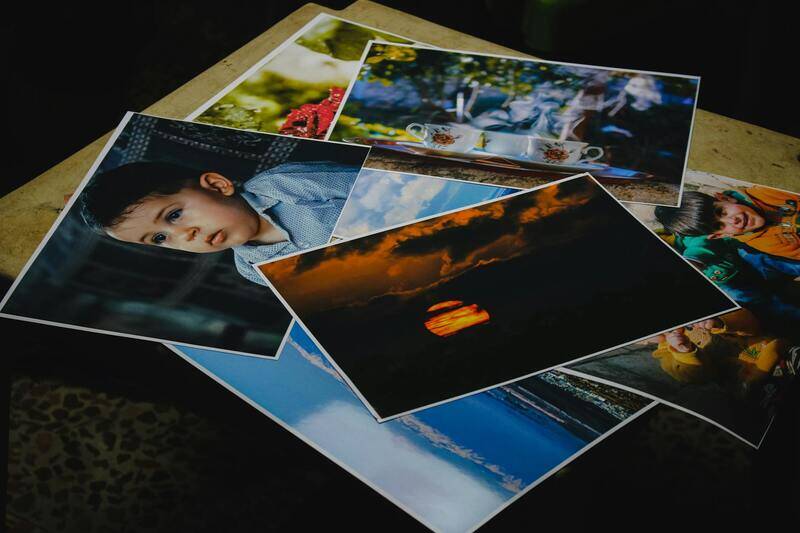
It is important that printing professionals work closely with clients to understand the specific requirements of each project. This includes advising on suitable materials and print finishes that optimize visual effects while ensuring durability. The advancement of printing technology has expanded the possibilities for high-quality output, with options such as eco-solvent, UV, and Latex printing, each offering distinct advantages in color richness, adherence, and environmental footprint.
Beyond aesthetics, proper banner printing involves precise alignment and color matching to ensure the final product accurately reflects the intended design. High-resolution digital files are essential for producing sharp, detailed images that attract attention from afar. The process generally entails preparing artwork files according to specific specifications provided by the printing service, including file formats, color profiles, and bleed areas. This meticulous preparation helps prevent production issues and guarantees a professional appearance upon delivery.

Overall, banner printing is a strategic investment in promotional infrastructure, combining visual appeal with functional longevity. Selecting the appropriate materials, printing methods, and design elements ensures the creation of impactful banners that effectively communicate the intended message and withstand the operational environment.
Choosing the Right Printing Method
When it comes to order banner printing, selecting the appropriate printing technique is vital for achieving vibrant visuals and long-lasting quality. Among the most trusted methods are eco-solvent, UV, and Latex printing, each with distinct advantages tailored to specific applications and environments.
Eco-solvent printing is favored for its ability to produce vivid, durable images on a variety of materials, including vinyl and fabric. Its environmentally friendly solvents emit fewer volatile organic compounds, making it suitable for both indoor and outdoor use. The inks also offer excellent resistance to water, UV rays, and abrasion, ensuring banners maintain their visual impact over time.
UV printing employs ultraviolet light to instantly cure inks onto rigid or flexible surfaces. This process results in sharp, detailed images with a glossy finish and exceptional color fidelity. UV banners are highly resistant to scratches and weather conditions, making them appropriate for outdoor advertising and long-term display needs.
Latex printing utilizes water-based, latex-based inks that provide flexibility, vivid coloration, and eco-conscious attributes. This method is versatile, capable of producing high-resolution images on various materials, including mesh and fabric. Latex banners are known for their durability, easy installation, and ease of maintenance.

Choosing the optimal printing method depends on factors such as expected exposure conditions, preferred aesthetic, and budget considerations. Consulting with a print specialist ensures that the selected technique aligns with your project requirements, providing a banner that combines visual appeal with functional resilience.
Importance of Print Quality and Material Compatibility
High-resolution digital files are crucial for capturing intricate details and vibrant colors in your banners. Ensuring compatibility between artwork files and printer specifications minimizes errors and enhances the final output. Proper file preparation involves validating formats, color profiles, and bleed areas, which collectively contribute to achieving professional and precise results.
Environmental Considerations in Banner Printing
Modern banner printing methods prioritize environmentally responsible processes. Eco-solvent and latex printers utilize inks with lower VOC emissions, reducing environmental impact while delivering high-quality results. This commitment to sustainability aligns with the increasing demand for eco-friendly advertising solutions.
Selecting the Appropriate Printing Technology for Banner Production
When planning banner printing, understanding the different available printing methods is essential to achieving optimal visual impact and durability. Each technique offers specific benefits, making it suitable for different project requirements and environmental conditions.
- Digital Printing: This method is highly versatile and ideal for short to medium runs. It offers high-resolution output with vibrant color accuracy, making it suitable for banners with intricate graphics, photographic images, or detailed logos. Digital printing's quick setup times also make it a popular choice for timely campaigns or customizable banners.
- Screen Printing: While traditionally more suitable for larger quantities, screen printing provides vivid, opaque colors with excellent durability, especially on fabric or vinyl surfaces. It’s cost-effective for bulk orders and produces consistent results, making it favorable for branding banners with fewer design variations.
- Large-Format Inkjet Printing: Leveraging advanced inkjet technology, this method combines high-quality resolution with broad size capacities. It is perfect for creating large banners with complex imagery, offering durability and vibrant color reproduction across different materials such as mesh, vinyl, or fabric.
Choosing the most appropriate technique involves assessing factors like intended display location, expected weather exposure, design complexity, and production volume. Consulting with printing professionals ensures the selected method aligns with your goals, balancing visual appeal, cost, and longevity.

In addition to selecting the right printing method, attention to material compatibility is crucial. For outdoor banners exposed to sunlight, rain, or wind, selecting weather-resistant materials combined with UV-resistant inks extends lifespan and maintains vibrant visuals over time. Indoor banners, on the other hand, might prioritize aesthetic qualities like fabric texture or matte finishes, which influence overall appearance and tactile impression.
Optimizing Banner Design for Superior Results
Effective banner design is more than just appealing visuals; it involves strategic placement of graphics and text to maximize visibility and engagement. Ensure that your digital files are prepared according to the specifications of your chosen printing method, focusing on high-resolution images (minimum 150 DPI at final size), appropriate color profiles, and clear, legible fonts.
Incorporating branded elements, such as logos and taglines, should follow consistent color schemes and font choices, maintaining brand integrity. Also, consider the viewing distance; larger text and simplified graphics are more effective for banners viewed from afar, while detailed designs can be utilized in close-up displays.

Testing the design on a small scale or creating a sample proof enhances quality control, ensuring that colors, layout, and text are exactly as intended before committing to full production. This thorough preparation minimizes errors, reduces waste, and guarantees a professional finish.
Optimizing Banner Design for Enhanced Visibility and Brand Consistency
Creating an effective banner involves meticulous attention to design elements that influence how the message is perceived by viewers. A well-crafted banner utilizes strategic placement of graphics and text to maximize visibility, ensuring that key messages stand out even from a distance. High-resolution images, minimum 150 DPI at final size, ensure clarity and sharpness, while chosen color profiles should align with brand guidelines for consistency.
When incorporating branded elements such as logos, taglines, and brand colors, it is essential to maintain a cohesive visual identity. This reinforces brand recognition and promotes a unified appearance across all marketing materials. The placement of logos should be prominent but not overpowering, ideally positioned where the eye naturally gravitates, such as the top-left or center of the banner.
Text should be legible from afar, which means selecting clear, sans-serif fonts and avoiding overly intricate typefaces. Larger font sizes are recommended for primary messages or call-to-action statements, while secondary information can be displayed in slightly smaller text. To prevent visual clutter, use whitespace strategically around key elements, allowing the message to breathe and improve overall readability.
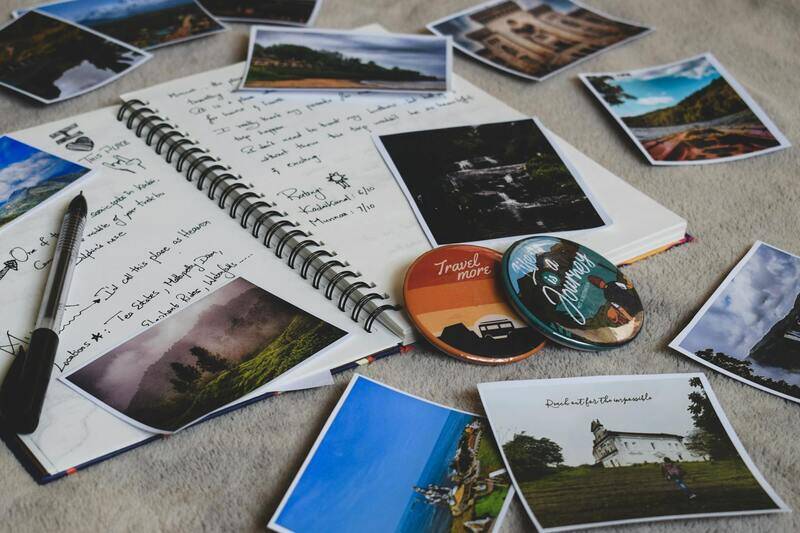
Testing your design on a small scale or creating sample proofs is a vital step before proceeding with full production. This process allows for checking color accuracy, layout alignment, and overall visual balance. Adjustments can be made efficiently, reducing waste and ensuring the final output meets expectations. This diligence not only enhances the aesthetic quality but also safeguards your investment in print materials.

Choosing the Right Printing Method
When selecting an official method for order banner printing, professionals prioritize techniques that ensure high-quality, durable results suitable for various environments. Digital printing is the most prevalent choice for small to medium-sized orders due to its cost-effectiveness and rapid turnaround time. It produces vibrant colors and sharp details, making it ideal for promotional banners that require quick production without sacrificing quality.
For larger quantities or banners that demand extended outdoor longevity, solvent and UV printing methods come highly recommended. Solvent printing utilizes solvent-based inks that bond effectively with banner materials, offering excellent weather resistance and color longevity. UV printing employs ultraviolet light to cure inks instantly, resulting in images with exceptional durability, scratch resistance, and vibrant color retention even over time in challenging outdoor conditions.
Vinyl cutting, a traditional yet still relevant method, involves precision cutting of adhesive vinyl to create graphics and text. This process is particularly suitable for simple, bold designs such as event signage or directional banners. It provides a clean, professional look but is less flexible when it comes to complex images or color variations compared to digital methods.
Moreover, advancements in printing technology have expanded the options available for custom banners. Latex printing, which uses water-based, environmentally friendly inks, offers a flexible solution suitable for both indoor and outdoor banners. It combines durability with eco-conscious production, making it a popular choice for brands seeking sustainable options.
Considerations for Selecting a Printing Method
- Intended usage environment — indoor vs. outdoor exposure
- Required banner lifespan
- Design complexity and color palette
- Budget constraints and order volume
- Desired turnaround time
By aligning the specific requirements of a banner with the strengths of each printing method, businesses can secure a final product that not only meets aesthetic expectations but also performs reliably over time, ensuring maximum impact for their promotional campaigns.
Order Process and Lead Time for Banner Printing
To ensure a seamless transition from design to final product, understanding the order process for banner printing is essential. The first step involves submitting a detailed specifications request, including dimensions, preferred materials, and any customization details such as graphics or text. Many printing service providers, including printservicesingapore.com, offer digital order forms that streamline this process, allowing clients to upload artwork files directly. Clear communication about design requirements helps prevent misunderstandings and ensures that the final product aligns with expectations.
Once the order is placed, the production timeline typically ranges from a few days to a couple of weeks, depending on the complexity and volume. Standard banner orders—such as those for event signage, promotional displays, or directional signage—are often completed within 3 to 7 business days. For large or highly customized orders, lead times might extend to 10 business days or more. It is advisable to request a production schedule upfront to accommodate your marketing or event timelines.
Progress updates are usually provided by the printing service, especially for larger projects. This can include proof approvals, which allow clients to review the design and catch any discrepancies early on. Some providers also offer expedited processing or rush orders for urgent needs, ensuring clients meet tight deadlines without compromising on quality.
Before finalizing the order, double-check all specifications—such as size, material, and finishing options—to prevent delays or additional costs. Accurate artwork files with correct dimensions and resolution are crucial for achieving optimal print quality. In addition, confirming the quantity and delivery method helps ensure that the banners arrive as intended and are ready for immediate deployment in your marketing activities.
By understanding these aspects of the order process and lead times, businesses can better plan their campaigns and avoid potential setbacks associated with delays or miscommunications. Partnering with a trusted printing provider like printservicesingapore.com can provide detailed timelines, reliable service, and professional support throughout every stage of the banner order journey.
Ensuring Proper Use and Display of Printed Banners
Once your banners have been professionally printed and delivered, optimal display techniques are essential to maximize their impact. Proper installation not only showcases your branding effectively but also preserves the quality and longevity of the printed material. Selecting appropriate mounting hardware, considering environmental factors, and adhering to recommended installation procedures are critical steps in maintaining the integrity of your banners.
Installation Techniques for Longevity and Visual Appeal
Proper mounting methods depend on the banner’s size, material, and intended setting. For lightweight fabric banners, using tension rods, grommets with ropes, or sturdy frames ensures stability. Vinyl and heavy-duty banners typically benefit from grommets and bungee cords or hook systems designed for outdoor durability. When installing banners outdoors, consider wind resistance and avoid sharp edges that could cause tearing. Indoor banners should be hung using clips or adhesives that do not damage the material.

Weather Considerations for Outdoor Banners
For banners placed in outdoor environments, weather conditions significantly influence their lifespan. UV-resistant and waterproof materials like vinyl are ideal for long-term exposure to sunlight and rain. It's advisable to secure banners properly to prevent fluttering or detachment during windy conditions. Regular inspections help identify any signs of wear such as fading, tears, or loose fittings, allowing for timely maintenance or replacement.
Maintenance and Care for Extended Banner Usability
Maintaining your banners extends their visual appeal and functional life. Cleaning procedures should be gentle and appropriate for the material. For vinyl banners, use mild soap, water, and a soft cloth to remove dirt and debris. Avoid harsh chemicals or abrasive tools that could damage the surface. When storing banners, ensure they are dry, rolled loosely, and kept in a cool, dry place away from direct sunlight to prevent deterioration.
- Handle banners with clean hands to prevent staining.
- Avoid folding banners tightly to prevent creases and cracks in printing.
- Inspect regularly for signs of damage, especially after harsh weather conditions.
- Use protective covers or storage bags for long-term storage.
Addressing Common Issues in Banner Maintenance
Addressing issues such as fading, tearing, or sagging early can preserve your banner’s appearance. Re-tightening hanging cords and replacing worn grommets prolong the banner's usability. For fading, especially on banner surfaces exposed to sunlight, consider applying UV protective sprays designed for printed materials. Routine cleaning and gentle handling are key to avoiding unnecessary damage.

Planning Replacement and Future Orders
Keeping track of banner condition and scheduling replacements proactively can save costs and ensure continuous visibility for your brand. When signs of significant wear are evident, reordering with updated designs or improved materials can enhance your promotional efforts. Establishing a relationship with a reliable printing partner facilitates quick turnaround for replacements and ensures consistency in branding across campaigns.
By implementing proper display, maintenance, and replacement strategies, organizations can maximize the investment made into high-quality banner printing. Such practices not only safeguard the visual integrity of your banners but also reinforce your brand image in every application.