Overview of Color Booklet Printing
Color booklet printing is a specialized printing process that involves producing booklets with vibrant, full-color images and text to enhance visual appeal and information clarity. This method utilizes advanced printing technologies that allow for the accurate reproduction of colors, ensuring that the final product is both attractive and professional. Color booklets are widely used across numerous industries including marketing, education, corporate communication, and event promotion, owing to their ability to convey messages effectively through engaging visuals and detailed content.

In marketing campaigns, color booklets serve as key promotional materials that highlight products, services, or brand stories with compelling imagery and detailed descriptions. Educational institutions utilize color booklets for course catalogs, informational brochures, and event programs, providing readers with a clear and aesthetic presentation of data. Businesses employ them for annual reports, company profiles, and product catalogs, where visual impact reinforces brand identity and professional credibility.
The process involves multiple stages including design layout, material selection, color calibration, and high-resolution printing techniques to achieve optimal results. With their versatility and capacity to produce vivid, precise colors, color booklets remain an essential tool for communicating complex information with visual support, engaging audiences more effectively than monochrome or simpler print formats.
From small-scale local distribution to large international campaigns, the applications of color booklet printing are expansive, making it a vital component of print marketing and informational strategies. Companies choose this printing method for its ability to produce visually appealing, durable, and high-quality print materials that leave lasting impressions and facilitate effective communication with target audiences.
Design Considerations for Color Booklets
Creating an eye-catching and effective color booklet requires careful attention to design elements that enhance visual appeal and clarity. The layout must strike a balance between aesthetic appeal and readability, ensuring that images and text complement each other seamlessly. Proper use of white space prevents clutter, guiding the reader’s eye smoothly through the material.
Color harmony plays a vital role in establishing a cohesive look. Brands often choose color palettes that reflect their identity while ensuring that the hues are vibrant yet harmonious. Consistent color schemes across pages reinforce brand recognition and create a unified visual narrative.
Typography choices are equally important in a color booklet. Selecting legible fonts with appropriate sizes, styles, and line spacing ensures that textual content remains accessible, whether viewed in print or digital formats. Incorporating visual hierarchy through headings, subheadings, and bulleted lists helps organize information logically and guides the reader through the material efficiently.

In addition to overall design, layout precision is critical. Margins, grids, and alignment should be meticulously planned to create a polished appearance. Using bleed margins for images that extend to the edge of the page prevents unwanted white borders during trimming processes.
Material Selection and Paper Types
The choice of paper significantly influences the final presentation of a color booklet. Paper weight, finish, and texture can enhance or diminish color vibrancy. Glossy papers tend to make colors pop, creating lively and dynamic visuals, ideal for product catalogs and event programs. Matte finishes offer a subdued, elegant look suitable for informational brochures and corporate reports where readability is paramount.
For durability and professional appeal, thicker cardstocks or specialty papers can be used, especially for covers or covers with intricate embossing or foil stamping. Recycled paper options are also available for environmentally conscious brands, providing a sustainable choice without compromising print quality.

Printing Techniques and Color Management
Achieving consistent and vibrant colors in a booklet printing process involves advanced printing techniques like offset and digital printing, each suited to different project sizes and demands. Offset printing is renowned for its ability to produce high-fidelity color reproduction across large runs, making it ideal for marketing campaigns and annual reports.
The use of color management systems ensures that colors are accurately represented from digital design files through to the final printed product. Color calibration tools and standardized workflows guarantee that the hues, saturation, and contrasts maintain their intended appearance, whether the booklet is viewed under different lighting conditions or on various paper types.
Proofing stages, including digital and hard copy proofs, are essential for verifying color accuracy before the full run, reducing errors and ensuring the final booklet aligns with the original design vision.
Cost Factors and Quantity Considerations
Cost efficiency in color booklet printing depends on factors such as the number of copies, complexity of design, paper quality, and the intricacy of color usage. Large quantities typically benefit from offset printing, which offers a lower per-unit cost for bulk orders. Small runs or highly customized books may be more suited to digital printing, where setup costs are minimized.
Additional expenses may include color calibration, specialty inks, and finishing touches like embossing or UV coating. Planning the desired quantity in advance enables better budgeting and helps select the most economical printing method without compromising quality.
Finishing, Binding, and Packaging Options
Finishing touches enhance both the aesthetic appeal and durability of color booklets. Different binding options such as saddle stitching, perfect binding, and spiral binding provide varied levels of professionalism and convenience depending on the booklet's purpose and size.
Advanced finishing methods, including UV coating or lamination, can add gloss, protect against wear, and make colors appear more vibrant. Special packaging, such as shrink wrapping or custom boxes, may also be employed for presentation or secure transportation, especially when distributing in bulk or for high-profile marketing events.
Choosing the right finishing options aligns with the overall branding strategy and ensures that the printed materials leave a lasting impression on recipients or viewers.
Material Selection and Paper Types
Choosing the appropriate paper type is crucial in achieving the desired quality and durability for color booklets. High-quality paper enhances color vibrancy and provides a premium feel that complements intricate designs and images. Typically, weight options range from 80 gsm for lightweight, flexible booklets to over 200 gsm for covers or premium pages, offering sturdiness and an upscale appearance.
Matte finishes are popular for their non-reflective surface, which minimizes glare and enhances readability. They also tend to hide fingerprints and smudges more effectively. Conversely, gloss finishes provide a shiny surface that amplifies bright colors and sharp images, making visuals pop and lending a polished look. Satin finishes serve as a middle ground, combining some of the vibrancy of gloss with reduced glare.
Specialized paper options, such as recycled or textured papers, can also be utilized to align with eco-friendly branding or to add tactile interest. When selecting paper types, it’s essential to balance visual appeal, durability, and cost considerations, ensuring the final product aligns with the intended purpose and audience.
Printing Techniques and Color Management
The use of high-resolution printing equipment is vital for reproducing accurate, vibrant colors in booklet production. Offset printing remains the standard choice for larger orders, offering precise color matching and consistency across batches. Digital printing, however, provides flexibility and quick turnaround times for smaller runs, with impressive color fidelity when managed properly.
Color management processes are integral to achieving accurate, consistent hues throughout the printing process. This includes calibrating monitors and printers to ensure color accuracy from digital design files to final prints, minimizing color deviations. Implementing standardized color profiles allows for predictable outcomes, which is especially crucial for branding materials requiring exact color matching.
Advanced techniques like spot color printing or the use of Pantone colors can be incorporated when specific shades are necessary. These methods guarantee precise color reproduction, particularly for logos or brand-specific hues, ensuring the booklet's design integrity is maintained.
Cost Factors and Quantity Considerations
The overall expense of color booklet printing hinges on multiple factors, including print volume, paper quality, color complexity, and finishing options. Larger orders benefit from economies of scale, particularly when offset printing is employed, reducing the per-unit cost. Conversely, smaller quantities are often more financially feasible with digital printing, which bypasses costly setup procedures.
Design complexity affects production costs due to the need for additional color calibration, more ink coverage, or specialty inks. Incorporating high-gloss or matte finishes, embossing, or foil stamping can further influence the final price. Planning the production quantity in advance helps match the optimal printing method to the budget constraints, ensuring quality without overspending.
Another key consideration is the timeline; expedited orders might incur additional charges, especially when upgrading to higher-quality or specialized printing techniques. Careful estimation of the required copies and related costs fosters efficient resource allocation, avoiding unforeseen expenses while maintaining the desired print quality.
Finishing, Binding, and Packaging Options
Final touches significantly enhance the presentation and longevity of color booklets. Binding methods such as saddle stitching, perfect binding, or spiral binding are selected based on the booklet's purpose, thickness, and desired aesthetics. For instance, saddle stitching suits thinner booklets, while perfect binding offers a professional look for thicker publications.
Additional finishing options can make a noticeable difference. UV coatings lend a glossy finish that protects the surface and intensifies colors, while matte coatings minimize glare and provide a softer appearance. Lamination offers durability against moisture and wear, making the booklet suitable for frequent handling.
Thoughtful packaging choices, including shrink wrapping or custom boxes, serve not only as aesthetic enhancements but also as protective measures during transportation and distribution. Using these various finishing techniques ensures the final product aligns with branding goals while also safeguarding it throughout its lifecycle.
Understanding the Role of Color Accuracy and Color Management
Achieving vibrant, true-to-life colors in booklet printing hinges on diligent color management practices. Accurate color reproduction guarantees that the printed material reflects the intended design, brand colors, and visual appeal, fostering consistency across batches. To manage color effectively, printers utilize calibrated equipment and standardized color profiles, which serve as benchmarks during the printing process.
Utilizing Color Profiles: These are essential in maintaining color fidelity. By embedding specific ICC profiles into files, designers ensure the printer interprets colors correctly, resulting in consistent output regardless of the printing run or equipment used.
Color Separation and Calibration: Precise color separation techniques convert digital images into printable layers, allowing for accurate ink application. Regular calibration of printing devices further maintains color consistency over time, minimizing variations that could arise due to wear or environmental factors.
Proofing and Quality Checks: Before committing to full-scale production, producing high-quality proofs enables clients to review color accuracy. This step ensures that any discrepancies are rectified beforehand, saving both time and resources while guaranteeing the final product meets expectations.
Implementing these methodologies ensures that the hues, shades, and tones in color booklets are rendered precisely, leading to a professional and visually compelling result. It also plays a significant role in brand recognition, where consistent color use reinforces identity and trustworthiness.

Material Selection and Paper Types
Choosing the right paper is a crucial step in producing high-quality color booklets. The selection impacts the visual vibrancy, durability, and overall feel of the final product. For vibrant color reproduction, coated papers such as gloss, satin, or matte finishes are often preferred, as they provide a smooth surface that enhances ink clarity and color brightness. These papers enable sharper images and more vivid hues, making them ideal for detailed graphics and striking visuals. Conversely, uncoated papers tend to absorb ink differently, resulting in softer tones and a more textured appearance, which might suit certain design aesthetics or cost considerations.
In addition to finish, weight and thickness play vital roles. Heavier weights, such as 130gsm or 170gsm, offer a more substantial feel and better durability, especially for covers or premium promotions. Lighter weights, like 80gsm or 100gsm, are suitable for internal pages and large volumes, reducing costs without sacrificing quality. Specialty papers—such as textured, recycled, or synthetic substrates—are also options, allowing brands to achieve unique tactile experiences or meet sustainability goals.
When selecting materials, it is essential to consider the intended use of the booklet, target audience, and print method compatibility. Consulting with printing specialists ensures that chosen paper types align with printing capabilities, providing optimal results for color accuracy and longevity.
Finishing, Binding, and Packaging Options
Choosing the appropriate finishing, binding, and packaging methods is essential to create a polished and durable color booklet that effectively showcases your content. Finishing techniques such as gloss, matte, or satin coatings can significantly enhance the visual appeal by accentuating the vibrancy of the printed colors and providing additional protection against wear and tear. For booklets intended for frequent handling, a protective coating helps prevent smudges, fingerprints, and minor scratches, ensuring the booklet maintains its professional appearance over time.
Binding Methods
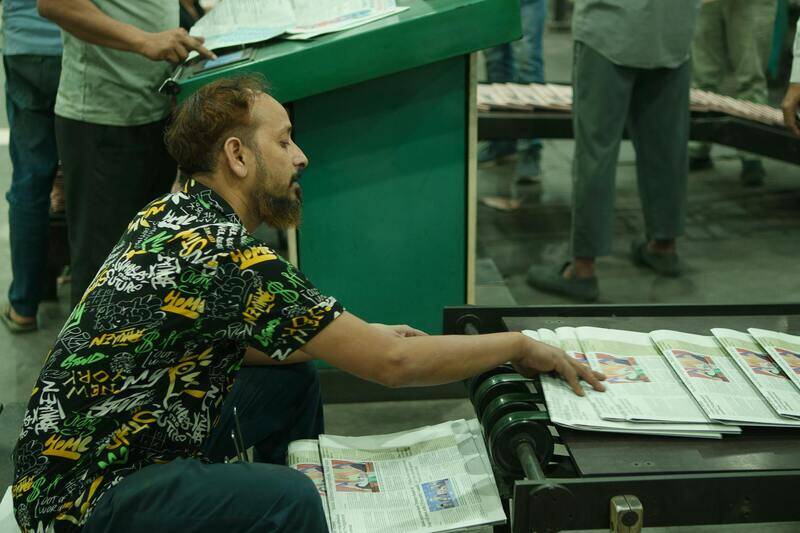
The choice of binding influences both the durability and aesthetic of your color booklet. Common binding options include:
- Ideal for smaller booklets, saddle stitching involves stapling the pages along the spine. It offers a clean, minimalist look and is cost-effective for booklets with a lower page count.
- Suitable for thicker booklets, perfect binding provides a professional appearance with a glued spine. Its sleek finish makes it popular for catalogs, brochures, and presentation materials.
- These allow the booklet to lay flat, making them suitable for manuals and instructional booklets where ease of use is crucial.
Additionally, packaging options like shrink wraps, slipcases, or custom boxes can enhance your booklet's presentation, offering extra protection during shipping and reinforcing brand image.
Importance of Quality Packaging
Proper packaging safeguards the printed materials from physical damage, environmental factors, and handling during distribution. Custom packaging solutions that align with your branding can elevate the perceived value of your booklet, whether it is distributed at events, mailed to clients, or bundled with other promotional materials. Durable packaging also prolongs the lifespan of your printed piece, ensuring it reaches your audience in optimal condition.
Tips for Achieving High-Quality Color Booklets
While engaging with the technical aspects of printing and finishing is crucial, attention to detail throughout the entire production process helps secure a superior outcome. Ensuring accurate color matching, meticulous proofing, and consistent quality control minimizes errors and guarantees the final product aligns with your design vision.
This involves collaborating with experienced printing professionals who utilize advanced color management systems, such as ICC profiles and calibrated monitors, to maintain color fidelity from digital files to the final print. Conducting test prints or samples before full-scale production allows adjustments to be made proactively, mitigating risks of color discrepancies.
Furthermore, choosing high-quality, well-maintained printing equipment and environmentally controlled environments reduces the likelihood of color shifts and defects. Staff training on proper handling, setup, and inspection procedures further promotes the production of flawless color booklets that leave a lasting positive impression on your target audience.
Official Methods for Achieving Vibrant and Consistent Colors in Booklet Printing
Producing a color booklet that accurately represents your visual content requires adherence to established printing practices and standards. Opting for professional printing services that utilize high-quality equipment ensures precise color reproduction, consistent results, and longevity of the printed materials. These methods involve calibrated color profiles, standardized printing processes, and stringent quality control measures to maintain color accuracy across batches.
Calibration of printers and monitors before commencing the print run is fundamental. By ensuring that the digital files are correctly color-managed and converted using suitable color profiles, the printed output mirrors the intended design. Many professional print providers employ advanced spectrophotometers and color management systems, enabling meticulous color matching and consistency throughout large quantities.
Utilizing Proper Color Profiles and Proofing Processes
Implementing color profiles such as ISO standards (e.g., ISOcoated v2, Fogra39) guarantees that colors are reproduced faithfully in the printing process. Before the full production run, a comprehensive proofing stage is crucial. Digital proofs offer a close approximation of the final product, allowing clients to verify color accuracy, image clarity, and overall layout before committing to mass printing. This proactive approach helps prevent costly reprints and ensures satisfaction with the final color rendition.
Once the proof is approved, the print provider applies the agreed-upon color profiles during production. Consistent calibration across printing devices, combined with quality checks at various stages, minimizes color shifts and ensures the final booklet’s appearance matches the approved proof.
Ensuring Quality Control and Consistency in Large Batches
For large volume color booklet printing projects, ongoing quality control measures are essential. Regularly monitoring color output during each print run helps identify and address deviations quickly. Techniques such as inline spectrophotometric measurements and post-printing inspections verify that each batch maintains the desired color fidelity.
Furthermore, maintaining detailed records of ink formulations, press conditions, and color calibration settings facilitates consistent reproduction of colors across multiple batches or reprints. Established workflows and standardized procedures are integral to upholding the integrity of your printed materials, especially when color accuracy plays a pivotal role in the overall message and branding.
High-Quality Ink and Printing Technologies
The choice of inks and printing technology significantly impacts color vibrancy and durability. Conventional offset printing remains a preferred method for large-volume, high-quality color booklet production due to its ability to produce sharp, vibrant colors with excellent consistency. Alternatively, digital printing offers flexibility for smaller runs and customization without sacrificing color fidelity, especially when combined with advanced toner or inkjet technologies.

Premium inks formulated for print media provide maximum vibrancy and fade resistance, ensuring your booklet’s colors remain vivid over time. When paired with proper substrate selection—such as coated papers that enhance color depth—the overall visual impact of your booklet is greatly enhanced.
Secure and Color-Consistent Storage of Digital Files
To uphold the fidelity of your color booklet design, it is vital to preserve your digital files using reliable storage and archiving methods. Using standardized formats like PDF/X ensures that color profiles, fonts, and images are embedded correctly, enabling consistent printing results across different vendors and runs. Regular backups and version control support precise reproduction and facilitate reprints without unexpected color variances.
Finishing, Binding, and Packaging Options
Choosing the appropriate finishing, binding, and packaging options is essential to enhance the durability and visual appeal of your color booklet. These decisions not only influence the overall presentation but also affect how the booklet withstands handling and environmental factors over time.
Binding Methods for Color Booklets
- Saddle Stitching: This is one of the most common binding methods for booklets. It involves folding sheets in half and securing them with staples along the spine, providing a clean, cost-effective finish suitable for booklets with a moderate number of pages.
- Perfect Binding: Ideal for thicker booklets, this method involves gluing the pages together at the spine with a flexible adhesive and attaching a cover. It offers a professional appearance and is commonly used for catalogs and marketing materials.
- Wire-O or Spiral Binding: These binding options allow the booklet to lay flat when open, which is especially useful for manuals, guides, or interactive materials. They provide durability and ease of usage, enhancing the reader's experience.
- Case Binding: Typically used for high-end publications, higher-quality hardcover binding offers superior protection and a premium feel, suitable for corporate reports and luxury marketing booklets.
Surface Finishing Techniques
- Matte Finish: Provides a non-reflective surface that reduces glare and enhances the richness of the colors, giving your booklet a sophisticated look.
- Glossy Finish: Enhances the vibrancy and contrast of colors, making images pop and catching the eye, ideal for promotional and visual-heavy materials.
- Soft Touch Coating: Adds a velvety feel, offering tactile appeal that invites touch and adds perceived value to the printed piece.
- Varnishing and Spot UV: Selectively applied coatings that highlight specific areas—such as logos or images—adding a glossy effect and visual interest.
Packaging and Distribution
Proper packaging ensures your color booklets remain protected during transit and presentation. Options include shrink wrapping, custom boxes, or sleeve packaging, which prevent damage and maintain a professional appearance upon delivery. Additionally, consider branding your packaging to reinforce your message and increase brand recognition.