Understanding Business Booklet Printing
Business booklet printing is a specialized service that transforms company information, products, services, or corporate narratives into professionally crafted printed materials. These booklets serve as influential tools in marketing and branding, offering a tangible medium for engaging clients, investors, and stakeholders. Through a blend of compelling content and appealing design, business booklets reinforce a company’s image and communicate key messages effectively.
The process involves several stages, including content development, layout design, material selection, printing techniques, and finishing. The physical booklet becomes a reflection of a company's professionalism and attention to detail, making it an essential component of corporate identity. Whether used for product catalogs, annual reports, corporate profiles, or event programs, the quality of booklet printing influences how the brand is perceived.
In a competitive marketplace, well-produced business booklets can elevate brand visibility and credibility. When executed with precision and creativity, they foster trust and encourage deeper engagement with the target audience. These printed collateral pieces are not merely informational; they are strategic assets that leave a lasting impression.
Additionally, advances in printing technology have expanded possibilities for customization, allowing businesses to choose diverse formats, finishes, and specialized materials. This capacity for tailoring ensures each booklet aligns well with the company's brand tone and marketing goals.
Ultimately, business booklet printing plays a pivotal role in crafting a consistent corporate message and establishing a professional image. It combines visual appeal, informative content, and durable materials to produce impactful marketing collateral that supports overarching business objectives.

Understanding Business Booklet Printing
Business booklet printing is a vital aspect of corporate communications, serving as a powerful tool to convey brand messages, showcase products or services, and strengthen stakeholder relationships. The process involves a meticulous approach to ensure each element—from content to visual presentation—aligns with the company's overarching objectives and brand identity.
Fundamentally, the process begins with thorough planning. This includes defining the purpose of the booklet, identifying the target audience, and determining the key messages to communicate. These considerations influence all subsequent steps, from layout to distribution strategies. Selecting appropriate formats and sizes is crucial; common options range from small, portable brochures to larger, more detailed catalogs, each suited to specific informational needs and distribution channels.

Design development follows, where visual elements such as typography, color schemes, imagery, and layout principles are applied to craft an appealing and cohesive presentation. A professional design not only enhances readability but also reinforces brand recognition. Attention to visual hierarchy guides the reader through the content logically, ensuring important information stands out clearly.
Material and paper selection are equally important in business booklet printing. High-quality paper stocks convey professionalism and durability, while finishes such as matte or gloss coatings can influence tactile experience and visual appeal. Thicker cardstock or textured papers may be appropriate for cover pages, providing a premium feel that aligns with the brand's positioning.
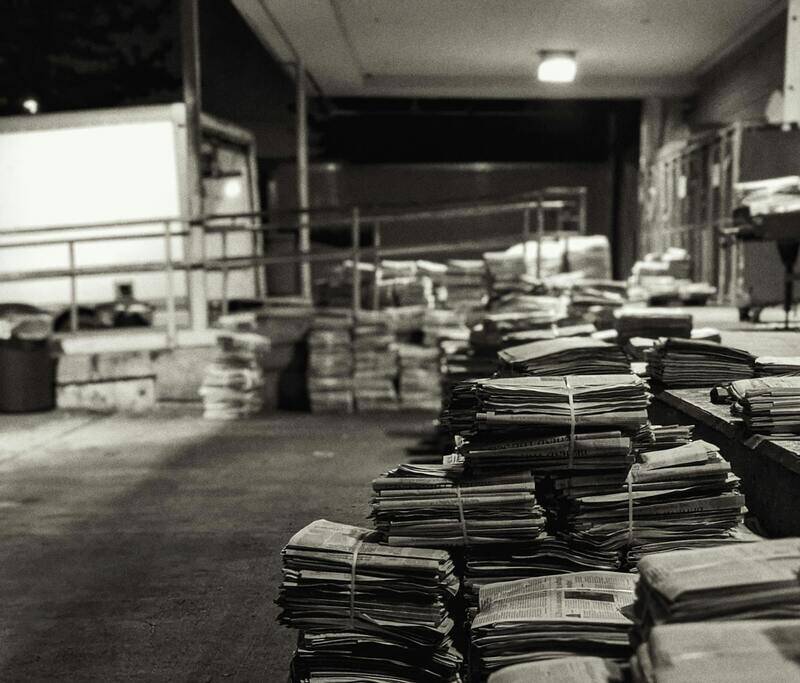
The printing process encompasses various techniques tailored to achieve the desired aesthetic. Offset printing remains popular for large-volume orders, offering consistency and vibrant colors. Digital printing, in contrast, is ideal for smaller runs and allows quick turnaround times with minimal setup costs. Specialized finishes such as spot UV coating, embossing, or foil stamping can add decorative touches, elevating the booklet's aesthetic and tactile qualities.
Finishing touches include binding options—such as saddle stitching, perfect binding, or spiral binding—each suited to different booklet sizes and uses. These methods ensure the booklet is durable and easy to handle, whether it will be distributed in person or mailed to clients.
Implementing the right combination of materials, printing techniques, and finishing details results in a professional-looking product that effectively communicates your business message. Mastery of these elements underscores the importance of choosing qualified and experienced printing providers to meet your project specifications and quality standards.
Understanding Business Booklet Printing
Achieving a professional and impactful business booklet requires more than just compelling content; the quality of printing plays a crucial role in conveying your brand’s message effectively. High-quality business booklet printing ensures that your visual elements, text, and overall layout are presented with precision, durability, and aesthetic appeal. It involves selecting the appropriate printing methods, paper stocks, and finishing techniques that align with your business goals and audience expectations.
One of the primary considerations in business booklet printing is the choice of printing process. Offset printing remains the preferred choice for large-volume orders because it delivers consistent color quality, sharp images, and cost efficiency at scale. Digital printing, on the other hand, offers flexibility for smaller quantities and faster turnaround times, making it ideal for customized or limited-run projects. Both options require careful coordination with your printing service provider to optimize output quality and cost-effectiveness.
Paper selection is equally significant. Heavyweight cardstock or textured papers provide a premium tactile experience, conveying a sense of quality and professionalism. For covers, options such as matte or gloss finishes can dramatically enhance visual appeal and durability, protecting against fingerprints and scuffs. Internal pages may utilize smoother, lighter-weight paper to ensure ease of reading and cost control. Understanding how different papers interact with printing techniques helps create a cohesive and attractive final product.
Beyond paper and printing methods, finishing techniques add a distinctive touch to your business booklet. Options like spot UV coating can highlight specific sections or images, adding depth and visual interest. Embossing and foil stamping provide tactile and metallic accents that can elevate your branding elements. For binding, saddle stitching is suitable for booklets with a fewer pages, while perfect binding or spiral binding offers durability for thicker or regularly handled materials. These finishing details should be chosen thoughtfully to complement your overall design and functional requirements.
Finally, working with a qualified printing service provider ensures that your booklet maintains high standards throughout the production process. Experienced providers possess the expertise to advise on material choices, optimize printing settings, and execute finishing tasks seamlessly. They also facilitate quality control measures to ensure the final product meets your expectations, whether you’re producing a small batch for an upcoming event or a large distribution campaign.
Understanding Business Booklet Printing
Business booklet printing involves the detailed process of producing professionally designed booklets that effectively communicate your company's message, products, or services. This process requires careful planning and execution to ensure the final product aligns with your branding and marketing objectives. From selecting the right size, layout, and paper type to choosing appropriate printing and finishing techniques, each step influences how your audience perceives your brand.
Leveraging legitimate and proven printing methods guarantees high-quality output that resonates with your target audience. These methods encompass a range of official procedures designed to uphold standards of color accuracy, durability, and overall presentation. By adhering to these established practices, your business booklets will not only look visually appealing but also stand the test of time during handling, distribution, and storage.

Types of Booklets and Printing Formats
Choosing the appropriate type and format of a booklet is essential for achieving your communication goals. Common formats include tri-fold brochures, saddle-stitched booklets, spiral-bound manuals, and perfect-bound catalogs. Each format serves different purposes and offers unique advantages depending on content length, presentation style, and user interaction.
For example, saddle stitching is commonly used for smaller booklets with fewer pages, providing a clean, compact look. Perfect binding is suitable for larger, more substantial documents like reports or catalogs, offering a professional, durable finish. Spiral binding offers flexibility and ease of use, ideal for manuals or handouts that require frequent referencing.
Understanding the appropriate printing format involves considering the booklet's purpose, distribution method, and budget constraints. Utilizing reputable printing services ensures the correct format is produced using official procedures, which guarantees the structural integrity and visual quality of your business booklet.
Design Considerations for Business Booklets
The design of your business booklet plays a crucial role in visually communicating your message effectively. A well-designed booklet captures attention, guides the reader through content seamlessly, and leaves a memorable impression. When designing your booklet, consider elements such as hierarchy, spacing, color schemes, and font choices to create a cohesive look.
Involving professional graphic designers and adhering to official design standards ensures your booklet maintains brand consistency. It's also vital to optimize the layout for print, which includes paying close attention to margins, bleeds, and resolution. This attention to detail ensures that the final print accurately reflects your digital design and retains its visual integrity after printing.

Material and Paper Selection
Choosing the right paper and materials is fundamental to producing a durable, attractive booklet. The paper's weight, texture, and finish influence not only the look and feel but also the longevity of your printed product. High-quality papers build perceived value and enhance the overall aesthetic of your booklet.
For the cover, thicker cardstock or coated paper provides protection and a premium appearance, while internal pages can utilize lighter, uncoated paper to facilitate readability and cost efficiency. Working with a printing provider that offers official and validated paper options ensures consistent quality and compatibility with printing techniques. This deliberate selection process results in a polished, professional-looking booklet that aligns with your brand standards.
Understanding Business Booklet Printing
Business booklet printing is a specialized process that involves producing professional, high-quality printed materials designed to showcase your company's products, services, or corporate information. The process begins with meticulous planning, spanning from selecting the appropriate format to choosing the right materials. A well-executed booklet not only communicates your message effectively but also reinforces your brand image through visual consistency and durable craftsmanship. In the context of business, the focus is heavily placed on precision, clarity, and presentation. By partnering with reputable printing service providers that comply with industry standards, companies can ensure that each booklet produced meets strict quality benchmarks. These providers utilize verified printing techniques and materials, which guarantees that your finished product exhibits crisp images, sharp text, and a professional finish. The importance of understanding the printing process extends to the initial preparation stages, including content organization, design layout, and selecting targeted formats that align with your strategic communication goals. The goal is to create a document that not only delivers information but also leaves a lasting impression on clients, investors, or partners. Proper business booklet printing thereby becomes a critical component of corporate communication, marketing, and brand identity building. Furthermore, the execution of business booklet printing requires careful consideration of technical specifications—such as color fidelity, bleed requirements, and resolution—to ensure the final product closely reflects the intended design. Working with experienced printers equipped with validated technology and quality control measures ensures your booklet maintains visual integrity from digital proofing to the finished product. This attention to detail mitigates potential errors and guarantees a streamlined, efficient printing process.

Understanding Business Booklet Printing
Business booklet printing stands as a vital aspect of corporate communication, marketing strategies, and brand presentation. It involves translating your company’s message, product information, or service details into a professionally designed booklet that effectively communicates your value proposition. The process not only emphasizes content quality but also relies heavily on the choice of printing methods, materials, and finishing techniques to produce an impactful final product.
In today’s competitive marketplace, the importance of high-quality business booklets cannot be overstated. They serve as tangible representations of your brand’s professionalism and commitment to quality. An effectively printed booklet can foster trust, enhance brand recognition, and serve as a powerful tool during client meetings, trade shows, or corporate events. Accurate reproduction of your design and messaging through official printing channels assures that your company’s image remains consistent and authoritative.
Utilizing authorized printing services ensures adherence to industry standards, quality control processes, and the use of certified materials. Such providers employ advanced printing technology and rigorous inspection protocols to guarantee that each booklet meets the expected quality benchmarks. This meticulous approach results in a product with crisp images, clear text, and a durable finish, thereby reinforcing your brand’s credibility and professionalism.

Moreover, choosing the right printing method and materials is fundamental. It impacts not only the aesthetic appeal but also the tactile experience, which influences how your audience perceives your message. The right choice of techniques and materials ensures that your business booklet is not merely visually appealing but also resilient and suitable for long-term handling and distribution.
Understanding Business Booklet Printing
Business booklet printing is a pivotal process for creating professional marketing materials, corporate reports, product catalogs, and informational brochures. It involves transforming digital designs into tangible products through a series of precise steps managed by specialized printing providers. The goal is to produce booklets that accurately reflect your brand’s identity while maintaining high standards of quality, durability, and visual appeal. This process demands meticulous planning, from selecting the right format and materials to choosing advanced printing techniques that deliver vibrant images and sharp text. When executed through authorized printing channels, the final product upholds your brand’s reputation and leaves a lasting impression on your target audience.

Types of Booklets and Printing Formats
Business booklets come in various formats designed to suit different messaging needs and aesthetic preferences. Standard formats include saddle-stitched booklets, perfect-bound reports, and spiral-bound catalogs. Each format impacts the booklet’s appearance, durability, and ease of handling.
- Saddle-Stitched Booklets: Ideal for small to medium-length publications, these are stapled through the fold and are cost-effective for short-run projects.
- Perfect-Bound Booklets: Featuring a glued spine, perfect binding offers a more polished and durable finish suitable for lengthy documents and high-end presentations.
- Spiral-Bound and Coil-Bound Booklets: These allow for lay-flat functionality, making them suitable for manuals and interactive guides.
Printing formats also vary based on paper size, orientation (portrait or landscape), and folding techniques. Popular paper sizes include A4, A5, and custom dimensions tailored to specific branding requirements. The choice of format influences production costs, the visual structure, and the overall user experience of the booklet.

Design Considerations for Business Booklets
The design phase is crucial for ensuring that your booklet captures attention and communicates your message effectively. Consistency in branding elements such as logos, color schemes, and typography plays a fundamental role in reinforcing your corporate identity. An impactful design also prioritizes readability, visual hierarchy, and the strategic use of images and graphics to illustrate key points.
- Layout Precision: Clear margins, balanced spacing, and logical flow guide readers seamlessly through your content.
- Image Quality: Use of high-resolution images ensures crisp visuals, crucial for professional printing.
- Typography: Selecting appropriate fonts and sizes enhances readability and aesthetic harmony.
Working closely with a professional designer and printing provider guarantees that your digital designs are optimized for print, considering color profiles, bleed areas, and finishing effects. Proper prepress preparation minimizes errors, ensuring the final output aligns perfectly with your vision.
Materials and Paper Selection
The tactile quality of your business booklet hinges on the choice of paper and finishing materials. Different types of paper, such as gloss, matte, and silk, contribute distinct visual and tactile effects. For instance, gloss paper enhances vibrant colors ideal for image-centric content, while matte finishes reduce glare and provide a sophisticated look for text-heavy documents.
- Bond Paper: Versatile and economical, suitable for internal documents or drafts.
- Cover Stock: Thicker, more durable paper used for covers, available in matte, gloss, or textured finishes.
- Specialty Paper: Textured, recycled, or eco-friendly options for brands emphasizing sustainability.

Printing Techniques and Finishes
The choice of printing technique directly influences the detail, color fidelity, and durability of your booklet. Conventional offset printing remains popular for large-volume runs due to its cost efficiency and consistent results. Digital printing, on the other hand, offers flexibility for short runs and quick turnarounds, with high-quality output suited for most professional applications.
- Offset Printing: Ideal for bulk production, producing sharp images with vibrant colors and precise registration.
- Digital Printing: Suitable for smaller quantities, allowing for personalized content and faster delivery.
- Special Finishes: Spot UV coating, embossing, foil stamping, and lamination add visual interest and tactile appeal, enhancing the overall quality and elegance of your booklet.

Cost Factors and Budgeting
The overall cost of business booklet printing is influenced by multiple factors, including the complexity of design, choice of materials, printing volume, and finishing options. High-quality materials and specialized finishes typically entail higher expenses but significantly enhance the perceived value of your booklet. Volume discounts are attainable when ordering larger quantities, making bulk printing a cost-effective option for extensive marketing campaigns.
- Quantity: Bulk orders lower the unit cost, but require careful planning to avoid excess inventory.
- Design Complexity: Intricate graphics or custom die-cut shapes increase production time and expenses.
- Material Selection: Premium papers and specialty finishes add to costs but provide a superior tactile experience.
- Finishing and Binding: Techniques like lamination, embossing, or foil stamping influence final pricing.
Accurate budgeting involves selecting the right balance between quality and cost, aligned with your business objectives. Collaborating with experienced printing providers enables transparent quotations and professional advice to optimize your expenditure without compromising quality.
Ensuring Security and Integrity Throughout the Printing Process
To maintain the professionalism and confidentiality of your business information, it is crucial to work with printing service providers that follow strict security protocols. This includes protected handling of digital files, secure storage of physical materials, and clear confidentiality agreements. When sharing your templates and content, verify that the printing company employs encrypted data transfer methods and restricts access to sensitive files to authorized personnel only.
In addition, a reputable provider will implement quality control measures during every stage of production. This involves meticulous proofing, color calibration, and consistency checks to prevent errors or discrepancies. These checks help ensure that the final product aligns with your original concepts and branding standards, delivering a professional appearance that accurately reflects your business identity.

Logistics and Distribution Strategies
Successful business booklet printing doesn’t end with the final product—it extends to effective distribution. Coordinate with your printing service provider to develop a robust logistics plan that ensures timely delivery to your designated locations. Factors to consider include packaging, warehousing options, and postal or courier arrangements tailored to your target recipients.
For businesses that require multiple distribution points or large quantities, consider partnering with logistics firms specializing in bulk shipments or regional distribution. This minimizes delays and ensures your business booklets reach their intended audiences in pristine condition, maintaining the professional image you aim to project.
Post-Printing Quality Control and Feedback
Once your booklets are in circulation, establish a system to gather feedback from stakeholders and recipients. Monitoring responses and gathering insights can inform future printing projects, helping refine design, material choices, and overall production processes. Conduct periodic quality assessments for ongoing print runs, addressing any issues proactively to uphold your brand standards and customer satisfaction.
Utilizing a comprehensive approach that pairs meticulous quality control with strategic logistics ensures your business booklets serve their purpose effectively—enhancing your marketing efforts, reinforcing brand identity, and communicating your message with clarity and professionalism.