Understanding Booklet Printing Services
Booklet printing services encompass a specialized subset of printing solutions designed to produce compact, organized, and visually engaging printed materials. These services are essential for a wide variety of applications, ranging from marketing campaigns and product catalogs to educational literature and event programs. Booklets offer a convenient format for presenting comprehensive information in a structured manner, making them a preferred choice for businesses and organizations seeking to communicate detailed content effectively.
Typically, booklet printing involves the folding, binding, and finishing processes that transform flat sheets of paper into a cohesive booklet. This process ensures that each page aligns accurately and that the final product has a professional appearance. Booklets are often used as marketing tools to showcase products or services, providing potential customers with detailed descriptions, images, and contact information. In educational settings, they serve as course materials, manuals, or informational brochures that facilitate learning and retention.
Event organizers frequently utilize booklet printing to produce programs, agendas, and souvenir booklets that enhance the attendee experience. The versatility of booklets allows for customization in size, layout, and content, ensuring that they meet the specific needs of each project. Whether a small reference guide or a large, detailed catalog, booklet printing services provide a reliable solution for producing high-quality printed materials that leave a lasting impression.
Ensuring that a booklet achieves its intended purpose requires not only quality printing but also strategic planning in design, content organization, and finishing touches. Professional booklet printing services employ advanced techniques and equipment to deliver precision, consistency, and a polished look. These services cater to various scale projects, from short runs for limited distribution to large-volume productions for widespread distribution.
Overall, booklet printing services are an integral part of professional communication and marketing strategies. They facilitate visual storytelling, brand promotion, and information dissemination through meticulously crafted printed materials. Selecting an experienced printing partner ensures that each booklet meets high standards of quality, durability, and presentation, ultimately reinforcing the credibility and professionalism of the content presented.
Understanding Booklet Printing Services
Booklet printing services form a crucial component in the realm of professional publishing, marketing, and informational dissemination. They encompass a comprehensive range of processes designed to transform digital designs into tangible printed materials that meet specific quality, durability, and aesthetic requirements. These services extend beyond mere printing to include design consultation, layout optimization, paper selection, binding options, and finishing touches, ensuring the final product aligns perfectly with the intended purpose.
One of the key advantages of utilizing dedicated booklet printing services is their adherence to established standards and best practices, which guarantees consistency across print runs. Equipment used in these services employs precision engineering, such as high-resolution digital presses and offset printing technology, to reproduce intricate details, vibrant colors, and sharp text with remarkable fidelity. This level of detail is essential for producing professional-grade booklets used in corporate presentations, educational materials, or marketing campaigns.
Furthermore, trusted printing providers often implement rigorous quality assurance protocols throughout the production process. These include color calibration, paper quality checks, and binding integrity assessments, all aimed at guaranteeing that each booklet not only looks appealing but also withstands handling over time. The materials chosen—such as glossy or matte finishes, textured papers, or eco-friendly options—also add to the tactile experience, reinforcing the message of quality and care embedded in the content.
Another significant benefit of engaging professional booklet printing services is the ability to customize physical parameters to suit distinct functional needs. Various binding options are available, including saddle stitching for thin booklets, perfect binding for catalogs and manuals, and spiral binding for notebooks or workshop handouts. Each style offers different aesthetic and practical advantages, supporting the specific use case and desired presentation. Size, orientation, and fold options can also be tailored to create unique formats that stand out from generic offerings.
In addition, professional services facilitate efficient handling of complex projects involving multiple codes, variable data, or special finishing techniques such as embossing, foil stamping, or spot UV coating. These enhancements elevate the visual impact of the booklet and can be strategically employed to highlight key information or brand elements, ensuring the material not only informs but also engages the audience effectively.
Types of Booklet Printing Options
Booklet printing encompasses several format choices, each suited to different content scope and presentation style:
- Saddle-Stitched Booklets: Ideal for smaller page counts, typically up to 64 pages, using staples along the spine for quick and economical production.
- Perfect Bound Booklets: Suitable for longer publications such as catalogs, manuals, or annual reports, featuring a flat spine glued for a clean, professional look.
- Spiral-Bound Booklets: Provide flexibility for pages to lie flat, making them preferable for workbooks, training guides, or presentations that require frequent reference and writing.
Choosing the appropriate format depends on factors such as page count, durability needs, and aesthetic preferences. Each type offers distinct advantages in terms of functionality and visual appeal, allowing businesses and organizations to select the most effective medium for their communication objectives.

Understanding Booklet Printing Services
Booklet printing services play a vital role in transforming your creative concepts into tangible marketing materials, educational tools, or corporate communications. These services combine expertise in printing technology with an understanding of design aesthetics to produce high-quality booklets that effectively convey your message. Whether you need a small run of event programs or a large batch of product catalogs, specialized booklet printing ensures consistent color reproduction, sharp images, and durable finishes. They also offer consultation on material selection, binding options, and finishing techniques that can significantly enhance the overall presentation of your booklet. Leveraging professional printing ensures that every detail—from typography alignment to color calibration—is optimized for clarity and impact, helping your content stand out and resonate with your target audience.

Benefits of Professional Booklet Printing
- Consistency and Precision: Professional printers utilize advanced equipment to maintain uniform color profiles and precise cuts across large quantities, reducing errors associated with manual processes.
- Customization Options: From paper types to binding styles, customization allows your booklet to suit specific needs and branding requirements.
- Enhanced Visual Appeal: Additional finishing techniques such as embossing, foil stamping, or spot UV coating add texture and shine, elevating the aesthetic quality of the printed material.
- Time Efficiency: Outsourcing to dedicated booklet printing providers accelerates production timelines while maintaining high standards of quality.
- Cost-Effectiveness: Bulk orders and optimized printing processes often result in better pricing, especially when considering the value of high-end finishes and materials.
Tailored Solutions for Diverse Needs
Every booklet project has unique requirements. Professional printing services offer tailored solutions that align with your goals, whether you’re producing promotional brochures, educational manuals, or corporate reports. They facilitate the selection of appropriate paper weights, colors, and binding techniques that complement your content and branding. For instance, if your booklet needs to withstand frequent handling or outdoor conditions, choosing a thicker cardstock with waterproof coatings can enhance durability. Conversely, for elegant presentations, lighter, glossy papers combined with spot UV finishes can deliver a sophisticated look. Consultation with experienced printers ensures that your project specifications are met with precision, and your expectations are exceeded through meticulous quality control.
Expertise in Handling Specialized Projects
Complex booklet projects involving intricate design features, specialized materials, or unique finishing techniques require expert handling to achieve desired results. Professional printing services are equipped with sophisticated machinery capable of executing detailed embossings, foil stamping, and spot UV coatings on various paper surfaces. They also manage intricate binding processes, ensuring that each booklet aligns perfectly and maintains structural integrity. Additionally, these providers are experienced in managing variable data printing, enabling personalized content customization for large-scale campaigns or client-specific editions. Efficient project management and specialized equipment guarantee that complex projects are executed seamlessly, maintaining quality standards and adhering to strict deadlines.
Paper Selection and Finishing Techniques
Choosing the appropriate paper type and finish for your booklet is crucial in achieving the desired visual appeal and durability. The selection begins with understanding the purpose of the publication, whether it’s for promotional brochures, reports, or event programs. For a professional appearance, coated papers such as gloss or matte finishes are commonly used to enhance color vibrancy and provide a smooth surface that reproduces images and text sharply. Uncoated papers, on the other hand, offer a more natural, textured feel suitable for organic or eco-friendly branding.
Thickness, measured in grammes per square metre (gsm), also impacts the booklet’s tactile quality and sturdiness. Thicker papers (e.g., 150-200gsm) lend a premium feel and durability, especially for covers, while lighter weights (80-120gsm) are ideal for inner pages to keep the booklet lightweight and easy to handle.

Finishing techniques play a significant role in enhancing both aesthetic appeal and protection. Laminations, whether gloss or matte, protect against moisture and smudges, extending the lifespan of your print material. Spot UV coating adds a glossy, tactile highlight to specific areas, such as logos or headings, creating visual interest and focal points. UV coatings also provide a protective layer that resists scratches and fingerprints, ideal for frequently handled booklets.
Foil stamping can be employed to add metallic accents, giving a luxurious touch to titles or decorative elements. Embossing or debossing create a three-dimensional effect on selected areas, adding depth and sophistication that can differentiate your booklet from standard prints. These finishing options require specialized equipment and expertise to execute flawlessly, emphasizing the importance of partnering with experienced printing providers.
Printing Process and Quality Assurance
Opting for a reliable booklet printing service involves understanding the printing methodology employed. Digital printing is suitable for short runs and quick turnaround times, offering versatility and cost-efficiency. Conversely, offset printing is favored for larger quantities due to its high-quality output and uniform color consistency. The choice of process depends on your project specifications, timeline, and budget.
Throughout the printing process, quality assurance protocols are crucial to ensure the final product meets strict standards. This includes color calibration, proofing stages, and in-process inspections. Color consistency is maintained through standardized workflows, ensuring that each printed booklet matches the approved proofs. High-resolution proofing allows clients to review layouts and color fidelity before mass production begins, minimizing errors and reducing rework.
Post-printing, binding and finishing undergo rigorous quality checks to confirm that pages are appropriately aligned, staples or perfect binding are secure, and coatings are applied evenly. Attention to detail at every stage guarantees a professional, high-caliber booklet that aligns with your branding requirements and quality expectations.
Understanding Booklet Printing Services
Booklet printing services encompass a comprehensive range of solutions tailored to produce professional, high-quality printed materials that effectively communicate your message. These services involve not just the printing process but also include collaborative consultation to determine the most suitable options for your project, from design to delivery. Proven printing techniques, customizable finishing options, and meticulous quality control processes ensure that each booklet aligns with your brand’s standards and design expectations. Engaging with a reputable printing provider guarantees that your print materials portray a polished appearance, resonate with your target audience, and fulfill your distribution needs efficiently.
Types of Booklet Printing Options
There are several methods and configurations available for booklet printing, each optimized for different quantities, quality levels, and budgets. Digital printing is ideal for short runs or projects requiring quick turnarounds; it offers flexibility, cost-efficiency for small batches, and the ability to incorporate variable data and personalized content. Offset printing, on the other hand, is preferred for larger orders, delivering superior color accuracy, sharp image reproduction, and consistent results across extensive quantities. Advanced options such as saddle-stitching, perfect binding, or spiral binding are available, allowing customization for durability and aesthetic appeal.
Design and Content Preparation for Booklets
Preparing your booklet’s content and layout involves careful planning to maximize visual appeal and readability. Design elements should be clear, cohesive, and aligned with your branding identity. It is vital to ensure that images, fonts, and graphics are of high resolution, typically at least 300 DPI, to prevent pixelation during printing. Content should be proofed thoroughly to avoid typographical errors and inconsistencies. Proper page sizing and margins facilitate smooth binding and printing processes, while a well-structured layout enhances user engagement and ensures that key messages are conveyed effectively. Additionally, incorporating bleed areas and crop marks in the final file prepares the design for precise trimming, avoiding unwanted white borders or misalignments.

Paper Selection and Finishing Techniques
The choice of paper significantly impacts the tactile quality, durability, and visual impression of your booklet. Options range from standard matte or gloss finishes to specialty papers such as textured, recycled, or silk-coated materials. Heavier weight papers, such as 120-170gsm, create a more premium feel, suitable for catalogs or corporate presentations, while lighter papers may suffice for informational pamphlets. Finishing techniques further elevate the presentation; options include embossing, debossing, lamination, UV coating, or varnishing. These enhancements not only improve aesthetics but also provide additional protection against wear and tear. Select coatings that align with your booklet’s intended use—gloss enhances vibrancy, while matte reduces glare and offers a sophisticated appearance. Carefully considering paper and finishing choices ensures your printed material makes a lasting impression on recipients.

Physical Durability and Handling
Booklet printing services employ a variety of quality control measures to ensure the physical integrity of your printed materials. The durability of a booklet is largely influenced by the type of paper selected and the binding technique used. For instance, saddle-stitch binding, widely utilized for smaller booklets, offers a cost-effective solution that holds pages securely while allowing for easy flipping. Perfect binding, on the other hand, is suited for larger or more premium projects, providing a clean, professional spine that enhances longevity and aesthetic appeal. Laminated covers or UV coatings reinforce the outer surfaces, protecting against moisture, scratches, and everyday wear.

Handling and storage considerations are also critical. Finished booklets should be packaged carefully to prevent damage during transportation and distribution. Shrink-wrapping or sturdy mailing cartons are common practices that protect the printed material from environmental factors. Moreover, certain finishing techniques such as edge painting or reinforced covers can further enhance the lifespan of the booklet, especially when it is meant for frequent handling or outdoor display. High-quality printing and finishing not only improve the visual appeal but also significantly extend the functional life of your printed materials.
Environmental and Sustainability Aspects
Many booklet printing services today prioritize ecologically responsible practices, offering options that minimize environmental impact. Recycled paper options, soy-based inks, and eco-friendly coatings are increasingly available, allowing businesses to align their printed material with sustainability goals. Selecting FSC-certified or similarly accredited paper ensures responsible forest management, while water-based varnishes and biodegradable coatings reduce the release of harmful chemicals. These measures contribute to a cleaner production process and a greener final product.
It is crucial to discuss environmental options with your printing provider, as many have dedicated departments or consultative teams to recommend the best eco-friendly solutions that suit your budget and quality expectations. Incorporating sustainable materials and techniques does not compromise the professional appearance but demonstrates responsible corporate practices and appeals to environmentally conscious audiences.
Understanding Booklet Printing Services
Booklet printing services encompass a comprehensive range of customization options and production techniques tailored to suit various business and personal needs. When selecting a provider, it’s essential to evaluate their capacity to deliver high-quality outputs while adhering to specified timelines and budgets. These services often include options for different binding styles, paper weights, and finishes, all of which influence the final appearance and durability of your booklet. Given the importance of clarity, aesthetic appeal, and professional presentation, many providers utilize advanced digital and offset printing technologies to ensure precise color reproduction and crisp detailing.

Another critical aspect of booklet printing services involves quality control procedures that guarantee consistency across large print runs. This process includes multiple stages such as proofing, color matching, and final inspection to prevent errors and ensure each booklet meets the client’s expectations. Additionally, many providers support eco-friendly practices by offering sustainable materials and environmentally conscious finishing options, aligning with modern corporate social responsibility initiatives. Whether it's a product catalog, training manual, or event program, partnering with a reputable booklet printing service ensures that your printed materials effectively represent your brand and message.
Types of Booklet Printing Options
Booklet printing services provide various options to accommodate diverse requirements, from small-scale promotional pieces to large corporate publications. Key types include:
- Digital Booklet Printing: Ideal for short runs, customized content, or rapid turnaround times. This method offers flexibility and cost-efficiency for on-demand printing.
- Offset Booklet Printing: Suitable for high-volume projects, delivering superior color fidelity and sharp detail across large print runs.
- Variable Data Printing: Enables personalized content within each booklet, perfect for direct marketing campaigns or customized manuals.
- Special Finishing Options: Incorporates techniques such as embossing, foil stamping, or spot UV coating to enhance visual impact and tactile experience.

Design and Content Preparation for Booklets
Effective booklet design goes beyond aesthetic appeal; it involves meticulous planning for content layout, readability, and overall coherence. It is advisable to prepare your files in high-resolution formats, typically PDF or EPS, ensuring that images and graphics are optimized without pixelation. Maintaining consistent margins, font sizes, and color schemes throughout the document enhances professional appearance and readability. When creating your content, consider complex visual elements like infographics or charts, which can significantly enhance comprehension when properly integrated into your design.
- Use bleed areas to prevent unwanted white borders after trimming.
- Select fonts that are legible and appropriate for the target audience.
- Embed fonts and images to prevent discrepancies during printing.
- Proofread thoroughly and perform test prints to check layout and color accuracy.
Paper Selection and Finishing Techniques
Choosing the right paper is fundamental to achieving the desired durability and aesthetic. Common options include coated, uncoated, matte, gloss, and silk finishes, each serving different purposes. Coated papers offer vibrant color reproduction and a smooth surface, ideal for image-heavy booklets, while uncoated papers provide a natural, tactile feel suited for text-based content. Finishing techniques such as lamination, UV coating, or varnishing can add protection and visual enhancement, giving your booklet a polished look that stands out.
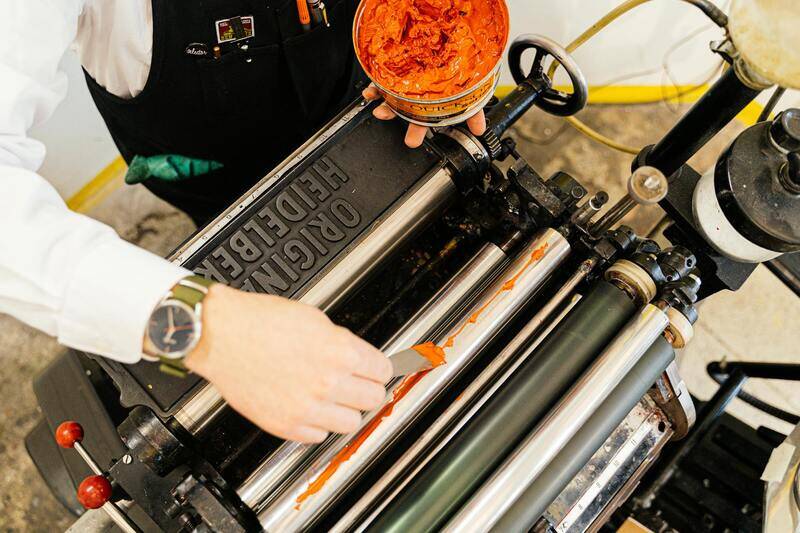
Binding methods vary from saddle-stitching, perfect binding, to comb binding, depending on the booklet’s size, thickness, and functional requirements. For instance, saddle-stitch binding is common for booklets with fewer pages, offering a neat, flat finish, while perfect binding suits more substantial projects with a professional hardcover appearance. Proper paper selection and finishing techniques not only elevate the look of your booklet but also contribute to its longevity, ensuring your content remains intact and readable over time.
Final Steps in Ensuring Quality and Durability of Your Booklet
Once the printing process is complete, attention shifts to the critical phase of post-production quality assurance and safeguarding your booklet’s longevity. To maximize durability and maintain the integrity of your printed content, it is essential to employ proper handling, storage, and distribution methods. Handling printed booklets with care minimizes the risk of accidental tears, smudges, or other damages that could compromise their appearance and usability.

Post-Print Quality Checks
Before bulk distribution, conducting meticulous quality checks is vital. This includes inspecting samples for color consistency, alignment, binding quality, and overall finish. A thorough review ensures that the printed materials align with your standards and specifications. Addressing any discrepancies early prevents negative impressions and reprints, saving costs and time.
Protective Measures for Booklets
- Lamination and Coatings: Applying laminates or UV coatings can significantly enhance resistance to moisture, fingerprints, and wear, especially for booklets intended for frequent handling or outdoor use.
- Storage Conditions: Store booklets in dry, cool environments away from direct sunlight to prevent fading, warping, and other damage over time.
- Transport Considerations: Use appropriate packaging such as cardboard boxes or cellophane wraps to protect against damaging impacts during transit.
Distribution and Usage Recommendations
For the end-user experience, consider packaging options that facilitate ease of distribution, such as shrink wrapping or bundling. When distributing printed booklets at events or through mail, ensure that each copy is handled carefully to maintain its presentation quality. Additionally, advising recipients on proper handling can extend the lifespan of your materials, preserving their professional appearance and readability.
Long-Term Maintenance Strategies
Implementing long-term maintenance strategies, such as active inventory management and periodic inspections, will help keep your booklets in prime condition. For instance, replacing damaged copies and updating older materials with refreshed editions can sustain engagement and uphold your organization’s reputation for quality.
Leveraging Professional Printing Support
Partnering with a reputable print service provider can streamline the entire process from pre-press to post-print care. Experienced providers often offer guidance on suitable protective techniques, optimal storage solutions, and efficient distribution methods. Their expertise ensures your booklet printing project not only meets your immediate needs but also retains its value over time, reflecting your commitment to quality and professionalism.