Understanding Booklet Printing in Singapore
Booklet printing is a versatile and effective method for presenting information in an organized, visually appealing format. This printing process involves producing small, folded publications that can range from introductory brochures and event programs to product catalogs and annual reports. In Singapore's dynamic business environment, high-quality booklet printing plays a crucial role in marketing, corporate communication, and informational dissemination.
Booklets serve as an essential tool for conveying complex information in a concise and engaging manner. Their compact form allows businesses and organizations to showcase their offerings, showcase detailed descriptions, and relay brand messages with professionalism. Whether used for internal purposes such as training manuals or external marketing materials, the relevance of well-printed booklets remains significant amid Singapore’s fast-paced commercial landscape.

The purpose of booklet printing extends beyond mere presentation; it is also about creating a tangible connection with the audience. Companies leverage custom-designed booklets during trade shows, corporate events, and client meetings to leave a lasting impression. Additionally, educational institutions, government agencies, and non-profit organizations utilize booklets to deliver important information in a format that is easy to browse and reference.
In the Singapore market, where branding and quality presentation are critical, choosing the right printing method and provider can significantly influence the effectiveness of the final product. There is a broad range of printing services tailored to meet various needs, from small-scale runs for local businesses to large-volume productions for multinational corporations. The accessibility of advanced printing technology and skilled professionals ensures that the final booklet meets high standards of clarity, durability, and visual appeal.

Overall, booklet printing in Singapore is a strategic investment for businesses and organizations seeking to communicate effectively and project a professional image. Understanding its purpose and applications helps in selecting suitable formats, designs, and printing options that align with specific objectives. As the demand for high-quality printed materials continues to grow, partnering with experienced printers becomes essential in achieving desired results that resonate with target audiences.
Types of Booklets and Printing Options
When preparing to order booklet printing in Singapore, understanding the variety of booklet formats and the available printing options is essential. Different types of booklets serve specific purposes, requiring tailored approaches in design and production. Among the most common types are brochures, catalogs, user manuals, program booklets, and training handbooks. Each type has unique requirements concerning layout, content complexity, and durability.
Brochures tend to be compact, often bi-fold or tri-fold, designed for quick reading and visual impact. Catalogs are usually larger, featuring multiple pages that showcase a range of products or services. Manuals and training booklets require clarity and long-lasting durability, often incorporating spiral or saddle-stitched binding to facilitate ease of use over time.
Choosing the proper paper stock is equally important. Options range from standard uncoated and coated papers to premium matte or gloss finishes. For a professional look, many companies opt for thicker cardstock or textured papers that add a tactile element to the design. The choice of binding also impacts the presentation and usability of the final product. Saddle stitching (staples) is common for smaller booklets, while perfect binding or spiral binding can accommodate larger, more comprehensive publications.
- Paper Types: Uncoated, coated, matte, gloss, textured.
- Size Formats: A4, A5, custom sizes.
- Binding Methods: Saddle stitching, perfect binding, spiral binding, stapling.
- Finishing Touches: Lamination, UV coating, embossing, foil stamping.
In Singapore, integrating finishing techniques such as matte or gloss laminations enhances durability and aesthetic appeal, making the booklet more resistant to wear and tear. UV coating provides a shiny finish that increases visual impact, especially for cover pages. Custom embossed details or foil stamping can add a premium feel, aligning with branding strategies to elevate the perceived value of the printed material.

Considering the diverse needs of businesses and organizations in Singapore, a professional printing provider offers a comprehensive selection of printing configurations. This ensures that your booklet not only conveys your message effectively but also matches your brand's visual standards and functional requirements.
Methods to Legally Obtain Booklet Printing Services in Singapore
To ensure your booklet printing project adheres to all operational standards and quality expectations, it is essential to partner with reputable printing companies that employ official procurement channels. In Singapore, there are established and trusted methods to access booklet printing services through legitimate channels, guaranteeing high-quality results and consistent service standards.
One of the most reliable ways to secure professional booklet printing is by engaging certified printing providers with proven track records. Many established service providers operate through direct relationships with recognized suppliers or authorized distributors, ensuring their equipment and materials comply with local manufacturing standards. These providers often hold certifications or memberships with industry organizations, which serve as an indicator of their commitment to quality and ethical business practices.

- Engage with authorized local printing firms that are members of Singapore’s professional printing associations to access verified services.
- Use industry directories or official listings curated by Singapore’s trade and commerce bodies to identify reputable providers with proven credentials.
- Request quotations and service details from companies that provide clear documentation of their sourcing and manufacturing processes.
- Verify their licenses and certifications through official government portals or industry bodies to ensure compliance with regional operational mandates.
- Seek recommendations and reviews from business peers or industry contacts known for trustworthy print solutions.
For organizations with specific branding or quality requirements, many local printing firms offer consultation services to align project specifications with their production capabilities. These consultations often include reviewing proofs and discussing material sources, ensuring that the final product meets your standards.
Adhering to these official procurement methods not only guarantees compliance with local regulations but also helps to secure the best possible outcome for your booklet printing project. High-quality results, reliable timelines, and consistent service are fundamental benefits when working through reputable and accredited printing partners in Singapore.
Ensuring Quality and Authenticity in Booklet Printing
When selecting a printing partner for your booklet projects in Singapore, it is imperative to verify their adherence to regulatory standards through official documentation and accreditation. This entails engaging only with companies that hold valid licenses issued by relevant governmental agencies, such as the Singapore Printing and Publishing Regulatory Authority, or those recognized by industry associations like the Singapore Printing Association. These credentials attest to their compliance with regional operational mandates and their commitment to maintaining industry standards.
Conduct thorough research using authorized industry directories, government portals, and official trade listings to confirm the credentials of potential printing providers. Such due diligence helps ensure that the chosen partner operates legitimately within Singapore and adheres to the country’s professional practices.

Request detailed quotations that include comprehensive information about sourcing materials and manufacturing processes. These documents should clarify whether the company sources environmentally friendly raw materials and employs sustainable practices, aligning with Singapore’s emphasis on eco-conscious business operations.
Additionally, consulting reviews and testimonials from past clients provides insight into their service quality and reliability. Peer recommendations can uncover consistent performance in meeting deadlines, printing accuracy, and customer support. Always seek out printing providers who participate in industry accreditation programs, as these often enforce strict adherence to high-quality standards and ethical practices.
For organizations with specific branding needs, it is advisable to engage in consultation sessions that allow you to review proofs and discuss material sourcing. Such direct communication can prevent misunderstandings and ensure that the final product aligns with your expectations, adhering to the high standards expected in Singapore’s competitive printing industry.
Implementing Best Practices for Booklet Printing
To maximize the quality and efficiency of your booklet printing project, establish a robust verification process that includes cross-checking credentials, reviewing certification documents, and confirming sourcing transparency. Working with reputable and officially recognized printing firms significantly reduces risks associated with inconsistencies and delays, ensuring a smooth production cycle.
Furthermore, collaborate with your chosen partner to create clear and detailed specifications for the booklet design, paper quality, and binding methods. Regular communication and scheduled progress checks help maintain the integrity of your project, guaranteeing the final product meets your standards and complies with local industry regulations.
By engaging only with official, licensed printing service providers and meticulously overseeing each phase of the process, you ensure the production of high-quality booklets that support your organizational objectives. These efforts translate into tangible benefits like durability, visual appeal, and effective communication, all achieved through legitimate business practices in Singapore’s printing landscape.
Meticulous Review and Proofing Process
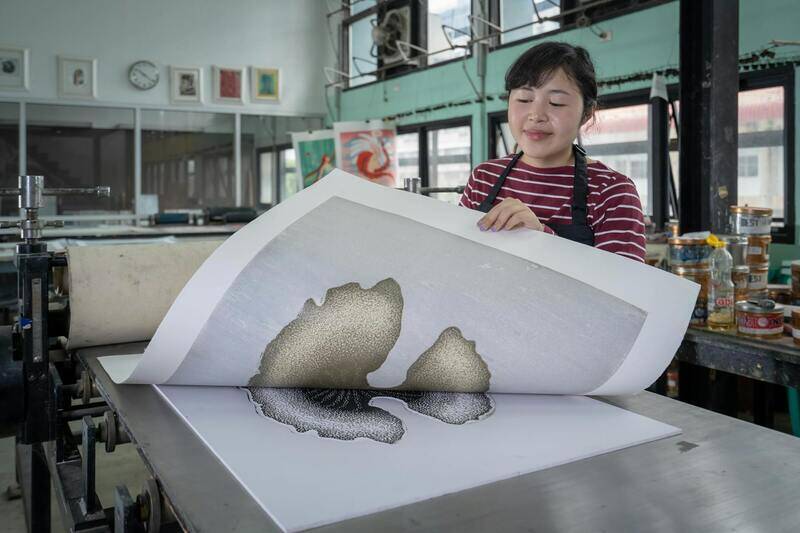
Ensuring the accuracy and quality of your booklet prior to mass printing is essential for a professional outcome. Engage with your printing partner to implement a thorough proofing phase, which includes reviewing digital proofs and, if possible, physical samples. Digital proofs provide an initial review of layout, colour accuracy, and content placement, allowing for electronic corrections. Physical samples, or mock-ups, enable a tactile evaluation of the paper quality, binding, and overall appearance, revealing issues that may not be apparent on screen.
During the proofing stages, pay close attention to detail, such as spelling, alignment, and colour consistency. Confirm that all elements, including images, logos, and text, are correctly positioned and of high resolution. This step is crucial for avoiding costly reprints and delays. Reputable printing firms in Singapore often offer multiple proofing options, including PDF proofs and physical samples, to accommodate different client needs.
Implementation of Final Checks and Quality Assurance
Before giving the final approval, conduct a comprehensive quality assurance review. This involves verifying that the printed materials conform to the approved proofs, checking for colour fidelity, paper consistency, and binding integrity. It’s advisable to assign a dedicated team member or project manager to oversee this process, ensuring objectivity and thoroughness.
Ask your printing partner about their quality control procedures, including inspection stages during and after printing. Standard practices include visual inspections, colour matching tests, and dimensional checks to confirm that the finished booklets adhere to specifications. A commitment to rigorous quality assurance guarantees that the end product is durable, visually appealing, and ready for distribution.

Efficient Handling of Finishing and Binding
After printing, the finishing touches significantly impact the final presentation of your booklet. Choose from a variety of binding options such as saddle stitch, perfect binding, or spiral binding, based on your project requirements for durability and aesthetics. Ensure that the binding process is executed with precision to prevent issues like misalignment, loose pages, or weak spine adhesion.
Additional finishing options can include lamination, embossing, varnishing, or foil stamping, which add a layer of professionalism and tactile appeal to your booklet. Discuss these options with your printing partner upfront, and select finishes that complement your design and intended use. Proper finishing not only enhances the visual appeal but also extends the longevity of your printed materials.

Protecting Your Booklet with the Right Finishing and Binding
Once your booklet printing process is complete, selecting the appropriate finishing and binding options becomes crucial for enhancing durability, aesthetics, and user experience. Finishing touches not only elevate the visual appeal but also contribute to the longevity of your printed materials, ensuring they remain professional and presentable over time.
Popular binding methods in Singapore include saddle stitch, perfect binding, and spiral binding, each offering distinct advantages depending on the booklet’s purpose and design. Saddle stitching, involving staples along the fold, is ideal for thinner booklets like brochures or programs, providing a sleek appearance and ease of use. Perfect binding, where the spine is glued for a clean, paperback look, suits thicker booklets such as catalogs or manuals, offering durability and a professional finish. Spiral binding allows pages to lay flat, making it suitable for manuals, workbooks, or presentations that require frequent reference and easy page-turning.

In addition to binding choices, various finishing options can boost the tactile feel and visual impact of your booklet. Lamination provides a protective layer that resists water, tears, and stains, making it ideal for high-traffic handouts. Embossing can add a raised effect to specific design elements, creating tactile interest and emphasizing key features. Varnishing and foil stamping further enhance the aesthetic appeal, giving your booklet a sophisticated, high-end appearance.
When planning your booklet project, consult with your printing partner about these finishing options early in the process. Their expertise can help you select finishes that align with your design and purpose, ensuring your printed materials leave a lasting impression. Proper execution of finishing and binding not only improves the overall presentation but also protects your content, extending the lifespan of your booklets in storage and use.
Ensuring Quality During the Final Stages
Post-printing quality assurance is critical to ensure that the finished booklets meet your expectations. Experienced printing providers incorporate comprehensive inspection procedures, including visual checks for color consistency, alignment, and finishing quality. Dimensional accuracy is verified to prevent issues like misaligned margins or uneven edges. This meticulous attention to detail guarantees that every booklet delivered maintains a high standard of quality.
For optimal results, consider requesting sample proof copies before the full run. This allows you to verify the design, color accuracy, and finishing details in real-world conditions, making adjustments if necessary. Many printers also offer digital proofs or physical samples, giving you a tangible sense of how the final product will appear.
Strong quality control practices combined with clear communication with your printing partner are essential for producing compelling, durable, and visually appealing booklets that effectively communicate your message and reinforce your brand identity.
Understanding Booklet Printing in Singapore
Booklet printing in Singapore has become an essential service for a wide range of industries, including corporate, education, and non-profit sectors. The process involves transforming digital designs into professionally finished printed products that are both visually appealing and durable. In Singapore, the robustness of the printing infrastructure and the availability of advanced technology allow for highly customized solutions tailored to specific project requirements. Whether you need small batch runs for a local event or large-scale production for marketing campaigns, understanding the core aspects of booklet printing helps you make informed decisions to achieve the desired quality and impact.
Types of Booklets and Printing Options

Booklets come in diverse formats, each suited for distinct content and distribution channels. Common types include saddle-stitched booklets, perfect-bound brochures, spiral-bound manuals, and wire-bound catalogs. These formats offer different levels of durability, flexibility, and aesthetic appeal, enabling publishers and businesses to select the most appropriate style for their message. Printing options encompass digital printing for short runs and faster turnaround times, as well as offset printing for large quantities requiring high-quality color reproduction. Specialty finishes such as embossing, lamination, or spot UV coating can enhance the tactile and visual appeal of your booklet, making it stand out in competitive environments.
Design Considerations for Booklet Printing
Effective booklet design is critical to maximize visual impact and readability. Clear and concise layouts, high-resolution images, and consistent branding elements contribute to professional presentation. When preparing files for printing, it’s essential to adhere to specific resolution, bleed, and margin requirements provided by the printer. Incorporating bleed areas ensures that no unintended borders or white edges appear after trimming. Additionally, choosing appropriate paper stocks—ranging from glossy for vibrant image reproduction to matte for a softer finish—can significantly influence the overall impression of your booklet. Consider using design templates or consulting with graphic design professionals to optimize the visual flow and ensure your content aligns with your communication goals.
Choosing a Printing Partner in Singapore
Partnering with an experienced printing service provider in Singapore guarantees high-quality output and seamless project execution. Look for providers with a proven track record in booklet printing, offering a wide range of finishing options, rapid turnaround times, and responsive customer service. Requesting samples or portfolio showcases can provide insight into their craftsmanship and attention to detail. It’s also beneficial to choose a vendor that understands your industry-specific needs and can advise on suitable materials, finishes, and binding methods. Transparent communication throughout the process helps ensure that your expectations are met, and any potential issues are addressed promptly.

Cost Factors for Booklet Printing in Singapore
The overall cost of booklet printing depends on several factors, including quantity, paper quality, printing method, binding style, and finishing options. Digital printing tends to be more cost-effective for smaller runs and provides quick turnaround, while offset printing offers economies of scale for larger quantities. Specialty finishes, such as gloss lamination, embossing, or foil stamping, add to the expense but significantly enhance perceived value. The choice of paper stock also influences costs; thicker or textured papers generally cost more but lend a premium feel to the final product. Budget considerations should be balanced with quality expectations, ensuring that the selected options align with your project's objectives and target audience.
Turnaround Time and Ordering Process
In Singapore, turnaround times for booklet printing are typically influenced by order complexity, quantity, and the chosen printing method. Standard digital printing orders can often be completed within a few days, making it suitable for urgent needs such as event handouts or marketing campaigns. Offset print runs usually require a longer lead time due to the setup process but deliver solutions for larger quantities at a lower cost per unit. The ordering process involves preparing print-ready files that meet specified technical specifications, selecting desired finishes and bindery options, and confirming the order with your printer. Many providers offer online ordering platforms or dedicated account managers to streamline communication and ensure timely delivery. Pre-press reviews and sample proofs before final printing help minimize errors and align expectations, leading to a more efficient workflow and a polished end product.
Understanding Booklet Printing in Singapore
Booklet printing in Singapore is a specialized service that caters to a wide range of business and personal needs. Whether for marketing materials, educational guides, event programs, or corporate reports, the process involves multiple steps that require attention to detail. Singapore boasts a mature printing industry with a strong emphasis on quality, precision, and sustainability, ensuring that clients receive professional and durable products. The diversity of printing techniques used across various service providers allows for customization based on budget, quantity, and desired aesthetic. From small-scale digital print runs suitable for quick distribution to large offset presses capable of producing thousands of copies with consistent quality, Singapore's printing sector is well-equipped to handle different project demands.

Types of Booklets and Printing Options
In Singapore, clients can choose from multiple types of booklets tailored to their purpose. The most common formats include saddle-stitched booklets, perfect-bound editions, spiral binding, and comb binding. Each type offers unique advantages based on usage and presentation requirements:
- Saddle-stitched booklets: Ideal for thinner publications, typically up to 80 pages, and are secured with staples along the spine. They are cost-effective and quick to produce, making them suitable for brochures, program booklets, or periodic reports.
- Perfect binding: Used for longer, more polished publications such as catalogs, annual reports, or magazines. This method creates a seamless spine, giving a professional look, with options for various cover finishes and paper stocks.
- Spiral binding: Provides the benefit of lay-flat reading comfort, frequently utilized for manuals, workbooks, or presentation materials where ease of use is key.
- Comb binding: Suitable for books that may require frequent updates or revisions, as it allows for easy addition of pages.
Printing options involve digital or offset methods. Digital printing offers quick turnaround and flexibility for small to medium quantities, while offset printing is optimal for larger runs with consistent color accuracy and lower per-unit costs. Specialty finishes such as gloss or matte lamination, spot UV, embossing, or foil stamping are available to enhance visual appeal and tactile experience. The choice of paper stock varies from standard coated finishes to textured or sustainably sourced options, aligning with environmental considerations prevalent in Singapore’s printing industry.

Design Considerations for Booklet Printing
Creating an effective booklet begins with thoughtful design. The layout should facilitate clear navigation, with consistent headings, ample white space, and legible typography. Incorporating high-resolution images and balanced color schemes enhances visual attractiveness, especially for marketing and promotional booklets. When preparing files, it is crucial to follow technical specifications provided by your printer, including appropriate bleed margins, resolution, and color profiles.
Furthermore, the choice of paper quality plays a vital role in conveying the intended message. Heavier weight papers lend a premium feel, suitable for high-end marketing materials, while lightweight options are cost-efficient for bulk distribution. Considering environmentally friendly options, such as recycled paper or FSC-certified stocks, aligns with Singapore’s commitment to sustainable practices in printing.
Choosing a Printing Partner in Singapore
Selecting the right printing service provider is essential for achieving your desired outcome. Look for established companies with a proven track record in booklet printing, accompanied by positive client reviews and case studies that demonstrate their expertise. Consider factors such as the variety of available printing techniques, customization options, and their ability to handle tight deadlines. Industry experience and advanced equipment contribute to superior quality and efficient turnaround times.
Additional services such as pre-press support, sample proofs, and ongoing client support can significantly enhance the overall experience. Transparent pricing, clear communication, and flexible workflows also help ensure that your project stays within budget and meets your specifications. A reliable printer will facilitate smooth coordination from file submission to final delivery, minimizing errors and ensuring timely completion.

Cost Factors for Booklet Printing in Singapore
The cost of booklet printing in Singapore depends on multiple elements, including the number of pages, paper quality, binding method, and volume of print runs. Higher page counts and premium finishes naturally incur higher costs. Offset printing, though initially more expensive due to setup fees, becomes more economical for larger quantities, with the unit price decreasing as volume increases.
Special finishing options such as embossing, foil stamping, or UV coating contribute to the overall expense, but considerably boost the aesthetic appeal and perceived value of the finished product. The choice of paper stock, especially textured or recycled materials, also influences costs. Budget constraints should be balanced against quality requirements to determine the most suitable options for your project.
Turnaround Time and Ordering Process
In Singapore, turnaround times for booklet production vary mainly based on the complexity and quantity of the order. Digital printing offers quick turnarounds, often within a few business days, ideal for short-notice projects. Offset printing typically requires a longer lead time due to setup processes but provides cost-effective solutions for large quantities.
The ordering process generally involves preparing and submitting print-ready files aligned with technical specifications, selecting desired binding and finishing options, and confirming the order with your printer. Many printing companies facilitate online platforms or dedicated account managers to simplify communication and monitor progress. Pre-press reviews and sample proofs can identify potential issues early, preventing costly errors and ensuring the final product aligns with expectations.

Tips for a Successful Booklet Printing Project
To ensure a smooth print process and a high-quality end product, it is essential to carefully prepare your files and maintain clear communication with your chosen printer. Double-check that your files meet all technical requirements, including correct bleed, resolution, and color profiles. Always proofread content meticulously to avoid errors and incorporate necessary crop marks and bleed areas during file setup.
Engaging with your printer for sample proofs allows you to review the physical quality, color fidelity, and finishing details before the entire batch is printed. Providing comprehensive feedback at this stage helps to refine the final product and minimize revisions. Establishing a timeline that accounts for potential delays and clarifies expectations regarding delivery schedules ensures your project remains on track, whether it’s for an upcoming event or a marketing campaign.