Types of Color Printing Technologies
Color printing encompasses a range of techniques designed to produce high-quality, vibrant images on various substrates. Each method offers distinct advantages and is suited for specific applications, from commercial printing to personalized designs. Understanding these technologies enables businesses and professionals to select the most appropriate process for their needs.

Offset Printing
Offset printing is one of the most widely used methods for high-volume color printing. It involves transferring ink from a plate to a rubber blanket and then onto the printing surface. This process produces sharp, consistent images with rich color vibrancy, making it ideal for commercial magazines, brochures, and packaging. Offset printing offers excellent color fidelity and cost efficiency when printing in large quantities.
Digital Printing
Digital printing is characterized by its direct-to-substrate approach, eliminating the need for printing plates. This technology is perfect for short runs, personalized prints, and on-demand jobs. Digital printers can quickly adapt to design changes, enabling real-time adjustments and quick turnaround times. While it may have higher per-unit costs compared to offset, digital printing provides superior flexibility and is effective for customized marketing materials, labels, and small batch production.
Flexography
Primarily used in packaging and labels, flexography employs flexible relief plates to transfer ink directly to various substrates, including plastics, metallic films, and paper. This method excels in printing high-volume jobs where durability and fast processing are essential. Flexography supports a broad color spectrum and can produce vibrant images on uneven or textured surfaces, making it suitable for cartons, wrappers, and other packaging elements.
Other Notable Technologies
- Gravure Printing: Ideal for high-volume commercial printing with fine detail, often used in magazine printing and elaborate packaging.
- Screen Printing: Suitable for printing on diverse materials such as textiles, glass, and ceramics, especially for custom designs and promotional products.
Each of these color printing methods hinges on specific operational principles and hardware setups. Selecting the appropriate technology hinges on factors such as print volume, turnaround time, substrate type, and desired image quality. Knowledge of these options ensures that businesses can achieve optimal results with their color printing projects.
Color Printing Materials and Inks
Choosing the right substrates and inks is crucial for achieving high-quality color prints that meet the specific requirements of each project. The selection process involves understanding the properties of various printing materials and the compatibility of inks with these substrates.
Common substrates used in color printing include:
- Paper – Ranges from standard coated and uncoated papers to specialty papers with textured or glossy finishes.
- Plastic Films – Such as PVC, PET, and polypropylene, often used for packaging, labels, and promotional materials.
- Metallic and Synthetic Materials – Used for specialty prints requiring durability and unique finishes.
Inks play a pivotal role in color accuracy and vibrancy. The most frequently used inks in modern color printing are:
- Solvent Inks – Known for their durability and resistance to environmental elements, suitable for outdoor signage and vehicle wraps.
- UV Inks – Offer rapid curing and vibrant colors, ideal for rigid substrates and high-end displays.
- Water-Based Inks – Environmentally friendly, used in digital and screen printing, providing excellent color fidelity on various papers and fabrics.
- Oil-Based Inks – Traditional in offset printing, providing rich color reproduction and smooth finishes.
The choice of substrates and inks depends heavily on the final use, desired durability, and print quality. Proper matching ensures consistent, vibrant, and precise color reproduction across different printing runs.
Color Management and Calibration
Effective color management is essential for achieving consistent print results, especially in processes demanding high fidelity. It involves the use of specialized software and hardware to control color reproduction from digital files through to the final print. Calibration of monitors, printers, and color profiles ensures that the colors viewed on screens match those produced on physical media.
Key components include:
- Color Profiling – Creating device-specific profiles to ensure accurate color translation across different devices.
- Color Standards – Implementing internationally recognized standards such as sRGB, Adobe RGB, and CMYK profiles for reliable color consistency.
- Test Prints and Adjustments – Regularly conducting test prints to verify calibration and make necessary color corrections.
Investing in advanced color management systems can significantly reduce color discrepancies and improve overall print quality, making it an integral part of professional color printing workflows.

Types of Color Printing Technologies
Color printing technologies have evolved significantly to meet diverse industry requirements. Common methods include digital printing, offset printing, flexography, and gravure. Digital printing offers rapid turnaround and customization, making it ideal for short runs, personalized projects, and on-demand printing. Offset printing, on the other hand, provides high-quality, consistent colors suitable for large-volume orders, utilizing plates and blankets to transfer inks onto substrates. Flexography, which employs flexible plates, excels in packaging and label production due to its ability to print on a variety of materials like plastics, foils, and papers. Gravure printing is favored for high-volume applications such as magazines and packaging, delivering excellent color richness and fine detail.

Each technology capitalizes on specific mechanisms for color application—whether through toning, inkjet droplets, or photochemical processes. Selection depends on factors such as print volume, substrate type, color fidelity, and budget. Digital presses combine multiple features to produce vibrant colors with minimal setup, while offset presses leverage precise plate registration for sharp, vibrant output at large scales. Flexography and gravure, with their ability to handle continuous roll-fed substrates, are well-suited for packaging, labels, and decorative printing where color depth and consistency are paramount.
Color Printing Materials and Inks
The effectiveness of color printing hinges on the quality of substrates and the inks used. Paper remains the most common substrate, but with technological advances, plastics, textiles, and metallic surfaces are increasingly employed. Specialized inks, such as UV-curable, solvent-based, and aqueous inks, are designed for specific applications, delivering vibrant hues while ensuring durability and adhesion. CMYK inks—cyan, magenta, yellow, and black—are standard in full-color printing, but spot inks and metallics are also used to achieve special effects or precise color matches. Properly selecting and matching these materials ensures consistent, bright, and durable print outcomes across different media.

Additionally, substrates may require pre-treatment or coating to enhance ink adhesion and color vibrancy. For example, gloss coatings can intensify colors and improve image sharpness, while matte finishes offer a softer appearance. The choice of inks and substrates must align with the intended use, environmental conditions, and longevity requirements, ensuring that the final product maintains its vibrancy over time without fading or degradation.
Types of Color Printing Technologies
Various color printing technologies are employed in professional environments, each suited to specific applications and desired outcomes. Offset printing remains a dominant method for high-volume color printing, offering precision and consistent color reproduction through the transfer of ink from metal plates onto substrates. This technique is ideal for mass print jobs like catalogs, brochures, and magazines where color accuracy and quality are critical.
Digital color printing, on the other hand, provides fast turnaround times and cost-effectiveness for smaller batches or short runs. This method utilizes electronically controlled inkjet or laser printers, allowing for variable data printing and quick customization. Inkjet printers, in particular, are capable of producing vibrant and detailed images suitable for promotional materials, posters, and photographic prints, thanks to their ability to handle a wide variety of substrates and inks.
Flexography is well-suited for packaging, labels, and tags, owing to its ability to print on flexible materials such as plastics, foils, and laminates. With fast drying inks and high-speed operation, flexography ensures consistent color application across large surfaces. Similarly, gravure printing is preferred for high-volume printing of magazines and packaging, especially when rich, continuous-tone images are required.
Color Printing Materials and Inks
The foundation of vibrant color printing lies in the selection of proper materials and inks. Paper remains the most common substrate, but advancements in printing technology have expanded the options to include plastics, textiles, metals, and specialty surfaces. These substrates demand specific types of inks to ensure adhesion and color fidelity.
Inks are formulated for maximum vibrancy, durability, and compatibility with the substrate. CMYK inks—cyan, magenta, yellow, and black—are standard in process printing for creating millions of shades. However, spot inks and metallics are frequently employed to enhance visual impact or achieve precise color matches that cannot be produced through CMYK alone.
Specialized inks such as UV-curable, solvent-based, and aqueous inks are tailored for particular materials and environmental conditions. UV inks, for example, cure instantly upon exposure to ultraviolet light, producing vibrant colors with excellent adhesion on non-porous surfaces. Selecting the right combination of inks and substrates, along with pre-treatment coatings, ensures consistent color vibrancy, adhesion, and resistance to environmental factors.

Color Management and Calibration
Achieving accurate and consistent color output in printing necessitates meticulous color management practices. This involves the use of calibrated devices and software that align the display, proofing, and printing processes. Color profiles—standardized data sets—are applied to ensure that the digital design matches the final print. Proper calibration of monitors and printers allows operators to monitor color fidelity throughout the production process.
Color calibration tools, such as spectrophotometers, are utilized to measure the color output and adjust device settings accordingly. This process minimizes color shifts caused by environmental factors or equipment variations. Proofing processes, whether soft proofs or printed samples, provide a visual confirmation that the expected colors are achieved before the bulk print run begins.
Maintaining consistent color requires diligent monitoring and adjustment at each stage of production, adhering to standardized workflows that incorporate color management software and calibrated hardware. Proper training for staff on these procedures further enhances color accuracy and overall print quality.
Types of Color Printing Technologies
Understanding the primary methods used in color printing is fundamental to selecting the right technology for specific needs. Digital printing, offset printing, and large-format printing are prevalent techniques, each with its own advantages and ideal applications. Digital color printing offers fast turnaround times and cost-effectiveness for small to medium runs, utilizing toner or inkjet mechanisms to produce vibrant, detailed images directly from digital files. Offset printing, renowned for its high volume capacity, ensures consistent color quality and sharpness across large print runs, employing precise plate-based processes that transfer inks to substrates. Large-format printers, often used for banners, posters, and signage, employ advanced inkjet technology capable of printing multidimensional colors with high resolution over extensive surfaces.

Advantages of Different Color Printing Methods
- Digital Printing: Quick setup, cost-effective for small batches, excellent for personalized prints.
- Offset Printing: Superior color accuracy, consistent quality for large volumes, cost-efficient at scale.
- Large-Format Printing: High-quality visuals on large surfaces, ideal for promotional displays and signage.
Color Printing Materials and Inks
The choice of materials and inks plays a crucial role in achieving vibrant and durable color prints. A wide array of substrates—including paper, vinyl, fabric, plastic, and specialty materials—each offers unique surface qualities that influence ink adhesion, color vibrancy, and longevity. Specialty coatings can enhance resistance to moisture, UV exposure, and abrasion, critical for outdoor or high-traffic applications.
Color inks are formulated with various pigments or dyes, with pigment-based inks providing better fade resistance and waterfastness. Modern printing systems often utilize aqueous, solvent, or UV-curable inks, selected based on the substrate and desired durability. Pigment-based inks are preferred for artwork, signage, and archival prints, ensuring that colors remain vivid over extended periods.

Key Factors in Material and Ink Selection
- Surface compatibility: Ensuring the substrate’s surface accepts the chosen ink without compromising adhesion or color accuracy.
- Environmental durability: Choosing inks that resist fading, moisture, and wear in outdoor or harsh conditions.
- Color fidelity: Selecting pigments or dyes that provide accurate color reproduction across different materials.
Color Management and Calibration
Achieving consistent and precise color output in printing hinges on meticulous management and calibration practices. Modern color management involves leveraging both software and hardware to align digital designs with the final printed product. Standardized color profiles—such as ICC profiles—serve as benchmarks that translate digital color data into the physical print, minimizing discrepancies.
Calibration involves adjusting devices like monitors, printers, and proofing systems to operate within consistent color parameters. Tools such as spectrophotometers precisely measure color outputs, enabling operators to tune printer settings for optimal fidelity. During production, soft proofs and physical samples are used to verify that the colors are matching expectations before proceeding with full runs.
Consistent color reproduction depends on rigorous workflow adherence, including regular calibration schedules, disciplined sample approvals, and comprehensive training for print operators to interpret and utilize color management tools effectively.
Best Practices for Effective Color Management
- Regularly calibrate hardware components to account for environmental changes and equipment aging.
- Employ standardized color profiles tailored to specific substrates and inks.
- Conduct pre-press proofs to validate color accuracy before mass production.
- Train staff extensively on color management procedures and software utilization.
Types of Color Printing Technologies
Choosing the appropriate technology for color printing is essential for achieving the desired quality, efficiency, and cost-effectiveness. The two primary methods are digital and traditional offset printing, each with specific advantages suited to different project requirements.
Digital Color Printing
Digital printing is renowned for its rapid turnaround times, minimal setup costs, and exceptional flexibility. It employs digital files to produce prints directly onto a variety of substrates using high-precision inkjet or laser technology. This method is ideal for small to medium runs, enabling quick modifications and on-demand printing. Advances in inkjet technology allow for vibrant color reproduction, high resolution, and detailed image fidelity, making it a preferred choice for marketing materials, personalized products, and short-run projects.
Offset Color Printing
Offset printing involves transferring ink from plates onto rubber blankets and then onto the printing surface. It is highly suitable for large-volume production, offering consistent color quality across extensive runs. Offset presses utilize CMYK (Cyan, Magenta, Yellow, Key/Black) ink sets, with high precision color management systems ensuring color consistency. This method provides high resolution, fine detail, and the ability to print on a wide range of substrates, including coated and textured papers. Despite higher initial setup costs, offset printing offers economies of scale for large projects, making it economical over volume.
Wide-Format and Specialized Technologies
For large banners, signage, and outdoor applications, wide-format printers utilizing eco-solvent or UV-curable inks deliver robust, vibrant color output. Similarly, screen printing remains relevant for specific industrial and high-volume applications where thick ink layers and special effects are required. Selecting the appropriate technology depends on project specifications, durability requirements, and budget considerations.

Color Printing Materials and Inks
The foundation of vibrant and consistent color output lies in the selection of high-quality materials and inks. A variety of substrates and inks are available, each tailored to specific applications and print methods.
Print Substrates
- Glossy and coated papers: Ideal for sharp images and vibrant colors, commonly used in brochures, magazines, and photographic prints.
- Matte papers: Offer a subdued finish and are preferred for presentations and fine art prints where glare reduction is desired.
- Bulk and recycled papers: Eco-friendly options suitable for sustainability-focused projects, often adapted for digital and offset printing.
- Specialty materials: Vinyl, fabric, canvas, and plastics used in signage, apparel, and outdoor displays. These substrates require compatible inks that adhere and endure environmental conditions.
Inks for Color Printing
- Liquid inks: Standard for offset and digital presses, formulated to achieve consistent color density and stability.
- UV-curable inks: Used in wide-format and specialty printing, these inks cure instantly under UV light, producing durable, vibrant images suitable for outdoor use.
- Solvent and eco-solvent inks: Employed in outdoor signage, these inks provide excellent adhesion and weather resistance on non-porous surfaces.
- Pigment-based inks: Known for their longevity and resistance to fading, ideal for archival prints and art reproductions.

Color Management and Calibration
Maintaining color accuracy in printing involves meticulous calibration of both digital and physical devices. Proper management ensures that the colors seen on a monitor precisely match the final printed product, reducing waste and rework.
Color Profiles and Standards
Implementing standardized color profiles, particularly ICC profiles, helps translate digital color data into physical output with high fidelity. These profiles are tailored to specific printers, inks, and substrates, providing a reliable benchmark for consistent color reproduction across multiple print runs.
Calibration Techniques and Tools
Regular calibration of monitors, printers, and proofing devices is vital. Spectrophotometers are used to measure color outputs accurately, enabling operators to adjust device settings. These adjustments ensure that color rendering remains consistent over time despite environmental or equipment changes.

Design Considerations for Color Printing
Effective design is fundamental in achieving the desired color outcome. Several factors influence how digital designs translate into printed results, including color separations, image resolution, and file formats.
Color Mode and Profiles
- Designs should be created using CMYK color mode, which aligns with printing processes, as opposed to RGB used for screens. This reduces unexpected color shifts during printing.
- Embedding appropriate color profiles ensures color consistency, especially when transferring files between designers and print providers.
Resolution and Image Quality
- High-resolution images (at least 300 DPI) prevent pixelation and ensure crisp details in the final print.
- Vector graphics maintain quality regardless of scale, essential for logos and illustrations requiring sharp edges.
Color Restriction and Harmonization
- Limiting color palettes simplifies color management and helps maintain brand consistency.
- Utilizing color harmonization principles ensures that colors complement each other, resulting in visually appealing printed materials.

Optimizing these aspects helps bridge the gap between digital design intent and the final printed product, ensuring vibrant, true-to-life colors in every project.
Types of Color Printing Technologies
Understanding the different color printing technologies available is essential for selecting the best method suited to the specific requirements of a project. The primary types include offset printing, digital printing, flexography, screen printing, and dye-sublimation printing. Each method has unique advantages and limitations concerning color accuracy, speed, cost, and the range of printable materials.
Offset printing remains a preferred choice for high-volume projects due to its ability to produce consistent, vibrant colors with precise detail. It employs plates to transfer ink onto a rubber sheet, which then applies ink to the printing surface, ensuring excellent color reproduction across large runs.
Digital printing offers a versatile, quick turnaround for smaller batches, making it ideal for personalized prints and short-run projects. Its ability to print directly from digital files facilitates rapid setup, with high-quality color output that rivals traditional methods depending on the technology used.
Flexography is widely used in packaging, such as labels and wrappers. It provides high-speed production and good color fidelity, especially on flexible substrates like plastic and foil. Screen printing, on the other hand, excels in printing on non-flat surfaces, textiles, and promotional items, delivering bold, opaque colors with excellent durability.
Dye-sublimation printing stands out for producing vibrant, photo-quality images on textiles and coated surfaces. The process involves turning dye into gas under heat and pressure, allowing the dye to penetrate the material for rich, durable colors.

Color Printing Materials and Inks
The selection of materials and inks significantly influences the quality and durability of color prints. Common substrates include paper, cardstock, plastics, textiles, and metal, each requiring specific inks to optimize color fidelity and adherence.
Printing inks are formulated with pigments or dyes that determine the vibrancy, lightfastness, and resistance of the print. Pigment-based inks are favored for their longevity and color stability, making them suitable for outdoor and archival applications. Dye-based inks, while offering brighter colors and smoother gradients, tend to fade faster when exposed to light or moisture.
Specialized inks are available for specific effects, such as metallic, fluorescent, or color-changing inks, which expand creative possibilities but also demand precise printing conditions to ensure consistent results.

Color Management and Calibration
Effective color management is paramount in producing consistent, true-to-life colors across different prints, devices, and media. This involves using color profiles, calibration tools, and standardized workflows to align digital file colors with the final printed output.
Color calibration of printers ensures that the printed colors match digital expectations by adjusting ink density, color profiles, and device settings. Regular calibration using spectrophotometers and standardized color charts can prevent color drift over time.
Maintaining color consistency requires careful attention during the printing process, including controlling environmental factors such as temperature and humidity that could influence ink behavior and substrate absorption.

Design Considerations for Color Printing
Designing for color printing demands a clear understanding of how digital colors translate into printed hues. Using CMYK color mode and embedding appropriate color profiles reduces unexpected color shifts. High-resolution images, vector graphics, and optimized color palettes contribute to accurate reproduction.
Creating designs with limited, harmonious color schemes helps manage ink usage, reduce costs, and facilitate better color matching. Additionally, pre-press proofing, whether digital or hard copy, allows designers to identify potential issues before production, saving time and resources.
Proper file formats such as PDF/X or TIFF ensure that all color information is preserved and accurately interpreted by the printing equipment, leading to reliable results.
Challenges in Color Printing and Solutions
Despite advancements, challenges such as color inconsistency, ink limitations, and material incompatibilities persist. Variations in ink absorption, substrate texture, and environmental conditions can lead to color shifts or inconsistent results between print runs.
To address these issues, implementing rigorous calibration protocols, utilizing high-quality inks, and selecting compatible substrates are crucial. Advanced color management software and control strips can help monitor and adjust color accuracy during production.
In situations requiring ultra-precise color fidelity, wound-back inspection and real-time color monitoring systems facilitate immediate adjustments, ensuring that the final output aligns with design intentions.
Cost Factors in Color Printing
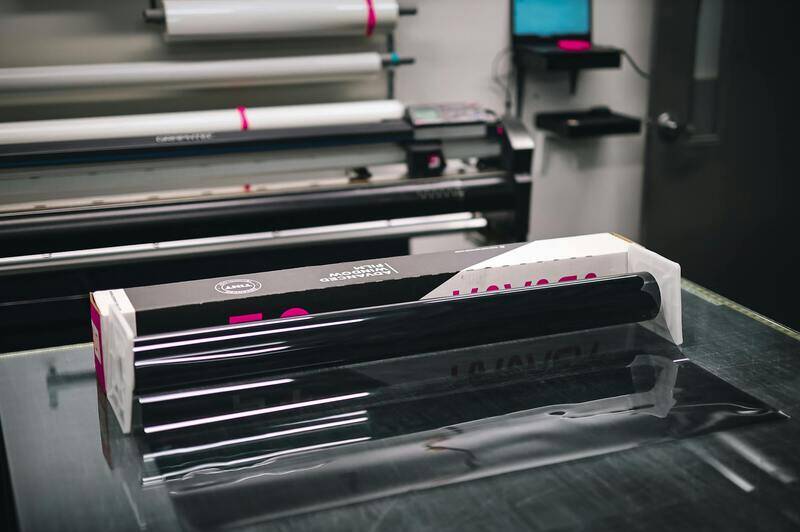
Several elements influence the overall expense of color printing projects. These include the choice of printing technology, substrate quality, ink type, and the volume of production. Offset printing, typically more cost-effective for large quantities, benefits from economies of scale, whereas digital printing offers flexibility with moderate costs for smaller runs.
High-quality inks and premium substrates increase material costs but often result in superior color output and longevity. Additionally, complex designs with extensive color gradients and special effects require more processing time and specialized equipment, contributing to higher costs.
Cost management strategies involve optimizing design for print efficiency, selecting economical materials without compromising quality, and planning production schedules to maximize turnaround without incurring unnecessary expenses.
Quality Control in Color Printing
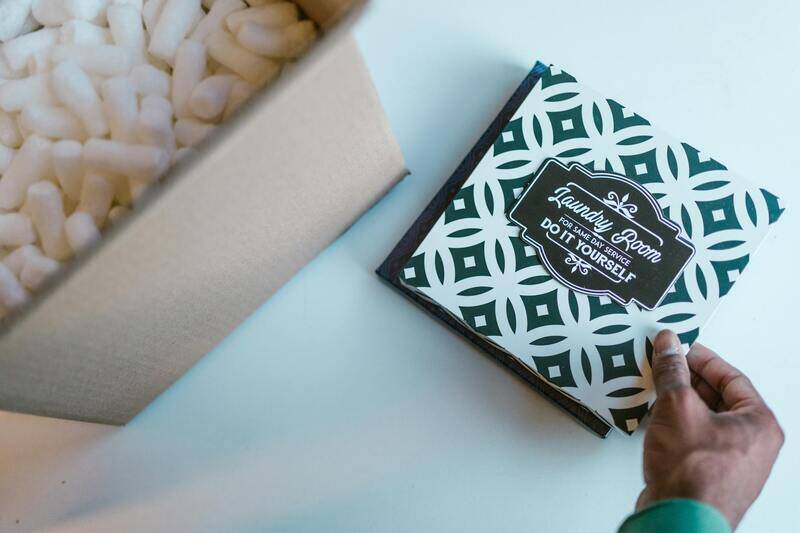
Maintaining impeccable color accuracy and consistency is paramount in professional color printing. Implementing rigorous quality control procedures ensures that the final output meets exacting standards and client expectations. This includes the use of advanced color measurement tools such as spectrophotometers and densitometers, which accurately assess color fidelity throughout the production process.
Standardized color control strips are essential for monitoring color accuracy during each print run. These strips, when scanned or analyzed, provide immediate feedback, allowing operators to adjust ink density, color matching, and press settings in real-time. This proactive approach minimizes wastage and reduces the risk of shipping defective prints that do not align with the intended color profile.
In high-precision print environments, employing color calibration charts and profiling software is vital for ensuring every output adheres to specified color standards. Regular calibration of printers and monitors guarantees consistency between digital files and printed products. Such practices are especially critical for branding materials, packaging, and artwork where color accuracy directly impacts brand perception and consumer trust.

Quality assurance also involves meticulous inspection techniques, including visual assessments under standardized lighting conditions and the use of automated inspection systems. These methods help identify and rectify deviations early in the printing process, preventing costly reprints and ensuring that the final product maintains high standards of color fidelity and overall print quality.
Furthermore, employing a comprehensive documentation process for each batch of prints facilitates traceability and continuous improvement. Recording parameters such as ink formulations, substrate types, and print settings allows for refined control over future production runs, ultimately fostering consistency and excellence in color printing services.