Understanding Full Colour Printing
Full colour printing, also known as four-colour process printing, involves the use of a comprehensive colour spectrum to reproduce images, logos, and graphics with remarkable vibrancy and detail. This method utilizes a combination of four primary inks—cyan, magenta, yellow, and black (CMYK)—to create a broad range of hues and shades. The significance of full colour printing lies in its ability to capture intricate details and subtle colour gradations, making it essential for marketing materials, branding, packaging, photographic reproductions, and promotional items. Unlike single-colour or limited-colour methods, full colour printing ensures that each element of a design appears vivid, true to the original intent, and professionally polished.
This technique is highly versatile, accommodating various design complexities and image qualities. For businesses and artists alike, full colour printing offers the advantage of producing captivating visuals that can elevate brand identity and consumer engagement. Its capacity to render high-resolution images with rich colour depth is why it remains a staple in digital and offset printing applications. When executed with precision, full colour printing results in products that not only attract attention but also convey a level of professionalism and quality that benefits commercial and creative projects.
Understanding Full Colour Printing
Full colour printing, also known as four-colour process printing, utilizes the CMYK colour model—Cyan, Magenta, Yellow, and Key (Black)—to produce a broad spectrum of vibrant, accurate colours in printed materials. This method involves layering tiny dots of different colours at various sizes and densities to create detailed, high-resolution images with smooth gradations and rich hues. By combining precise ink application with advanced printing technology, full colour printing ensures that both photographic reproductions and complex graphics are rendered with exceptional clarity and depth.
This printing technique is indispensable across a multitude of industries such as marketing, advertising, packaging, publishing, and interior décor. Whether producing intricate artwork, detailed photographic prints, or vivid promotional materials, the ability to achieve an extensive range of colours makes it the preferred choice for brands aiming to leave a memorable visual impact. For designers and business owners, understanding the intricacies of full colour printing can influence material selection, colour accuracy, and overall visual quality.
Modern advancements in digital and offset printing technologies have expanded the capabilities of full colour printing, allowing for faster turnaround times and more cost-effective solutions without compromising quality. The integration of high-resolution printing systems ensures that every print maintains sharp detail and vibrant colour reproduction. This is especially critical for campaigns that demand consistency across large volumes of printed assets or for materials where colour fidelity directly impacts brand perception.
Common Techniques Used in Full Colour Printing
Full colour printing utilizes various advanced techniques to produce vibrant and precise images across diverse substrates. Among the most prominent methods are digital printing, offset printing, and flexography, each tailored to suit specific project requirements and volume demands.
Digital printing stands out for its ability to deliver high-quality images with quick turnaround times. This method employs electrophotographic or inkjet technology, which directly applies ink onto the chosen material, making it ideal for short runs and personalized prints. The absence of extensive setup processes allows designers to swiftly modify artwork without incurring significant costs or delays.
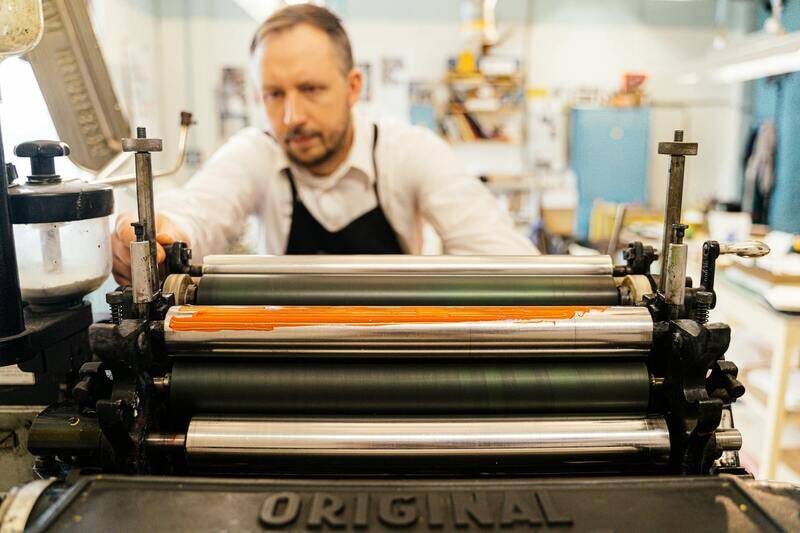
Offset printing is renowned for its superior colour accuracy and consistency, especially when producing large volumes. It involves transferring ink from a metal plate onto a rubber blanket, which then presses the image onto the substrate. This process ensures sharp details and vibrant colours, making it a preferred choice for commercial printing of brochures, posters, and packaging materials.
Flexography, often used for printing on flexible packaging and labels, employs flexible relief plates and fast-drying inks to produce consistent images on various uneven surfaces. Its ability to work with a wide range of materials, such as plastics and metallic foils, complements the versatility required in full colour printing projects.
Other techniques, including gravure and screen printing, also play roles in specific contexts such as high-volume magazine production or specialty applications requiring textured finishes. Each method involves unique processes that impact colour fidelity, detail resolution, and application speed, enabling printers to select the most suitable approach for any project.
Optimization of colour output through calibration and colour management systems ensures consistency regardless of the chosen technique. Combining these methods with high-quality inks and substrates results in printed materials that meet aesthetic standards and functional needs, ultimately enhancing brand presence and promotional impact.
Official Methods for Achieving Vibrant Full Colour Printing
When aiming for high-quality, reliable full colour printing, professionals rely on established printing processes that guarantee consistency and accuracy. Among these, offset printing stands out as the most commonly employed method for producing vibrant, detailed images on a variety of materials. This process involves creating metal plates for each colour in the design, which are then used to transfer ink onto the printing substrate through a series of rollers. It ensures sharp detail, precise colour reproduction, and uniform results across large production runs, making it ideal for marketing collateral, packaging, and other bulk print materials.
Digital printing is another prominent technique, especially suited for short runs, personalized projects, or quick turnarounds. It eliminates the need for physical plates, instead utilizing digital files to directly transfer images onto the substrate. This method offers superior flexibility, enabling on-demand printing with vibrant colour fidelity and minimal setup time. Advancements in digital printing technology have significantly improved colour accuracy and resolution, making it a viable option for both small and medium-scale projects.
Flexography, frequently used in packaging industries, employs flexible relief plates and fast-drying inks to produce consistent and sharp images on surfaces like plastics, metallic foils, and labels. Its capability to print on uneven or textured substrates makes it invaluable for producing colourful packaging and branding materials. Moreover, gravure and screen printing serve specialized applications: gravure is preferred for high-volume magazine printing with fine detail, while screen printing excels in creating textured finishes and vibrant colours on diverse surfaces.

Maintaining colour fidelity across different printing runs involves meticulous calibration and robust colour management systems. Techniques such as spectrophotometric measurements and colour profiling ensure each print output adheres closely to the intended hues, regardless of the chosen method. Utilizing high-quality inks and compatible substrates further enhances the vibrancy and durability of printed images, ensuring that brand colours remain consistent and eye-catching.
While selecting the appropriate method largely depends on project scale, material type, and budget, understanding these established techniques provides a foundation for making informed decisions. Employing proven, industry-standard processes ensures vibrant, high-quality visuals that effectively communicate brand identity and promotional messages to target audiences.
Understanding Full Colour Printing
Full colour printing is an essential technique in the printing industry, allowing for the reproduction of vibrant, detailed images and designs across a wide variety of media. It involves combining multiple ink colours, typically cyan, magenta, yellow, and black (CMYK), to produce a rich spectrum of hues and shades that closely mimic the original artwork or branding materials. This process enables businesses to create visually compelling marketing collateral, packaging, and promotional materials that stand out and effectively communicate their messaging.
Common Techniques Used in Full Colour Printing
There are several established methods to execute full colour printing, each suited for specific applications and material types:
- Offset Printing: This is a high-volume printing process renowned for its colour accuracy and sharp detail. It employs metal plates to transfer ink onto rubber blankets, which then print onto the substrate. Offset printing is ideal for large runs such as magazines, brochures, and packaging material where consistency and quality are paramount.
- Digital Printing: This method is well-suited for short runs and fast turnaround projects. Digital printing directly transfers digital images onto substrates, eliminating the need for plates. It offers quick setup times and allows for individualised print variations, making it perfect for marketing campaigns that require customization.
- Flexography: Utilized primarily for packaging and labels, flexography employs flexible relief plates and fast-drying inks, making it suitable for printing on various surfaces like plastics, metallic foils, and cartons. Its ability to print with vibrant colours on textured or uneven surfaces makes it a preferred choice for product packaging.
- Gravure: Typically used for high-volume printing, such as magazines and packaging, gravure employs engraved cylinders to transfer ink. It excels in producing detailed images with smooth tonal gradations and is often chosen for its cost efficiency at large scales.
- Screen Printing: This technique presses ink through meshes or stencils directly onto substrates, allowing for thick ink deposits and vibrant colours. It is frequently used for creating textured finishes and high-impact visuals on promotional materials, apparel, and textured surfaces.
Materials Suitable for Full Colour Printing
Full colour printing can be applied across a diverse range of materials, each requiring specific considerations for optimal results. Common substrates include:
- Paper and Cardboard: Used extensively for brochures, flyers, and packaging inserts, standard printing papers and coated papers support vibrant colour reproduction.
- Plastic Films: Polypropylene, PVC, and PET sheets are frequently printed to create durable product packaging, labels, and point-of-sale displays.
- Metallic Surfaces: Aluminium and steel sheets cater to special branding and decorative applications, often requiring specific inks to adhere properly and retain vibrancy.
- Textiles: Fabrics, including cotton, polyester, and blended materials, support full colour printing via specialized inks and methods like direct-to-garment printing or screen printing.
- Wood and Other Textured Materials: Certain textured surfaces and substrates such as wood veneer can be printed on, though it requires careful ink selection to ensure durability and clarity.
Design Considerations for Full Colour Printing
Achieving high-quality full colour prints starts with thoughtful design practices and an understanding of the printing process. Essential considerations include:
- Colour Management: Utilize colour profiles and calibration to maintain consistency across different print runs. Proper colour profiling ensures the hues appear as intended, regardless of the printing method or substrate.
- Resolution: Use high-resolution images (preferably 300 dpi or higher) to prevent pixelation and ensure sharp, detailed output. This is especially critical for intricate designs and fine details.
- Color Palette Selection: Limit the colour palette to avoid overly complex prints that could lead to higher costs and longer production times. Using PMS (Pantone Matching System) colours can help specify exact shades for brand consistency.
- Material Compatibility: Ensure that the design accounts for the type of substrate being used, such as matte or gloss finishes, textured surfaces, or transparent plastics, which can affect colour renderings.
- Layout and Bleeds: Incorporate proper margins, bleeds, and safe zones to prevent unwanted cutting or misalignment; this is vital for achieving a professional appearance.
- Proofing: Always request proofs before full production. Digital and offset proofs help verify colour accuracy and allow adjustments to be made to prevent costly reprints.
Incorporating these design principles ensures that the final product not only meets aesthetic expectations but also adheres to technical standards necessary for high-quality full colour printing. When selecting a printing partner, it’s crucial to collaborate with professionals who understand these nuances, providing guidance and support throughout the project to deliver vibrant, durable, and visually compelling print materials.
Understanding Full Colour Printing
Full colour printing, also known as four-colour or CMYK printing, involves reproducing a broad spectrum of colours through the layering of cyan, magenta, yellow, and black inks. This process allows for the creation of rich, detailed images that closely resemble their digital counterparts. Achieving precise colour matching and vivid visuals requires an understanding of the interplay between inks and substrates. The ability to render complex gradients, subtle tonal shifts, and photographic quality imagery makes full colour printing ideal for marketing materials, packaging, and promotional products. Careful calibration of machinery and colour profiles ensures consistency across different print runs, maintaining brand integrity and visual appeal.

Common Techniques Used in Full Colour Printing
- Offset Printing: This traditional technique involves transferring ink from a plate to a rubber blanket and then onto the printing surface. Offset printing delivers high-quality results with sharp detail, making it suitable for large volume runs of brochures, posters, and magazines. It provides excellent colour fidelity and consistency.
- Digital Printing: Ideal for short runs and quick turnarounds, digital printing directly applies digital images onto substrates without the need for plates. It allows for rapid adjustments and customization, making it popular for personalised marketing materials, business cards, and flyers. Digital printers capable of full colour output produce vibrant, detailed images comparable to offset methods.
- Large Format Printing: Used predominantly for banners, signage, and trade show displays, large format printing utilises wide-format digital printers capable of producing expansive, eye-catching visuals. Special inks and substrates ensure colour vibrancy and durability for outdoor and indoor applications.
- Screen Printing: Though primarily associated with textiles, screen printing can be employed for certain substrates like plastics and signage, especially when high opacity and durability are desired. Its capability for layering colours makes it suitable for limited colour palettes with bold, vivid results.
Types of Materials Suitable for Full Colour Printing
Full colour printing can be applied across a diverse range of materials, each chosen based on the intended application and aesthetic requirements. These materials include:
- Paper and Cardstock: The most common substrates, suitable for brochures, postcards, flyers, and business cards. Different finishes such as matte, gloss, or satin can influence colour vibrancy and tactile experience.
- Plastic Films and Polycarbonate: Used for product packaging, labels, and identification cards. Transparent, semi-transparent, or opaque plastics provide flexibility in design and durability.
- Vinyl and Banner Materials: Primarily used for outdoor signage and promotional displays, these materials require inks that adhere well and withstand environmental conditions.
- Textiles: Special textile inks enable full colour printing on fabrics, suitable for garments, flags, and upholstery. The process ensures colours remain vibrant even after washing.
- Wood, Metal, and Other Rigid Substrates: For custom signage and decorative panels, these surfaces are prepared with specific coatings to ensure colour adhesion and longevity.

Design Considerations for Full Colour Printing
To maximize the impact of full colour print projects, attention to design details is crucial. Designers should keep in mind the following considerations:
- Colour Management: Use colour profiles and colour matching systems like Pantone to ensure consistency between digital files and printed output. Be mindful of colour gamuts and the limitations inherent to CMYK printing.
- Resolution and Image Quality: High-resolution images (preferably 300 dpi or higher) are essential for crisp details, especially in photographic images and intricate artwork.
- Material Compatibility: Choose design elements and colour schemes compatible with the selected substrate and finish, considering factors like gloss, matte, or textured surfaces.
- Bleeds and Safe Margins: Incorporate proper bleed areas and safe zones in the design to prevent unwanted white borders or cut-off details.
- Proofing and Revisions: Always review proofs before the final print run to verify colour accuracy and image clarity, enabling adjustments that save costs and time.
Understanding Full Colour Printing
Full colour printing encompasses a wide range of printing processes that utilize the full spectrum of colours to produce visually striking and vibrant images. This method is ideal for both small-scale marketing materials and large-format displays, offering high-quality reproduction of photographs, complex graphics, and detailed artwork. The essence of full colour printing lies in its ability to faithfully render a broad palette, capturing subtle gradients, rich hues, and intricate details that are often critical for brand representation and promotional efforts.
Color Reproduction and Management
Achieving accurate colour output requires meticulous color management practices. Professionals typically employ standardized colour profiles, such as ICC profiles, to ensure consistent colour rendition across digital and print workflows. Implementing systems like Pantone Matching System (PMS) allows for specific colour matching, essential when corporate branding or precise colour fidelity is paramount. Proper calibration of printers and monitors further enhances this consistency, reducing discrepancies that could compromise the visual impact of the final product.
Environmental and Material Compatibility
Full colour printing is adaptable across various substrates, including paper, fabric, plastics, and rigid materials. The choice of material influences the printing process, colour vibrancy, durability, and application. For example, coated papers can produce sharper detail and richer colours, while textiles might require specific inks formulated for flexibility and wash resistance. This versatility enables the creation of diverse products—from flyers and posters to customised apparel and packaging.

Innovations and Techniques Enhancing Full Colour Printing
Advanced techniques such as UV printing, aqueous coating, and latex printing further expand the capabilities of full colour reproduction. UV printing uses ultraviolet light to instantly cure inks, resulting in enhanced durability and colour richness on non-porous surfaces. Latex printing offers eco-friendly solutions with vibrant, flexible inks suitable for outdoor signage. These innovations enable printing professionals to meet specific requirements related to appearance, environmental impact, and product lifespan.
Design Impact and Practical Considerations
Design plays a pivotal role in the effectiveness of full colour printing. Designers need to consider aspects like colour accuracy, image resolution, and material compatibility during the creative process. Properly managing bleeds and safe margins ensures that colours extend seamlessly to the edges without unwanted borders. Reviewing printed proofs before the final run helps identify potential issues, allowing adjustments that optimize the final outcome and reduce waste.
Advanced Methods for Achieving Vibrant Full Colour Prints
Beyond traditional print technologies, several professional methods ensure the delivery of high-quality, full colour outputs that meet exacting standards. These methods prioritize sharpness, colour consistency, and durability, making them suitable for a wide array of applications from commercial advertising to artistic displays.
Giclée Printing
Giclée printing utilizes high-resolution inkjet technology, often with pigment-based inks capable of producing a broad colour spectrum and subtle gradations. This method is particularly favored in fine art reproduction because it offers exceptional detail, accurate colour reproduction, and longevity. Art galleries, photographers, and artists rely on Giclée prints to maintain the integrity of their colour palettes over time.
UV Printing
Ultraviolet (UV) printing employs ultraviolet light to rapidly cure inks onto various substrates, including glass, metal, and plastics. This process produces vibrant, durable colours with excellent adhesion and resistance to fading. UV printing is ideal for creating eye-catching signage, promotional items, and packaging that require protection from environmental elements. Its ability to print directly onto complex shapes without additional adhesives or layers enhances design flexibility.
Lettuse and Latex Printing
Latex printing offers eco-friendly benefits while delivering vivid, flexible, and weather-resistant colours, especially suitable for outdoor banners, vehicle wraps, and point-of-sale displays. Latex inks are water-based, low in VOCs, and adhere well to diverse materials. The technology supports vibrant colour blending and gradation, ensuring that complex images retain their visual impact in outdoor environments.
Specialist Techniques for Specific Materials
- Metal and Glass Printing: Uses UV or solvent-based inks for high fidelity and durability, creating striking visual effects on reflective or transparent surfaces.
- Textile Printing: Sublimation and direct-to-garment (DTG) printing enable vivid full colour designs with excellent wash-fastness for apparel and fabric-based products.
- Wood and Canvas: Eco-solvent and UV inks provide deep, rich colours that complement the natural textures and grains of these materials.
Ensuring Colour Precision and Consistency
Achieving consistent full colour output relies heavily on advanced colour management systems. Using calibrated monitors, colour profiles, and standardised printing protocols helps maintain colour fidelity across runs. Color matching tools, like Pantone guides, assist in translating digital designs into physical prints with predictable results. Regular maintenance and calibration of printers prevent colour shifts and ensure that prints match the original designs closely.
Innovations in Tonal Range and Image Detail
Advances such as multi-layer printing, enhancements in ink formulations, and the integration of metallic and pearlescent inks enable a broader tonal range and richer textures in full colour prints. These innovations pave the way for visually complex and detailed designs that stand out in competitive marketing environments. By leveraging these cutting-edge techniques, print providers can offer clients products with intricate detail and vibrant colour clarity that meet demanding aesthetic expectations.