Overview of Colour Printing in Singapore
Colour printing has become an integral part of Singapore's vibrant printing industry, serving a diverse range of sectors including advertising, retail, corporate, and educational services. It involves the reproduction of images and text in multiple hues, which enhances visual appeal and communicates messages more effectively. In a competitive marketplace like Singapore, where attention to detail and quality are paramount, colour printing offers a strategic advantage for businesses seeking to leave a memorable impression on their target audience.
The significance of colour printing extends beyond aesthetics; it plays a crucial role in branding, marketing campaigns, product packaging, and promotional materials. High-quality colour reproduction demands precision and consistency, ensuring that brands maintain their desired visual identity across all printed media. As Singapore positions itself as a global business hub, the demand for professional colour printing services continues to grow, driven by the need for sharp, vibrant, and durable prints.
Common applications of colour printing in Singapore include brochures, banners, posters, business cards, book publishing, packaging, and customised promotional items. The ability to produce vibrant images and crisp text not only captures attention but also conveys professionalism and trustworthiness. As technology advances, colour printing has evolved to offer greater flexibility, higher resolution, and faster turnaround times, making it an essential component for businesses aiming to stand out in a crowded marketplace.

Materials and Substrates for Colour Printing
Choosing the appropriate materials and substrates is essential to achieving vibrant and durable colour prints in Singapore. When selecting substrates, businesses must consider the type of project, desired finish, and environmental conditions to ensure optimal results. Common materials include coated and uncoated papers, cardstocks, vinyl, fabric, and specialty substrates designed for specific applications.
Coated papers, such as gloss, matte, or satin finishes, offer enhanced colour vibrancy and sharper image quality. They are ideal for high-end marketing materials like brochures, catalogues, and presentation folders. Uncoated papers, while providing a more subdued appearance, are suitable for stationery, letterheads, or products where a natural look is preferred. Additionally, synthetic materials like vinyl or polyester are frequently used for outdoor signage and banners due to their weather-resistant properties.
For packaging applications, materials such as kraft paper, corrugated board, or laminated substrates are prevalent, offering strength and durability alongside vibrant printed designs. Fabric printing, often utilized for promotional apparel and banners, requires specialized inks and substrates to ensure colour fidelity and washing resistance. Each material selection impacts the final look, tactile quality, and longevity of the print, making it crucial to collaborate with experienced printing professionals who understand the nuances of different substrates.

Design Considerations for Colour Printing
Effective colour printing begins with thoughtful design that maximizes the impact of printed materials. It’s essential to select colour schemes that align with branding guidelines and evoke the desired emotional response. Designers should be mindful of colour harmony, contrast, and readability to ensure that the final print communicates the intended message clearly.
Resolution plays a critical role in achieving crisp, vibrant images. High-resolution files (usually 300 DPI or higher) help prevent pixelation and ensure sharp details. Color profiles should be properly managed, utilizing standards like CMYK to accurately reproduce colours during the printing process.
When designing for colour printing, consideration must also be given to the substrate choice, which can influence colour vibrancy and overall visual impact. Spot colors and special inks, such as metallic or fluorescent, can be incorporated into designs for added visual interest. Additionally, understanding the limitations and bleed specifications of the printing process helps prevent issues like misregistration or unwanted borders.

Cost Factors and Pricing Structures
The cost of colour printing in Singapore is influenced by multiple factors, including material choices, print volume, complexity of the design, and turnaround times. High-quality substrates and advanced printing techniques typically command higher prices but deliver superior results that can enhance brand perception.
Pricing structures may be based on flat rates for standard jobs or calculated per unit, with discounts often available for bulk orders. Additional charges can arise from the need for special finishes, spot colours, or custom die-cutting. It’s advisable for businesses to obtain detailed quotes; transparent pricing helps in budgeting and ensures clarity regarding any additional costs.
Due to the variability in project requirements, working with reputable providers who offer flexible pricing and scalable solutions is beneficial. This approach ensures that businesses can achieve their desired print quality within budget constraints, especially when high-volume or complex projects are involved.
Materials and Substrates for Colour Printing
Choosing the appropriate materials and substrates is fundamental to achieving high-quality colour printing results in Singapore. Different surfaces such as paper, fabric, plastic, and specialty materials each offer unique advantages and challenges that influence the vibrancy, durability, and overall finish of the print.
Paper and Cardstock: The most common substrate for colour printing, paper options range from standard matte or gloss finishes to more premium textured or coated varieties. Glossy papers tend to enhance colour vibrancy and sharpness, making them ideal for marketing materials, brochures, and packaging where impactful visuals are paramount. Matte surfaces, on the other hand, provide a sophisticated look with reduced glare, suitable for direct mail or reports where readability and a tactile feel are desired.
Fabric: For textile printing, specialised colour printing techniques such as dye sublimation or direct-to-garment printing are employed. These methods allow vibrant, long-lasting colours suitable for apparel, banners, and promotional textiles. The choice of fabric—cotton, polyester, or blends—affects ink adhesion, colour vibrancy, and wash durability. High-quality fabrics can withstand multiple washes while maintaining vivid colours, making them an excellent medium for branding efforts.

Plastic and Synthetic Materials: Plastic surfaces such as PVC, acrylic, or polypropylene are frequently used for durable signage, labels, and product packaging. These materials are highly resistant to weather conditions and scratching, retaining brightness and colour fidelity over time. UV-resistant inks are often employed to prevent fading when exposed to sunlight, ensuring the longevity of the print in outdoor environments.
Specialty Materials: Foil, metallic, and translucent substrates open up opportunities for creative design and premium finishes. Metallic papers or foils offer reflective qualities that can enhance logos and branding elements, making them stand out. Translucent materials allow for backlit displays that exploit light diffusion to create striking visual effects.
The selection of substrates should align with the intended application, budget, and environment where the printed material will be used. Collaborating with professional printing services in Singapore can help identify the right materials that optimise colour accuracy, texture, and durability for specific projects.
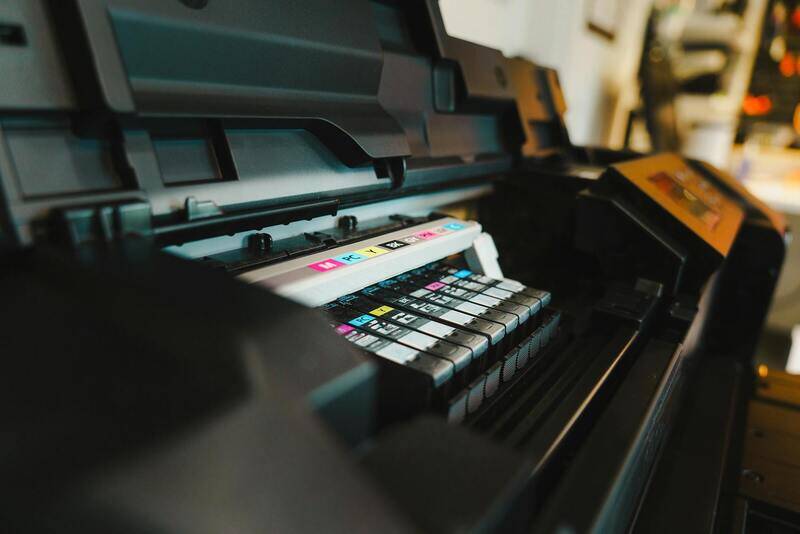
Materials and Substrates for Colour Printing in Singapore
Choosing the right materials for colour printing in Singapore is a crucial step that influences the final output's vibrancy, durability, and overall visual impact. Professional printers have access to a diverse range of substrates tailored to meet specific project requirements, environmental conditions, and budget considerations. Understanding the different types of materials helps ensure the printed materials achieve optimal fidelity and longevity.
Common Substrates for Colour Printing
Within the realm of colour printing, several substrates stand out for their suitability and quality. These materials are selected based on their compatibility with various inks, their resistance to environmental factors, and their ability to produce vivid, accurate colours.
- Paper and Cardstock: The most traditional and widely used substrates, available in numerous finishes including matte, gloss, and satin. High-quality coated papers enhance colour vibrancy and detail, making them ideal for brochures, posters, and business cards.
- Plastic and Synthetic Materials: PVC, acrylic, and polypropylene are popular choices for banners, labels, packaging, and signage. These materials are highly resistant to weather elements, UV rays, and scratching, helping maintain colour brightness over prolonged outdoor exposure.
- Vinyl and Adhesive Films: Used primarily for custom decals and vehicle wraps, vinyl films support complex colour gradients and precise detailing, ensuring vibrant visuals even on curved or textured surfaces.
- Textile Substrates: Fabric materials such as cotton, polyester, and blends are utilized for promotional textiles. The choice of fabric affects ink adhesion and colour vibrancy, especially when combined with high-quality inks designed for textile applications.
- Specialty Materials: Foil, metallic papers, and translucent substrates allow for creative finishes and dynamic visual effects. These are often employed in premium packaging, luxury branding, and artistic displays to enhance aesthetics and tactile appeal.
Choosing the Right Material for Your Project
The selection process should consider the intended purpose, environmental exposure, and budget constraints. For outdoor signage, weather-resistant plastics with UV-protective coatings are recommended. For high-end branding materials, metallic and specialty substrates can add a touch of elegance. Collaborating with experienced printing providers in Singapore ensures the right materials are chosen to align with project goals and achieve the desired colour fidelity.
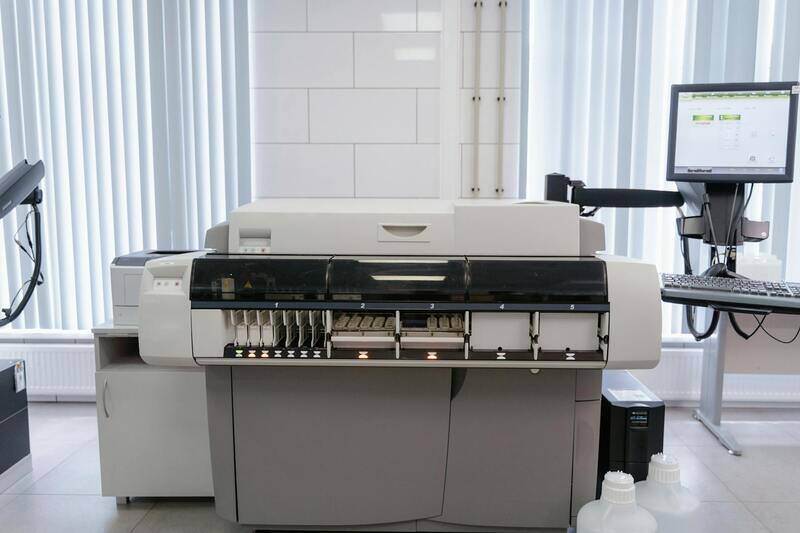
Materials and Substrates for Colour Printing
Successful colour printing hinges significantly on selecting compatible and high-quality materials that support vibrant and durable visuals. Singapore’s diverse climate challenges demand substrates that can withstand weather elements while maintaining colour integrity. Key materials include various plastics such as PVC, PET, and acrylic, which are favored for outdoor signage due to their robustness and weather resistance. These plastics often come with UV-protective coatings that prevent colour fading over time.
Moreover, paper and cardstock materials are commonly used for promotional flyers, posters, and packaging. High-quality coated papers facilitate sharp colour reproduction and high-resolution images, ensuring impactful visuals. For applications needing a premium finish, specialty papers like metallic or translucent substrates add a unique aesthetic dimension, ideal for luxury branding or artistic displays.

Vinyl and adhesive films are popular for creating custom decals, vehicle wraps, and signage where flexibility and weather resistance are essential. These materials support detailed colour gradients and complex designs, making them suitable for both outdoor advertising and decorative purposes. Textile substrates are extensively used for promotional apparel and fabric banners; their ink compatibility and vibrancy depend on the type of fabric and inks employed. High-performance textile inks ensure colours remain vivid through repeated washing and exposure to elements.
Specialty materials like metallic foils, holographic films, and translucent plastics enable creative finishes and tactile effects that elevate branding and artistic displays. These substrates are often employed in premium packaging, luxury branding, and innovative signage, offering a distinctive appearance that captures attention.
Choosing the appropriate material requires careful consideration of the project’s environmental exposure, durability requirements, visual goals, and budget constraints. For outdoor signage exposed to weather and UV rays, weather-resistant plastics with protective coatings are advisable. High-end branding elements may incorporate metallic or specialty substrates for an elegant finish. Partnering with experienced print providers in Singapore ensures material selection aligns with specific project needs, guaranteeing vibrant colours and long-lasting results.
Materials and Substrates for Colour Printing
Successful colour printing hinges significantly on selecting the right materials and substrates. The compatibility between inks and substrates ultimately influences the vibrancy, durability, and overall quality of the printed output. In Singapore, a broad spectrum of materials is available, each suited for specific applications, environmental conditions, and visual effects.
Common substrates include paper and cardstock, which are ideal for brochures, business cards, and posters that require fine detail and a polished finish. Specialty papers, such as textured or coated varieties, enhance colour richness and add tactile appeal. For outdoor signage and advertising, weather-resistant materials like vinyl and polypropylene are preferred due to their ability to withstand environmental stressors such as UV exposure, rain, and wind.
Vinyl films are especially popular for vehicle wraps and large-format banners because of their flexibility and weather resilience. These films support high-resolution colour printing with complex gradients and detailed imagery. Additionally, adhesives used in vinyl and other film-based substrates ensure proper adhesion, even on uneven or textured surfaces, maintaining visual integrity over time.
Textile substrates are extensively used for promotional apparel, fashion displays, and fabric banners. Specialized textile inks, which are compatible with various fabric types, facilitate vibrant printing that remains intact after multiple washes. For instance, polyester and cotton blends respond differently to inks, and choosing the appropriate combination ensures colour vibrancy and durability.
Incorporating specialty materials such as metallic foils, holographic films, and translucent plastics adds a layer of tactile and visual sophistication to printed designs. These materials are often employed in luxury branding, packaging, and artistic displays, offering unique reflective and textured effects that distinguish brands and products visually.

When choosing substrates, consideration should be given to environmental exposure, longevity requirements, and desired visual effects. For instance, outdoor signage exposed to harsh weather conditions benefits from materials with protective coatings or rigid plastics. Conversely, decorative or indoor displays may utilize lighter or more flexible substrates to facilitate installation and handling. Partnering with skilled printers in Singapore ensures that material choices align precisely with project demands, resulting in superior colour fidelity and lasting impressions.
Choosing a Colour Printing Service Provider
Assessing Technical Capabilities and Expertise
When selecting a colour printing service provider in Singapore, it is essential to evaluate their technical expertise and access to advanced printing technologies. A reputable vendor should possess state-of-the-art equipment including high-resolution digital presses, wide-format printers, and specialized finishing tools. Their staff should demonstrate proficiency in colour management practices, ensuring accurate colour reproduction across diverse materials and projects. Skilled printers understand the nuances of colour calibration, ink mixing, and substrate compatibility, all of which significantly influence the final output quality.
Portfolio and Past Projects
Reviewing a service provider's portfolio offers insight into their versatility and quality standards. An extensive portfolio showcasing a range of completed projects—ranging from corporate branding materials to large-format banners and bespoke packaging—indicates experience and reliability. Feedback from previous clients and case studies provide additional assurance of their capability to deliver consistent and high-quality results tailored to specific needs.
Customization and Personalization Options
Leading colour printing service providers should offer customization options that cater to individual project requirements. This includes options for colour matching, special finishes such as gloss or matte coatings, textured effects, and unique printing techniques like spot varnish or metallic accents. The ability to incorporate personalized elements seamlessly into the printing process enhances the uniqueness and visual impact of the final product.
Turnaround Times and Customer Support
Efficient turnaround times are crucial for meeting tight deadlines, particularly for marketing campaigns or event-related prints. A dependable provider will openly communicate their production timelines and offer flexible scheduling to accommodate urgent needs. Excellent customer support throughout the process—from project consultation to delivery—ensures that clients receive guidance on material selection, design adjustments, and post-production services, ultimately resulting in satisfaction and repeat business.
Pricing Transparency and Value for Investment
Transparent pricing structures reflect a professional approach and help clients budget effectively. The best providers offer clear quotations that detail costs related to materials, printing techniques, finishing, and delivery. While affordability is important, the focus should be on value—service providers that balance competitive pricing with quality outputs deliver greater long-term satisfaction. Opting for providers with comprehensive service offerings reduces the need for multiple vendors and streamlines the printing process.

Additional considerations include geographic proximity, as local service providers in Singapore can offer faster delivery, on-site consultations, and prompt after-sales support. Evaluating these factors ensures that clients select a colour printing partner capable of fulfilling their vision reliably and efficiently, thereby enhancing the overall success of their visual communication initiatives.
Choosing the Right Colour Printing Service Provider in Singapore
Selecting an appropriate colour printing partner requires meticulous consideration of several key factors that impact the quality, efficiency, and overall success of your project. In Singapore's competitive market, reputable service providers distinguish themselves through their commitment to quality standards, technological capabilities, and customer-centric approaches.
Assessing Technical Capabilities and Equipment
One of the primary indicators of a dependable printing service is the presence of advanced, well-maintained printing equipment. Machines such as high-resolution digital presses, large-format printers, and precise colour calibration tools ensure accurate colour reproduction and sharp image details. A provider with access to the latest printing technologies can meet diverse project requirements, from small marketing materials to large banners and signage, maintaining consistent colour fidelity across all outputs.
Portfolio and Experience
Reviewing a printing company's portfolio provides insights into their areas of expertise and quality benchmarks. Choose a provider that has demonstrated experience in handling projects similar to yours. Whether it's branding materials, promotional posters, or packaging, a seasoned team understands the nuances of colour management, material compatibility, and finishing techniques. Their expertise can help anticipate potential challenges and recommend optimal solutions tailored to your specific needs.
Quality Control and Standardization
Reliable colour printing companies in Singapore implement rigorous quality control processes. This includes regular calibration of printing devices, colour matching protocols, and thorough inspection of finished products. Effective quality assurance ensures that every piece aligns with your colour specifications and maintains consistency throughout the print run, which is particularly critical for branding and corporate identity materials.
Environmental and Sustainability Practices

Modern printing providers often incorporate eco-friendly practices, such as using sustainable inks, recyclable substrates, and energy-efficient equipment. These initiatives not only reduce environmental impact but also align with corporate social responsibility goals, making your print projects more sustainable and appealing to environmentally conscious stakeholders.
Customer Support and Service Experience
Effective communication is vital for project success. A reputable provider offers comprehensive customer support—from initial consultation and design assistance to real-time updates and post-production services. Transparency regarding timelines, costs, and potential revisions fosters trust and ensures that your expectations are met or exceeded throughout the process.
Turnaround Times and Delivery Options
Depending on your project deadlines, the ability to deliver within a specified timeframe is essential. Local providers in Singapore can often offer expedited services with same-day or next-day turnaround for certain projects. Additionally, flexible delivery options, including on-site pickup or quick courier arrangements, add convenience and help you meet tight campaign schedules or urgent needs.
Pricing Transparency and Value for Investment
While cost is a crucial consideration, the focus should be on achieving the best value. Service providers that provide detailed, itemized quotations enable clients to understand the breakdown of costs, including materials, printing techniques, finishing, and delivery. A focus on value ensures that your investment translates into high-quality outputs that effectively communicate your message and leave a lasting impression.
Ensuring Data Security and Confidentiality
For projects involving sensitive or proprietary information, verifying a provider's data security measures is vital. Reputable printing companies adopt secure file transfer protocols, confidentiality agreements, and restricted access to ensure your information remains protected throughout the process.