Overview of Color Printing Services in Singapore
Singapore has established itself as a dynamic hub for a wide range of high-quality color printing services, catering to diverse industry needs such as advertising, corporate branding, publishing, packaging, and personal projects. The demand for vibrant, precise, and durable color outputs has driven local providers to innovate and offer technologically advanced solutions that meet stringent standards of clarity, consistency, and color fidelity.
Color printing in Singapore incorporates multiple methods, from traditional offset presses suitable for bulk printing to modern digital printers that cater to short runs and customized projects. These services encompass large-format printing for banners and posters, high-resolution printing for marketing collateral, and specialized printing for labels, packaging, and displays. Each application demands specific techniques and equipment to ensure optimal results, which is why choosing the right service provider is essential for businesses and individuals seeking excellence in their printed materials.

Industry applications for color printing in Singapore are virtually limitless, including:
- Marketing materials: Brochures, flyers, posters, and banners
- Corporate branding: Business cards, letterheads, and signage
- Packaging: Labels, boxes, and product displays
- Publishing: Magazines, books, and educational materials
- Personal Projects: Invitations, greeting cards, and event photo prints
The availability of advanced color management technology ensures that printed outputs meet client specifications and industry standards, resulting in visually compelling materials that effectively communicate messages and enhance brand visibility.
Factors to Consider When Choosing a Color Printing Provider
When selecting a provider for color printing in Singapore, several crucial factors ensure the final product meets your expectations and project requirements. First, assess the provider’s equipment and technology, as advanced digital and offset presses with proper color management systems result in more accurate and vibrant outputs. Compatibility with specific printing techniques and materials is also vital, especially for projects requiring unique finishes or specialty inks.
Next, service reliability and turnaround time are significant considerations. Reliable providers adhere to strict schedules, ensuring timely delivery without compromising quality. Additionally, their capacity to handle diverse project sizes—ranging from small personal prints to large-scale corporate campaigns—provides flexibility for your needs.
Furthermore, expertise and experience play a pivotal role. Experienced printers can advise on paper selections, color matching, and finishing options, reducing errors and enhancing final presentation. Client reviews and case studies can offer insights into their track record and service standards.
Customer support and communication also influence the overall experience. A responsive team that provides clear guidance, pre-press assistance, and detailed quotations can streamline the process and minimize misunderstandings.
Moreover, the provider's adherence to quality assurance protocols and industry standards ensures consistency across multiple runs. Certifications or memberships in professional organizations reflect their commitment to excellence and continuous improvement.

Pricing transparency and value for money are also essential. While cost should not be the sole deciding factor, understanding the pricing structure—particularly for bulk orders or customized prints—helps in budget planning. Comparing quotes from multiple providers while considering the quality and service offerings allows for well-informed decisions.
Lastly, environmental practices should not be overlooked. Many leading providers prioritize eco-friendly materials and sustainable printing processes, aligning with global efforts to reduce ecological footprints without sacrificing print quality. Transparent discussion about these practices ensures alignment with your sustainability goals.
Understanding the Range of Color Printing Technologies Available in Singapore
Singapore's vibrant business landscape demands diverse color printing solutions that cater to different industries and project requirements. Each printing technology offers unique benefits and is suited for specific applications, from marketing materials to detailed graphical displays. Recognizing the various options ensures clients select the most appropriate method for their project needs.

Digital Color Printing
Digital printing is rapidly gaining prominence due to its speed, flexibility, and precise color reproduction. Employing sophisticated inkjet or laser printers, this method is ideal for small to medium-sized runs, customized prints, and on-demand orders. The technology allows for high-resolution images with vibrant color accuracy, making it suitable for brochures, business cards, and promotional materials. Digital color printing also simplifies the process by eliminating the need for plates, reducing turnaround times significantly.
Offset Color Printing
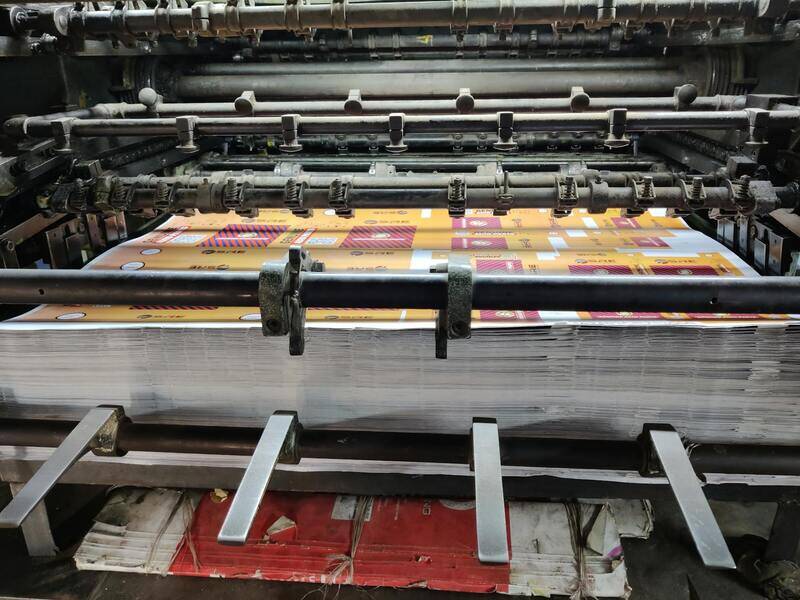
For large-scale production, offset color printing remains a popular choice. This method uses plates and precise color matching to achieve consistent, high-quality outputs at a lower cost per unit for bulk orders. Offset printers in Singapore incorporate advanced color management systems, ensuring each print maintains fidelity to the original design. It is especially preferred for magazines, catalogs, packaging, and high-volume print media where color consistency and sharp detail are paramount.
Flexography and Gravure
Specialized forms of printing like flexography and gravure are suited for specific applications such as packaging, labels, and wallpapers. Flexography employs flexible plates and fast-drying inks, making it efficient for watermark-heavy designs on various substrates. Gravure, on the other hand, is known for producing highly detailed images with excellent color fidelity, used primarily in high-end packaging and decorative printing. These techniques require significant investment in setup but offer unmatched quality for their respective market segments.
Large Format and Wide-Format Color Printing
Singapore's demand for outdoor signage, banners, and exhibition displays is met efficiently with large format color printing. Utilizing super-wide printers with advanced ink systems, this technology delivers high-resolution visuals on diverse materials like vinyl, fabric, and rigid substrates. The vibrant colors and durability ensure that large-scale displays remain eye-catching over extended periods.

Selection Criteria for the Optimal Color Printing Technique
When determining the most suitable color printing method, companies must assess specific factors such as project volume, required quality, budget constraints, and materials involved. For instance, digital printing’s quick turnaround benefits small to mid-sized projects that demand customization. Conversely, offset printing holds cost advantages for large runs where consistent color quality across many copies is essential.
Furthermore, some projects necessitate special effects, textured finishes, or specific substrates that may influence technology choice. Limited budgets or tight deadlines also steer clients toward faster, more adaptable digital options, while high-end packaging or branding materials benefit from the refined detail of gravure or flexography.
Advanced Color Management and Calibration
To consistently reproduce accurate colors, Singapore's professional printers employ comprehensive color management systems. These include calibrated monitors, ICC profiles, and colorimeters that ensure the digital files match the printed results. Proper use of Pantone matching systems complements these setups, providing a wide palette for precise color specification and consistency across multiple print runs.
Regular calibration and quality assurance processes are critical for maintaining standards, especially when handling complex color schemes or subtle tonal variations. This calibration enables seamless translation of digital designs into printed artifacts with minimal color discrepancies.
Incorporation of Digital Workflow Technologies
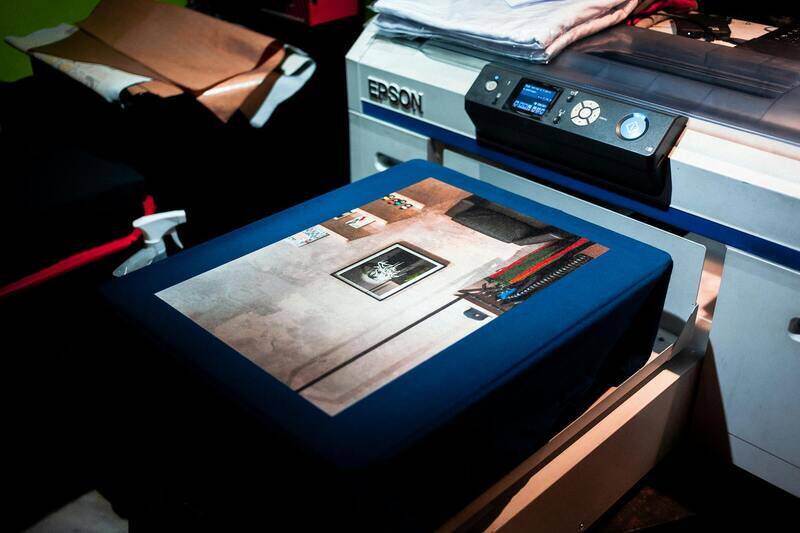
Modern color printing providers leverage digital workflow management tools that streamline the entire process, from file submission to final output. Automated pre-press systems handle color separation, proofing, and imposition, reducing errors and accelerating production timelines. Cloud-based platforms allow clients to review proofs and approve files efficiently, facilitating smoother communication and quicker project turnaround.
Advanced software solutions also assist in maintaining color consistency across different presses and substrates, reconciling variations to produce uniform results regardless of the quantity or complexity of the print job.
Factors to Consider When Choosing a Color Printing Provider
Determining the right color printing partner in Singapore involves a comprehensive assessment of several critical factors that directly impact the quality, efficiency, and overall success of your print projects. An effective provider should possess advanced technology, skilled personnel, and robust processes to deliver consistent, vibrant results aligned with your specifications.
One of the primary considerations is the provider’s technological capabilities. Top-tier printers in Singapore utilize high-resolution presses with precise color management systems, including sophisticated calibration equipment, to ensure accurate color reproduction. They should employ ICC profiles and colorimeters that work in synchronization with digital files, minimizing deviations between digital designs and printed outputs. The integration of Pantone matching systems further indicates the provider’s capacity to reproduce specific hues with precision, critical for branding and design consistency.
Another essential aspect is the provider’s workflow and quality assurance protocols. Modern digital workflow management tools facilitate seamless file handling, automated color separation, and quick proofing. These systems enable clients to review and approve proofs digitally, reducing turnaround times and minimizing errors. An effective provider also implements rigorous quality checks at multiple stages of production, ensuring the final product meets rigorous standards.

Expertise and experience are crucial as well. Providers with a proven track record in handling various substrates and complex projects demonstrate their ability to adapt to different material demands without compromising color fidelity. This expertise extends to understanding how different printing techniques interact with specific media, which influences color vibrancy, resolution, and longevity.
Customer service capabilities, including transparent communication and responsive support, also play a significant role in successful project execution. Providers that offer detailed consultations, sample proofs, and clear timelines facilitate smoother collaboration, ensuring the final product aligns with your expectations.
Lastly, sustainability practices reflect a conscientious and responsible approach to printing. Many Singaporean print service providers prioritize eco-friendly inks, recycled substrates, and waste reduction strategies. Choosing a provider committed to sustainable practices not only contributes to environmental conservation but also affirms your brand’s commitment to social responsibility.

Color Accuracy and Quality Standards in Singapore's Printing Industry
Maintaining precise color reproduction is vital for achieving professional-grade PRINTING OUTCOMES that meet client expectations and industry benchmarks. Singapore’s print service providers adhere to strict color management protocols to ensure that the final printed materials reflect the intended hues, shades, and tones with consistency and vibrancy. Central to this process is the utilization of advanced calibration techniques, including hardware calibration of printers and monitors, which guarantee that color profiles are accurately matched from design to production.
In practice, this involves the use of standardized color spaces such as Adobe RGB or sRGB, coupled with sophisticated color grading software. These tools enable operators to simulate how colors will appear on various substrates and devices, reducing discrepancies between digital proofs and printed output. The application of ICC profiles — standardized color management files — plays a critical role in maintaining color fidelity across different print jobs and materials.
Quality standards are further enforced through comprehensive inspection and testing. Many printers in Singapore comply with international standards like ISO 12647, which specifies color quality and consistency criteria for industrial printing processes. Implementing such standards ensures that the production process minimizes color variation, maintains sharpness, and preserves longevity in high-value graphics, branding materials, and packaging.

Furthermore, regular training on color theory and management tools enhances the skill set of operators, ensuring that they are up-to-date with latest best practices. Many reputable print providers also utilize spectrophotometers for precise color measurement, allowing corrections to be made in real-time during the printing process. This diligent attention to detail guarantees that color fidelity is maintained throughout the production cycle, resulting in consistent, vibrant, and high-quality outputs that meet specific project requirements.
By prioritizing comprehensive color management strategies, Singaporean print services uphold high standards of quality and reliability. This attention to detail is especially critical in industries where color accuracy directly influences brand identity, product recognition, and customer perception, such as cosmetics, fashion, and food packaging.
Color Accuracy and Quality Standards
Maintaining consistent color output across diverse printing projects in Singapore requires implementing stringent quality control measures. Many print service providers adhere to internationally recognized standards such as ISO 12647, which sets specific guidelines for color consistency, tonal range, and sharpness in industrial printing. This adherence ensures that colors are reproduced precisely, whether on paper, plastic, fabric, or other materials, thus reinforcing brand integrity and visual impact.
To achieve this level of precision, professional printers utilize advanced calibration protocols and robust color management systems. Regular calibration of printers and monitoring devices, such as spectrophotometers, play a crucial role in minimizing color discrepancies. These tools measure the color spectrum accurately during each print run, allowing adjustments to be made promptly and preventing deviations. As a result, clients can expect reliable color fidelity that matches their digital artwork or reference standards.

Operators undergo ongoing training in color theory and management techniques, ensuring they are well-versed with current best practices. Such education enhances their ability to handle complex color profiles and troubleshoot issues swiftly, further safeguarding the integrity of the final product. Many reputable facilities invest in high-end spectrophotometers and color management software, allowing real-time corrections and ensuring uniform color reproduction throughout the production cycle.
Consistent quality in color printing is vital for sectors where precision is paramount, such as cosmetics, fashion branding, and premium packaging. Accurate color reproduction not only enhances aesthetic appeal but also strengthens brand recognition and customer trust. When selecting a print provider, verifying their compliance with these high standards can be a decisive factor in achieving the desired visual consistency and product excellence.
Color Calibration and Quality Control in Singapore's Printing Industry
Maintaining consistent and accurate color reproduction is essential across various industries, including advertising, packaging, and fine art printing. To achieve this, many print service providers in Singapore implement rigorous color calibration and quality control protocols. These methods involve using advanced calibration tools, such as spectrophotometers, to ensure printers produce colors that match digital designs or reference standards precisely.

Regular calibration of printing hardware minimizes color deviation, allowing for uniform results regardless of batch size. This process involves measuring the color output of printers, correcting color profiles, and running test prints to verify accuracy before commencing full production. Implementing standardized color management workflows helps control variables that could affect color fidelity, such as ink consistency and paper type.
Furthermore, skilled operators in Singapore's top printing companies undergo continuous training in color theory and management tools. This expertise enables them to troubleshoot issues swiftly, interpret color data accurately, and adjust workflows accordingly. Many high-end facilities also integrate real-time monitoring systems. These systems utilize spectrophotometers that continuously measure output during production, providing immediate feedback and adjustments to maintain color consistency throughout the print run.
For clients, this meticulous approach to color calibration means high fidelity results that mirror their original designs. Whether printing complex artwork, brand logos, or detailed packaging graphics, precise color management ensures that the final product meets expectations, supports brand integrity, and enhances visual appeal.
In sectors where color accuracy is critical, such as cosmetics and luxury goods packaging, these quality control measures are indispensable. They help safeguard brand reputation by delivering consistently high-quality prints. When choosing a print provider, clients should inquire about their calibration routines and quality assurance protocols to ensure the highest standards are met, resulting in reliable and vibrant color reproduction tailored to their specific needs.
Advanced Methods for Ensuring Color Fidelity in Printing Processes
Maintaining consistent color accuracy across large-scale or variable print runs involves a combination of precise process controls and rigorous color management practices. Modern color management systems utilize standardized workflows, including the calibration of monitors, printers, and proofing tools, to establish a reliable baseline for color reproduction. This calibration ensures that colors displayed on digital screens align closely with printed outputs, minimizing discrepancies and optimizing the translation of digital designs into physical products.
One of the key components in achieving high color fidelity is the implementation of standardized color profiles, such as ICC (International Color Consortium) profiles. These profiles embed specific color data directly into files, guiding printing equipment to reproduce colors accurately based on the specific media and inks used. When properly integrated, ICC profiles enable seamless color matching across devices and media types, which is essential for brand-sensitive applications like packaging, promotional materials, and signage.
Furthermore, top-tier facilities leverage spectral measurement tools, such as spectrophotometers, not only during initial calibration but also throughout the print run. These instruments analyze the spectral properties of the inks and paper, providing detailed data that helps technicians make minute adjustments in real-time. This ongoing monitoring helps prevent issues such as color drift, where colors shift unpredictably during extended runs, and guarantees uniformity across all units.