Understanding Poster Printing
Poster printing is a versatile and widely used method of creating visual displays that communicate messages, promote products, or convey information through large-format printouts. This process involves reproducing images and text on various materials, typically designed to catch the eye from considerable distances. Common formats include standard poster sizes like A1, A2, and custom dimensions suited to specific needs, whether for advertising billboards, trade show displays, or event promotions.
The materials used for poster printing vary to meet different durability, aesthetic, and environmental requirements. Common substrates include paper, vinyl, fabric, and foam board. Each material offers unique advantages: paper is lightweight and cost-effective, vinyl provides weather resistance, fabric lends a high-end appearance suitable for indoor applications, and foam boards offer rigidity and easy installation. Finishes such as gloss, matte, and satin are applied to enhance visual appeal and protect the print from damage.
In many industries, poster printing serves vital functions. Retailers use posters to highlight promotional campaigns and product launches, while event organizers incorporate them into signage for conferences, concerts, or festivals. Educational institutions employ posters for academic displays, and businesses leverage them for branding purposes at various touchpoints. The ability to produce vibrant, large-scale visuals swiftly makes poster printing an indispensable component of marketing and communication strategies across sectors.
Types of Poster Printing Techniques
There are several high-quality printing techniques employed in poster creation, each chosen based on desired output quality, printing volume, and material compatibility. These include:
- Digital Printing: Ideal for small to medium runs, digital printing offers quick turnaround times and high-resolution output, making it suitable for customized or short-notice campaigns.
- Offset Printing: Suitable for large volume productions, offset printing ensures consistent color accuracy and cost efficiency when printing posters in bulk.
- Screen Printing: Primarily used for fabric posters and specialty applications, screen printing allows for vibrant colors and durable finishes on various textiles.
- UV Printing: Utilizing ultraviolet light to cure inks instantly, UV printing enables vibrant images to be printed on rigid materials with high durability and weather resistance.
Selecting the Right Materials and Finishes
The choice of materials and finishes in poster printing directly impacts the visual appeal, durability, and overall effectiveness of the final product. Selecting appropriate substrates depends on the intended environment and display duration. For outdoor use, weather-resistant materials like vinyl with UV-resistant coatings are preferred, whereas indoor posters might use gloss or matte-finished paper for high-quality presentation.
Specialty finishes such as lamination or framing can further enhance the poster’s longevity and aesthetic. Gloss finishes amplify colors and create a striking look, while matte finishes minimize glare and provide a sophisticated matte finish. Finishing options help tailor the poster to specific branding and display requirements, ensuring it maintains visual integrity over time.
Types of Poster Printing Techniques
Choosing the appropriate printing technique is crucial to achieving the desired visual impact and durability of posters. Each method has its unique strengths, serving different needs based on volume, quality, and application. Digital printing stands out for its ability to produce high-resolution images rapidly, making it ideal for short-run or custom designs. This method allows for on-demand printing with detailed color reproductions, perfect for marketing materials that require frequent updates or personalized messages.

Offset printing, known for its efficiency in high-volume production, offers consistent color quality and cost-effectiveness when producing large batches of posters. This process involves transferring ink from a plate to a rubber blanket, and then onto the printing surface, delivering sharp images and precise color matching. It's particularly suitable for campaigns and institutional displays where uniformity across multiple copies is essential.
UV printing utilizes ultraviolet light to instantly cure inks onto a variety of materials, including plastics and rigid substrates. This method produces vibrant, weather-resistant posters suitable for outdoor environments or where longevity is a priority. UV printing's ability to print directly on non-porous surfaces makes it popular for innovative displays and signage.
Screen printing, although mainly associated with textiles, can also be used for posters on fabric surfaces or specialty uses requiring thick inks or unique textures. Its durability and vivid color output are advantageous for promotional banners and fabric displays.
Selecting the Right Materials and Finishes
The selection of materials in poster printing is as significant as the design itself. The base material affects the poster’s visual appeal, durability, and suitability for display environments. For outdoor posters subject to weather conditions, vinyl substrates with UV-resistant coatings are recommended. These materials resist moisture, fading, and tearing, ensuring the poster remains impactful over time.
Indoor posters typically benefit from high-quality paper with gloss or matte finishes. Glossy finishes enhance color vibrancy, making images pop and details sharp, suitable for high-end retail displays or event posters. Matte finishes, on the other hand, reduce glare, offering a sophisticated look ideal for gallery exhibits or corporate settings where readability and elegance are prioritized.
Finishing options like lamination, framing, or mounting can extend the lifespan of posters and reinforce their visual impact. Laminated posters are more resistant to scratches and splashes, and they are easier to clean. Framing provides a polished look and additional protection, vital for presentations in professional environments.
Design Considerations for Effective Posters
Design is at the core of impactful poster printing. Clear, bold messaging combined with eye-catching graphics ensures your poster attracts attention quickly. To maximize effectiveness, consider the contrast between text and background, ensuring readability from a distance. Use of high-quality images and consistent branding elements reinforce recognition and professionalism.
When designing posters, pay attention to whitespace, alignment, and the hierarchy of information. Essential details should be prominently placed, with supporting information or visuals guiding viewers through the message smoothly. Integrating your brand’s color palette alongside complementary contrasts enhances visual coherence.
Common Sizes and Dimensions
Posters come in a variety of sizes suited to different purposes. Standard dimensions include 24x36 inches, often used for large advertising displays. Smaller sizes such as 18x24 inches are popular for indoor promotions and event notices. For more specialized needs, large-format posters can extend to 40x60 inches or more, suitable for outdoor banners or trade show backdrops. Custom dimensions can also be accommodated depending on unique project specifications.
Cost Factors and Budgeting for Poster Printing
Budgeting for poster printing involves several considerations. The choice of printing technique significantly influences overall costs, with digital printing generally being more economical for short runs and offset printing more suitable for bulk production. Material selection impacts not only durability but also price, with vinyl and specialty finishes attracting higher expenses. Design complexity, size, and finishing options such as lamination or framing further contribute to the final cost. To optimize investment, assess the intended display environment, expected lifespan, and required visual standards.
Choosing a Poster Printing Service in Singapore
Locating a reliable print service in Singapore involves evaluating their portfolio, turnaround times, and range of offered materials. Professional providers like printservicesingapore.com specialize in custom poster production, utilizing advanced printing technology and premium substrates to meet diverse requirements. Ensuring the service offers consultation on material selection and finishes can enhance the effectiveness of your posters, translating your vision into impactful visual displays. Good communication with your chosen provider guarantees that specifications are met, deadlines are respected, and the final product exceeds expectations.
Best Practices for Poster Maintenance and Display
Proper maintenance extends the lifespan and visual appeal of printed posters. Indoor posters should be kept away from direct sunlight and high humidity areas to prevent fading or deterioration. Regular cleaning with gentle, non-abrasive materials helps remove dust and fingerprints without damaging the surface. For outdoor posters, periodic inspection for tears or weather damage is necessary, with prompt repairs or replacements as needed.
Display strategies also influence the poster’s effectiveness. Mounting posters on sturdy surfaces using appropriate adhesives or framing ensures stability. Avoid cluttered or poorly lit environments that diminish visibility. Position posters at eye level in high-traffic areas to maximize exposure, and consider lighting solutions that enhance colors without causing glare or reflections.
Understanding Poster Printing
Poster printing in Singapore encompasses a wide array of methods tailored to meet diverse needs, whether for advertising, educational purposes, or artistic displays. To achieve optimal results, it’s essential to understand the core principles behind reliable poster production. These include the precision of digital or offset printing processes, which ensure sharp images and vibrant colors, and the choice of appropriate materials that enhance durability and visual impact. High-quality poster printing not only elevates the appearance of your display but also extends its lifespan, ensuring that your message remains compelling over time.

In Singapore, reputable printing providers utilize advanced technologies such as large-format digital printers, high-definition offset presses, and eco-friendly UV printing systems. These equipment enable precise color matching, sharp details, and various finishes suited for indoor or outdoor environments. Recognizing the importance of choosing the appropriate printing technique can drastically influence the success of your visual campaign—whether you're aiming for a temporary promotion or a permanent installation.
Advantages of Professional Poster Printing
- Vivid Color Reproduction: High-end printers produce vibrant, true-to-life images that attract attention and convey messages effectively.
- Consistency and Precision: Professional processes minimize inconsistencies, ensuring each poster maintains high quality across multiple copies.
- Wide Range of Materials: Advanced printing services offer diverse substrates like vinyl, banner fabrics, or specialty papers, catering to specific needs.
- Customization Options: Options for finishing touches such as lamination, matte or gloss coatings, and mounting ensure the poster’s presentation aligns with your branding or aesthetic goals.
Careful selection of printing techniques is fundamental for achieving optimal visual clarity and durability. For instance, UV printing is ideal for outdoor posters due to its resistance to weather elements, while matte finishes can minimize glare for indoor displays. Consulting with a knowledgeable printing specialist can assist in identifying the most suitable method and materials to match your project’s scope and environment.
The Role of Material Choices in Poster Printing
Materials form the backbone of any successful poster printing project. The right substrate not only influences aesthetics but also impacts the longevity and practicality of the display. Common options include:
- Matte Paper: Ideal for indoor posters, reduces glare, and enhances readability under various lighting conditions.
- Gloss Paper: Enhances vibrant colors and sharp details, making images pop in well-lit areas.
- Vinyl and Banner Materials: Suitable for outdoor use, these substrates are weather-resistant and durable against environmental factors.
- Photo Paper: For high-resolution photographic posters that demand detailed reproduction.

In addition to selecting materials, finishing touches such as lamination provide an extra layer of protection against scratches, moisture, and UV rays—especially important for outdoor marketing campaigns. Mounting options like rigid foam core or metal frames further enhance stability and ease of display. When choosing your materials and finishes, consider the intended environment, lifespan expectations, and visual requirements to ensure your poster remains impactful and intact over time.
Official Methods for Poster Printing
When seeking to produce high-quality posters, it is essential to adhere to official and proven methods that guarantee clarity, durability, and visual impact. Recognized techniques encompass digital printing, large-format inkjet printing, and screen printing, each offering specific advantages depending on project requirements. Digital printing leverages advanced inkjet technology, enabling rapid production with impressive detail and color accuracy, making it ideal for short runs and customized posters. Large-format inkjet printing employs wide-format printers capable of handling various materials, ensuring vivid color reproduction and sharp images suitable for promotional displays and exhibitions. Screen printing, although more traditional, is still vital for producing posters with bold colors and specific textures, especially in specialty printings or bulk productions.

These methods are supported by rigorous calibration and quality control protocols to uphold consistency across batches. It is paramount to work with established printing providers who utilize high-grade inks and modern machinery, adhering to industry standards and safety regulations. Ensuring that the printing process uses environmentally friendly inks and sustainable materials contributes not only to quality but also to responsible production practices. Additionally, employing official color management workflows, including color calibration and profiling, assures the true-to-life reproduction of your intended designs, effectively communicating your message to the target audience.

Choosing the right method is driven by project scope, budget, and desired output quality. For instance, short-run, high-detail posters benefit from digital or large-format inkjet printing, while bulk productions with uniform designs might consider screen printing for cost efficiency. It’s crucial to verify that your printing service employs such official techniques within their production workflow to guarantee results that meet professional standards. Collaborating with reputable providers also involves reviewing samples, requesting production proofs prior to full printing, and confirming that the materials used are compliant with industry norms. This approach ensures your poster is produced using integral methods that stand the test of time and consistently showcase your brand or message effectively.
Understanding Poster Printing
Poster printing is a process that transforms digital designs into large-scale visual displays used for advertising, branding, and informational purposes. The process requires precision and adherence to quality standards to ensure that the final product accurately reflects the intended message and visual impact. Whether utilized for promotional campaigns, event announcements, or decorative displays, poster printing involves a series of carefully controlled steps that leverage specific technologies and materials to produce durable, vibrant, and attention-grabbing posters.
Types of Poster Printing Techniques
Different printing methods are suitable for various project requirements, budgets, and timeline constraints. Each technique offers unique advantages in terms of quality, turnaround time, and cost-efficiency:
- Digital Printing: Ideal for short runs and fast turnarounds, digital printing produces high-resolution images directly from electronic files. It’s flexible for customized posters and small quantities, with the capability to reproduce complex color gradients and intricate details accurately.
- Large-Format Inkjet Printing: This method is widely used in poster production due to its exceptional color fidelity and large physical size capacity. Modern large-format inkjet printers utilize UV-resistant inks, ensuring posters remain vibrant and durable in various environments.
- Screen Printing: Suitable for bulk production with simple color schemes, screen printing involves creating stencils and applying layers of ink through meshes onto the poster surface. While cost-effective for high-volume runs, it offers limited color complexity compared to digital methods.
- Lithographic Printing: Often used for high-quality, large-volume poster printing, lithography provides precise color consistency and sharp details. It’s preferred for mass production of posters with uniform designs and color requirements.

Selecting the Right Materials and Finishes
The durability, appearance, and overall impact of your posters heavily depend on the choice of materials and finishes. Reputable poster printing services offer a range of officially approved options that ensure your posters look professional and withstand environmental factors.
- Paper and Vinyl Types: Standard poster papers vary from gloss, matte, to satin finishes, each suitable for different settings. Vinyl materials are often chosen for outdoor displays due to their resistance to moisture and UV exposure, providing longevity and minimal fading.
- Finish Options: Finishing touches such as lamination or coating protect posters from scratches, moisture, and UV damage. Glossy finishes enhance colors and visual vibrancy, while matte coatings reduce glare, making posters easier to read under bright lighting conditions.
- Eco-Friendly Materials: Environmentally conscious options include biodegradable papers and inks compliant with green standards. These materials support sustainable practices without compromising quality.
Choosing high-quality substrates and finishes ensures the longevity of your posters, maintaining their visual appeal over time. Reputable printing providers follow industry-recognized standards and utilize advanced equipment to guarantee precision and consistency in finishing processes, thus delivering results that meet even the most demanding specifications.
Methods for Authentic Poster Printing in Commercial Settings
When seeking official poster printing solutions, it is essential to utilize established channels that adhere to industry standards and product quality guidelines. Recognized printing firms employ certified equipment and process calibration to ensure high-resolution outputs with accurate color reproduction, sharp detail, and consistent quality across large volumes. This not only guarantees the visual appeal of your posters but also upholds the professionalism associated with your message or branding.
One reputable approach involves partnering with local print service providers that have built a track record of reliable service delivery. These companies typically operate under strict compliance with manufacturing standards and use licensed materials to produce posters that meet the required specifications. It is vital to select providers who use approved inks, papers, and vinyls, ensuring that the final product aligns with the desired aesthetic and durability expectations.
Fundamentally, official poster printing relies on modern digital and lithographic printing methods. Digital printing provides quick turnaround times and is ideal for short runs or customized posters, maintaining color fidelity and fine detail. Lithographic printing, on the other hand, is suitable for high-volume orders, delivering consistent quality and precise color matching over larger batches. Both methods are carried out on certified equipment operated by trained technicians, guaranteeing the accuracy and longevity of the prints.

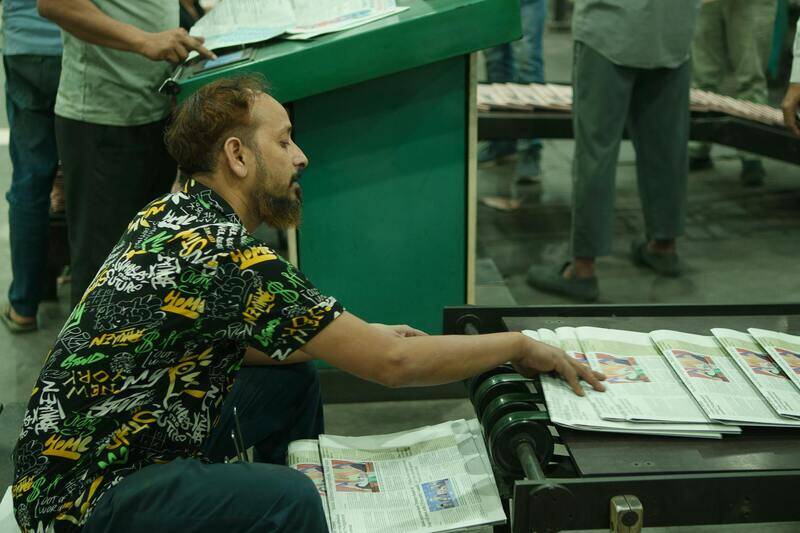
Caption: Precision in digital and lithographic poster printing ensures vibrant, sharp results suitable for professional displays.
Utilizing Official Printing Materials and Processes
To maintain quality and compliance, the procurement of printing substrates and inks should always involve certified suppliers. Approved paper stocks—such as archival-grade poster papers—offer longevity and resistance to fading, while certified vinyl materials provide weatherproof options for outdoor displays. These materials are manufactured under strict quality controls, with documented specifications that guarantee consistency in performance.
In addition to the raw materials, finishing touches like lamination or UV coating are applied using machinery calibrated to industry standards. These finishes add extra protection against environmental factors and handling, extending the lifespan of the posters. Reputable printing firms always source these finishes from approved vendors, ensuring that every poster maintains its intended appearance over time.

Caption: High-quality finishes such as lamination and UV coatings safeguard posters from damage and environmental exposure.
Ensuring Compliance Through Certified Processes
Official poster printing involves adhering to documented procedures that ensure each batch conforms to predetermined standards. These procedures encompass everything from material selection and color management to printer calibration and post-print inspection. Proper documentation of the process flow provides accountability and traceability, which are key elements for maintaining quality control.
Printing providers committed to industry best practices also participate in routine quality audits and staff training programs, ensuring that their teams stay updated on the latest certified techniques. This commitment to continuous improvement means your posters will be produced consistently to meet the highest quality benchmarks demanded by professional applications.
Whether you are printing for advertising, corporate branding, or event promotion, choosing established, officially compliant poster printing methods guarantees a finished product that not only looks exceptional but also adheres to recognized standards of quality and durability.
Understanding Poster Printing
Poster printing is a specialized process that transforms digital designs into large-scale, tangible visual displays. It involves a combination of precise color management, high-resolution output, and the selection of suitable printing technology to produce vivid, durable images that effectively communicate a message or promote a brand. The goal of poster printing is to create an eye-catching and professional presentation that withstands environmental exposure and handling, ensuring long-lasting visibility and impact.
Types of Poster Printing Techniques
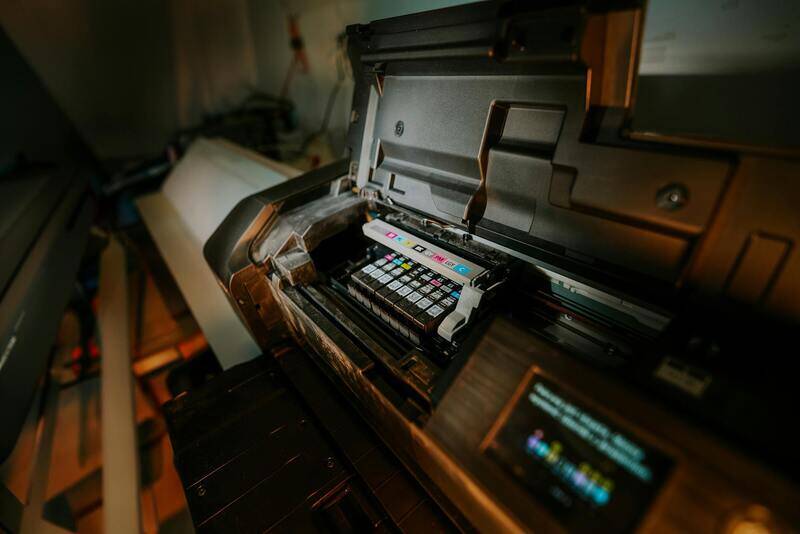
Modern poster printing employs several advanced techniques, each tailored to different needs and budget levels. Digital printing is predominant for its quick turnaround, cost-efficiency for short runs, and ability to produce vibrant, detailed images directly from digital files. Large-format inkjet printing is also popular, especially for high-resolution, full-color posters suitable for advertising campaigns and event displays. Screen printing, although less common for posters, is ideal for bulk production of designs with limited color palettes or specific material requirements.
Selecting the Right Materials and Finishes
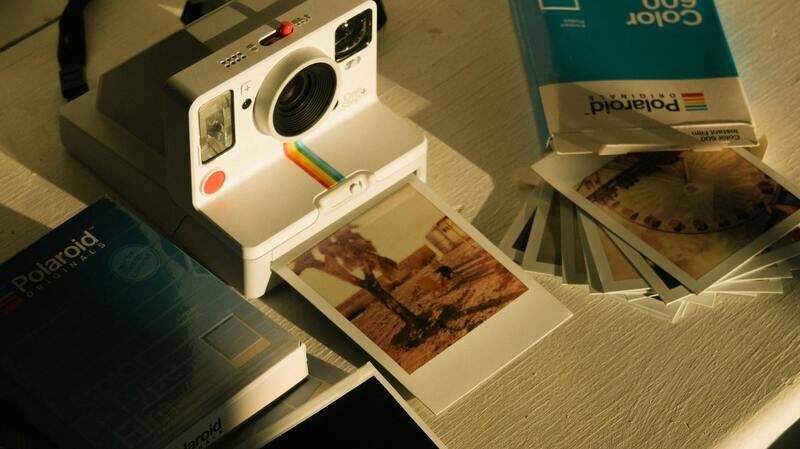
The durability and visual appeal of posters significantly depend on the choice of materials and finishes. Vinyl and mesh fabrics are preferred for outdoor posters due to their resistance to weather conditions. Matte, gloss, or satin laminated surfaces provide a range of finishes that influence glare, color vibrancy, and protection against dirt or scratches. Special finishes like UV coatings and lamination add extra protection, extending the lifespan of posters exposed to environmental elements and handling.
Design Considerations for Effective Posters
An impactful poster design balances visual elements with clear messaging. High-contrast color schemes, large readable fonts, and strategic placement of graphics create an immediate visual hierarchy that guides viewers’ attention. Incorporating whitespace prevents clutter, while ensuring that essential information is prominently displayed. When designing posters for specific contexts, consider their viewing distance and lighting conditions to optimize readability and visual impact.
Common Sizes and Dimensions
Standard poster sizes cater to various display environments, ranging from small, portable sizes to large-format banners. Common dimensions include 18" x 24", 24" x 36", and 36" x 48". Custom sizing is also available for bespoke projects, accommodating specific spatial requirements or unique promotional formats. Accurately measuring the intended display area ensures that the final printed poster maintains its visual integrity without cropping or distortion.
Cost Factors and Budgeting for Poster Printing
Pricing for poster printing varies according to several key factors. The size and complexity of the design significantly influence costs, with larger and more detailed posters requiring greater material and ink usage. The choice of material, finish, and printing technique also impact the overall expense. Short-run digital prints are generally more economical, while large-format, high-resolution posters with specialty finishes entail higher investments. Additionally, turnaround time and bulk order discounts can help optimize budgeting for large projects, ensuring quality without exceeding financial limits.
Best Practices for Poster Maintenance and Display
Ensuring that your posters retain their visual appeal and clarity over time requires a combination of proper display methods and routine maintenance. Posters are designed to communicate messages effectively, but environmental factors and handling can diminish their impact if not properly managed. Implementing best practices for display and care can prolong the lifespan of your posters, making them a sustainable and effective marketing tool.
Optimal Display Techniques
- Choose the Right Location: Position posters in areas with appropriate lighting and minimal exposure to moisture or direct sunlight. Avoid places prone to high humidity or frequent temperature fluctuations, which can cause warping or fading.
- Use Durable Mounting Options: Employ high-quality frames, acrylic covers, or mounting boards to protect posters from physical damage. Clear acrylic or UV-protective glass can shield against UV rays and dust, preserving colors and details.
- Avoid Overexposure: Limit direct exposure to sunlight or harsh artificial lighting, as UV rays accelerate ink degradation and color fading. If placement in a well-lit environment is unavoidable, consider UV-filtering glass or films.
- Secure Properly: Ensure posters are firmly mounted to prevent sagging, curling, or accidental dislodging. Using appropriate adhesives or mounting techniques tailored to the surface material ensures stability without damage.
Routine Maintenance and Preservation
- Regular Cleaning: Dust off posters gently using a soft, dry cloth or a gentle brush to remove surface dust and debris. Avoid harsh chemicals or abrasive cleaning agents that can damage inks or finishes.
- Control Environment: Maintain consistent indoor temperature and humidity levels. Using dehumidifiers or climate-controlled display areas can prevent warping and mold growth.
- Inspect Periodically: Conduct routine checks for signs of damage, fading, or deterioration. Address issues promptly by cleaning, repositioning, or replacing the poster if necessary.
- Proper Storage for Non-Display Periods: When not on display, store posters flat in acid-free folders or archival-quality sleeves. Keep them in a cool, dry, and dark environment to prevent deterioration.
Additional Tips for Longevity
- Avoid Moisture: Keep posters away from areas prone to water splashes or high humidity, such as kitchens or bathrooms.
- Limit Handling: Minimize touching printed surfaces to prevent fingerprints and oils from causing damage or discoloration over time.
- Use Protective Films: Consider applying removable protective films or laminates if posters are frequently handled or displayed in high-traffic areas. These layers add an extra level of protection against scratches and environmental effects.