Understanding Faster Poster Printing
Faster poster printing has become an essential service in numerous industries, including marketing, education, and corporate events, where timely delivery of visual communication materials is critical. The core concept involves utilizing advanced techniques, optimized workflows, and high-efficiency equipment to produce high-quality posters within shortened timeframes. This approach not only accelerates project turnaround but also allows businesses and individuals to respond promptly to market demands, event deadlines, or urgent communication needs. In practical terms, faster poster printing involves a combination of rapid image processing, quick material handling, and high-speed printing machinery—all coordinated seamlessly to ensure seamless production from design confirmation to final output. The importance of this service spans various sectors:
- Marketing campaigns requiring quick turnaround for promotional materials
- Educational institutions needing last-minute event banners or notices
- Corporate settings demanding timely presentation visuals for conferences or meetings

Key Benefits of Faster Poster Production
Implementing rapid poster printing solutions delivers numerous advantages that are vital in today’s fast-paced environment. Notable benefits include:
- Reduced Lead Times: Significantly shorter production cycles enable clients to meet urgent deadlines without compromising quality.
- Enhanced Flexibility: Quick adjustments to designs and instant printing options facilitate adaptability in dynamic scenarios.
- Cost Efficiency: Streamlined processes reduce labor and material wastage, lowering overall production costs.
- Competitive Edge: Speedy delivery of promotional materials can be pivotal in gaining an advantage over competitors in marketing efforts.
- Improved Customer Satisfaction: Fast turnaround times amplify client trust and satisfaction, fostering long-term relationships.

Materials and Resources for Rapid Poster Printing
Choosing the right materials is fundamental to maintaining quality during accelerated production cycles. High-quality substrates like durable vinyl, weather-resistant fabrics, or premium paper stocks are preferred for their resilience and print clarity. Additionally, utilizing advanced ink types ensures vivid colors and sharp details that withstand time and handling. To support rapid printing processes, print facilities are equipped with specialized resources such as:
- High-capacity printers capable of producing large-format outputs swiftly
- Efficient software for quick design adjustments and print queue management
- Pre-staged materials and ink inventories ready for immediate use
Optimizing Design for Speed
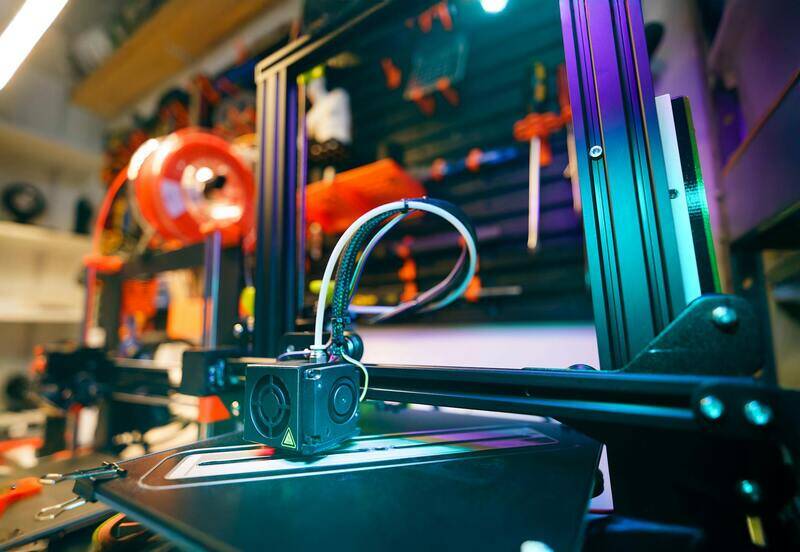
Design plays a pivotal role in speeding up the printing process. To facilitate quicker turnaround, designers should adopt simplified layouts, minimal color palettes, and standardized templates. This approach reduces processing time and eases the printing workflow. Key considerations for optimized design include:
- Using vector graphics for scalability and swift rendering
- Avoiding complex gradients or excessive detailing that prolongs print times
- Employing pre-approved templates to streamline approvals and adjustments
Advanced Printing Technologies for Faster Output
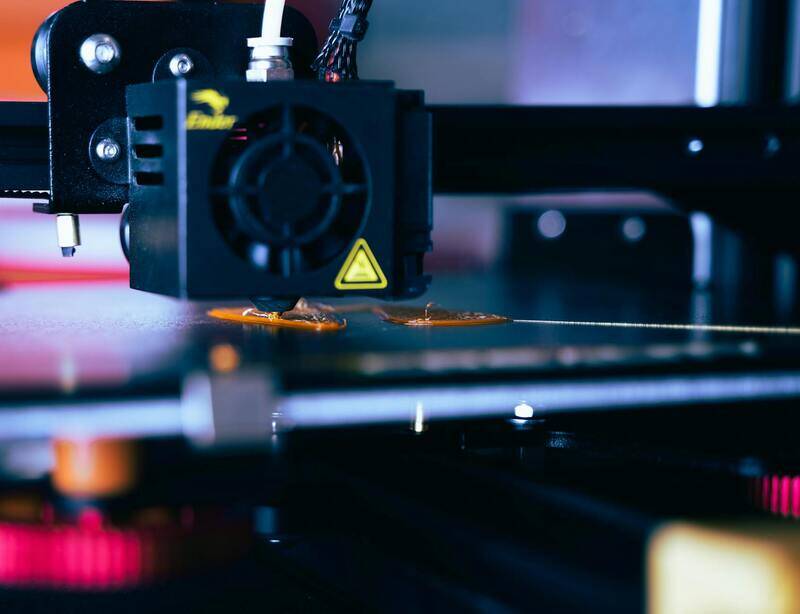
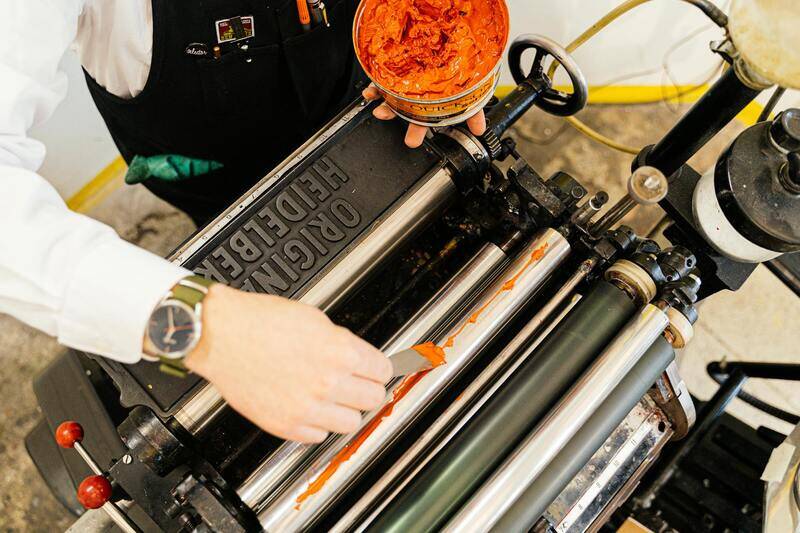
Implementing cutting-edge printing technologies is essential for achieving rapid poster production without compromising quality. High-speed digital presses, such as UV flatbed printers and large-format inkjet printers equipped with advanced print heads, significantly accelerate output while maintaining sharpness and color accuracy. These machines utilize multiple ink channels and sophisticated drying systems, enabling continuous production with minimal downtime.
Beyond hardware, leveraging automated workflows, including pre-set print profiles and real-time job monitoring software, ensures optimal printer performance. Automated color calibration and inline quality checks further streamline the process, reducing manual interventions and errors. This technological synergy allows for the efficient transition from digital design to final print, ensuring posters are produced swiftly and precisely.
Streamlining the Printing Process
Efficiency in poster production hinges on a well-organized workflow that minimizes delays at each stage. Workflow automation tools can synchronize design approval, file preparation, and printing sequences. For instance, integrating cloud-based file sharing and print management systems enables instant access to design updates and simplifies job queue management.
Pre-press procedures should be standardized to expedite file checks and color management, ensuring files are print-ready in minimal time. Additionally, establishing clear communication channels within the team ensures quick resolutions for design adjustments or printer issues that might arise during the process.
Physical logistics also play a crucial role. Maintaining well-organized inventory of substrates, inks, and printing supplies reduces wait times. Routine maintenance and calibration of printing equipment prevent unexpected breakdowns, further enhancing production speed.

Quality Control in Speedy Poster Printing
Maintaining high standards during rapid production requires rigorous quality control measures. Automated inspection systems integrated into printing machines can detect defects such as color inconsistencies, misalignments, or print artifacts as soon as they occur. This ensures that only approved posters move forward in the process, reducing reprints and delays.
Implementing a systematic review protocol at various stages—post-printing verification, color matching checks, and print finish inspections—helps in catching issues early. Training staff on quick quality assessment techniques ensures that rapid turnaround does not compromise the visual impact and durability of the final posters.

Best Practices for Fast Poster Delivery
Efficient delivery strategies are integral to the overall success of rapid poster services. Partnering with reliable logistics providers that specialize in quick turnaround deliveries ensures posters reach clients on time. Utilizing secure, trackable shipping methods allows for real-time status updates, minimizing uncertainty.
For local deliveries, establishing in-house logistics capabilities can further shorten lead times. Additionally, providing clients with digital proofs or previews beforehand helps streamline approval processes, enabling immediate production once the design is finalized. This proactive approach minimizes delays and guarantees timely delivery of high-quality posters.
Materials and Resources for Rapid Poster Printing
To achieve faster poster production without sacrificing quality, selecting the right materials and resources is crucial. High-quality, compatible substrates such as lightweight and durable poster papers or vinyl options enable quicker handling and drying times. These materials are processed efficiently by modern printing equipment, ensuring that production schedules are maintained while preserving the vividness and sharpness of the final product.
Utilizing top-tier inks tailored for fast-drying and high-resolution output can significantly reduce setup and turnaround times. Solvent or eco-solvent inks, for example, dry rapidly and adhere well, offering vibrant color reproduction and resilience against smudging or water damage. This is especially beneficial when operating on tight deadlines, as it minimizes post-printing steps like extensive drying or curing processes.
Resources such as pre-cut blank posters or ready-to-assemble stands streamline the overall workflow, eliminating time-consuming preparations. Digital asset management systems also enable quick retrieval and organization of design files, reducing delays during the pre-print setup phase. Additionally, employing automated cutter/printer combinations allows for seamless printing and trimming in one process, further accelerating the production cycle.

Investing in versatile, high-performance printing supplies and materials directly impacts the speed and efficiency of the poster creation process, allowing businesses to meet urgent demands without compromising visual impact or durability.
Strategies for Creating Poster Designs That Are Easy to Print Quickly
Efficient poster printing starts with the design phase. Opting for straightforward layouts and minimalist graphics reduces processing time, allowing for faster production without sacrificing visual impact. High-resolution images should be used judiciously—balancing clarity with file size—to prevent delays caused by lengthy rendering. Utilizing vector graphics, such as those created in Adobe Illustrator, can streamline scaling and printing, ensuring crisp lines and sharp details even at large formats.
File formats play a crucial role in expediting the printing process. Preferred formats like PDF or EPS maintain high quality while allowing for seamless compatibility across professional printing systems. These formats preserve layers and color profiles, which minimizes adjustments during setup, further speeding up the turnaround. Also, keeping the resolution at 300 DPI or higher ensures that images print clearly without additional processing.
Preparing design files with clarity and precision is vital. Organizing layers, fonts, and color schemes beforehand prevents delays caused by troubleshooting during printing. Using CMYK color profiles aligned with printing output standards guarantees consistent color reproduction, which tends to reduce post-print corrections. By adhering to these file preparation standards, the entire process becomes more streamlined, enabling faster production cycles.

In addition to file format considerations, incorporating template-based designs can significantly decrease the time needed to prepare artwork. Templates ensure uniformity across multiple posters, especially for recurring promotional events. They also simplify updates and revisions, since only key elements need modification rather than complete re-designs. This approach is highly effective for pre-scheduled campaigns that require quick turnaround times.
Lastly, regular communication between designers and production teams enhances process efficiency. Clear instructions regarding file specifications, preferred color schemes, and layout constraints reduce the need for back-and-forth adjustments, ensuring a smoother transition from design to print. By establishing standardized protocols, organizations can achieve faster, more reliable poster printing workflows that meet urgent deadlines without compromising quality.
Understanding Faster Poster Printing
Faster poster printing involves strategic coordination of equipment, materials, and processes to achieve quicker turnaround times without sacrificing quality. In high-demand environments such as marketing campaigns, event promotions, and academic conferences, the ability to produce posters swiftly enables organizations to respond promptly to changing requirements. Several factors influence the speed of poster production, including the choice of printing technology, material handling, and workflow management.
Factors Influencing Rapid Poster Production
- Utilization of high-speed digital printers capable of producing large-format posters efficiently.
- Pre-designed templates and standardized layouts to minimize design adjustments.
- Streamlined file preparation protocols that reduce troubleshooting and processing delays.
- Effective communication channels between design and production teams to ensure clarity and accuracy.
- Optimized material supply chains to prevent delays due to stock shortages or sourcing issues.
By focusing on these key components, businesses and organizations can significantly decrease production time, ensuring posters are ready for deployment within tight deadlines. This approach necessitates a comprehensive understanding of available printing technologies and a disciplined workflow, which together facilitate the swift and reliable delivery of high-quality posters.
Role of Professional Printing Partnerships
Partnering with experienced print service providers is essential for achieving faster poster output. These specialists bring advanced equipment, expert knowledge, and streamlined processes that enable rapid production cycles. They often offer scalable solutions, accommodating both small batch urgent prints and large-scale campaigns. With proven methodologies for quick turnaround times, such collaborations ensure that poster delivery remains consistent even under pressing timelines.

Understanding Faster Poster Printing
Achieving rapid poster production without compromising quality requires a strategic combination of technological, procedural, and organizational factors. When aiming for speed, it is essential to utilize high-performance digital printing equipment capable of handling large-format outputs efficiently. The selection of printers equipped with advanced printhead technology and high-capacity processing units ensures that multiple posters can be produced simultaneously, significantly reducing overall turnaround time.
Another critical element involves the use of pre-designed templates and standardized layouts. These templates streamline the design process by eliminating the need for repetitive adjustments, thus saving valuable time. Implementing structured file preparation protocols that minimize troubleshooting—such as consistent file formats, resolution settings, and color profiles—further accelerates workflow. Maintaining clear and prompt communication channels between the design, production, and logistics teams is vital to swiftly address potential issues and clarify specifications, preventing delays.
Effective material and supply chain management also plays a crucial role. Establishing reliable relationships with suppliers and maintaining an inventory of essential materials ensures that printing projects are not halted due to stock shortages or sourcing challenges. An organized inventory system aligns with rapid production demands, allowing immediate access to all necessary resources for printing without unnecessary wait times.

Continuous process evaluation and adaptation improve overall productivity. This might involve adopting digital workflow management systems that monitor each stage of the printing journey, from order intake to final delivery, enabling real-time adjustments. Additionally, fostering partnerships with print service providers that specialize in rapid turnaround projects ensures access to cutting-edge equipment and experienced personnel capable of meeting tight deadlines reliably.
Materials and Resources for Rapid Poster Printing
The choice of materials significantly impacts both the speed and quality of poster production. High-quality, ready-stock substrates such as premium poster paper, vinyl, or fabric are preferred for their ease of handling and consistency. Suppliers that offer quick delivery options or in-stock materials eliminate waiting periods, allowing the printing process to proceed without interruption.
Furthermore, sustainable and compatible inks and toners designed for rapid drying can expedite finishing steps, reducing the total production cycle. Utilizing UV-curable or fast-drying inks enhances throughput and minimizes post-printing processing times. Such materials are particularly advantageous when producing posters for urgent display needs or last-minute campaigns.
Optimizing Design for Speed
Design optimization is crucial for reducing delays during the printing process. Simple, bold visuals with minimal color gradients tend to print faster than complex, multi-layered designs. Employing vector graphics over raster images can also ensure clean, scalable visuals that are easier and quicker to print with less processing time.
Streamlining file formats to include standard, print-ready files such as PDFs with embedded fonts and color profiles reduces troubleshooting during pre-press checks. Using standardized dimensions and consistent templates minimizes the need for adjustments, allowing for seamless printing flow.
Advanced Printing Technologies for Faster Output
High-speed digital printers equipped with multiple print heads and enhanced auto-feeding systems significantly shorten production times. Technologies such as roll-to-roll printing facilitate continuous output, which is especially effective for large batches. Integration of automated finishing options, including mounting, trimming, and lamination, further accelerates the completion of posters ready for dispatch.
Leveraging multi-function printers that combine printing, cutting, and finishing within a single workflow reduces manual handling and potential delays. These devices provide consistent quality and fast turnaround times, making them invaluable for time-sensitive projects.
Streamlining the Printing Process
Implementing streamlined procedures involves creating a rigorous workflow that minimizes touchpoints and maximizes efficiency. This begins with thorough job planning, where all specifications are finalized upfront to avoid revisions during production. Digital job management systems can automate order scheduling, track progress, and coordinate resource allocation, ensuring each step proceeds without unnecessary pauses.
Adopting standardized operating protocols ensures uniformity across projects. For example, preset machine parameters for different poster types reduce variability and calibration time. Regular staff training on these protocols enhances operational speed and reduces errors that might cause reprints or delays.
Quality Control in Speedy Poster Printing
Rapid production demands equally swift yet meticulous quality control measures. Implementing real-time inspection systems helps identify issues during printing rather than post-production, allowing immediate correction. Automated color matching and registration checks ensure consistency across batches, preventing rework and waste.
Sampling a small subset of posters before proceeding with bulk output guarantees adherence to design specifications and quality standards. This proactive approach helps catch potential issues early, maintaining high standards even under tight deadlines.
Best Practices for Fast Poster Delivery
Effective logistics and delivery strategies are essential for completing the cycle. Utilizing local distribution networks or courier services with expedited shipping options ensures that posters reach their destination promptly. Proper packaging and handling further preserve print quality during transit, preventing damages that could delay project completion.
Maintaining clear communication with clients and stakeholders about delivery timelines helps manage expectations and allows adjustments if unforeseen delays occur. Keeping clients informed at each stage of production ensures transparency and fosters trust, especially for urgent orders requiring rapid turnaround.
Understanding Faster Poster Printing
In high-pressure environments such as corporate events, trade shows, or urgent academic presentations, the ability to produce high-quality posters rapidly is crucial. Faster poster printing involves a combination of streamlined workflows, advanced technology adoption, and meticulous planning. This process not only reduces turnaround times but also ensures that the output maintains the standards expected by clients and stakeholders. Key to achieving this is understanding how various printing methods, material choices, and design optimizations can impact production speed without compromising quality. Efficient coordination between design teams, print operators, and logistics providers further enhances the overall speed-to-market for urgent poster needs.
Materials and Resources for Rapid Poster Printing
The selection of suitable materials and resources significantly influences the speed of poster production. Using ready-stock substrates, such as standard heavyweight paper, vinyl, or fabric options stored in inventory, allows immediate setup and reduces supply chain delays. Employing versatile, high-capacity printers that support a range of media types can accelerate printing workflows. Additionally, ensuring that consumables like inks and toners are readily available prevents interruptions during the printing process. Digital workflows integrated with inventory management systems can further streamline resource allocation, minimizing downtime and ensuring materials are always on hand for urgent orders.
Optimizing Design for Speed
Design optimization is a critical step in expediting the printing process. Using simplified layouts and avoiding overly complex graphics reduces processing time and minimizes the risk of errors during printing. Vector-based graphics ensure sharp resolution at any size, facilitating quick scaling without loss of quality. Creating templates for common poster sizes and layouts can significantly cut down setup times for repeat projects. Employing features like preset color profiles and consistent font styles within design software ensures faster colour matching and uniformity across batches. The goal is to prepare designs that are print-ready and require minimal adjustments before printing, thereby speeding up the entire production cycle.
Advanced Printing Technologies for Faster Output
Progress in digital printing technology has revolutionized the speed at which posters can be produced. High-speed inkjet and laser printers equipped with advanced print heads enable rapid production with high precision. Some models incorporate list printing modes that expedite large-format outputs without sacrificing detail. Furthermore, printing systems integrated with automation features, such as automatic media handling, registration checks, and real-time color adjustments, substantially reduce manual intervention and errors. These technologies are essential in meeting tight deadlines while upholding print quality, making them indispensable for projects demanding rapid turnaround times.

Streamlining the Printing Process
Efficient workflow management is vital to achieving faster poster production. Implementing a step-by-step protocol that integrates prepress, printing, and post-processing reduces unnecessary delays. Prepress digitization and automated job setup features allow for rapid adjustments and batch processing. Minimizing manual operations, such as paper loading or calibration, through automation can significantly cut production time. Establishing dedicated print stations with optimized layout setups and inclusion of quality control checkpoints ensures that each phase transitions smoothly to the next. Real-time monitoring and management software can track progress, identify bottlenecks promptly, and enable immediate corrective actions. These advancements culminate in a cohesive, swift production line capable of handling urgent poster demands efficiently.
Maximizing Efficiency in Faster Poster Printing
To meet the demands of rapid poster production without compromising on quality, employing proven strategies and state-of-the-art equipment is essential. This involves a comprehensive approach that integrates efficient workflows, advanced technology adoption, and meticulous quality management. When executed correctly, these elements collectively streamline the entire process, enabling printing providers to deliver high-quality posters within tight deadlines.
Utilizing Automation Tools and Workflow Optimization
Automation is at the core of faster poster printing. Modern digital presses equipped with automated features such as media handling, registration, and color management minimize manual setup times and reduce the likelihood of errors. Incorporating workflow management software facilitates seamless coordination between prepress, printing, and post-processing phases, ensuring each step is executed without unnecessary delays. Workflow automation also allows for batch processing of multiple poster jobs, further accelerating production timelines.
Strategic Material Selection
Choosing the right substrates can significantly influence production speed. Using pre-cut, ready-to-print media reduces time spent on manual preparation, while high-quality, versatile materials designed for quick handling expedite the entire process. For example, lightweight yet durable substrates compatible with high-speed digital presses can cut down setup and printing times, maintaining the integrity of the final output.
Real-Time Monitoring and Quality Checks
Integration of real-time monitoring systems provides ongoing feedback during print runs, allowing operators to detect anomalies instantly. Automated quality control tools, such as inline color spectrophotometers and registration checks, ensure consistent output and prevent costly reprints. Continuous monitoring facilitates quick adjustments, helping to maintain the pace of production while adhering to high standards.
Enhancing Post-Processing Efficiency
Speeding up post-processing steps, such as trimming, mounting, or lamination, is equally important. Utilizing automated finishing equipment, like high-speed cutters and laminators, can dramatically reduce turnaround times. Additionally, setting up dedicated stations with optimized workflows for each task ensures a smooth transition from printing to delivery, minimizing idle times and bottlenecks.
Leveraging Digital and Cloud Technologies
Digital tools enable faster job submission, job tracking, and communication with clients. Cloud-based platforms allow for real-time order updates, proof approvals, and project management, reducing delays caused by miscommunication or manual paperwork. These technologies also facilitate easier coordination among team members, ensuring everyone is aligned towards meeting rapid delivery schedules.

Staff Training and Skill Development
Well-trained operators who understand the nuances of high-speed printing systems are invaluable. Regular training ensures staff can swiftly troubleshoot technical issues, manage workflows effectively, and adapt to new technologies, which collectively contributes to faster production cycles.
Overall Process Refinement for Consistent Results
Regular review and refinement of production processes help identify potential bottlenecks and inefficiencies. Implementing standardized procedures and ongoing performance analysis ensures continuous improvement, allowing printing services to consistently meet demanding turnaround times while upholding quality standards.