Understanding Picture Poster Printing
Picture poster printing is a specialized process that transforms digital images into large-scale visual displays, designed for both aesthetic appeal and functional messaging. This process involves the reproduction of high-resolution artwork, photographs, or graphic designs onto various substrates, tailored to meet specific display needs. The importance of high-quality printing cannot be overstated, as it directly influences the visual impact, durability, and overall professionalism of the finished poster. When executed with precision, picture poster printing can effectively attract attention, communicate messages clearly, and reinforce brand identity, making it a vital marketing and decorative tool across numerous industries.
The primary uses of poster printing span from commercial advertising, promotional events, and corporate branding to artistic exhibitions and personal décor. Whether for creating eye-catching displays in retail environments or producing large-scale artwork for galleries, the ultimate goal is to achieve vibrant, sharp images that resonate with viewers. Selecting the right printing methods and materials ensures the final product maintains its visual integrity over time, even when exposed to environmental factors.

To meet these demands, professional picture poster printing employs advanced technologies that produce consistent, precise results. The process begins with digital image preparation, where resolution, color accuracy, and layout are optimized. Once ready, the image is transferred onto a chosen substrate through various printing techniques, each offering different advantages depending on the intended use, durability requirements, and budget considerations. The result is a visually compelling poster that conveys its message effectively and enhances its environment.
Printing Technologies Used for Posters
In the realm of picture poster printing, several advanced printing technologies are employed to ensure high-quality visual output, durability, and precise color reproduction. Each method offers unique advantages tailored to different project needs, whether for short-term promotional displays or long-lasting gallery prints.
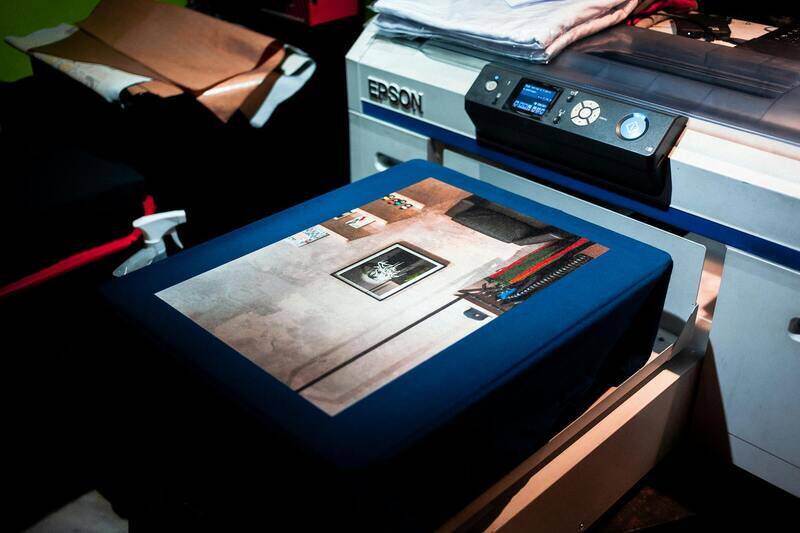
The most prevalent technique is digital inkjet printing, renowned for its ability to produce vibrant colors, sharp details, and smooth gradients. It utilizes tiny droplets of ink deposited directly onto the substrate, allowing for quick turnaround times and high-resolution results. Digital printing is ideal for custom poster orders, small to medium runs, and projects requiring detailed image reproduction. Many professional printing services leverage advanced inkjet systems capable of printing on various materials, including vinyl, canvas, and high-quality photo papers.
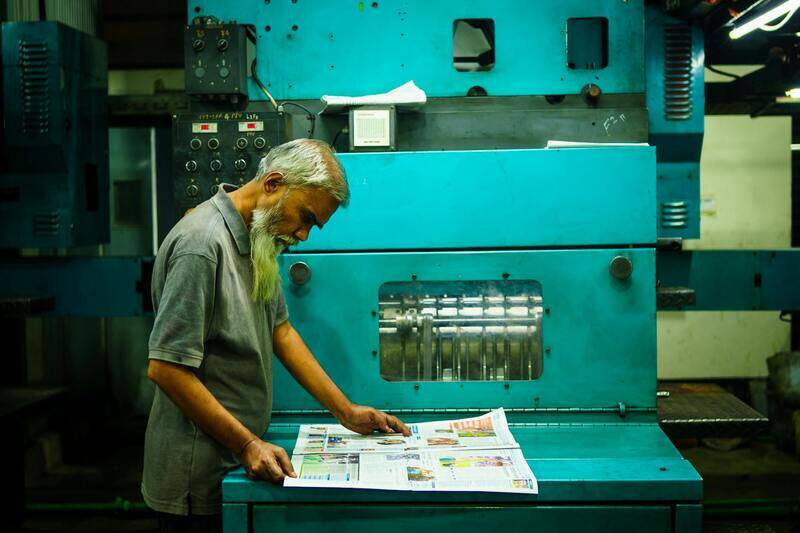
Offset printing, although traditionally used for large-volume commercial printing, still plays a role when creating posters with consistent color quality and cost efficiency in bulk. This method involves transferring ink from a metal plate to a rubber blanket, which then applies the image onto the substrate. Offset printing is favored for its precision in reproducing brand colors and producing large quantities with minimal variation. However, it requires a longer setup time, making it more suitable for extensive print runs.
Screen printing is another technology, primarily used for posters that require special effects or textures. It involves pushing ink through a mesh stencil onto the material, allowing for vibrant, opaque colors and unique finishes such as metallic or textured inks. This process is often chosen for promotional posters with bold graphics or artistic prints that benefit from tactile qualities.
UV printing has gained popularity for its ability to print directly onto non-traditional surfaces such as acrylic, glass, or wood, providing a glossy, durable finish. It uses ultraviolet light to instantly cure the inks, resulting in sharp images with excellent scratch and weather resistance. UV printing is particularly valuable for custom, high-end posters and decorative art pieces.

Choosing the appropriate printing technology hinges on the project's specific needs, including volume, material compatibility, visual quality, and budget constraints. Collaborating with a reputable printing provider ensures the optimal method is selected to achieve the desired outcome efficiently.
Materials and Finishes for Poster Printing
Selecting the appropriate materials and finishes is essential for maximising the visual impact and longevity of your posters. High-quality poster printing utilises a variety of substrates, each offering unique aesthetic qualities and durability features. Common options include heavyweight glossy or matte paper, vinyl, fabric, and canvas, which cater to different decor styles and environmental conditions. Glossy finishes enhance colour vibrancy and sharpness, making images pop with brilliance, whereas matte surfaces reduce glare and offer a sophisticated, understated look suitable for artistic or professional presentations.
Vinyl posters are highly durable and weather-resistant, making them ideal for outdoor advertising or displays that require exposure to the elements. Fabric and canvas options lend a more textured, artistic feel, often used for gallery displays or high-end promotional posters. Additionally, specialty finishes such as lamination or UV coating can be applied for extra protection against scratches, water, and UV damage, ensuring that posters maintain their quality over time. When considering finishes, it’s important to evaluate the intended environment and display period, as these factors influence the choice of materials and treatments.
Surface textures and special coatings further refine the visual appeal. For example, matte coatings reduce reflections, making text easier to read under bright lighting, while gloss finishes emphasize colour richness. Spot UV coatings can highlight specific design elements, creating a striking contrast between matte and glossy areas. Metallic or pearlescent paints add a luxurious shimmer, suitable for premium branding materials. The choice of material and finish not only impacts aesthetics but also influences durability, ease of installation, and maintenance, making careful selection a vital step in the poster printing process.
Design Considerations for Poster Printing
The effectiveness of a printed poster depends heavily on thoughtful design. High-resolution imagery and contrast-rich text ensure clarity and visibility from a distance. It is crucial to tailor the design to the poster’s intended display environment, considering factors such as lighting, viewing angle, and surrounding aesthetics. Consistent branding, with the use of appropriate colours, fonts, and imagery, reinforces the message and creates visual harmony.
Incorporating bleed areas and safety margins ensures that critical content is not cut off during trimming, resulting in a clean, professional look. For large-format posters, simplicity often yields better results; cluttered designs can become indistinct when viewed from afar. However, intricate details can enhance artistic displays and look impressive at close range. Combining bold visuals with concise messaging maximizes impact and readability.

Effective use of colour theory and typography enhances legibility and emotional engagement. Bright colours attract attention, while subtle hues might convey sophistication or serenity. Choosing the correct font size and style is essential for readability, especially in outdoor or large-format displays. Always align design elements with the campaign’s objectives, ensuring the poster communicates its message succinctly and memorably.
Materials and Finishes for Poster Printing
When it comes to picture poster printing, selecting the appropriate printing materials and finishes is crucial for achieving the desired visual impact and durability. The choice of substrate significantly influences the poster’s appearance, longevity, and how it interacts with light and environment. Popular options include high-quality paper, canvas, vinyl, and fabric, each catering to different display needs and aesthetic preferences.
High-grade poster papers are widely used for vibrant color reproduction and crisp detail. These papers range from matte finishes, which reduce glare and improve readability, to gloss or semi-gloss surfaces that enhance color vibrancy and contrast. Canvas materials are ideal for artistic or photographic posters seeking a textured, gallery-like presentation. Vinyl and PVC options provide durability and weather resistance, making them suitable for outdoor displays or high-traffic areas.

Finishing touches such as lamination, gloss coating, or matte coating elevate the poster’s look and protect against environmental factors like moisture, fading, and scratches. Lamination not only enhances durability but also allows for easier cleaning. Gloss coatings can make colors pop and improve overall vibrancy, while matte finishes lend a sophisticated, non-reflective surface that minimizes glare during indoor viewing. The choice of finish should align with the poster’s purpose, environment, and required lifespan.
Design Considerations for Poster Printing
Effective poster design must integrate both aesthetic appeal and functional clarity. High-resolution imagery, thoughtful typography, and well-balanced layout are essential. When designing for poster printing, it’s important to consider viewing distance; large fonts and bold visuals tend to be more legible from afar, while intricate details are better appreciated up close.
An operational approach involves incorporating bleed areas and safety margins to prevent critical content from being trimmed during production. For outdoor or high-traffic placements, weather-resistant materials paired with UV coatings can extend the lifespan of the poster without compromising visual quality. Additionally, colour choices should evoke the intended emotional response and align with branding or campaign themes. Utilizing contrasting colours enhances legibility and draws attention to key messages.
Finally, simplicity often produces the most striking results for large-format posters. Clear, bold visuals combined with brief, impactful messages tend to resonate better in public spaces. When intricate details are necessary, ensuring sufficient resolution and contrast will help maintain clarity even from a distance. Balancing artistic elements with practical readability is an art that defines successful poster printing projects.
Understanding Picture Poster Printing
Picture poster printing is a specialized process that transforms high-resolution images into large-format visual displays intended for various environments, from promotional settings to personal decor. The quality of the finished product hinges on the choice of printing methods, materials, and finishing techniques, which collectively ensure the image's vibrancy, sharpness, and durability. When selecting a printing service, it is crucial to opt for providers equipped with advanced printing technology, capable of handling the large dimensions and color fidelity required for impactful posters. Such expertise guarantees that every detail of the original image is preserved and vividly reproduced, creating a compelling visual statement that captures attention and conveys the intended message effectively.

Factors Influencing Poster Quality
- Resolution and Image Quality: Ensuring the source image has a resolution of at least 300 DPI at the final print size is essential for sharpness and detail.
- Color Fidelity: Accurate color matching through color management systems maintains the original tones and hues, crucial for artistic or branding posters.
- Size and Dimensions: Clearly defining the poster's dimensions ensures the image scales correctly without distortion or loss of detail.
- Printing Margins and Bleeds: Incorporating bleed areas prevents unwanted white borders during trimming, maintaining aesthetic integrity.
Ensuring Durability and Longevity
To maximize the lifespan of posters, especially those intended for outdoor or high-traffic areas, selecting appropriate materials and finishes is vital. Weather-resistant substrates paired with UV-protective coatings contribute to resistance against fading, moisture, and physical wear. These enhancements preserve the visual quality of the poster over extended periods, ensuring that the original image remains vibrant and compelling regardless of environmental exposure.
Matching Image Content with Printing Method
The choice of printing technology directly influences the final appearance and quality of your poster image. For instance, inkjet printing is favored for its high-resolution output and color accuracy, making it ideal for detailed photographic posters. Conversely, UV flatbed printing provides robust, weatherproof results suitable for outdoor displays, while sublimation printing offers vibrant color reproduction and durability for fabric or coated surfaces.
Consulting with Professional Printers for Optimal Results
Collaborating with experienced printing specialists can significantly enhance the quality of your picture poster. Professionals can advise on appropriate resolution, materials, and finishes based on the poster's intended purpose and environment. Their expertise ensures the final product aligns with client expectations, maintains visual integrity, and withstands the rigors of display conditions.
Considerations for Accurate Color Reproduction in Picture Poster Printing
Achieving true-to-life color fidelity is paramount in picture poster printing, especially when the visual impact hinges on precise hues and shades. High-quality color management systems, calibrated monitors, and color profiles are essential components in the printing workflow. When working with professional print providers, verify that they utilize advanced color calibration tools and adhere to color standards such as ICC profiles to ensure the printed poster matches your original digital image accurately.
Color consistency across multiple prints or batches is equally important, particularly for campaigns, exhibitions, or branding requirements. Discuss with your printing service the use of standardized color profiles and proofing options, such as digital or physical proofs, prior to the final run. This step helps catch color discrepancies early, allowing adjustments that guarantee the finished product aligns with your expectations.

Maintaining Color Accuracy During the Printing Process
- Use high-resolution source files with embedded color profiles to prevent color shifts.
- Opt for professional printing services equipped with state-of-the-art presses and color calibration tools.
- Choose appropriate printing technologies based on the material and finish for optimal color representation.
- Request color proofs before the final print to verify and approve color reproduction.
Environmental and Storage Considerations for Long-lasting Posters
Proper environment and handling significantly impact poster longevity. Store posters in cool, dark, and dry conditions away from direct sunlight, which can accelerate fading. When displaying posters outdoors, select weather-resistant materials and UV coatings that shield against environmental factors. Protective framing with UV-glass or acrylic can further preserve the visual quality and color vibrancy over time, keeping the poster visually striking for extended periods.
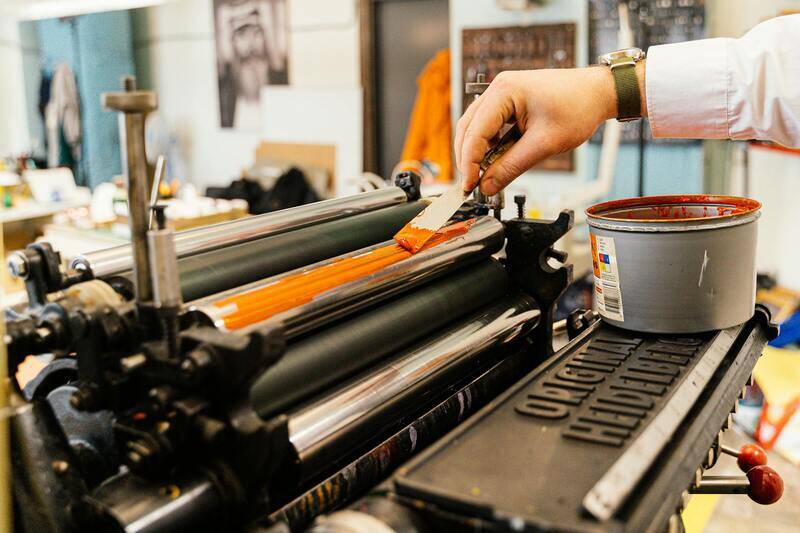
Environmental Considerations and Long-Term Preservation of Printed Posters
When opting for picture poster printing, selecting environmentally friendly materials and finishes not only enhances the aesthetic appeal but also ensures the poster's longevity. Many reputable printing services in Singapore offer options such as recyclable substrates, biodegradable inks, and eco-friendly adhesives. These choices contribute to sustainability efforts while providing durable, high-quality outputs.
Proper storage and display conditions are crucial for maintaining the vibrancy and clarity of printed posters over time. Posters should be stored in areas that minimize exposure to humidity, high temperatures, or direct sunlight. Using protective coverings, such as polyethylene or archival sleeves, can shield against dust and environmental pollutants. When displaying posters indoors, consider using UV-resistant glass or acrylic frames, which act as barriers against harmful ultraviolet rays that can cause fading and deterioration.
For outdoor or high-traffic environments, weather-resistant materials and coatings are essential. Special coatings, such as laminates or UV protective films, provide an additional layer of defense against moisture, scratches, and UV rays. These coatings help preserve the print's sharpness, color accuracy, and overall integrity despite exposure to challenging elements.
Assessing the environmental footprint of your poster printing project aligns with modern sustainability standards. Opt for printing services that adhere to environmentally responsible processes, such as using vegetable-based inks or supporting renewable energy sources. These practices ensure your printed posters are both visually impactful and environmentally conscious.
Cost Factors and Budgeting for Poster Printing
Understanding the key determinants of printing costs is essential for budgeting your poster project effectively. Factors influencing the overall price include poster size—larger formats naturally incur higher expenses due to increased material and ink usage. The choice of material and finish options also plays a significant role; premium substrates and specialty coatings elevate costs but offer enhanced durability and visual impact.
- Quantity: Ordering in bulk often reduces the unit cost, making large runs more economical per piece.
- Resolution and Image Quality: High-resolution files and complex graphics may require longer printing times and more advanced technology, affecting pricing.
- Design Complexity: Intricate designs or the use of specialty inks can influence processing time and material use, impacting the final cost.
- Delivery and Turnaround Time: Expedited services typically come with higher fees, whereas standard timelines may be more budget-friendly.
Working closely with your chosen print provider ensures transparency regarding costs. Many offering comprehensive consultations can help optimize your design and material choices within your budget constraints, balancing quality with affordability.
Final Steps in Ensuring Quality and Authenticity in Picture Poster Printing
When it comes to producing high-quality picture posters, selecting established and reputable printing methods is essential to guarantee authenticity, durability, and visual clarity. The following official procedures and practices ensure you get the best results with your poster printing projects, while also safeguarding against counterfeit or subpar reproductions.
Utilizing Certified Printing Technologies
Official printing agencies employ certified and proven technologies like wide-format digital printers, offset printing, and lithography to reproduce vibrant, detailed images on various substrates. Each method adheres to industry standards that maintain color fidelity, sharpness, and consistency across large runs. These processes are supported by regulatory bodies and industry associations, providing assurance of legitimacy and quality. When choosing a printing service, it is crucial to verify their adherence to these certified technologies, which are regularly inspected and audited to meet strict quality benchmarks.

Authentic Material Selection and Quality Assurance
Premium materials, such as coated poster papers, vinyl, or canvas, are sourced from certified suppliers, ensuring consistent quality and adherence to environmental standards. These materials undergo rigorous testing for color fastness, durability against fading, and physical strength, making them suitable for both indoor and outdoor displays. Printing companies that prioritize quality will use certified inks—such as UV-curable or solvent inks—that resist smudging, water damage, and scratching. Confirming the provenance of materials and inks used during production is an integral step in verifying the legitimacy of a picture poster printing service.
Securing Proper Documentation and Provenance
Official print providers maintain detailed records of their production processes, including equipment calibration logs, material certifications, and quality control reports. When commissioning large or valuable projects, requesting documentation that certifies the authenticity of the production process can safeguard your investment. This transparency assures clients that their posters are produced through legitimate, traceable methods, minimizing the risk of counterfeit reproductions or inferior quality outputs.
Implementing Anti-Counterfeit Measures
Advanced poster printing solutions often incorporate security features such as holographic overlays, micro-text, or color-shifting inks. These elements act as authentication markers, enabling easy verification of genuine prints. Such measures are especially important for posters with promotional or collectible significance. Working with print providers that utilize these security features provides an added layer of confidence that your posters are authentic and original.
Verifying Credentials and Certifications of Service Providers
Legitimate printing companies typically hold industry certifications from recognized bodies, such as ISO standards for quality management and environmental responsibility. Verification of these credentials ensures that the service provider complies with rigorous standards for production, safety, and environmental stewardship. Additionally, reputable providers often participate in trade associations and hold memberships that demonstrate a commitment to established best practices, further certifying their authenticity and professionalism.
Conclusion
Adhering to official and reputable procedures in picture poster printing guarantees that your final product is both authentic and visually impactful. From utilizing certified printing technologies to implementing anti-counterfeit features, each step plays a vital role in maintaining the integrity and quality of your posters. Collaborating with trust-certified providers and requesting comprehensive documentation ensures your projects meet industry standards, protecting your investment and enhancing your visual communication efforts.