Understanding Color Poster Printing
Color poster printing is a specialized process that transforms digital designs into large-scale visual displays, typically used for advertising, promotional events, art exhibits, and informational campaigns. This printing method employs advanced color printing technologies to produce vibrant, detailed, and eye-catching posters that communicate messages effectively. The core objective in color poster printing is to ensure that the printed output closely matches the original design’s color palette while maintaining high resolution and clarity.
In practical applications, color posters serve a wide array of purposes, ranging from promoting new product launches to decorating event spaces with thematic visuals. The ability to reproduce a broad spectrum of colors with precision is crucial, as it directly impacts the poster’s visual appeal and communicative power. High-quality color reproduction enhances brand identity, attracts attention, and leaves a lasting impression on viewers. Therefore, accurate color representation is a fundamental aspect of professional poster printing, demanding meticulous attention to detail throughout the process.
Different printing methods such as digital, offset, or large-format inkjet printing are utilized depending on the specific requirements of the project. Digital printing, for instance, offers rapid turnaround times and is suitable for short runs or personalized posters. Offset printing, on the other hand, is ideal for producing large quantities with consistent color quality. Regardless of the technique chosen, preserving color fidelity from digital design to final print is essential to achieving professional results.
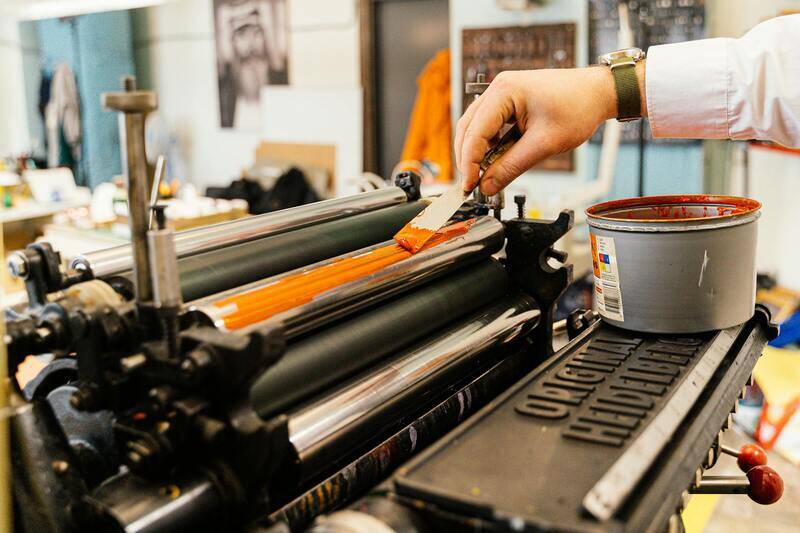
Moreover, the importance of color accuracy extends beyond aesthetics—it influences how the message is perceived and the overall effectiveness of the poster campaign. Precise color matching ensures that brand colors are represented correctly, and visual elements appear as intended across different printing batches and media. Advanced color management tools and calibration processes are employed to maintain consistency, making this an integral consideration for quality control in professional poster printing services.
The Role of Color Accuracy in Poster Quality
Ensuring color accuracy in poster printing requires a comprehensive understanding of various factors, including color profiles, calibration of printers, and proper material selection. High-quality printers are equipped with multiple color channels and sophisticated inks that can blend and reproduce a vast array of hues. Color profiles such as CMYK and RGB are utilized during pre-press processes to regulate how colors are translated from digital files to printed output.
In addition, utilizing color calibration devices helps technicians fine-tune printers to achieve precise color reproduction. This meticulous process minimizes discrepancies between digital designs and printed posters, safeguarding the poster's visual integrity. Consistent color reproduction also involves selecting the right materials, which can affect color vibrancy and longevity. Choosing suitable papers or substrates that complement the inks ensures the final product looks as intended and withstands environmental factors such as light exposure or humidity.
Choosing the Right Materials for Poster Printing
When it comes to color poster printing, selecting appropriate materials is crucial for achieving vibrant visuals that endure over time. The choice of paper or substrate significantly impacts color reproduction, durability, and overall visual appeal. High-quality poster printing often utilizes a variety of materials tailored to the intended environment and purpose of the poster.
Paper Types and Finishes: Different paper types offer various finishes—from glossy to matte—that enhance specific design elements. Glossy papers tend to intensify colors, making hues appear more vivid and eye-catching, ideal for promotional posters requiring high visual impact. Matte finishes, on the other hand, reduce glare and are preferred for posters that will be displayed in brightly lit environments or require a more subdued, sophisticated aesthetic.
Beyond finishes, the weight and texture of paper also influence the overall presentation. Heavier, thicker substrates convey a sense of quality and permanence, suitable for gallery displays or premium branding. Textured papers can add tactile interest, but may slightly alter the appearance of detailed graphics or fine lines, so careful consideration is necessary.

Inks and Printing Technologies: The selection of inks and printing methods aligns closely with material choice. Solvent-based inks, UV-curable inks, and sublimation inks each have unique properties affecting color vibrancy and longevity. For example, solvent inks are excellent for outdoor posters or environments exposed to moisture, as they offer water resistance and colorful vibrancy. UV inks cure instantly, providing sharp details and durability, perfect for high-end displays. Sublimation printing transforms inks into gas that bonds with specially coated substrates, resulting in vibrant, long-lasting images suitable for fabric or coated materials.
Choosing the right combination of substrate and ink ensures that the colors stay true and resistant to environmental factors such as UV light or humidity, which can cause fading or deterioration over time.
Environmental and Practical Factors in Material Selection
- Weather Resistance: For outdoor advertising, selecting weatherproof materials such as vinyl or laminated papers helps preserve color vibrancy and prevent damage from elements.
- Longevity: For posters intended for long-term display, materials with UV coatings or specialized finishes extend the lifespan and maintain color integrity.
- Sustainability: Environmentally conscious options include recycled papers or biodegradable substrates, which align with sustainable printing practices without compromising quality.
Overall, the synergy between paper types, inks, and printing technologies plays a pivotal role in the final appearance and impact of color posters, ensuring that their visual message remains striking and intact over time.
Understanding Color Poster Printing
Color poster printing is a specialized process that requires an understanding of both the technical and aesthetic elements involved in producing visually compelling and durable displays. At the core, this method combines high-quality printing technologies, premium materials, and precise color management techniques to create posters that capture attention and convey messages effectively. Choosing the right approach ensures that colors are rendered accurately, vibrantly, and consistently across different types of posters and display environments.
Ensuring superior results begins with understanding the intricacies of color reproduction. Modern color poster printing employs advanced CMYK and RGB color models, which are calibrated for the highest fidelity in reproducing original designs. The process involves a combination of digital file preparation, printer calibration, and material selection to achieve precise color accuracy. The choice of inks, printing technology, and substrate all influence the final appearance of the poster, impacting vibrancy, detail sharpness, and durability. This comprehensive approach provides clients with posters that not only stand out visually but also preserve their impact over time in various environments.
Key Factors in Effective Color Poster Printing
- Color Calibration: Regular calibration of printers and monitors ensures the colors seen on screens match the printed output, reducing discrepancies and reprints.
- Design Files: High-resolution images and carefully chosen color profiles are vital to translating digital designs into physical prints with true-to-life colors.
- Material Compatibility: Selecting suitable substrates like glossy, matte, or satin finishes influences how colors are perceived and how long they last under different conditions.
- Inks Selection: Utilizing UV, solvent, or eco-solvent inks tailored for the specific application enhances vibrancy and weather resistance.
- Printing Method: Digital solvent and UV printing technologies provide high-quality results, especially for detailed and vibrant posters intended for professional or outdoor use.
Balancing Cost, Quality, and Efficiency
For businesses and individuals alike, understanding the relationship between material costs, printing quality, and turnaround times is essential. Advanced digital presses deliver quick turnaround and consistent color reproduction, making them ideal for projects requiring rapid delivery without compromising quality. When planning a color poster project, it’s important to work with printing service providers who utilize the latest technology, ensuring that the complex interplay of color, detail, and material durability is managed seamlessly. Investing in high-quality materials and precise calibration ultimately results in posters that maintain their visual impact over longer periods and diverse display conditions.
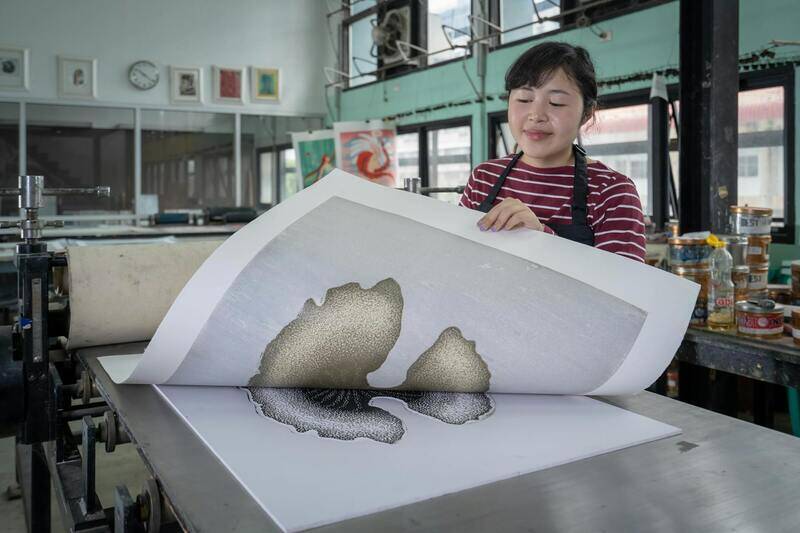
High standards in color poster printing are reflected in the detailed attention paid to each stage of production—from initial design and color management to material selection and finishing touches. When executed properly, this process guarantees vibrant, accurate images that meet the aesthetic and functional needs of clients, whether for promotional campaigns, artistic displays, or informational signage.
Understanding Color Poster Printing
Color poster printing remains a cornerstone of effective visual communication, combining color accuracy, vibrancy, and durability to create impactful promotional tools. Ensuring that the final product faithfully reproduces the designer’s intent requires meticulous attention to various elements, including paper selection, printing technology, and color management. High-quality color poster prints serve a broad spectrum of applications—from advertising and branding to artistic displays and informational signage—demanding both aesthetic appeal and functional resilience. Experts in the field leverage advanced printing techniques alongside premium materials to produce posters that stand out in any setting, be it interior displays or outdoor environments.

Selection of Materials
Material choice influences both the visual quality and longevity of color posters. The most commonly utilized substrates include gloss, matte, or satin finish papers, each offering distinct visual effects and tactile qualities. For outdoor visibility and weather resistance, materials such as vinyl or weatherproof banners are preferred, often coated with protective layers to safeguard against UV rays, moisture, and tearing. When opting for indoor displays, high-gloss digital papers can enhance color vibrancy and sharpness. The thickness and texture of the substrate also affect how well colors are rendered and how the poster interacts with light, making material selection a critical component of successful color poster printing.
Design Considerations for Color Posters
Designing for high-impact color posters involves strategic use of contrast, saturation, and color harmony to ensure visual clarity and engagement. It’s essential to use color profiles and calibrated screens during the design phase, aligning digital designs with the capabilities of printing equipment. Incorporating bleed areas and considering viewing distance helps optimize the layout for readability and visual appeal. When preparing artwork, attention should be paid to color balance and image resolution to prevent pixelation or dull hues upon printing. Files must be prepared in appropriate formats, with embedded color profiles and color management settings validated to maintain accuracy across the production process.

Advanced Printing Technologies
For achieving precise color reproduction, digital printing methods such as UV, solvent, and latex printing are widely preferred. UV printing provides vivid colors with instant curing, ideal for weather-resistant promotional posters. Solvent printing excels in outdoor durability, offering resistance to fading and environmental wear. Latex printing combines eco-friendly materials with vibrant output and flexibility, suitable for a broad range of surfaces. Each of these technologies allows for detailed images and smooth color gradients while supporting quick turnarounds and large-format outputs. The choice of printing technology depends on the specific application's needs, desired durability, and budget considerations.
Finishing Techniques to Enhance Color Posteriors
Post-printing processes such as lamination, UV coating, or framing further elevate the visual impact and lifespan of color posters. A glossy or matte lamination enhances colors' vibrancy and provides additional protection against physical damage and environmental factors. UV coating offers a high-gloss finish that accentuates colors and adds an extra layer of durability, especially for outdoor posters. Proper finishing not only enriches visual appeal but also helps maintain true color fidelity over time, making the posters more resistant to fading and wear.

Understanding Color Poster Printing
Color poster printing is a specialized process that combines vibrant color reproduction with large-format capabilities. To achieve eye-catching visuals, it is essential to understand the nuances of professional printing methods and materials. High-quality posters serve as impactful promotional tools, educational materials, or decorative displays, and their effectiveness hinges on accurate color rendering and durability. This involves not only selecting the right printing technology but also employing meticulous color management practices throughout the production process. Ensuring vibrant and precise colors requires leveraging advanced digital printing solutions optimized for large-scale output, along with quality substrates that enhance color fidelity.
Understanding the Technical Aspects of Color Reproduction
Color poster printing utilizes a combination of color science principles and sophisticated printing equipment. Essential concepts include color gamut, which defines the range of reproducible colors; color profiles, used for consistent color management across devices; and calibration techniques to align monitors, printers, and substrates. These elements collectively help in maintaining color accuracy from digital design to printed output. Color calibration ensures that the hues, saturation, and brightness are faithfully reproduced, preventing discrepancies that can detract from the visual impact of posters.
Selecting High-Quality Print Materials
The choice of paper or substrate significantly influences color vibrancy and longevity. Glossy and semi-glossy papers are popular for their ability to enhance color depth and sharpness, creating striking visuals. Matte finishes, while less reflective, can reduce glare and make posters suitable for environments with ambient lighting. For outdoor applications, durable materials such as vinyl or weather-resistant fabric are advisable, offering resistance against fading, moisture, and environmental wear. Ensuring the substrate's compatibility with the selected printing technology is crucial for optimal color rendering and durability.
Colorspaces and Color Profiles
Implementing standardized color profiles, such as Adobe RGB or sRGB, ensures that digital designs maintain their intended appearance when printed. Color management workflows involve embedding these profiles into design files and calibrating printing devices accordingly. Advanced RIP (Raster Image Processor) software can further facilitate accurate color output by controlling ink density and dot gain, ensuring that the final print closely matches the original digital concept. This meticulous approach reduces color discrepancies and guarantees a professional, vibrant result.
Color Consistency in Large-Scale Production
For campaigns requiring multiple posters, consistent color reproduction across all prints is vital. Establishing standardized color settings and conducting test prints can help identify and correct potential issues early in the process. Regular calibration of printers and substrates forms the backbone of maintaining uniformity. Additionally, pre-press proofing allows designers and clients to review color accuracy before full-scale production, minimizing waste and ensuring satisfaction with the final output.
Techniques Ensuring Precision in Color Reproduction
To achieve vibrant, accurate colors in large-format posters, several advanced printing techniques are employed. These methods are designed to replicate the digital design's color integrity while ensuring durability and visual impact. Understanding these techniques can help in selecting the best printing process for specific poster requirements.
- Giclée Printing: This high-precision inkjet printing method utilizes archival quality inks and ultra-fine nozzles to produce detailed and vibrant images. It is highly favored for its ability to generate smooth gradients, rich color depth, and accurate color gradation, making it ideal for high-end promotional and artistic posters.
- Solvent and Eco-Solvent Printing: These printing methods use solvent-based inks that are excellent for outdoor posters exposed to the elements. They deliver vivid colors, water resistance, and resistance to fading over time. Proper calibration ensures that the vibrant hues are accurately rendered, even on rugged substrates.
- UV Printing: UV-curable inks are instantly dried using ultraviolet light, allowing for direct application on a variety of rigid and flexible surfaces. This process maintains color precision, especially on non-porous materials like acrylic or metal, producing posters with striking visual clarity and durability.

Embedding Color Profiles and Calibration for Optimal Results
Accurate color reproduction begins long before the printing process starts. Embedding standardized color profiles such as Adobe RGB or sRGB within the digital files ensures that the intended colors are maintained throughout the workflow. This practice aligns digital designs with the printer's color capabilities, reducing discrepancies and ensuring consistency.
Calibration of printing devices plays a pivotal role in achieving precise color rendering. Regular calibration involves adjusting the printer's output to match known standards, often using color calibration tools and test charts. Implementing these measures ensures that each print batch adheres to the same color standards, maintaining uniformity across large quantities of posters.
Additional Steps for Consistent and Accurate Color Output
Beyond equipment calibration, establishing a comprehensive pre-press workflow can significantly enhance color accuracy. This includes:
- Performing test prints on the selected substrate to evaluate color performance before full production.
- Adjusting ink density and dot gain settings via advanced RIP software to fine-tune color output.
- Implementing standardized lighting conditions during proof review sessions to observe true colors.
By meticulously managing these factors, businesses can ensure that their color posters are visually striking, consistent across multiple copies, and true to the original design concept.
Understanding Color Poster Printing
Color poster printing involves the precise reproduction of vibrant and accurate hues on large-scale sheets, requiring an understanding of several core principles and practices. The process begins with selecting high-quality digital files that are appropriately prepared for print. This preparation includes embedding suitable color profiles such as Adobe RGB or sRGB, which serve as a blueprint for how colors are interpreted and reproduced by printing devices. Accurate color management is essential for maintaining the integrity of original artwork and ensuring the final output meets expectations.
Effective color poster printing also relies heavily on the calibration of printing equipment. This involves routinely adjusting printers with specialized color calibration tools and test charts to align their output with standardized color references. Such calibration minimizes color inconsistencies across different print batches, guaranteeing that each poster maintains the same visual standards. When combined with proper proofing techniques, calibration ensures that the colors seen on proof sheets accurately reflect the final printed posters, reducing costly revisions and waste.
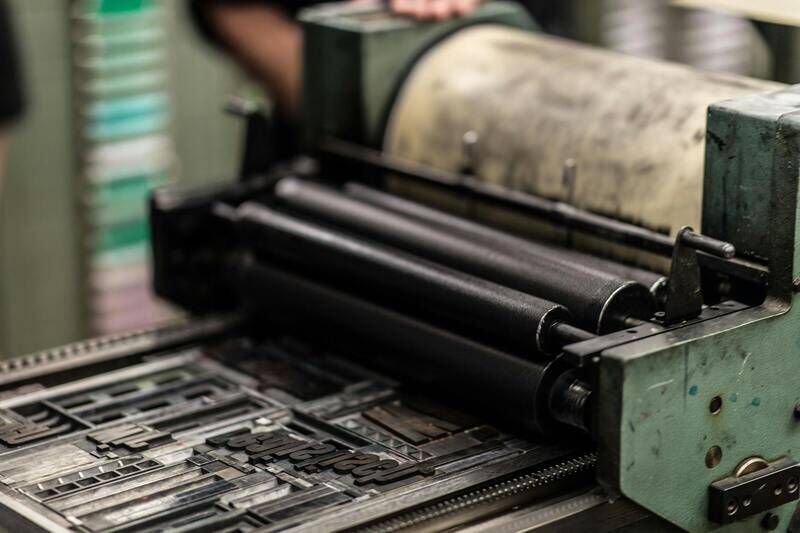
Beyond device calibration, managing the entire digital workflow is crucial. This includes performing test prints on the chosen substrate—be it gloss, matte, or specialty stocks—to evaluate how colors naturally appear on the actual printing media. Adjustments such as ink density and dot gain can be fine-tuned through advanced RIP (Raster Image Processing) software to refine color output further. Additionally, maintaining consistent lighting conditions during proof review sessions helps ensure that the colors are perceived as intended by different stakeholders or clients.
Printing Techniques and Technologies
Modern color poster printing employs a variety of cutting-edge techniques tailored to achieve superior vibrancy and detail. Inkjet printers with latex or aqueous inks are popular choices, offering high resolution and a broad color gamut suitable for detailed artwork and photographic posters. UV-curable printers are also used for their ability to produce durable, vivid images on a wide array of substrates, including rigid and flexible media.
Digital printing technologies have advanced to include multi-pass inkjet systems that enhance color depth and smooth gradations, vital for photorealistic posters. Moreover, some providers utilize hybrid printing setups combining traditional offset methods with digital approaches to optimize cost-efficiency for large or complex runs. These technologies enable the precise layering of colors, ensuring that posters not only capture the original design's vibrancy but also withstand environmental factors like UV exposure and weather conditions.
Cost and Turnaround Time
While high-quality color poster printing can involve significant technical considerations, understanding the cost structure and production timeline is vital for effective planning. Costs are influenced by factors such as poster size, material choice, the complexity of the color palette, and the quantity ordered. Digital printing generally offers faster turnaround times compared to offset printing, making it suitable for urgent projects or smaller batches.
For large projects, the initial setup may take longer, but the ability to print in smaller batches over a shorter period ensures flexibility and efficiency. Choosing the right materials and printing techniques can also impact overall costs; for instance, using premium substrates enhances durability but may increase expenses. Engaging with a reputable print service provider like printservicesingapore.com ensures transparent pricing and realistic delivery timelines for color poster printing tasks.
Understanding Color Poster Printing
Color poster printing involves a complex interplay of technology, materials, and design strategies aimed at producing visually compelling and durable promotional or decorative items. The process typically begins with digital file preparation, where color accuracy and image fidelity are optimized through sophisticated color management systems. These systems ensure that the colors in your digital design translate accurately onto physical prints, maintaining consistency across different batches and material types. Given the importance of visual impact, high-quality color poster printing employs advanced printing technologies such as high-definition inkjet or offset presses that can produce vibrant, sharp images with nuanced color gradations.
Official and Reliable Methods for Color Poster Printing
Achieving consistent and vibrant results relies on selecting established printing methods that adhere to industry standards. Digital printing, especially multi-pass inkjet systems, allows for precise control over color layering and ink density, resulting in posters with rich hues and smooth gradients. Offset printing, on the other hand, remains a preferred choice for large-volume orders due to its efficiency and ability to produce consistent high-quality images. Both methods utilize pre-press calibration, color profiling, and proofing processes to ensure the final product matches the designer’s original vision, thus providing dependable results for various applications.
Color Calibration and Quality Assurance
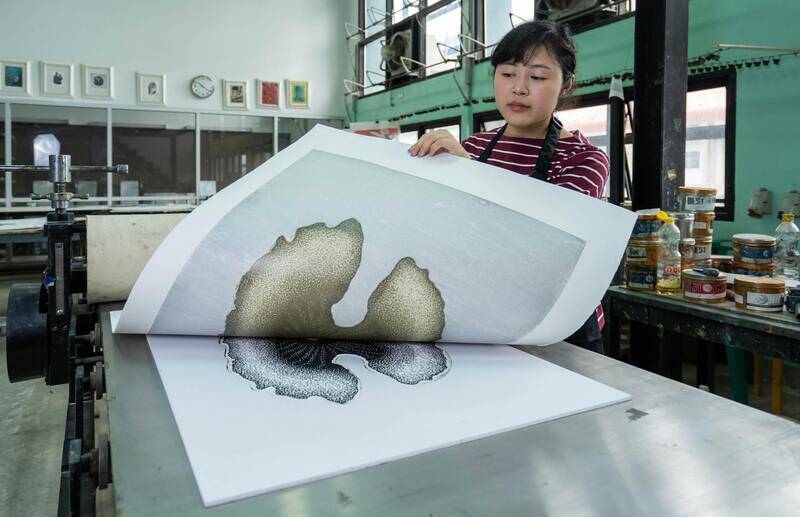
Fundamental to legitimate color poster printing is rigorous color calibration at every stage of production. This involves calibrating printers with standardized color profiles and conducting test prints to verify color fidelity. Additionally, quality assurance measures such as spectrophotometric measurement of ink colors and visual inspections help identify potential deviations early, enabling corrections before large quantities are produced. These practices ensure that every poster maintains the integrity of the original design and meets client expectations, which is vital for branding, marketing, and artistic displays.
Material Selection Aligned with Printing Methods
Official printing procedures recommend using high-quality substrates suited to the chosen printing technology. For digital inkjet printing, substrates like UV-coated paper or vinyl offer excellent ink adhesion and color vibrancy. Offset printing benefits from coated papers that enhance ink opacity and sharpness. The choice of material not only influences color brightness but also impacts durability and resistance to environmental factors such as moisture and UV exposure. Matching the right material with the appropriate printing process is critical for achieving consistent, vibrant, and long-lasting posters.
Printing Techniques for Optimal Results
- High-Definition Inkjet Printing: Ideal for short runs, fine detail, and high-resolution imagery with vibrant colors.
- Offset Printing: Suitable for large quantities, delivering uniform color quality and cost efficiency.
- Hybrid Systems: Combining offset and digital methods to optimize for complex color effects and rapid turnaround.
Each technique is supported by stringent color management workflows that ensure colors are reproduced accurately, maintaining visual consistency across batches and substrates.
Cost Control and Efficient Production Timelines
Legitimate methods also involve transparent cost structures based on factors like poster size, material choice, ink coverage, and print volume. Digital printing offers rapid turnaround, often within 24-48 hours, making it optimal for urgent needs and smaller quantities. Offset printing, while more time-consuming due to setup processes, becomes cost-effective for large orders. Proper planning and collaboration with experienced print providers enable clients to balance quality, budget, and delivery schedules effectively, ensuring a smooth production process from conception to delivery.
Achieving Vibrant and Accurate Colors
To maximize color vibrancy and accuracy in posters, adhere to precise color management protocols. These include using calibrated monitors during design, employing ICC profiles tailored to your selected printing materials, and maintaining consistent color workflows throughout production. High-quality inks with wide color gamuts and proper layering techniques ensure that the final output reflects the intended hues and tonal gradations. Managing ambient lighting conditions during proofing and final inspections also plays a crucial role in confirming color fidelity before mass production.
Applying these official approaches to color poster printing guarantees professional results that meet quality standards, withstand environmental stresses, and accurately communicate your visual message.