Factors Influencing Poster Printing Costs
Understanding the various elements that impact the cost of poster printing is essential for organizations and individuals aiming to produce high-quality visual displays within budget. Several key factors come into play when determining overall expenses, including the size of the poster, selected materials, color options, and additional finishing touches. A comprehensive grasp of these factors allows for better decision-making and helps in selecting the most cost-effective options without compromising on the desired quality and effectiveness of the final product.
Key Elements Affecting Poster Printing Prices
- Poster Size: Larger posters typically require more materials and longer printing time, leading to higher costs. Standard sizes such as A3 and A2 are generally more affordable, while customized dimensions can significantly influence the price.
- Materials Used: The choice of paper or substrate impacts both aesthetics and cost. Premium finishes, weather-resistant materials, or thicker paperstock tend to raise the overall expense, but they also enhance durability and visual appeal.
- Color Requirements: Full-color printing often comes at a premium compared to black and white or limited-color options. The complexity of color processes and ink usage directly affect the expenditure.
- Finish and Coatings: Matte or glossy finishes, laminations, or UV coatings add to the cost but can extend the lifespan and vibrancy of posters, making them more suitable for long-term displays or outdoor use.
- Quantity Ordered: Larger print runs generally offer economies of scale, reducing the cost per poster. Bulk orders often result in discounts, making mass printing more economical for extensive campaigns.
Visual Aid: Factors Affecting Poster Printing Cost

Factors Influencing Poster Printing Costs
When planning for poster printing, understanding the various elements that impact the overall cost is crucial for effective budgeting and decision-making. The key factors include the size of the poster, the choice of materials, color requirements, finishing options, and the order volume. Each of these elements contributes differently to the final price, allowing for tailored solutions to meet specific needs and budget constraints.

Poster Size and Its Cost Implications
Size is often the most noticeable factor influencing printing expenses. Larger posters, such as A1 or custom dimensions, demand more extensive printing processes and greater material consumption, which naturally increases costs. Standard sizes like A3 and A2 are usually more economical, providing a good balance between visibility and affordability. For large-scale advertising, custom sizes may be justified by the impact they create, but this will also impact the overall expenditure.
Material Selection and Durability
The type of material or substrate selected can dramatically alter printing costs. Basic poster paper might be the least expensive option, suitable for indoor displays. However, for outdoor or long-term use, weather-resistant materials like vinyl or laminated substrates are preferred, though they come with a higher price tag. Thicker or premium finishes, such as matte or gloss coatings, further enhance durability and visual appeal but also incur additional costs.
Color and Printing Complexity
Color plays a vital role in defining the cost structure of poster printing. Full-color, high-resolution images with multiple hues require more ink and complex printing techniques, raising expenses compared to black-and-white or limited-color options. The use of vibrant colors not only enhances visual impact but also involves higher material costs and longer production times, especially when intricate color blending is necessary.
Finish and Coating Options
Adding specific finishes and coatings can improve the lifespan and aesthetic quality of posters. Matte finishes reduce glare, while glossy or UV coatings enhance vibrancy and resist environmental damage. Laminations provide extra protection but contribute to higher costs. These options are particularly relevant for posters intended for outdoor use or long-term display, where durability is paramount.
Order Quantity and Scale Benefits
Bulk printing offers notable cost advantages due to economies of scale. Larger orders typically benefit from discounts per poster, making mass production more cost-effective for extensive marketing campaigns. Planning ahead and consolidating orders can significantly reduce the unit cost, especially when multiple posters are required across various locations.
Visual Summary: Key Cost Factors in Poster Printing
Understanding the interplay of these elements allows for strategic planning to optimize both quality and budget efficiency in poster production.
Material and Finish Options
Choosing the right materials and finishes is crucial when considering the overall cost of poster printing. Standard poster materials include durable paper, vinyl, and backlit film, each with their own pricing structures. Paper posters, especially those on thicker, high-quality stock, tend to be more affordable and suitable for indoor use. Vinyl posters, while slightly more expensive, offer superior durability and weather resistance, making them ideal for outdoor applications. Backlit films are used for illuminated displays and typically carry a higher price point due to their specialized nature.
finishes significantly influence the final cost. A matte finish provides a non-reflective surface that reduces glare, often at a lower price point, and is suitable for environments where lighting can cause glare issues. Glossy finishes, on the other hand, boost colors and details, creating vibrant visuals that demand additional ink and coating costs. UV coatings and laminations enhance the durability of posters, offering resistance against scratches, moisture, and UV rays. These protective layers are especially relevant for posters exposed to outdoor elements or long-term displays, but they do add to the overall expense.

When selecting materials and finishes, it’s vital to evaluate the poster's placement and expected lifespan. For short-term indoor displays, simple paper with matte or standard gloss finishes may suffice, helping to contain costs. Conversely, outdoor or high-traffic environments may require more robust materials like vinyl coupled with UV coatings or laminations, which while more costly, ensure longevity and sustained visual impact.
Color Printing vs. Black and White Posters
Color plays a substantial role in influencing printing costs. Full-color posters incorporate multiple inks, complex color blending, and high-resolution images, leading to increased material and production expenses. The vibrant hues demand precise color management and often extend printing times, especially when high-quality digital or offset presses are used.
Black and white posters, by contrast, utilize only one or two inks, significantly reducing production costs. They are ideal for informational or minimalist designs where color is not essential. However, the lack of color may limit visual appeal and impact, especially for marketing or promotional materials that rely heavily on eye-catching visuals.
Bulk Printing and Cost Savings
Ordering posters in larger quantities typically yields substantial savings per unit. Many printing service providers in Singapore offer volume discounts, making bulk printing an efficient choice for campaigns, events, and large-scale promotions. The economies of scale occur because setup costs are spread across a larger number of posters, and printing processes can operate more efficiently at higher volumes.
To maximize savings, it’s advisable to plan and consolidate poster orders, especially when multiple locations require similar designs. This approach not only reduces per-unit costs but also streamlines production and delivery timelines, ensuring consistent quality across all posters.
Additional Services Affecting Costs
Extra features and services can influence the overall cost structure of poster printing. These include:
- Design Assistance: Professional design support can add to the initial expense but ensures visually compelling posters that effectively communicate the intended message.
- Specialty Finishes: Embossing, foil stamping, or UV spot gloss treatments enhance aesthetics but incur additional charges.
- Mounting and Framing: Inserting posters into frames or mounting them on foam boards increases costs but can improve durability and presentation quality.
- Fast Turnaround: Expedited printing services often come with premium charges to meet tight deadlines.
Estimated Price Ranges for Poster Printing in Singapore
The cost of poster printing varies depending on size, material, finish, quantity, and service options. Typical price ranges in Singapore are as follows:
- Small posters (A4 to A3): SGD 10 to SGD 30 per piece for standard quality.
- Medium-sized posters (A2): SGD 25 to SGD 60 each, especially for high-quality materials or finishes.
- Larger posters (A1 and above): SGD 50 to SGD 150 each, with custom finishes and durable materials incurring higher prices.
For bulk orders, expect discounts of 10-20% or more, significantly reducing the unit cost. Additional services like lamination, special coatings, or expedited delivery will add to the total cost but can be tailored to fit various budgets and deadlines.
Tips for Getting the Best Poster Printing Deals
To optimize cost efficiency without compromising quality, consider the following strategies:
- Obtain multiple quotes from reputable printers to compare prices and services.
- Plan your order in advance to take advantage of volume discounts and avoid rush fees.
- Choose standard sizes and materials when possible to reduce costs.
- Work with a designer to create an optimized layout that minimizes ink and material usage.
- Consider consolidating orders for multiple posters to maximize economies of scale.
- Ask about package deals that include design, printing, and finishing services for a more cost-effective solution.
Color Printing vs. Black and White Posters
When considering the overall cost of poster printing, the choice between color and black and white printing plays a significant role. Color posters tend to command higher prices due to the use of multiple ink layers and the complexity involved in printing vibrant, high-quality images. These posters are often necessary for marketing campaigns, events, and visual displays that require attention-grabbing visuals, making the increased investment worthwhile for their impact.
In contrast, black and white posters are generally more economical, as they utilize a single ink or toner, significantly reducing production costs. They are suitable for informational purposes, internal communications, or artistic projects that do not rely heavily on color to convey their message. The cost difference can be substantial, with color printing often costing 30-50% more than monochrome options, depending on the size, material, and finish chosen.
It is important to consider the purpose of the poster and the intended audience when deciding between color and black and white printing. For campaigns where visual appeal and message clarity are paramount, investing in color printing can enhance engagement. Conversely, for simpler, cost-effective communication, black and white posters offer a practical solution without compromising the essential content.

In addition to the initial printing costs, factors such as the complexity of color gradients, the use of specialty inks, and the choice of high-quality color profiles can further influence pricing. Selecting a professional printer experienced in color management ensures vibrant, accurate outcomes, but this may come at a premium.
When budgeting for poster printing, evaluate your specific requirements—such as color fidelity, size, and finish quality—and consult with printing professionals to determine the most cost-effective approach that meets your objectives. Proper planning and clear communication about your desired outcome will help you optimize expenses without sacrificing visual impact.
Factors Influencing Poster Printing Costs
Understanding the factors that impact the overall expense of poster printing is crucial for effective budgeting and choosing the right printing solution. Several elements come into play, including the size of the poster, material selection, the complexity of design, color requirements, and finishing options. Larger posters naturally demand more material and printing time, which can increase costs. Similarly, high-quality materials like glossy or matte vinyl, waterproof options, or specialty papers tend to carry higher price tags compared to standard options.
Design intricacy is another significant consideration. Posters with detailed images, gradients, or multiple color layers require more sophisticated printing techniques, potentially elevating costs. The type of printing method used—digital, offset, or large-format—also influences pricing, with digital printing often preferred for smaller runs due to its flexibility and lower setup costs while offset is more economical for bulk orders.
Finally, finishing touches such as lamination, mounting, or framing can add to the total expenditure. These extras can significantly enhance durability and visual appeal but also translate into higher costs that should be factored into budget planning.
Common Poster Sizes and Their Pricing
Poster sizes vary widely depending on their purpose, display environment, and design complexity. Typical sizes range from small formats like A3 (11.7 x 16.5 inches) to large-scale posters such as A0 (33.1 x 46.8 inches) or even custom dimensions for specific needs. Standard sizes generally offer more predictable pricing due to the commonality of materials and printing setups.
- A3 (11.7 x 16.5 inches): Usually the most economical option, suitable for compact displays and limited content.
- A2 (16.5 x 23.4 inches): Offers more space for visuals and text, slightly higher in cost than A3.
- A1 (23.4 x 33.1 inches): Popular for promotional posters, with moderate pricing increases.
- A0 (33.1 x 46.8 inches): Large format posters that are ideal for exhibitions, with costs reflecting increased material and production requirements.
Specialized or custom sizes may be available upon request, often at a premium, especially for unique framing or mounting needs. When selecting poster dimensions, consider the viewing distance, the environment it will be displayed in, and your target impression to balance visual impact with budget.
Material and Finish Options
The choice of materials profoundly affects both the aesthetic appeal and durability of your poster, as well as its cost. Standard paper options, such as bond or gloss paper, are cost-effective and suitable for short-term displays. For outdoor or long-term use, waterproof vinyl, canvas, or weather-resistant materials are recommended, though they tend to cost more.
Finish options, including lamination, matte or gloss coating, and UV coating, enhance the visual quality and resilience of posters. Gloss finishes are popular for vibrant imagery, while matte finishes reduce glare and are suitable for text-heavy posters. UV coatings provide additional protection against fading and damage, especially in environments with exposure to sunlight.
High-end finishes and specialty materials, such as textured papers or eco-friendly options, can significantly increase the overall cost but offer a distinctive look that aligns with branding or specific aesthetic preferences.

Color Printing vs. Black and White Posters
Choosing between color and black-and-white printing directly impacts the budget, with color typically incurring higher costs due to the additional inks, setup, and processing required. Color posters are effective for visual marketing campaigns, detailed artwork, and impactful messaging that relies on hues to attract attention. They often require sophisticated color management to ensure consistency and vibrancy across batches.
Black-and-white posters, on the other hand, are a budget-friendly alternative that can deliver clear, impactful messaging with minimal costs. They work well for informational notices, internal communications, or artistic projects where color isn't essential. The reduced ink usage and simpler printing processes for monochrome posters translate into lower overall expenses.
When considering which to produce, evaluate the purpose of the poster, the environment it will be displayed in, and the importance of visual impact. For promotional efforts where aesthetics are paramount, investing in full-color printing can be justified. Conversely, for straightforward communication, black-and-white posters can provide a practical yet effective solution.
Factors Influencing Poster Printing Costs
Understanding the various elements that contribute to the overall cost of poster printing is essential for effective budget management and optimal selection. One of the primary considerations is the choice of printing technology, such as digital or offset printing, which affects both quality and price. Digital printing is often more economical for small runs or personalized posters, whereas offset printing provides cost benefits on larger quantities with high fidelity results.
Another factor is the complexity of the design. Full-color posters with intricate graphics, gradients, and photographic images demand more ink and processing time, leading to increased costs. Conversely, simple designs with minimal graphics or monochrome schemes tend to be more budget-friendly.
Quantity also plays a pivotal role. Bulk orders typically enjoy price incentives, as setup costs are distributed across larger quantities, reducing per-unit expenses. It’s crucial to order an adequate number of posters to maximize cost efficiency without overstocking, especially considering storage and potential obsolescence.

Material and Finish Options
The choice of material directly impacts the cost per poster. Standard options like gloss or matte paper are generally affordable, but specialty materials, such as textured, matte, or eco-friendly papers, can significantly increase expenses. These materials not only enhance durability and aesthetic appeal but also reinforce branding elements or unique artistic visions.
Finish options further add to costs. Laminations, UV coatings, or special coatings provide extra protection against wear and environmental factors, making posters more resilient but at the expense of higher prices. When durability or specific visual effects are priorities, investing in these finishes is advantageous.
Color Printing vs. Black and White Posters
The decision between full-color and monochrome printing has a considerable impact on costs. Color printing involves additional inks, precise color management, and longer processing times, which collectively elevate the final price. These posters are ideal for marketing campaigns, detailed artwork, and scenarios where visual impact is crucial.
Black and white posters are cost-effective alternatives, suitable for informational notices or internal communication materials. They demand less ink, shorter setup times, and simpler printing procedures, leading to lower costs. Evaluating the purpose of the poster and its display context can help determine the most economical option.

Additional Services Affecting Costs
Beyond basic printing, supplementary services can influence the total expenditure. Lamination enhances surface durability and visual appeal, especially for outdoor use or high-traffic areas. Mounting on foam boards or other rigid surfaces can create a professional look but adds to the overall costs.
Design assistance services are also available, which help optimize the layout, graphics, and overall aesthetic to ensure the poster meets specific objectives. While these services incur additional charges, they can significantly improve the effectiveness of the final product, making it a valuable investment.
Estimated Price Ranges for Poster Printing in Singapore
Pricing varies based on size, material, quantity, and finish options. For standard sizes like A3, prices can start from approximately SGD 10 per piece for small quantities with basic paper and monochrome printing. Larger sizes, such as A1 or A0, typically start around SGD 50 to SGD 100 per poster for basic options. Opting for premium materials, full-color printing, and additional finishes can raise these costs substantially.
Tips for Getting the Best Poster Printing Deals
- Request multiple quotes from reputable providers to compare prices and services.
- Leverage bulk purchasing to secure discounts on larger orders.
- Consider standard sizes and materials to reduce costs without sacrificing message clarity.
- Plan ahead to avoid expedited or rush fees, which can considerably inflate costs.
- Explore promotional offers or package deals that include design, printing, and finishing services.
Factors Influencing Poster Printing Costs
Several key factors play a role in determining the overall cost of poster printing. Understanding these elements can help clients make informed decisions that align with their budget and project goals. The primary influences include the size of the poster, choice of material, printing complexity, and additional finishing options. It is crucial to weigh these factors carefully to achieve a balance between quality and expenditure.
Size of the Poster
The dimensions of a poster significantly impact the printing costs. Larger posters such as A0 and A1 require more material and printing time, which elevates the price. Standard sizes like A2 and A3 are more budget-friendly and suitable for most advertising or informational purposes. It’s important to choose a size that effectively conveys your message without overspending on unnecessary large formats.
Material Selection
The choice of material affects both the durability and cost. Common options include:
- Standard paper: Cost-effective and ideal for indoor use.
- PVC or vinyl: Offers enhanced durability, suitable for outdoor displays.
- Canvas or fabric: Provides a high-end look but comes at a higher price point.
High-quality materials tend to have higher costs but ensure the poster withstands environmental factors and maintains its visual appeal over time.
Printing Complexity and Color
Full-color printing on a poster involves multiple layers and excellent ink coverage, which increases costs compared to monochrome or black and white printing. The intricacy of the graphic design, the number of colors used, and the resolution of images also influence pricing. High-resolution, vibrant images demanding precise color matching will typically raise the printing expense.
Additional Finishing Options
Enhancements such as lamination, mounting, or framing add to the overall cost but significantly improve the poster’s durability and professionalism. Lamination provides surface protection against scratches and moisture. Mounting on materials like foam boards transforms posters into sturdy displays suitable for outdoor or high-traffic environments. While these add-ons increase expenses, they create a more impactful presentation and extend the lifespan of the poster.
Summing Up
By understanding the various components influencing poster printing costs, clients can tailor their projects to fit both their budget and display objectives. Careful selection of size, material, color complexity, and finishing options ensures a final product that meets expectations without unnecessary expenditure.
Factors Influencing Poster Printing Costs
Understanding the elements that impact the overall cost of poster printing helps clients make informed decisions to optimize their budgets. The primary factors include printing technology, poster dimensions, material selection, color complexity, and optional finishing services. Each aspect contributes differently to the final price, requiring careful consideration based on the desired quality, durability, and presentation impact.
Printing Technology and Equipment
The type of printing process used—such as digital, offset, or large-format printing—affects costs significantly. Digital printing is typically suitable for smaller runs due to its quick turnaround and cost-effectiveness, while offset printing provides economical solutions for large quantities with consistent quality. Large-format printers are essential for big posters, and their advanced machinery ensures high-resolution images, though they may entail higher operational costs.
Poster Dimensions and Design Complexity
Size varies from standard sizes like A2 or A1 to custom dimensions, with larger posters naturally incurring higher charges due to increased material usage and machine time. Complexity in design, including detailed graphics, gradients, and multiple colors, also influences costs. Intricate artwork demands more ink coverage and color matching, raising the overall expense.
Material and Finish Options
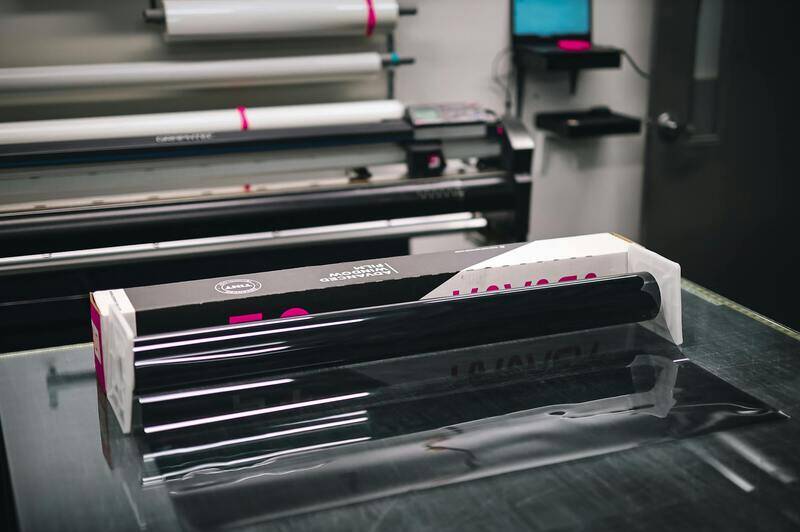
The choice of materials, such as gloss, matte, or textured finishes, impacts durability and appearance. Premium materials like vinyl or canvas provide weather resistance and longevity, which are more costly compared to standard paper. Finishing details, including lamination, mounting, or framing, elevate the presentation but also increase expenses. Each finish offers unique benefits, like surface protection or ease of handling, which should align with the poster's intended environment.
Color Printing vs. Black and White
Full-color posters involve multiple ink layers and require high levels of detail, making them more expensive than single-color or black and white options. The vibrancy and resolution of colors also influence cost; high-quality, vibrant images with precise color matching will generally result in higher printing fees. Conversely, monochrome posters are a cost-effective choice when color branding or visual complexity is not essential.
Bulk Printing and Cost Efficiency
Ordering large quantities of posters typically reduces the unit price, owing to setup efficiencies, material discounts, and streamlined production processes. Bulk orders are ideal for campaigns, events, or organizations aiming for consistent branding. Planning ahead for larger orders can lead to significant savings while ensuring uniform quality across all posters.
Additional Services Impacting Prices
Value-added services like custom mounting, UV coating, embossing, or framing enhance the final product's aesthetics and durability but contribute to increased costs. These enhancements are particularly beneficial for outdoor displays or high-traffic areas, where protective features prolong the poster's lifespan and improve visual appeal. Considering these services depends on the specific application requirements and budget constraints.
Estimated Price Ranges for Poster Printing in Singapore
Pricing for poster printing varies based on size, material, and volume. Standard-sized posters, such as A2 or 24x36 inches, generally range from SGD 20 to SGD 50 per piece in small quantities, with discounts available for bulk orders. Larger custom sizes or premium materials can escalate costs to SGD 100 or more per poster. For high-quality finishes and additional services, the price may increase by up to 50%. Clients should request detailed quotes from reputable print service providers to compare options effectively and secure optimal value.