Understanding Large Photo Prints
Big prints of photos are an exceptional way to showcase your imagery with vivid detail and impressive scale. These enlargements are typically used for creating impactful visual displays in homes, galleries, offices, or public venues. The core component of a large photo print is its size, which usually begins at 24 inches on the shortest side and can extend well beyond 60 inches, depending on the desired effect and space constraints. Common formats include wall murals, panoramic prints, and banner-sized images, each tailored to specific environments and aesthetic preferences.
In the printing industry, standard large photo print sizes often range from 24x36 inches to 48x72 inches and larger. Custom dimensions are also prevalent, allowing for precise alignment with the intended display area. The format may be in a portrait or landscape orientation, depending on the composition and orientation of the original image. The materials used for large photo printing vary, offering different textures, finishes, and durability levels to suit both indoor and outdoor applications.
Creating big photo prints requires an understanding of several critical factors, including resolution, image quality, and media selection. Achieving a sharp, vibrant result hinges on high-resolution images, generally recommended to be at least 150–300 DPI at the final print size. Other considerations include aspect ratios, which preserve the integrity of the original composition when scaled up, and the type of output—whether it’s meant to be a permanent installation, a temporary display, or a promotional banner.

Choosing the right size and format depends not only on aesthetic objectives but also on the viewing distance. Larger prints are often designed for viewers to observe from afar, emphasizing clarity and vibrant color reproduction. This balance between physical dimensions and visual detail is crucial in planning a successful large-scale photo display. As technology advances and printing equipment becomes more sophisticated, options for material types and finishes expand, providing endless possibilities to create stunning visuals from your favorite photos.
Materials and Substrates for Big Photo Prints
When producing large photo prints, the choice of material significantly influences the final appearance, durability, and suitability for various environments. Different substrates cater to diverse aesthetic preferences and functional needs, ranging from indoor decorative pieces to outdoor advertising banners.
Among the most popular options are:
- Canvas: Ideal for artistic displays, canvas provides a textured, gallery-like finish. It’s stretchable, lightweight, and can be framed easily, making it suitable for interior décor. Canvas prints retain a classic, timeless look and are resistant to fading when properly treated.
- Acrylic: Known for its sleek, modern appearance, acrylic prints offer high clarity and vibrant color reproduction. The glossy surface enhances depth and contrast, making images pop. Acrylic is durable and resistant to weather elements, suitable for both indoor and outdoor installations.
- Vinyl: Frequently used for banners and signage, vinyl is a flexible, weather-resistant material that maintains color vibrancy outdoors. It’s easy to install and remove, often used for promotional purposes or temporary displays.
- Paper and Fine Art Papers: For high-resolution photographic reproductions, especially in controlled environments, fine art papers provide a rich, textured surface. While excellent for gallery-quality displays, they may require additional protective coatings for outdoor use.

Deciding on the appropriate material involves considering the intended display environment, desired aesthetic, and longevity. For example, a vibrant outdoor billboard benefits from vinyl or weather-resistant materials, while an elegant interior piece might be best rendered on canvas or fine art paper. Advances in printing technology now allow for a vast range of finishes, from matte to high-gloss, each contributing different visual effects and protective qualities.
Choosing the Right Printing Technology
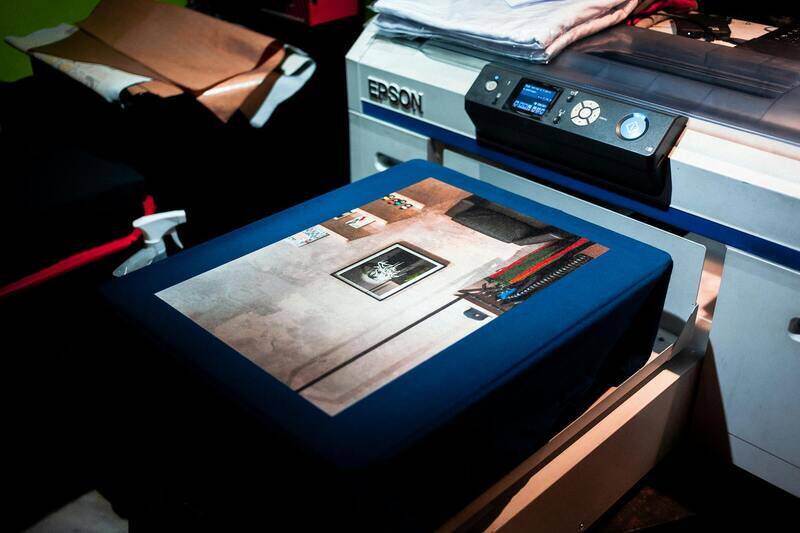
Big photo prints are created through various printing technologies, each offering specific advantages concerning color accuracy, resolution, speed, and material compatibility. The primary methods include:
- Inkjet Printing: The most prevalent method for large-format printing, inkjet technology utilizes high-quality inks to produce vibrant and detailed images. Recognized for its precision and ability to handle wide media, it’s suitable for high-resolution photographic reproductions on various substrates.
- Solvent and Eco-Solvent Printing: These techniques employ solvent-based inks that enhance durability and weather resistance, making them excellent choices for outdoor displays like banners and signage.
- UV Printing: Utilizing ultraviolet light to cure inks instantly, UV printing allows for printing directly onto a wide range of surfaces with high clarity and durability. It is particularly useful for innovative applications involving non-traditional substrates.
Understanding the technical differences between these printing methods helps in selecting the optimal process based on image requirements and environmental considerations.
Techniques for Achieving High-Quality Big Photo Prints
When producing large-scale photo prints, selecting the appropriate printing technique is essential to ensure optimal quality, durability, and visual impact. Different methods cater to specific needs, whether for indoor displays, outdoor signage, or artistic installations.
Inkjet printing remains the dominant choice for high-resolution photographic reproductions on a variety of substrates. Utilizing advanced piezoelectric print heads and pigmented archival inks, this technique provides extraordinary detail and color fidelity. Wide-format inkjet printers can produce prints exceeding several meters in width, accommodating expansive wall displays or banners seamlessly.

For outdoor applications such as billboards or signage, solvent and eco-solvent printing technologies offer superior resilience. These methods use solvent-based inks that are resistant to fading, moisture, and environmental pollutants, extending the lifespan of the print in harsh conditions. UV printing is another versatile technique, curing inks instantly with ultraviolet light, resulting in prints that are highly resistant to scratches, UV rays, and weathering. It is particularly advantageous for printing directly onto unusual or textured surfaces, offering flexibility in application.
Each of these methods provides distinct advantages; inkjet is unparalleled for fine detail and color accuracy, solvent printing excels outdoors, and UV printing offers quick turnaround and material versatility. Understanding these differences enables precise selection based on the intended display environment and longevity requirements.
Essentials of Color Fidelity and File Preparation
Achieving true-to-life colors in large photo prints hinges on meticulous color management and proper file preparation. Industry-standard color calibration processes ensure that the colors displayed on the screen accurately translate to the printed output. This process involves calibrating monitors with specialized hardware and utilizing color profiles within editing software to maintain consistency.
When preparing files, high-resolution images should be used, with a recommended resolution of at least 150-300 dpi at the final printed size. Files should be formatted in suitable formats such as TIFF or high-quality JPEGs, with embedded color profiles. It’s vital to work in the correct color space—typically Adobe RGB or CMYK—to preserve color accuracy during the printing process.
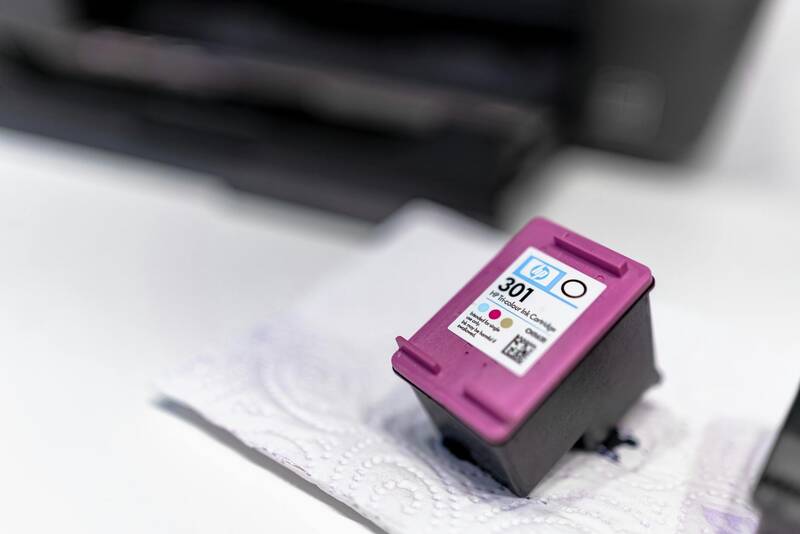
Additionally, designers and photographers should avoid upscaling images too drastically, as this can lead to pixelation. Instead, using original high-quality files with ample pixel data ensures sharpness and detail retention when enlarging images for big prints.
Choosing the Right Printing Technology for Large Photo Prints
When it comes to creating impactful large photo prints, selecting the appropriate printing technology plays a crucial role in achieving the desired visual outcome. Different printing methods offer unique advantages suited to various display environments, durability requirements, and budget considerations. Understanding these technologies empowers clients to make informed decisions that best match their specific needs.
Wide-Format Inkjet Printing
Among the most popular options for producing big prints of photos, wide-format inkjet printing is renowned for its ability to render exceptional detail, smooth color gradations, and vibrant hues. This technology employs large industrial printers equipped with high-quality ink sets—often including lightfast and archival inks—that provide durability and color accuracy. Inkjet printing is especially suitable for indoor displays such as galleries, exhibitions, or professional presentations, where fine detail reproduction and color fidelity are paramount.
Advantages of Wide-Format Inkjet Printing
- High-resolution output ensures sharp details even at large sizes
- Color depth and consistency achieved through advanced ink formulations
- Compatibility with a broad range of substrates, including fine art papers and canvases
- Archival ink options ensure longevity for long-term displays
Solvent and Eco-Solvent Printing
For outdoor applications or environments with high exposure to elements, solvent and eco-solvent printing are highly effective. These methods utilize solvent-based inks that penetrate the substrate, resulting in water, scratch, and UV-resistant prints. They are ideal for large banners, billboards, and outdoor signage, where durability and weather resistance are critical.
Benefits of Solvent Printing
- Exceptional outdoor resilience with vibrant color output
- Quick-drying inks facilitate faster production turnaround
- Suitable for a variety of rigid and flexible materials, including vinyl, banner fabrics, and plastics
- Cost-effective for large-scale outdoor advertising
UV Printing
UV printing offers distinct advantages for producing large photo displays on diverse substrates. This process involves applying UV-sensitive inks that are instantly cured under ultraviolet light, resulting in vibrant, highly detailed images on rigid or flexible surfaces. UV printing is appreciated for its rapid turnaround times, ability to print on unconventional materials, and producing displays with enhanced durability.
Key Features of UV Printing
- Immediate curing ensures fast production schedules
- Ability to print on curved, irregular, or textured surfaces
- High impact color saturation and image sharpness
- Excellent for custom art installations and versatile display formats
Summary of Technology Selection
Each printing technology offers specific benefits aligned with display conditions, substrate preferences, and durability necessities. Wide-format inkjet remains the preferred choice for high-detail indoor displays, while solvent-based printing excels in outdoor environments requiring weather resistance. UV printing provides versatility across numerous surfaces and rapid production, making it suitable for both artistic and commercial large-format projects.
Understanding Large Photo Prints
Creating impactful big prints of photos requires meticulous attention to the choice of materials, printing methods, and technical considerations to ensure stunning results. Large photo prints serve as focal points in various settings, from gallery exhibitions and corporate lobbies to outdoor advertising displays. To achieve the best visual impact, it is essential to understand the nuances of producing large-format images that are both visually arresting and practically durable.
Material Selection for Big Photo Prints
The foundation of any impressive large photo print is the selection of appropriate materials and substrates. Typically, photographers and clients opt for options tailored to the display environment and longevity requirements:
- Photo Paper: For indoor displays, high-quality photographic paper with a matte, gloss, or semi-gloss finish offers excellent color accuracy and sharpness. Large-scale prints on photographic paper benefit from enhanced details and rich color depth.
- Canvas: Canvas media provides a textured, artistic feel, making it a popular choice for gallery-quality displays. Prints on canvas can be stretched or framed directly, imparting a classic aesthetic.
- Vinyl and Banner Fabrics: Suitable for outdoor or large event banners, vinyl and fabric substrates are flexible, durable, and resistant to weather elements. These materials are often used for promotional displays, signage, and outdoor murals.
- Rigid Substrates: Materials like dibond, foam board, acrylic, and plexiglass are ideal for mounting large photos in settings requiring structure and durability. These surfaces support vibrant printing with a modern, sleek finish.

Printing Techniques for Large Photo Quality
The quality of a big photo print heavily depends on the printing technology employed. Accurate rendering of colors, fine details, and smooth gradations are essential for professional-grade results. Several state-of-the-art printing methods are suited for large photo formats:
- Large-Format Inkjet Printing: This method offers high resolution and exceptional detail, making it suitable for indoor displays and fine art reproductions. Advanced inkjet printers utilize wide-format printers capable of handling large rolls of photo media, delivering sharp images with consistent color fidelity.
- UV Printing: UV technology involves applying inks that cure instantly under ultraviolet light. This process is versatile, allowing printing directly onto rigid or textured surfaces such as acrylic, metal, or textured plastics. UV printing enables vivid images with excellent durability for both indoor and outdoor displays.
- Solvent and Eco-Solvent Printing: These techniques are optimal for outdoor banners and signage, providing weather resistance and color vibrancy. Solvent inks penetrate the material, offering longevity under exposure to sun, rain, and wind.

Technical Considerations for Large Photo Printing
Executing large photo prints involves specific technical considerations, including resolution, color management, and file preparation:
- Resolution: To avoid pixelation at large sizes, images should be prepared at a minimum resolution of 150-300 DPI at final print dimensions. Higher resolutions ensure sharpness and clarity for close viewing distances.
- Color Calibration: Precise color management ensures that the printed output matches the intended hues. Utilizing calibrated monitors and color profiles aligned with the printing method helps maintain color fidelity across different devices and mediums.
- File Formats: High-quality, uncompressed formats such as TIFF or PSD are preferred for large prints. These formats preserve image details and facilitate color management workflows.

Mastering these aspects, from material choice to technical precision, ensures that large photo prints are not only visually stunning but also enduring. Working closely with professional printing providers facilitates adherence to best practices, ultimately delivering images that captivate and inspire in any display environment.
Proper Material Selection and Handling for Big Photo Prints
When creating large photo prints, selecting the appropriate material is fundamental to achieving a stunning final result. Different substrates offer unique advantages, influencing the durability, appearance, and suitability of the print for specific environments. Common options include vinyl, canvas, aluminum, acrylic, and fabric banners, each with their distinct characteristics.
Vinyl is widely used for outdoor banners and large signage because of its robustness and weather resistance. It can withstand exposure to sunlight, rain, and wind without significant deterioration, making it ideal for long-term outdoor displays. Canvas prints, on the other hand, provide a textured, artistic look perfect for interior decor, offering a sophisticated sheen and depth to the image.
Aluminum and acrylic substrates are increasingly popular for modern, high-end displays. Aluminum panels are lightweight, corrosion-resistant, and offer a sleek, contemporary aesthetic. Acrylic prints provide vibrant color reproduction with a glossy finish that enhances image richness and contrast. Fabric substrates are highly versatile, suitable for both indoor and outdoor use, with the added benefit of being lightweight and portable.
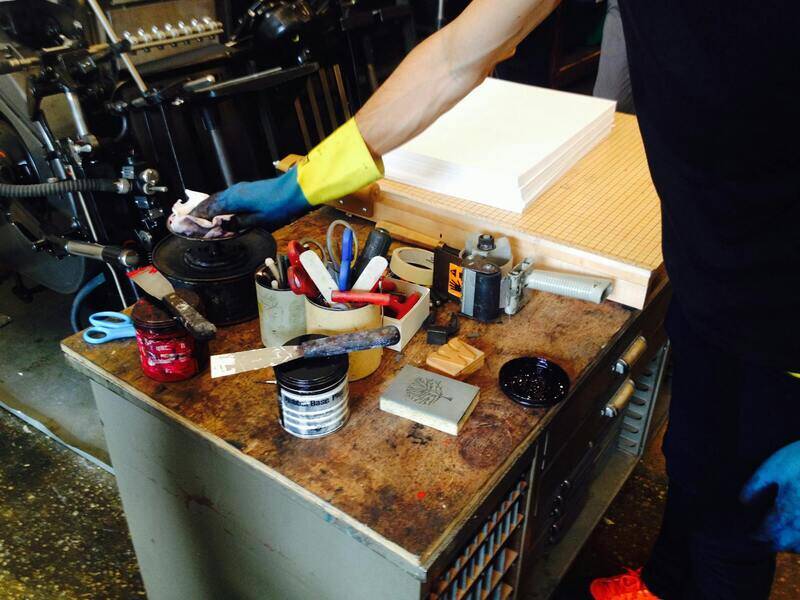
Handling large photo prints properly is essential to maintain quality from production to installation. During transportation, large prints should be secured to prevent bends, creases, or scratches. Protective films or coverings can be applied to surfaces to shield them from dust and minor damages. Storage should be in a dry, temperature-controlled environment to preserve the integrity of the print and substrate.
Techniques for Mounting and Displaying Large Photo Prints
Proper mounting techniques not only enhance the visual appeal but also contribute to the longevity of large prints. Methods such as floating frames, direct wall mounting with adhesives, or tension systems provide stability and a professional appearance. For outdoor settings, weatherproof mounting hardware and sealing edges mitigate exposure to elements.
High-quality framing, with attention to alignment and flatness, ensures that large photos are presented without warping or sagging. Additionally, lighting plays a crucial role in highlighting details and creating impact. Strategic placement of accent lights or backlighting can significantly elevate the overall presentation.
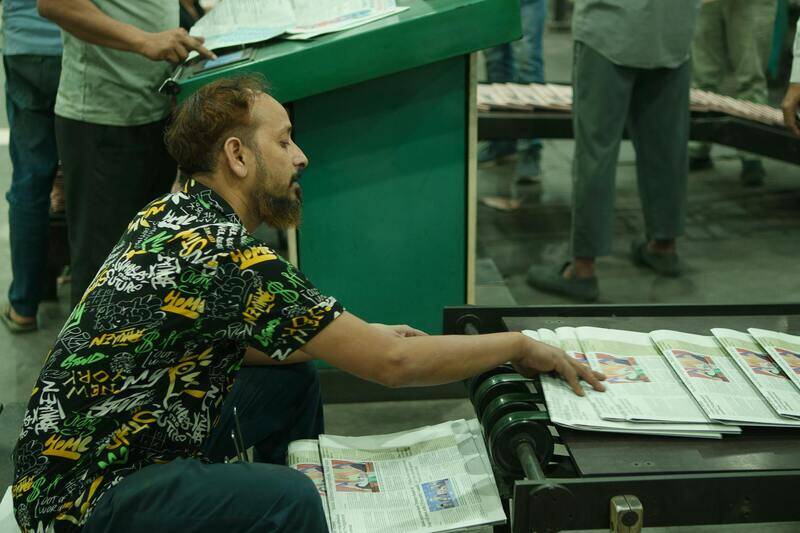
In summary, meticulous selection of materials, careful handling, and professional mounting are vital components of producing big prints of photos that are visually captivating and resilient over time. Collaborating with experienced printing and installation specialists ensures the final display achieves the desired aesthetic and functional standards, making your investment in large-format photography truly stand out.
Understanding Large Photo Prints
Creating impactful big prints of photos requires attention to specific considerations that go beyond standard-sized prints. When enlarging images to display on a grand scale, the choice of materials, printing technology, and design elements all influence the final quality and durability. Proper planning ensures that each print not only captures vivid details but also maintains its integrity over time, whether for indoor or outdoor displays.
Materials and Substrates for Big Photo Prints
The selection of materials and substrates forms the foundation of a high-quality large photo print. Common options include vinyl, canvas, and acrylic, each offering distinct visual effects and environmental resilience. Vinyl is versatile, weatherproof, and ideal for outdoor banners or signage. Canvas provides a textured, artistic appearance that enhances photographic detail, suitable for interior decor. Acrylic prints deliver a sleek, modern aesthetic with vibrant color reproduction, making them popular for gallery displays or upscale settings.
Additional considerations involve choosing substrates that support the intended display environment. For outdoor use, materials with UV resistance and waterproof properties prolong lifespan. Indoor applications benefit from substrates that offer sharp color fidelity and surface smoothness. Thickness levels and finishing options, such as matte or gloss, further customize the visual impact and tactile feel of the print.
Choosing the Right Printing Technology
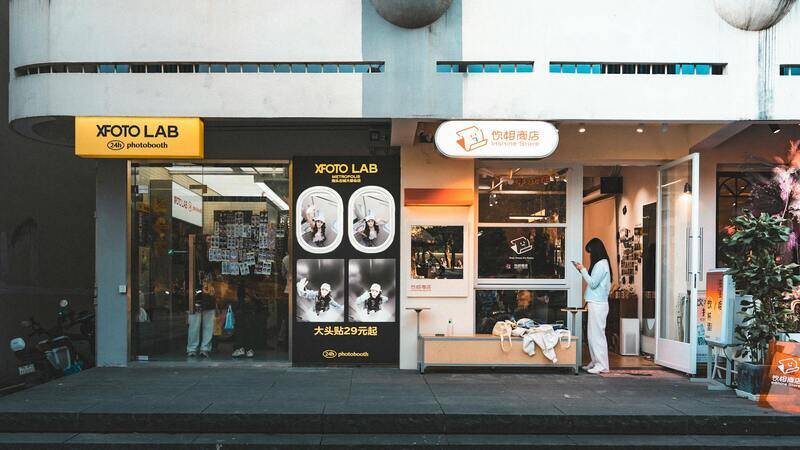
Advanced printing technologies are fundamental to achieving crisp, vibrant large photo prints. Inkjet printing, especially with ultra-high-resolution printers, remains the preferred method for reproducing photographic detail at large scales. Pigment-based inks enhance color longevity and resistance to fading, making them suitable for long-term display. Large-format printers designed to handle wide media allow seamless, high-quality output without visible joins or imperfections.
Digital processing plays a crucial role in maintaining image fidelity. Color profiles, image sharpening, and density adjustments should be carefully managed to ensure that the printed output closely matches the original digital file. Some printers utilize UV-curable inks that provide immediate build-up of the print and durability in outdoor conditions, ideal for banners or signs exposed to the elements.
Design and Resolution Considerations
When preparing images for big prints, resolution is a critical factor. To achieve a sharp and detailed result, images should ideally be rendered at a minimum of 150-300 DPI (dots per inch) at the final print size. For extremely large displays, a lower DPI may be acceptable if the viewing distance is considerable, such as in murals or billboards. It is essential to work with high-resolution files, preferably in RAW or TIFF formats, to retain maximum detail during printing.
Design considerations include ensuring proper aspect ratios, maintaining essential visual elements within the safe margins, and avoiding compression artifacts. Employing professional image editing tools for color correction, contrast enhancement, and noise reduction ensures that the final print is vibrant and true to the original artistic intent.
Color Calibration and Color Management
Accurate color reproduction hinges on effective color calibration and management processes throughout the workflow. Utilizing calibrated monitors during image editing guarantees that on-screen colors match the printed output as closely as possible. Color profiles specific to the printer, ink, and media are integrated into the workflow to facilitate consistent results across different projects.
Color management extends to proofing stages, where test prints verify color accuracy before committing to large runs. For critical displays, maintaining a controlled lighting environment during viewing helps assess the true color fidelity of the final product. Proper calibration ensures that your big photo prints convey intended hues, contrast, and tonal gradations, heightening their visual impact.
Preparation and File Formatting
Meticulous preparation of digital files is fundamental for achieving high-quality large photo prints. Files should be prepared at the final output size with appropriate resolution settings to prevent pixelation or blurring. Using lossless formats such as TIFF or high-quality JPEGs with minimal compression preserves image details. Color profiles should be embedded within files to maintain color accuracy.
Ensuring correct bleed areas and safe margins prevents crucial visual elements from being trimmed during mounting or framing. When submitting files, verify that all layers are flattened, and apply necessary sharpening for print. Additionally, including a color check or soft proofing step allows professionals to anticipate how the final print will appear and make adjustments accordingly.
Display and Installation Tips for Large Photos
Successfully displaying large photo prints involves careful planning and execution. Proper framing, mounting, and installation not only enhance the visual appeal but also ensure the durability and longevity of the artwork. Here are essential considerations to achieve an optimal presentation of your big photo prints.
Frame Selection and Matting
Choosing the right frame is critical to complement the image and the environment where it will be displayed. Opt for frames that match the style and color scheme of the space, while also providing sufficient support for the large print. Matting can add a professional touch by creating a visual buffer that emphasizes the photograph and prevents the print from directly touching the glass, reducing potential damage over time.
Mounting Techniques
Secure mounting methods are vital for large prints to prevent warping or sagging. Common options include:
- Adhesive Mounting: Utilizes archival-quality tapes or sprays that evenly adhere the print to a backing board, ideal for lightweight materials.
- Dry Mounting: Employs heat-activated adhesives, offering a flat appearance with minimal bubbles, suitable for rigid media.
- Floating Mounts: Allows the print to appear as if it is floating within the frame, adding depth and sophistication.
Professional installers often use specialized tools to ensure even adhesion and prevent wrinkles, especially for oversized formats.
Proper Hanging and Positioning
Accurate placement of large photo prints requires consideration of viewing height and ambient lighting. Use heavy-duty hardware designed for the weight and size of the piece, such as secure hooks, brackets, or cable hanging systems. Level tools help ensure the print is perfectly aligned. Positioning the print at eye level or slightly above maximizes visual impact and comfort for viewers.
Environmental Considerations
Environmental factors like humidity, temperature fluctuations, and direct sunlight can adversely affect large prints. To preserve the integrity of the photo, install it in a climate-controlled environment with minimal exposure to UV rays. Using UV-filtering glass or acrylic covers further protects the print from fading and damage.
Maintenance and Cleaning
Regular cleaning of the mounted print should be done with a soft, damp cloth or specialized cleaning products suitable for the framing materials. Avoid abrasive cleaners or solvents that could damage the surface. Periodic inspections ensure that mounting and framing remain secure and in good condition, preventing long-term issues.