Understanding Huge Picture Prints
Huge picture prints are large-scale visual representations created through advanced printing technologies, designed to produce high-resolution, vivid images on expansive surfaces. These prints are commonly utilized across a broad spectrum of industries, including advertising, interior design, event promotions, and corporate branding. Their ability to convey impactful visuals at impressive scales makes them ideal for transforming spaces and capturing attention in both indoor and outdoor environments.
In digital printing, size is a crucial factor that determines the method, material, and quality of the final product. Large-format prints often exceed standard printing dimensions, requiring specialized equipment capable of maintaining image clarity and color accuracy at significant sizes. From murals and billboards to exhibition backdrops and wall coverings, these prints serve as a powerful visual communication tool. They are designed to be both aesthetically appealing and durable, fitting the diverse needs of clients seeking to make a memorable visual statement.
Applications of huge picture prints are widespread:
- Advertising Campaigns: Large displays attract passersby and communicate brand messages effectively in public spaces.
- Interior Design: Companies and homeowners install sizable wall art to create focal points or enhance aesthetics.
- Event Decor: Banners and backdrops set the scene for conferences, trade shows, and celebrations.
- Outdoor Signage: Billboards and building wraps serve as prominent advertisements in urban landscapes.
- Exhibitions and Museums: Educational and promotional graphics displayed at large scales increase engagement and understanding.
Choosing the appropriate kind of print and material for these applications is essential to achieving desired visual impact and durability. The choice depends on the placement, exposure to elements, and longevity requirements, which are critical considerations when planning such projects. The next sections will explore the printing technologies, material options, and design strategies to ensure optimal results for huge picture prints.
Understanding Huge Picture Prints
Creating impressive large-format images involves selecting appropriate printing methods and materials that can handle the scale while delivering vivid colors and sharp details. Whether intended for murals, billboards, or interior wall art, these prints serve as compelling visual tools capable of transforming spaces and conveying messages with maximum impact. Achieving quality results at such sizes demands careful consideration of the printing process, material choice, and final installation to ensure durability, color fidelity, and a seamless appearance.
The process begins with high-resolution digital files that are optimized for large-scale reproduction. These files must be prepared with attention to resolution, color profiles, and bleed regions to prevent degradation of quality when enlarged. Professional printing services utilize specialized equipment that can accommodate the enormous dimensions involved, maintaining precision and consistency across the entire display.
Successful large-format printing hinges on understanding the specific application context. Indoor installations may prioritize visual clarity and aesthetic appeal, while outdoor applications require weather-resistant materials and inks that withstand exposure to UV rays, moisture, and temperature fluctuations. The importance of high-quality inks cannot be overstated, as they contribute significantly to color accuracy, longevity, and resistance to environmental factors.
Application-Specific Considerations
- Indoor Displays: Emphasize color accuracy and detail, often using matte or satin finishes to reduce glare.
- Outdoor Banners and Signage: Require weatherproof materials with UV-resistant inks to prevent fading and damage from the elements.
- Exhibition Wall Coverings: Focus on vivid colors and large-scale uniformity to create immersive environments.
Additionally, the choice of mounting or installation method impacts the overall appearance. Techniques such as seamless wallpaper installation, tensioning systems for expansive banners, or modular framing for murals ensure that the end presentation appears smooth and professional. The next sections will delve into the different printing technology options suited for high-quality large images, ensuring clients understand which methods best match their project requirements.
Understanding Huge Picture Prints
Creating large-format visuals that captivate viewers and effectively convey a message requires a comprehensive grasp of the printing process, material selection, and application nuances. The scale of these prints often demands meticulous attention to detail from pre-press preparations to installation. Ensuring sharp resolution, consistent color reproduction, and durability are integral aspects that determine the overall success of a huge picture print.
These prints serve a variety of purposes, including branding, advertisement, interior decor, and event backdrops. The physical dimensions can vary significantly, from expansive wall murals in commercial spaces to towering outdoor banners. Achieving the desired visual impact involves selecting the appropriate printing technology, substrate, and finishing techniques tailored to the specific environment and usage expectations.
Understanding the unique characteristics and challenges associated with large-scale printing allows professionals to deliver results that meet clients' expectations. Superior image resolution, color fidelity, and material resilience are essential elements that elevate a simple print into a striking visual statement.
Types of Printing Technologies for Large Images
Different large-format printing methods employ advanced technologies suited for diverse applications and material compatibilities. Some of the most prominent techniques include:
- UV Printing: Ideal for rigid surfaces like acrylic, glass, or wood, providing vibrant colors and high durability.
- Solvent and Eco-Solvent Printing: Popular for outdoor banners and signage due to their resistance to weather and UV rays.
- Latex Printing: Known for its eco-friendliness, flexibility, and excellent color range, suitable for both indoor and outdoor displays.
- Sublimation Printing: Best for fabric-based materials, allowing for soft, flexible, and highly detailed images.
- Latex and Eco-Solvent Hybrid Methods: Combining features for versatile applications with enhanced durability and high-quality finishes.
Choosing the right technology depends on factors such as the intended environment, material, image quality requirements, and budget. Advancements in digital printing continue to expand the possibilities for large picture reproduction, offering ever-increasing fidelity and material options.
Sample of a vibrant wall mural created through large-format printing techniques
In summary, selecting an appropriate printing technology aligned with the project's goals and environmental conditions is crucial. Working with experienced providers ensures optimal outcomes, from color calibration to material selection, resulting in large-scale images that truly stand out and endure over time.
Preparation and File Setup for Huge Prints
Creating breathtaking large picture prints begins long before the printing process itself. Meticulous preparation and proper file setup are vital to ensure the final result meets expectations in terms of resolution, color fidelity, and overall quality. The primary goal is to optimize digital files so they can be enlarged without sacrificing detail or clarity.
First and foremost, high-resolution images are essential. For large-format prints, a minimum resolution of 150 DPI at the final print size is recommended, but 300 DPI ensures even greater detail, especially for closer viewing distances. When working with digital images, always start with the highest quality source files. Capture or obtain images in formats that retain maximum detail, such as TIFF or RAW files, before converting to print-ready formats.

File dimensions must be adjusted to match the intended output size. This involves resampling images to appropriate pixel dimensions. Avoid excessive downscaling, which can result in loss of image sharpness; likewise, enlarging low-quality images can cause pixelation and blurriness. Professional image editing tools like Adobe Photoshop or Illustrator facilitate precise resizing, sharpening, and color management.
Color calibration is equally critical. Use color profiles, such as Adobe RGB or sRGB, compatible with printing devices, to maintain color consistency. Embedding ICC profiles ensures color accuracy across different devices and media, minimizing discrepancies between the designed image and the printed output.
To prepare files effectively, convert images to the printing device’s preferred format and color profile. Save layered files separately to facilitate future adjustments. Keep a detailed record of the intended print size, resolution, color settings, and file formats to streamline the printing workflow.
Additionally, verify that the file contains sufficient margin or bleed areas for trimming, especially for edge-to-edge prints like murals or wallpapers. This prevents unwanted white borders and ensures the image extends seamlessly to the edges of the material.
Consult with your printing service for specific file requirements, including preferred DPI, color profile, and file format, to avoid last-minute issues. Discussing these technical aspects upfront guarantees the seamless transition from digital design to physical masterpiece.
Understanding Huge Picture Prints
Huge picture prints serve as impactful visual statements in various settings, ranging from commercial displays and corporate branding to public art installations and interior decor. These expansive images are meticulously produced to retain sharpness and clarity despite their large dimensions, making them suitable for eye-catching displays that command attention. The process involves translating high-resolution digital images into physical formats capable of covering vast areas without losing detail or vibrancy, ensuring the final piece maintains visual integrity and aesthetic appeal. Such prints can transform plain walls into dynamic showcases, fostering brand recognition, creating immersive environments, or accentuating architectural features.

Types of Printing Technologies for Large Images
When creating huge picture prints, selecting the appropriate printing technology is essential for achieving optimal results. The primary methods employed include:
- UV Printing: Utilizes ultraviolet light to instantly cure inks, allowing for vibrant, durable prints on a wide range of materials including acrylic, metal, and wood. UV printing is ideal for outdoor applications, providing resistance against weather and UV fading.
- Solvent and Eco-Solvent Printing: These technologies use solvent-based inks that penetrate surfaces to produce vivid colors with excellent outdoor durability. Eco-solvent options emit fewer volatile organic compounds, making them safer for indoor environments while maintaining high image quality.
- Latex Printing: Incorporates water-based latex inks and is recognized for its flexibility, eco-friendliness, and suitability for a variety of substrates. Latex printing offers quick drying times, vibrant color reproduction, and excellent durability, ideal for banners, murals, and wall coverings.
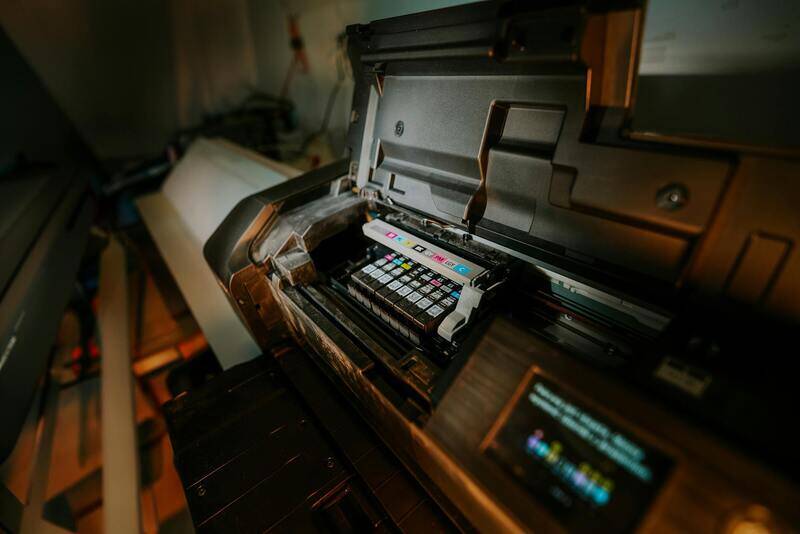
- Piezoelectric Inkjet Printing: Commonly used for high-resolution large-format prints, this technology provides precise control over ink droplets, resulting in sharp, detailed images suitable for fine art reproductions or detailed signage.
Each technology has its specific advantages, and the choice depends on factors such as substrate compatibility, intended application, environmental conditions, and budget. Collaborating with an experienced printing provider ensures the most suitable method is selected to meet the project's requirements.
Selecting the Right Material for Large Prints
Material selection plays a pivotal role in the durability and visual quality of huge picture prints. The right substrate must complement the intended environment, aesthetic preferences, and longevity expectations. Popular options include:
- Vinyl: Highly versatile and weather-resistant, ideal for outdoor banners, murals, and wall coverings. Vinyl substrates are available in matte, gloss, or semi-gloss finishes, providing flexibility in design presentation.
- Canvas: Offers a classic, textured surface suitable for fine art reproductions or interior decor. Canvas prints can be stretched on frames or affixed directly to walls, providing a sophisticated appearance.
- Backlit Films: Designed for illuminated displays, these materials enhance vibrant colors and sharp details when placed behind light sources, perfect for signage or visual displays with backlighting.
- Paper and Wallpaper: Suitable for indoor wall applications, these materials allow for seamless integration into interior design schemes, often requiring specific adhesives and installation techniques.
Choosing the right material entails assessing environmental exposure, durability needs, and the desired visual effect. Consulting with a professional printer helps determine the best substrate to achieve the intended outcome while ensuring longevity.

Design Considerations for Large-Scale Prints
Designing for huge picture prints requires a strategic approach to ensure that the final output is visually striking and technically sound. Key considerations include:
- Resolution: To prevent pixelation, designs must typically be prepared at a resolution of 150-300 DPI at the final print size. High-resolution images or vector graphics are essential for maintaining sharpness across large dimensions.
- Color Accuracy: Proper color management involves using calibrated monitors and embedding ICC profiles. Consistency between digital design and print output is vital for achieving the intended visual impact.
- Composition: Since large prints often serve as focal points, compositions should emphasize clear focal areas, balanced negative space, and visually engaging elements to maximize viewer attention.
- File Format and Size: Utilize high-quality, lossless file formats such as TIFF or PDF to preserve detail. Large file sizes are expected, and proper file management facilitates smoother production workflows.
- Margins and Bleeds: Incorporate sufficient margins and bleed areas into your design to accommodate trimming and prevent unwanted white borders on finished pieces.
Engaging with a professional designer or print service ensures technical specifications are met, resulting in a print that exceeds expectations in clarity, color fidelity, and overall presentation.
Preparation and File Setup for Huge Prints
Creating stunning large-format images begins long before the printing process; meticulous preparation of digital files is essential to ensure optimal quality and accurate reproduction. When preparing files for huge picture prints, it is important to adhere to specific technical guidelines that address resolution, color management, file formats, and layout considerations.
Resolution and Image Quality
To achieve sharp, detailed prints without pixelation, digital files should be prepared at a resolution of 150-300 DPI at the final print size. This generally means starting with high-resolution images or vector graphics that can scale without loss of quality. When enlarging photographs, ensure they are captured or scanned at the highest possible resolution. For graphics or illustrations, vector formats such as AI or EPS are ideal as they allow for infinite scaling while maintaining crisp edges.
Color Management and Accuracy
Consistent color output is critical for large prints, as the visual impact heavily depends on accurate and vibrant colors. Utilize calibrated monitors to view your design files, ensuring that colors are true to how they will appear when printed. Embedding ICC profiles in your files guarantees the color profiles are preserved throughout the printing process. Soft proofing in your design software allows you to simulate how colors will look once printed, helping to identify potential discrepancies early.
Choosing Appropriate File Formats
For large-scale prints, lossless file formats like TIFF or PDF are preferred because they retain maximum detail and prevent compression artifacts. These formats also support embedding color profiles and high-resolution data. When possible, avoid using lossy formats such as JPEG, which can introduce compression noise that diminishes image quality in the final output.
Design Layout and Margins
Designs intended for large prints should include safe margins and bleed areas. Margins prevent vital elements from getting trimmed during installation, while bleeds ensure that color or images extend beyond the trim line, eliminating unwanted white borders. Incorporate a bleed of at least 3-5 mm and verify that all crucial details are well within the safe zone.
File Management and Workflow
Given the substantial size and detail involved in huge picture prints, organizing your files systematically streamlines the production process. Maintain layered files for potential adjustments, and create multiple versions for proofing and approvals. Communicate effectively with the printing service to confirm that file specifications align with their equipment requirements.
Proper Installation and Display Techniques
Before finalizing the display, assess the environment where the large print will be showcased. Factors such as lighting, humidity, and proximity to direct sunlight can significantly impact the appearance and longevity of huge picture prints. Ensuring optimal conditions will maintain the vibrancy and integrity of the image over time.
Surface preparation is crucial for secure and flat mounting. Use appropriate adhesives, mounts, or framing methods tailored to the selected material. For instance, acrylic or glass framing not only protects the print but also enhances visual impact. Employing adjustable tension systems or secure hardware helps prevent sagging or warping, particularly for expansive displays.

When installing, ensure even distribution of weight and alignment to achieve a seamless and professional presentation. Employ level tools and guides for accurate placement, especially when dealing with multiple panels or complex arrangements. Adequate spacing around the print can contribute to a balanced aesthetic and ease of maintenance.
Monitoring the display periodically is also vital. Check for signs of deterioration, such as fading, warping, or physical damage. Regular cleaning using appropriate techniques and materials helps preserve the clarity and brightness of the image, prolonging the life of your huge picture print.
Advanced Tips for Large-Format Display Success
- Integrate lighting strategically to accentuate the print without causing glare or heat buildup.
- Use framing options that complement the design and environment, such as sleek modern frames or traditional wooden borders.
- Consider utilizing protective layers, such as UV coating or anti-reflective glass, for enhanced durability.
- Ensure adequate wall support systems are in place to handle the weight of large prints securely.
- Plan for future maintenance routines to keep the display looking its best over time.
Understanding Huge Picture Prints
Huge picture prints are impressive visual statements that require specialized techniques and materials to reproduce high-quality images on a large scale. These prints serve a variety of purposes, from transforming corporate environments and public spaces to creating stunning home galleries. When considering such large displays, meticulous planning and adherence to professional standards ensure that the final product remains vibrant, durable, and visually impactful.
Types of Printing Technologies for Large Images
Several advanced printing methods are utilized to produce large-scale images with crisp details and color fidelity. Key technologies include:
- UV Printing: Ideal for rigid surfaces like acrylic, metal, and wood, UV printing applies ultraviolet light to instantly cure the ink, resulting in vibrant colors and longevity.
- Solvent and Eco-Solvent Printing: Commonly used on vinyl and banner materials, these methods provide weather-resistant and durable outputs suitable for outdoor use.
- Giclée Printing: Employing high-quality inkjet technology, giclée offers excellent color accuracy and fine detail, perfect for artistic large-format reproductions.
- Dye Sublimation: Suitable for fabric-based prints, this process infuses dye into the material, creating vivid, wrinkle-free images with a soft finish.
Choosing the appropriate technology depends on the intended application, material preferences, and environmental exposure. Professional print providers often collaborate with clients to determine the method that best aligns with their aesthetic and functional requirements.
Selecting the Right Material for Large Prints
The durability and appearance of a huge picture print are heavily influenced by the substrate used. Some of the top options include:
- Vinyl Banners: Flexible, weather-resistant, and easy to install, ideal for outdoor advertising and temporary displays.
- Canvas: Offers a textured, artistic look suitable for gallery displays and interior decor, with options for stretching or framing.
- Acrylic Sheets: Provide a sleek, modern aesthetic with high gloss and excellent color vibrancy, often used for corporate or high-end art displays.
- Metal Panels: Heavy-duty and corrosion-resistant, perfect for industrial or outdoor environments where longevity is essential.
Material choice should balance visual intent, environmental conditions, and budget constraints. Consulting with a professional can help identify the best substrate for each specific application to maximize the lifespan and impact of the print.

Design Considerations for Large-Scale Prints
Creating effective large-format images involves thoughtful design strategies that ensure the visual message is clear and compelling at a distance. Critical factors include:
- Resolution: High-resolution files are essential to maintain clarity and detail, particularly when viewed from various angles.
- Color Management: Consistent color profiles and calibrations help achieve the desired vibrancy and accuracy across large surfaces.
- Element Scaling: Design visuals that are proportionally balanced and avoid clutter, ensuring key elements remain prominent.
- Viewing Distance: Adjust details and focal points in the design to suit the typical viewing distance, maximizing impact without unnecessary complexity.
Professional design and print services often provide pre-press consultations to optimize artwork for large format reproduction, ensuring every detail translates accurately to the final product.
Preparation and File Setup for Huge Prints
Proper file preparation is vital to achieving high-quality large images. Best practices include:
- Working with a high-resolution original, ideally at least 300 DPI when scaled to the final size.
- Using vector graphics for logos and text to maintain sharpness regardless of size.
- Ensuring files are in the correct color mode, typically CMYK, to match printing standards.
- Flattening layers and removing unnecessary details that could affect file stability and processing speed.
- Consulting with the printing team to verify file specifications, bleed requirements, and color profiles.
Monitoring these steps guarantees that the final print aligns with the intended design and quality expectations, avoiding costly reprints or adjustments.
Installation and Display Techniques
Proper installation not only enhances visual appeal but also preserves the integrity of the huge picture print over time. Essential practices include:
- Utilizing secure mounting systems that distribute weight evenly and prevent sagging or warping—especially crucial for large or heavy materials.
- Applying precision leveling tools during installation to ensure alignment and symmetry across multiple panels.
- Installing in environments protected from extreme humidity, temperature fluctuations, and direct sunlight to prevent deterioration.
- Considering framing options that complement the artwork, such as minimalist frames for modern aesthetics or traditional wooden borders for classical styles.
- Employing UV-protective coatings or glass to shield against fading from ambient light exposure.
Cost Factors and Budgeting for Large-Scale Prints
Pricing for huge picture prints varies based on multiple variables, including size, material, complexity, and printing technology. Key elements influencing cost include:
- Material Choice: Premium substrates like acrylic or metal tend to have higher costs compared to vinyl or fabric options.
- Print Size: Larger dimensions require more ink and larger printing equipment, impacting the overall price.
- Design Complexity: Intricate visuals with detailed gradients or numerous color layers increase production time and expense.
- Finish and Mounting: Adding protective coatings, framing, or specialized hardware affects the total investment.
Budget planning should include allowances for professional design, material selection, and installation services. Partnering with experienced printing specialists ensures that expectations are met within a realistic financial framework, resulting in a visually stunning and durable large-format print.