Overview of Large Format Picture Printing
Large format picture printing refers to the process of creating high-quality, sizable images suitable for extensive visual displays. This technique is used to produce prints that can range from several feet to even larger dimensions, making it ideal for banners, wall murals, trade show displays, and decorative artwork. The primary goal of large format printing is to deliver crisp, vibrant images that retain detail and color fidelity when scaled up, ensuring visual impact and clarity regardless of the viewing distance.
One of the main advantages of large format picture printing is its ability to transform spaces and captivate audiences through impactful visuals. Businesses frequently utilize these prints for branding and marketing, enhancing their physical environment with eye-catching graphics that communicate brand identity or promotional messages effectively. In architectural and interior design, large prints serve as striking murals or feature walls, adding depth and character to interiors. Additionally, artists and photographers find large format printing invaluable for exhibitions, allowing them to showcase their work on a grand scale without compromising image quality.

Compared to traditional printing methods, large format printing often involves specialized equipment capable of handling wide media, such as roll-to-roll printers or flatbed printers, which provide flexibility in material choice and size. The growing demand for large, vibrant displays across sectors underscores the significance of this technology in contemporary visual communications. Consequently, many printing service providers have developed expertise in large format picture printing, ensuring they meet the high standards required for professional, impactful output. Whether for commercial, decorative, or informational purposes, large format prints are increasingly sought after for their ability to convert ordinary spaces into extraordinary visual experiences.
Materials Used in Large Format Printing
Choosing the right material is a critical factor in ensuring the durability, visual appeal, and suitability of large format picture prints. The selection depends on the intended application, environmental exposure, and desired finish. Common materials include vinyl, canvas, fabric, paper, and rigid substrates such as foam board, acrylic, and aluminum panels. Each material offers unique advantages that cater to different display environments and aesthetic preferences.
Vinyl remains the most popular choice for outdoor signage due to its weather resistance, flexibility, and ease of installation. It can be printed on with high-resolution images that retain clarity even at large scales, making it ideal for banners, billboards, and wall coverings. Canvas and fabric materials, on the other hand, are preferred for indoor applications such as art reproductions, gallery displays, and interior decor because of their textured finish that resembles traditional art mediums. These materials also have a superior ability to absorb inks, resulting in vibrant, detailed images with a tactile quality.
Rigid substrates like foam board and acrylic are often used when a sleek, polished look is desired. They are suitable for framed displays, directional signs, or point-of-sale visuals. Aluminum panels provide additional reinforcement, weather resistance, and a modern aesthetic, making them suitable for both indoor and outdoor environments demanding longevity and a contemporary appearance. Consideration of material properties like weight, cost, and ease of handling is vital in choosing the appropriate medium for a specific project.

Design Considerations for Large Format Prints
Creating compelling large format visuals involves meticulous design planning to leverage the full potential of the medium. Since these prints often serve as focal points, clarity, resolution, and visual impact are paramount. Designers must work with high-resolution images, typically at least 150-300 DPI at the final print dimensions, to avoid pixelation and ensure sharpness. Vector graphics are preferred for elements like logos and text that need to scale without loss of quality.
Color accuracy is another crucial aspect. Designers should ensure that their digital files are color-corrected and calibrated to match the printing process, which often involves specific color profiles such as CMYK. This pre-press preparation helps achieve the intended vibrancy and hue consistency in the final output. Additionally, bleed areas and margins must be accounted for in the design to prevent unwanted cropping and to ensure edge-to-edge coverage.
Designing for environmental factors is equally important. For outdoor displays, consider contrasts and bold colors that remain visible under varying lighting conditions. In interior settings, softer tones and detailed imagery can create a more inviting ambiance. The overall layout should complement the space and purpose, whether that’s advertising, art, or informational displays, making user experience and visual hierarchy essential components of the planning process.
Ensuring Accurate Color Reproduction
One of the critical components of large format picture printing is achieving true-to-life color accuracy. To accomplish this, it is essential to utilize calibrated color profiles such as CMYK during the file preparation stage. Proper color management ensures that the digital image matches the final output as closely as possible, maintaining vibrancy and hue consistency. Professionals often employ color calibration tools and software that align the display monitor’s output with the printer’s color gamut, reducing discrepancies. Using high-quality color substrates with certified color standards can further enhance reproducibility and maintain uniformity across multiple prints.

Precision in Image Resolution and File Preparation
For large format prints, image resolution plays a pivotal role in achieving sharp, detailed visuals. Images intended for printing should typically be prepared at a resolution of 150-300 DPI at the final print dimensions. This range ensures that the resolution is sufficient to prevent pixelation while avoiding unnecessarily large file sizes that could complicate the printing process. Preparing high-resolution source files with proper color corrections, embedding the necessary bleed areas, and carefully checking for any pixelation issues pave the way for premium output quality. When working with vector graphics, such as logos or typography, scalability without loss of quality allows for crisp edges and professional presentation at any size.
Material Selection and Substrate Compatibility
Choosing the right material is fundamental to the durability and visual impact of large format prints. Vinyl remains popular for outdoor applications due to its weather-resistant properties and ability to withstand environmental elements without fading or damage. Canvas and fabric substrates are often favored for art reproductions, interior decorations, and gallery displays, offering a textured aesthetic and vibrant color reproduction. Paper-based substrates, though less common for large outdoor banners, are suitable for indoor signage or art prints where fine detail and color richness are priorities. Each material interacts differently with ink types and printing techniques, thus necessitating careful matching to the intended environment and purpose.

Protective Coatings and Finishing Techniques
Post-print finishing is crucial in enhancing the longevity and aesthetic appeal of large format prints. Applying protective coatings like laminates or varnishes shields prints from scratches, UV rays, and environmental pollutants, particularly for outdoor displays. Glossy finishes highlight vibrancy and detail, while matte coatings reduce glare, improving visibility under bright lighting conditions. Additionally, mounting and framing options such as reinforced edges, grommets, and adhesives ensure secure installation and ease of handling. These finishing touches not only prolong the life of the print but also contribute to a professional, polished presentation suitable for various settings.
Adherence to Environment and Application Specifications
Environmental factors significantly influence the choice of printing techniques and materials. For outdoor applications, consider using weather-resistant substrates combined with UV-resistant inks to ensure the print withstands sun exposure, rain, and temperature fluctuations. For interior settings, softer materials and vibrant color profiles create appealing visual experiences. It is also essential to account for lighting conditions, viewing distance, and the ambient environment during the selection process. Tailoring the print to match specific functional and aesthetic requirements guarantees optimal impact and durability in its designated space.
Technical Aspects of Large Format Picture Printing
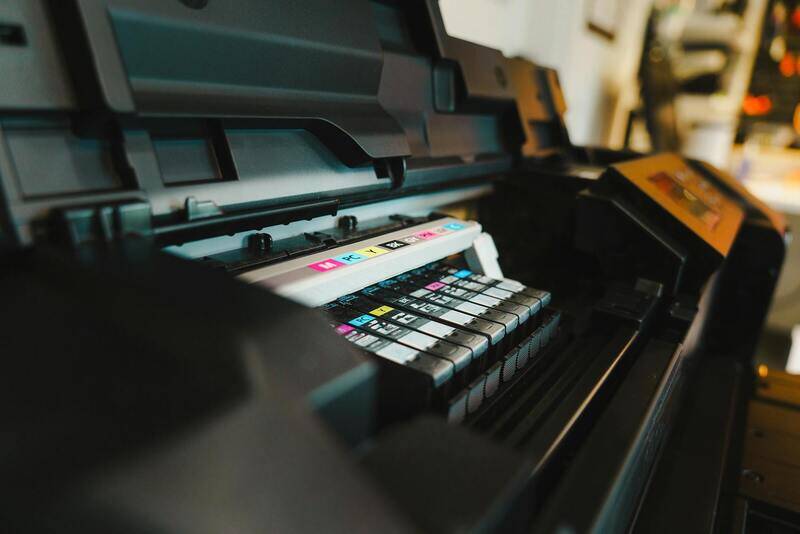
Understanding the primary methods employed for large format picture printing is essential for achieving high-quality, durable prints. The industry relies on several professional printing techniques, each with specific advantages suited to different types of projects. Notably, inkjet printing remains the most common and versatile method for producing vibrant, detailed images at large scales. This technique uses precisely controlled nozzles to deposit tiny droplets of ink onto the substrate, allowing for excellent color gradation and fine details. Recognized for its accuracy and wide color gamut, inkjet printing ensures that the final image closely matches the original digital file in both resolution and color fidelity.
Another prominent technology is solvent-based printing, which uses solvent or eco-solvent inks. This method produces prints that are highly resistant to environmental elements, making it ideal for outdoor advertising, banners, and signage. The inks penetrate the material, offering excellent durability and color vibrancy without the need for additional protective coatings. UV-curable printing is also gaining traction, utilizing ultraviolet light to instantly cure inks upon contact with the substrate. This process enables rapid production of high-quality images with excellent adhesion and resistance to scratching and fading, suitable for both indoor and outdoor displays.
- Solvent and Eco-solvent Printing: Offers weather-resistant outputs, suitable for large banners and posters.
- UV Printing: Allows for immediate curing, supporting diverse materials and complex print designs.
- Latex Printing: Incorporates water-based inks that combine environmental friendliness with durability, versatile for various media.
Choosing the appropriate printing technology depends on factors such as the intended use, environmental exposure, and desired durability. Experts in large format picture printing consider these aspects to recommend the optimal process that balances quality, cost, and lifespan. Additionally, precision quality control during the printing process ensures consistent results, maintaining color accuracy and sharp details across large surfaces. Regular calibration of printers and the use of high-quality inks and substrates further guarantee consistency and high performance for all large format projects.
Design Considerations for Large Format Prints
Creating impactful large format pictures requires meticulous design planning to ensure the final output meets both aesthetic and functional goals. Compatibility between artwork resolution and the physical dimensions of the print is fundamental; scaling an image without proper resolution can lead to pixelation and loss of detail. Designers should aim for a minimum of 150 dpi at the final print size to maintain clarity and sharpness, especially for intricate details or text-based images. Additionally, color management plays a crucial role in large format printing. Utilizing calibrated displays and color profiles ensures that the colors seen on digital files translate accurately to the printed piece, preserving brand consistency and visual appeal.
When preparing images, consider the viewing distance of the final piece. For large outdoor banners or signage meant to be seen from afar, slightly lower resolution files are acceptable, but finer details should be optimized for close-up views in indoor settings. It's also essential to evaluate the material on which the image will be printed, as different substrates can affect color vibrancy and texture. High-resolution vector graphics are preferred for logos and text, as they scale without loss of fidelity, providing crisp results regardless of size.
Incorporating bleed areas and margins in the design files prevents unwanted borders or cropping issues during the manufacturing process. For prints with complex images or multiple colors, collaborating with experienced print professionals can help optimize the design for material and technology compatibility, reducing production errors. Additionally, following best practices in file preparation—such as using CMYK color mode, embedding fonts, and keeping file sizes manageable—can streamline the printing process and minimize revisions.
Overall, strategic design planning ensures that large format pictures remain visually striking and durable, whether used for promotional banners, fine art displays, or architectural visualization. Attention to detail during the design phase translates into a seamless production process and a high-quality finished product that effectively engages its intended audience.
Maintenance and Longevity of Large Format Prints
Ensuring that large format pictures retain their visual appeal and durability over time requires a comprehensive understanding of proper maintenance methods and the factors influencing longevity. High-quality prints, when maintained correctly, can serve aesthetic and functional purposes for years, whether displayed indoors or outdoors.
Proper Handling and Installation
To preserve the integrity of large format prints, handling should be minimized to prevent scratches, smudges, and other damages. When installing, secure the prints with appropriate mounting hardware to avoid warping or sagging, especially for extensive displays. Using tools like gloves during handling reduces the risk of transferring oils or dirt that can degrade the material or affect print quality.
Environmental Considerations
The surrounding environment plays a significant role in a print's lifespan. Exposure to direct sunlight, high humidity, pollution, and temperature fluctuations can accelerate fading and deterioration. For outdoor applications, selecting weather-resistant materials and protective coatings is essential to enhance durability. Indoor prints should be placed away from direct sunlight or equipped with UV protectant varnishes to minimize fading.

Cleaning and Upkeep
Routine cleaning involves dusting with soft, dry cloths or brushes. For stubborn grime, lightly dampen a soft cloth with a mild, pH-neutral cleaner—avoiding abrasive cleaners or solvents that can damage surfaces or inks. Do not use excessive moisture, as it may seep into the material and cause peeling or bubbling. Regular inspection for signs of damage, such as peeling edges or fading corners, enables timely restoration or reprinting.
Material and Ink Compatibility
Understanding the materials and inks used in the printing process further influences the longevity of large format images. UV-curable and solvent-based inks tend to offer excellent resistance to environmental stressors. Additionally, laminated or varnished finishes provide an extra layer of protection against scratches, moisture, and UV rays. Selecting high-grade materials suited for particular display conditions maximizes the lifespan and preserves color vibrancy.
Restoration and Reprinting
Over time, some deterioration may be inevitable. Professional restoration services can address issues like color fading, surface abrasions, or minor tears. When restoration becomes insufficient, reprinting on the same or improved substrates ensures the continuity of visual impact. Maintaining detailed records of original print specifications helps achieve consistent results during reprints.
Effective maintenance practices not only extend the aesthetic appeal and utility of large format pictures but also maximize the return on investment for businesses and individuals alike. Prioritizing protective techniques, environmental awareness, and proper handling guarantees that these visual assets remain impactful over extended periods.
Maintenance and Longevity of Large Format Prints
Proper maintenance of large format images is essential to preserve their visual impact and structural integrity over time. Regular cleaning methods should be gentle, utilizing soft, lint-free cloths to remove surface dust and dirt without scratching the surface. For more stubborn spots, a slightly damp cloth with mild cleaning solutions designed for delicate surfaces is recommended. Harsh chemicals, abrasive cleaners, or excessive moisture should be avoided as they can degrade the print material and ink layers.
Monitoring environmental conditions is also critical. Fluctuations in temperature and humidity can cause expansion and contraction of the materials, resulting in warping or curling. Installing dehumidifiers or climate control systems can mitigate these effects, especially for indoor displays or spaces with variable climate conditions.
UV exposure is a significant factor influencing the longevity of large format prints. Continuous exposure to direct sunlight can accelerate fading and degrade inks over time. Positioning prints away from direct sunlight or employing UV-filtering glass or acrylic covers provides added protection. Additionally, applying protective coatings such as lamination or varnish enhances resistance to scratches, moisture, and UV rays, helping maintain vibrant colors and sharp details.

Handling large prints with care is vital to prevent damage during installation, transportation, or routine cleaning. Using support tools and proper lifting techniques avoids unnecessary stress on the material. For outdoor installations, consider anchoring methods that prevent wind or physical impact damage.
Long-term storage when the print is not on display also merits attention. Keeping prints flat in acid-free, humidity-controlled portfolios or storage boxes prevents warping and degradation. When storing, avoid exposure to direct sunlight, extreme temperatures, or high humidity, which can compromise the print integrity.
Emerging Trends and Future Developments
Advancements in ink formulations and printing technology continue to push the boundaries of large format picture printing. Innovations such as eco-friendly inks with vibrant color palettes and improved durability are becoming more widespread. Additionally, digital integration methods enable dynamic or interactive large-scale displays, merging static visuals with multimedia elements.
Researchers are also exploring nanotechnology coatings and self-healing materials that proactively address surface abrasions and micro-damage, significantly extending the lifespan of large format images. As environmental concerns increase, sustainable materials and processes are being prioritized, ensuring that large format printing aligns with eco-conscious standards without compromising quality.
Advanced Methods for Ensuring the Permanence of Large Format Prints
In the realm of large format picture printing, employing proper sealing and finishing techniques is essential for safeguarding visual quality over time. Clear coatings, laminates, and protective films serve as barriers against environmental stressors such as moisture, UV rays, and abrasions, significantly extending the durability of prints. These finishes can be matte, gloss, or satin, each offering unique aesthetic benefits while providing critical protection.

Aside from protective measures, regular maintenance practices contribute to the preservation of large format images. Gentle dusting with soft, non-abrasive cloths prevents the accumulation of dirt and debris that could cause surface damage. For prints displayed outdoors or in high-traffic areas, additional UV-resistant coatings provide a shield against fading caused by prolonged sunlight exposure.
When cleaning, it’s vital to use mild cleaning agents and avoid harsh chemicals that could degrade the printing materials or surface coatings. Minimizing handling and ensuring proper installation techniques reduce mechanical stress and potential distortions that compromise visual fidelity. Using support structures, such as backing boards or framing with UV-protective glass, further stabilizes the print and protects it from accidental damage.
Long-term storage is another critical aspect in maintaining large format pictures, especially when they are not on exhibit. Flat storage in archival-quality, acid-free portfolios prevents warping and minimizes exposure to damaging factors like light and humidity. Proper environmental controls—maintaining stable temperature and humidity levels—are crucial for preventing material degradation. Additionally, utilizing climate-controlled environments during storage ensures that the prints remain in optimal conditions, thus preserving their quality for extended periods.
Innovations in coating technologies, such as nanotechnology-based surface treatments, are advancing the field by offering self-healing and micro-repair features. These coatings can proactively address micro-scratches and surface abrasions, maintaining the integrity of large images even in challenging environments. The focus on sustainability is equally prominent, with eco-friendly coatings and biodegradable materials being developed to meet increasing environmental standards without compromising durability.
By integrating these advanced protective strategies, businesses and individuals can ensure that their large format images retain their vibrancy and structural integrity over years. Selecting appropriate sealing, handling with care during installation, and employing sustainable, innovative materials are key factors in maximizing the lifespan of large format prints. Continual advancements in materials science and application techniques promise to push the boundaries of what is achievable in large format picture longevity, offering exciting prospects for the future of visual presentation and display.