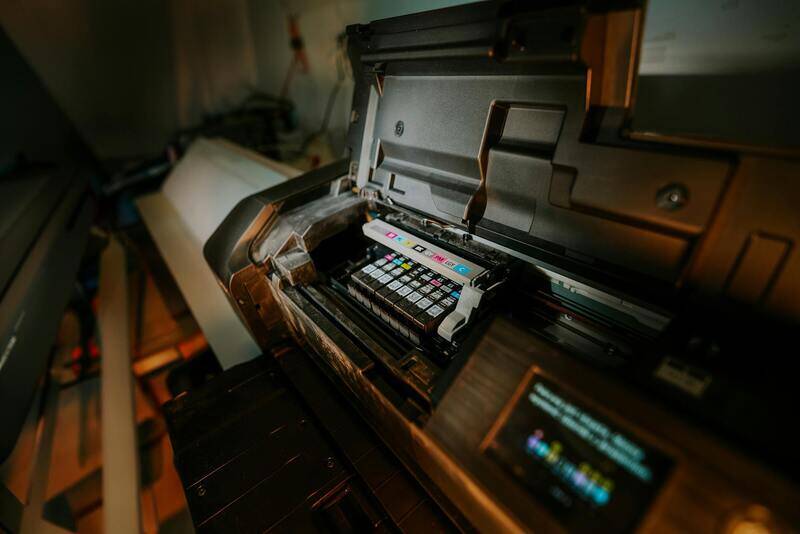
Overview of Large Size Printing Services
Large size printing services play a crucial role in the visual communication landscape across Singapore. These services are essential for creating striking banners, expansive wall murals, detailed posters, trade show displays, and other large-format visual assets that demand high-impact presentation. As businesses and organizations increasingly leverage visual marketing strategies, the demand for premium large size prints continues to grow, fueling innovation within the industry.
In Singapore, a hub for diverse industries including retail, hospitality, advertising, and corporate sectors, large size printing services offer an array of solutions tailored to meet specific branding and promotional needs. These services not only facilitate the production of eye-catching advertising materials but also support events, exhibitions, and interior decor projects with custom graphic solutions. The ability to produce vivid, high-resolution large prints helps brands stand out and communicate messages effectively in crowded environments.
Furthermore, the evolution of printing technology has enabled the production of larger, more detailed images with remarkable clarity and color accuracy. This advancement ensures that print outputs maintain visual integrity regardless of size, allowing businesses to make bold statements that resonate with their target audiences. As a result, large size printing services are vital for creating memorable impressions and enhancing brand visibility in a competitive market.

Industry professionals acknowledge that the success of large format prints hinges on not only the quality of materials and printing techniques but also on the precision of alignment, color consistency, and durability. These factors are paramount in ensuring that the final product aligns with client expectations and withstands environmental exposure when used outdoors or in high-traffic areas.
In conclusion, large size printing services are indispensable in Singapore’s dynamic commercial environment. They provide the tools necessary for impactful visual communication and branding efforts that can influence consumer perception, attract attention, and strengthen market presence. As such, investing in top-tier large printing solutions enables businesses to sustain competitive advantages and achieve their marketing objectives effectively.
Types of Large Size Printing Materials
When selecting suitable materials for large size printing, it is crucial to consider the specific requirements of the intended application, environmental conditions, and desired aesthetic outcomes. Each material offers distinct advantages, enabling businesses to optimize their visual impact and durability.
- Vinyl: Known for its robustness and flexibility, vinyl is widely used for outdoor banners, signage, and billboards due to its resistance to moisture, UV rays, and wind. It maintains color vibrancy over extended periods, making it an ideal choice for long-term outdoor displays.
- Fabric: Fabric prints provide a sophisticated and lightweight option, commonly used for indoor banners, backdrops, and trade show displays. They offer a refined texture and excellent color accuracy, and can be easily folded or transported.
- Paper: For smaller-scale or indoor applications such as posters and point-of-sale displays, high-quality paper remains a versatile choice. Specialty papers can enhance image sharpness, glossiness, or matte finish, depending on branding needs.
- Canvas: Canvas materials lend a gallery-like, artistic appearance suitable for decorative panels and promotional artwork. They are acid-free and designed for long-term preservation, making them popular in upscale retail and corporate environments.
Choosing the right material involves evaluating environmental exposure, lifespan expectations, and visual requirements. Proper material selection ensures that large format prints remain impactful and retain their quality throughout their usage period.

Printing Techniques and Technologies
Advancements in printing technology have significantly enhanced the precision, color fidelity, and speed of large format print production. Several key techniques are employed to produce high-quality outputs:
- UV Printing: This technique uses ultraviolet light to cure ink instantly on a variety of substrates. It allows printing on non-porous surfaces like acrylic, glass, and wood, resulting in vibrant colors and durable finishes.
- Solvent and Eco-Solvent Printing: Known for their durability and resistance to environmental elements, these techniques are ideal for outdoor signage and vehicle wraps. Eco-solvent options offer environmentally friendly alternatives with reduced VOC emissions.
- Latex Printing: Using water-based inks, latex printing provides flexibility, high image quality, and eco-friendly attributes. It is suitable for a wide range of materials, including fabrics and vinyl.
- UV Flatbed Printing: This method enables printing directly onto rigid surfaces such as foam boards, metal, and acrylic. It is widely favored for custom indoor signage and decorative panels due to its precision and finish quality.
Modern large format printers incorporate advanced color management systems and calibration protocols, ensuring color consistency and sharp details across various materials and print runs. Keeping pace with technological evolution allows businesses to execute complex designs with high precision and timely delivery.

Methods for Achieving Large Size Prints
Creating impressive large size prints requires selecting the appropriate printing method based on project specifications, material compatibility, and desired durability. Here are some of the most reputable and widely used techniques in the industry:
Direct-to-Substrate Printing
This method involves printing directly onto the surface of the material, such as foam boards, acrylic, or metal panels. Its advantages include high precision, sharp detail, and the ability to produce vibrant, full-color images. Devices like UV flatbed printers are typically employed for this purpose, ensuring that materials with varying thicknesses can be accommodated without sacrificing quality.
Solvent and Eco-Solvent Printing
Known for their resistant and weatherproof outputs, solvent-based printing methods are ideal for outdoor signage and vehicle wraps. Eco-solvent options offer a more environmentally conscious approach, producing less VOC emissions while maintaining excellent color vibrancy and long-lasting performance. These techniques enable large scale printing with durability that withstands harsh weather conditions, UV exposure, and physical wear.

Latex Printing
This technology employs water-based inks that are environmentally friendly and flexible, making it suitable for textiles, vinyl, and other flexible substrates. Latex printing produces high-resolution images with excellent color accuracy and a soft finish, making it a popular choice for banners, fabric displays, and trade show backdrops. Its ability to produce seamless large scale prints further enhances its versatility for various advertising needs.
UV Flatbed Printing
By curing ink instantly with ultraviolet light, UV flatbed printers allow for vibrant, high-definition prints directly onto rigid surfaces. This technique is widely used for custom interior signage, decorative panels, and art displays. It offers exceptional detail, precise color matching, and the ability to print on non-porous surfaces such as glass, wood, and metal, contributing to visually stunning large-scale visuals.
Emerging Technologies
The evolving landscape of large format printing introduces hybrid solutions that blend different techniques for optimized results. Multi-layer printing, holographic effects, and textured finishes are increasingly accessible, enabling designers and businesses to craft unique and eye-catching visuals that stand out in crowded markets.

In addition to the core techniques, advanced color management, calibration, and high-speed printing capabilities contribute significantly to maintaining consistency, quality, and efficiency. The integration of automation and digital workflows ensures that large size prints meet tight deadlines without compromising on visual appeal or durability.
Design Considerations for Large Size Prints
Creating impactful large format prints requires careful attention to various design elements to ensure visual clarity and aesthetic appeal. One of the most critical factors is resolution; high-resolution images (generally 150-300 DPI at the intended viewing distance) prevent pixelation and maintain sharpness even when scaled up significantly. It is essential to work with vector graphics for logos and text where possible, as they can be enlarged without loss of quality.
Color management plays a vital role in achieving consistent and vibrant visuals. Designers should utilize color profiles compatible with the printer’s capabilities, ensuring that the colors rendered on the final print match the intended palette. Proper calibration of monitor screens and proofing using spot color matching tools contribute to accurate color reproduction, which is especially crucial for branding and promotional materials.
High image quality is essential when preparing large prints because any imperfections become more noticeable as the print size increases. Images used in large-scale projects should be sourced or created in high-quality formats, avoiding low-resolution versions that can lead to blurriness or pixelation. Additionally, images should be optimized for print, considering the ambient lighting conditions where the visuals will be displayed. Bright and sharp visuals are more likely to draw attention and convey messages effectively.
Designers should also consider the viewing distance; elements that are viewed from a distance can have lower detail requirements but should still maintain overall clarity. Conversely, close-up details demand meticulous attention to fine details and color accuracy. Incorporating bleed areas, margins, and safe zones into the design layout helps prevent unwanted cropping and ensures that key visual elements remain intact in the final product.

Overall, adhering to these crucial design guidelines facilitates the creation of large size prints that are visually compelling, durable, and aligned with the intended messaging, maximizing impact across various applications.
Design Considerations for Large Size Prints
Creating impactful large size prints requires meticulous attention to design elements that optimize visibility, clarity, and engagement. One critical aspect is resolution; using high-resolution images ensures sharpness and prevents pixelation when printed at expansive sizes. Designers should work with vector graphics and high-quality raster images, adjusting resolution to match the final print dimensions, typically 300 dpi or higher for detailed visuals.
The layout should account for viewing distance, with foreground elements and textual information designed for readability from various angles. Incorporating sufficient contrast between background and text enhances legibility, especially in outdoor or well-lit environments. Key visual components should be strategically placed within the safe zones, avoiding edges prone to cropping or distortion during the printing and finishing processes.
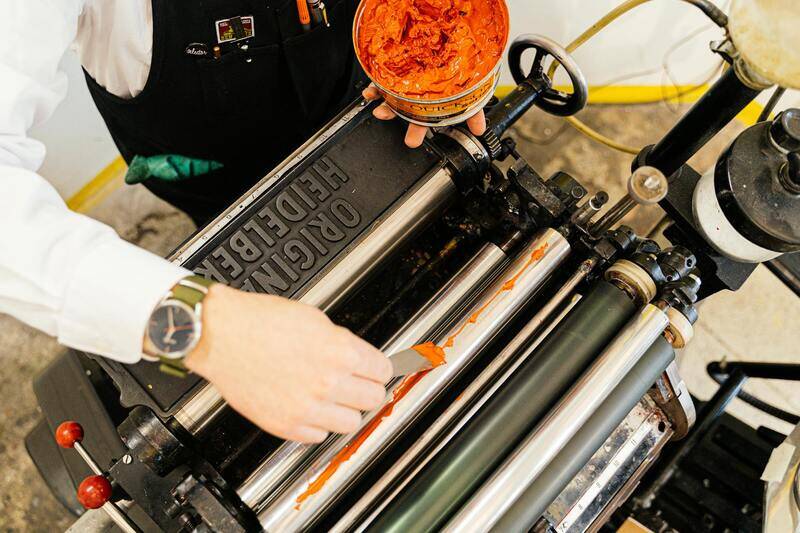
Color management plays a vital role in ensuring consistent output that aligns with brand standards. Utilizing Pantone color matching or spot colors during the design phase guarantees accuracy and vibrancy. Also, designers should use calibrated monitors and proofing tools to simulate the final print appearance, reducing discrepancies and reprints.
Design considerations extend to the incorporation of bleed areas, which allow for full-bleed printing without white borders or unwanted edges. Elements should extend beyond the trim line, with guidelines maintained during the design process. This ensures a seamless, professional appearance once the print is finalized and mounted or installed.
Typography choice and size are equally important; fonts should be legible from a distance, avoiding overly decorative styles that compromise clarity. Hierarchy in text, through size, weight, and spacing, directs viewers' attention efficiently. Detailed planning around these design elements enhances the overall visual impact, making large scale prints effective for advertising, informational displays, or artistic installations.
Cost Factors and Budgeting for Large Size Printing Services
Understanding the cost implications of large size printing services is essential for planning effective campaigns and projects. Multiple elements influence the overall expense, and being aware of these factors allows for more accurate budgeting and resource allocation.
Key Cost Components
- Material Selection: The choice of printing material significantly impacts costs. Premium substrates such as high-grade vinyl, fabric, or metallic finishes tend to be more expensive but offer enhanced durability and visual appeal. Conversely, economical options like standard vinyl or lightweight fabrics are suitable for short-term or indoor applications.
- Size and Coverage Area: Larger prints require more material and often longer production times, increasing costs. Precise measurements and layout planning can optimize material use, minimizing waste and expenses.
- Printing Technology: Advanced techniques such as UV-curable or solvent-based printing provide vibrant colors and weather resistance but come at a higher price point. The choice of technology influences both the initial investment and per-unit costs.
- Design Complexity: Intricate designs with multiple colors or detailed graphics demand more time and resources, impacting pricing. Simple, bold visuals typically reduce production costs.
- Finishing and Mounting: Additional services, including lamination, framing, or mounting, add to the overall costs. These enhancements help in preserving the print quality and facilitate easier installation.
Budgeting Tips for Large Size Printing Projects
- Obtain Multiple Quotes: Engaging several printing service providers for quotes enables comparison and identification of competitive pricing without compromising quality.
- Plan for Contingencies: Allocate a buffer budget for unforeseen expenses such as reprints or design adjustments, especially for large projects with tight deadlines.
- Prioritize Material Durability: For outdoor installations, investing in weather-resistant materials may incur higher initial costs but reduce long-term maintenance and replacement expenses.
- Negotiate for Value-Added Services: Some providers offer bundled services like design assistance, installation, or expedited delivery at discounted rates. Leveraging such packages can optimize overall expenditure.
- Consider Future Uses: Select versatile materials and reusable formats when planning multiple large-scale projects to maximize the utility of your investment over time.
Cost Management Strategies
Effective cost management involves thorough planning and collaboration with a reputable print service provider. Regular communication ensures design specifications and production timelines are aligned, preventing costly revisions or delays. Additionally, understanding the scope and scale of your project enables precise material ordering, reducing excess waste and unnecessary expenses.
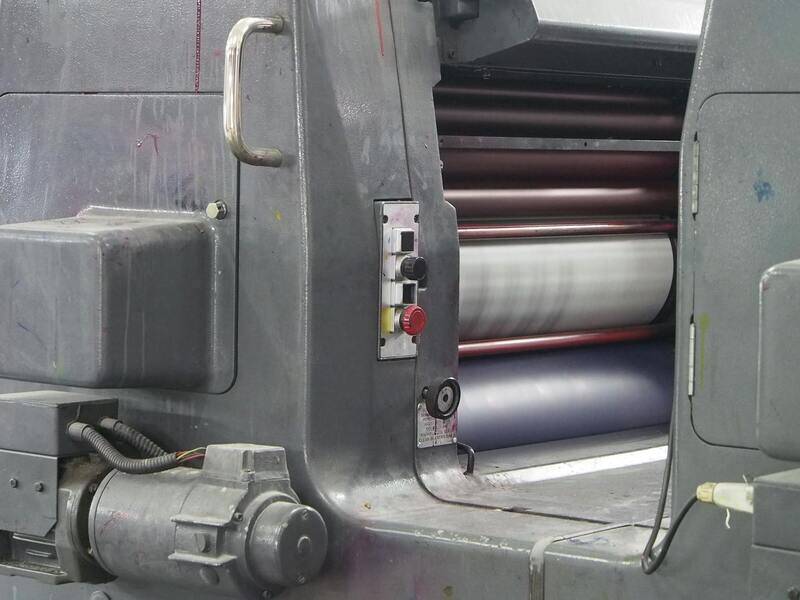
Understanding the Proper Disposal and Recycling of Large Size Prints
Effective disposal and recycling are essential components of responsible large size printing practices. As the industry advances with eco-friendly materials and sustainable processes, clients have an increasing array of options to manage large prints at the end of their lifecycle. Proper disposal helps reduce environmental impact and ensures compliance with local regulations governing waste management. Recycling allows the repurposing of materials, minimizing landfill accumulation and conserving resources.
Material Segregation and Sorting
The first step in proper disposal and recycling involves segregating printing waste based on material types. For instance, paper-based substrates such as vinyl banners, posters, and backdrops can often be processed through recycling facilities if they are free from contaminants like adhesives or inks that are not suitable for recycling streams. Plastic-based materials, such as certain vinyls and banners, require specific handling and should be transported to facilities equipped for plastic recycling. Correct sorting ensures that each material type is directed to proper channels, facilitating efficient recycling and reducing contamination risks.
Utilizing Certified Recycling Partners
Partnering with certified waste management and recycling firms ensures that disposal practices meet environmental standards. These companies adhere to strict guidelines for waste handling, providing documentation and transparency throughout the process. Choosing reputable providers that specialize in printing waste guarantees that materials are recycled responsibly, often converting them into raw materials for manufacturing, thus closing the sustainability loop.
Adapting for Green Disposal Methods
Advancements in material sciences have introduced eco-friendly inks and substrates designed for easier recycling or biodegradation. Clients and print service providers should prioritize these options when planning large projects. Additionally, some facilities now offer chemical-free recycling processes, reducing the environmental footprint of waste disposal. Implementing these methods aligns with sustainability goals and demonstrates a commitment to environmental stewardship.
Minimizing Waste During Production
Proactive measures in the production phase can significantly reduce waste generation. Accurate estimations of material quantities, optimized printing layouts, and efficient cutting techniques help minimize leftover materials. Design adjustments like modular layouts and reusable templates also contribute to waste reduction, making each project more environmentally friendly and cost-effective. Digital proofs and color management systems ensure that reprints are unnecessary, conserving resources further.
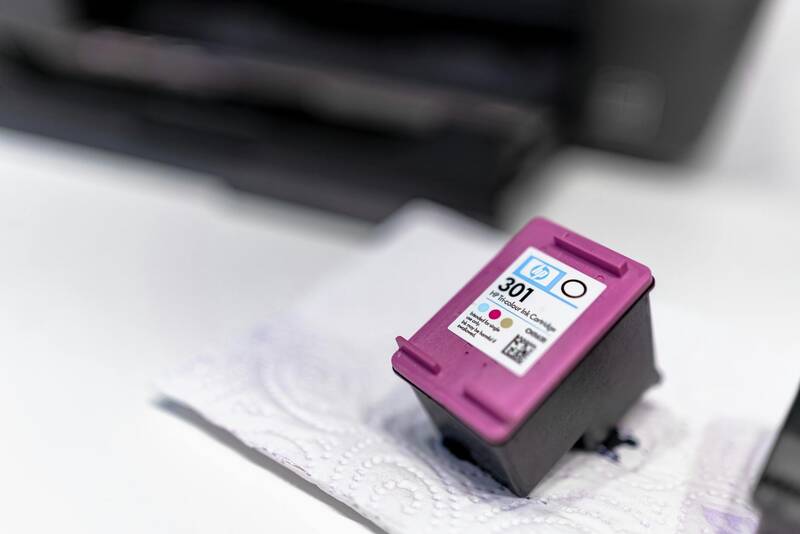
End-of-Life Considerations and Reuse Opportunities
Beyond recycling, alternative options such as upcycling or repurposing existing large prints can be considered. Features like removable adhesives or modular designs allow for easy disassembly and reuse in different contexts. For example, large banners with attached media can be repurposed into smaller marketing materials or art installations, extending their usability and reducing waste. When designing for longevity and reuse, clients should collaborate closely with their print providers to identify flexible materials and configurations.
Comprehensive Authentication and Verification Methods for Large Size Printing Services
Ensuring the quality, authenticity, and compliance of large size printing services involves implementing strict verification processes and utilizing authoritative sources. This approach guarantees that clients receive reliable and high-standard outputs consistent with industry expectations. Several key measures can be adopted for thorough validation of print service providers and their processes, reinforcing confidence in the chosen solutions.
Accreditation and Certification Verification
One of the primary steps in verifying large size printing services is to check for relevant industry certifications and accreditations. Certification bodies such as ISO (International Organization for Standardization) affirm that a service provider adheres to internationally recognized quality management systems. Certifications such as ISO 9001 demonstrate a commitment to quality control, while ISO 14001 reflects environmentally responsible practices. Verifying official documentation ensures that the provider maintains consistent standards across all printing projects.

Portfolio and Client Testimonials
Reviewing detailed portfolios and genuine client testimonials provides tangible evidence of a provider’s capability and reliability. Authentic case studies reveal the diversity of materials, printing techniques, and project scales handled successfully. Direct feedback from previous clients allows prospective customers to gauge the professionalism, timeliness, and quality of the service, reducing uncertainties associated with large format printing projects.
Technical Validation and Sample Inspection
Requesting physical samples or digital proofs before finalizing an order helps in evaluating the actual output quality. Samples should be scrutinized for color accuracy, material finish, resolution, and durability features. Inspection of samples pre-press ensures that the production process aligns with the client’s specifications, safeguarding against discrepancies that could otherwise lead to costly reprints. Verification of technical capabilities, such as the types of inks used, print resolution, and finishing options, further supports quality assurance.
Official Documentation and Regulatory Compliance
It is critical to obtain and verify official documentation that demonstrates compliance with regional and industry standards. Such documentation may include business licenses, compliance certificates, and environmental regulations adherence. These documents not only verify a company's legitimacy but also confirm their commitment to responsible manufacturing and environmental stewardship.
Utilizing Industry Associations and Directories
Consulting recognized industry associations and professional printing directories provides an additional layer of validation. These associations often maintain comprehensive lists of certified service providers, verified facilities, and expert operators. Access to such authoritative networks ensures that clients are engaging with established vendors recognized for their expertise and adherence to high standards.
Digital Security and Data Integrity Checks
In an era of digital workflows, verifying the security measures surrounding digital files and production data is essential. Trusted providers employ secure data transfer protocols, encryption, and password-protected file exchanges to safeguard proprietary designs. Confirming these practices ensures the integrity of the artwork and prevents unauthorized access or tampering during the production process.

In conclusion, implementing these official and comprehensive verification methods enhances transparency, trust, and accountability in large size printing services. Clients can confidently partner with verified providers, ensuring the delivery of high-quality, authentic, and standards-compliant large format prints that meet their precise project requirements.