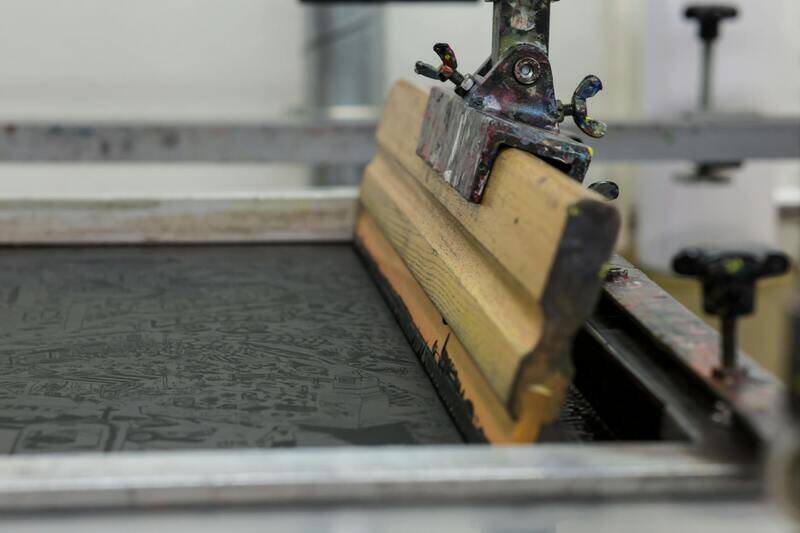
Overview of Big Size Printing in Singapore
Large-format printing, often referred to as big size printing, has become an integral part of Singapore’s vibrant commercial and artistic landscape. This specialized printing approach involves creating oversized images, banners, posters, billboards, and various other visual displays that are designed to attract attention over large distances or serve specific technical and aesthetic purposes. The demand for such printing solutions continues to grow, driven by sectors such as advertising, retail, real estate, events, and corporate branding.
In Singapore, the market for big size printings is predominantly characterized by the need for high-quality, durable outputs that effectively communicate a brand or message. Businesses and organizations seek impactful visual displays for purposes ranging from promotional campaigns to architectural signage and environmental graphics. Given the city-state’s competitive market landscape, the utilization of large-format printing has become a strategic tool for brand visibility and customer engagement.
Popular applications of large size printing in Singapore include:
- Outdoor billboards and transit advertising
- Event banners and backdrops
- Retail store signage and point-of-sale displays
- Building wraps and façades
- Exhibition and trade show displays
- Art installations and murals
The rising consumer demand for dynamic visual communication coupled with technological advancements in printing equipment has propelled Singapore to become a hub for high-quality big size print services. The ability to produce vibrant, sharp images on various substrates ensures that big size printing remains a crucial component of visual marketing and information dissemination strategies across different sectors.
Types of Large-Format Printing Materials
Choosing the appropriate material is fundamental to achieving the desired visual impact and ensuring the longevity of big size print projects. Various substrates are available, each with unique characteristics suited to different applications in Singapore’s diverse market landscape. The selection depends on factors such as environmental exposure, surface texture, budget, and the specific message or aesthetic a business aims to convey.
Vinyl is among the most widely used materials for large-scale printing due to its durability, flexibility, and weather resistance. It is ideal for outdoor signage, banners, and vehicle wraps, where exposure to elements like rain, UV rays, and pollution is common. High-quality vinyl can also be printed with vibrant inks to produce eye-catching advertising displays that maintain color integrity over time.
Fabric materials, including polyester and nylon, are favored for their lightweight and elegant appearance. They are commonly used in indoor environments, such as event backdrops, trade show displays, and photographic murals. Fabric prints are often appreciated for their ability to produce smooth, mesh-free images with superior color fidelity and a matte finish that reduces glare.

Foam board, also known as foam core, is a rigid material suitable for short-term displays, exhibits, and interior signage. It’s lightweight, easy to install, and provides a smooth surface for high-resolution images, making it popular for gallery displays or indoor promotional signage.
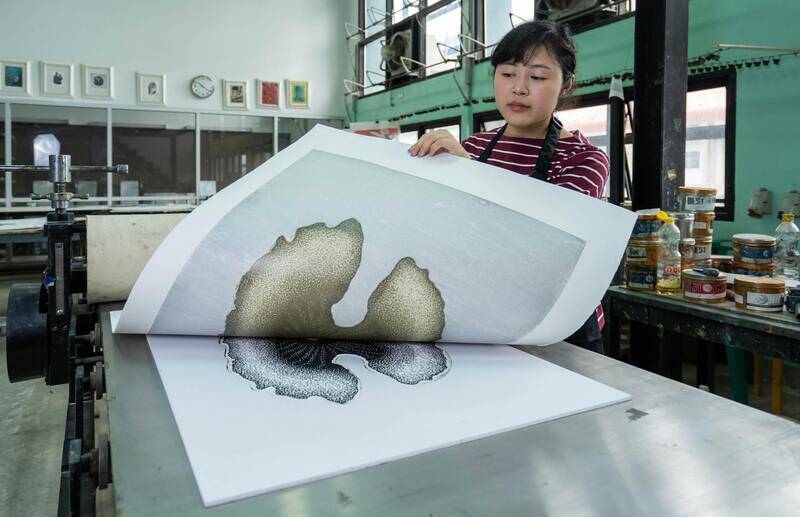
Canvas prints offer a textured, artistic feel that is often used for murals, gallery wraps, or decorative wall art. This material emphasizes image depth and color richness, ideal for creating a premium display that catches the eye in retail or corporate environments.
Other specialized materials include mesh fabrics for outdoor banners, acrylic sheets for sleek, modern signage, and leather or vinyl composites for luxury branding displays. Each substrate provides specific advantages aligned with environmental conditions, intended aesthetics, and presentation duration.
The choice of material directly influences the print’s visual toughness, installation method, and upkeep considerations. In Singapore’s competitive market, selecting the right printing substrate ensures maximum impact and durability, making big size printing a strategic asset for branding and communication.
Design Specifications for Large Prints
Creating impactful large-format prints requires careful attention to design specifications to ensure the final output meets visual expectations and remains visually appealing over time. Paramount among these are resolution, color accuracy, and file format. For large prints, a high resolution of at least 150 dpi at the final print size is recommended to avoid pixelation. Designers should utilize vector graphics whenever possible, especially for logos and illustrations, to ensure scalability without loss of quality.
It's crucial to work with the appropriate color profiles, such as sRGB or CMYK, depending on the printing method and substrate. Accurate color management guarantees that the printed output closely matches the intended design, preserving brand consistency and visual integrity.
File formats should conform to industry standards like PDF, TIFF, or EPS. These formats support high-resolution images and embedded color profiles, facilitating seamless communication with printing providers. Additionally, bleed areas and safe zones must be incorporated into the design files to prevent unwanted cropping and ensure that all essential elements are within the visible print area.
The orientation, aspect ratio, and scaling must be meticulously planned, especially when dealing with expansive wall murals or outdoor banners. Designers are advised to communicate and verify all specifications with the print service provider beforehand, ensuring compatibility and avoiding costly reprints.
Cost Factors and Budgeting
Pricing for large-format prints in Singapore hinges on several key factors, including the size and complexity of the design, choice of materials, and the printing technology used. Higher-resolution images and premium substrates such as acrylic or textured canvas naturally incur higher costs. For instance, a full-wall mural printed on high-quality vinyl with weather-resistant properties for outdoor use will typically cost more than indoor banners or posters.
Additional expenses may arise from finishing options, such as lamination, framing, or mounting hardware. The intricacy of the design — for example, detailed photographic murals versus simple graphical signage — also influences overall pricing.
To optimize budget allocation, clients should request detailed quotations from multiple providers and clarify what is included in the quoted price, such as setup, delivery, or installation. Planning ahead and understanding the scope of the project enables more accurate budgeting and prevents unexpected costs.
Choosing a Printing Provider in Singapore
Selecting the right service provider is pivotal for ensuring high-quality output and reliable delivery. Key considerations include the provider’s technological capabilities, experience with large-format printing, and reputation within the industry. It’s advisable to review portfolios of previous projects to assess quality and consistency.
Environmental considerations, such as the use of eco-friendly inks and sustainable materials, are increasingly important for brands committed to corporate responsibility. Providers should also offer consultation services to assist clients in selecting appropriate materials and design specifications suited to the intended environment and purpose.
Furthermore, comprehensive customer support and clear communication channels can streamline the process and facilitate customization, ensuring the final product aligns with branding goals and expectations.
Maintenance and Installation of Large Prints
Proper maintenance extends the lifespan of large prints, especially those installed outdoors or in high-traffic areas. Regular cleaning with non-abrasive materials and avoiding exposure to direct sunlight can prevent fading and deterioration. For indoor displays, dusting and occasional deep cleaning are often sufficient.
Installation methods vary depending on the substrate and location. Common techniques include wall mounting, hanging with cables or rods, and framing. It’s critical to ensure that mounting hardware is suitable for the weight and material of the print, and that installation takes into account safety and accessibility.
Professionals should handle the installation process to avoid damage and ensure proper alignment. Periodic inspections can help identify signs of wear or damage early, allowing for timely repairs or replacements.
Adhering to best practices in maintenance and installation not only safeguards the visual appeal of the prints but also maximizes their impact as strategic branding assets in Singapore’s vibrant market environment.
Material Durability and Weather Resistance
When selecting materials for big size prints in Singapore, it is essential to consider their durability and resistance to environmental factors. Outdoor signage and banners are exposed to humidity, rain, UV rays, and pollution. High-quality materials such as vinyl, mesh, or weatherproof fabric are designed to withstand these elements, maintaining visual clarity and structural integrity over extended periods.
Vinyl banners, for example, are popular for outdoor advertising due to their durability, flexibility, and ease of installation. They are often coated with UV-resistant treatments to prevent fading caused by prolonged sun exposure. Mesh materials, which allow airflow, are ideal for large billboards situated in windy areas, reducing wind resistance and preventing damage.

Adhesion and Surface Compatibility
For wall-mounted large prints, surface compatibility is crucial. Different substrates such as concrete, glass, metal, or painted walls require specific adhesive techniques and materials. Proper surface preparation, including cleaning and priming, enhances adhesion and prevents peeling or bubbling over time.
Specialized adhesives and mounting hardware are employed to secure heavy or large-scale prints, particularly in high-traffic or outdoor settings. The choice of adhesive depends on the weight, surface texture, and environmental exposure. Professionals typically conduct surface tests beforehand to confirm compatibility and durability.
Lighting and Display Environment Considerations
The lighting environment impacts how big size prints are perceived and maintained. For indoor displays, proper lighting options such as LED spotlights or backlit systems can enhance visibility and color vibrancy. For outdoor installations, shading or anti-glare coatings help reduce reflection and improve readability.
Moreover, climate control elements like humidity regulation can prevent warping or peeling, especially for materials susceptible to moisture. When planning the display environment, consulting with print providers ensures suitable material choices and installation techniques that optimize aesthetic appeal and durability.
Methods for Producing High-Quality Large-Format Prints
Achieving superior results in big size print projects in Singapore begins with selecting appropriate production methods. High-resolution printing is essential to ensure clarity and detail, especially for promotional banners, wall murals, or exhibition displays that are viewed up close. Large-format printers utilize advanced inkjet technology capable of depositing millions of tiny droplets, allowing vivid colors and sharp images to be produced on various substrates.
Professionally printed large-scale visuals often employ dye sublimation or UV-curable inks, depending on the material selected. Dye sublimation is ideal for fabrics and textiles, delivering vibrant colors with excellent washability, whereas UV printing adheres well to rigid surfaces such as acrylics, metals, and wood, offering durability and resistance to fading.
In addition, digital printing techniques that maximize on speed and precision are preferred by Singaporean print providers for large projects. These methods facilitate customization, allowing clients to incorporate intricate graphics, multiple colors, and even photographic imagery seamlessly across expansive surfaces.

Ensuring Color Accuracy and Consistency in Large Prints
For large size printing projects, color management is a critical aspect that demands meticulous attention. Professional print shops in Singapore typically employ calibrated monitors and color profiles to maintain consistency from digital design to the final print output. Using standardized color spaces such as Adobe RGB or sRGB helps in achieving reliable color reproduction.
Color matching techniques involve the use of color charts and calibration tools during the printing process. This ensures that the colors on the printed material match the original design specifications, which is particularly important for brand graphics and artwork where color fidelity directly impacts visual impression.
Moreover, proofing stages are implemented to preview the final appearance. Some vendors offer mock-ups or digital proofs that simulate the finished product, enabling clients to approve colors before large-scale production begins. This step reduces the risk of costly reprints and ensures satisfaction with the final result.
Maintenance and Installation of Large Prints
Proper maintenance and professional installation are essential to ensure the longevity and visual impact of large size prints in Singapore. Large-format prints, especially when used outdoors or in high-traffic areas, are subject to environmental stressors such as UV rays, humidity, and physical contact. Therefore, understanding the best practices for care and installation can help maximize the investment made into these visual displays.
Maintenance Procedures for Large-Format Prints
Routine cleaning is fundamental for preserving the clarity and vibrancy of large prints. Use soft, non-abrasive cloths or brushes to remove dust and dirt. For stubborn stains, a mild, pH-neutral cleaning solution diluted with water can be used. It is crucial to avoid harsh chemicals, as they may damage the surface or alter the print’s colors. For outdoor banners or displays subjected to weather fluctuations, applying a UV-protective coating can reduce fading and deterioration over time.
Inspecting the prints periodically for signs of damage, such as tears, peeling, or fading, allows for timely repairs or replacements. If a print shows signs of damage, consult professional signage services in Singapore for repair options that restore the original appearance without compromising the integrity of the display.
Installation Considerations for Large-Scale Displays
Professional installation is critical to avoid damage during setup and to ensure the display remains secure and visually appealing. Installation procedures vary depending on the material, size, and placement environment. For wall-mounted prints, proper anchoring with suitable hardware helps prevent accidental falls or sagging. For free-standing banners or display panels, stable supports, and wind-proof fixtures are essential, especially in open outdoor spaces.

Working with experienced installation teams in Singapore guarantees that safety standards are met and that fixtures do not damage property or compromise the visual impact of the display. When installing large prints in high-traffic or public areas, compliance with relevant regulations and guidelines is necessary to ensure the safety of both viewers and the installation crew.
Climate Considerations and Material Compatibility
Choosing the right materials and considering the local climate conditions are vital for maintaining print quality. Outdoor banners, for example, should be made from weather-resistant materials like vinyl or perforated mesh, which are designed to withstand Singapore’s humidity and frequent rain. Conversely, indoor displays might utilize lighter materials like fabric or paper-based substrates, which require less maintenance but may need special mounting techniques to prevent sagging or creasing.
Additional Tips for Preserving Large Prints
- Use high-quality protective films or coatings to shield prints from scratches, UV damage, and moisture.
- Position large prints away from direct sunlight or sources of heat to minimize color fading and warping.
- Routine inspections can identify early signs of wear, allowing timely interventions.
- Engage professional services for both installation and maintenance, ensuring adherence to best practices and safety standards.
By applying these maintenance and installation practices, clients in Singapore can extend the lifespan of their big size prints, ensuring that these impactful visual elements continue to serve their purpose effectively and attract attention for many years.
Maintenance and Installation of Large Prints
Proper maintenance and installation are essential to maximize the visual impact and longevity of big size prints displayed in Singapore. Regular cleaning using gentle, non-abrasive solutions prevents the buildup of dirt and dust, which can diminish print vibrancy over time. It's advisable to use soft cloths or sponges to avoid scratching the surface of the print. For prints exposed to outdoor elements, routine inspections are crucial to identify any signs of fading, peeling, or physical damage caused by environmental exposure.
When installing large-format prints, employing professional services ensures that safety standards are met and that the display is securely mounted. The use of appropriate mounting hardware, such as heavy-duty brackets, tension systems, or specialized adhesives, depends on the material of the print and the installation location. Sound anchoring methods help prevent accidents or damage caused by strong wind, vandalism, or accidental impacts.
It's important to plan the placement carefully, considering factors like structural support in the installation area, exposure to weather conditions, and potential obstructions. In Singapore’s humid climate, ensuring proper ventilation around outdoor displays helps prevent mold and deterioration. For indoor applications, securing the print to avoid sagging or curling over time is vital, especially when using lightweight materials like fabric or paper-based substrates.

Beyond initial installation, maintenance routines should include periodic cleaning, checking for signs of wear, and repairs if necessary. Employing protective coatings or UV lamination can provide additional shielding against environmental damage. When handling large prints, professional installation teams use specialized tools and equipment, such as lifts or scaffolding, to ensure precise placement and safety for both installers and passersby.
Incorporating these best practices not only preserves the visual appeal of large prints but also extends their lifespan, ensuring that they continue to attract attention and effectively communicate messages in Singapore’s bustling urban environment.
Official Methods for Producing Big Size Prints in Singapore
In Singapore, executing large-scale print projects with high-quality standards involves adhering to established practices that guarantee durability, vivid color reproduction, and safety. These methods span from selecting proper printing technologies and materials to ensuring the adherence to safety protocols during installation and maintenance. All these steps are designed to maximize lifespan and visual impact, promoting effective communication and branding for various applications, including advertising, events, and corporate displays.
Utilization of Industry-Standard Printing Technologies
For large-format printing, the predominant technologies employed include solvent, UV, latex, and eco-solvent printing systems. Each offers unique advantages suited for different material types and environmental conditions. Solvent printing is favored for its excellent adhesion and weather resistance, particularly for outdoor banners and billboards. UV printing provides high-resolution images on rigid surfaces, making it ideal for custom signs and decorative panels. Latex printing is appreciated for its environmentally friendly nature, low VOC emissions, and vibrant color output, often used for indoor and outdoor signage alike. Eco-solvent printers serve as a sustainable alternative, combining high-quality imaging with reduced environmental impact.
Selection of Appropriate Materials for Large-Format Printing
In Singapore, large-scale printing demands materials that are both durable and visually appealing, tailored to specific project requirements. Commonly used materials include:
- Vinyl Banners and Mesh: suitable for outdoor signage due to their weather-resistant properties.
- Canvas and Fabric: for premium wall coverings, art reproductions, or indoor banners that require a sophisticated look.
- Rigid Substrates (Aluminum, Foam Board, Acrylic): ideal for point-of-purchase displays, exhibitions, and outdoor signage where rigidity is essential.
- Specialty Films: such as reflective or translucent films, used for creative lighting effects or at night visibility.

Strict Adherence to Professional Printing and Safety Protocols
LEGITIMATE large-format printing facilities in Singapore follow stringent operational standards to ensure quality and safety. This includes calibrating printer settings precisely to match design specifications, managing color profiles for consistent output, and applying protective coatings like UV lamination for enhanced weather resilience. Proper handling of printing substrates, including correct storage and mounting techniques, mitigates risks of warping, tearing, or damage during installation.
When installing large prints, professionals utilize factual measures, such as secure anchoring systems—tension cables, anchors, and specialized adhesives—to prevent accidents caused by environmental factors or vandalism. The installation process takes into account the structural dynamics of the site, ensuring that the weight and stress distribution do not compromise the integrity of the display. Use of certified equipment and thorough safety checks are standard procedures within reputable service providers, thereby safeguarding both the installers and the public.
Quality Control and Maintenance as Part of Ethical Operating Practices
Post-installation, routine inspections and maintenance routines are established to preserve the visual excellence and physical integrity of the big size prints. These measures include regular cleaning with suitable solutions, inspecting for damage or fading, and applying protective coatings periodically to defend against UV damage and environmental pollutants. Such disciplined protocols extend the lifespan of large prints, ensuring ongoing effectiveness in message delivery and branding.
Legal and Official Standards for Printing and Installation
In Singapore, licensed printing service providers comply with local regulations and industry standards relating to environmental impact and safety. They maintain transparency by providing official documentation for materials used, adhering to environmental regulations, and following approved practices for the handling and disposal of inks and substrates. This commitment helps uphold a professional standard that fosters trust and assurance for clients and stakeholders engaged in big size printing projects.