Available Large Picture Printing Methods in Singapore
Singapore's vibrant visual culture and dynamic commercial landscape have fostered a wide array of large picture printing options that cater to diverse needs. Whether for interior decoration, advertising, or personal projects, selecting the appropriate printing method is essential to achieve optimal quality and durability.
Primary Printing Techniques Utilized for Large-Scale Images
Dye-Sublimation Printing
Dye-sublimation printing is renowned for producing vibrant, long-lasting images with excellent color depth. This method involves transferring dye-based inks onto polyester fabrics or specially coated surfaces through heat. It is frequently used for printing large banners, fabric displays, and photographic images that require vivid color reproduction and resistance to fading.
Inkjet Printing
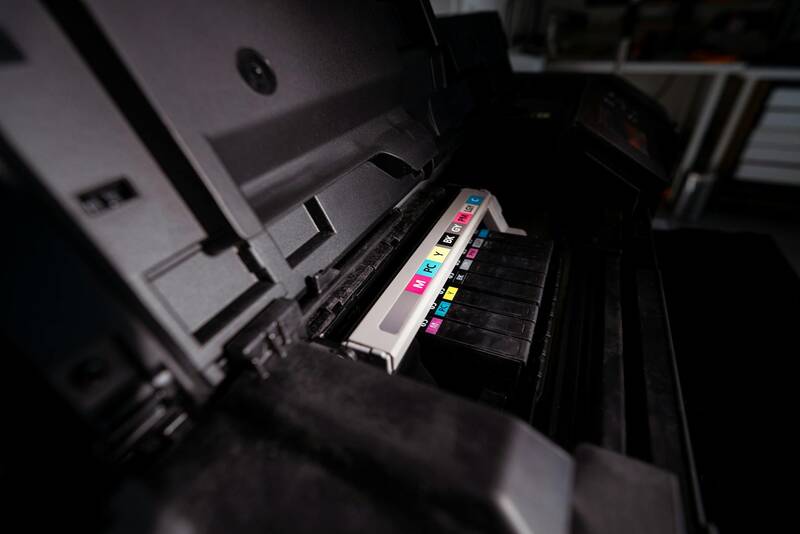
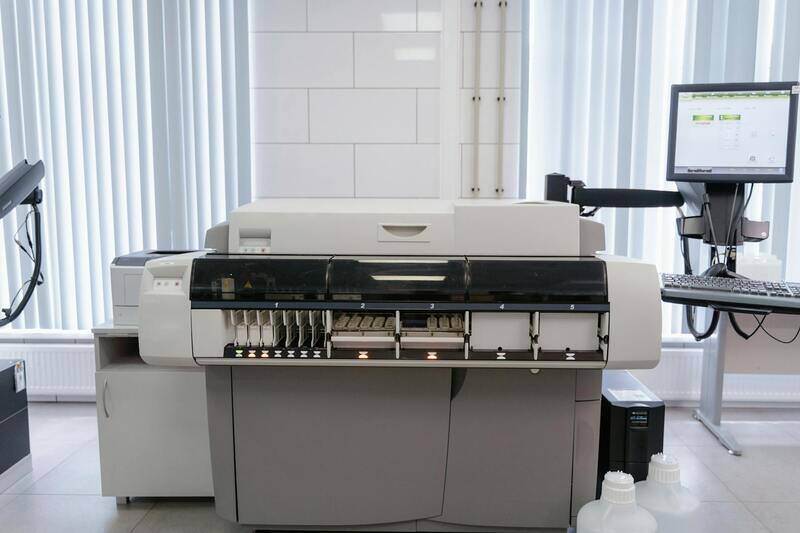
Inkjet printing remains the most flexible and accessible method for large picture printing in Singapore. It employs high-precision ink dispensers to produce sharp, detailed images on various materials such as vinyl, paper, and canvas. Modern inkjet printers support wide-format printing, making them suitable for banners, wall murals, and fine art reproductions. Advances in ink technology have improved color accuracy and longevity, ensuring high-quality results for both indoor and outdoor applications.
Canvas Printing
Canvas printing offers a premium presentation medium that enhances aesthetic appeal, especially for home and office decor. Using high-resolution inkjet printers, images are printed onto canvas material, which is then stretched over frames. This method is favored for creating artistic displays, photographic reproductions, and personalized artwork that emphasizes texture and depth, replicating the feel of traditional paintings.
Other methods, such as solvent and UV printing, are also prevalent for specific applications like outdoor signage and industrial displays, offering durability and weather resistance suitable for different environmental conditions.
Choosing the right printing method depends on factors such as image complexity, material compatibility, and the intended use of the final product. The variety of techniques available in Singapore ensures clients can find tailored solutions to meet their precise requirements.
Types of Materials and Surfaces
Choosing the right material is fundamental in ensuring the quality, durability, and visual impact of large picture prints. Each substrate offers unique properties suited to specific applications and environments. Below are some common options used in Singapore’s large picture printing industry:
Canvas
Canvas is a popular choice for artistic and decorative prints. It provides a textured surface that closely resembles traditional paintings, bringing a sense of sophistication and timelessness to displays. High-quality polyester or cotton canvas is stretched over sturdy wooden frames for a finished look. Canvas prints are well-suited for art reproductions, photographic artworks, and personalized pieces intended for indoor settings. Their ability to showcase rich colors and fine details makes them ideal for galleries, homes, and offices.
Vinyl
Vinyl is a flexible, weather-resistant material frequently used for large banners, decals, and outdoor signage. Its durability in various climatic conditions makes it a suitable choice for both temporary and long-term advertising applications. Vinyl surfaces can be matte or gloss, allowing for different visual effects. Modern solvent or UV inks adhere well to vinyl, ensuring vibrant colors and resistance against fading, moisture, and UV exposure.
Acrylic
Acrylic sheets combine transparency, strength, and a sleek modern appearance. They are often used for high-end displays, retail signage, and decorative partitions. When printed directly onto acrylic, the result is a vivid, glossy image that enhances color depth and contrast. Acrylic surfaces are also easy to clean and maintain, making them a practical choice for corporate environments and trade shows.
Fabric
Fabric is favored for large wall murals, event backdrops, and soft signage. It is lightweight, wrinkle-resistant, and can be printed on a variety of materials such as polyester or polyester-blend fabrics. Fabric prints lend a sophisticated, textured appearance and are often chosen for their ease of installation or ability to be transported conveniently. The breathability of fabric also makes it an excellent choice for indoor environments where air quality or ventilation is a concern.
Other Surface Options
- Metal: Suitable for architectural features, signage, and industrial displays, durable and weather-resistant.
- Aluminum Panels: Lightweight, corrosion-resistant, and suitable for outdoor or sleek indoor displays.
- Wood: Offers a rustic and textured aesthetic, often used for artistic displays and unique décor pieces.
Selecting the appropriate material depends on the environment, intended longevity, and visual effect desired. Tailoring the surface choice ensures the final product maximizes its visual impact and functional durability in Singapore’s diverse settings.
Common Techniques for Large Picture Printing
There are multiple legitimate methods to produce large-format images that are both visually striking and durable. Among these, direct digital printing stands out as the most prevalent due to its precision and the ability to reproduce high-resolution images directly onto various surfaces. This method involves printing ink directly onto a substrate using large-format inkjet or solvent printers, enabling detailed imagery with vibrant color accuracy. It is particularly suitable for digital files with high resolution, ensuring sharp details even at large sizes.
Giclée printing is another reputable technique, especially favored for fine art reproductions and promotional displays. It employs high-quality, fade-resistant inks and specialized printers to produce vivid, long-lasting prints. Giclée printing is often used for museum-quality posters, limited edition artworks, and decorative panels due to its rich color depth and superior detail rendition.
For materials requiring weather-resistant or industrial-grade finishes, solvent or eco-solvent printing methods are common. These techniques utilize chemical solvent-based inks that adhere strongly to surfaces like vinyl, metal, or acrylic. They produce prints capable of withstanding outdoor elements without fading or deterioration, making them ideal for signage and outdoor advertising in Singapore's diverse climate.
Another innovative approach involves dye sublimation for fabric-based displays. This process transforms ink into gas under heat, infusing the dye into lightweight fabrics such as polyester. The resulting prints are vibrant, washable, and lightweight, suitable for soft signage, banners, and trade show backdrops where portability is essential.
Surfaces and Materials Suitable for Large-Scale Printing
Choosing the correct surface is critical for optimal display and longevity of large-format prints. Common materials include:
- Acrylic: Known for a glossy, high-resolution finish. Suitable for both indoor and outdoor displays, acrylic surfaces are durable, easy to clean, and add a modern aesthetic.
- Fabric: Often used for murals, event backdrops, and soft signage. It provides a textured, sophisticated appearance and can be easily transported or changed for different events.
- Metal and Aluminum Panels: These surfaces are ideal for signage and architectural features, offering weather resistance and a sleek, contemporary look.
- Wood: Used in artistic installations or decorative architectural features, adding warmth and texture to the visual presentation.

Making the Right Choice for Size and Resolution
Size selection should align with the intended viewing distance and location. Larger prints are suitable for expansive walls or outdoor billboards, while smaller sizes work well in enclosed or intimate spaces. Ensuring a high resolution is crucial; typically, 150-300 dpi (dots per inch) is recommended for large-format prints, depending on viewing distance. For close-up viewing, higher resolutions prevent pixelation and maintain image clarity. Preparing the digital files by scaling appropriately and checking resolution prevents quality loss during printing.

Available Large Picture Printing Methods
When it comes to large picture printing in Singapore, various methods are employed to achieve different visual effects, durability, and surface finishes. The most common techniques include:
- Inkjet Printing: The prevalent method for producing high-quality images, inkjet printing utilizes tiny nozzles to deposit precise amounts of ink onto substrates. This approach offers vibrant colours and sharp details, making it suitable for both indoor and outdoor applications. Modern UV-curable inkjet printers enable printing on rigid surfaces like acrylic, metal, and wood, providing enhanced durability.
- Dye Sublimation: Ideal for fabric surfaces, dye sublimation involves transferring dye onto textiles through heat. This method produces vibrant, fade-resistant images with a soft finish, perfect for murals, banners, and soft signage. Sublimation allows printing on polyester fabrics or specially coated surfaces, resulting in a seamless presentation.
- UV Printing: Utilizing ultraviolet light to cure ink instantly upon contact with the surface, UV printing delivers high resolution and adhesion on various rigid and flexible materials. It is particularly effective for outdoor signage due to its resistance against weather conditions and UV exposure.
- Solvent and Eco-Solvent Printing: These techniques are tailored for outdoor applications, providing weather resistance and longevity. Solvent inks penetrate the surface, resulting in highly durable prints used for billboards and exterior signage. Eco-solvent options offer a more environmentally friendly approach without compromising quality.
Techniques Comparison
| Method | Ideal Surfaces | Advantages | Limitations |
|---|---|---|---|
| Inkjet | Canvas, paper, acrylic, metal, wood | High quality, versatile, detailed images | Slower for large quantities, sensitive to environmental conditions |
| Dye Sublimation | Polyester fabrics, coated surfaces | Soft texture, vibrant colours, excellent for fabrics | Limited to fabric and coated surfaces |
| UV Printing | Rigid and flexible substrates | Fast curing, durable, high resolution | Initial equipment cost can be high |
| Solvent/Eco-solvent | Vinyl, banners, outdoor signage | Weather resistant, long-lasting | Environmental considerations for solvent emissions |
Professionally selecting among these methods depends on the specific project requirements, including surface choice, environmental exposure, and desired visual impact. A reputable printing service in Singapore can advise on the most suitable technique to ensure quality and longevity of the display.
Types of Materials and Surfaces
When selecting the appropriate large picture printing method, understanding the range of materials and surfaces is essential. Different print techniques are optimized for specific substrates, ensuring the best adhesion, color vibrancy, and durability. Common surfaces include fabrics, rigid materials, and flexible substrates, each suited for different display purposes.
- Canvas and Fine Art Paper: Ideal for gallery-quality displays, these surfaces enhance detailed images and rich color reproduction. Printing on canvas lends a textured, professional appearance suitable for interior decor.
- Acrylic Boards: Often used for modern signage, acrylic surfaces provide a sleek, glossy backdrop that accentuates vibrant colors and sharp details. UV printing techniques are preferred here due to their ability to produce durable, high-resolution images.
- Vinyl and Banner Materials: These flexible surfaces are preferred for outdoor signage, banners, and event backdrops. Solvent or eco-solvent printing ensures weather resistance, preventing fading or peeling over time.
- Metal and Aluminum Sheets: Used for premium signage or art pieces, metal surfaces are highly durable and offer a contemporary look. They require specialized printing methods such as UV or sublimation for optimal results.
- Wood and MDF: For rustic or artistic displays, printing on wood provides a textured and natural appearance. This surface generally works well with UV printing to ensure longevity and color accuracy.

Choosing the right surface impacts not only the visual appeal but also the longevity and application of the printed image. For instance, outdoor banners demand weather-resistant materials like vinyl or coated fabrics, whereas indoor murals may benefit from high-quality canvas or acrylic surfaces that enhance color fidelity and detail.
Choosing the Right Size and Resolution
The size and resolution of your large picture are critical factors that influence overall visual impact. Simply enlarging an image without considering resolution can lead to pixelation and loss of detail, undermining the display's professional appearance.
To ensure clarity and sharpness, images should be prepared at a minimum resolution of 150-300 DPI (dots per inch), depending on viewing distance and print size. For very large prints intended for close viewing, higher resolution images are necessary to maintain crispness.
When determining the size, consider the available space and viewing environment. A scaled-up image should not overpower or underwhelm the area. Precise measurements and professional advice can optimize composition and visual harmony.
It is advisable to use vector graphics or high-resolution raster images to guarantee a quality finish. Additionally, consulting with printing experts can help decide on appropriate scaling and necessary adjustments to file formats before production begins.
Color Management and Image Preparation
Color accuracy is fundamental in large picture printing. Accurate color management involves calibrating monitors, managing color profiles, and ensuring consistency throughout the printing process. This guarantees that printed colors match digital designs, especially important for brand-related displays or fine art reproductions.
Proper image preparation includes:
- Using high-resolution images to prevent pixelation
- Converting images to the appropriate color profiles, typically CMYK for printing
- Adjusting brightness, contrast, and saturation for optimal visual impact
- Ensuring that images are in the correct orientation and scale
- Employing bleed and margin allowances to accommodate trimming and framing
Engaging professional pre-press services can facilitate these adjustments, ensuring that the final output meets expectations. Attention to detail in image preparation minimizes errors and reduces the need for costly reprints, making the entire process more efficient.
Factors Influencing Pricing and Turnaround Time
Understanding the key elements that affect the cost and speed of large picture printing is essential for effective planning and budgeting. Several factors contribute to pricing fluctuations and delivery schedules, each requiring careful consideration to ensure project success.
1. Dimensions and Scale
The size of the printed image directly impacts material usage and printing complexity. Larger formats demand more expansive substrates and extended production times. Precise measurements and detailed specifications are necessary to obtain accurate quotes and to set realistic deadlines. Custom-sized prints may involve additional planning, such as special framing or mounting requirements, which can further influence costs.
2. Choice of Material and Substrate
The material selected for printing significantly affects both price and durability. Common substrates include vinyl, canvas, acrylic, and metal, each offering different aesthetic qualities and longevity. Premium materials like acrylic or aluminum typically command higher prices but provide enhanced visuals and lifespan. The environmental conditions where the print will be displayed—indoor or outdoor—also influence material choice, which in turn impacts costs and lead times.
3. Printing Technique and Technology
Advanced printing methods such as UV flatbed or solvent-based printing deliver high-quality results but often require sophisticated equipment and longer processing times. These techniques are preferable for intricate details or specific surface textures, justifying their higher costs. Standard inkjet or dye-sublimation processes are faster and more economical, suitable for bulk production or less demanding applications.
4. Image Complexity and Finish Options
Complex images with rich color gradients or detailed patterns may necessitate meticulous calibration and prolonged drying periods. Additionally, finishes like lamination, gloss, matte, or textured coatings add to the overall timeline and pricing. Custom framing, mounting, or special protective coatings will further extend turnaround times and increase expenses.
5. Quantity and Production Batch
Bulk orders often benefit from economies of scale, reducing the unit cost and enabling more streamlined workflow. Producing multiple copies or varying sizes within a single batch helps optimize resource utilization and may convert lead times into shorter durations compared to individual orders.
Available Large Picture Printing Methods
For high-quality large picture printing in Singapore, several official methods stand out for their durability, vibrancy, and adaptability to various surfaces. Each method is selected based on the desired end-use, environmental exposure, and budget considerations.
UV Flatbed Printing is a popular choice for applications requiring crisp resolution and versatility in material compatibility. This technology uses ultraviolet light to cure inks directly on rigid or flexible surfaces, allowing for detailed images on materials like acrylic, wood, metal, and more. It provides excellent color fidelity and enhanced resistance to scratches and weathering, making it ideal for both indoor displays and outdoor signage.
Solvent and Eco-Solvent Printing employ solvent-based inks that penetrate materials deeply, resulting in vivid, water-resistant images suitable for outdoor environments. These printers can handle large-format substrates such as vinyl banners, wallpapers, and outdoor billboards with outstanding color longevity and durability. The advanced formulations now available also offer eco-friendly options, reducing environmental impact without compromising quality.

Solvent, Eco-Solvent, and Latex Printing are generally employed for large-format high-resolution prints meant for outdoor applications, providing excellent weather resistance and color vibrancy over prolonged periods. Latex printing, a more recent development, combines environmental safety with high-quality output, suitable for both indoor and outdoor signage. Its fast-drying process and flexible ink options make it a preferred choice for campaigns that require quick turnaround times.
Dye Sublimation remains a specialized method best suited for fabric-based large prints such as banners and fabric backdrops, where the image is infused directly into the material. This process yields soft, vibrant images with excellent color depth, ideal for events, exhibitions, and retail displays where a high-end appearance is desired.
Types of Materials and Surfaces
Choosing the appropriate surface for large picture printing in Singapore ensures that the visual impact is maximized and durability is maintained. Options include:
- Acrylic Sheets: Known for clarity and modern aesthetics, ideal for sculptures, wall murals, and point-of-sale displays.
- Vinyl Banners and Wraps: Common for outdoor advertising due to weather resistance and ease of installation.
- Canvas and Fabric: Suitable for artistic displays, photo exhibitions, and high-end interior decor.
- Wood and Metal Panels: Offer a rustic or industrial look, often used in architectural or interior detailing.
- Plexiglass and Polycarbonate: Provide sturdy, transparent surfaces that enhance visual depth and are easy to clean.

Choosing the Right Size and Resolution
Determining the correct size for large picture printing involves considering the viewing distance, space layout, and purpose of display. For large-format visuals, the resolution should be optimized to prevent pixelation while maintaining detail. As a rule of thumb, a minimum of 150-300 dpi at the final viewing distance ensures clarity without excess ink use or processing time. Professional print service providers in Singapore are equipped with advanced software to advise on ideal dimensions and resolution settings, ensuring the final output appears sharp and impactful across various viewing distances.
Furthermore, the aspect ratio must be maintained to prevent distortion, especially for panoramic or wide-format prints. Accurate digital image preparation, including color correction and size adjustments, is essential for achieving consistent and high-quality results during production.
Available Large Picture Printing Methods
Choosing the appropriate printing method is fundamental to achieving high-quality large picture outputs that meet specific project requirements. Digital wide-format printing is the most common technique, utilizing large-format inkjet printers capable of producing sharp, vibrant images on various substrates. This method is favored for its speed, versatility, and ability to handle complex color gradients, making it ideal for promotional displays, wall art, and architectural features. Screen printing, although less prevalent for large photographs, is still relevant for specific applications requiring thick inks or textured effects, especially on rigid surfaces like metal or wood panels.
Other specialized methods include dye sublimation printing for fabric-based displays and UV printing for direct application on non-porous surfaces such as glass or acrylic. UV printing offers rapid curing and durable results, making it suitable for outdoor signage and decorative panels. Each technique has distinct advantages and limitations, which must be evaluated based on project scope, material compatibility, and environmental factors.
Types of Materials and Surfaces
Material selection directly influences both the aesthetic outcome and the longevity of large prints. Common surfaces for large picture printing in Singapore include:
- Vinyl Banners: Durable, weather-resistant, excellent for outdoor advertising and events.
- Canvas: Offers a textured, artistic appearance suited for gallery displays, interior decor, and photographic art.
- Acrylic and Polycarbonate: Provide sleek, glossy finishes with high clarity, ideal for modern interior design or professional presentation.
- Metal and Wood Panels: Deliver a rustic or industrial aesthetic, frequently used in architectural features or statement walls.
- Fabric and Textile Materials: Used for soft signage, backdrops, and high-end art installations.
Material choice should align with environmental exposure, visual intent, and installation requirements to ensure enduring results and aesthetic excellence.
Choosing the Right Size and Resolution
Determining the optimal size for a large picture print involves assessing the intended viewing distance, available space, and display purpose. Generally, larger prints viewed from a distance can be produced with lower resolutions without compromising visual impact. For instance, a resolution of 150-200 dpi at full size is sufficient for outdoor billboards, which are typically viewed from afar. Conversely, closer viewing locations, such as galleries or interior walls, benefit from higher resolutions of 300 dpi, ensuring detailed clarity and sharpness.
Careful digital image preparation, including cropping, color correction, and resolution adjustment, is essential before sending files for printing. Advanced software tools used by reputable print providers in Singapore facilitate these processes, ensuring that the final output accurately matches the original artistic intent with minimal pixelation or distortion.
The aspect ratio must be maintained during resizing to prevent distortion, especially for panoramic or wide-format images. Working with professional print services ensures precise assessment and implementation of these parameters, resulting in visually stunning large-format visuals that perfectly suit their intended environment.
Care and Maintenance of Large Prints
Proper care extends the lifespan and preserves the visual integrity of large printed images. Regular cleaning with soft, lint-free cloths and gentle dusting prevents dirt buildup that can dull colors or cause surface damage. When cleaning, avoid harsh chemicals—using distilled water or mild cleaning solutions is recommended. For prints on fabric or canvas, occasional protective coatings or UV sprays can help resist fading over time.
Framing also plays a vital role in protection and presentation. Using high-quality, UV-protective glass or acrylic shields shields the print from UV rays, dust, and physical damage. Mounting methods should allow for ventilation to prevent moisture buildup, which can cause warping or mold growth.
Environmental factors such as direct sunlight, humidity, and temperature fluctuations should be considered for outdoor or high-traffic installations. Strategic placement in shaded or controlled environments helps maintain vibrancy and structural integrity, ensuring the print remains visually impactful for years to come.