Understanding Custom Business Card Printing
Custom business card printing is a strategic process that enables professionals and businesses to create personalized tokens of their brand identity. Unlike standard, mass-produced cards, custom printing offers a wide array of options in terms of size, shape, material, and finishing, allowing for a more distinctive and memorable presentation. High-quality customized cards serve as tactile representations of your brand, making a lasting impression on clients, partners, and prospective customers.
The significance of custom business cards in a competitive marketplace cannot be overstated. They are often the first physical contact a potential client or collaborator has with your brand, acting as a tangible symbol of your professionalism and attention to detail. By opting for custom printing, a business can ensure that its cards accurately reflect its unique identity, values, and visual language. This personalization not only boosts brand awareness but also enhances credibility and trustworthiness.
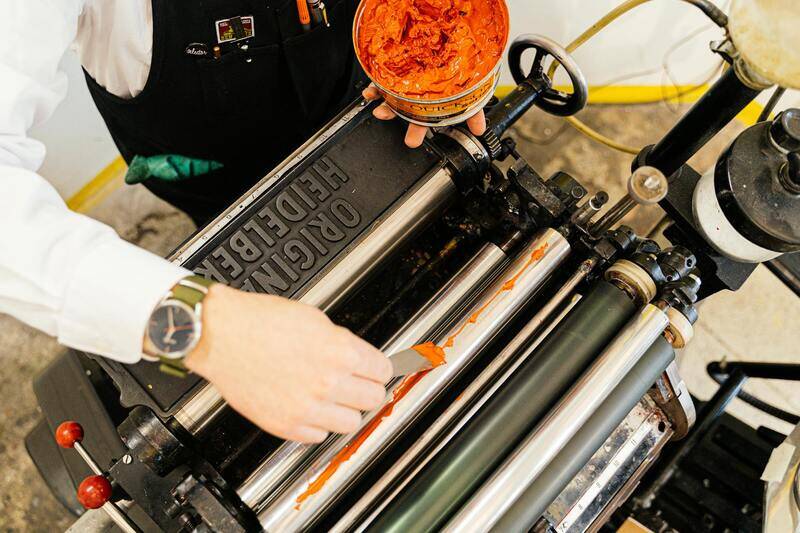
Custom business card printing encompasses various stages, beginning with the selection of suitable materials, moving through innovative design techniques, and culminating in the application of advanced printing technologies. It is essential to understand that the choices made at each stage significantly influence the final product's effectiveness in promoting your brand and communicating your message.
The Role of Custom Business Cards in Branding
Effective branding involves more than a logo or slogan; it encompasses the overall visual and tactile experience that leaves a lasting impression. Business cards are a crucial component of this branding portfolio. Customization allows businesses to incorporate specific design elements such as brand colors, typography, and logos, resulting in a card that seamlessly integrates with other marketing materials. This coherence fosters recognition and recall, strengthening the brand’s position in the mind of the recipient.
Key Benefits of Custom Business Card Printing
- Personalization: Tailor each card to fit your brand’s identity and target audience.
- Memorability: Unique designs and finishes make your card stand out.
- Professionalism: High-quality materials and meticulous printing reflect your commitment to quality.
- Versatility: Multiple printing options accommodate different styles and budgets.
- Networking Impact: Well-designed cards facilitate relationship-building and future collaborations.
Choosing the right custom business card printing method and materials is critical to achieving these benefits. Making informed decisions about the type of printing, card stock, and finish options ensures that your business cards not only serve as contact information but also as a powerful branding tool that communicates professionalism and innovation.
Material Options and Finishes
One of the primary factors that influence the quality and visual appeal of custom business cards is the selection of materials and finishes. High-grade materials not only ensure durability but also create a tactile experience that can leave a lasting impression. Commonly used materials include premium cardstock, textured papers, and specialty stocks such as translucent or metallic options. Each variant offers distinct advantages, aligning with various corporate identities and branding strategies.
Matte finish provides an elegant, subdued look with a smooth, non-reflective surface, ideal for designs featuring intricate details or soft color palettes. Its non-glossy surface also minimizes fingerprints, maintaining a pristine appearance over time. Conversely, gloss finishes lend a vibrant sheen that enhances color vibrancy and sharpness, making images and logos pop. This finish is suited for eye-catching designs that aim to attract immediate attention.
Textured finishes, such as linen, embossed, or raised patterns, add a layer of depth and tactile richness. These are particularly beneficial when promoting a brand that emphasizes craftsmanship or luxury. Thicker cardstock options, such as 32pt or 48pt, provide substantial heft that communicates quality and durability. They also resist bending or creasing, ensuring the card maintains its form through extended use.
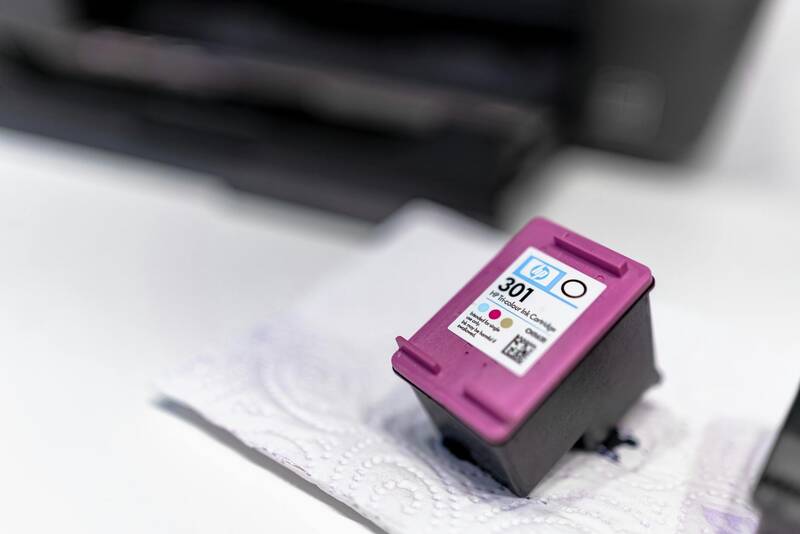
Incorporating specialty finishes like foil stamping, spot UV coating, or soft-touch lamination further elevates the prestige of your business cards. Foil accents introduce metallic shines, which highlight specific design elements or text. Spot UV coating enhances certain areas by adding a glossy overlay that contrasts with matte backgrounds, creating a sophisticated layered effect. Soft-touch lamination offers a velvety texture that invites touch and exudes elegance.
For businesses seeking longevity, incorporating waterproof or tear-resistant materials can be highly advantageous. These enhanced options are especially suitable for industry professionals who carry their cards frequently or operate in environments where physical wear and tear are common. Overall, the thoughtful combination of materials and finishes can significantly influence the impact of your custom business cards, making them memorable and reflective of your brand's commitment to quality.
Material Options and Finishes
Choosing the right materials and finishes is crucial to producing a business card that stands out and leaves a lasting impression. High-quality cardstock remains the foundation of durable and professional business cards. Standard options include 14pt or 16pt thicknesses, which offer a balanced feel of flexibility and sturdiness. For a more premium touch, thicker options such as 32pt or 48pt provide added heft, conveying a sense of substance and importance. These thicker cards resist bending and creasing, ensuring their pristine condition over time.
Finish choices further enhance the tactile and visual appeal of business cards. Matte finishes deliver a sophisticated, understated look with a non-reflective surface that reduces glare and makes text easy to read. Glossy finishes, on the other hand, add vibrancy, making colors pop and giving photos and logo elements a lively, eye-catching appearance. For a textured feel, finishes such as linen, canvas, or embossed textures create a tactile dimension that reinforces the brand’s identity.
Specialty finishes like foil stamping add metallic accents to highlight key areas or logo elements, giving a luxurious sheen that catches light and draws attention. Spot UV coating, applied selectively, creates a shiny overlay on specific design components—like logos or borders—providing a layered, high-end effect against a matte background. Soft-touch lamination, offering a velvety and smooth finish, not only elevates the card’s aesthetics but also provides a luxurious tactile experience, often associated with premium brands.
Incorporating durable materials such as waterproof or tear-resistant substrates enhances practicality, especially for professionals who handle numerous cards and need them to withstand daily wear and tear. These options are ideal for industry sectors like outdoor services, hospitality, or medical fields where resilience is paramount. The careful combination of materials and finishes can significantly influence how your brand is perceived, creating a business card that communicates quality, attention to detail, and professionalism.
Leveraging Legitimate Printing Methods for Optimal Results
Utilizing official and reputable printing technologies is essential to producing high-quality custom business cards that accurately reflect your brand image. Digital printing methods are widely used for their quick turnaround times and cost-effectiveness, especially suitable for small to medium runs. They excel in providing vibrant color reproduction and sharp image details, ideal for businesses seeking a professional appearance without extensive setup costs.
Offset printing remains the gold standard for larger quantities, offering exceptional color fidelity, consistency, and the ability to handle complex designs with multiple colors. This technique involves transferring ink from a plate to a rubber blanket, then onto the card stock, ensuring precise registration and a polished finish. While offset printing may involve higher upfront costs, the per-unit expense decreases with larger orders, making it a strategic choice for companies requiring bulk batches.
Specialty printing methods, including foil stamping, embossing, and spot UV coating, enhance the tactile and visual appeal of business cards. These techniques require specialized machinery operated by trained professionals to ensure impeccable results. Foil stamping, for example, applies metallic or pigmented foils to specific areas, adding a luxurious shimmer that can emphasize a logo or highlight key information. Embossing and debossing create textured elements that stand out physically, offering a memorable tactile experience.
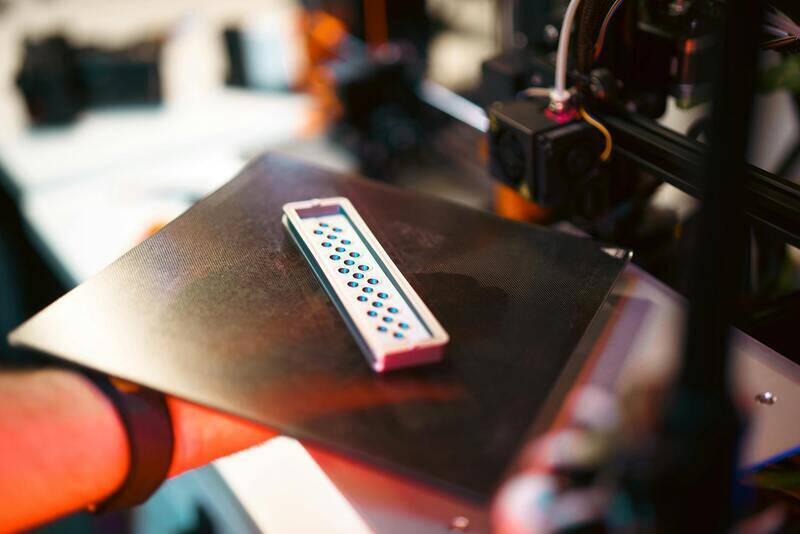
Employing certified local printing services guarantees access to high-grade equipment and materials, adherence to industry standards, and expert craftsmanship. This assures uniform quality, precise color matching, and durability—crucial aspects when conveying professionalism and attention to detail through your cards. Furthermore, established printing providers often employ quality assurance processes that identify and rectify defects before the final output, ensuring your business cards meet exact specifications. Utilizing these legitimate printing methods and trusted services not only results in aesthetically pleasing business cards but also signals to clients and partners a commitment to quality. This enhances your brand's credibility and leaves a lasting impression, setting your business apart in a competitive market. As printing technology advances, professional printers continuously adopt newer, more efficient techniques, providing clients access to innovative finishes, eco-friendly options, and custom functionalities that align with business goals.
Material Options and Finishes
When selecting the perfect business card, understanding the array of materials and finishes available is fundamental to achieving a distinguished look and feel. Premium cardstock is a common choice, providing durability and a substantial touch that conveys professionalism. Options such as matte, gloss, and satin finishes offer different aesthetic effects—matte lends a subdued elegance, gloss delivers a vibrant sheen, and satin strikes a balance between the two.
For those seeking an even more distinctive appearance, specialty materials such as textured papers, linen finishes, or recycled fabrics can be employed. These materials not only stand out visually but also contribute additional tactile qualities that make the card memorable. Incorporating elements like transparent or frosted plastics can provide a modern, sleek appearance, perfect for brands aiming for a contemporary image.

Finishing techniques further enhance the visual and textural appeal of your business cards. UV coating, for instance, adds a shiny layer that highlights logo or design elements, while soft-touch coatings create a velvety surface that invites touch. Special finishes like spot UV, which applies a glossy coating to selected areas, can emphasize specific design features or contact details.
Additional options such as foil stamping introduce metallic accents that can elevate the perceived value of your cards. Embossing and debossing create raised or recessed designs, imparting a tactile dimension that enhances visual interest and memorability. Laser cutting and rounded edges offer creative flexibility, allowing customized shapes and a refined appearance.
Advanced Customization Features and Special Effects
To maximize the uniqueness and impact of your business cards, exploring advanced customization features and special effects becomes essential. These elements not only enhance aesthetic appeal but also reinforce brand identity, ensuring your cards stand out in a crowded environment.
One of the most effective ways to add a premium touch is through foil stamping. This technique involves applying metallic foils—such as gold, silver, or colored options—onto specific areas of the card. Foil stamping accentuates logos, borders, or key information, creating a striking contrast that immediately draws attention. Due to its precise application, foil stamping is ideal for conveying luxury and professionalism.
Embossing and debossing techniques create a tactile experience by raising or recessing design elements. Embossed cards have a three-dimensional effect that can make your logo or company name pop, while debossed features introduce a recessed feel, adding depth and sophistication. These methods are particularly effective when combined with simple yet bold graphic elements, enriching the overall visual impact.
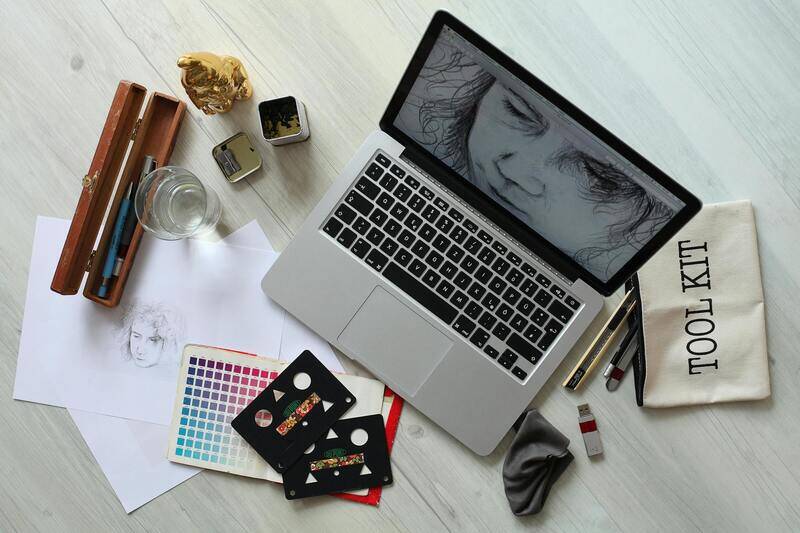
Laser cutting technology allows for intricate shapes and custom edges, enabling businesses to craft cards that go beyond traditional rectangular formats. Rounded, scalloped, or uniquely shaped borders can reflect brand personality and make your card memorable. Laser-cut windows or patterns also introduce a contemporary appeal, perfect for tech-oriented or design-centric brands.
Other creative options include spot UV coatings, which apply high-gloss highlights to specific design areas, creating contrast between matte and shiny surfaces. Combining spot UV with matte finishes accentuates logos or contact details, enhancing readability while adding visual flair. Additionally, textured finishes, such as linen, felt, or embossed patterns, contribute tactile richness and elevate the perceived value of the card.
Advanced printing technology supports the realization of all these effects with precision and durability. Digital, offset, and hybrid printing methods ensure the detailed application of metallic foils, textured finishes, and intricate cutouts, providing flexibility for both bulk orders and customized batches. Proper selection of these techniques aligns with branding goals, budget considerations, and desired aesthetic outcomes.
Integrating multiple effects—like combining foil stamping with embossed elements or using laser-cut edges alongside matte finishes—can produce truly distinctive business cards that encapsulate your brand identity. These specialized techniques require collaboration with experienced printing professionals who understand the nuances of material behavior and finishing procedures, ultimately delivering a product that stands apart visually and tactually.
Understanding Custom Business Card Printing
Custom business card printing involves a series of strategic choices that influence the final product's appearance, durability, and overall impact. Employing official and reputable printing methods ensures that your cards meet professional standards, providing a polished and credible presentation of your brand or personal identity. Valid printing techniques used by trusted providers in Singapore guarantee precise color matching, sharp image reproduction, and high-resolution text clarity, all of which are crucial for making a strong first impression. With the increasing demand for unique, eye-catching business cards, many printing services adopt sophisticated technologies like digital and offset printing, complemented by advanced finishing options. These methods enable the production of customized designs that reflect your brand personality and stand out in a stack of ordinary cards. Ensuring the use of official materials and credible printing processes enhances the tactile and visual qualities of your cards, reinforcing your professional image. Moreover, by selecting a reputable printing service, businesses can also benefit from transparency in their processes—knowing exactly which materials, inks, and finishes are used. This clarity guarantees consistent quality across orders and aligns with sustainability goals often prioritized by well-established providers. Adhering to official methods, such as employing high-quality offset presses or digital printers with certified machinery, ensures your cards are printed with precision and longevity.
Material Options and Finishes
Choosing the right materials for custom business cards is fundamental to achieving the desired aesthetic and tactile experience. Common options include thick cardstock, matte, gloss, or satin finishes, each offering distinct visual effects and durability levels. For a more luxurious feel, specialty papers like textured linen or felt provide tactile richness that engages recipients.
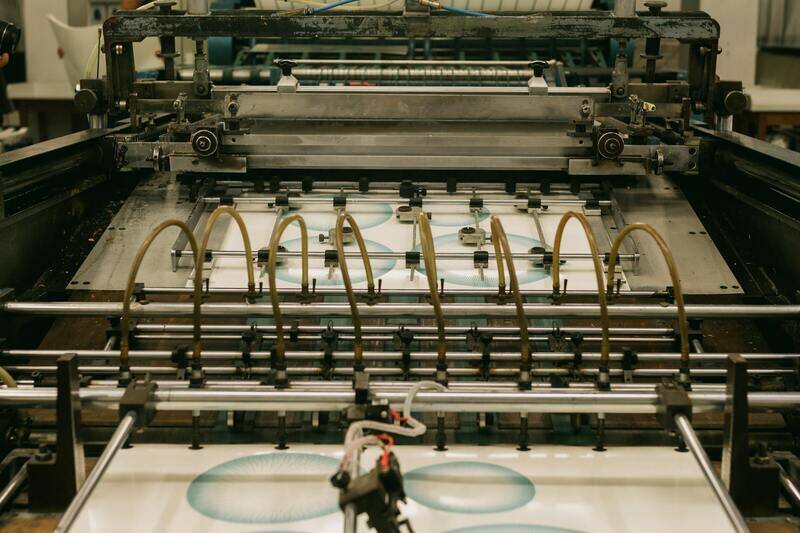
Print service providers in Singapore offer an array of finishing options that further elevate your business cards. Spot UV coatings can highlight logos or key contact details with a glossy sheen, contrasting with matte backgrounds. Embossing and debossing techniques create tactile depth, making certain elements stand out through a raised or recessed surface.
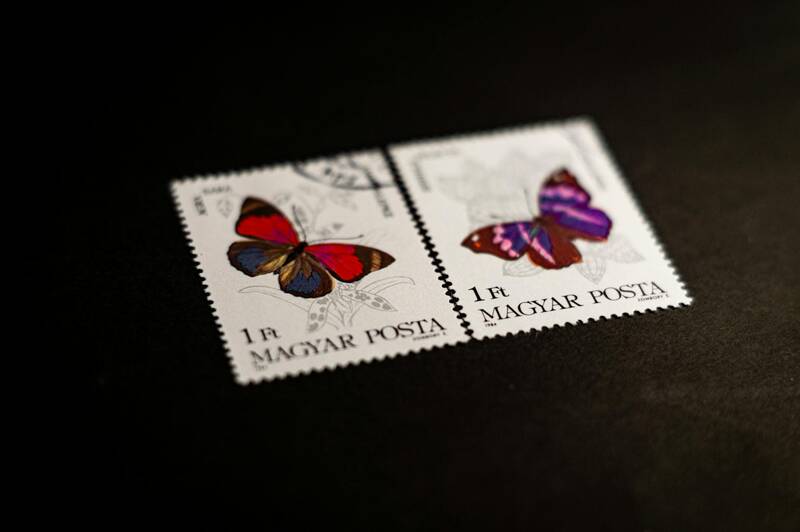
Design Considerations for Business Cards
The design of your business card must balance visual appeal with clarity. Official design guidelines stipulate the use of legible fonts, appropriate color contrasts, and sufficient whitespace to avoid clutter. Customization enables the integration of brand elements like logos, taglines, and color schemes that communicate your identity effectively.
- Maintain consistency with your branding, including typefaces and color palettes.
- Choose layouts that maximize readability, especially for contact details.
- Incorporate creative elements, such as custom shapes or cutouts, that resonate with your industry or brand personality.
- Ensure that design elements adhere to safety margins to prevent clipping during trimming.
Working with experienced designers and utilizing official design templates can streamline this process, ensuring your artwork is optimized for high-quality printing.
Printing Techniques and Technology
The technological landscape of business card printing encompasses several proven methods, each suited to different project requirements. Offset printing remains a reliable choice for large quantities, delivering consistent color fidelity and sharp detail. Digital printing is ideal for short runs and quick turnaround times, allowing for high customization without compromising quality.
- Offset printing: Best for bulk orders, providing vivid colors and precise registration.
- Digital printing: Cost-effective for smaller batches with variable data options.
- Hybrid printing: Combines offset and digital processes to optimize quality and turnaround.
Advanced techniques such as foil stamping, laser cutting, and textured finishes rely on official machinery and certified processes, ensuring durability and consistency. These technological tools allow for the realization of complex effects, such as metallic accents and intricate cut-out patterns, that make your business cards truly distinctive.
Customization Options and Unique Features
Customization extends beyond basic design to include special features that can distinguish your cards. Official methods for adding unique features include:
- Spot UV coatings for highlighting specific areas with high-gloss shine.
- Embossing or debossing to create tactile depth.
- Use of metallic foils to add a luxurious metallic shimmer.
- Specialty cuts and laser precision to produce intricate shapes or window patterns.
- Textured finishes, such as linen, felt, or embossed patterns, to enhance tactile experience.

These features are typically integrated through specialized printing techniques, with professional input ensuring that design specifications align with material behaviors and finishing processes. Effective collaboration leads to business cards that are not only visually appealing but also highly functional and durable.
Understanding Custom Business Card Printing
Custom business card printing involves selecting tailored options that reflect your brand identity while adhering to professional standards. The process begins with choosing the appropriate material and finish, which contribute significantly to the card's durability and tactile appeal. Established printing methods such as offset, digital, and hybrid printing are employed to produce high-quality cards with precise color reproduction and sharp details. These methods ensure consistency across large batches, maintaining brand integrity and professional appearance. Customize your cards further with unique features like specialty coatings, embossed elements, and intricate cuts, crafted through certified techniques that meet industry standards. Working with reputable providers ensures the use of reliable machinery and quality materials, delivering results that stand out in competitive environments.
Material Options and Finishes
The choice of material significantly impacts the tactile impression and longevity of your business cards. Common options include standard cardstock, premium matte, gloss, or laminated finishes, each offering different visual and textural effects. Thicker stocks, such as 16-20pt, provide a solid feel and resistance against wear and tear. Specialty finishes, like soft-touch matte or high-gloss UV coating, enhance visual appeal and protect the surface from smudges or scratches. Textured options, including linen or felt, add a distinctive tactile experience, which can communicate professionalism and quality. Selecting the right material and finish requires consideration of your brand message, target audience, and the intended use of the cards.

Design Considerations for Business Cards
An effective business card design should harmonize visual appeal with practical information. Clear typography, balanced layout, and appropriate color schemes are fundamental. Incorporate your logo prominently and ensure contact details are easy to read. Avoid overcrowding; maintain white space to emphasize key elements. Use consistent branding elements to reinforce identity. Consider the application of design techniques like layering, shading, or subtle embossing to add depth. When integrating images or graphics, ensure they are high-resolution and aligned with your overall branding strategy. Collaborating with experienced designers can optimize these elements, translating your brand vision into a compelling tangible piece.
Printing Techniques and Technology
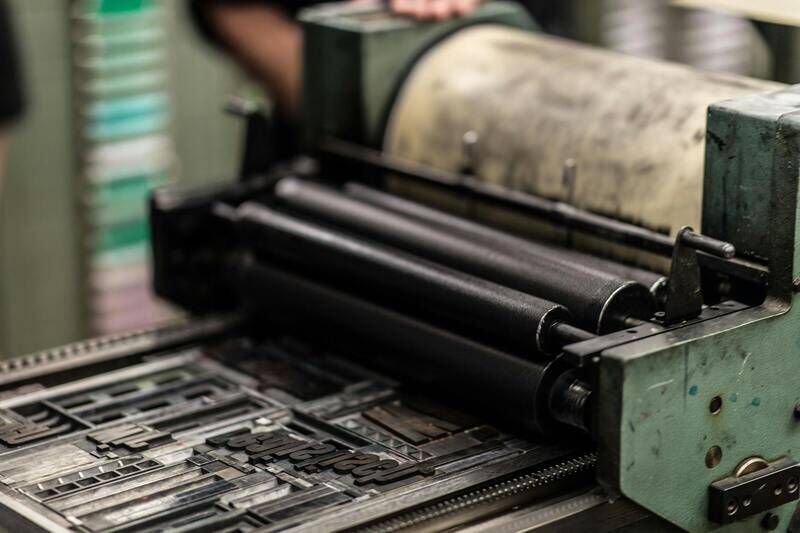
Multiple advanced printing techniques are utilized to produce bespoke business cards with intricate effects and textures. Offset printing is preferred for large volumes, delivering vibrant colors and consistency. Digital printing offers flexibility for small quantities and customization, including variable data printing for personalized information. Hybrid methods blend the strengths of offset and digital to balance quality and efficiency. Specialized techniques such as foil stamping add metallic accents, while laser cutting enables precise shapes and window cut-outs. Embossing and debossing create tactile features that enhance the physical experience. UV coatings and spot gloss highlight specific areas, adding sophistication and visual contrast. These technologies ensure your cards are not only visually striking but also durable and aligned with your branding objectives.

Customization Options and Unique Features
Customization extends beyond initial design, incorporating special features that elevate your business cards from ordinary to extraordinary. Official methods for adding unique elements include spot UV coatings, which provide high-gloss highlights on specific areas, creating a striking contrast against matte backgrounds. Embossing or debossing adds tactile dimension, emphasizing logos or key information. Metallic foils introduce a luxurious shimmer, suitable for premium branding. Specialty cuts and laser perforation allow for intricate shapes, windows, or unique die-cut patterns, making your card memorable. Textured finishes, such as linen, felt, or embossed patterns, further enrich the tactile experience, leaving a lasting impression. These features are achieved through certified processes, ensuring their durability and precise execution, in turn reinforcing your brand's professionalism and attention to detail.

Choosing a Printing Service in Singapore
Selecting a reputable printing provider is crucial for achieving high-quality custom business cards that meet your specific requirements. Consider providers with a proven track record in delivering consistent results, state-of-the-art machinery, and a wide range of customization options. Client reviews, sample portfolios, and industry certifications can serve as indicators of reliability. It is advisable to discuss your project in detail, including material choices, finishes, and special features, to ensure they can meet technical specifications. Transparent pricing, turnaround times, and customer support are also key factors. Opting for a local provider simplifies communication and facilitates quicker revisions and updates, making the process more efficient and ensuring your final product aligns perfectly with your branding vision.
Cost Factors and Budgeting
The cost of custom business card printing varies based on multiple factors, including material selection, quantity, complexity of design, and included features. Higher-quality materials, such as thicker cardstock or textured finishes, generally command higher prices. Additional enhancements like foil stamping, embossing, or specialty cuts also increase costs, but contribute significantly to the perceived value and professionalism of the final product. Digital printing is typically more economical for small batches, while offset printing offers better value for larger quantities. Budgeting effectively requires balancing desired features with overall project scale and timeline. It is advisable to request detailed quotes that itemize costs for each element to ensure transparency and help manage expenses without compromising on quality. Strategic planning allows for optimal allocation of resources, aligning expenditures with the impact your business cards will have on networking and brand recognition.