Factors Influencing Visiting Card Printing Prices
When determining the cost of printing visiting cards, several critical elements come into play, shaping the overall pricing structure. Understanding these factors can help businesses and individuals make informed decisions that align with their branding goals and budget constraints.
Paper Quality and Type
The foundation of a high-quality visiting card lies in its paper. Premium materials such as thick cardstock, textured papers, or eco-friendly options typically command higher prices due to their durability and tactile appeal. Conversely, standard matte or glossy finishes are more budget-friendly but may differ in appearance and feel. The choice of paper significantly impacts the final cost, especially when opting for specialty textures or weights.
Design Complexity
The intricacy of your card's design can directly affect the printing price. Simple, minimalistic layouts require less time and fewer resources, resulting in lower costs. On the other hand, complex designs featuring detailed artwork, multiple colors, or special effects demand advanced printing techniques and additional time, thus increasing the overall price.
Order Quantity
The number of cards ordered is a major determinant of cost-efficiency. Printing in larger quantities often decreases the per-unit price due to economies of scale. Small orders tend to have higher unit costs, while bulk orders benefit from discounts, making large-volume printing more economical for organizations planning extensive distribution.
Additional Elements and Customization
Extras such as foil stamping, embossed logos, spot UV coating, or unique finishes enhance the aesthetic appeal but also add to the cost. These customizations require specialized equipment and additional steps in the printing process, which are factored into the final price.
Turnaround Time
Fast delivery options or rush orders might incur extra charges. Standard production times are generally more cost-effective; therefore, planning ahead can help maintain budgetary discipline for visiting card printing.
Design Services and Support
Many printing providers offer in-house design assistance. Opting for professional design services can increase costs but ensures a polished, impactful final product. If you already have a ready-to-print design, you’ll avoid these additional expenses, potentially reducing the overall price.
Impact of Material and Finish Options on Price
Material selection plays a pivotal role in determining the overall cost of visiting card printing. Standard cardstock options like 250gsm matte or gloss finishes are typically more affordable and widely available across printing providers. Conversely, premium materials such as textured papers, linen finishes, or specialty stocks like translucent or metallic substrates tend to incur higher costs due to their unique properties and manufacturing complexities.
Finish options also significantly influence pricing. Matte, gloss, and soft touch coatings are common and generally cost-effective. However, specialized finishes like matte lamination with soft touch, velvet texture, or high-gloss UV coatings elevate the aesthetic and tactile appeal but require additional processes, thereby increasing the final price.

Moreover, finishes such as foiling (gold or silver), embossing, or 3D spot UV layers add a luxurious dimension but also necessitate extra labour and materials, leading to higher expenses. For organizations aiming to balance cost and visual impact, selecting a standard material with simple finishes may be a suitable approach, while opting for intricate finishes depends on the desired brand image and budget considerations.
Design Complexity and Its Effect on Pricing
Design intricacy directly correlates with the complexity of printing processes and the associated costs. Minimalist layouts with clean lines, basic typography, and limited color palettes are more cost-effective because they require less time and fewer resources to produce. Conversely, elaborate designs featuring detailed artwork, gradients, multiple colors, or custom illustrations demand advanced colour management and precise printing techniques, which can escalate costs.
For example, full-color designs that involve multiple shades and intricate graphics will generally be priced higher than monochromatic or simple two-tone prints. Additionally, designs with complex die-cut shapes or custom cut-outs further add to production costs due to the need for specialized cutting tools and extra handling time.

To optimize expenses without sacrificing design quality, many organizations opt for streamlined visuals or simplified colour schemes, especially when large quantities are involved. Leveraging professionally designed templates can also provide a balance between visual appeal and budget constraints, ensuring the final product communicates professionalism without excessive expenditure.
Quantity Discounts and Bulk Orders
Ordering in larger quantities generally leads to more favorable unit prices due to economies of scale. When printing a small batch of cards, the costs associated with setup, material, and labour are divided among fewer units, resulting in a higher per-card price. Bulk orders—such as 500, 1,000, or more—spread these fixed costs across a greater number of cards, significantly reducing the overall cost per item.
Many printing services offer tiered discounts that increase progressively with higher order volumes. This approach benefits organizations with recurring needs or those seeking to distribute cards widely, such as corporate campaigns or event networking. It’s advisable to compare prices from different providers to identify the best discounts available for the desired quantity range.

While ordering in large quantities is cost-effective, it’s crucial to accurately forecast demand to prevent excess inventory. Proper planning ensures optimal utilization of the discounts and maximizes the value of the investment in promotional materials.
Additional Services and Cost Add-ons
Additional services such as custom die-cut shapes, embossing, foil accents, or spot UV coating enhance the visual and tactile qualities of visiting cards but also add to the overall cost. Furthermore, some providers may charge for premium packaging, expedited delivery, or extra colour options beyond standard palettes.
Design assistance or professional consultation is often available at additional costs but can significantly improve the impact of the final product. It’s essential to weigh the benefits of these add-ons against budget constraints, prioritizing features that align with branding objectives.

Strategically selecting the most impactful extras can deliver a premium appearance without unnecessary expenditure, ensuring that the investment in printing yields strong branding results.
Comparing Prices from Different Printing Providers
Pricing variability exists across Singapore’s printing landscape due to differences in technology, materials, and service offerings. It is beneficial for organizations to request detailed quotations from multiple providers, considering both the base price and any additional costs for custom features or expedited services.
Evaluating reviews and portfolio samples can also provide insights into the quality and reliability of the printing service. While cost is a critical factor, balancing it with timely delivery and product quality ensures meeting branding standards while maintaining budget discipline.
Tips to Reduce Visiting Card Printing Costs
- Opt for standard materials and finishes rather than custom or premium options.
- Use simple, clean designs that require less complex printing techniques.
- Order in bulk to benefit from volume discounts.
- Leverage existing design templates to minimize costs associated with professional design services.
- Plan ahead to avoid rush orders which often carry additional surcharges.
Implementing these strategies enables organizations to produce professional-quality visiting cards that effectively represent their brand without exceeding budget constraints.
Impact of Material and Finish Options on Price
Material selection plays a significant role in determining the overall cost of visiting card printing. Standard paper stock, often weightier and more durable, generally offers a cost-effective option suitable for most branding needs. However, opting for premium papers with unique textures or finishes can increase expenses. For example, cards printed on linen or cotton paper introduce tactile richness but also come with higher material costs.
Finish options further influence the final price. Matte finishes give a muted, professional look and tend to be more economical, while gloss finishes enhance vibrancy and brightness but often come at a premium. Textured finishes, such as embossed or debossed effects, add sophistication and depth but can significantly escalate printing costs due to the additional processes involved. Special coatings like soft-touch or spot UV offer unique visual and tactile effects that, while visually appealing, also contribute to higher expenses.
Design Complexity and Its Effect on Pricing
The intricacy of a card’s design directly impacts the cost of production. Simple, minimalistic layouts generally require less printing effort, translating to lower costs. Conversely, elaborate designs with multiple colors, gradients, intricate patterns, or special effects demand advanced printing techniques such as spot color, foil stamping, or embossing, which increase both setup and per-unit costs.
Design elements like custom illustrations, detailed logos, or micro-text can also necessitate higher resolution printing or additional finishing processes, further raising costs. Ensuring that the design is optimized for efficient printing—using fewer colors or limiting intricate details—can help contain expenses without sacrificing brand impact.
Quantity Discounts and Bulk Orders
Ordering in larger quantities typically results in substantial cost savings per card. Many printing service providers in Singapore offer tiered discounts that make bulk purchasing a strategic choice for organizations seeking to equip their team or expand branding efforts without escalating budgets.
For instance, producing 1,000 or more cards may reduce the unit price considerably compared to smaller batches. It is advisable to analyze current needs versus future requirements to maximize these discounts. Proper planning ensures cost efficiency and allows for stockpiling of cards for upcoming events or campaigns.
Additional Services and Cost Add-ons
Extra services such as graphic design, expedited delivery, packaging, or special embellishments can elevate the overall price. Engaging professional designers to create bespoke artwork ensures that your cards stand out, but natural costs increase accordingly.
Similarly, opting for expedited turnaround times to meet urgent deadlines often incurs additional fees. Additional features like foil stamping, spot UV coating, or laser-cut edging further add to the overall cost but can deliver a distinctive product that enhances brand recognition.
Design Complexity and Its Effect on Pricing
When evaluating the costs associated with visiting card printing, understanding the impact of design intricacy is essential. Simple layouts with minimal graphics and straightforward typography generally incur lower production costs, making them ideal for budget-conscious orders. Conversely, complex designs featuring multiple colors, detailed illustrations, or unique typography demand more sophisticated printing techniques, which can significantly drive up expenses.
Custom illustrations, detailed patterns, or embossed features require additional setup time and specialized equipment. For example, creating a multi-layered design with foil accents or textured finishes involves advanced methods like letterpress or UV coating, both of which contribute to a higher price point. Sophisticated finishes such as matte or gloss lamination, spot UV, or embossed patterns further increase costs but also elevate the tactile and visual appeal of the cards.
To balance design quality with cost efficiency, consider simplifying intricate details without compromising brand identity. Choosing designs with fewer colors or utilizing single-color or monochrome printing can reduce printing expenses while maintaining professional aesthetics. Professional designers can also help optimize designs for cost-effective production without sacrificing originality.

Impact of Material and Finish Options on Price
Material selection and finishing options are pivotal in determining the overall cost of visiting card printing. Standard cardstock options, such as 300gsm matte or gloss finishes, provide a budget-friendly baseline. However, upgrading to premium materials like textured paper, plastic, or metal enhances durability and tactile feel, which correspondingly increases production costs.
Special finishings like foil stamping, spot UV, or embossing create a luxurious impression but require additional processing steps. These embellishments make each card stand out, reinforcing brand recognition and perceived value, yet they come with a higher price tag. Similarly, choosing thicker or specialty materials, such as transparent or magnetic cards, involves extra material costs and specialized printing techniques.
Finishing choices like soft-touch coatings or rounded edges also impact pricing. These enhancements add to the production complexity, which can extend lead times and overall costs. Careful selection of materials and finishes aligned with branding goals ensures an optimal balance between visual impact and expenditure.
Factors Influencing Visiting Card Printing Prices
Several key factors contribute to the final cost of producing visiting cards. Understanding these elements helps businesses and individuals make informed decisions while balancing quality and budget considerations. The primary factors include the choice of material, design complexity, finishing options, printing techniques, and the quantity ordered.
Material Selection
The type of material used significantly impacts the price. Standard cardstock weighing around 300gsm is economical and widely used, providing durability and a professional look at a reasonable cost. Upgrading to premium options such as textured paper, plastic, metal, or transparent materials adds to the expenses but offers enhanced durability and tactile appeal. For instance, metal visiting cards tend to be more costly due to the material and specialized printing processes involved.
Design Complexity
The intricacy of the design influences production complexity. Simple designs with minimal colors and straightforward layouts are less expensive, especially when printed in monochrome or limited color schemes. Conversely, elaborate designs featuring multiple colors, intricate artwork, or custom shapes require advanced printing techniques and more time, thus increasing costs.

Finish and Embellishments
When evaluating visiting card pricing, the finish type plays a crucial role. Matte, gloss, or soft-touch coatings are standard options that come at different price points. Specialized finishes like foil stamping or spot UV coating add luxury effects but entail additional processing, thus increasing the overall cost. Embellishments such as embossing or debossing further elevate visual appeal at a premium.
Printing Techniques
The choice of printing method—digital, offset, or screen printing—also influences pricing. Digital printing offers quick turnaround times and is cost-effective for small batches, while offset printing becomes economical with larger quantities due to lower per-unit costs. Certain finishes and embellishments may require specific techniques, affecting overall expenses.
Order Quantity
Bulk ordering typically yields significant cost savings per card. Many printing providers offer tiered pricing or discounts for larger quantities, making it advantageous for companies or organizations requiring a sizeable supply of visiting cards. Planning batch sizes thoughtfully can optimize costs without sacrificing quality.
Images
Factors Influencing Visiting Card Printing Prices
Understanding the various elements that affect the cost of visiting card printing is essential for making informed decisions. Several key factors come into play, including material selection, design complexity, finishing options, printing techniques, and order quantity. Each of these components contributes differently to the overall pricing, allowing for customization based on budget and desired quality.
Material Choices and Their Cost Impact
The type of paper or specialty material used for visiting cards significantly influences their price. Standard cardstock offers a cost-effective option, while premium materials such as textured papers, recycled options, or synthetic substrates tend to be more expensive. These materials not only affect the aesthetic appeal but also durability, which can be crucial for branding and professional presentation.
Design Complexity and Production Methods
Design intricacies can lead to variations in manufacturing processes. Simple, minimalist designs usually require straightforward printing techniques, leading to lower costs. Conversely, intricate patterns, gradient effects, or custom artwork may necessitate advanced printing methods or additional setup steps, thereby increasing expenses. Streamlining design elements can help contain costs without compromising on visual impact.
Finish and Embellishments
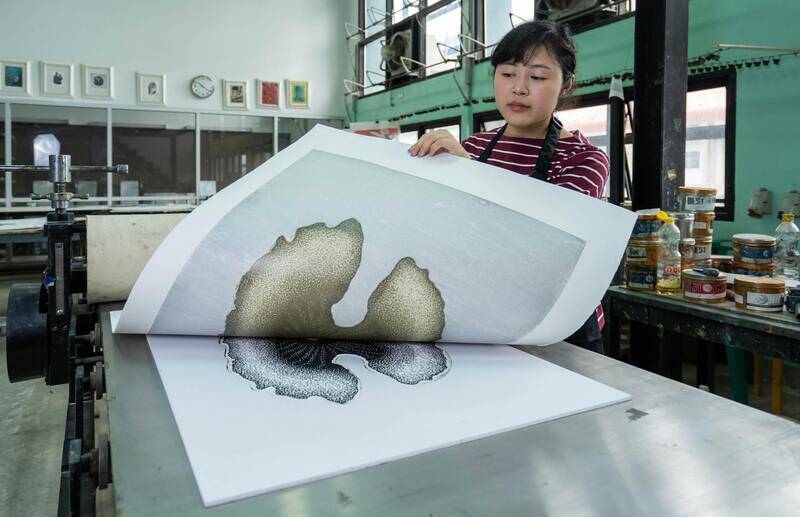
The finish applied to visiting cards alters both their feel and appearance as well as the price. Matte finishes provide a smooth, subdued look and are usually affordable. Glossy coatings enhance color vibrancy but may cost slightly more. Specialty finishes like soft-touch coatings add a luxurious feel at a premium. Embellishments such as foil stamping, spot UV coating, embossing, or debossing markedly increase production costs but significantly boost visual appeal and tactile quality.
Choosing the Right Printing Technique
Different printing methods have varying cost implications. Digital printing is ideal for small batches and quick turnaround times, often offering the most economical solution. Offset printing is suitable for larger quantities, decreasing per-unit costs substantially. Screen printing, while less common, is preferred for special effects or specific finishes. The choice of technique should align with order size, design requirements, and budget considerations.
Order Quantity and Price Benefits
Bulk orders typically translate into lower prices per card, making them advantageous for organizations hosting events, businesses rebranding, or companies intending to supply many staff members. Many printing providers offer tiered discount schemes, allowing substantial savings as quantities increase. Careful planning of order size can optimize expenses while maintaining high quality standards.
Images

Additional considerations such as material selection and design complexity are critical for balancing cost and quality. Understanding these factors helps in creating visiting cards that align with branding objectives and budget constraints effectively.
Factors Influencing Visiting Card Printing Prices
The cost of printing visiting cards can vary significantly depending on several key factors. First, the choice of material plays a crucial role. Standard paper stocks like 300gsm matte or glossy paper tend to be more affordable, whereas premium options such as textured or metallic papers increase expenses. Additionally, the thickness and specialty finishes applied can elevate costs, especially if enhanced tactile qualities or visual effects are desired.

Printing techniques also influence pricing. Digital printing offers a budget-friendly solution for small batches with quick turnaround times, while offset printing becomes more economical for larger quantities due to reduced per-unit costs. Screen printing, though less common, provides unique effects but generally incurs higher setup fees.
Design intricacies impact cost as well. Simple, minimalistic layouts with straightforward fonts typically incur lower charges compared to intricate designs involving detailed graphics, complex color schemes, or custom artwork. The number of colors used can also increase printing costs, especially when multi-color or specialty inks are involved.
Impact of Material and Finish Options on Price
Choosing the right materials and finishes is essential for balancing quality and budget. For example, matte and gloss finishes are standard, but specialty options like soft-touch coatings and spot UV add visual and tactile appeal at an added expense. Embellishments such as foil stamping, embossing, or debossing further enhance the card’s appearance, though they significantly raise production costs.
Additional features like rounded corners, unusual shapes, or textured surfaces can also influence price by requiring specialized cutting and printing processes. Carefully selecting materials and finishes aligned with branding goals ensures a professional look without unnecessary expenditure.
Design Complexity and Its Effect on Pricing
Complex designs with layered graphics, custom fonts, and detailed artwork require more time and resources, leading to higher costs. Multiple revisions or amendments during the design process can also add to expenses. In contrast, simpler designs that utilize standard fonts and limited colors tend to be more economical to produce.
Photo-quality images or detailed artwork may necessitate high-resolution printing and more expensive ink types, contributing further to overall costs. Incorporating innovative design elements that demand special printing techniques should be planned carefully to avoid budget overruns.
Quantity Discounts and Bulk Orders
Most printing providers offer tiered discounts for bulk orders. Ordering in large quantities reduces the cost per card, making it an efficient option for companies, event organizers, or individuals looking to produce multiple sets at once. For instance, ordering 1,000 cards may significantly lower the unit price compared to smaller batches.
Strategic planning of order quantities allows organizations to optimize their budget while ensuring sufficient supply for marketing or professional needs. Taking advantage of discounts often results in notable savings, especially when combined with design choices that balance quality and affordability.
Additional Services and Cost Add-ons
Complementary services like customized packaging, expedited delivery, or premium finishes add to the overall cost of card printing. Many providers offer optional add-ons such as laser-cut shapes, gentle corner rounding, or the inclusion of QR codes for enhanced interactivity, each impacting the final price.
Accessory features like envelope printing or matching stationery can also be bundled, providing a cohesive branding package but at a higher expense. When selecting these additional features, it's vital to evaluate their necessity against the overall budget to ensure cost-effective quality enhancements.
Factors Influencing Visiting Card Printing Prices
Multiple elements contribute to the overall cost of printing professional visiting cards. Understanding these factors helps individuals and organizations make informed decisions that align with their budgets while maintaining quality standards.
Material Selection and Finish Options
The choice of material significantly affects pricing, with popular options including standard cardstock, matte, gloss, and premium textured papers. Each material offers distinct tactile and visual effects, and the price varies accordingly. For instance, premium thick cardstock or specialty textured surfaces tend to be more expensive. Additionally, finish options such as foil stamping, embossing, or matte versus glossy coatings introduce further cost variations.

Design Complexity and Customization
The intricacy of a design influences production costs. Simple, minimalist designs with basic typography and logos are generally economical to produce. Conversely, detailed illustrations, layered graphics, or custom die cuts require advanced printing techniques and may extend production times, leading to higher costs. In particular, unique shapes or special textures demand specialized equipment, which contributes to increased expenses.
Order Quantity and Bulk Discounts
Ordering in larger quantities typically results in reduced unit costs due to economies of scale. Many providers offer tiered pricing where the cost per card decreases with the volume ordered. For organizations planning multiple events or needing rebranding, bulk orders can be a strategic way to minimize overall expenditure while ensuring sufficient supply. Proper planning of order sizes allows for significant savings without sacrificing quality.
Additional Services and Cost Add-ons
Supplementary features such as custom packaging, special finishes, or interactive elements like QR codes contribute to higher overall expenses. Services like quick turnaround or priority processing also incur additional charges. When selecting these options, weighing their benefits against their costs ensures that expenditures remain justified by the added value they bring.
Comparing Prices from Different Printing Providers
Prices for visiting card printing can vary substantially across different providers. While some companies may offer budget-friendly packages with basic options, others focus on premium quality and customized solutions. It’s essential to compare not only the initial quotations but also the inclusiveness of each package—such as quantities covered, finish options, and delivery costs. Reading reviews and examining sample works can also provide insights into the quality and reliability of the service provider.