Factors Influencing Brochure Printing Costs
Understanding the cost structure of brochure printing in Singapore requires a comprehensive look at several key factors. These variables can significantly influence the overall price, helping businesses and individuals make informed decisions when planning their marketing materials. The primary elements affecting brochure printing costs include size, paper quality, fold types, finishing options, and additional customization. Each of these components plays a distinct role in shaping the final price, and a clear grasp of their impact allows for better budget management.

Size of the Brochure
The dimensions of a brochure directly affect production costs. Standard sizes such as A4, A5, and DL are generally more affordable due to their popularity and efficiency in printing and paper utilization. Custom sizes or unconventional dimensions require specialized printing setups, which can lead to increased costs. Larger brochures typically consume more paper and ink, raising expenses, while smaller formats might be more economical but could limit design possibilities.
Paper Quality and Finish
The grade and texture of paper used in brochure printing significantly influence pricing. Premium paper options, such as coated or glossy finishes, offer enhanced visual appeal and durability but come at a higher cost compared to standard matte or uncoated papers. Heavier paperweights increase material expenses but provide a sturdier feel, which can be desirable for high-end marketing campaigns. Additionally, specialty finishes like UV coating or lamination add a layer of protection and aesthetic value, but these come with added charges.
Fold Types and Design Complexity
The type of fold selected impacts both production complexity and cost. Common fold styles include bi-fold, tri-fold, and z-fold, each differing in difficulty and material consumption. Complex folds or custom fold designs require precise engineering and additional setup, resulting in higher prices. Moreover, intricate layouts or multiple panels demand more detailed printing and cutting processes, which can extend production time and increase costs.
Finishing Options and Customizations
Additional features such as die-cutting, embossing, spot UV, or foil stamping elevate the visual and tactile quality of brochures. While these enhancements make marketing materials more appealing, they also considerably affect the overall budget. Custom lamination or textured effects add unique surface qualities but require specialized equipment, thus increasing the production expense.
Image Placeholder
Factors Influencing Brochure Printing Costs
When assessing brochure printing prices in Singapore, several key elements play a pivotal role in determining the final cost. Understanding these factors enables businesses to make informed decisions that balance quality with budget constraints. Among the primary considerations are paper selection, fold complexity, finishing options, and custom features, all of which contribute significantly to the overall expense.
Paper Selection and Quality
The choice of paper directly impacts printing costs. Standard uncoated or matte papers are more economical and commonly used for basic marketing materials. However, opting for coated, glossy, or premium textured papers enhances tactile appeal and visual vibrancy but increases material costs. Heavier weight papers, such as 170gsm or 250gsm, provide a more substantial feel and durability, making them suitable for high-end campaigns but also elevating expenses. Specialty paper finishes, including soft-touch coatings or linen textures, add a unique sensory experience but require additional printing processes and materials, thus incurring higher charges.
Fold Types and Design Complexity
The type of brochure fold influences both production complexity and costs. Simple bi-fold or tri-fold designs are generally cost-effective and straightforward to produce. In contrast, intricate folds like z-folds, gate folds, or accordions demand specialized equipment and precise engineering, which can significantly increase costs. Custom fold designs that require additional setup or die-cutting also contribute to higher pricing. Moreover, complex layouts with multiple panels, detailed graphics, or intricate cut-outs require more time and precision, resulting in increased labor and material expenses.
Finishing Options and Customizations
Enhancing brochures with various finishing techniques not only boosts their visual appeal but also affects manufacturing costs. Techniques such as spot UV coating, embossing, foil stamping, or die-cutting add tactile and visual sophistication. While these features can elevate the perceived value of promotional materials, they involve specialized equipment and extra processing time, which translates into higher prices. Additional surface treatments like lamination or textured finishes further amplify the costs but provide durability and a premium look that can justify higher price points in competitive markets.

Additional Features and Customization Costs
Beyond the basic design, optional add-ons such as custom die-cuts, embossed logos, or metallic foils can significantly influence brochure printing costs. These customizations provide distinct visual and tactile effects that help brands stand out but require additional setup, materials, and expertise. Custom lamination or textured effects, such as linen or velvet finishes, also contribute to increased manufacturing expenses. Considering these options early in the planning phase allows for cost-effective customization aligned with marketing goals.
Impact of Quantity and Production Volume
Order volume has a direct impact on per-unit costs. Larger quantities typically benefit from economies of scale, reducing the overall price per brochure. In contrast, small batch runs tend to incur higher unit costs due to setup fees and fixed expenses associated with each print job. Planning for an optimal order size can lead to significant savings without compromising quality, especially when considering bulk discounts available from reputable printing service providers.
Profiling Price Ranges for Brochure Printing in Singapore
In Singapore, brochure printing prices can vary depending on the specifications selected. Basic designs with standard paper and simple folds might start at approximately SGD 0.50 to SGD 1.00 per copy for quantities exceeding 1,000 units. Mid-range options with premium papers, custom folds, and minimal finishing enhancements may range between SGD 1.50 to SGD 3.00 per brochure for similar quantities. High-end brochures featuring specialty papers, intricate folds, and advanced finishing techniques can reach between SGD 3.50 to SGD 6.00 or more per piece, especially for smaller batch quantities. It is crucial to request comprehensive quotes from multiple printers to ensure competitive pricing tailored to specific project requirements.
Guidelines for Obtaining Accurate Quotes and Cost Optimization
- Clearly define specifications, including size, paper type, fold style, and finishing features, to enable precise quotations.
- Plan quantities with future marketing campaigns in mind to leverage bulk discounts.
- Ask for sample proofs before proceeding with large orders to verify quality and design fidelity.
- Compare quotes from multiple reliable printers to maximize value for your investment.
- Consider alternative materials or design simplifications that may reduce costs without compromising the overall visual impact.
Printing Techniques and Their Price Differences
Choosing the appropriate printing technique is a crucial factor that influences the overall cost of brochure production in Singapore. Each method offers distinct advantages and cost implications, providing options suited for various marketing needs and budget constraints.
- Digital Printing: Ideal for short to medium print runs, digital printing is cost-effective for smaller quantities. It involves direct printing from digital files to the chosen media, eliminating the need for printing plates. This method allows for quick turnaround times and easy customization, especially useful for personalized brochures or limited editions. While generally more affordable per piece at lower volumes, digital printing may incur higher unit costs compared to offset printing as volume increases.
- Offset Printing: Predominantly used for large-volume orders, offset printing provides high-quality output with vibrant color accuracy and sharp details. This process involves creating plates for each color used in the design, which makes it more cost-effective at higher quantities due to economies of scale. The initial setup costs are higher, but per-unit costs decrease significantly when printing in bulk, making offset ideal for extensive marketing campaigns requiring consistency and premium finishes.
- UV Printing: A specialty technique that utilizes ultraviolet light to cure inks instantly on various substrates, including thicker or textured papers. UV printing offers durable, high-gloss finishes with exceptional color vibrancy. Although the costs are usually higher due to equipment and process complexity, it provides unique visual effects that can enhance the impact of premium brochures and promotional materials.
Understanding these techniques and their associated costs enables businesses to select the most efficient method aligned with their project scope and budget. For small batches or highly customized brochures, digital printing offers flexibility and cost savings. Conversely, offset printing excels for large orders with standardized designs, delivering consistent quality at a lower per-piece price. UV printing, though premium-priced, can be justified when the visual effect and durability are paramount.
Paper Types and Quality Options
Choosing the appropriate paper type and quality is a fundamental factor influencing the overall cost of brochure printing in Singapore. The selection ranges from standard coated papers to premium textured finishes, each with distinct price points. Standard matte or gloss coated papers are often more budget-friendly and widely used for general marketing materials. These papers typically have a smooth finish that enhances color vibrancy and readability, making them suitable for both digital and offset printing methods.
For projects requiring a more luxurious feel or a unique visual appeal, options such as silk, linen, or textured specialty papers are available. These materials increase production costs due to their higher manufacturing costs and the need for careful handling during printing. Heavier weight papers, usually measured in grams per square meter (gsm), add to the expense but also improve the durability and tactile quality of brochures.
Finishing options such as UV coating, lamination, or embossing further impact pricing. UV coating provides a high-gloss, scratch-resistant surface that accentuates artwork and colors, often adding a premium cost. Laminations, available in matte, gloss, or satin finishes, enhance longevity and give a polished appearance but at an additional expense. Textured finishes like linen or soft-touch coatings are typically more costly, but they create a distinctive tactile experience that can significantly elevate the perceived value of the brochure.
Considering the intended use and target audience, selecting the right paper and finishing options helps optimize costs while delivering the desired impact. A well-chosen material not only enhances visual appeal but also contributes to the brochure’s durability and overall effectiveness in conveying brand message.
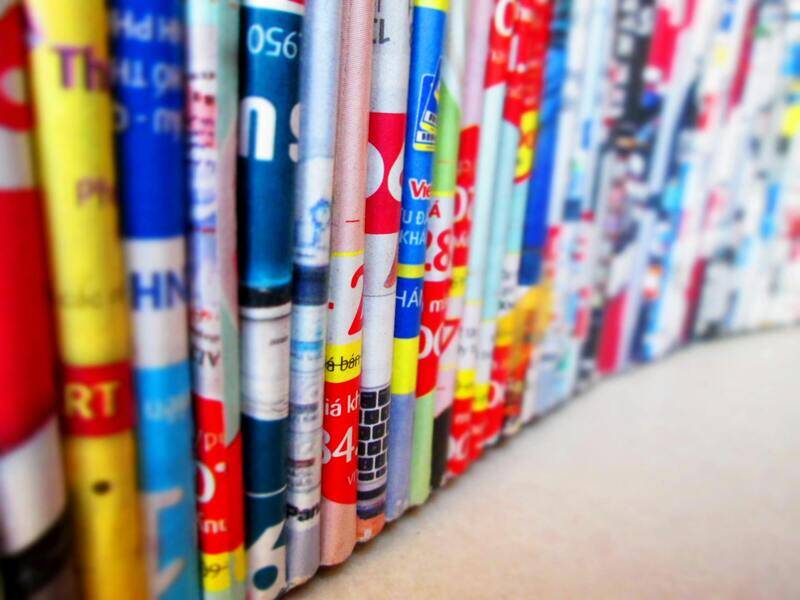
Adjusting the paper choice according to project needs can lead to significant savings without compromising on quality. For example, opting for standard gloss coated paper for mass campaigns and reserving premium textured papers for high-end, limited-edition brochures ensures cost efficiency. Furthermore, working closely with printers to understand the best options suited for specific printing techniques can help control expenses effectively.
Factors Influencing Brochure Printing Costs
Brochure printing expenses in Singapore are determined by a range of factors that can significantly alter the overall cost. These include the selected printing techniques, paper quality, finishing options, and the complexity of the design. Generally, high-quality materials and advanced printing processes command higher prices, reflecting their superior visual and tactile effects. Additionally, special effects such as embossing or spot UV coating require specialized equipment and expertise, which naturally increase production costs. It’s crucial for clients to balance their desired visual impact with budget considerations, selecting options that align with their brand image and marketing objectives. Careful planning and consultation with reputable printers can help identify effective combinations of features that maximize value while remaining cost-efficient.

Furthermore, factors such as turnaround time and order complexity influence pricing. Shorter deadlines may incur rush charges, while custom designs or special effects tend to increase per-unit costs. When planning a brochure project, it’s advisable to consider these variables and communicate specific needs clearly to suppliers. Transparent discussions about options and limitations help avoid unexpected costs, ensuring the final quote aligns with the budget. Choosing experienced printers with a track record of delivering quality work efficiently can also reduce the risk of costly revisions or delays, contributing to overall cost savings.
Additional Hidden Costs to Watch For
- Proofing and sample charges, especially for complex or custom designs
- Setup fees for particular printing methods or finishing processes
- Shipping and delivery costs, particularly for large or bulky orders
- Design adjustments or revisions needed during the printing process
Understanding these potential additional expenses helps in crafting a comprehensive budget and selecting the most suitable options. Prioritizing essential features and exploring package deals or bulk discounts can also lead to substantial savings, ensuring an optimal balance between quality and cost.
Factors Influencing Brochure Printing Costs
Brochure printing costs in Singapore are affected by multiple core factors that printers consider when providing quotes. Key elements include the scope of customization, choice of printing technology, and the quality of materials used. For instance, achieving a high-end, luxurious look often entails selecting premium paper stocks and advanced finishing techniques, which naturally increase expenses. Additionally, the complexity of design, such as intricate graphics or multiple folds, can require specialized handling, contributing to higher costs. Size and fold type also play a significant role; larger brochures or those with complex folds demand more materials and labor, pushing up the overall price. Geographical considerations, such as delivery distances and regional logistics, may also influence final costs, especially for large-volume orders. Understanding these variables helps businesses accurately estimate budgets and select suitable options aligned with their branding and marketing objectives.

Common Brochure Sizes and Formats in Singapore
Singapore businesses typically opt for popular brochure sizes that balance visual appeal with cost efficiency. The standard sizes include A4 (210mm x 297mm), DL (99mm x 210mm), and A5 (148mm x 210mm). These formats are widely available and compatible with common printing equipment, allowing for competitive pricing. Larger or custom sizes, while more eye-catching, tend to command higher prices due to increased material and production needs. Formats such as bi-fold, tri-fold, and Z-fold are common, each presenting different pricing and production considerations based on complexity and finishing requirements. Custom formats or unconventional shapes can elevate costs but are effective at capturing attention, especially when integrated with premium finishes. Selecting the right size and fold type depends on branding goals, distribution channels, and budget constraints—and working with experienced printers ensures that the chosen specifications optimize cost and visual impact.

Printing Techniques and Their Price Differences
The printing method significantly influences brochure costs. Offset printing is prevalent for larger quantities because of its cost efficiency at scale and superior color consistency. It involves creating plates for each color and is suitable for high-volume orders; the per-unit cost decreases as quantity increases. Digital printing, on the other hand, is more cost-effective for smaller batches owing to lower setup costs and faster turnaround times. It allows for quick adjustments and customized options, making it ideal for personalized marketing campaigns. Specialty printing techniques like UV coating, embossing, foil stamping, and spot varnish, while enhancing aesthetics, add to the overall price. These methods often require additional setup steps and materials, reflecting in higher costs per brochure. Printers often recommend a combination of techniques tailored to project needs, optimizing both visual appeal and budgetary considerations.

Paper Types and Quality Options
Paper quality greatly affects the final price of brochures. Standard options include matte, gloss, and satin finishes, each catering to different visual effects and tactile sensations. Higher GSM (grams per square meter) papers, like 150gsm to 300gsm cardstock, contribute to a premium feel, but naturally increase costs. Specialty papers with textures or recycled content are also available, allowing brands to communicate values such as sustainability, albeit at a higher expense. Finishing options such as lamination, UV coating, or soft-touch coatings serve to protect the print and enhance aesthetic appeal, but these add to production costs. The choice of paper and finish should align with the branding message and audience expectations. When considering cost-effective options, balancing quality with budget is crucial—premium materials should be used selectively to highlight key areas or sections of the brochure.

Quantity and Production Volume Impact on Price
Order quantity is one of the most influential factors affecting brochure printing prices in Singapore. Larger volume orders naturally benefit from economies of scale, significantly reducing the per-unit cost. For example, printing 1,000 brochures may be more cost-effective per piece than smaller quantities due to setup savings and bulk material discounts. Conversely, small batches are ideal for bespoke or limited-edition campaigns but usually carry higher per-piece costs. Many printers offer tiered pricing packages that reward higher volumes with discounts, encouraging businesses to plan for larger runs when feasible. Additionally, the production timeline can influence pricing; urgent orders may incur rush fees, especially if production must be expedited beyond standard lead times. Strategic planning and early engagement with printers enable organizations to optimize volume and timing, effectively balancing quality, reach, and cost-effectiveness.
Factors Influencing Brochure Printing Costs
Brochure printing costs in Singapore are influenced by a multitude of factors that businesses must consider to optimize their marketing budget. Key aspects include the complexity of the design, choice of printing technology, paper quality, size and format, quantity ordered, and additional customization options. A comprehensive understanding of these elements allows for precise cost estimation and informed decision-making.
Design Complexity and Details
The intricacy of your brochure design plays a significant role in pricing. Simple designs with minimal colors and straightforward layouts typically incur lower costs. Conversely, multi-colored, highly detailed graphics or designs requiring special effects may increase expenses due to additional printing passes or specialized equipment. Clear, visually appealing visuals aligned with branding standards are essential; however, balancing complexity with budget ensures efficient use of resources.
Printing Technology
- Digital Printing: Suitable for short runs and quick turnaround times, digital printing offers competitive prices for small quantities. The process minimizes setup costs, making it ideal for on-demand printing.
- Offset Printing: This method is preferred for larger volumes, delivering superior quality and color accuracy at a lower per-unit cost when printing high quantities. Offset printing involves initial setup but becomes more economical as quantity increases.
Paper Quality and Finish
The type of paper and finishing touches significantly influence the final brochure cost. Standard options like matte or gloss finishes are economical, while premium materials such as textured, silk, or glossy special textures command higher prices. Additionally, finishes like spot UV coating, embossing, or foil stamping add a layer of sophistication but also elevate costs. Selecting an appropriate paper type and finish that complements brand identity without exceeding budget is essential for an effective brochure.

Size, Format, and Folding Options
The standard sizes for brochures in Singapore include A4, A5, DL, and square formats. Each size impacts material usage and printing costs—larger sizes typically require more paper and ink. Format complexity, such as bi-fold, tri-fold, z-fold, or gate-fold, also influences production and finishing costs. More intricate folding or unique formats that require additional handling or specialist equipment tend to increase overall expenditure.
Quantity and Production Volume Impact on Price
Order volume remains one of the most influential factors in brochure pricing. Typically, larger quantities benefit from lower unit costs due to economies of scale, reduced setup fees, and bulk material discounts. For example, printing 5,000 brochures usually results in a significantly lower per-piece cost compared to a small batch of 500 units. Furthermore, ordering in bulk allows businesses to distribute costs over a larger campaign, maximizing value.
On the other hand, small or limited-edition runs tend to have higher per-unit costs due to setup and material handling. Planning ahead and consolidating orders can lead to substantial savings while ensuring that quality standards are maintained. Additionally, lead times play a role; expedited orders may incur additional rush fees, so strategic planning can optimize both timing and budget.
Additional Features and Customization Costs
Enhancing brochures with custom features—such as embossed logos, foil stamping, die-cut shapes, or textured finishes—adds to the overall cost. These touches can differentiate your marketing materials but should be incorporated selectively to balance impact and budget. Custom inserts, special pocket designs, or unique binding methods also contribute to customization expenses. It’s crucial to evaluate the return on investment for these enhancements, ensuring they align with brand presentation goals without inflating costs unnecessarily.
Factors Influencing Brochure Printing Costs
Several critical factors affect the final price of brochure printing in Singapore, making it essential for businesses to understand these key elements. The choice of printing techniques can significantly sway costs, such as digital printing, offset printing, or specialty methods like UV coating or embossing. Digital printing tends to be more cost-effective for short runs, while offset printing offers economies of scale for larger quantities with sharper image quality. Additionally, the complexity of the design, color precision, and finishing touches all play roles in shaping the overall expenditure.
Geographical proximity and local supplier competition also influence pricing. Singapore boasts a competitive printing industry with numerous established vendors, which can lead to more favorable rates. Still, variations in pricing are common depending on the supplier’s reputation, experience, and offered services. Customization demands, such as unique fold types or special finishes, can add to costs as well. Therefore, a balanced approach considering both design excellence and budget constraints is vital when planning brochure printing projects.
Common Brochure Sizes and Formats in Singapore

In Singapore, standard brochure sizes include A4 (210mm x 297mm), A5 (148mm x 210mm), and DL (110mm x 220mm). These sizes are preferred for their versatility and ease of handling, fitting neatly into mailing envelopes and display racks. Besides standard formats, tri-fold and bi-fold designs are common for providing comprehensive yet concise content, making them effective for promotional and informational distributions.
Specialty sizes and formats, such as square or custom-shaped brochures, are also popular for brands seeking a more distinctive appearance. Such formats may command higher prices due to the need for bespoke cutting and folding processes. When selecting a size, consider logistics, print productivity, and how well the format aligns with your marketing objectives to ensure cost-effectiveness alongside visual impact.
Printing Techniques and Their Price Differences
- Digital Printing: Ideal for short runs, digital printing offers fast turnaround times and lower setup costs. Its per-unit price remains competitive for smaller quantities, though it may not match the color precision and image sharpness of offset printing for larger orders.
- Offset Printing: Best suited for bulk production, offset printing provides high-quality color consistency and detailed finishes. The initial setup costs are higher, but unit prices decrease significantly with larger quantities, making it the preferred choice for large volume projects.
- Specialty Techniques: Methods such as foil stamping, varnishing, or embossing add visual appeal but also increase the overall costs. These are typically used selectively on key sections of the brochure to maximize impact without excessive expenditure.
Paper Types and Quality Options
Paper selection dramatically influences the brochure printing cost, with options ranging from standard coated paper to premium textured or recycled materials. Thicker, higher-quality paper stocks, such as 170gsm or 300gsm, lend a luxurious feel and durability but come at a higher price point. Matt or gloss finishes are common, with gloss often providing vibrant colors and a slick look, while matte offers a subdued, elegant appearance.
Specialty papers like silk or suede textures, or environmentally friendly options, appeal to niche markets but typically carry premium costs. When choosing paper types, weigh durability, aesthetic appeal, and budget constraints to arrive at a suitable compromise that maintains branding standards while controlling expenses.
Quantity and Production Volume Impact on Price
Order volume remains one of the most influential factors in brochure pricing. Typically, larger quantities benefit from lower unit costs due to economies of scale, reduced setup fees, and bulk material discounts. For example, printing 5,000 brochures usually results in a significantly lower per-piece cost compared to a small batch of 500 units. Furthermore, ordering in bulk allows businesses to distribute costs over a larger campaign, maximizing value.
On the other hand, small or limited-edition runs tend to have higher per-unit costs due to setup and material handling. Planning ahead and consolidating orders can lead to substantial savings while ensuring that quality standards are maintained. Additionally, lead times play a role; expedited orders may incur additional rush fees, so strategic planning can optimize both timing and budget.
Additional Features and Customization Costs
Enhancing brochures with custom features—such as embossed logos, foil stamping, die-cut shapes, or textured finishes—adds to the overall cost. These touches can differentiate your marketing materials but should be incorporated selectively to balance impact and budget. Custom inserts, special pocket designs, or unique binding methods also contribute to customization expenses. It’s crucial to evaluate the return on investment for these enhancements, ensuring they align with brand presentation goals without inflating costs unnecessarily.