Understanding Banner Design and Its Importance
Banner design plays a pivotal role in modern marketing and branding strategies, acting as a visual cornerstone that captures attention and delivers essential messages effectively. An eye-catching and well-crafted banner not only draws viewers in but also communicates the intended information with clarity and impact. Whether used for promotional events, storefront signage, trade shows, or outdoor advertising, banners serve as versatile tools that enhance visibility and reinforce brand recognition. Proper design principles ensure that banners are not only aesthetically appealing but also functional in conveying the right messages to the target audience. In this context, the choice of design elements, material, and printing techniques directly influences how well a banner performs in its physical environment. This comprehensive understanding aids businesses in selecting the most suitable options for their specific marketing goals, ensuring that investment in banner creation yields maximum returns. High-quality banner design, therefore, is fundamental in establishing brand authority, attracting foot traffic, and driving engagement across various platforms and settings.
In today's competitive marketplace, the impact of a professionally designed banner extends beyond mere aesthetics. It is about creating a visual language that resonates with the target demographic, communicates the core message swiftly, and prompts a specific response—whether it's visiting a store, attending an event, or exploring a product. The importance of banner design also lies in its ability to adapt across different mediums and environments, requiring a strategic approach that considers placement, lighting, viewing distances, and cultural context. From vibrant color schemes that attract passersby to typography that ensures readability from afar, every aspect of banner design must be meticulously planned and executed. An effective banner acts as an ambassador for the brand, reinforcing identity and fostering a memorable impression long after initial exposure. Properly designed banners are essential assets in any comprehensive marketing plan, helping organizations stand out amid a sea of competitors and ensuring that their message is conveyed with professionalism and precision.
Choosing the Right Material and Size for Printing
One of the foundational steps in delivering a high-quality banner is selecting the appropriate material and size tailored to the intended environment and purpose. The choice of substrate directly influences durability, appearance, and overall visual impact. For outdoor banners exposed to elements such as rain, wind, and sunlight, weather-resistant materials like vinyl or mesh are highly recommended due to their resilience and longevity. Vinyl banners, especially those with a scrim (woven backing), provide excellent durability without sacrificing image clarity and vibrancy, making them ideal for long-term outdoor advertising. Mesh banners, with their breathable fabric, are better suited for windy areas as they allow air flow, reducing the risk of tearing.

Size selection depends on several factors, including the viewing distance, installation space, and intended message scope. For high-traffic outdoor locations such as building facades or roadside banners, large formats such as 10 feet by 20 feet or bigger ensure visibility and impact. Conversely, smaller banners may serve well for indoor events, shop fronts, or trade shows where close-up viewing is expected. In all cases, ensuring the proportionate balance between visual elements and white space enhances readability and aesthetic appeal.
When determining dimensions, it is crucial to consider the resolution of the design file to prevent pixelation or distortion upon printing. Accurate sizing, combined with the chosen material, ensures the banner effectively communicates the message while maintaining structural integrity and visual clarity over time.

By aligning material selection with optimal size specifications, businesses can produce banners that not only attract attention but also endure the rigors of their specific display conditions. Proper planning in this stage lays the groundwork for a professional and impactful advertising asset, maximizing return on investment and ensuring consistent brand representation across campaigns.
Analyzing the Most Secure and Effective Methods for Banner Design and Printing
Utilizing Certified Design Software and Tools
Creating a professional banner begins with the right design software tailored for large-format graphics. Industry-standard programs such as Adobe Photoshop, Illustrator, and CorelDRAW are renowned for their ability to handle high-resolution files, detailed vector graphics, and precise color management. These tools enable designers to craft visuals that are sharp, vibrant, and true to brand specifications, ensuring the final product communicates the intended message effectively. Additionally, using software with advanced proofing features helps validate color consistency and layout accuracy before printing, minimizing errors that could compromise the banner's visual impact.

Incorporating templates from reputable sources or utilizing built-in design guidelines ensures adherence to standard sizes and proportions, which is essential for maintaining clarity at various viewing distances. When preparing files, it is crucial to set the correct resolution—generally 300 DPI for print—to achieve crisp images and text. Employing color profiles like CMYK ensures colors appear consistent from digital to physical mediums, eliminating discrepancies that could diminish the banner's effectiveness.
Employing Reliable Printing Techniques and Processes
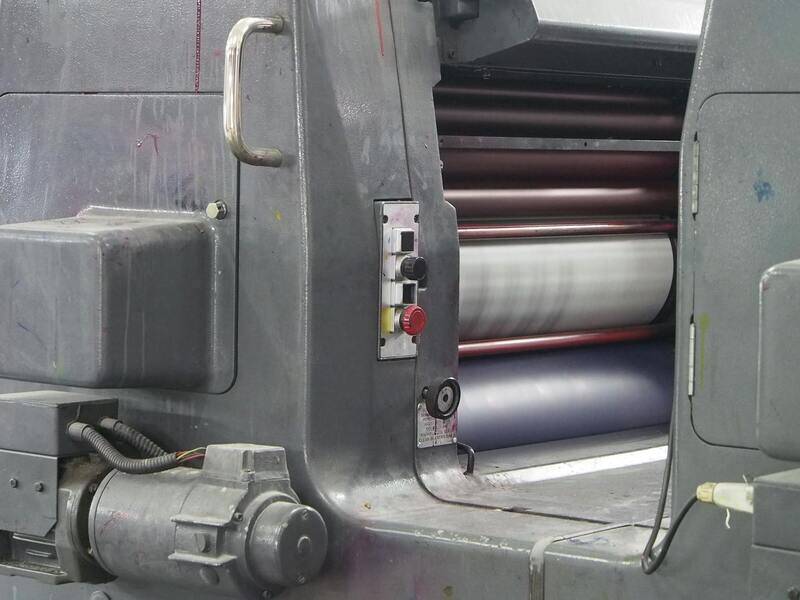
The quality of banner printing significantly influences its durability and visual appeal. Digital printing is the most common method used for short to medium runs, offering quick turnaround times and high detail reproduction. For larger quantities or more durable banners, screen printing or solvent-based UV printing may be preferred, as these techniques provide richer colors and enhanced weather resistance. These advanced processes utilize specialized inks capable of adhering well to various materials, including vinyl, mesh, or fabric, while resisting fading and environmental wear.
Ensuring precise color matching is facilitated through standardized Pantone color systems, which help achieve consistency across multiple banners or campaigns. Additionally, continuous quality checks during the printing process are vital to detect and correct any defects, such as misalignment or color inconsistencies, thereby delivering a finalized product that meets professional standards.
Strict Adherence to Approved Methods for Banner Fabrication
Adopting vetted methods for banner material selection, size configuration, and printing processes guarantees optimal results. Certified printing facilities employ rigorous quality control measures, including calibration of equipment, selection of weather-proof inks, and meticulous material handling. These practices help produce banners that not only attract attention but also withstand outdoor conditions, including rain, wind, and UV exposure. Legally compliant printing providers also use environmentally responsible inks and disposal methods, supporting sustainable business practices.

Ensuring Proper Documentation and Certification
Choosing printing partners that provide comprehensive documentation of their processes can aid in verifying quality standards and material authenticity. Certifications such as ISO standards or compliance with environmental and safety guidelines affirm that the production methods adhere to best practices. This transparency not only safeguards the integrity of the finished banners but also reinforces trust for businesses aiming to maintain a professional image.
Furthermore, maintaining detailed records of designs, materials used, and print batch information assists in future reproductions and warranty claims, ensuring continuity in branding efforts. This meticulous approach to documentation discreetly supports legal compliance and enhances overall quality assurance during the banner creation process.
Optimal Mesh and Vinyl Choices for Banner Durability
When selecting materials for banner printing, mesh and vinyl options are prevalent due to their durability and performance in outdoor environments. Mesh banners, composed of tightly woven polyester or vinyl-coated fabrics, are highly resistant to wind while still allowing airflow, reducing strain on mounting points. Consequently, they are ideal for large-scale banners placed in high-wind zones such as open fields or building exteriors. Vinyl banners, particularly those with calendared or cast vinyl, offer exceptional color vibrancy and weather resistance, making them suitable for both short-term promotional events and long-term outdoor advertising.
With respect to vinyl variations, calendered vinyl is more budget-friendly and suitable for temporary displays, whereas cast vinyl provides superior conformability and longevity, often lasting upwards of five years with proper care. Both materials are compatible with various printing techniques, including solvent, eco-solvent, and latex printing, which enhance their resistance to UV rays, moisture, and surface abrasions, ensuring banner integrity over time.
Understanding the Significance of Finishing and Reinforcements
Finishing techniques, such as hemming and grommet installation, play a vital role in prolonging the lifespan and functionality of printed banners. Hemming involves folding and sewing the edges of the banner to prevent fraying and provide a clean, polished appearance. Reinforcements like metal or plastic grommets positioned at intervals along the edges facilitate secure mounting and help distribute tension evenly, reducing the risk of tearing in high-stress areas.
For banners subjected to prolonged outdoor exposure, additional treatments such as UV coating or lamination enhance surface resilience, safeguard against fading, and improve resistance to scratches and moisture damage. Properly finished banners not only maintain visual appeal longer but also withstand rigorous handling during installation, transportation, and display, ultimately ensuring the advertising message remains impactful throughout its intended duration.

Environmental Considerations in Banner Printing
Implementing environmentally responsible practices in banner printing involves selecting eco-friendly inks, such as solvent-free latex or water-based alternatives, which emit lower levels of volatile organic compounds (VOCs). These inks are compatible with a wide range of substrates and provide vibrant, durable finishes without compromising safety or environmental standards.
Additionally, using recyclable and biodegradable materials minimizes the environmental impact and aligns with sustainable business practices. Certified printing companies often prioritize waste management, recycling unused materials, and adhering to strict disposal protocols for chemical substances involved in the process. Such initiatives reinforce a company's commitment to sustainability while delivering high-quality banners that meet the expectations of environmentally conscious clients.

Understanding Banner Design and Its Importance
Effective banner design serves as a critical component of any successful marketing strategy. It transforms a simple visual concept into a compelling advertisement that captures attention rapidly and conveys a clear message. Well-designed banners integrate visual hierarchy, balanced use of colors, and concise messaging to maximize impact. These elements ensure that viewers can quickly grasp the purpose of the banner and are motivated to engage further with the advertised product or service.
The importance of proficient banner design extends beyond aesthetics. It encompasses brand consistency, ensuring that logos, color schemes, and typography align seamlessly with overall branding efforts. An eye-catching and professional banner enhances credibility and fosters trust among potential customers. Furthermore, strategic placement and design coherence across multiple banners reinforce brand recognition and amplify advertising efforts, making the investment in quality banner design a vital aspect of any comprehensive marketing approach.
Key Elements of Effective Banner Design
- Clear Visual Hierarchy: Prioritize the most critical information, such as the offer or brand name, through size, color, or placement to guide viewers' attention naturally.
- Concise Messaging: Keep text brief yet impactful. Use compelling headlines and supportive subtext that communicate the core message quickly.
- Bold and Eye-catching Colors: Choose colors that stand out from the environment and reflect brand identity, ensuring visibility in diverse lighting conditions.
- High-Quality Imagery: Utilize crisp, relevant images that complement the message and evoke emotional responses.
- Legible Typography: Select fonts that are easy to read from a distance, avoiding overly decorative styles that compromise clarity.
- Brand Consistency: Incorporate logos, slogans, and color schemes that align with overall branding to enhance recognition.
Choosing the Right Material and Size for Printing
The selection of material and size directly influences the banner's impact, durability, and suitability for the intended environment. For outdoor banners exposed to weather elements, materials such as vinyl or mesh are preferred due to their resilience against wind, rain, and UV exposure. These materials are also compatible with various printing technologies, ensuring vibrant colors and sharp details.
Size considerations depend on the display location and viewing distance. Large-format banners are ideal for outdoor advertisements, billboards, or event backdrops, where visibility from afar is crucial. Conversely, smaller banners are suitable for indoor use or targeted promotions in retail spaces. Accurate measurements and planning are essential to optimize visibility and effectiveness, ensuring the banner captures attention without overwhelming the environment.

Understanding Banner Design and Its Importance
In the realm of visual marketing, banner design serves as a critical conduit for conveying messages, attracting attention, and fostering brand recognition. A well-crafted banner communicates its intended message swiftly and clearly, often within seconds of a viewer glancing at it. Effective design not only ensures the visibility of the message but also enhances the aesthetic appeal, making the promotional material memorable. It’s essential to strike a balance between visual elements and textual content, aligning with brand identity while catering to the preferences of the target audience. A thoughtfully designed banner can influence purchasing decisions, increase foot traffic, and elevate the overall perception of a brand. Such banners do more than just decorate space—they act as strategic marketing tools that, when executed correctly, generate a significant return on investment. Whether for trade shows, storefronts, or outdoor advertising, understanding the nuances of banner design maximizes impact and helps achieve marketing objectives effectively.
Key Elements of Effective Banner Design
- Bold and Eye-Catching Colors: Choose hues that contrast well with the environment, ensuring high visibility across varying lighting conditions. Incorporate brand-specific colors to reinforce brand identity and recognition.
- Concise Messaging: Use minimal, impactful text that delivers the core message instantly. Avoid cluttering the design; instead, emphasize clarity and readability.
- High-Quality Images and Graphics: Select crisp images that resonate with the message and evoke emotional responses. Graphics should complement the overall design, adding visual interest without overpowering the message.
- Legible Typography: Opt for fonts that are easy to read from a distance. Consider size, style, and color to enhance readability, especially for banners displayed outdoors or at significant viewing distances.
- Brand Integration: Incorporate logos, slogans, and consistent color schemes to ensure brand recognition. Consistency across marketing channels reinforces the company's identity and builds trust.
Choosing the Right Material and Size for Printing
The selection of banner materials and dimensions plays a pivotal role in optimizing the banner's functionality, durability, and visual influence. For outdoor environments where banners are exposed to weather elements, durable materials like vinyl or mesh are recommended. Vinyl is highly resistant to rain, UV rays, and wind, maintaining its vibrancy and structural integrity over time. Mesh banners allow airflow, reducing wind pressure, making them suitable for larger outdoor displays. Size considerations should be aligned with the viewing distance and location. Large-format banners serve well in outdoor settings, such as billboards or event backdrops, where visibility from afar is paramount. For indoor or localized promotions, smaller banners offer effective space utilization without overwhelming the environment. Precise measurements ensure that banners fit designated spaces perfectly, enhancing their visual impact and readability.

Design Software and Tools for Creating Banners
Creating professional banners requires specialized software tailored for high-resolution graphic design and layout precision. Industry standards like Adobe Photoshop and Illustrator provide extensive tools for designing detailed and scalable banners that meet exact specifications. Canva and CorelDRAW also offer user-friendly interfaces combined with advanced features suitable for creating banners, even for those with limited technical expertise. Utilizing templates and design assets can streamline the process, ensuring consistency and saving time. When designing, it’s crucial to work at the full print resolution—at least 300 dpi—to guarantee clarity and sharpness upon printing. Export files in formats compatible with printing processes, such as PDF, TIFF, or high-quality JPEG, to preserve design integrity. Proper use of grid systems and alignment tools ensures a balanced layout, reinforcing the professionalism of the final product. Mastery of these tools empowers marketers and designers to produce banners that are visually compelling and precisely aligned with brand standards.
Understanding Banner Design and Its Importance
Effective banner design is a critical component of any successful advertising campaign. A well-crafted banner captures attention, communicates your message clearly, and elevates your brand's visibility. By combining compelling visuals with strategic placement, banners serve as powerful tools for promotional activities, whether for retail displays, events, or outdoor advertising. The visual appeal of a banner directly impacts viewer engagement, making it essential to invest in quality design that aligns with your marketing objectives. Clear headlines, striking graphics, and a coherent layout are fundamental aspects that contribute to the banner’s overall effectiveness. Professionally designed banners not only attract the right audience but also reinforce brand recognition, ensuring your message resonates long after initial impressions.

Key Elements of Effective Banner Design
- Visual Hierarchy: Prioritize key messages and elements through size, color, and placement to guide viewers' attention naturally to the most important information.
- Color Scheme: Use contrasting colors to highlight calls-to-action and ensure readability. Stick to brand colors for consistency and recognition.
- Typography: Select legible fonts that complement the overall aesthetic. Avoid overly decorative fonts that may hinder readability from a distance.
- Imagery and Graphics: Incorporate high-resolution images and clean graphics that support the message. Avoid clutter to maintain a professional appearance.
- Call to Action (CTA): Clearly articulate what you want viewers to do next, whether it's visiting a website, calling a number, or attending an event. Make it prominent and easy to understand.
- Brand Consistency: Ensure that the banner design is aligned with your overall branding strategy, including logos, slogans, and visual identity guidelines.
Choosing the Right Material and Size for Printing
The selection of materials directly influences the durability and impact of your banner. Materials such as vinyl, fabric, and mesh offer different benefits depending on the environment in which the banner is displayed. For outdoor advertising, weather-resistant materials like UV-coated vinyl are preferable, offering resistance against rain, sun, and wind. Indoor banners may utilize lighter fabrics or paper-based substrates for quick installations and cost efficiency.
Size determination is equally important; banners should be proportional to the display area to maximize visibility without overwhelming the surroundings. Common sizes range from small table banners to large-scale formats for building wraps. Precise measurements ensure the banner fits designated spaces, enhancing their visual impact and readability. For outdoor use, larger sizes increase visibility from a distance, whereas smaller banners might suit indoor areas or targeted zones.

Design Software and Tools for Creating Banners
Creating professional banners involves using advanced design software capable of producing high-resolution graphics suited for large-format printing. Industry-standard tools like Adobe Photoshop and Adobe Illustrator provide extensive functionalities for designing detailed, scalable banners. These software options support precision layout, color management, and vector graphics, ensuring the final product is sharp and visually appealing at any size.
Additionally, user-friendly platforms like Canva and CorelDRAW offer accessible interfaces with powerful features favorable for both seasoned designers and beginners. Templates, clip arts, and design assets in these tools facilitate a streamlined workflow, saving time while maintaining quality. Always work at a resolution of at least 300 dpi to guarantee clarity upon printing. Export files in formats compatible with printing services—such as PDF, TIFF, or high-quality JPEG—to preserve the integrity of the design and ensure accurate reproduction.
Applying effective grid systems and alignment tools helps achieve a balanced layout, reinforcing professionalism in the final banner. Mastery of these software tools empowers marketers and designers to produce banners that are both visually striking and consistent with brand standards.
Printing Techniques and Processes
Various printing techniques are employed in banner production, each suited to different materials and desired outcomes. Digital printing is the most common method, offering quick turnaround times and high-quality results suitable for small to medium runs. UV printing is favored for its ability to produce vibrant colors and durable finishes, particularly on rigid or outdoor materials. Large-format inkjet printers are used to produce banners at substantial sizes without compromising resolution.
The process involves careful color management, accurate calibration, and high-resolution output to ensure the final product mirrors the design intent. Laminating or applying protective coatings can further enhance durability, especially for outdoor banners exposed to weather elements. Attention to detail during the printing process ensures that colors remain vivid, edges stay sharp, and the overall presentation fulfills marketing expectations.
Cost Factors and Budgeting for Banner Printing
The cost of banner printing is influenced by multiple variables, including size, material choice, complexity of design, print quantity, and finishing options. Larger banners naturally require more material and ink, escalating production costs. Premium materials such as weather-resistant vinyl or fabric tend to be more expensive but guarantee longer lifespan and enhanced appearance. Intricate or highly detailed designs may also incur additional setup fees or longer production times.
Budget planning should encompass not only production but also installation and maintenance costs. Standard-sized banners with simple designs often fall within a modest budget, making them suitable for short-term or promotional campaigns. Conversely, investment in high-quality materials and detailed printing is justified for long-term outdoor signage, where durability and visual impact are paramount.
Careful consideration of these factors ensures that your banner campaign remains cost-effective while delivering maximum return on investment. Consultation with experienced printing service providers can assist in selecting appropriate options that align with your financial parameters and campaign goals.
Understanding Banner Design and Its Importance
Banner design plays a pivotal role in capturing attention and conveying key messages effectively. A well-crafted banner not only attracts viewers but also leaves a lasting impression that can influence customer engagement and brand recognition. It combines strategic visual elements with compelling content, ensuring the message is communicated succinctly and persuasively. In a competitive marketing environment, high-quality banner design can differentiate your business from others, making it essential to invest in professional design processes.
Why Banner Design Matters
Design impacts how viewers perceive your message. A cluttered or poorly executed banner can be overlooked or misinterpreted, diminishing your campaign’s effectiveness. Conversely, clear, aesthetically pleasing banners with strategic use of colors, fonts, and imagery draw attention and communicate your message instantly. Good design also ensures that essential information, such as contact details or promotional offers, stands out and is easy to read from a distance.
Designing for Your Target Audience
Understanding your audience is crucial when developing banner content. Visuals, color schemes, and messaging should resonate with the preferences and expectations of your target demographic. For example, vibrant colors and bold fonts might appeal to a younger crowd, while a more professional and subdued palette could better serve corporate clients. Tailoring your design to your audience maximizes engagement and return on investment.
Integrating Brand Identity
A cohesive banner design reinforces brand identity. Incorporating your logo, brand colors, and consistent messaging helps build recognition and trust. Ensuring that your banners align visually with other branding materials creates a seamless perception of your business, making your marketing efforts more cohesive and impactful.
Visual Hierarchy and Readability
Effective banners utilize visual hierarchy—placing the most critical information at eye level and making it prominent through size, color contrast, or placement. Clear and legible fonts, sufficient spacing, and strategic layout enhance readability, especially from a distance. Avoid overcrowding with too much information; instead, focus on a few key messages that motivate viewers to take action.
Conclusion
Banner design is a strategic blend of creativity and technical precision, essential for maximizing marketing impact. Investing in professional design ensures your banners are visually compelling, easy to understand, and aligned with your brand. This foundation sets the stage for successful printing and display, ultimately driving higher engagement and achieving your promotional objectives.