Comprehensive Guide to Outdoor Banner Printing: Types, Materials, and Best Practices
Types of Outdoor Banners
Outdoor banners serve as powerful marketing tools that capture attention from afar and convey promotional messages effectively. Among the various types available, vinyl banners, mesh banners, and fabric banners stand out for their specific advantages and applications.

Vinyl Banners: Renowned for their durability and versatility, vinyl banners are constructed from reinforced PVC material, making them resistant to weather elements such as rain, wind, and sunlight. They are ideal for long-term outdoor advertising, event promotion, and retail displays where longevity is crucial. Their smooth surface allows for vibrant, high-resolution printing, enhancing visual appeal.
Mesh Banners: Characterized by a perforated design, mesh banners allow wind to pass through, reducing strain on mounting structures during outdoor display. This type is especially suitable for high-wind areas or large-scale advertisement needs like stadiums or construction sites. Despite their see-through nature, mesh banners can still deliver impactful visuals through effective design and high-quality printing.
Fabric Banners: Made from woven materials such as polyester or polyknit textiles, fabric banners deliver a softer, premium appearance. They are often used for outdoor events, trade shows, and promotional displays where aesthetic quality is a priority. Their ability to produce rich color gradients makes them suitable for detailed graphics. However, their susceptibility to weather conditions requires proper treatment or backing for outdoor use.
Materials Used in Outdoor Banner Printing
The choice of materials significantly impacts the durability and visual quality of outdoor banners. Commonly used materials include PVC, polyester, mesh fabrics, and synthetic textiles, each selected based on specific environmental and design requirements.
- PVC Vinyl: The industry standard for outdoor banners, offering high durability, weather resistance, and versatility. It is compatible with various printing methods, including solvent, UV, and latex printing.
- Mesh Fabric: Contains evenly spaced perforations to facilitate wind passage, reducing stress on mounting structures. It is lightweight and resistant to tearing.
- Polyester Fabric: Known for its premium finish, color vibrancy, and ease of handling. Often treated with weatherproof coatings to enhance outdoor performance.
- Synthetic Textiles: Including fabrics like polyknit, which offer flexibility in printing and aesthetic appeal, especially for custom or artistic outdoor banners.
Design Considerations for Outdoor Banners
Proper design is essential to maximize visibility and impact of outdoor banners. Considerations include font size, color contrast, image resolution, and overall layout. High contrast between background and text ensures readability from a distance, while bold fonts and minimal text improve quick comprehension.
Additionally, incorporating vibrant colors and high-resolution images enhances visual appeal. The design must also account for environmental factors, ensuring that elements are not obscured by dirt, fading, or weather damage over time.
Printing Techniques for Outdoor Banners
Various printing methods are used to produce high-quality outdoor banners, each with its strengths. Solvent-based printing is common for durable, weather-resistant banners, while UV printing offers vibrant colors and scratch resistance. Latex printing is eco-friendly, providing flexibility and excellent color accuracy suited for outdoor conditions. The choice of technique depends on budget, desired quality, and durability requirements.
Materials Used in Outdoor Banner Printing
Selecting the right material for outdoor banners is essential to ensure longevity and visual impact under various environmental conditions. Among the most popular options is vinyl, which is highly durable, weather-resistant, and capable of withstanding exposure to rain, sunlight, and wind. Its flexibility allows for custom shapes and sizes, making it a versatile choice for many advertising needs.
Mesh banners, often made from a polyester or vinyl fabric with a perforated pattern, are designed to promote airflow through the banner, reducing wind load and stress on mounting structures. They are especially suitable for large-scale displays in high-wind areas, as they maintain visual clarity while allowing wind to pass through, thus minimizing potential damage.
Polymer substrates, including PVC and other polymer-based materials, provide a smooth surface suitable for vibrant printing and are resistant to tearing and abrasions. These materials are often coated with weatherproof finishes to enhance their performance outdoors. Their ease of cleaning and maintenance also makes them practical for repeated use over prolonged periods.
When choosing materials, it is crucial to consider the specific environmental conditions of the installation site. Factors such as wind speed, exposure to sunlight, and potential physical impacts influence the selection process. Proper material choice ensures that outdoor banners maintain their visual appeal and structural integrity over time, reducing the need for frequent replacements and repairs.
Design Considerations for Outdoor Banners
Effective design maximizes the visibility and impact of outdoor banners. Key factors include font size, color contrast, image quality, and overall layout. High contrast between background and text ensures readability from a distance, which is vital in outdoor settings where viewers are often far from the message.
Using bold, simple typography enhances quick comprehension, especially for banners with limited display time or audience movement. Minimizing text and focusing on impactful visual elements helps communicate the intended message more effectively.
Vibrant colors and high-resolution images significantly boost visual appeal. However, designers must also account for environmental factors such as fading from prolonged sun exposure and dirt accumulation. Incorporating weather-resistant inks and coatings in the design helps preserve the banner’s appearance throughout its lifespan.
Printing Techniques for Outdoor Banners
- Solvent-Based Printing: Offers excellent weather resistance and durability, making it ideal for outdoor use. It produces vibrant, long-lasting colors that resist fading and moisture.
- UV Printing: Utilizes ultraviolet light to cure inks instantly, resulting in vivid colors with enhanced scratch resistance. Suitable for high-detail designs and color accuracy.
- Latex Printing: An environmentally friendly option providing flexibility and high color precision. It is highly resistant to weather elements and allows for easy installation on various surfaces.
Choosing the appropriate printing method depends on factors such as budget, desired lifespan, and aesthetic requirements. Each technique offers its unique benefits in terms of color fidelity, weather resistance, and environmental impact, enabling tailored solutions for diverse outdoor advertising needs.
Types of Outdoor Banners
Outdoor banners come in a variety of formats, each suited to different advertising needs and settings. The most common types include vinyl banners, fabric banners, mesh banners, and vinyl window banners. Vinyl banners are among the most versatile and durable options, ideal for long-term outdoor advertising since they resist tearing and weather damage. Fabric banners, often made from polyester or canvas, offer a more premium appearance and are suitable for event displays or short-term promotions. Mesh banners are designed with perforated material that allows wind to pass through, making them perfect for large-scale installations in areas prone to strong winds. Vinyl window banners are tailored for glass surfaces, enabling businesses to maximize promotional space on storefronts or windows, ensuring visibility from outside while maintaining interior aesthetics.
Materials Used in Outdoor Banner Printing
The selection of materials plays a crucial role in determining the longevity and visual appeal of outdoor banners. Key materials include various types of vinyl, polyester, mesh, and polymer-based films. High-quality vinyl is resistant to tearing, moisture, and UV rays, making it an excellent choice for banners exposed to the elements. Polyester fabrics are lightweight, flexible, and provide a softer appearance, often used for more decorative banners. Mesh materials, featuring small holes, reduce wind load and are effective in open outdoor settings with high wind exposure. Besides the material, weather-resistant inks and coatings amplify durability, preventing fading, cracking, or peeling due to sun exposure, rain, or dirt.
Design Considerations for Outdoor Banners
Creating an effective outdoor banner requires careful attention to visual hierarchy, color contrast, and message clarity. The design should feature bold, legible fonts and high contrast between text and background to ensure readability from a distance. Simple, impactful messages tend to perform better in open settings where viewers often have limited time to absorb information. Incorporating vibrant colors enhances visibility and helps the banner stand out amidst outdoor clutter. Additionally, the placement of logos, slogans, and contact details should be strategic, directing viewers’ attention toward key information. When designing for outdoor display, it’s essential to consider environmental factors such as sunlight angle, potential obstructions, and the viewing distance to optimize visibility and engagement.
Installation and Mounting Methods
Proper installation ensures the durability and safety of outdoor banners. Common mounting methods include using grommets attached with ropes or bungee cords, pole pockets designed for easy sliding onto poles, or specialized banner frames. For large-scale banners, tension systems or weighted bases can help maintain tautness and prevent sagging or wind damage. It’s vital to secure banners firmly to withstand weather conditions, particularly in areas prone to wind or heavy rain. When mounting on vertical surfaces, consider using appropriate adhesives or brackets that won’t damage the surface or compromise the banner’s integrity.
Maintenance and Durability
Maintaining outdoor banners extends their lifespan and keeps visual quality intact. Regular inspections for tears, fading, or dirt buildup are essential. Cleaning should be performed using gentle soap and water, avoiding abrasive materials that could damage the surface. When possible, retract or cover banners during extreme weather events to prevent unnecessary wear. Repairing minor tears or replacing damaged grommets promptly can prevent further deterioration. UV-resistant coatings and weatherproof inks play a significant role in enhancing the durability of banners, making them resistant to harsh sunlight and moisture over time.
Cost Factors and Budgeting
Several factors influence the overall cost of outdoor banner printing, including size, material choice, printing technique, and finishing options. Larger banners and custom shapes typically incur higher costs due to increased material usage and complex manufacturing processes. The choice of printing technology, such as UV, solvent, or latex, also impacts pricing, with each offering different benefits in terms of lifespan and vibrancy. Additional expenses might include mounting hardware, installation services, and ongoing maintenance. To optimize budget allocation, businesses should prioritize durability and visual impact, selecting options that provide the best value and meet specific campaign objectives.
Choosing a Printing Service Provider
Selecting a reputable printing service provider ensures high-quality outcomes for outdoor banners. Look for providers with proven experience in large-format printing, a portfolio of successful outdoor campaigns, and certifications that attest to their adherence to industry standards. An ideal partner offers comprehensive consultation, helping clients with material selection, design refinement, and technical specifications. Transparency regarding turnaround times, pricing, and post-printing support is also vital. Additionally, a reliable service provider should ensure strict quality control measures, use environmentally friendly inks where possible, and provide warranties for their products' longevity. These factors combined enable businesses to achieve impactful outdoor advertising that withstands environmental challenges and delivers consistent visual appeal.
Material Selection and Printing Techniques for Outdoor Banners
Achieving a high-impact, durable outdoor banner begins with the careful selection of appropriate materials coupled with advanced printing techniques. Different materials offer varying levels of resilience, flexibility, and visual quality, all of which influence the effectiveness of the advertising campaign and its lifespan in outdoor environments.
Popular materials for outdoor banner printing include vinyl, mesh, fabric, and PVC. Vinyl is renowned for its robustness and versatility, making it suitable for any weather condition. Mesh banners, characterized by their porous structure, are favored for large-scale applications where wind resistance is crucial, such as around stadiums or construction sites. Fabric banners, usually made from polyester, provide a premium appearance and are often used for upscale events; however, they may require additional weatherproofing measures. PVC banners combine affordability with durability, making them a common choice for short-term promotions or temporary signage.
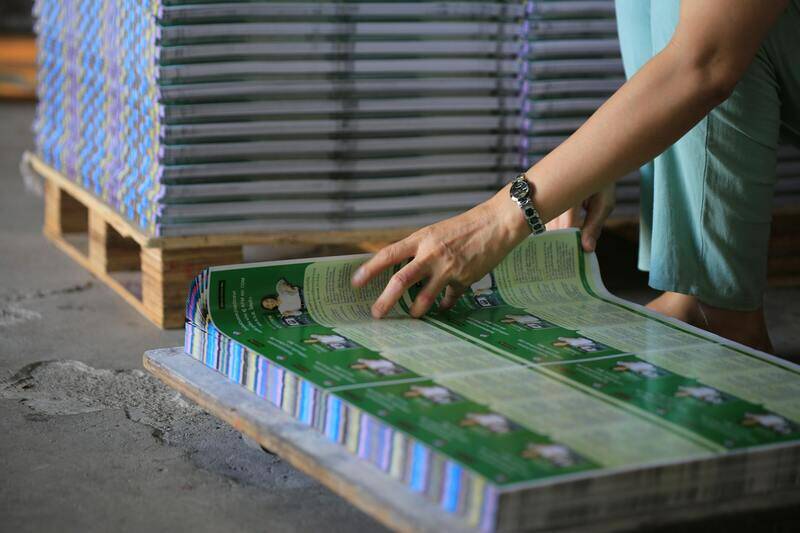
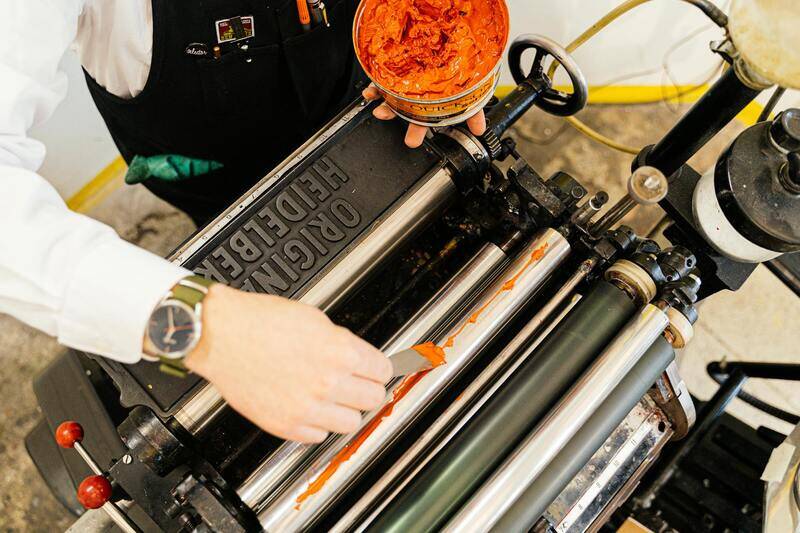
In terms of printing techniques, UV printing stands out for its ability to produce vibrant, detailed images with excellent adhesion to various substrates. This method utilizes ultraviolet light to instantly cure the ink, resulting in a scratch-resistant and highly durable print. Solvent and eco-solvent printing are also predominant, with solvent printing offering outstanding weather resistance and color richness, ideal for outdoor use. Eco-solvent printing emphasizes environmental safety by using less toxic inks while retaining durability. Latex printing is another modern approach, providing flexible, high-quality output that is also resistant to outdoor elements.
The choice of printing technology directly impacts the banner's longevity, color vibrancy, and overall appearance. When selecting the appropriate method, it’s essential to consider the intended duration of use, environmental exposure, and budget constraints. High-quality printing ensures that the visual impact remains intact despite prolonged exposure to sunlight, rain, and wind, which is critical for outdoor advertising success.
To optimize both visual appeal and durability, businesses should collaborate with providers that possess expertise in selecting the best materials and printing technologies suited for specific outdoor conditions. Their experience can guide clients in creating banners that not only catch the eye but also withstand the challenges of environmental factors over time, ensuring consistent campaign performance and branding visibility.
Types of Outdoor Banners
Outdoor banners come in various formats, each designed to meet specific advertising needs and environmental conditions. The most common types include vinyl banners, mesh banners, fabric banners, and eco-friendly options. Vinyl banners are the industry standard due to their durability and cost-efficiency, making them suitable for long-term outdoor advertising campaigns. Mesh banners are crafted from perforated material, allowing wind to pass through, thus reducing the risk of tearing or damage in high-wind areas. Fabric banners, often made from polyester or nylon, provide a premium appearance with vibrant coloration, ideal for flagship events or retail storefronts. Eco-friendly outdoor banners are produced using sustainable materials and inks, contributing to environmentally responsible branding efforts.

Factors in Selecting the Appropriate Banner Type
- Weather resistance: Ensure the material can withstand exposure to rain, sunlight, wind, and temperature fluctuations.
- Design complexity: Some materials accommodate detailed graphics and high-resolution printing better than others.
- Installation environment: Consider whether the banner will be mounted on a building facade, fence, or free-standing structure.
- Budget constraints: Balance between material quality, size, and printing expenses to maximize return on investment.
Materials Used in Outdoor Banner Printing
The selection of materials is pivotal in determining the durability, visual clarity, and overall effectiveness of outdoor banners. Vinyl remains the predominant choice thanks to its weatherproof properties and compatibility with high-resolution printing. It can be finished with matte or gloss surfaces, depending on the desired visual effect.
Mesh fabrics, characterized by tiny perforations, allow for better airflow, making them suitable for large banners in high-wind zones. These materials are also lightweight and easy to install, reducing the strain on mounting hardware.
Fabric options like polyester and nylon offer vibrant color reproduction and a sophisticated appearance for promotional or decorative banners. These textiles are often coated with weather-resistant finishes to extend their lifespan outdoors. Eco-friendly materials, such as recycled PVC or biodegradable textiles, are increasingly replacing traditional options to align with sustainability goals while still providing quality and resilience.

Key Material Characteristics to Consider
- Ultraviolet resistance: Protects against fading caused by sunlight exposure.
- Waterproofing: Prevents ink smudging and material degradation in rain.
- Tensile strength: Ensures the banner maintains shape and prevents tearing under wind pressure.
- Environmental safety: Using non-toxic, eco-conscious materials supports sustainable branding initiatives.
Design Considerations for Outdoor Banners
Effective outdoor banners must balance compelling visuals with practicality. High-contrast color schemes and bold fonts are essential for visibility from a distance, especially in busy outdoor environments. The layout should be simple yet impactful, with concise messaging that captures attention within seconds.
Safety margins and bleed areas should be incorporated into the design to prevent unintended cropping during trimming or finishing. Moreover, considering the placement and mounting options can influence design choices—such as opting for reinforced edges and grommets to facilitate easier installation and to prevent tearing at stress points.
Strategies for Optimizing Visual Impact
- Use large, legible typography and minimal text for quick comprehension.
- Incorporate brand colors and logos to reinforce brand recognition.
- Ensure high-resolution images and vectors for crisp reproduction.
- Consider the viewing distance and environmental lighting to select suitable contrast and brightness levels.
Types of Outdoor Banners
Outdoor banners come in various types, each suited for different promotional needs and environmental conditions. The most common types include vinyl banners, mesh banners, fabric banners, and vinyl mesh banners. Vinyl banners are highly versatile and durable, making them suitable for long-term outdoor advertising. Mesh banners feature small perforations allowing wind to pass through, reducing stress on the mounting points and making them ideal for high-wind areas. Fabric banners, often made from polyester or similar materials, provide a premium look and are suitable for temporary events or special promotions. Vinyl mesh banners balance durability and lightweight characteristics, providing excellent visibility while withstanding harsh weather conditions effectively.

Materials Used in Outdoor Banner Printing
The selection of materials impacts the lifespan, appearance, and overall effectiveness of outdoor banners. Common materials include PVC vinyl, mesh fabric, fabric polyester, and advanced laminate films. PVC vinyl stands out for its robustness, waterproof properties, and ease of printing, making it a preferred choice for banners exposed to the elements. Mesh fabric is lightweight and offers superior wind resistance, ideal for large-scale installations on open structures. When selecting materials, it’s essential to consider UV resistant coatings, waterproofing features, and tensile strength to ensure the banner withstands environmental stresses without significant deterioration. eco-conscious options, such as recyclable vinyl or biodegradable textiles, are increasingly available for brands seeking sustainability in their marketing assets.
Design Considerations for Outdoor Banners
Effective outdoor banner design prioritizes clarity, visibility, and branding consistency. High-contrast color schemes and large, bold typography are essential for readability from a distance, especially in busy or brightly lit outdoor environments. Incorporating simple yet impactful messages helps capture attention quickly, which is critical in fast-paced outdoor settings. Designers should also account for safety margins and bleed areas to accommodate trimming without compromising important content. The placement of banners influences design choices; for example, banners mounted on harsh surfaces or in windy areas may require reinforced edges and grommets to prevent tearing and facilitate secure installation. Using all branding elements strategically, such as logos and signature colors, reinforces recognition and recall.
- Use large, easy-to-read fonts with high contrast.
- Keep messaging concise and impactful.
- Align design elements with the intended installation environment.
- Incorporate safety margins and appropriate mounting features.
Printing Techniques for Outdoor Banners
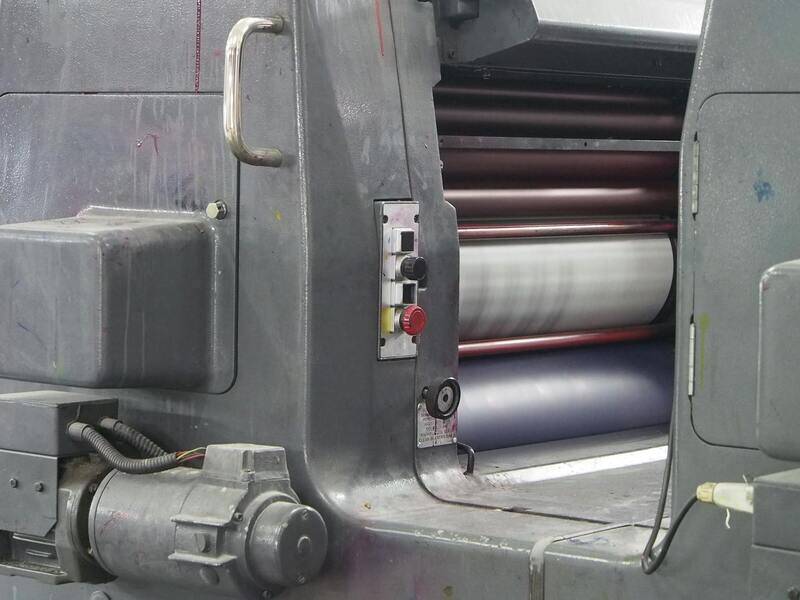
The printing process significantly affects the quality, durability, and color vibrancy of outdoor banners. Staple techniques include UV digital printing, solvent printing, eco-solvent printing, and latex printing. UV digital printing offers high-resolution output with excellent color accuracy and resistance to environmental factors. Solvent and eco-solvent printing use solvent-based inks that penetrate deeply into the material, producing long-lasting images with resistance to fading and water. Latex printing provides eco-friendly ink options, quick-drying results, and high flexibility, ideal for custom outdoor banners. Each technique varies in speed, cost, and environmental impact, so selecting the appropriate method depends on project scope and specific outdoor conditions.
Installation and Mounting Methods
Proper installation extends the lifespan and ensures safety for outdoor banners. Mounting options include grommets, hemmed edges with reinforced corners, pole pockets, and adhesive systems for various surfaces. Grommets and reinforced edges provide strength and facilitate secure attachment using bungee cords, ropes, or hooks. Pole pockets enable banners to be fitted onto poles or structures, making them easier to install in prominent locations like highways or event spaces. For banners attached to buildings or glass surfaces, high-strength adhesives or suction mounts can be employed. Ensuring that the mounting system accounts for environmental factors such as wind load and surface material is vital to prevent damage or accidents. Regular checks and maintenance of mounting hardware can significantly prolong the effective use of outdoor banners and maintain visual integrity over time.
Types of Outdoor Banners
Outdoor banners come in a variety of formats designed to meet diverse promotional needs and environmental conditions. The most common types include mesh banners, vinyl banners, fabric banners, and step and repeat banners. Mesh banners are ideal for areas prone to high winds, as their perforated design allows air to pass through, reducing wind resistance. Vinyl banners are versatile and widely used due to their durability, weather resistance, and vibrant print quality. Fabric banners offer a premium appearance with a softer aesthetic, suitable for events or aesthetic displays, while step and repeat banners serve promotional or decorative purposes at events, featuring repeating logos or graphics.
Mesh Banners
Constructed with small perforations, mesh banners facilitate airflow, making them suitable for large-format applications in windy environments. They are highly resistant to tearing and fading when printed with UV-resistant inks, ensuring longevity in outdoor settings.
Vinyl Banners
Known for their robustness, vinyl banners are often reinforced with hems and grommets for durability during installation. They can be printed in high resolution, ensuring vibrant visuals that grab attention from afar. Suitable for both short-term events and long-term advertising, vinyl banners are a staple in outdoor promotional campaigns.
Fabric Banners
Fabric outdoor banners utilize polyester or nylon materials, providing a high-end look with a matte finish that minimizes glare. They are lightweight, easy to transport, and often feature wrinkle-resistant properties, making them ideal for indoor-outdoor versatility.
Step and Repeat Banners
Designed primarily for photo backdrops at events, these banners feature repeating patterns or logos, creating a branded background for photographs. Crafted from durable materials, they withstand environmental exposure when properly constructed.
Materials Used in Outdoor Banner Printing
The choice of material significantly influences the banner’s durability, appearance, and suitability for outdoor conditions. Popular materials include vinyl, mesh, fabric, and PVC. Each material offers unique benefits tailored to specific campaign goals and environmental exposures.
Vinyl
One of the most commonly used materials for outdoor banners, vinyl provides excellent weather resistance, flexibility, and vibrant color retention. Coated with UV inhibitors, vinyl banners resist fading from sunlight exposure and can withstand rain, wind, and other adverse weather conditions. The flexibility of vinyl also facilitates easy printing and installation, making it an ideal all-around choice for outdoor advertising.
Mesh
Constructed from polyester or vinyl-coated polyester with perforations, mesh material reduces wind load pressures and offers high tensile strength. Mesh banners are suitable for exposed outdoor environments where wind resistance is a priority. The perforations also allow partial sunlight to pass through, which can be advantageous in certain installation sites.
Fabric
Outdoor fabric banners are often made from polyester or nylon fabrics that are flame-retardant and environmentally resistant. They provide an upscale aesthetic with a smooth matte finish, minimizing glare and enhancing visual clarity of printed graphics. These are commonly used in event settings or as decorative banners in outdoor venues.
PVC
PVC banners are highly durable with excellent waterproof and UV-resistant properties. They are economical, weatherproof, and easy to clean, making them suitable for extensive outdoor use. PVC materials can be heat-sealed or hemmed for added strength and longevity.
Design Considerations for Outdoor Banners
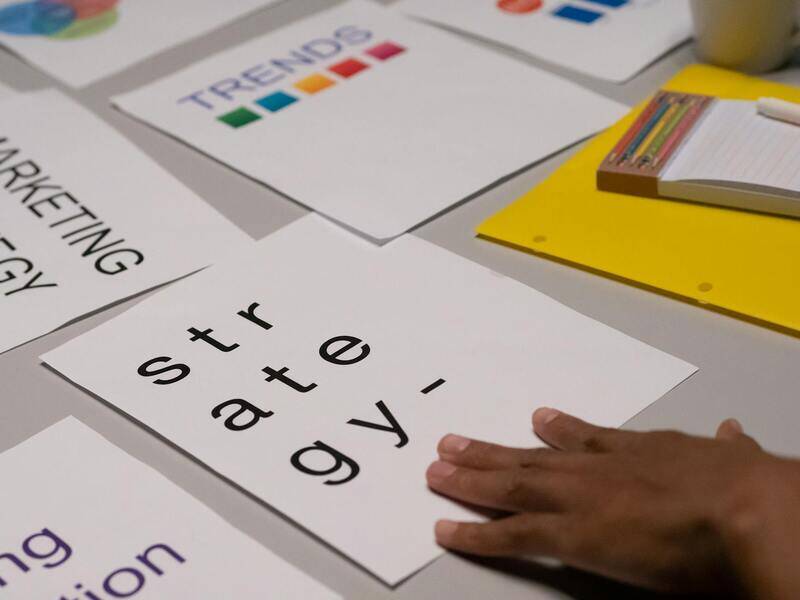
Effective outdoor banner design requires careful planning to ensure visibility, readability, and visual impact. Key elements include choosing impactful colors, clear typography, and minimal text. The design’s contrast should maximize readability from a distance, utilizing high-visibility colors that stand out against surrounding environments. Logos and branding elements should be prominent yet harmonious with the overall message. Incorporating simple graphics or large images can enhance visual appeal while avoiding cluttering the space. The dimensions and placement must account for viewing distances and environmental factors such as lighting and surrounding architecture. Using templates or design guidelines tailored for outdoor signage can streamline the creation process, ensuring each element contributes to the banner's overall effectiveness.
Color and Contrast
High contrast between background and text is essential for readability. Bright, bold colors attract attention, but they should complement the overall color scheme and branding. Avoid overly complex patterns that distract from the main message.
Typography
Text should be legible from a distance, favoring large, clear fonts. Limit font varieties to maintain a clean appearance and prioritize essential information such as event dates, promotional offers, or contact details.
Visual Balance and Simplicity
A balanced layout ensures the message is quickly understood. Simplify designs by focusing on key elements, avoiding excessive text or visual clutter that could dilute the message’s impact.
Types of Outdoor Banners
Outdoor banners are available in various formats and styles, each suited to different promotional needs and environmental conditions. Common types include vinyl banners, mesh banners, fabric banners, and vinyl cut-out signs. Vinyl banners are the most versatile, offering durability and vivid coloration, making them ideal for long-term outdoor advertising. Mesh banners feature a perforated surface that allows wind to pass through, reducing stress on mounting points, which is particularly useful for large-scale displays in windy areas. Fabric banners, typically made of polyester or similar materials, provide a sophisticated, premium appearance and are often used for high-end branding or special events. Vinyl cut-out banners, which are precisely die-cut into specific shapes, add a creative dimension to outdoor advertising campaigns, emphasizing logos or unique graphics. Choosing the appropriate type depends on factors like location, expected weather conditions, and the nature of the promotional message.
Materials Used in Outdoor Banner Printing
Selecting the right material is crucial for ensuring the banner’s longevity and visual impact. The most common material is *polyvinyl chloride (PVC)*, favored for its durability, weather resistance, and ease of printing. For enhanced breathability and wind resistance, mesh vinyl materials are often employed, especially for large displays. Polyester fabrics are used for their vibrant color retention and a high-end appearance, albeit at a higher cost. Laminates and coatings, such as UV coatings, are frequently applied to protect the printed graphics from fading due to sun exposure, moisture, and pollution. Additionally, eco-friendly options made from recyclable or biodegradable materials are gaining popularity, aligning with sustainability efforts. When selecting a material, it’s important to consider environmental exposure, expected lifespan, and the type of printing technology used to ensure the banners meet specific project requirements.
Design Considerations for Outdoor Banners
Effective outdoor banners combine visual appeal with clarity, emphasizing bold visuals and legible text. The design should prioritize high contrast between background and foreground elements to maximize readability from a distance. Color schemes should be vibrant yet consistent with brand identity, utilizing hues that stand out against varied outdoor environments. Typography must be large and straightforward, avoiding intricate fonts that can be difficult to read. Key messages, such as event dates or promotional offers, should be prominently placed to capture immediate attention. Simplifying visual elements and avoiding clutter enhances message delivery, ensuring viewers quickly grasp the intended information. Visual hierarchy — achieved through size, placement, and color — guides viewers’ focus naturally toward the most important elements of the banner. Incorporating simplicity and strategic layout principles ensures the advertising remains impactful regardless of viewing distance or environmental distractions.
Printing Techniques for Outdoor Banners
High-quality printing methods are essential in ensuring the durability and visual fidelity of outdoor banners. Digital wide-format printing is the most prevalent technique, offering sharp, detailed graphics with vibrant colors. UV printing is also popular, especially for environmentally resistant prints, as it provides excellent adhesion and color longevity. Solvent and eco-solvent printing are methods used for their ability to produce vivid images on weather-resistant materials, with added resistance against fading and moisture. Dye sublimation is typically employed for fabric banners, offering vibrant color reproduction and a soft finish. Screen printing, though less common for large banners, can be effective for limited runs with simple designs. Selecting the appropriate printing technique depends on the desired banner lifespan, environmental exposure, and budget considerations, with digital and UV printing often providing the best balance of durability and detail.
Installation and Mounting Methods
Proper installation ensures that outdoor banners withstand environmental stresses such as wind, rain, and sunlight. Common mounting options include grommeted banners that can be tied or bolted to structures, pole pockets for easy hanging, and adhesive-backed banners for temporary displays. For large-scale banners, tension systems with reinforced edges and internal support frames provide stability and prevent sagging or tearing. It is important to select mounting hardware capable of withstanding outdoor conditions, such as stainless steel or rust-resistant materials. Installation height and positioning should be carefully planned to optimize visibility and avoid obstructions. When mounting banners on buildings or poles, using tension cables or framing systems can enhance durability, especially in areas prone to high wind speeds. Additionally, periodic inspections and adjustments can prolong the lifespan of outdoor banners, maintaining their visual appeal and structural integrity over time.
Maintenance and Durability
Regular cleaning and inspection are essential to preserve the appearance and functionality of outdoor banners. Gentle washing with water and a mild detergent can remove dirt, stains, and pollutants that accumulate on the surface. Avoid harsh chemicals or abrasive tools that may damage the graphic or material. Periodic checks for signs of wear, such as tears, fading, or detachment of mounting hardware, allow for early repairs and replacements, extending the banner’s life. Protective coatings, like UV lamination, can guard against fading from sunlight. For banners exposed to severe weather, reinforced edges and sturdy mounting options help prevent damage. Storing banners properly when not in use, in a dry, cool environment, can also prolong their usability, especially for banners used in seasonal campaigns. Employing effective maintenance practices ensures the banner retains its vibrant appearance and structural integrity during its intended lifespan.
Cost Factors and Budgeting
Budgeting for outdoor banner printing involves multiple considerations, including material quality, size, complexity of design, and finishing options. Larger banners require more material and printing time, naturally increasing costs. High-resolution images and custom finishes such as grommets, hems, or reinforced edges add to the overall expense. The type of material selected also impacts the budget, with premium fabrics and specialized vinyls incurring higher charges. Environmental resistance features, such as UV coatings or mesh fabrication, contribute to durability but can elevate costs. Additionally, installation and maintenance expenses should be included in the overall budget plan. To optimize expenditure, it is advisable to work closely with printing service providers to select options that align with campaign longevity and outdoor exposure. Accurate budgeting ensures resource allocation aligns with desired campaign reach, visibility, and durability, resulting in effective outdoor advertising investments.