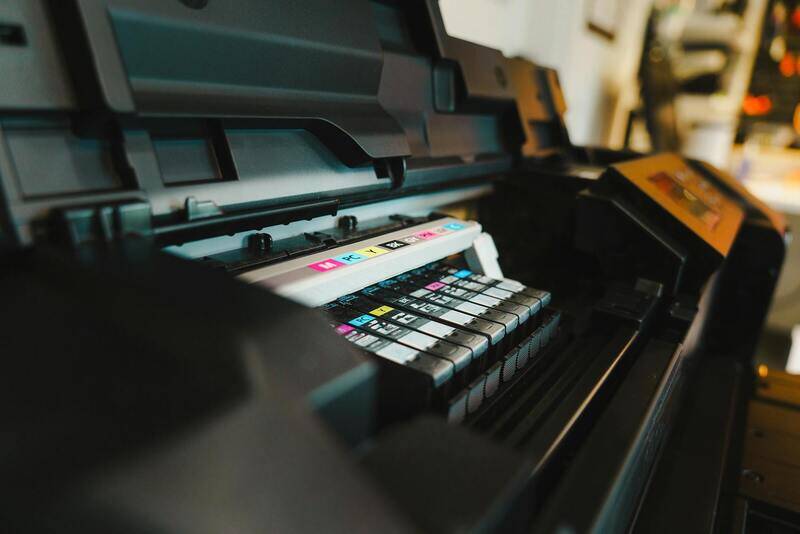
Understanding the Factors Affecting Color Printing Price
When considering the cost of color printing, various factors come into play that influence the final price. A clear understanding of these elements can help consumers and businesses make informed decisions, ensuring they receive quality printing services that align with their budget. Several primary factors determine the cost of color printing, including the type of printer used, the quality of printing materials, and the complexity of colors involved in the project.
Printer Types and Their Cost Implications
Color printing can be performed using various types of printers, each with its own cost structure. Inkjet printers are typically more affordable upfront and are suitable for small-volume projects, but their ongoing ink costs can be higher, especially when printing in color. Laser printers, particularly those designed for color output, tend to have higher initial investments but offer faster printing speeds and more economical operation for high-volume jobs. Large-format printers used for banners and large poster printing usually entail higher expenses due to their size and ink requirements.
Paper Quality and Color Complexity
The choice of paper significantly affects the printing price. Premium quality paper, such as thick cardstock or specialty finishes, costs more than standard office paper. When printing in color, especially with detailed images or background colors, the amount of ink used increases, which directly impacts overall expenses. Projects with intricate color gradients and multiple shades demand higher ink consumption and meticulous calibration, leading to increased costs.
Color Usage and Design Complexity
More complex designs with a wide range of color shades require sophisticated color management and higher ink usage. Simple single-color prints or designs with limited hues generally cost less. Conversely, full-color images or graphics with nuanced shading necessitate multiple ink cartridges or color layers, escalating the price. The level of color precision and vibrancy desired also influences cost metrics.
Additional Factors Influencing Price
- Print Volume: Higher quantities typically lower the per-unit cost due to bulk efficiencies, yet initial setup fees or minimum order charges may apply.
- Print Speed and Urgency: Rush orders or fast turnaround times may incur additional fees to prioritize processing.
- Machine Maintenance and Calibration: Regular maintenance ensures color accuracy but can add to the overall service cost, especially for large or high-precision projects.
Visualizing Cost Factors
Understanding these elements can guide organizations and individuals in selecting appropriate printing options that optimize costs without compromising quality. Recognizing how printer types, paper choices, and design complexity intersect provides the foundation for effective budgeting and project planning.
Understanding the Factors Affecting Color Printing Price
Color printing costs are influenced by a variety of technical and project-specific elements that determine the overall expenditure. Comprehending these factors enables clients to make informed decisions and select options that balance quality with budget constraints. A few key considerations include the intricacy of the design, ink consumption, type of printing technology used, and specific finishes or effects desired.

Design Complexity and Detail Level
Design intricacy directly impacts the amount of ink used and the amount of time required for color calibration. Simple designs utilizing one or two hues generally incur lower costs due to minimal ink and setup efforts. Conversely, high-resolution images with multiple shades, gradients, and detailed graphics require extensive color management, which can significantly increase expenses. This is particularly noticeable in projects involving shading, transparency effects, or special finishes that necessitate precise calibration and multiple print passes.
Color Usage and Printing Techniques
The amount and variety of colors utilized influence the consumables and equipment adjustments necessary during printing. CMYK (Cyan, Magenta, Yellow, Black) color models are standard for high-fidelity color reproduction, but large full-color images demand multiple ink cartridges and frequent color checks. Techniques such as spot color printing introduce additional costs due to the need for specific ink formulations and the creation of custom calibration profiles. The choice of printing technology also plays a vital role; digital color printers tend to be more economical for small runs, whereas offset presses excel for high-volume jobs, offering better per-unit prices but with higher initial set-up costs.
Material and Finishing Options
Surface quality of the printing material impacts the overall price. Premium paper stocks, textured finishes, or specialty materials like transparent or metallic papers typically elevate costs. Finishing effects such as lamination, embossing, or spot UV coatings add further layers of expense, primarily in terms of materials and processing time. These enhancements are often essential for branding or promotional materials aiming for a premium appearance, justifying the additional investment.
Order Size and Turnaround Time
Economies of scale are evident in bulk printing; larger orders generally reduce the cost per piece due to efficient use of resources and minimized setup times. Nonetheless, rush orders or expedited processing incur added surcharges, as priority handling involves overtime, expedited shipping of materials, and expedited machine setups. Planning ahead and batching similar projects can lead to substantial savings.
Machine Maintenance and Calibration
High-quality, consistent color output relies on meticulous calibration and regular maintenance of printing equipment. For projects demanding precise color matching, especially on custom or high-resolution outputs, specialized calibration routines and routine upkeep are necessary. While these measures ensure professional results, they can also contribute to the overall pricing, particularly in facilities offering extensive quality control and color management services.
Visualizing Cost Factors
Being aware of these elements helps organizations and individuals navigate the complexity of color printing pricing. By evaluating design requirements, material selections, and volume needs, clients can optimize their project budgets effectively without compromising on the visual impact or quality standards.
Impact of Color Accuracy and Quality on Printing Costs
Achieving high fidelity in color reproduction significantly influences the overall pricing of a color printing project. When clients require precise color matching, especially for brand consistency or detailed artwork, printing services often utilize advanced color management systems. These systems, including calibrated monitors, spectral color measurement tools, and sophisticated color profiles, ensure that the output aligns exactly with the original design specifications. Implementing such technologies involves additional setup time, specialized equipment, and skilled personnel, which are reflected in the final cost.
High-quality inks and substrates also play a crucial role in determining the expense. Premium pigments used in inks provide a broader color gamut, better saturation, and improved longevity, but they come at a higher material cost. Similarly, selecting rigid, high-grade papers and specialty materials can elevate expenses, particularly for projects requiring specific finishes like gloss, matte, or textured surfaces.
For projects demanding intricate color gradations or vibrant hues that stand out, more advanced printing techniques such as color gradient blending, multiple ink passes, or UV coatings are often employed. These additional processes contribute to increased operational time and resource consumption, directly impacting the pricing. The need for meticulous calibration and color-proofing steps ensures that clients receive a product that meets their visual expectations but also requires a proportionate investment.

In summary, the pursuit of enhanced color accuracy and superior quality invariably leads to higher costs. Clients should consider their project's specific requirements and balance the importance of color fidelity against their budget constraints. Consulting with printing professionals early in the process allows for informed decisions, ensuring desired outcomes without excessive expenditure.
Impact of Color Accuracy and Quality on Printing Costs
Achieving precise color fidelity and high-quality output significantly influences the overall cost of color printing projects. When clients require exact color matching—such as brand colors, company logos, or specific hues for marketing materials—print service providers often need to engage in meticulous calibration processes. These involve advanced color management techniques, including the use of spectrophotometers and calibrated monitors, to ensure that the printed colors align perfectly with digital proofs.
High-end printing processes, such as those that utilize multiple passes with color gradients or specialized inks, further elevate costs but provide superior results. For example, printing vibrant images with a broad color gamut or nuanced shading demands careful ink layering and calibration, which require additional time and skilled personnel. As a result, higher levels of color accuracy and quality are reflected in premium pricing structures.
Different projects necessitate varying levels of fidelity. Marketing collateral, product packaging, and fine art reproductions often justify higher budgets due to their need for precise color reproduction. Conversely, more straightforward printing tasks, like internal memos or draft copies, typically incur lower costs because they require less detailed calibration and fewer colors.

Clients should clearly communicate their expectations regarding color fidelity and consider how these demands impact the overall budget. Working closely with experienced printing professionals enables the tailoring of specifications that balance quality with affordability, ensuring the desired visual impact without unnecessary expenses.
Pricing for Large-Scale and Bulk Color Printing
When scaling up production, many print service providers implement tiered pricing, offering discounted rates for bulk orders. These adjustments are based on factors such as order volume, material costs, and operational efficiency. Typically, large-scale color printing benefits from economies of scale, which can substantially reduce the per-unit cost.
For organizations requiring hundreds or thousands of copies, negotiating volume discounts is common. Additionally, some providers offer customized packages that bundle printing with design, finishing, and delivery services, providing cost savings and streamlined processes. It’s essential to understand how bulk discounts are applied and whether there are minimum order requirements or additional fees that could affect the final price.
In any case, planning ahead and requesting detailed quotes can help organizations optimize costs for extensive color printing projects. Establishing clear specifications upfront minimizes unforeseen charges and facilitates budget management, ensuring large-scale projects stay within financial expectations.
Understanding the Factors Affecting Color Printing Price
Identifying the key elements that influence the cost of color printing is essential for making informed decisions that align with your budget and quality expectations. Several core factors play a pivotal role in determining the final price, each impacting the overall expenditure in distinct ways.
Material Quality and Type
The choice of paper or substrate significantly affects color printing costs. Premium materials, such as glossy or matte high-quality paper, tend to be more expensive than standard options due to their durability and print fidelity. Specialty substrates like textured papers, translucent films, or biodegradable materials may carry premium charges, reflecting their unique characteristics and production complexity.
Color Complexity and Coverage
The extent of color coverage on your print job directly correlates with pricing. Designs featuring full color or intricate color gradations require more ink and precise calibration, increasing both material and operational costs. Large areas of solid color or high-density ink coverage can lead to increased ink consumption and longer drying times, translating into higher expenses.
Print Volume and Quantity
Fewer copies typically incur higher costs per unit, given the setup and operational considerations. Conversely, large-volume orders benefit from economies of scale, where setup fees are distributed across numerous prints, lowering individual costs. Bulk orders often qualify for discounts, making them more cost-effective for extensive printing needs.
Print Technology and Equipment
The choice between digital and offset printing technologies influences pricing. Digital printing is preferable for small to medium runs due to its quick turnaround and lower setup costs. Offset printing, however, offers cost advantages for large quantities, providing consistent high-quality output at reduced costs per unit after initial setup expenses.
Color Accuracy and Calibration Requirements
High-precision color matching and calibration are critical for branding and professional presentations, often requiring specialized equipment and skilled technicians. These factors can increase costs but are essential for maintaining brand consistency and high-quality standards across print runs.
Finishing Options and Additional Services
Processes such as lamination, UV coating, embossing, die-cutting, and binding contribute to the final price. While these add to the overall costs, they enhance the durability, appearance, and functionality of the printed materials, often providing a worthwhile investment depending on the project’s purpose.
Overall Impact
It is crucial to consider these factors collectively when estimating the cost of color printing. Working closely with professional print providers allows for tailored solutions that strike a balance between quality requirements and budget constraints. Transparent communication about project specifications enables businesses to receive accurate quotes and avoid unexpected expenses, ensuring optimal utilization of their printing budget.
Understanding the Factors Affecting Color Printing Price
The cost of color printing is influenced by numerous factors that contribute to the final price consumers pay. Key elements include the type of printing technology used, material choices, complexity of the design, and the scope of the order. Digital printing, for instance, offers affordability for smaller runs due to its minimal setup requirements, while offset printing becomes more economical for larger quantities owing to its efficient bulk processing capabilities.
Color complexity also plays a crucial role. Projects requiring multiple colors, intricate graphics, or precise color matching will naturally incur higher costs. The need for specialized inks, detailed calibration, and color management processes ensures high standards but can add to the overall expense. Additionally, the choice of print substrates—such as premium paper, textured surfaces, or laminated materials—can significantly influence the price, especially when high-quality or specialty materials are involved.

Common Pricing Models in Color Printing Services
Color printing providers generally adopt one or a combination of pricing models to determine costs. The most prevalent methods include:
- Per-Page Pricing: Suitable for digital printing, this model charges based on the number of pages printed, with variations depending on color depth and page size.
- Project-Based Pricing: For custom jobs, the quotation considers material costs, design complexity, and finishing options, providing a comprehensive quote tailored to specific requirements.
- Bulk Discounts: Many print service providers offer discounted rates for large-volume orders, reflecting economies of scale and reduced per-unit costs.
Cost Comparison: Digital vs. Offset Color Printing
Digital printing tends to be more cost-effective for short runs and quick turnarounds because of its low setup overhead. In contrast, offset printing requires initial setup costs, such as plate creation and color calibration, but becomes more economical for high-volume projects due to lower marginal costs after setup. Consequently, businesses should evaluate their projected print quantities to choose the most appropriate and budget-friendly option.

Impact of Color Accuracy and Quality on Printing Costs
Achieving precise color matching is essential for brand consistency and professional presentation. This process involves high-precision calibration, quality control measures, and sometimes the use of advanced color management systems. These requirements, while contributing to higher costs, are vital for projects where color fidelity directly influences brand perception. High-quality color printing also involves the selection of premium inks and substrates, which can further elevate the price but ensure vibrant, durable results.
Given that color accuracy demands specific technical procedures, printing companies often allocate more resources when this level of quality is needed. Clients should communicate their expectations clearly, allowing providers to tailor their services accordingly and provide accurate pricing estimates.
Pricing for Large-Scale and Bulk Color Printing
Bulk color printing offers notable cost savings due to economies of scale. Larger quantities reduce the fixed costs spread across units, thus decreasing the per-item expense. This is particularly advantageous for business applications such as product packaging, catalogs, and promotional materials, where high-volume output is standard. It is advisable to collaborate with print providers who can recommend optimal batch sizes and cost-saving strategies to maximize your budget.
Understanding the Factors Affecting Color Printing Price
The cost of color printing varies significantly based on multiple technical and operational factors. These include the type of printing process employed, substrate selection, color fidelity requirements, and order volume. Selecting the appropriate printing method — whether digital or offset — depends on the specific needs of the project and influences the overall pricing. High-quality color matching, detailed artwork, and specialized finishes also contribute to the final cost, making it essential for clients to understand these variables when budgeting for print projects.

Technical Elements Impacting Pricing
- Print Resolution: Higher resolution requirements translate to more detailed prints but can increase printing time and costs.
- Color Management: Achieving precise color matching involves complex calibration processes and quality control, which add to expenses.
- Materials Used: Premium substrates and inks, such as gloss or matte finishes and specialty papers, incur higher costs but enhance visual appeal and durability.
- Volume of Print: Larger quantities often benefit from bulk discounts, lowering the per-unit price.
- Finishing Options: Embellishments like lamination, embossing, or spot UV can increase the overall cost but provide a distinct professional look.
Operational Considerations
Operational factors such as turnaround time, geographic location, and the complexity of the design also influence the price. Faster delivery schedules might entail additional fees, while intricate designs that require extensive setup or color correction may lead to higher charges. It’s prudent for clients to communicate their priorities clearly, enabling print service providers to offer accurate cost estimates aligned with project specifications.
Payment Structures and Pricing Transparency
Many print companies adopt flexible pricing models, including flat rates, per-page charges, or tiered pricing based on order volume. Transparency in quoting is crucial; detailed estimates should itemize costs linked to each service component. Understanding these charges helps clients make informed decisions and avoid unexpected expenses during the production process.
Common Pricing Models in Color Printing Services
Color printing prices are typically determined through standardized models that cater to different project scales and material preferences. Awareness of these models helps clients select the most suitable and cost-effective options for their needs.
Per-Page or Per-Sheet Pricing
This model involves charging based on the number of pages or sheets printed, with prices varying according to size, complexity, and finish. It is common in short-run digital printing, making it ideal for small batches or one-off projects where flexibility is needed.
Project-Based Pricing
For larger or more complex projects, some providers offer fixed quotes that encompass all aspects of production, from design to finishing. This approach provides clarity on final costs, especially when dealing with consistent branding materials or extensive color fidelity requirements.
Tiered or Volume-Based Pricing
Pricing often decreases after reaching specified quantity thresholds, reflecting economies of scale. Businesses undertaking bulk printing, such as catalogs or promotional flyers, benefit from these discounts, which significantly reduce the unit cost.
Additional Cost Considerations
- Setup Fees: A one-time charge for preparing equipment and materials, especially relevant for offset printing.
- Color Calibration Charges: Applied when precise color matching is needed across multiple projects or materials.
- Finishing Add-Ons: Extra costs for lamination, binding, or special effects.

Cost Comparison: Digital vs. Offset Color Printing
Evaluating the differences between digital and offset printing methods aids in understanding cost implications for various project sizes. Digital printing generally offers lower setup costs and faster turnaround times, making it more economical for small batches and quick turnarounds. Conversely, offset printing is more cost-effective for high-volume jobs, owing to its lower per-unit cost after initial setup. The choice between these methods depends on the project's scale, urgency, and quality expectations, all of which directly impact the color printing price.
Digital Printing: Best suited for short runs, with prices influenced primarily by page count and color complexity. It requires minimal pre-press setup, translating to cost savings for small orders.
Offset Printing: Ideal for bulk production where fixed costs are amortized over large quantities. While initial setup costs are higher, the per-unit price decreases significantly as volume increases, making it advantageous for large-volume print jobs with high color accuracy demands.
Efficiency and Cost Effectiveness
- Turnaround Time: Digital printing generally offers quicker turnaround, reducing additional labor costs associated with urgent orders.
- Color Quality: Both methods support high color fidelity; however, offset printing often yields more consistent results in large runs.
- Environmental Impact: Offset printing can produce more waste during setup, potentially influencing overall costs related to waste management and materials.
Strategic Choices Based on Project Scope
For projects requiring fewer copies with detailed color matching, digital printing presents a flexible and affordable option. Larger campaigns with high-volume needs typically favor offset, where the initial investment in setup pays off through lower incremental costs. Software and print estimation tools can assist clients in making data-driven decisions about the most economical approach based on their specific requirements.
Understanding the Factors Affecting Color Printing Price
The cost of color printing services hinges on a variety of interconnected elements that influence the final pricing structure. Demand for high-fidelity color reproduction, the complexity of the design, and the type of printing technology employed are among the primary considerations. Print providers evaluate these factors meticulously to offer transparent and competitive pricing tailored to client needs.

Design Complexity and Color Volume
Intricate designs with multiple colors, gradients, and fine details typically incur higher costs due to increased setup time and the need for advanced calibration to ensure color accuracy. The number of colors used directly impacts the amount of ink consumed and the time required for color matching, influencing overall price.
Print Volume and Turnaround
Higher volumes can lead to cost efficiencies, especially with offset printing, where fixed setup costs are distributed across large print runs. Conversely, small batches tend to be more expensive per unit, particularly when digital printing is used, as setup and ink expenses are less amortized over the quantity.
Material and Finish Choices
The choice of paper quality, coating, and finishing options such as lamination or embossing also has bearing on pricing. Premium materials and specialized finishes typically increase costs but significantly enhance the visual impact and durability of the final product.
Color Accuracy and Consistency
Achieving precise color matching, especially for branding or marketing materials, requires specialized calibration and sometimes the use of color management software. This meticulous process can add to the overall cost but ensures consistency across print runs, reinforcing brand identity.
Common Pricing Models in Color Printing Services
Different printing providers adopt various pricing frameworks to cater to a diverse clientele. Understanding these models enables customers to choose options that best align with their budget and project scope.
Per-Page or Per-Item Pricing
This straightforward approach charges a fixed rate for each printed page or item, often suitable for small orders or one-off projects. It offers transparency and easy calculation but may not be the most economical for large-scale printing.
Bulk or Volume-Based Pricing
Most commonly used in offset printing, this model offers reduced rates as the volume increases. It is ideal for large campaigns or annual reports where consistent quality and cost efficiency are desired.
Project-Based Quotation
Custom quotes are provided based on the specific requirements of a project, including design complexity, material choices, and finishing options. This approach allows for tailored pricing but necessitates detailed communication between client and provider.
Cost Comparison: Digital vs. Offset Color Printing
Digital and offset printing techniques have distinct cost structures that influence their suitability for different printing needs. Recognizing these differences helps in budgeting effectively for color printing projects.
Digital Color Printing
Ideal for short runs, digital printing minimizes setup costs and offers quick turnaround times. Its pricing is generally determined by the number of pages or prints, with incremental costs per unit. It supports variable data printing, enabling personalized materials at a reasonable cost.
Offset Color Printing
Best suited for large volume orders, offset printing involves a higher initial setup cost due to plate creation and calibration. However, as the quantity increases, the per-unit cost decreases substantially, making it more economical for high-volume projects requiring consistent quality and color accuracy.

Impact of Color Accuracy and Quality on Printing Costs
Achieving high fidelity in color reproduction is pivotal for brand consistency and visual appeal. The pursuit of precise color matching, especially with complex palettes or specific Pantone shades, introduces additional costs due to the need for specialized inks, calibration, and quality control procedures.
Color Proofing and Calibration
Investing in color proofs, whether digital or physical, ensures that the printed output meets expectations before full production begins. This step reduces waste and rework, but adds to initial project costs. Standardized calibration for multiple runs helps maintain color consistency, increasing overall expenditure but delivering superior results.
High-Quality Inks and Materials
Premium inks capable of reproducing sharp, vibrant colors with high durability tend to be more expensive. The selection of substrate materials also influences the final appearance and associated costs, especially when using specialty finishes or textures.
Pricing for Large-Scale and Bulk Color Printing
Bulk printing offers considerable savings due to economies of scale. However, to maximize cost efficiency, clients should plan for significant quantities, especially when high-quality color accuracy is non-negotiable. Proper planning, such as consolidating print jobs and standardizing materials, can further reduce unit costs.
Strategies for Cost Savings at Scale
- Batch printing to avoid multiple setup fees
- Standardizing design templates and materials
- Opting for offset print runs for high-volume needs
- Negotiating long-term contracts or repeat business discounts
Additional Costs and Hidden Charges in Color Printing
While base prices focus on the primary aspects of printing, several ancillary charges can influence total expenditure. These might not be immediately apparent but are crucial for budgeting purposes.
Preparation and File Setup Fees
Scans, image processing, and file adjustments to meet printing standards often contribute to preliminary costs. Clients should ensure detailed quotes include these aspects to avoid surprises.
Color Management and Proofing Costs
Engaging professional color management services or requesting multiple proofs may add fees but are essential for ensuring fidelity, particularly for brand-critical projects.
Delivery and Handling Charges
Shipping, packaging, and handling fees vary based on distance, urgency, and order size. Understanding these charges during the quote process can help in planning a comprehensive budget.
Tips to Optimize Color Printing Costs in Singapore
Maximizing value in color printing requires strategic decision-making and vendor collaboration. Here are key tips to help manage expenses effectively:
- Plan and consolidate print jobs to achieve economies of scale.
- Choose appropriate materials and finishes that balance quality and cost.
- Leverage digital printing for small, urgent batches to avoid setup fees.
- Request detailed quotations and compare services to ensure transparency.
- Work closely with printers to optimize design files, minimizing revisions and setup time.
- Consider standardizing color palettes to simplify color matching and reduce calibration costs.
- Negotiate discounts for repeat orders or long-term partnerships.
- Utilize local printing services to reduce shipping costs and lead times.
- Incorporate environmental considerations, such as eco-friendly inks and recycled materials, which can sometimes reduce costs and appeal to sustainability-conscious clients.