Introduction to Large Format Printing
Large format printing is a specialized printing process designed to produce oversized images, graphics, and signage that are often used in advertising, branding, and visual communication. Unlike traditional printing methods, which typically handle smaller media, large format printing caters to materials such as vinyl banners, posters, murals, backdrops, and wall coverings. This capability allows businesses and organizations to create impactful visual displays that capture attention over expansive areas.
At its core, large format printing combines advanced printing technology with high-quality materials to achieve vibrant colors, sharp details, and durable finishes. The purpose of this printing method extends beyond mere aesthetics; it plays a crucial role in marketing campaigns, event branding, retail displays, and informational signage across various sectors including retail, hospitality, real estate, and entertainment.
One of the key benefits of large format printing is its versatility. It supports a wide range of substrates, from flexible materials like vinyl and fabric to rigid surfaces such as foam boards, corrugated plastics, and aluminum. This flexibility enables customization tailored to specific environments and installation requirements, whether indoor or outdoor.
The effectiveness of large format printing also relies heavily on the quality and capabilities of the printing equipment used. Modern large format printers employ technologies such as eco-solvent, UV-curable, and latex printing, each offering unique advantages suited to particular projects. For instance, eco-solvent printers are favored for outdoor banners due to their resilience to weather elements, whereas UV printers excel in producing highly detailed images on rigid substrates.

In essence, large format printing serves as a vital tool for visual communication that elevates brand visibility and creates immersive environments. As technology advances and materials evolve, the scope of large format printing’s applications continues to expand, making it an integral component of modern marketing and informational strategies.
Types of Large Format Printing Materials
Choosing the appropriate substrate is fundamental in achieving optimal results in large format printing. The variety of materials available allows for tailored applications that meet specific environmental conditions and visual goals. Each type of substrate offers unique properties, advantages, and considerations to ensure the final product performs as expected in its designated setting.

Vinyl
Vinyl is one of the most popular materials due to its durability and versatility. It can be used for banners, vehicle wraps, wall decals, and window signage. Thanks to its weather-resistant properties, vinyl is suitable for both indoor and outdoor displays, withstanding exposure to sunlight, rain, and wind without significant deterioration.
Fabric
Fabric substrates, including polyester and canvas, are favored for their vibrant color reproduction and elegant appearance. They are commonly used in exhibition backdrops, trade show displays, and wall coverings. Each fabric type offers different levels of opacity and texture, allowing customization to the desired aesthetic.
Paper
Heavy-duty poster paper and fine art papers serve well for indoor signage, point-of-sale displays, and art reproductions. They provide sharp image clarity and are ideal when high visual detail is required. Specialty papers with matte, gloss, or satin finishes can further enhance specific project requirements.
Mesh
Mesh substrates are specifically designed for outdoor banners, especially in areas with high wind conditions. The perforated design allows wind to pass through, preventing tearing while maintaining visibility from a distance. Mesh banners are frequently used for stadium advertising and building wraps.
Rigid Materials
Rigid substrates such as foam boards, corrugated plastic, acrylic, and aluminum are selected for signs that need structural stability and longevity. These materials are suitable for directional signage, displays, and commercial installations that require high durability and a premium appearance.
Understanding the specific properties and best-use cases for each material type ensures that the final output aligns with the project’s functional and visual demands. This tailored approach guarantees that clients achieve maximum impact with their large format printing investments.
Common Applications of Large Format Printing
Large format printing is integral to a broad spectrum of industries and purposes. Its applications are as diverse as the materials it employs, enabling brands and organizations to communicate their messages vividly and effectively across various environments.
- Advertising and Promotions: Using banners, posters, and vehicle wraps to attract attention in high-traffic areas.
- Event Branding: Creating customized backdrops, standees, and directional signage that elevate event aesthetics.
- Retail Displays: Producing eye-catching point-of-sale materials, window graphics, and promotional posters to boost sales.
- Educational and Informational Signage: Developing clear and durable signage for museums, exhibitions, and public spaces.
- Architectural and Interior Design: Designing murals, wall coverings, and customized decorative elements for interior spaces.
- Real Estate and Property Development: Crafting large banners and signage that highlight property features and development projects.

Key Factors in Choosing a Printing Service
Selecting the right partner for large format printing involves evaluating several critical aspects to ensure quality, reliability, and value. A professional service provider should meet specific standards and possess the expertise to handle diverse project requirements.
- Print Quality and Resolution: High-resolution printing with precise color matching ensures vibrant, sharp images that meet your expectations.
- Technology and Equipment: Advanced printing technologies like UV-curable, eco-solvent, and latex printers help achieve superior results with consistent color accuracy and durability.
- Material Range and Capabilities: The ability to print on various substrates expands creative options and project flexibility.
- Turnaround Time: Efficient production timelines are vital, especially for time-sensitive campaigns or events.
- Environmental Sustainability: An environmentally conscious approach, including eco-friendly inks and materials, aligns with sustainable business practices.
- Customer Support and Consultation: Skilled customer service assists in design review, material selection, and troubleshooting to streamline the process.
Careful consideration of these factors ensures the end product not only meets aesthetic goals but also withstands the practical demands of its intended environment.
Printing Techniques and Technologies
Modern large format printing relies on advanced techniques that deliver high-quality output with efficient workflows. Each technology offers distinct advantages tailored to particular projects.
- Eco-Solvent Printing: Known for durability and vibrant color output, eco-solvent printers are frequently used for outdoor signage, vehicle wraps, and banners due to their weather resistance.
- UV Printing: This method uses ultraviolet light to cure inks instantly, enabling printing directly onto rigid surfaces like glass, metal, and plastic with detailed graphics and high resolution.
- Latex Printing: Combining environmental friendliness with flexibility, latex printers produce soft, stretchable prints that are ideal for fabric and wallpaper applications.
- Solvent and Eco-Solvent Printing: These are traditional methods suitable for high adhesive and water-resistant outputs, often used for large banners and rugged outdoor signage.
Incorporating the appropriate technology not only elevates visual quality but also optimizes the durability and lifespan of the printed materials, ensuring the investment sustains its impact over time.
Understanding the Printing Process and Material Compatibility
Selecting the appropriate printing method and materials plays a crucial role in achieving optimal results for large format projects. The choice depends on the intended application, environmental exposure, and desired visual effects. For outdoor signage or vehicle wraps, durable materials combined with eco-solvent or solvent inks ensure longevity and resistance to weather elements. Conversely, indoor displays like wall murals or exhibition graphics may leverage latex or UV printing technologies to maximize color vibrancy and detail fidelity.
Before initiating the print process, careful assessment of the material's compatibility with the chosen technology is essential. This involves considering surface textures, flexibility, and finishing requirements, such as lamination or mounting. Proper preparation not only enhances print adhesion and clarity but also prolongs the lifespan of the output, allowing businesses to maximize their investment.
Color Management and Resolution Settings
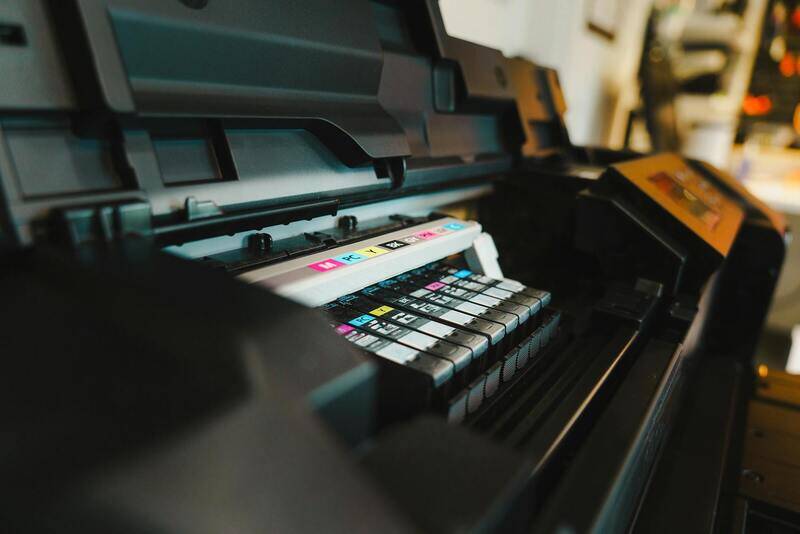
Accurate color reproduction is vital for maintaining a brand’s visual identity across various large format outputs. High-end printers incorporate sophisticated color management systems that calibrate inks and monitor color consistency, ensuring that the printed material matches digital designs precisely. Additionally, resolution settings directly influence the sharpness and clarity of finished products. Higher resolutions yield finer details but may require longer production times and increased ink consumption.
Professionals typically advise preparing print files with correct color profiles and resolution settings before sending them for production. This preemptive measure minimizes discrepancies and reduces the need for reprints, thus saving both time and costs. Quality control during the printing process includes regular calibration, color verification, and surface inspections, all of which contribute to delivering exceptional results.

Post-Printing Finishing and Mounting Techniques
Once printing is complete, several finishing options can enhance the appearance and durability of large format graphics. Lamination, for instance, provides additional protection against scratches, UV damage, and moisture, thereby extending the material’s lifespan. Matte, gloss, or textured finishes can be selected based on aesthetic preferences and functional needs.
Mounting techniques also influence the visual impact and ease of installation. Common methods include:
- Face mounting: Attaching the printed material to a rigid surface for a sleek, seamless look.
- Framing: Using frames to provide structural support and ease of handling.
- Adhesive mounting: Directly affixing prints to walls or windows using specialized adhesives for a clean finish.
Choosing the appropriate finishing and mounting options ensures that the final display meets both aesthetic standards and environmental demands, whether for indoor exhibitions or outdoor advertising.

Ensuring Accurate Color Representation and Finish Quality
Precision in color reproduction is critical for large format printing projects, especially those involving branding, artwork, or detailed imagery. To achieve color accuracy, printers utilize advanced color management systems that calibrate equipment regularly. This process ensures consistent output across multiple prints, maintaining brand integrity and visual impact.
Beyond color management, surface inspection during and after printing helps identify and correct defects such as streaks, misalignments, or ink inconsistencies. Applying appropriate finishing techniques is vital to enhance both the aesthetic appeal and longevity of the print. Laminations—matte, gloss, or textured—offer protection against environmental factors like UV rays, moisture, and physical abrasion, significantly extending the lifespan of the graphics.

Mounting the finished prints onto various surfaces also influences their overall presentation. Methods such as face mounting onto acrylic or foam boards create a sleek, seamless look ideal for exhibitions or commercial displays. Framing provides a classic, professional finish and ease of handling, suitable for both indoor and outdoor environments. Adhesive mounting directly onto walls or windows offers a clean, uncluttered appearance, perfect for retail spaces or promotional events.
Implementing Quality Control for Optimal Results
Establishing a comprehensive quality control protocol is essential to meet high standards in large format printing. Before production begins, reviewing the digital design ensures proper resolution and color profiles. During printing, regular checks help identify issues early, preventing costly reprints. Post-production assessments confirm that the output aligns with client expectations and specifications.
Employing reputable finishing and mounting techniques, combined with rigorous quality checks, results in large format prints that stand out for their clarity, durability, and visual impact. This meticulous approach maximizes the value of each project and ensures client satisfaction through consistent, reliable results.
Choosing the Right Large Format Printing Provider in Singapore
Identifying a dependable provider for large format printing services in Singapore requires careful assessment of their technical expertise, equipment quality, and industry reputation. Businesses and individuals aiming for high-quality results must prioritize providers that demonstrate mastery in handling diverse materials and complex design specifications. Reputable printing service providers invest in state-of-the-art equipment, such as advanced inkjet printers and environmentally friendly solvent or latex inks, which ensure vibrant colors and sharp details. The consistency in color reproduction and resolution across projects underscores their technical proficiency. Experience and professionalism are equally crucial. A seasoned provider can advise clients on suitable materials, finishing options, and installation methods, ensuring that the final product aligns perfectly with the intended purpose and environment. Excellent customer service, transparency in pricing, and adherence to project timelines further reinforce their reliability. It is also important to verify the provider’s commitment to quality control. This encompasses thorough digital file reviews, on-site checks during printing, and rigorous post-production inspections to verify color accuracy, print clarity, and structural integrity. Additionally, a well-established printing company will showcase a diverse portfolio, demonstrating their capability to produce large-scale graphics for various sectors, including retail, hospitality, corporate branding, and event promotions. Their ability to adapt to unique project requirements while maintaining high standards is indicative of their expertise. When selecting a large format printing service, clients should consider the available customization options, such as different mounting, framing, and lamination techniques. These enhancements not only improve aesthetics but also extend the lifespan of printed graphics. Price competitiveness, along with comprehensive after-sales support and consulting, can influence the decision-making process. Providers offering top-tier services at reasonable rates, coupled with flexible scheduling and quick turnaround times, are ideal partners for achieving impactful, long-lasting visual communications. Ultimately, choosing a reputable provider in Singapore enables access to innovative printing solutions, quality assurance, and professional guidance, ensuring that the investment results in standout large format graphics that effectively engage audiences and elevate brand presence.
Maintenance, Durability, and Installation
Maintaining large format prints post-production is essential to preserve their visual appeal and structural integrity over time. Proper cleaning techniques involve using soft, non-abrasive cloths and gentle cleaning solutions suitable for the specific materials used. Avoiding harsh chemicals and abrasive scrubbing helps prevent damage, discoloration, or surface scratches that can diminish the artwork's impact.
Durability considerations are influenced greatly by the choice of materials and the environment in which the prints are displayed. UV-resistant inks and weatherproof substrates are crucial for outdoor applications, as they provide resistance against fading, moisture, and exposure to environmental elements. For indoor displays, options such as matte or satin finishes can reduce glare and enhance visual clarity, ensuring the graphics remain vibrant under different lighting conditions.
Proper installation is vital to maximize the lifespan and aesthetic appeal of large format prints. It involves selecting appropriate mounting hardware that supports the weight and size of the graphics while minimizing damage to the material. Using professional installation services ensures precise alignment, secure fixing, and a seamless appearance.
For indoor displays, framing and lamination not only enhance visual appeal but also add a protective layer against scratches, dust, and handling. When dealing with outdoor banners, UV coatings and weather-resistant laminates are recommended for added resilience. Regular inspections post-installation can help identify early signs of wear or damage, allowing for timely repairs or replacements to maintain their visual impact.
Furthermore, selecting a service provider that offers comprehensive after-sales support, including maintenance advice and repair services, can significantly extend the lifespan of large format prints. This proactive approach ensures that visual assets continue to engage audiences effectively without frequent replacements, optimizing your investment over time.
Introduction to Large Format Printing
Large format printing services have become indispensable for a wide array of commercial and personal applications, offering vibrant, eye-catching visuals that can significantly augment branding, advertising, and interior design. These services utilize high-capacity printers capable of producing prints on materials that extend beyond standard size limitations, enabling the creation of banners, posters, murals, and displays that command attention from a distance. When selecting a large format printing provider, it is essential to prioritize precision, color accuracy, and material quality to ensure the final product meets your objectives and visual standards.
Types of Large Format Printing Materials
The industry offers a diverse selection of materials suitable for various applications, each with unique properties tailored to specific environments and visual requirements. Popular options include:
- Vinyl: Widely used for banners and outdoor signage due to its durability and weather resistance.
- Canvas: Ideal for fine art reproductions and interior décor, providing a textured finish that enhances visual depth.
- Mesh fabric: Suitable for large banners in windy outdoor conditions as it allows airflow while displaying vibrant graphics.
- Backlit film: Perfect for illuminated displays like lightboxes, offering high contrast and brightness.
- Eco-solvent and Solvent substrates: Known for their long-lasting qualities, suitable for both indoor and outdoor applications requiring high durability.
Each material aligns with specific installation environments and visual effects, making it crucial to select a suitable substrate to optimize impact and longevity.
Common Applications of Large Format Printing
Large format printing finds extensive use across numerous industries, from retail and event marketing to architecture and education. Typical applications include:
- Billboards and outdoor signage: Designed to attract passersby with bold visuals and clear messaging.
- Trade show displays: Creating immersive environments and branded backdrops that enhance booth visibility.
- Interior décor: Murals, wall coverings, and custom artwork for commercial spaces, restaurants, and public venues.
- Vehicle wraps: Custom graphics applied to transportation for mobile advertising.
- Window graphics and decals: Enhancing storefronts with promotional or informational visuals that maintain transparency.
These applications leverage the flexibility of large format prints to deliver impactful visual communication tailored to specific audience engagement strategies.
Key Factors in Choosing a Printing Service
Picking the right provider hinges on several critical factors to ensure optimal results. Important considerations include:
- Print quality and resolution: High-resolution capabilities translate to sharp, vibrant images free of pixelation.
- Material expertise: Ability to work with various substrates suitable for your project’s environmental and aesthetic needs.
- Turnaround time and flexibility: Reliable service with quick delivery options can accommodate tight schedules and last-minute requests.
- Color management and calibration: Ensuring color consistency across different prints and projects is essential for brand accuracy.
- Customer reviews and portfolio: Past work examples and client feedback provide insight into professionalism and quality standards.
- Additional services: Consider services such as design assistance, installation, and post-production maintenance to streamline your project workflow.
Printing Techniques and Technologies
Advancements in printing technology have broadened the scope and quality of large format outputs. Common techniques include:
- Solvent and Eco-Solvent Printing: Utilizes chemicals that penetrate the material surface, resulting in durable, weather-resistant prints suitable for outdoor display.
- UV Printing: Employs ultraviolet light to instantly cure the ink, allowing for vibrant colors and on-demand printing on rigid and flexible substrates.
- Latex Printing: Combines eco-friendliness with flexibility, offering high-quality prints that maintain color vibrancy and have excellent adhesion on various materials.
- Dye Sublimation: Ideal for fabric materials, producing vibrant, long-lasting images with a soft finish.
The choice of technology influences the quality, durability, and environmental impact of the final product, making it crucial to select a provider with access to appropriate equipment.

Comprehensive Aspects of Large Format Printing Services in Singapore
Selecting a reputable large format printing service involves a meticulous evaluation of various elements that impact the overall quality, durability, and effectiveness of your prints. When considering providers, it is essential to prioritize those with a proven track record of delivering high-standard output with professional workflow management. Ensuring that the service utilizes advanced printing technologies, offers comprehensive pre-press and post-press support, and maintains stringent quality controls contributes significantly to achieving optimal results.

One of the primary considerations when choosing a printing partner is their capacity to handle diverse materials and project scales. A professional provider should possess a versatile range of equipment capable of printing on various substrates such as vinyl, fabric, canvas, acrylic, and aluminum, among others. This flexibility allows for tailored solutions suited to specific client needs, whether for outdoor advertising, interior decor, or event displays. It is equally important that the provider adheres to strict calibration and color management standards, ensuring that the vibrancy and precision of your design are maintained across all print runs.
Assessing Equipment and Technology
- Utilization of solvent, eco-solvent, UV, latex, and dye sublimation printers to match different project requirements.
- Presence of high-resolution printing capabilities for sharp, detailed images.
- Availability of advanced finishing options such as lamination, mounting, and framing to enhance durability and presentation.
- Implementation of environmental controls to optimize ink curing and color consistency.
Furthermore, an experienced team familiar with the latest printing techniques can significantly influence the final output. Their expertise in color calibration, image processing, and material handling ensures that every project meets specific standards of quality and accuracy. Transparent communication and timely project execution are additional vital factors that contribute to a smooth workflow from design approval to final installation.
Pre-Print Preparation and Design Support
Optimal results begin with meticulous pre-press preparation. A reputable provider should offer comprehensive design review and assistance, including file formatting, resolution checks, and color profiling. This attention to detail prevents common issues such as pixelation or color mismatches that could compromise the final appearance. Clients should collaborate closely with the print team to confirm specifications and review proofs before proceeding to production, ensuring alignment on expectations and minimizing rework.
Ensuring Long-Term Durability and Proper Installation
Durability considerations extend beyond the print process. The choice of materials, inks, and finishing techniques directly influences how well the print withstands environmental elements such as UV exposure, moisture, and physical wear. It is also advisable to select a provider that offers expert installation services, as correct mounting and framing can markedly extend the lifespan and visual impact of your large format graphics. Recognizing eco-friendly practices, including the use of environmentally safe inks and sustainable materials, reflects a commitment to responsible operation and environmental stewardship.
Ultimately, choosing a large format printing service involves assessing their technological capabilities, material options, customer support, and dedication to quality. A reliable partner will not only produce visually striking and durable outputs but also provide ongoing support, maintenance, and consultation to maximize the impact of your visual communications.