Understanding Fast Printing and Its Benefits

Fast printing refers to the ability to produce printed materials at significantly accelerated speeds without compromising quality. This capability is especially vital in Singapore’s competitive printing industry, where timely delivery can define client satisfaction and operational efficiency. Businesses leverage advanced printing technologies and optimized workflows to fulfill urgent requests, meet tight deadlines, and handle high-volume orders effectively.
Implementing fast printing solutions offers several advantages. Firstly, it reduces turnaround times, allowing companies to respond swiftly to customer demands. This speed enhances customer trust and fosters repeat business. Secondly, fast printing enables businesses to handle diverse projects with varying complexities, from simple flyers to complex signage. Additionally, it can lead to better inventory management by reducing the need for extensive pre-production planning and storage of printed materials.
For customers, fast printing translates to quicker access to essential printed materials, whether for marketing campaigns, corporate branding, or personal events. It helps businesses stay agile in dynamic markets by allowing rapid production adjustments to reflect current trends or urgent needs.
In Singapore’s bustling commercial environment, the capacity to deliver high-quality printed outputs swiftly is a competitive edge. It supports the fast-paced nature of industries such as retail, marketing, and event planning, where timing often correlates directly with success. As technological advancements continue to evolve, companies that adopt fast printing methods can significantly improve their service offerings, optimize resource allocation, and elevate overall operational efficiency.
Adopting fast printing technologies also encourages innovation within the industry. With faster turnaround times, designers can experiment more freely, clients can approve samples quickly, and projects can move seamlessly from concept to completion. This dynamic workflow ultimately benefits all stakeholders involved, fostering a more responsive and adaptable printing sector.
Understanding Fast Printing and Its Benefits
Fast printing technology hinges on a range of sophisticated methods and equipment designed to expedite the production process while maintaining high standards of print quality. By streamlining operations through advanced machinery, automation, and optimized workflows, businesses can meet tight deadlines and adapt swiftly to client demands.
One of the primary advantages of fast printing is the ability to produce large volumes of printed materials in significantly reduced timeframes. This is particularly beneficial in scenarios where quick turnaround is critical, such as last-minute marketing campaigns, event materials, or urgent corporate communications. Fast printing solutions also facilitate just-in-time production, minimizing inventory costs and reducing waste generated from overproduction.
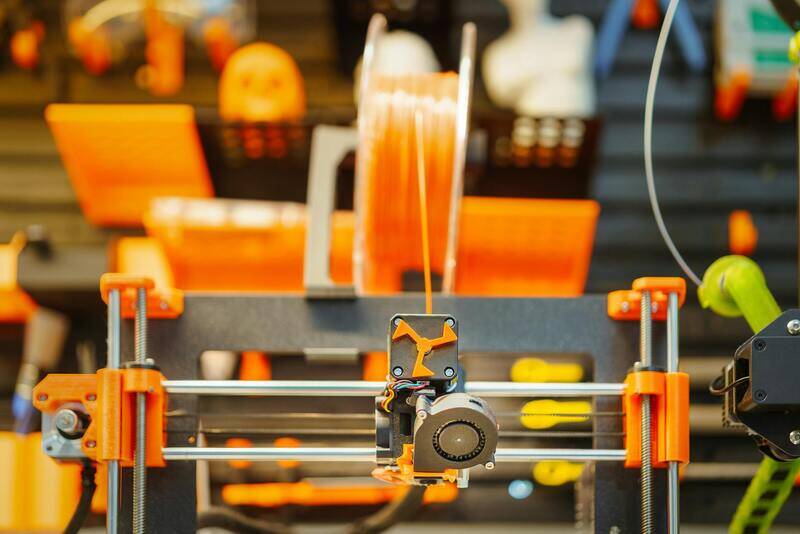
Moreover, rapid turnaround capabilities empower businesses to respond promptly to market changes, enabling dynamic marketing strategies and real-time updates. This agility enhances client satisfaction and secures a competitive advantage in Singapore's fast-changing commercial landscape.
Integral to these benefits is the seamless integration of technology and workflow management, which ensures efficiency from pre-press to final output. By leveraging digital tools and automation, print providers can significantly cut down on manual interventions, reduce error rates, and accelerate the entire printing cycle. These components together make fast printing a practical solution for a diverse array of printing needs, from small batches to large-scale productions.
Finally, the capability to rapidly produce high-quality printed materials fosters an environment of innovation. Designers and clients can iterate ideas more quickly, gaining instant feedback and making adjustments without delaying project timelines. This cycle of rapid development and deployment broadens creative possibilities while maintaining print excellence.
Key Technologies Enabling Fast Printing
Advances in digital printing, high-speed presses, and automation tools form the backbone of modern fast printing solutions. Digital presses facilitate quick setup and configuration, enabling printing on demand with minimal downtime. High-speed presses, tailored for increased throughput, are capable of producing thousands of copies in remarkably short periods, making them ideal for high-volume orders without sacrificing detail or color fidelity.
Automation plays a pivotal role by handling repetitive tasks such as paper loading, color calibration, and finishing processes. Automated systems help reduce manual labor, ensure consistency across print runs, and minimize errors that could cause delays. Additionally, software integration allows for real-time job tracking, scheduling, and quality control, further accelerating turnaround times.

The combination of these technologies creates a synergy that maximizes productivity while preserving the high standards expected by clients. As technological innovation continues, it is anticipated that even faster and more flexible printing methods will emerge, transforming how businesses approach their printing needs.
Understanding Fast Printing and Its Benefits
Fast printing capabilities have revolutionized the printing industry by dramatically reducing turnaround times while maintaining high-quality outputs. This efficiency allows businesses to respond swiftly to market demands, fulfill urgent orders, and facilitate timely project completion. The primary advantage of fast printing lies in its ability to meet tight deadlines without compromising on detail, color accuracy, or overall finish. Companies that leverage rapid turnaround processes gain a competitive edge, especially in industries where speed is essential, such as marketing campaigns, event promotions, and on-demand publishing.
Moreover, fast printing contributes to operational agility. Businesses can experiment with short-run productions, swiftly modify designs, and execute quick revisions, thereby enhancing flexibility in project management. Clients benefit from prompt delivery schedules, reducing inventory holding costs and enabling just-in-time inventory strategies. This responsiveness not only improves customer satisfaction but also strengthens brand reliability and reputation.
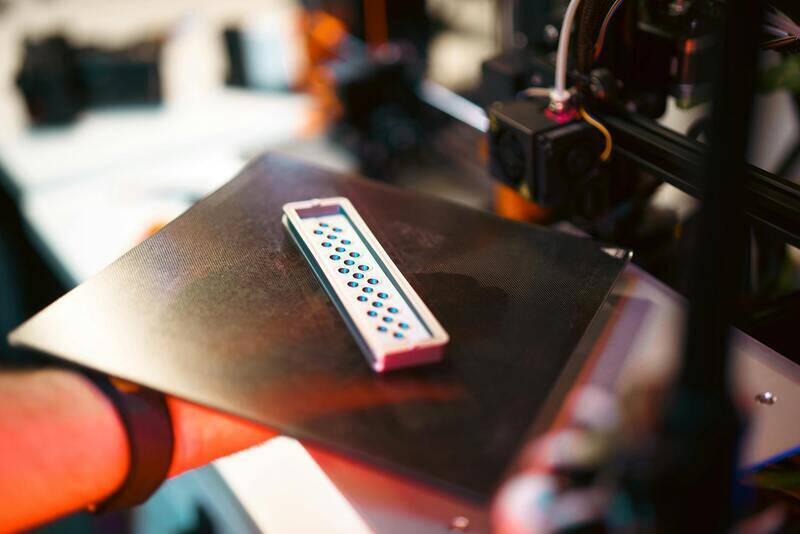
Furthermore, the integration of fast printing solutions into supply chains supports the seamless movement of materials from production to point-of-sale. Digital workflows and just-in-time manufacturing capabilities reduce waste and inventory overheads, aligning production closely with demand. By enabling quick adaptation to changing market trends or promotional campaigns, fast printing fosters innovation and agility among businesses across various sectors.
Key Technologies Enabling Fast Printing
The foundation of rapid printing lies in advanced technological innovations that maximize speed without sacrificing precision. Digital printing platforms, characterized by their quick setup times and high adaptability, serve as the backbone of modern fast printing solutions. Unlike traditional analog techniques, these digital presses require minimal manual intervention—reducing delays and enabling on-demand production with a broad range of media and finishes.
High-speed presses are engineered to process thousands of sheets per hour, significantly scaling up output during peak periods. These presses are optimized for rapid performance, incorporating features such as continuous feed mechanisms and automated paper handling. Coupled with sophisticated printing software, they enable precise color matching, calibration, and quality control in real-time, ensuring consistent results across large batches.
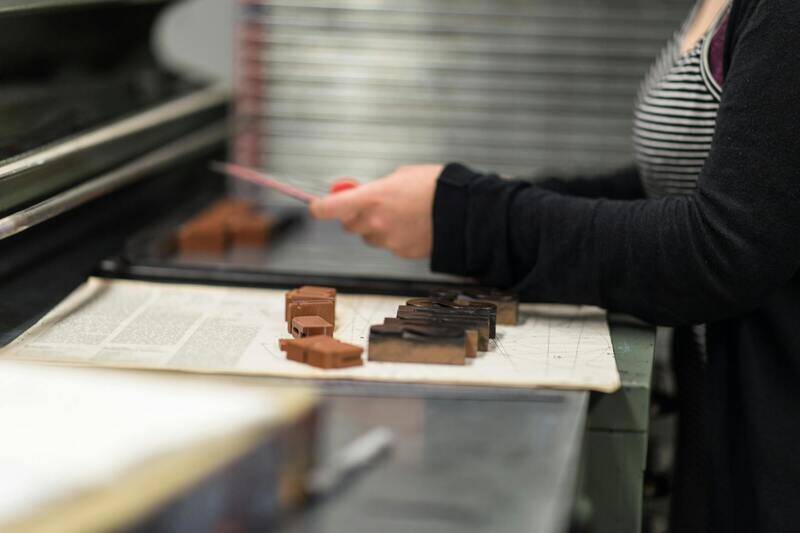
Automation plays a pivotal role in accelerating printing processes. Automated paper loading, color management, and finishing systems minimize manual input, reducing human error and ensuring uniformity. Software-driven job scheduling allows operators to manage multiple print jobs simultaneously, monitoring each stage for potential issues that could cause delays. This level of control and coordination enhances overall productivity and guarantees faster delivery timelines.
Optimizing Printing Workflow for Speed
Streamlining pre-press preparations involves meticulous file management. Ensuring that digital files are correctly formatted, color profiles are standardized, and proofing is completed early reduces last-minute revisions that can prolong production. Implementing standardized templates and automated pre-flighting processes minimizes manual adjustments, leading to faster workflows.
Furthermore, task scheduling should be structured to maximize machine uptime. Prioritizing urgent jobs, assigning appropriate resources, and employing real-time tracking systems streamline operations. Digital job management tools provide transparency and enable quick reallocation of resources in response to changing demands. By adopting these strategies, print providers can significantly cut down on processing times, ensuring faster delivery without compromising quality.
Material Selection and Equipment Maintenance
Choosing the right substrates and maintaining printing machinery are crucial factors in achieving rapid production cycles. High-quality materials designed specifically for fast printing processes can significantly reduce drying times and improve print adherence, resulting in fewer interruptions and reprints. For instance, quick-drying inks and compatible surfaces not only speed up the finishing process but also enhance the overall output quality. Regular equipment maintenance is fundamental to sustaining high-speed performance. Routine checks for wear and tear, calibration, and cleaning prevent unforeseen breakdowns that can disrupt timelines. Employing preventive maintenance schedules ensures machinery operates at peak efficiency, reducing downtime and maintaining consistent print quality. Additionally, utilizing advanced diagnostic tools can identify potential issues early, allowing for swift corrective actions. It's essential for service providers to understand that investing in durable, high-performance materials alongside a proactive maintenance plan directly correlates with reliable, fast printing operations. This synergy minimizes delays, enhances throughput, and guarantees that large-volume orders are completed within tight schedules.

Design Considerations for Faster Printing
Effective design is integral to expediting print turnaround times. Simplifying design elements, reducing the number of colors used, and avoiding intricate details can streamline printing processes. Vector-based graphics are preferred over raster images because they are faster to process and print without sacrificing quality. Standardizing design templates for recurring projects allows for quick setup and minimizes pre-press adjustments. Incorporating bleed and margin guidelines at the design stage ensures alignment and trimming are straightforward, preventing delays during finishing. Moreover, utilizing software with automatic nesting capabilities maximizes material usage, reduces waste, and shortens preparation times. When design considerations are aligned with the printing capabilities, overall speed improves without compromising the final output.
Challenges in Fast Printing and Solutions
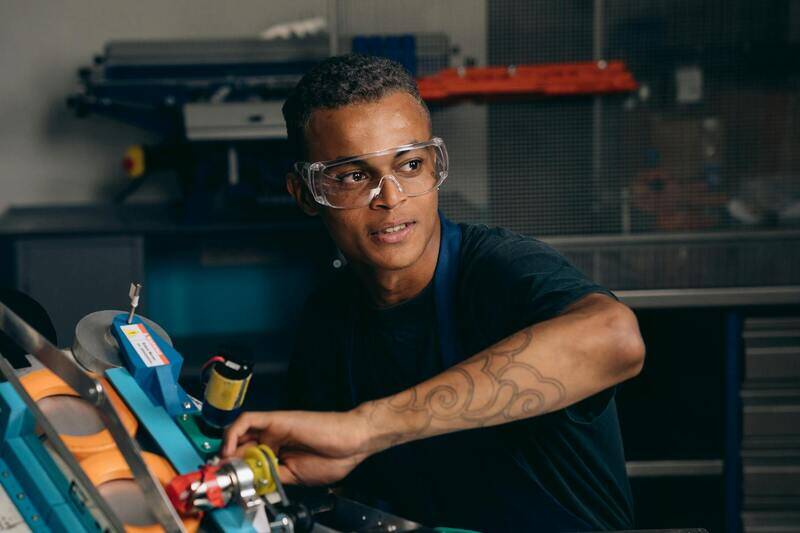
Despite the advantages, fast printing faces certain challenges, including maintaining quality at high speeds, handling complex designs, and managing equipment wear. Balancing speed and quality demands meticulous process control and quality assurance measures. To address these issues, implementing real-time monitoring systems can help detect deviations promptly, allowing adjustments without halting production. Upgrading to high-performance printers equipped with advanced control panels enhances precision and reduces the risk of errors. Training staff on optimal operation protocols ensures that machinery is utilized correctly, preventing mishandling that could cause delays. Additionally, adopting flexible workflows that can adapt to varying job complexities enables service providers to meet tight deadlines efficiently. Another critical solution involves rigorous quality checks at each stage, ensuring that speed does not compromise the integrity of the print. Establishing clear standard operating procedures and leveraging automation wherever possible accelerates the process while maintaining high standards.
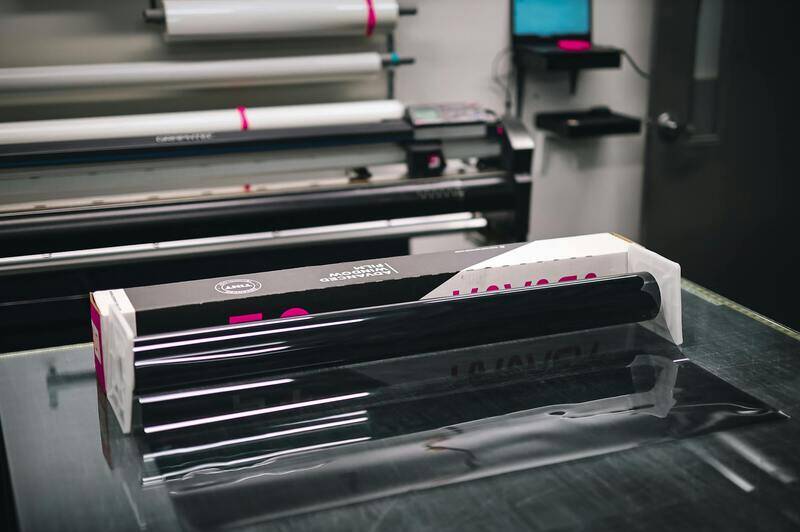
Material Selection and Equipment Maintenance
Ensuring rapid printing workflows require careful consideration of the materials used and the upkeep of printing equipment. High-quality printing substrates such as durable paper stocks, synthetic films, or specialty materials are essential for achieving swift production without sacrificing print fidelity. Selecting materials that are optimized for fast curing and quick adhesion helps streamline the overall process, reducing delays caused by material incompatibilities or lengthy drying times.
Regular maintenance of printing machinery is crucial to sustain high operational speeds. This includes routine calibration, cleaning print heads, and replacing worn-out parts promptly. Implementing a scheduled maintenance protocol can prevent unexpected breakdowns that might otherwise cause significant project delays. Advanced printers often come equipped with diagnostic tools that facilitate real-time performance monitoring, helping operators identify issues early and perform necessary interventions without halting production.

Furthermore, adopting automation features such as automatic alignment, ink recirculation, and temperature controls simplifies operation and minimizes human error, which can be a bottleneck in fast-paced environments. By integrating IoT-enabled systems, print providers can track equipment performance remotely, efficiently scheduling maintenance activities to prevent downtime.
In addition to technical enhancements, staff training on optimal equipment operation and troubleshooting techniques ensures that personnel are well-prepared to handle high-speed printing with precision. Developing comprehensive maintenance logs and standard operating procedures promotes consistency and extends the lifespan of printing machinery, directly contributing to faster turnaround times.

By aligning material properties with machine capabilities and adhering to rigorous maintenance schedules, print service providers can uphold quality standards while meeting aggressive production deadlines. This synergy between material choice and equipment care is fundamental for delivering swift, reliable printing solutions.
Understanding Fast Printing and Its Benefits
In today’s competitive market, the demand for rapid turnaround times in printing projects has become more important than ever. Fast printing offers numerous advantages, including increased productivity, quicker project deliveries, and the ability to respond swiftly to client needs. By reducing production cycles, businesses can enhance their operational efficiency, meet tight deadlines, and maintain a competitive edge.
Implementing fast printing solutions also allows for more flexible workflows, enabling quick adjustments and revisions without significant delays. This agility is particularly critical in environments where time-sensitive materials such as promotional campaigns, event materials, or urgent packaging are required. Furthermore, fast printing can reduce inventory costs by enabling on-demand production, thus minimizing excess stock and storage needs.
Beyond operational benefits, fast printing supports sustainability efforts by reducing material waste and energy consumption associated with prolonged production processes. With a focus on speed coupled with high-quality output, companies can deliver exceptional products while maintaining responsible resource management.

Key Technologies Enabling Fast Printing
Achieving high-speed printing without compromising quality relies heavily on cutting-edge technological advancements. Continuous developments in printing hardware and software facilitate faster throughput, precise color management, and reduced setup times.
- High-Speed Inkjet and Digital Printers: Modern inkjet and digital printing machines are designed with multiple print heads and higher processing speeds, enabling rapid execution of complex designs.
- Auto-Registration and Alignment Systems: Automated alignment features ensure that multiple color layers or duplex printing are accurately registered, decreasing the need for manual adjustments and speeding up the overall process.
- Real-Time Monitoring and Digital Workflow Management: Integration of real-time analytics and workflow automation tools streamlines production, detects issues early, and adjusts parameters dynamically, thus minimizing downtime.
- Lightweight and Fast Drying Inks: Advances in ink formulations enable quicker drying times, reducing process bottlenecks and permitting immediate handling or finishing.
These technologies are vital in establishing a fast, reliable printing operation capable of satisfying demanding client expectations.
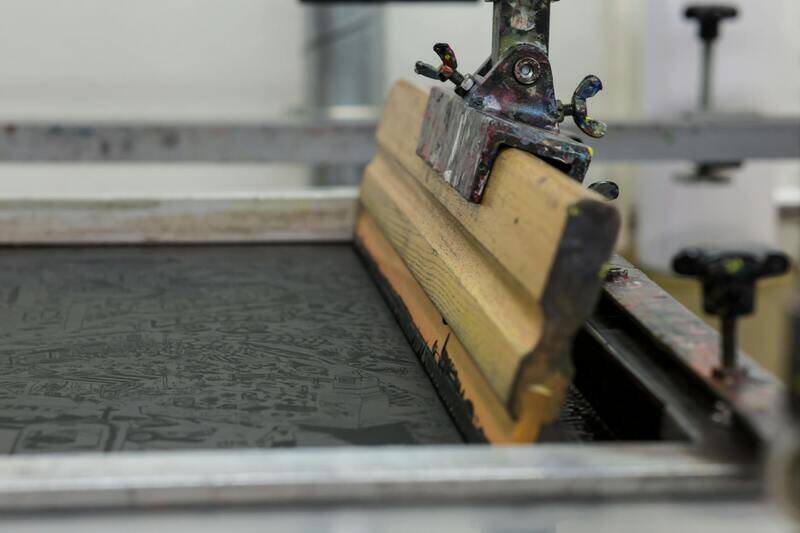
Optimizing Printing Workflow for Speed
Streamlining the entire printing process is essential to maximize throughput. This involves careful planning of each stage, from design preparation to post-processing, so as to eliminate unnecessary delays.
- Pre-Press Efficiency: Automatic file preparation, quality checks, and color management systems speed up the transition from digital files to print-ready formats.
- Material Handling: Proper storage, loading, and unloading procedures minimize delays caused by material shortages or misplacement.
- Printer Setup and Calibration: Automated calibration routines and preset configurations reduce setup times and ensure consistent quality across batches.
- Production Sequencing: Organizing jobs based on size, color, and material compatibility prevents machine downtime and setup changes.
- Post-Print Finishing: Integrating finishing processes such as cutting, laminating, or binding into the workflow allows for simultaneous operations, saving considerable time.
Continuous analysis and process improvements, along with staff training on workflow best practices, are critical in maintaining a high pace of production without sacrificing quality.

Material Selection and Equipment Maintenance
Choosing the appropriate materials plays a crucial role in sustaining fast printing speeds. Materials must be compatible with the specific printing technology used and capable of drying quickly to avoid bottlenecks.
- Matching Material Properties to Printing Technologies: Lightweight substrates, quick-drying inks, and versatile media enhance speed and quality.
- Quality Control of Materials: Consistent quality of supply reduces errors and rejects, supporting uninterrupted high-volume production.
Additionally, diligent maintenance of printing equipment is fundamental to maintaining peak performance. Regular calibration, cleaning, and parts replacement prevent breakdowns and ensure consistent output quality. Implementing routine maintenance schedules backed by detailed logs enables early detection of potential issues, reducing costly downtimes and aligning with production demands.
Technical staff should be trained on equipment care and troubleshooting to swiftly address operational hiccups. This proactive approach preserves machine longevity and sustains the high speeds necessary for rapid printing.

Understanding Fast Printing and Its Benefits
Fast printing allows businesses to meet tight deadlines, increase productivity, and respond swiftly to market demands. By reducing turnaround times, companies can deliver high-quality printed materials without compromising on precision and detail. This capability is especially crucial in industries such as marketing, retail, and publishing, where time-sensitive campaigns or product launches depend heavily on rapid turnaround. Implementing fast printing solutions also enables a more agile workflow, facilitating quick adjustments to design or content as needed, which is vital in today’s highly competitive landscape.
Key Technologies Enabling Fast Printing
Advancements in printing technology have significantly contributed to achieving high speeds without sacrificing print quality. Technologies such as digital presses and high-speed inkjet printers leverage simplified workflows and rapid ink curing processes to expedite production. Digital printing eliminates the need for plates and film, reducing setup times when compared to traditional methods. Moreover, laser printing techniques utilize high-powered beams for swift image transfer, allowing for quick processing of large volumes. Integrated printing systems with automated paper handling, pre-press adjustments, and real-time monitoring further enhance throughput. These innovations are complemented by sophisticated software solutions that optimize job-routing and printing sequences to minimize idle times and streamline operations.
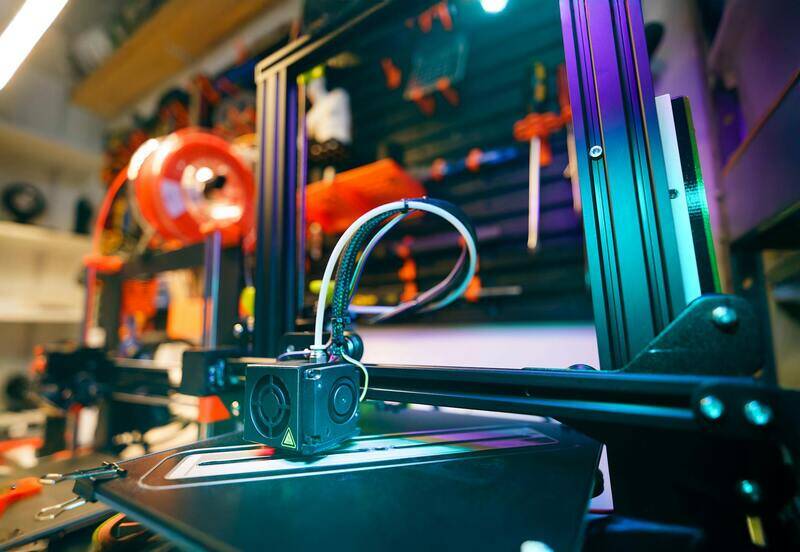
Optimizing Printing Workflow for Speed
Efficiency in process management plays a vital role in fast printing. Implementing well-structured workflows that integrate automated pre-press preparations, precise job scheduling, and quick material handling can significantly cut down production time. Batch processing similar tasks, leveraging software that automates setup changes, and utilizing pre-configured templates can further streamline operations. Workforce training is also essential to ensure operators are adept at managing high-speed equipment and troubleshooting potential issues on the fly. Continuous process monitoring helps identify bottlenecks early, enabling immediate corrective actions. Maintaining clear communication channels among team members ensures that changes or issues are swiftly addressed, preventing delays and ensuring that high-speed printing remains consistent and reliable.
Material Selection and Equipment Maintenance
Material quality directly impacts not only the speed but also the final quality of printed outputs. Selecting media that is compatible with specific printing technologies ensures faster drying times and reduces the likelihood of smudges or jams. Quick-drying inks, lightweight substrates, and versatile media types are ideal for high-speed operations, allowing for rapid handling and processing. Simultaneously, diligent maintenance of printing equipment is critical. Regular calibration, cleaning of printheads, and timely replacement of worn parts keep machinery operating at optimal speeds. Detailed maintenance schedules, combined with logging and real-time diagnostics, help prevent unexpected downtime. Proper training for technical staff ensures swift troubleshooting and minimal disruption, maintaining the flow of production at maximum throughput.
Design Considerations for Faster Printing
Design influences the speed at which printing can be executed. Simplified, optimized designs with fewer complex elements or intricate details tend to print more quickly. To facilitate rapid printing, designers should consider scalable vector graphics and minimize the use of excessive layers or effects that might increase processing and printing time. Standardizing file formats and adhering to specifications tailored for high-speed printers help reduce processing errors and ensure smoother operation. Consistent file management practices and pre-approval of design adjustments can prevent delays during the printing process. Additionally, designing for the specific materials and printer capabilities enables smoother transitions from digital file to finished product, accelerating throughput.
Challenges in Fast Printing and Solutions
Achieving high speeds in printing introduces challenges such as material limitations, increased wear on equipment, and quality control concerns. To overcome these issues, it is essential to use high-quality, compatible materials that support rapid drying and robust adhesion. Regular equipment maintenance and the use of durable machinery prevent breakdowns that could halt production. Implementing real-time quality checks and automated inspection systems helps identify defects early, reducing rework and rejects. Investing in staff training ensures that operators can quickly adjust machine settings or resolve technical issues as they arise. Buffer management—efficiently handling inventory and supply chains—also plays a key role in sustaining uninterrupted high-speed production. Addressing these challenges proactively ensures that the benefits of fast printing are fully realized without compromising on standards.
Understanding Fast Printing and Its Benefits
Fast printing technology has revolutionized the printing industry by significantly reducing production times while maintaining high-quality output. This approach allows businesses to meet tight deadlines, respond swiftly to market demands, and optimize their operational efficiency. Whether used for commercial printing, promotional materials, or on-demand printing needs, rapid turnaround times are crucial for maintaining competitiveness in a fast-paced marketplace. Clients benefit from shorter wait times, faster project completion, and the ability to make real-time adjustments without experiencing lengthy delays. Additionally, fast printing can lead to cost savings by minimizing labor hours, reducing energy consumption, and enabling quicker inventory turnover.
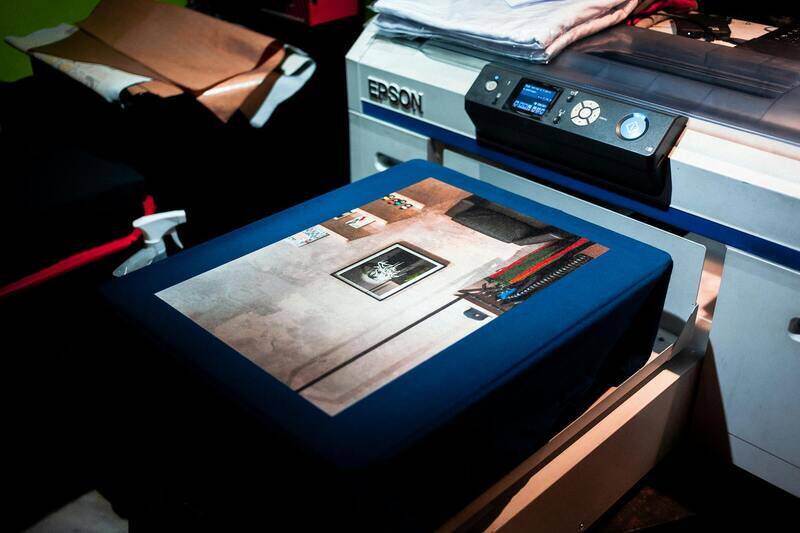
Key Technologies Enabling Fast Printing
The advancement of printing technologies has played a pivotal role in achieving rapid production speeds. Digital printing systems have largely replaced traditional methods due to their ability to quickly process digital files directly from computers, eliminating time-consuming setup procedures. High-speed inkjet and laser printers are designed for efficiency, featuring robust mechanisms that automate tasks such as paper feeding, ink application, and drying. UV printing technology has further enhanced speed by allowing immediate curing of inks, reducing drying times significantly. Additionally, advancements in print head technology, such as multi-nozzle configurations and higher resolution capabilities, ensure that high quality is maintained even at increased speeds. These innovations allow for continuous operation with minimal downtime, ensuring rapid output cycles.
Automation and Software Integration
- Integrated print management systems enable orchestration of multiple devices and streamline workflows.
- Automated job scheduling reduces idle times and optimizes printer utilization.
- Pre-press software automation reduces manual preparation, decreasing errors and speeding up the start-to-finish process.

Optimizing Printing Workflow for Speed
Achieving maximum speed in printing operations involves meticulous workflow optimization to minimize bottlenecks. Streamlining file preparation by standardizing formats and adhering to clear specifications helps prevent delays caused by errors or incompatibilities. Efficient supply chain management ensures the availability of materials, reducing downtime caused by shortages. Implementing pre-press checks and automated scheduling tools guarantees continuous operation and swift transition from digital file to physical output. Separately, establishing dedicated high-speed zones within the production environment can facilitate quick turnaround times, especially during peak periods. Clear communication channels among team members and regular training empower staff to troubleshoot issues swiftly, avoiding slowdowns in the process.
Material Selection and Equipment Maintenance
- Choosing compatible, rapid-drying, and durable materials supports faster production cycles.
- Regular maintenance ensures equipment operates at peak performance, preventing unexpected breakdowns.
- Calibrating printers routinely maintains consistency and reduces rework due to quality issues.

Design Considerations for Faster Printing
Design plays a crucial role in facilitating quick printing processes. Simplified artwork with minimal layers, straightforward color schemes, and reduced use of complex effects allow for faster processing and fewer technical complications. Ensuring that digital files are optimized for high-speed printers involves using appropriate resolutions, color modes, and file formats aligned with machine specifications. Incorporating design templates that are pre-approved for high-speed workflows can expedite the pre-press stage and minimize revisions. Furthermore, designing with materials' drying times and ink adhesion properties in mind can prevent delays due to smudging or imperfections, thus maintaining consistency across large runs.
Challenges in Fast Printing and Solutions
Operating at accelerated speeds presents several challenges, including increased wear on equipment, higher potential for quality inconsistencies, and material limitations. To mitigate these issues, it is critical to select high-quality, compatible materials that support rapid drying and solid adhesion. Consistent maintenance routines and the use of durable machinery help prevent unexpected failures that could lead to significant delays. Incorporating real-time quality inspection systems enables early detection of defects, reducing material waste and rework. Training staff to manage high-speed operations effectively ensures that adjustments and troubleshooting are swift, preventing lengthy interruptions. Efficient buffer and supply chain management are also essential to sustain a continuous workflow, avoiding production halts caused by material shortages or logistical delays.
Cost Implications of Fast Printing
While the pursuit of rapid printing offers clear advantages in terms of efficiency and turnaround, it is important to consider associated costs. Initial investments in high-speed equipment, automation, and advanced workflow software can be substantial. However, these costs are often offset by reductions in labor hours, decreased material wastage, and improved customer satisfaction through faster delivery times. Maintenance expenses may be higher due to the increased operational stress on machinery, emphasizing the importance of proactive servicing. Additionally, selecting premium materials that support quicker drying and adhesion might incur higher costs per unit but contribute to overall speed and quality. Strategic planning around these investments ensures a balanced approach that maximizes ROI while meeting the demands of rapid production schedules.