Overview of Printing Services in Singapore
Singapore's vibrant economy and dynamic business landscape have fostered a robust printing industry that meets a wide array of commercial and personal needs. With an increasing demand for high-quality print outputs, the industry has experienced consistent growth over the past decades. The rise of digital marketing, advertising campaigns, and corporate branding initiatives has contributed significantly to the expansion of printing services within the region.
Printing in Singapore encompasses a broad spectrum of solutions, ranging from traditional print media to advanced digital and specialty printing techniques. The proliferation of print service providers across the island ensures accessibility and convenience for clients seeking reliable, efficient, and innovative printing options. This competitive environment encourages continuous technological upgrades and a focus on quality, timeliness, and cost-effectiveness.

The diversity of services available caters to various sectors including commercial printing, packaging, promotional materials, and personal printing projects. As businesses seek to create impactful branding collateral and marketing materials, the demand for customized and specialized printing solutions has surged. Additionally, the city's strategic location and strong infrastructure support the efficient distribution and logistics of printed materials within Singapore and beyond.
Furthermore, the printing industry in Singapore emphasizes quality assurance and compliance with international standards. This commitment ensures that clients receive durable, vibrant, and precise print outputs suitable for a multitude of purposes. With technological innovations such as digital printing, large-format options, and environmentally friendly processes, Singapore's printing services continue to evolve to meet the complex needs of modern clients.
Growing Demand and Industry Development
The consistent increase in small to large-scale printing orders reflects the sector’s vitality. The city's emphasis on business development, diverse consumer bases, and evolving marketing strategies drives the demand further. The printing industry not only supports commercial efforts but also plays an integral role in cultural and community events, educational initiatives, and artistic expressions, highlighting its versatile and community-oriented nature.
Overview of Printing Services in Singapore
Singapore’s printing industry has established itself as a hub of technological innovation and operational excellence, providing a wide array of printing solutions tailored to meet the diverse needs of businesses, artists, and individuals. The industry's focus on quality control and adherence to international standards ensures that printed materials are not only visually appealing but also durable and reliable for long-term use. This commitment to excellence has positioned Singapore as a preferred destination for premium printing services both locally and regionally.

The sector caters to sectors ranging from corporate branding and marketing campaigns to artistic and community projects. The availability of state-of-the-art digital presses, large-format printers, and eco-friendly printing technologies allows providers to handle projects of any scale with precision and efficiency. Notably, Singapore’s strategic location and robust logistics infrastructure facilitate seamless distribution across Asia and beyond, ensuring timely delivery of printed materials.
Beyond speed and quality, Singaporean printing companies place significant emphasis on environmental responsibility. Many adopt sustainable practices by utilizing eco-conscious inks, recycled materials, and energy-efficient equipment. These initiatives demonstrate a commitment to reducing their carbon footprint, aligning with global sustainability trends and consumer expectations for greener options.
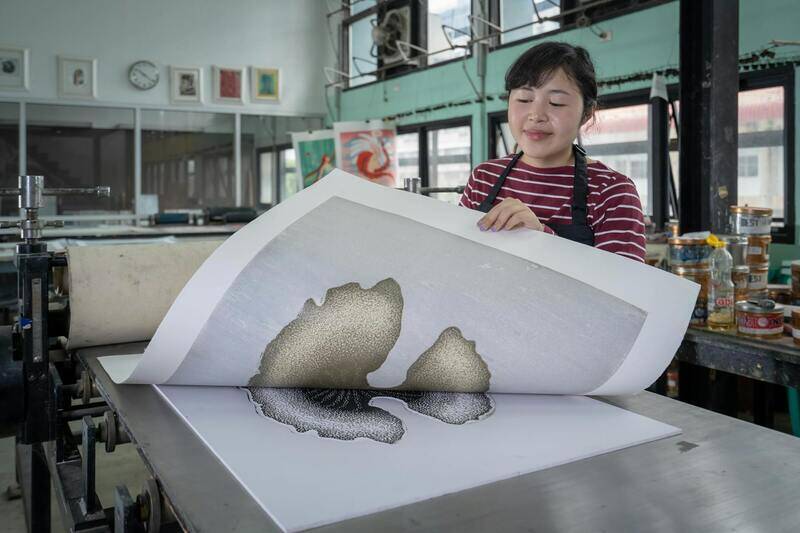
Growing Demand and Industry Development
The ongoing growth in demand for print products reflects the dynamic nature of Singapore’s economy and its innovative business landscape. Small businesses, multinational corporations, and startups alike leverage printing services to build brand awareness, create impactful advertising materials, and support various operational needs. Additionally, printing plays an essential role in cultural expression and community engagement through event banners, educational resources, and artistic displays.
Technological advancements continue to drive the industry forward, with increasing adoption of digital printing that offers rapid turnaround times, customization options, and cost-effective small-batch production. The sector’s adaptability ensures it remains responsive to the evolving marketing strategies and operational requirements of modern enterprises.
Types of Printing Services Offered
In Singapore, printing services encompass a broad spectrum designed to cater to both commercial and personal projects. Common types include:
- Digital Printing: Ideal for quick turnarounds, short runs, and personalized prints such as business cards, flyers, and posters.
- Offset Printing: Suitable for high-volume tasks requiring consistent quality, used extensively in magazine publishing, brochures, and packaging materials.
- Large Format Printing: Used for banners, billboards, trade show displays, and other large-scale visuals that demand high resolution and vibrant color reproduction.
- Specialty Printing: Encompasses techniques like embossed printing, foil stamping, and UV coating, often used for premium packaging, invitations, and luxury branding materials.
Why Choose Certified and Verified Printing Services
Selecting a certified printing provider guarantees adherence to industry best practices, quality assurance standards, and transparent operational procedures. Trusted providers maintain modern equipment, employ trained personnel, and utilize verified processes to ensure that every print product meets stringent quality criteria. Certification from recognized industry bodies also indicates a company’s commitment to sustainability and ethical trading practices, providing clients with peace of mind when commissioning large or sensitive projects.
Overview of Printing Services in Singapore
Singapore's printing industry is renowned for its high standards, technological innovation, and comprehensive range of services tailored to diverse needs for businesses and individuals alike. With a robust infrastructure supported by cutting-edge equipment and skilled personnel, printing services in Singapore are capable of fulfilling complex and large-scale projects while maintaining quality and efficiency. The competitive landscape encourages providers to adopt environmentally friendly practices, utilize advanced digital and offset printing technologies, and offer flexible solutions that align with the evolving demands of the marketplace.
When selecting printing services, clients benefit from transparent operations, consistent quality, and reliable customer support. Providers that focus on adherence to industry standards ensure that printed materials meet specifications for color accuracy, durability, and finish, making them suitable for high-stakes marketing campaigns, corporate branding, and personal projects. Additionally, many companies emphasize sustainability by incorporating eco-friendly inks and recyclable materials, aligning their offerings with global environmental initiatives.
Types of Printing Services Offered
In Singapore, the diversity of available printing solutions caters to an extensive array of needs, from small-scale personal prints to large-format commercial displays. Typical service categories include:
- Digital Printing: Enables rapid production of personalized items such as flyers, brochures, business cards, and small batch posters. Its flexibility allows for quick adjustments and minimal setup time, making it ideal for short-term projects and custom orders.
- Offset Printing: Suitable for large quantities where consistent color quality and high efficiency are priorities. This method is extensively used in the production of magazines, catalogues, and high-volume packaging materials, offering cost-effective solutions for bulk output.
- Large Format Printing: Designed for creating eye-catching banners, billboards, trade show exhibits, and signage. It provides high-resolution images and vibrant colors, ensuring visual impact in outdoor and indoor environments.
- Specialty Printing: Incorporates unique techniques such as spot UV coating, embossing, foil stamping, and textured finishes. These are typically applied to create premium packaging, luxury invitations, branding elements, and other high-end marketing materials that demand a tactile or visual distinction.

Having a comprehensive understanding of these service types enables clients to choose the optimal solution based on project scope, budget, and desired outcome. Certified providers ensure that each service upholds industry standards, contributing to consistent and professional results across different applications.
Key Factors in Choosing a Printing Service
When assessing potential printing partners, several critical aspects should be considered to ensure a seamless and cost-effective process. These include:
- Print Quality: Look for providers that utilize modern printing technologies, such as high-resolution digital presses or precision offset machinery, which deliver sharp images and vibrant colors.
- Turnaround Time: The ability to meet urgent deadlines without compromising quality is vital. Confirm the provider's capacity to handle rush orders and their standard delivery timelines.
- Pricing Structure: Transparent pricing with detailed quotations helps clients compare options and avoid unexpected costs. Some providers offer bundling discounts or volume-based pricing for large orders.
- Customization Options: The availability of diverse finishes, paper stocks, and special effects allows clients to tailor products to their branding needs and aesthetic preferences.
- Technological Capabilities: State-of-the-art equipment and digital tools facilitate precision, consistency, and innovative solutions such as variable data printing or 3D effects.
By carefully evaluating these factors, clients can select printing services that align with their quality expectations, budget constraints, and project timelines, ultimately fostering successful collaboration and satisfactory results.
Types of Printing Services Offered
Printing services in Singapore encompass a broad spectrum of solutions tailored to meet diverse business and personal needs. Each type of printing employs specific techniques and materials to achieve optimal results for different applications. Understanding the available printing options enables clients to select the most suitable method for their project requirements.
Offset Printing
Offset printing remains a staple for high-volume printing jobs, especially when consistent color reproduction and sharp image quality are paramount. This traditional technique involves transferring ink from a plate onto a rubber blanket before printing onto the substrate. It is particularly effective for producing large runs of brochures, catalogs, posters, and packaging materials. Offset printing offers cost efficiencies at scale while maintaining superior print quality and color fidelity.
Digital Printing
Digital printing is ideal for short to medium runs, offering quick turnaround times without the need for costly setup processes. Utilizing advanced digital presses, this method provides high-resolution outputs with excellent detail and vibrant colors. It affords greater flexibility for customization, making it popular for personalized marketing collateral, labels, and event materials. Moreover, digital printing allows for on-demand printing, reducing waste and enabling rapid updates to content or design.
Large Format Printing
Large format printing caters to the creation of signage, banners, wallpaper, and exhibition displays. Equipped with wide-format printers capable of printing on various substrates such as vinyl, fabric, and mesh, this service delivers visually striking, high-resolution outputs suitable for outdoor or indoor environments. It is frequently employed in retail displays, trade shows, and outdoor advertising campaigns, where vibrant visual impact is crucial.
Flexography and Screen Printing
Flexography is often used for packaging, labels, and corrugated products owing to its ability to print on uneven surfaces and a variety of flexible materials. Screen printing, on the other hand, is preferred for creating bold, opaque images on textiles, plastics, and glass. Both methods support specialized finishes and effects, such as embossing, foil stamping, and varnishing, which add value and aesthetic appeal to the final product.

3D Printing and Specialty Processes
Emerging technologies like 3D printing are expanding the creative possibilities available to businesses and artists alike. This innovative process creates three-dimensional objects through additive manufacturing, ideal for prototypes, custom products, and intricate designs. Additionally, specialty processes such as foil stamping, embossing, and spot UV coating enhance the tactile experience and visual richness of printed materials, differentiating brands in competitive markets.
Choosing the Right Printing Method
Selecting the appropriate printing service depends on project scale, material requirements, desired finish, and budget. Consulting with experienced providers who can advise on the most effective techniques ensures the final product aligns with branding objectives and quality standards. Often, a combination of methods is employed within a single project to achieve complex effects and optimize durability.
Key Factors in Choosing a Printing Service
When selecting a printing service in Singapore, it is essential to evaluate several critical factors to ensure the best fit for your project needs. Among these, quality assurance stands out as a primary consideration. Reliable printing providers maintain strict quality control protocols, utilizing advanced technology and skilled personnel to deliver consistent results that meet or exceed industry standards.
Turnaround time is another vital aspect. The ability of a printing service to deliver projects within the agreed timeframe impacts overall business operations and marketing schedules. Look for providers with a reputation for punctuality, supported by streamlined processes and efficient workflows.
Cost-effectiveness without compromising quality is a key concern for many clients. Transparent pricing, detailed quotations, and the absence of hidden charges enable better budgeting and financial planning. It’s advisable to compare multiple providers, considering not just the initial price but also the value provided, including material quality, finishing options, and customer service.
Technical expertise and equipment diversity also influence the choice of a printing partner. Modern facilities equipped with state-of-the-art machinery such as offset printers, digital presses, large format printers, and specialized finishing tools can accommodate a wide range of project types. This flexibility allows for customized solutions, from simple business cards to complex promotional banners.
Customer support and communication play a crucial role in the overall satisfaction. Effective, transparent communication helps clarify project specifications, manage expectations, and resolve issues swiftly. Ideal printing services maintain dedicated account managers or customer service teams that actively monitor project progress and provide updates throughout the process.
Finally, the sustainability practices of a printing company are increasingly important. Providers that prioritize eco-friendly materials, recycled papers, environmentally safe inks, and energy-efficient operations demonstrate a commitment to responsible business practices. Selecting such companies can align your projects with broader corporate social responsibility goals while reducing environmental impact.

By thoroughly assessing these factors—quality, timeliness, cost, technical capabilities, customer support, and sustainability—you can make an informed decision when choosing a printing service in Singapore. Such an approach ensures that your printing projects are executed efficiently, affordably, and to the highest standards, ultimately supporting your business’s branding and communication objectives.
Cost and Pricing Structures
Understanding the pricing models employed by printing service providers in Singapore is essential for budgeting effectively and achieving optimal value. Most reliable printers offer a combination of fixed and variable costs, tailored to the scope and complexity of each project. Common pricing structures include per-unit pricing, where costs are calculated based on the quantity of items, and flat rates for specific services like business card printing or banner production.
Factors influencing overall costs encompass material choices, such as premium versus standard paper or fabric options, and finishing processes like lamination, embossing, or UV coating. Additionally, the scale of the project plays a significant role; bulk orders often benefit from discounts, reducing the unit price and making large campaigns more budget-friendly.
Other considerations include turnaround times, which may incur premium charges for expedited services, and special technical requirements such as custom die-cutting or unique color matching. It is advisable to request detailed quotations from multiple providers, ensuring clarity around all possible charges. Transparency in pricing helps avoid unexpected expenses and facilitates comparisons based on value rather than just initial costs.
Many printing companies in Singapore also offer tiered pricing packages, allowing clients to choose services that best match their budget constraints without compromising quality. By factoring in all these elements, businesses can select printing solutions that deliver high standards while remaining cost-effective, supporting efficient marketing and branding initiatives.

Additional Tips for Cost Management
- Plan projects with a clear scope to avoid last-minute modifications that can increase costs.
- Opt for standardized formats and sizes to benefit from economies of scale.
- Combine multiple print orders to maximize order batching capabilities and discounts.
- Maintain open communication with service providers to explore alternative materials or processes that may reduce expenses.
Comprehensive Security and Confidentiality Measures in Singapore’s Printing Industry
Security and confidentiality are cornerstones for many organizations utilizing printing services in Singapore, especially when handling sensitive or proprietary information. Reputable printing providers adopt rigorous protocols to safeguard client data, employing advanced technologies and strict internal procedures that ensure information remains protected throughout the entire printing process.
One of the essential measures includes secure file transfer methods, such as encrypted digital uploads, that prevent unauthorized access during transmission. Additionally, many service providers implement dedicated secure server environments where files are stored temporarily with limited access. This minimizes risk exposure and guarantees that sensitive data is not accessed or altered unlawfully.
Physical security also plays a significant role. Trusted printing establishments often operate in secure facilities equipped with surveillance systems, controlled access points, and secure storage areas for printed materials awaiting collection or delivery. These measures help prevent theft or tampering, especially for high-value or confidential documents.
Furthermore, confidentiality agreements are commonly employed to formalize the responsibility of staff members and subcontractors. Employees are trained in data privacy protocols, emphasizing the importance of discretion when handling client files. Service providers may also establish clear protocols for document disposal, ensuring that obsolete or unwanted printed materials are securely destroyed in compliance with industry standards.
Another emerging practice involves chain-of-custody procedures that document each stage of the printing process—from file receipt, through printing, to delivery. This record-keeping adds an extra layer of accountability, allowing clients to verify that their materials have been handled appropriately at every step.

Choosing a printing service with a proven track record in security practices provides peace of mind for organizations managing confidential or critical information. Recognizing their commitment through industry certifications, such as ISO standards relevant to information security, further validates their dedication to maintaining high confidentiality standards. Clients should inquire about the specific procedures employed, request detailed security policies, and consider providers that align with their own confidentiality requirements to ensure the integrity and privacy of their printed materials are fully protected.
Advanced Security Measures in Printing Services
Securing sensitive and proprietary information during the printing process is paramount for many organizations, especially those handling confidential data, legal documents, or proprietary research. Reputable printing service providers in Singapore adopt comprehensive security protocols to uphold data integrity and confidentiality. These measures include secure procurement of print materials, controlled access to printing facilities, and protected document handling procedures.
Many providers utilize encrypted file transfer methods to ensure that digital files are safeguarded during submission. Once received, files are stored in secure environments with restricted access, reducing the risk of unauthorized viewing or tampering. The printing process itself often takes place within sanitized areas with monitored access, further minimizing exposure to potential breaches.
To enhance accountability and traceability, some companies implement chain-of-custody procedures. Each stage—from receipt of the digital file, pre-press processing, printing, to final delivery—is meticulously documented. This detailed record-keeping guarantees transparency and allows clients to verify that their materials are managed correctly at every step.

Industry Certifications and Standards for Security
Top printing services in Singapore often hold industry-specific certifications that demonstrate their commitment to security and quality. Certifications such as ISO/IEC 27001 indicate adherence to internationally recognized information security management standards. These certifications require ongoing audits, staff training, and implementation of best practices that reinforce a provider’s ability to handle sensitive materials securely.
Clients are encouraged to ask for documentation of such certifications when selecting a printing partner. Moreover, clear security policies and protocols should be part of the service agreement, covering aspects such as secure storage, restricted access, staff background checks, and secure disposal of obsolete or unwanted printed materials.
Choosing a provider with proven security credentials not only ensures the confidentiality of your documents but also enhances overall trust and reliability, especially for corporate, legal, or government-related printing needs.
Handling and Disposal of Printed Materials
Upon completion of printing, proper disposal of sensitive or outdated materials is essential to prevent unauthorized access or accidental disclosure. Trusted service providers implement secure disposal procedures aligned with industry standards. This typically involves shredding or incineration of printouts that contain confidential information, with documentation confirming the disposal process.
Some printers also offer environmentally friendly disposal options, such as recycling or composting of paper waste, which adheres to sustainable practices without compromising security. These measures demonstrate a comprehensive approach to confidentiality and environmental responsibility, providing peace of mind to clients managing sensitive or proprietary content.