Overview of Print Services
Print services encompass a broad spectrum of solutions tailored to meet diverse needs across industries and personal use. These services include everything from basic document printing to high-end marketing materials, promotional banners, and customized packaging. Selecting the appropriate print service provider is crucial for ensuring the quality, durability, and appearance of the final product. Whether a business needs to reproduce large quantities of brochures or a individual requires personalized stationery, the right printing partner plays an essential role in achieving professional results.
In today’s competitive market, print services are more versatile and technologically advanced than ever before. They cater not only to conventional printing tasks but also to innovative, high-resolution digital outputs that meet increasingly sophisticated design standards. As industries continue to evolve, the demand for specialized print solutions has grown, thus urging consumers and organizations to carefully evaluate their options.

For businesses, print materials serve as a vital component of branding and marketing strategies. Customized posters, flyers, and product packaging help solidify brand presence and attract target audiences effectively. On the other hand, individuals often require printing services for personal milestones such as invitations, photo albums, or personalized gifts. Moreover, educational and governmental institutions utilize print solutions for documentation, informational materials, and outreach programs.
The importance of choosing a dependable print service provider cannot be overstated. Reliable providers ensure consistent quality, timely delivery, and competitive pricing. They also offer a range of options to match specific needs, including various materials, finishes, and printing techniques. With the proliferation of digital technologies, print services now incorporate eco-friendly practices and advanced customization features that allow clients to create unique, memorable outputs.
Ultimately, the goal of any print service is to translate digital designs into tangible products that meet the highest standards of quality and visual appeal. From quick turnaround projects to large-scale campaigns, the right print partner supports seamless execution from file preparation to final delivery. Understanding the different types of print services available helps clients make informed decisions that align with their goals and budgets, ensuring that every printed piece effectively communicates its intended message.
Custom Printing Solutions
Many print service providers offer tailored printing options to suit diverse client requirements. Custom printing solutions encompass a range of features, including personalized designs, unique sizes, and specialized finishes that elevate the final product’s appeal. Businesses can leverage these services to produce eye-catching marketing collateral such as banners, custom brochures, and specialty packaging that align closely with their branding objectives.
One significant advantage of custom printing is the flexibility it provides for small batch runs or large-volume productions. This ensures that clients can manage costs effectively while achieving high-quality outputs. Additionally, custom options often extend to variable data printing, allowing for personalized messages or offers to be incorporated into each item, thereby enhancing engagement and response rates.

Advanced printing technologies have made it possible to combine traditional methods with digital precision, resulting in complex designs with sharp resolution and rich color accuracy. Whether for promotional items, corporate gifts, or event collateral, custom printing empowers organizations to differentiate themselves in crowded marketplaces.
Material and Finish Options
The choice of materials and finishes plays a crucial role in determining the durability and aesthetic appeal of printed products. Common materials include gloss or matte paper, cardstock, fabric, vinyl, and waterproof materials suitable for outdoor applications. Each material offers unique properties that cater to specific uses, whether for high-end presentation folders or outdoor signage.
Finishing options further enhance the visual impact of printed pieces. Techniques such as laminating, embossing, UV coating, and foil stamping add texture, shine, and tactile quality. For instance, gloss finishes provide vibrancy and protection, while matte finishes offer a subdued elegance suitable for professional reports. Special finishes not only improve appearance but also extend the lifespan of printed materials, making them ideal for items subject to handling or environmental exposure.

Sustainable Printing Practices
Eco-friendly printing has emerged as a key consideration for organizations committed to environmental responsibility. Leading print service providers incorporate sustainable practices by utilizing recycled and FSC-certified materials, vegetable-based inks, and energy-efficient printing equipment. These measures help reduce carbon footprint while maintaining high standards of print quality.
Furthermore, sustainable practices extend to waste management, where excess materials and inks are responsibly disposed of or recycled. Digital printing technologies also minimize excess waste through on-demand printing, eliminating the need for large inventories and reducing overproduction. Clients who prioritize sustainability can work with providers that are transparent about their eco-friendly initiatives and certifications.
Factors to Consider When Choosing a Print Service Provider
- Print Quality: Consistency in color accuracy, sharpness, and overall finish is essential for professional results.
- Range of Services: A comprehensive provider should offer various printing methods, materials, and finishing options to meet diverse needs.
- Turnaround Time: Reliable delivery schedules are crucial, especially for time-sensitive projects.
- Cost Effectiveness: Competitive pricing without compromising quality ensures value for investment.
- Customer Support: Responsive assistance and clear communication streamline the printing process from file submission to final delivery.
- Environmental Certifications: Certification in eco-friendly practices reflects a commitment to sustainability and quality standards.
Digital vs. Traditional Printing Benefits
Digital printing offers advantages such as faster turnaround times, cost-efficiency for small batches, and the ability to incorporate variable data for personalized outputs. It is ideal for short-run projects, prototype development, and on-demand printing. Conversely, traditional offset printing excels in producing large quantities with consistent color accuracy and high-quality finishes, often at a lower unit cost per piece for bulk orders. Understanding the specific requirements of a project will guide clients toward the most suitable printing method, ensuring optimal results and resource allocation.
How to Prepare Files for Printing
Proper file preparation is crucial for achieving high-quality printed results. Clients should ensure files are created in the correct color mode (typically CMYK), with appropriate bleed margins and resolution (at least 300 DPI). PDF is the preferred format for its compatibility and ability to preserve designs accurately. It is essential to include all fonts and artwork as embedded or outlines to prevent discrepancies. Additionally, checking for color consistency, correct sizing, and branding elements helps avoid errors during printing.
Communicating detailed specifications, including material choice, finish preferences, and deadlines, with the print provider ensures that the final product aligns with expectations. Many providers offer templates and guidelines to assist in preparing files compatible with their equipment, reducing the risk of reprints and delays.
Material and Finish Options
Choosing the appropriate materials and finishes is pivotal in achieving the desired aesthetic and durability of printed products. A broad spectrum of substrates is available, ranging from standard paper stocks—including coated, uncoated, and specialty papers—to more robust materials such as vinyl, fabric, or plastic. These choices influence the tactile experience, longevity, and overall visual appeal of the final product.
Finish options further enhance the quality and functionality of printed materials. Common finishes include gloss, matte, and satin coatings, each imparting a distinct look and feel. Gloss finishes provide a vibrant, high-shine surface that accentuates colors and details, making them ideal for promotional posters and packaging. Matte finishes, on the other hand, lend a sophisticated, subdued appearance that minimizes glare and fingerprints, suitable for menus, business cards, and presentation materials. Satin finishes strike a balance, offering a soft sheen that enhances visual depth without excessive reflectivity.
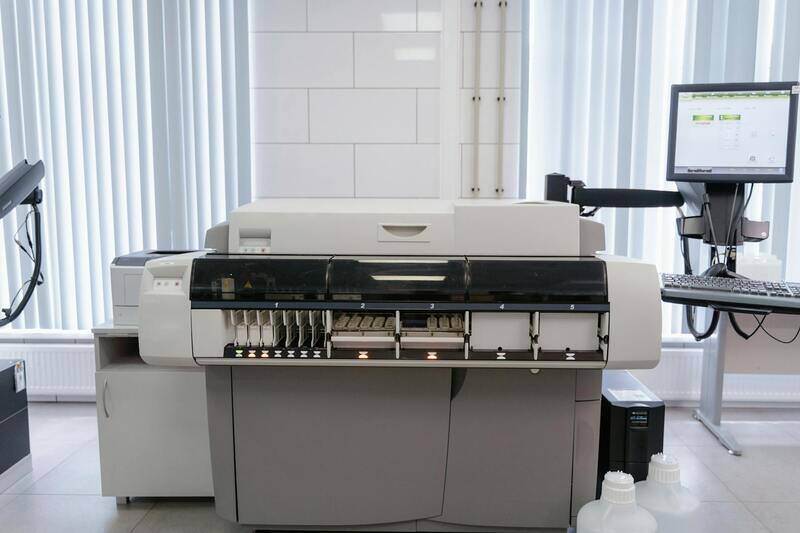
Specialty finishes can add unique textures and effects—such as embossing, debossing, spot UV coating, or foil stamping—that elevate branding elements and create memorable tactile experiences. These treatments are often used on premium packaging, luxury cards, and high-end marketing collateral. When selecting materials and finishes, clients should consider the product’s intended use, environmental exposure, budget constraints, and branding consistency.
Sustainable Printing Practices
Increasing awareness of environmental impact has led many print service providers to adopt sustainable practices. These include sourcing eco-friendly materials, such as recycled papers and vegetable-based inks, which reduce harmful emissions and waste. Additionally, implementing energy-efficient printing technology minimizes resource consumption during production.
Some providers hold certifications or adhere to standards that guarantee environmentally conscious operations. Clients can also opt for digital printing for shorter runs, thereby reducing waste associated with excess inventory and rejected prints. Utilizing water-based or soy-based inks, along with biodegradable coatings, further enhances the eco-profile of printed products. These sustainable approaches not only support environmental stewardship but can also align with corporate social responsibility goals and appeal to eco-conscious consumers.
Factors to Consider When Choosing a Print Service Provider
- Technical Capabilities: Ensure the provider possesses the equipment and expertise to handle your specific project requirements, whether it involves digital, offset, or specialty printing techniques.
- Portfolio and Experience: Review the provider's previous work, especially projects similar to yours, to gauge quality and reliability.
- Turnaround Time and Capacity: Confirm their ability to meet deadlines without compromising quality, especially for urgent or bulk orders.
- Customer Support and Communication: Choose a provider that offers clear communication channels, detailed quotations, and willing consultations to align expectations.
- Cost and Value: Evaluate pricing structures, noting the balance between affordability and quality. Competitive rates should not come at the expense of craftsmanship.
- Sustainable Practices: Consider providers committed to environmentally friendly operations, which can enhance your brand image.
By thoroughly evaluating these factors, clients can select a print service provider capable of delivering exceptional results that meet both project specifications and strategic goals.
Material and Finish Options
Choosing the right materials and finishes is crucial in elevating the quality and longevity of printed products. Printing services in Singapore offer a diverse array of paper types, each suited to different purposes and aesthetic preferences. For example, gloss, matte, and satin finishes provide varied tactile experiences and visual effects, while textured papers can add depth and sophistication to premium materials like business cards or invitations.
In addition to paper selection, finishes such as varnishes, laminates, and embossing play vital roles in enhancing durability and visual appeal. Coatings like UV varnish can provide a shiny, protective surface that resists scratches and stains, especially for products subjected to frequent handling. Matte finishes, on the other hand, impart a subtle elegance and are preferred for understated branding and luxury packaging.
Specialty finishes like holographic foils or spot-UV effects can create striking visual accents that draw attention and reinforce brand identity. Texture plays an essential role in tactile engagement; raised printing or soft-touch coatings contribute to memorable customer experiences. Landscape, room decoration, or promotional materials benefit significantly from these varied options, ensuring that each project uniquely aligns with its purpose.

Understanding material and finish options allows clients to tailor their printed materials for maximum impact, whether aiming for sophistication, resilience, or a tactile standout. Collaborating with experienced print providers ensures appropriate choices that match the project’s aesthetic and functional requirements, ultimately delivering a polished and professional result that resonates with target audiences.
Material and Finish Options
Choosing the right material and finishes for print projects plays a crucial role in achieving the desired aesthetic and functional outcomes. Materials such as various types of paper, cardstock, and specialty substrates offer distinct textures, weights, and durability levels, allowing for tailored solutions that meet specific needs. For premium applications like business cards, brochures, and packaging, selecting high-quality papers with unique finishes elevates perceived value and leaves a lasting impression.
Finish options further enhance the visual and tactile appeal of printed materials. Glossy coatings impart vibrancy and a sleek shine that makes colors pop, ideal for promotional posters or product packaging designed to attract attention. Matte finishes deliver an understated elegance that reduces glare and is often preferred for corporate reports or sophistication-focused branding.
In addition to standard coatings, specialty finishes such as gloss lamination, matte lamination, soft-touch coatings, and textured surfaces add an extra layer of refinement. Embossing and debossing techniques introduce tactile depth, making elements such as logos or decorative accents more prominent. Spot-UV coatings can selectively highlight specific areas with a shiny, protective layer, creating visual contrast and visual interest.
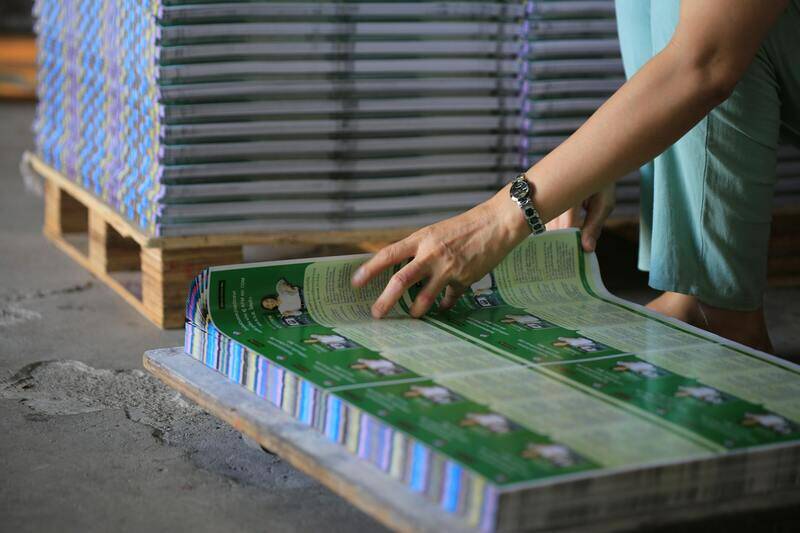
Material and finish selection should align with the project’s purpose, budget, and desired customer experience. For instance, luxury brands often opt for textured or embossed papers combined with matte finishes to evoke sophistication, while event invitations may pair thick cardstock with glossy highlights for vibrancy. Collaborating closely with experienced print providers ensures optimal pairing of materials and finishes, leading to professional results that enhances brand identity and product longevity.
Impact of Material and Finish Choices on Brand Perception
- Enhanced tactile experience increases customer engagement and memorability.
- High-quality finishes foster a perception of premium value.
- Durable materials extend the lifespan of marketing collateral, ensuring lasting impressions.
- Custom finishes can incorporate branding elements with unique textures or visual effects.
Considerations for Selecting Material and Finishes
- Assess the environmental conditions the printed material will be exposed to, such as handling, weather, or storage.
- Reflect on the target audience’s preferences and expectations.
- Evaluate the project's budget while balancing quality and cost-effectiveness.
- Communicate clearly with the printing service provider about desired outcomes to ensure proper material and finish options are chosen.
Material and Finish Options
When selecting materials and finishes for print projects, it is essential to consider both the tactile qualities and visual appeal to ensure the final product aligns with branding goals and target audience expectations. Common materials include various types of paper, cardstock, vinyl, and fabric, each offering unique textures and durability characteristics.
Finish options further enhance the printed piece’s aesthetic and longevity. Matte finishes provide a subdued, sophisticated look that minimizes glare, ideal for professional reports or elegant stationary. Glossy finishes deliver vibrant colors and a shiny surface that draws attention, perfect for marketing brochures or photographs. Satin or semi-gloss finishes offer a balanced sheen, combining elements of both matte and gloss.

Sustainable Printing Practices
In today's environment-conscious market, implementing sustainable printing practices is increasingly important. This involves choosing eco-friendly materials like recycled paper, biodegradable inks, and sustainable substrates. Additionally, optimizing print runs to reduce waste and using energy-efficient equipment contribute to a greener footprint.
Many print service providers now offer environmentally friendly options, ensuring that your branding efforts also support sustainability initiatives. This commitment to eco-friendly practices not only helps reduce environmental impact but also enhances a company's reputation among environmentally conscious consumers.

Considerations for Material and Finish Selection
- Environmental conditions: Determine whether the printed material will be exposed to elements like moisture, sunlight, or handling, influencing material choice for longevity.
- Target audience: Understand preferences and expectations, such as luxurious textures or eco-conscious materials, to create more effective printed pieces.
- Budget constraints: Balance quality and cost-effectiveness while selecting materials and finishes, ensuring the project stays within financial parameters.
- Communication with print providers: Clearly articulate your desired outcomes and preferences to ensure the selected materials and finishes meet project specifications and expectations.
By carefully considering these factors, businesses can select the most appropriate materials and finishes that enhance the visual appeal and durability of their printed assets, ultimately strengthening brand presentation and customer engagement.
Ancillary Services Offered by Print Providers
Beyond the core printing processes, many print service providers extend their offerings to include a variety of ancillary services designed to streamline the entire print project and enhance the final product. These supplementary services play a critical role in achieving precise, professional results and ensuring customer satisfaction. Here we explore some of the most common auxiliary services available from reputable print providers.
Advantage of Design Assistance
Professional print providers often offer design support to help clients translate their ideas into print-ready files. This service is especially beneficial for businesses lacking in-house graphic design expertise, ensuring that branding elements, color schemes, and layouts align with printing specifications and industry standards. Design assistance can include layout optimization, color correction, and advice on visual impact, all of which contribute to a more polished and effective printed output.
Pre-Press and Color Management
Pre-press services include detailed checks of digital files to identify potential issues before printing, such as resolution problems or color mismatches. Color management processes involve calibrating devices and using color profiles to guarantee consistent color reproduction across different print runs and media. These steps are crucial for maintaining brand integrity and ensuring that the final product matches the intended design precisely.
Binding and Finishing Services
After printing, finishing touches such as binding, lamination, foil stamping, embossing, and die-cutting can significantly elevate the quality and functionality of printed items. Binding options range from saddle stitching to perfect binding for reports and brochures. Laminations add durability and a premium feel, while special finishes like foil or embossing can highlight particular design elements or logos, making printed materials more engaging and memorable.
Automation and Workflow Integration
Advanced print providers employ integrated workflow management systems that streamline project handling from submission to delivery. Automation ensures faster turnaround times, reduces errors, and enables seamless communication between clients and service teams. This integration is particularly crucial for high-volume or complex projects requiring multiple stages of review, approval, and quality control.
Delivery and Logistics Solutions
Many print companies provide end-to-end logistics services to facilitate the distribution of printed materials. This can include warehousing, order fulfillment, and direct delivery to specified locations. Such services are valuable for event organizers, marketing campaigns, or businesses with multiple branches, ensuring timely and cost-effective distribution of printed assets across regions or globally.

Choosing the Right Print Service Methods for Your Needs
Official and Reliable Printing Strategies
When selecting a print service provider, it's essential to rely on established and proven methods that ensure quality, consistency, and efficiency. Utilizing standard industry practices not only guarantees the integrity of your printed materials but also fosters trust and accountability between clients and service providers. These methods encompass a comprehensive approach to every stage of the printing process, from pre-press preparations to final delivery.
Pre-Press Processes and File Preparation
Effective print workflows begin long before the ink hits paper. Proper file preparation involves adhering to specifications such as correct color modes (CMYK for printing), resolution (generally 300 DPI or higher), and appropriate file formats (PDF, TIFF, or EPS). Ensuring fonts are embedded or outlined prevents issues with font substitutions, while including bleed margins guarantees clean edges after trimming. A meticulous review process, including soft proofing and color calibration, helps identify potential issues early, reducing costly reprints and delays.
Color Management and Calibration
Color accuracy is critical for brand consistency and visual impact. Established print service providers employ advanced color management systems, including calibrated monitors and standardized color profiles, to match digital files with printed results. Using tools like spectrophotometers and colorimeters ensures that color reproduction remains consistent across multiple batches and substrates, safeguarding the integrity of your branding elements.
Material Selection Aligned with Print Methods
Choosing the appropriate substrates aligns with print technology choices, application needs, and visual outcomes. For example, screen printing is often suited for durable textiles, while offset printing excels in producing high-volume, detailed images on paper. The quality of materials, including paper weight, coating, and texture, directly influences the finished product’s durability and aesthetic. Reputable print providers maintain a comprehensive inventory of materials and offer consultation to select the best options for each project.
Quality Assurance and Final Inspection
Rigorous quality checks are integral to official printing processes. These include visual inspections, color consistency evaluations, and measurement verifications against specifications. Many providers employ in-line quality control systems that monitor color fidelity, registration, and layout accuracy during the printing process. For large or mission-critical projects, final inspection before shipment guarantees that standards are met, reducing returns and enhancing client satisfaction.
Secure and Documented Delivery Methods
Reliable delivery channels are vital for ensuring printed materials reach their destination intact and on schedule. Trusted print companies collaborate with reputable logistics partners to facilitate secure packaging, real-time tracking, and timely distribution. Documentation such as delivery receipts and quality certificates may accompany shipments, providing transparency and traceability. This systematic approach to logistics underscores a commitment to professionalism and client confidence.
Commitment to Ethical and Sustainable Practices
In today’s environment-conscious market, adopting responsible printing methods is increasingly important. Reliable providers prioritize eco-friendly inks, recycled substrates, and waste minimization practices. They adhere to industry standards for hazardous materials and support certifications such as FSC or PEFC, which endorse sustainable resource management. Such practices not only reflect corporate responsibility but also appeal to clients who value environmental stewardship.
Evaluating and Verifying Service Credibility
To ensure the chosen print service method aligns with official standards, customers should verify credentials such as industry certifications, client testimonials, and portfolio showcases. Transparent communication regarding workflow, quality assurance measures, and after-sales support further reinforces confidence. Establishing a clear understanding of these practices ensures that your print projects adhere to the highest standards of professionalism and reliability.