Understanding Super Fast Printing
Super fast printing refers to the ability to produce high-quality printed materials within remarkably short timeframes, often leveraging advanced technologies and streamlined processes. This capability has become increasingly vital in today’s fast-paced commercial environment, where clients demand rapid turnaround without compromising quality. Whether for marketing campaigns, event materials, or urgent documentation needs, super fast printing ensures that businesses can meet tight deadlines efficiently. The significance of this service extends beyond mere speed—it emphasizes reliability, consistency, and precision throughout the printing process. As competition intensifies across various industries, the ability to deliver printed products swiftly can be a critical differentiator, enabling businesses to respond swiftly to market demands and operational deadlines.
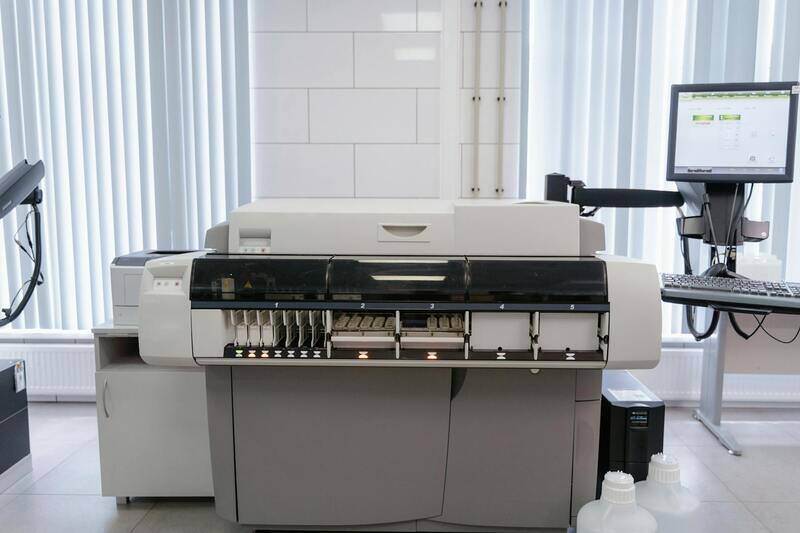
Within the printing industry, super fast printing represents a convergence of technological innovation, process optimization, and material management. Achieving rapid production cycles without sacrificing the quality standards expected by clients necessitates a comprehensive understanding of cutting-edge printing methods and equipment. This capability is crucial not only for meeting urgent market demands but also for optimizing inventory and supply chain logistics, reducing lead times, and enhancing overall operational efficiency. As the digital economy continues to evolve, the importance of super fast printing will only increase, catering to the needs of businesses striving for agility and responsiveness in their communications and branding efforts.

In essence, super fast printing is redefining traditional production timelines, facilitating just-in-time manufacturing and distribution. It empowers businesses to execute campaigns at a moment's notice, adapt to rapid market changes, and meet high-volume demands with consistency. As such, it has become a cornerstone of modern printing services, standing at the intersection of innovation and client-centric delivery. The next sections will explore the key technologies driving this capability, alongside considerations related to materials, workflow management, quality assurance, and emerging trends shaping the future of super fast printing services.
Material and Substrate Considerations
Choosing the right materials plays a pivotal role in achieving super fast printing without compromising quality. The selection of substrates must align with the capabilities of high-speed printers to prevent bottlenecks and ensure seamless production flows. Lightweight, uniform materials such as coated papers, vinyl, or synthetic substrates are often preferred for rapid printing. These materials allow for quicker ink absorption and drying times, minimizing delays in the workflow.
Furthermore, the compatibility of substrates with quick-drying inks and versatile printing techniques is essential. Specially formulated inks designed for rapid setting accelerate the printing process, facilitating quicker transition between production stages. This synergy between suitable substrates and inks ensures that high volumes of printed materials can be produced efficiently, whether for marketing collateral, posters, packaging, or other applications.

Material management strategies also influence the overall speed. Efficient inventory control and pre-cutting of substrates in standard sizes reduce handling time and eliminate unnecessary delays during setup. Establishing reliable supplier relationships guarantees timely availability of quality materials, supporting uninterrupted high-speed production runs.
Workflow Optimization for Speed
Streamlining workflow processes is fundamental to realizing the full potential of super fast printing. Implementing automated job scheduling systems ensures that printer resources are maximized, reducing idle times and accelerating turnaround. Digital workflows that integrate order intake, prepress, and printing operations facilitate real-time tracking and quick adjustments, maintaining consistent output and minimizing downtime.
Prepress automation plays a crucial role by automating file preparation steps such as color correction, imposition, and proofing. This reduces manual intervention and speeds up the transition from design to print. Additionally, employing standardized templates and design files enables quicker setup, especially for recurring projects or uniform output requirements.

Integrating advanced software solutions that coordinate between various stages of printing ensures smooth operation flow, resource allocation, and timely completion of jobs. Continuous monitoring through real-time analytics helps detect bottlenecks early, allowing operators to implement corrective measures swiftly.
Material and Substrate Considerations
Choosing appropriate materials and substrates is fundamental when aiming for super fast printing without compromising quality. It is essential to select substrates that are compatible with high-speed printing equipment and capable of handling rapid ink or toner application. Materials such as coated papers, synthetic films, and engineered substrates often provide optimal adhesion and drying characteristics, enabling faster processing times.
For instance, coated papers with quick-dry coatings facilitate immediate handling post-printing, reducing bottlenecks in the workflow. Synthetic substrates like polypropylene or PET films offer excellent dimensional stability, minimal warping, and fast ink penetration, ensuring consistent results at high speeds. These materials also tend to endure the rigors of rapid processing, such as repeated handling or folding, making them suitable for various commercial applications.
Moreover, the properties of a substrate—such as surface smoothness, porosity, and absorbency—directly influence print quality and speed. Porous or matte surfaces may require longer drying times, whereas gloss-coated surfaces support rapid ink setting, enabling faster production cycles. Selecting the right material balance is crucial to achieve high throughput while maintaining sharp image quality and color fidelity.

Advanced compatibility testing between printers and substrates can identify the most efficient material-technology pairings. Proper investment in substrate selection ensures that high-speed printing operations are not hindered by material-related delays or quality issues, ultimately leading to more predictable and reliable output schedules.
Understanding Super Fast Printing
Super fast printing has become a critical component of modern printing solutions, especially for businesses that require rapid turnaround times without compromising quality. This approach involves methodologies and technologies designed to significantly reduce printing durations, enabling organizations to meet urgent deadlines and increase operational agility. Achieving high-speed output demands a synergy of advanced equipment, optimized workflows, and suitable materials, all working in concert to deliver reliable, high-quality results at a pace that traditional printing cannot match.
Key Technologies Enabling Super Fast Printing
The foundation of super fast printing lies in the deployment of cutting-edge technologies that accelerate each stage of the printing process. One such innovation is UV-curing inkjet technology, which employs ultraviolet light to rapidly dry and cure ink instantaneously upon application. This eliminates the typical drying lag, allowing immediate handling and finishing, thereby markedly increasing throughput. Additionally, high-speed digital presses with advanced controller systems can process large-volume jobs with minimal downtime, optimizing productivity.
Furthermore, the integration of multi-channel printing heads facilitates simultaneous application of multiple ink colors, drastically reducing printing time for complex images and multi-layered designs. Complementing hardware advancements are software solutions that streamline pre-press preparations, automate layout adjustments, and enable quicker job setup, all of which significantly cut down on pre-production time.
Material and Substrate Considerations
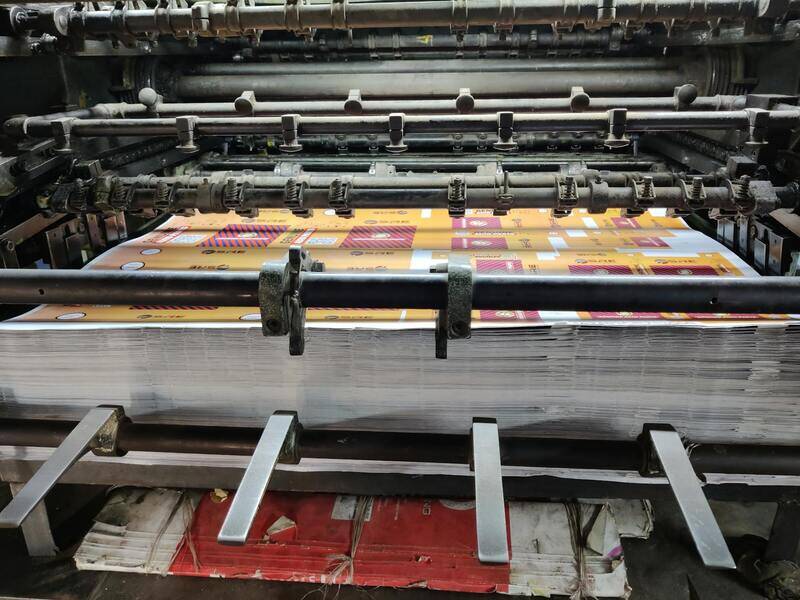
The effectiveness of super fast printing heavily relies on selecting the appropriate materials and substrates. Coated papers with quick-dry coatings facilitate immediate handling, significantly minimizing drying times. Synthetic films such as polypropylene or PET are prized for their dimensional stability, minimal warping, and fast ink penetration, enabling consistent high-speed output across various industrial applications. These substrates are also resistant to repeated handling, folding, or bending, making them unsuitable for rapid production lines that demand durability.
Surface properties of substrates, including gloss and porosity, play a pivotal role in drying and ink adhesion. Gloss-coated surfaces allow for rapid ink setting, critical for maintaining high throughput without sacrificing image sharpness or color vibrancy. Conversely, matte or porous surfaces might require longer drying times, impacting overall speed. Consequently, selecting a material that balances processing speed with desired print quality is essential for optimizing workflow efficiency.
High-quality coated substrates enable rapid production of detailed, vibrant images. Advanced compatibility testing between specific printer models and substrates ensures that material choices do not lead to delays or compromised quality. Investing in the right pairing can help maintain consistent production schedules, especially when operating at maximum speeds.
Workflow Optimization for Speed
Achieving super fast printing requires a meticulously optimized workflow. Streamlining file preparation through automation reduces manual intervention and minimizes setup times. Pre-press techniques, such as automated layout adjustment and color management, further expedite the process, ensuring that files are ready for printing with minimal adjustments.
Process automation extends beyond file preparation, encompassing tasks such as material loading, printhead calibration, and quality checks. Implementing intelligent workflow management systems allows for seamless job sequencing, reducing idle times between runs and maximizing machine utilization. Training staff systematically on rapid setup procedures and maintenance protocols enhances overall operational efficiency, ensuring that equipment runs at peak performance without unnecessary pauses.
Quality Management in Fast Printing
While speed is paramount, maintaining high-quality standards remains essential. Real-time monitoring systems enable immediate detection of issues such as color inconsistencies or mechanical errors, allowing for prompt corrective actions. Regular calibration of equipment and consistent maintenance routines prevent quality degradation during high-speed operations. Employing quality control checkpoints throughout the workflow ensures that the rapid pace does not compromise the fidelity of printed images, colors, or finishes.
Benefits of Super Fast Printing
- Significantly reduced turnaround times for urgent jobs
- Enhanced operational efficiency and productivity
- Ability to handle large-volume orders with tight deadlines
- Increased customer satisfaction through faster delivery
- Cost savings by minimizing labor and overhead during high-demand periods
Challenges and Limitations
Despite its advantages, super fast printing presents certain challenges. Maintaining precise color consistency at high speeds requires sophisticated calibration systems and consistent material quality. Some substrates may not dry or adhere adequately when processed at rapid rates, leading to potential rework or waste. Mechanical wear and tear on high-speed equipment can also increase operational costs and demand frequent maintenance. Additionally, not all print jobs are suitable for ultra-fast processing, particularly those requiring intricate detail or special effects that necessitate longer drying or curing times.
Future Trends in Fast Printing Technologies
The trajectory of super fast printing technology points toward further integration of automation, artificial intelligence, and IoT (Internet of Things). These innovations promise enhanced print speed, quality control, and predictive maintenance, enabling printers to operate with minimal downtime. Advancements in ink formulations and substrate technology will continue to expand rapid printing capabilities across diverse applications, ensuring faster, more reliable, and environmentally sustainable solutions.
Understanding Super Fast Printing
Super fast printing defines a high-speed printing process designed to meet urgent deadlines without compromising on output quality. It involves advanced machinery and refined processes that enable production volumes to be increased substantially while maintaining accuracy and detail. This capability is increasingly vital in industries such as marketing, retail, and event management, where rapid turnaround times are crucial for client satisfaction and business agility. The essence of super fast printing lies in its ability to deliver large quantities of printed materials swiftly, ensuring timelines are met even during peak demand periods. It requires not only state-of-the-art equipment but also a well-optimized workflow and skilled personnel to manage the intricacies of high-speed operations without sacrificing precision.

Key Technologies Enabling Super Fast Printing
Several technological advancements have driven the evolution of super fast printing, each contributing to speed, efficiency, and output quality:
- High-Speed Digital Printing Machines: Modern digital presses are equipped with rapid processing units and multi-directional paper handling, significantly boosting print speeds compared to traditional analog methods.
- Automation and Intelligent Workflow Management: Automated scheduling, paper feeding, and job queue management streamline operations, reducing manual intervention and minimizing delays.
- Advanced Inkjet and Laser Technologies: Innovations in ink formulations and laser precision facilitate quick drying and high-quality reproduction at remarkable speeds.
- Real-Time Monitoring Systems: Sensors and digital interfaces provide continuous feedback on print quality, allowing immediate adjustments to prevent errors and reduce rework.
- Efficient Drying and Curing Equipment: Rapid drying systems such as UV curing lamps and infrared dryers enable immediate handling of printed materials, further accelerating the overall process.

Material and Substrate Considerations
The choice of substrates plays a crucial role in achieving super fast printing while maintaining quality. Not all materials are suitable for rapid processing; some may require longer drying or proper adhesion times, which could hinder speed goals. Critical considerations include:
- Paper and Cardboard: Thinner, coated, or specialty papers that dry quickly and adhere well at high speeds are ideal. For example, glossy or matte coated papers often perform better in fast print cycles due to their surface properties.
- Vinyl and Plastic Films: These substrates are often used in large banners, signage, and promotional displays. They require compatible inks and fast-curing technologies to ensure durability and visual fidelity.
- Textiles: Fabrics and textiles used for promotional materials or apparel printing demand specialized inks and processing protocols to keep up with rapid throughput.
- Specialty Materials: Metals, wood panels, and other unconventional substrates may be more challenging, requiring tailored pre-treatment or post-processing steps to enable high-speed production.
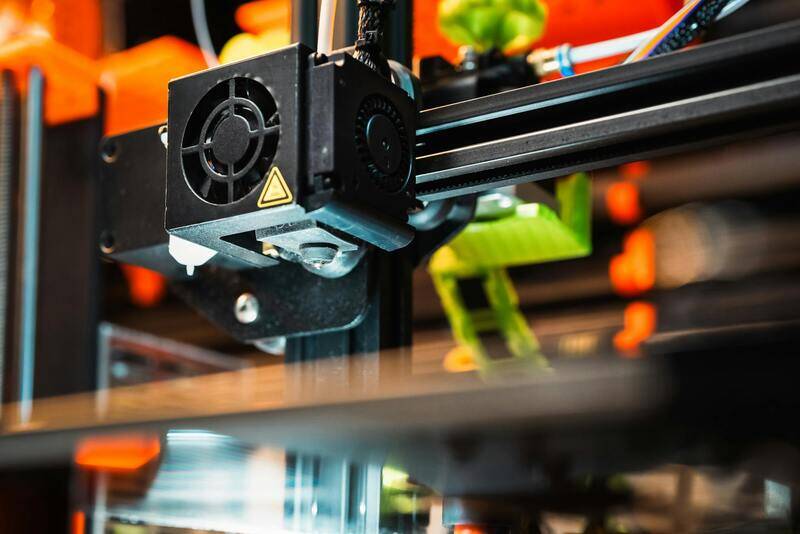
Workflow Optimization for Speed
Maximizing print speed goes beyond machinery; it involves careful workflow planning and process integration. Effective workflow optimization includes:
- Pre-press Preparation: Streamlining file checks, layout adjustments, and color calibration ensures minimal setup time before printing begins.
- Automated Job Scheduling: Using digital management tools to sequence jobs efficiently, reducing idle times and material waste.
- Efficient Material Handling: Deploying high-capacity feeders and automated stacking systems that keep the production line moving seamlessly.
- Integrated Quality Control: Incorporating inline inspection systems to detect errors early, preventing rework and ensuring consistent output.
- Adaptive Post-Processing: Optimizing cutting, folding, and binding processes for speed without sacrificing quality or precision.
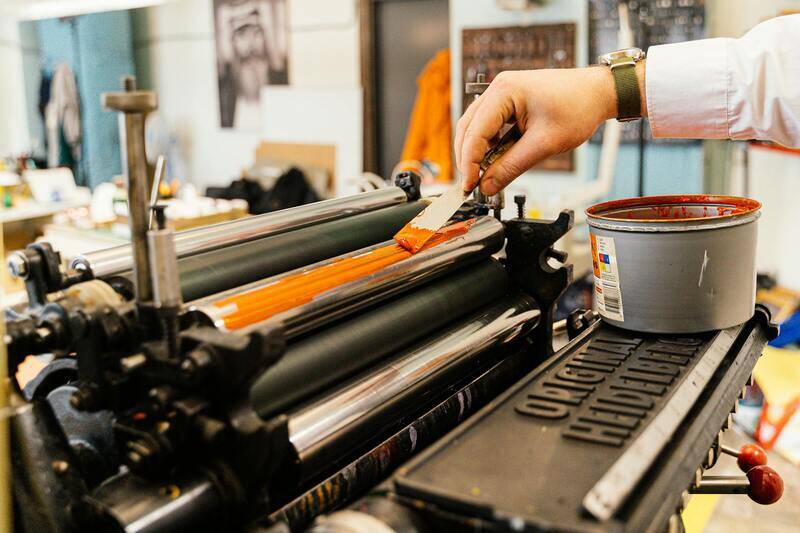
Understanding Super Fast Printing
Super fast printing refers to the capability of producing high-quality printed materials within significantly reduced timeframes compared to conventional methods. This approach is essential for businesses that require rapid turnaround, such as marketing campaigns, event signage, or urgent client requests. Achieving such accelerated production requires more than just high-speed machinery; it involves a comprehensive integration of advanced technologies, optimized workflows, and suitable materials. The goal is to deliver superior print quality while maintaining efficiency, making super fast printing a valuable asset for companies aiming to stay ahead in competitive markets.
Key Technologies Enabling Super Fast Printing
Several groundbreaking technological advancements have paved the way for super fast printing capabilities. These include high-speed inkjet and electrophotographic printers equipped with wide arrays of nozzles and fast-drying inks. UV-curable printing technologies have become increasingly popular due to their ability to instantly cure inks upon contact with the substrate, drastically reducing processing times. Additionally, lightweight and durable printheads allow for rapid repositioning and high throughput. Laser printing innovations also play a crucial role, especially in high-volume environments, offering exceptional speed and precision.

Material and Substrate Considerations
The choice of printing materials significantly impacts the speed and quality of high-velocity printing processes. Compatible substrates such as coated papers, plastics, and textiles are essential for achieving fast drying times and consistent results. Specialized inks designed for rapid curing are used to minimize delays caused by slow-drying formulations. Handling unconventional substrates like metals or wood requires pre-treatment to ensure proper ink adhesion and smooth printing flow. Selecting the appropriate materials tailored for high-speed processing ensures efficient production without compromising artwork fidelity.

Workflow Optimization for Speed
Maximizing printing speed involves strategic workflow enhancements that extend beyond machinery. Pre-press workflows should focus on automating file checks, color calibration, and layout adjustments to reduce setup times. Employing automated job scheduling systems can streamline the sequencing of multiple jobs, minimizing downtime and material waste. High-capacity feeders, conveyor systems, and automated stacking units ensure continuous operation, allowing the production line to maintain high throughput. Inline inspection and quality control systems promptly identify issues, preventing rework and ensuring that the output meets standards. Post-processing steps like cutting and binding are optimized to match the pace of printing, enabling a seamless, rapid production cycle.
Implementing automation and digital management tools is crucial for ensuring a smooth, high-speed workflow. These solutions facilitate real-time monitoring and adjustments, thereby reducing delays and operational errors. By integrating these elements thoughtfully, print service providers can significantly increase productivity without sacrificing quality, enabling them to fulfill urgent orders effectively.
Quality Management in Fast Printing
Maintaining consistent quality is vital when producing materials at high speeds. Inline inspection systems employ real-time imaging and precision sensors to detect color inconsistencies, registration errors, or print defects immediately after printing. Such early detection allows for swift adjustments or reprints, minimizing waste and delays. Color management remains crucial, with calibration protocols designed to ensure color accuracy and consistency across batches. Operator training on equipment handling and process parameters also plays a central role in preserving high standards. Regular maintenance of machinery ensures optimal performance, eliminating the risks of unexpected downtime that could compromise both speed and quality. Ultimately, technological integration and disciplined workflow procedures help balance the need for rapid output with the expectation of high-quality results.
Understanding Super Fast Printing
Super fast printing is transforming the landscape of printing services by dramatically reducing turnaround times without compromising output quality. This advanced capability is especially vital for industries that demand urgent deliverables, such as marketing campaigns, event materials, and personalized products. The core principle lies in the capacity to produce large volumes of high-quality prints within compressed timeframes while maintaining precision and consistency. For businesses, this means enhanced agility in meeting tight deadlines, accelerating time-to-market, and responding swiftly to customer needs. Achieving such speed involves a comprehensive integration of innovative technologies, optimized workflows, and strategic material handling methods, which together create a seamless, high-velocity printing environment. As the demand for rapid production continues to grow, understanding the factors that enable super fast printing becomes crucial for print service providers aiming to stay competitive and responsive in a fast-paced market.
Key Technologies Enabling Super Fast Printing
Several technological innovations underpin the ability to achieve super fast printing speeds. Among these, advanced inkjet and digital printing technologies are at the forefront, offering rapid production cycles alongside exceptional detail and color fidelity. High-speed printheads with adaptive resolution capabilities ensure that images are rendered crisply, even when printing at accelerated velocities. The use of digital workflows enables instant data processing and file management, drastically reducing prepress times. Automated material handling systems—such as roll-to-roll feed mechanisms—streamline the movement of substrates, minimizing manual intervention and delays. Moreover, real-time monitoring systems employing sensors and imaging technology detect defects or misalignments during the print process, allowing immediate corrective actions. This synergy of mechanical, electronic, and software solutions creates a robust environment where speed and quality coexist, empowering print providers to undertake high-volume projects efficiently and confidently.
Material and Substrate Considerations
Selecting the appropriate materials and substrates plays a pivotal role in super fast printing. Compatibility between the print technology and the substrate ensures high-speed operations run smoothly without frequent jams or misfeeds. Thinner or more flexible materials, such as lightweight papers, vinyl, or flexible plastics, often facilitate quicker substrate handling, enabling faster loading and unloading during production cycles. The material's drying time and ink adhesion properties directly influence overall throughput; faster-drying inks and coated substrates are preferred to maintain continuous workflow. Additionally, certain specialty materials that require longer curing times may hinder speed objectives, making their use less viable in high-speed environments. Careful consideration and testing of material properties help optimize the printing process, minimize waste, and enhance product quality—all essential elements for achieving true super fast printing performance.
Workflow Optimization for Speed
Efficient workflows are fundamental to reaching super fast printing capabilities. Streamlining prepress operations through automated file preparation and digital imposition reduces setup times, allowing for quick transitions between jobs. Implementing centralized job management systems provides real-time oversight of production schedules, resource allocation, and progress tracking. Automated material loading and unloading systems minimize manual handling, while robotic arms and conveyor belts facilitate continuous operation, thus maintaining high throughput levels. Additionally, the integration of pre-configured settings and presets ensures that each job begins with optimal parameters, reducing adjustments and downtime. Combining these elements into a cohesive workflow minimizes bottlenecks, accelerates turnaround times, and ensures consistent output, making large-scale, high-speed projects feasible and reliable.
Quality Management in Fast Printing
Maintaining high-quality standards amidst rapid production cycles requires sophisticated quality assurance measures. Inline inspection systems utilize real-time imaging, color sensors, and registration checks to detect issues immediately after printing, preventing defective batches from progressing further in the workflow. Consistent calibration of color profiles and regular maintenance of printing equipment ensure uniformity across print runs, even at high speeds. Operator training focused on rapid troubleshooting and process adjustments is essential for minimizing errors and rework. Furthermore, implementing feedback loops allows continuous refinement of print parameters, aligning speed with quality objectives. This meticulous approach ensures clients receive high-caliber outputs, even when fulfilling demanding, expedited orders, and supports a reputation for reliability and excellence in super fast printing services.
Unlocking the Power of Super Fast Printing: Official Methods for Rapid Turnaround
Utilizing Advanced Digital Printing Technologies
To achieve rapid turnaround times without compromising quality, leveraging cutting-edge digital printing methods is essential. High-speed digital presses, such as those using toner-based or inkjet-based systems, are designed to handle large volumes efficiently. These machines incorporate sophisticated hardware and software that optimize print speeds, enabling businesses to produce high-quality outputs in a fraction of the usual time. Modern digital presses often come equipped with features like high-capacity paper trays, automated in-line finishing options, and intelligent job management systems that streamline workflows, reducing manual intervention and increasing throughput.

Implementing Proper Workflow and Job Management
Effective workflow management is crucial for maximizing the efficiency of super fast printing operations. This involves the use of robust print management software that automates job sorting, prioritization, and scheduling. Predefined templates and automated job queueing minimize delays caused by manual adjustments, enabling continuous operation. Additionally, integrating pre-press preparation with automated file checking reduces setup times and prevents errors from progressing into large-volume print runs. A well-organized workflow that combines automation and real-time monitoring allows for seamless coordination between various stages of the printing process, ensuring consistent speed and output quality.
Optimizing Material Handling and Substrates
Choosing the right substrates and handling them correctly can significantly influence printing speed. Lightweight, pre-sized rolls or sheets that are compatible with high-speed printers allow for quick loading and minimal handling time. Using substrates with superior dimensional stability reduces the need for multiple adjustments and recalibrations during the print process. Additionally, adhesive-backed materials or specialty substrates designed for rapid processing can further streamline production. Ensuring that materials are stored properly and readily accessible minimizes downtime caused by material shortages or handling issues, which is vital for maintaining high-speed output.
Ensuring Consistent Quality at High Speeds
While speed is a primary advantage, maintaining print quality remains essential. Modern super fast printers include inline inspection systems that perform real-time quality assurance. These systems utilize advanced imaging, color sensors, and registration checks to identify and correct issues immediately. Regular calibration of color profiles and routine maintenance of equipment help sustain consistency across large batches. Equipping operators with training on rapid troubleshooting and process adjustments further supports high quality during fast production cycles. Integrating feedback loops for continuous improvement enables adjustments based on real-time data, ensuring that speed does not compromise the output's integrity.
Advantages Derived from Official Methods of Rapid Printing
- Accelerated production timelines, enabling quick fulfillment of urgent orders
- Enhanced capacity to handle large-volume print runs efficiently
- Consistent output quality despite high-speed operation
- Reduction in material waste through optimized workflows and precise handling
- Minimized downtime and increased operational efficiency
Overcoming Practical Challenges
Achieving super fast printing through legitimate, industrial-grade methods requires addressing several practical challenges. Equipment limitations, such as the maximum speed of printers and throughput capacity, dictate the scope of production. Proper training ensures operators can manage the technology effectively, thus avoiding errors that could lead to delays or rework. Regular maintenance and calibration are vital to sustain optimal functioning at high speeds. Additionally, integrating modern print management solutions helps avoid bottlenecks, enabling continuous operation. Adherence to established procedures and official standards guarantees that the rapid production process remains reliable, consistent, and of the desired quality.