Comprehensive Guide to Banner Printing Services
In the dynamic landscape of visual marketing, banners serve as a pivotal tool for businesses and organizations seeking high-impact advertising. Recognized for their versatility, durability, and eye-catching appeal, banners can effectively communicate messages across various environments, from trade shows and retail outlets to outdoor events. Selecting the appropriate banner printing service involves understanding the different types of banners available, the materials used, design considerations, and the latest printing technologies. This guide aims to provide a detailed overview of these key aspects to assist clients in making informed decisions that align with their marketing objectives.
Types of Banners Offered
Vinyl Banners
Vinyl banners are among the most popular options due to their durability and versatility. They are suitable for both indoor and outdoor use, resistant to weather elements, and capable of holding vibrant, high-resolution prints. Often used for event promotions, storefront displays, and advertising campaigns, vinyl banners can be produced in a range of sizes and finishes to meet specific requirements.
Fabric Banners
Fabric banners offer a premium appearance with a smooth, elegant surface that enhances printed graphics. These banners are ideal for interior displays, trade shows, and corporate events where a sophisticated look is desired. Their lightweight nature also makes them easy to install and transport.
Mesh Banners
Designed with perforated material, mesh banners allow wind to pass through, reducing strain and potential damage when installed in outdoor environments. They are particularly suitable for large-scale outdoor advertising in high-wind areas, such as construction sites and stadiums.
Fabric Banners
Fabric banners offer a premium appearance with a smooth, elegant surface that enhances printed graphics. These banners are ideal for interior displays, trade shows, and corporate events where a sophisticated look is desired. Their lightweight nature also makes them easy to install and transport.
Materials Used in Banner Printing
The foundation of quality banner printing lies in the selection of suitable materials. Commonly used substrates include:
- Vinyl: Polyvinyl chloride sheets known for durability and weather resistance.
- Polyester Fabric: Offers a smooth, high-quality surface, ideal for detailed graphics.
- Mesh Fabric: Perforated material suitable for outdoor environments, allowing wind passage.
- Backlit Films: Used for illuminated banners to enhance visibility during nighttime displays.
The choice of material impacts not only the visual quality but also the lifespan and suitability of the banner for specific conditions. High-grade, weather-resistant materials ensure longevity, especially for outdoor applications, reducing the need for frequent replacements.
Types of Banners Offered
In professional banner printing, selecting the appropriate banner type is crucial for achieving optimal visibility and durability. Each banner type serves specific purposes, environments, and aesthetic preferences, making it essential to understand the distinct features and applications of available options.
Vinyl Banners
Vinyl banners are among the most versatile and popular choices in the industry. Known for their robustness and weather resistance, they are suitable for both indoor and outdoor advertising campaigns. Vinyl's durability allows them to withstand harsh environmental elements such as rain, UV rays, and wind, making them an excellent choice for long-term outdoor signage. They can be produced in various sizes and can include eyelets for easy installation, ensuring seamless display across different venues.
Mesh Banners
Mesh banners are crafted from perforated materials that enable wind to pass through freely, significantly reducing wind resistance and strain. This feature makes them ideal for extensive outdoor advertising in locations prone to high winds, such as construction zones, stadiums, or bridge billboards. The semi-transparent nature of mesh banners also allows for better airflow and reduces the overall weight, simplifying installation and minimizing potential damage caused by weather conditions.

Fabric Banners
Fabric banners bring a touch of elegance and sophistication to indoor displays. Typically made from high-quality polyester or polyester-blend fabrics, they feature a smooth, matte surface that highlights detailed graphics and vibrant colors. Fabric banners are lightweight and easy to install, making them suitable for trade shows, retail displays, and corporate events where visual appeal is paramount. Their soft texture also helps prevent glare, ensuring that graphics are easily visible from various angles.
Backlit and Illuminated Banners
Designed to be illuminated, backlit banners incorporate translucent materials and lighting solutions, boosting visibility during nighttime or low-light conditions. These banners often use LED lighting and are suitable for promotional displays in malls, cinemas, and outdoor concerts. The lighting element not only enhances readability but also adds an eye-catching dimension to the advertising, drawing attention in crowded or busy settings.
Specialty Banners
Beyond standard types, specialty banners such as retractable banners, step and repeat backdrops, and fabric tension displays provide added flexibility and aesthetic options. Retractable banners are portable and easy to set up, ideal for exhibitions and mobile marketing. Step and repeat backdrops serve for photo opportunities during events, while tension fabric displays offer seamless, high-resolution imagery for impactful visual statements.
Summary
Understanding the distinct characteristics of each banner type helps in selecting the most suitable one for specific needs. Factors such as environmental exposure, event setting, visual impact, and duration of display influence the choice of material and design. Collaborating with a reliable banner printing service ensures that your selected banner type is produced with precision, meeting your branding and operational requirements effectively.
Types of Banners Offered
Printing providers offer a diverse range of banners tailored to various promotional needs and environments. Each type is crafted with specific materials and design considerations to optimize visual impact and functionality.
Vinyl Banners
Vinyl banners are among the most popular choices due to their durability and versatility. Made from weather-resistant PVC, they are suitable for both indoor and outdoor use. These banners are ideal for long-term advertising campaigns, event signage, and grand openings, providing vibrant color reproduction and resistance to wind, rain, and UV exposure.
Fabric Banners
Fabric banners convey a sophisticated look, thanks to their smooth surface and rich texture. They are predominantly crafted from polyester or satin-like materials, offering excellent print quality. Fabric banners are often used indoors for trade shows, corporate events, or premium branding purposes, where aesthetics are a priority.
Mesh Banners
Mesh banners feature a perforated material that allows wind to pass through, reducing strain and potential tearing during outdoor displays. They are predominantly deployed for large-scale outdoor advertising, such as stadiums or building wraps, combining durability with effective visibility even in windy conditions.
Retractable Banners
Retractable banners are portable and designed for quick setup and takedown, making them suitable for mobile marketing and exhibitions. They typically feature a retractable mechanism housed in a sleek base, with high-quality graphics on tension fabric. This type offers both convenience and eye-catching visibility for business promotions.
Specialty Banners
Specialty banners include options like step and repeat backdrops, fabric tension displays, and illuminated banners. Step and repeat backdrops are commonly used in photo areas at events, providing a branded background for pictures. Fabric tension displays deliver seamless, high-resolution images with a modern aesthetic, ideal for indoor displays and high-traffic locations.

Materials Used in Banner Printing
The choice of material significantly influences the durability, visual quality, and environmental suitability of a banner. Common materials include:
- Vinyl: Highly durable, weather-resistant, suitable for outdoor use.
- Polyester fabric: Produces high-resolution, vibrant images with a polished appearance.
- Mesh fabric: Provides wind permeability, ideal for large outdoor banners exposed to winds.
- Canvas: Used for high-end indoor displays, offering a classic and textured aesthetic.
Each material has its own advantages, selected based on the specific requirements of the campaign, including environmental exposure, visual impact, and budget considerations.
Advanced Printing Technologies for Superior Banner Quality
Adopting the latest printing technologies ensures that banners produced through professional banner printing services achieve high resolution, vibrant color reproduction, and long-lasting performance. Modern techniques such as UV, solvent, and latex printing play a pivotal role in meeting these standards.
- UV Printing: Utilizes ultraviolet light to cure inks instantly upon application, resulting in crisp, highly detailed images with excellent color accuracy. UV printing is particularly effective for producing durable banners with vibrant visuals that resist fading, scratching, and environmental damage.
- Solvent Printing: Employs solvent-based inks that bond strongly with various materials, especially vinyl. This method offers excellent adhesion, weather resistance, and is preferred for outdoor banners meant to withstand harsh weather conditions.
- Latex Printing: Uses water-based latex inks to produce flexible, eco-friendly banners with high-quality color gradients and sharp imagery. Latex printing is suitable for a wide range of materials and provides banners with exceptional elasticity, suitable for curved surfaces or banners that require some movement.
Integrating these advanced printing techniques allows businesses to achieve the desired visual impact while ensuring the longevity of the banners in diverse environments. The selection of a printing method often depends on specific project requirements, including outdoor durability, visual fidelity, and environmental considerations.
Types of Banners Offered
/banner printing services provide a diverse range of banner types to cater to various promotional and branding needs. The most common types include outdoor banners, indoor banners, retractable banners, step and repeat banners, mesh banners, and fabric banners. Each type serves specific environments and purposes, ensuring that your message remains effective regardless of the setting.
Outdoor banners are typically made from weather-resistant materials such as vinyl or mesh, designed to withstand wind, rain, and sun exposure. They are ideal for street promotions, event signage, or building advertisements. Indoor banners, on the other hand, focus on high-quality visuals and are often used at trade shows, retail displays, or corporate events to draw attention within controlled environments.
Retractable banners are portable and convenient, featuring a spring-loaded mechanism that allows for easy setup and takedown. These are popular at exhibitions and presentations where mobility and quick assembly are priorities. Step and repeat banners serve as backdrops for photo opportunities, particularly at red carpet events or product launches. Mesh banners are specially designed with tiny holes to reduce wind resistance, making them suitable for outdoor spaces with high winds.
Fabric banners are distinguished by their elegant appearance, vibrant colors, and flexibility, making them a preferred choice for interior decor or special occasions. They are often printed on polyester or nylon fabrics with high-resolution inks that produce stunning visuals. The selection of banner type depends on the specific dimensions, environment, durability needs, and visual impact desired for your campaign.

Materials Used in Banner Printing
The foundation of quality banner printing lies in the choice of materials, ensuring longevity, visual appeal, and environmental resistance. Common materials include vinyl, mesh, fabric, and plastic substrates, each with unique properties tailored to different use cases.
- Vinyl: The most popular material for outdoor banners due to its durability and weather resistance. Vinyl banners are flexible, easy to clean, and capable of supporting high-quality printing with vibrant colors.
- Mesh: Featuring tiny perforations, mesh banners allow wind to pass through, reducing stress on the material. This makes them suitable for large-format outdoor displays where wind resistance is critical.
- Fabric: Typically composed of polyester or nylon, fabric banners offer a premium look with rich color reproduction and fade resistance. They are often used indoors or for special events where visual impact matters.
- Polypropylene and Plastic Substrates: These materials offer budget-friendly options for short-term promotions. They are lightweight and suitable for temporary displays.
The formulation of inks and coatings used during printing also affects the overall performance of banners. UV-resistant coatings, for instance, provide additional protection against fading caused by sunlight exposure. Selecting the right combination of materials and coatings ensures that banners maintain their appearance and structural integrity over time.
Design Considerations for Banners
Creating an effective banner involves meticulous attention to visual hierarchy, color contrast, legibility, and branding consistency. The design process should prioritize clarity and impact to effectively communicate the intended message.
Key aspects include:
- Simplicity: Avoid clutter by limiting text and focusing on a single, compelling message. Use bold fonts and large font sizes to enhance readability from a distance.
- Color Usage: Utilize contrasting colors to ensure text stands out against the background. Incorporate brand colors for recognition and consistency across campaigns.
- Imagery and Graphics: High-resolution images and sharp graphics enhance visual appeal. Vector graphics are preferred for scalability without quality loss.
- Call to Action (CTA): Include clear and concise CTA prompts to guide viewers toward desired actions, such as visiting a website or attending an event.
- Layout: Balance text and visuals to create an eye-catching and organized appearance. Consider the viewing distance and angle to optimize visibility.
During the design process, it is essential to work with professional designers or utilize template tools that adhere to best practices in visual communication. This ensures that the final product aligns with branding standards and maximizes visual impact.
Types of Banners Offered
When selecting the appropriate banner printing services, understanding the various types of banners available is essential for achieving optimal results tailored to specific needs. Common banner types include vinyl banners, fabric banners, mesh banners, retractable banners, and step-and-repeat banners. Each type offers unique advantages based on application, durability, and visual impact.
Vinyl banners are among the most popular, known for their durability and weather resistance. Suitable for outdoor events and promotional signage, they can withstand exposure to sunlight, rain, and wind while maintaining vibrant colors. Their flexibility allows for versatile installation options, including hanging and staking.
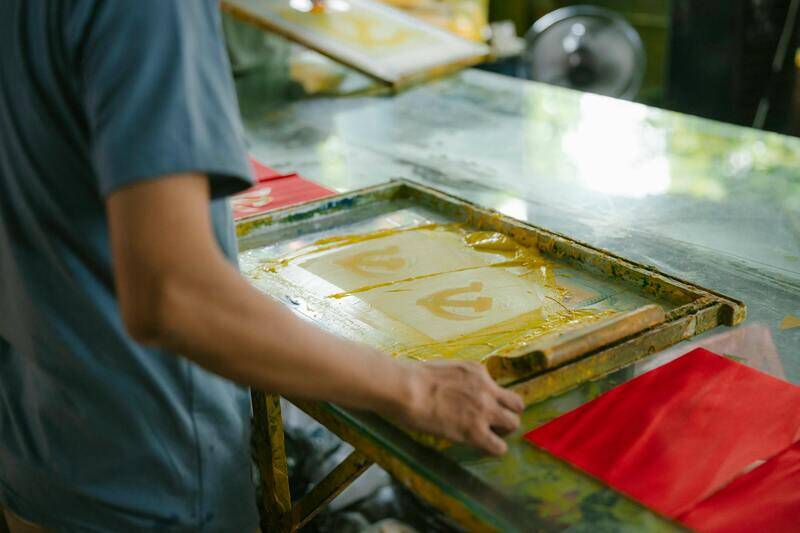
Fabric banners provide a premium appearance with a matte finish, reducing glare and ensuring high-quality visual presentation. They are often used for indoor displays such as trade shows, exhibitions, and retail settings. The fabric material allows for intricate dye sublimation printing, resulting in sharp, vivid images.
Mesh banners feature small perforations that facilitate air flow, making them ideal for large outdoor advertising where wind resistance is necessary. Despite being lightweight, they maintain durability and allow partial visibility, which can be a useful feature in certain environments.
Retractable banners are portable and designed for quick setup and takedown. They are predominantly used in indoor promotional displays, including conferences and retail promotions, offering a sleek, professional look that is easy to transport.
Step-and-repeat banners are customized backdrops used primarily for photoshoots, press conferences, and promotional events. They often feature repeated logos or branding elements in a grid pattern to maximize brand visibility in photos.
Materials Used in Banner Printing
Choosing the right material is critical for ensuring the banner’s longevity, visual appeal, and functionality. The selection depends on the intended environment, duration of display, and budget considerations. Common materials include vinyl, fabric, mesh, polyester, and canvas, each with distinctive properties.
Vinyl remains the top choice for outdoor banners due to its water resistance, durability, and color retention. High-grade PVC vinyl is preferred for long-term outdoor applications, offering resistance to fading and tearing. It also allows for large-format printing without compromising image quality.
Fabric materials, such as polyester and silk blends, are favored for indoor settings where aesthetic quality is paramount. Dye sublimation printing on fabric ensures vibrant, detailed images with a soft, non-glare finish. Additionally, fabric banners can be easily folded and stored without creases, making them suitable for recurring events.
Mesh fabric combines the benefits of flexibility and breathability, making it suitable for outdoor advertisements subject to wind pressure. The perforations facilitate airflow, reducing stress on the banner and prolonging its usability.
For lightweight, temporary displays, poster paper or vinyl posters may suffice, though they lack the durability of thicker materials. Canvas banners, often used for artistic displays, offer a textured, high-end appearance suitable for gallery displays and premium branding efforts.
Design Considerations for Banners
An effective banner design ensures that the visual messaging resonates clearly with the target audience. Critical factors to consider include visual hierarchy, font readability, color contrast, imagery quality, and branding consistency. The goal is to create a compelling and easily digestible visual that attracts attention and communicates the intended message efficiently.
Clarity is paramount. Using simple, bold fonts with large sizes enhances legibility from a distance. Avoid clutter by limiting the amount of text—focus on a concise message complemented by strong visuals or branding elements.
Color schemes should leverage high contrast to improve readability. Utilizing brand colors not only maintains uniformity across campaigns but also reinforces brand identity. Incorporating high-resolution images and vector graphics ensures clarity regardless of the banner's size or distance from viewers.
Placement of important information and call-to-action (CTA) prompts should be prioritized within the design layout. This strategic positioning guides viewers naturally towards the intended interaction, whether it's visiting a website, attending an event, or making a purchase. Proper spacing, alignment, and balance between text and visuals further enhance overall visual impact.
Materials Used in Banner Printing
Choosing the right material for banner printing significantly impacts the durability, appearance, and overall effectiveness of your promotional display. Common materials include vinyl, mesh, fabric, polyethylene, and fabric blends, each suited for different environments and purposes.
- Vinyl: The most popular choice, vinyl banners are versatile, weather-resistant, and durable. They are suitable for both indoor and outdoor use, providing sharp print quality and resistance to elements like rain and UV rays.
- Mesh: Featuring small holes, mesh banners allow wind to pass through, making them ideal for large outdoor displays in windy conditions. They maintain visibility and resist tearing under harsh weather.
- Fabric: These banners offer a fabric-like texture with excellent color vibrancy, often used indoors for events or gallery displays. They are less weather-resistant but provide a high-end appearance.
- Polyethylene: Known for being lightweight and cost-effective, polyethylene banners are suitable for temporary uses such as event signage or short-term promotions.
- Fabric Blends: Combining the best qualities of fabric and vinyl, these materials support high-resolution printing and a luxurious finish, ideal for luxury branding or artistic displays.
Each material choice should align with the intended environment, duration, and visual requirements of your campaign. Considering factors like weather exposure, handling, and visual impact will ensure your banners serve their purpose effectively over time.
Design Considerations for Banners
Crafting effective banner designs hinges on clarity, brand consistency, and visual impact. A well-designed banner communicates your message quickly and leaves a lasting impression on viewers. Critical elements include layout, typography, color usage, imagery, and call-to-action placement.
- Visual Hierarchy: Prioritize key information by size and placement to guide viewers’ eyes naturally from most important to less critical details.
- Typography: Use bold, legible fonts with adequate spacing. Ensure text contrasts well with the background to enhance readability from a distance.
- Color Schemes: Select contrasting colors that align with your branding. High contrast between background and text improves visibility, especially under variable lighting conditions.
- Imagery: Incorporate high-resolution images and graphics that reinforce your message. Avoid clutter; simple visuals often result in a more compelling design.
- Call-to-Action (CTA): Position your CTA prominently to influence viewer behavior. Whether it's visiting a website, calling a number, or attending an event, the CTA should stand out clearly within the design.
Designing with these principles ensures your banners are not only visually appealing but also effective in achieving marketing objectives. Consistency with branding elements like logos, colors, and fonts helps reinforce brand recognition across different visual assets.
Additional Considerations for Banner Printing
Choosing the Right Printing Equipment and Processes
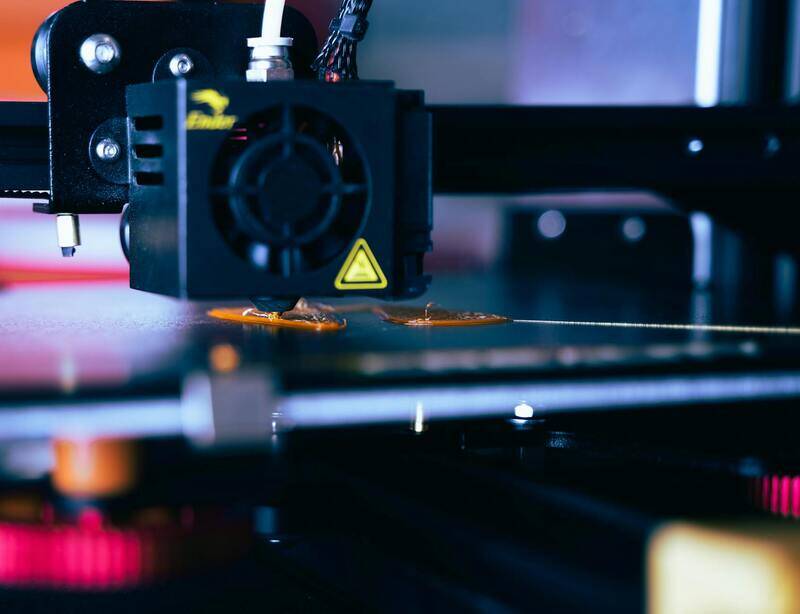
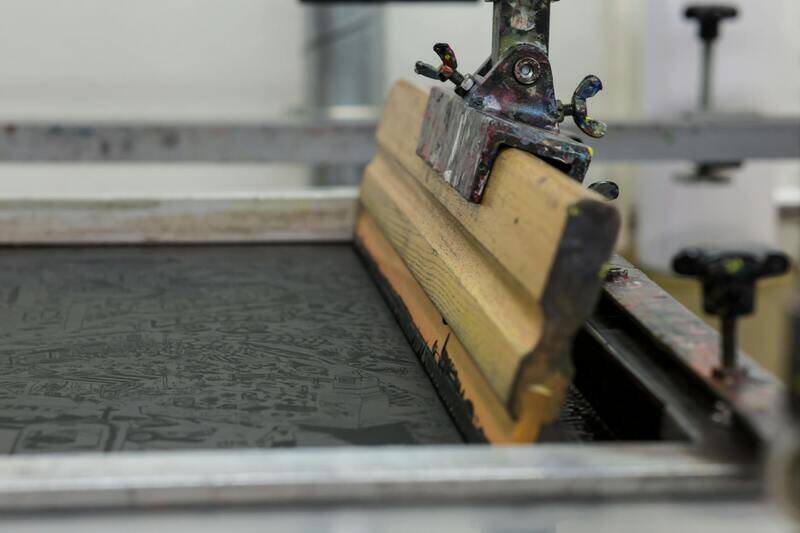
To ensure your banners are produced with precision, durability, and vibrant color fidelity, it is essential to select a printing process that aligns with your project requirements. Modern banner printing relies on advanced technologies such as large-format digital inkjet printers, which facilitate high-resolution outputs suitable for both indoor and outdoor use. These printers utilize UV-resistant and weatherproof inks that withstand exposure to sunlight, rain, and other environmental factors, extending the lifespan of your banners.
When choosing a printing method, consider the following essential factors:
- Resolution and Print Quality: High DPI settings produce sharp images and crisp text, vital for detailed graphics and branding.
- Environmental Resistance: UV inks and weatherproof coatings are crucial for outdoor banners exposed to the elements.
- Production Speed: Depending on project deadlines, select providers with efficient printing workflows that can meet your timeframes without compromising quality.
- Color Management: Accurate color reproduction ensures your banners match your branding guidelines, maintaining consistency across all marketing materials.
Effective Banner Installation and Display
Proper installation techniques significantly influence the visual impact and longevity of your banners. Using suitable fixtures, anchors, and tensioning systems helps maintain smooth, wrinkle-free surfaces that enhance visual clarity. For outdoor banners, ensure they are securely fastened to withstand heavy winds and adverse weather conditions. Indoor banners may require different mounting solutions, such as ceiling hooks or stands, tailored for different environments and display settings.
Choosing the right location and height for display maximizes visibility. High-traffic areas, eye-level positioning, and strategic lighting can dramatically boost engagement. Regular maintenance checks for tearing, fading, or sagging help preserve the banner’s visual integrity and effectiveness.
Environmental and Ethical Considerations in Banner Printing
As businesses gravitate toward sustainable practices, selecting eco-friendly banner printing options is increasingly important. Many providers now offer biodegradable or recyclable materials, environmentally friendly inks, and waste reduction strategies. These initiatives not only contribute to environmental conservation but also resonate positively with consumers who value corporate responsibility.
Incorporating reusable banners where possible and opting for digital printing methods with minimal waste help reduce your environmental footprint. Discussing these options with your printing service provider ensures your marketing materials are both impactful and responsibly produced.
Finalizing Your Banner Project
Before approving the final production, closely review proofs for color accuracy, clarity, and compliance with your branding standards. Confirm the specifications such as size, material, and finishing options to avoid costly errors or reprints. Clear communication with your chosen provider ensures the completed banners meet your expectations and marketing goals, thereby maximizing your investment.