Overview of Custom Booklet Printing
Custom booklet printing is a specialized service that allows businesses and organizations to produce personalized booklets tailored to their specific needs. This process involves designing, formatting, and printing booklets that serve a wide array of purposes, from marketing materials to educational resources and corporate reports. By choosing custom booklet printing, clients have the flexibility to select various sizes, binding options, paper quality, and finishing techniques, ensuring the final product aligns perfectly with their branding and communication goals.
In the marketing sector, custom booklets are used to showcase products, present detailed service information, or tell brand stories through engaging layouts and visuals. Educational institutions utilize booklet printing to develop course handouts, student guides, and promotional brochures that facilitate learning and engagement. Meanwhile, corporate entities rely heavily on customized reports, financial summaries, and training manuals that require a professional appearance paired with detailed content presentation.

The ability to customize every aspect of a booklet—from size and binding to paper quality and finishing—makes it a versatile tool for effective communication. As the demand for tailored marketing collateral and informational materials grows, so does the importance of understanding the fundamental facets of custom booklet printing and its strategic role in delivering impactful messages across industries.
Types of Booklets and Binding Options
Choosing the appropriate type of booklet and binding method is essential for achieving the desired presentation and functionality. Different formats serve diverse purposes, from compact brochures to comprehensive catalogs, each requiring specific binding techniques.
- Saddle Stitch Binding: This is one of the most common and cost-effective options, suitable for booklets with fewer pages. Pages are folded and stapled along the spine, creating a clean, professional appearance ideal for brochures, programs, and small catalogs.
- Perfect Binding: Often used for thicker booklets or manuals, perfect binding involves gluing the pages along the spine with a durable adhesive. It results in a sleek, book-like finish, making it a popular choice for annual reports, catalogs, and corporate publications.
- Spiral Binding: Featuring a durable coil, spiral binding allows the booklet to lie flat when opened. This makes it incredibly practical for manuals, workbooks, and instructional guides where ease of use and durability are priorities.
- Similar to spiral but with a double-loop wire, this method offers a professional look with smooth edges and the ability to double as a display. It’s ideal for presentation booklets and frequent-use materials.
- Folded Leaflets and Inserts: For quick-reference materials or small informational leaflets, folding techniques like trifold or z-fold are often used, simplifying content distribution and presentation.
Design and Layout Considerations
Creating an impactful booklet begins with meticulous attention to design and layout. Effective design should complement the content, enhance readability, and reinforce brand identity. Consider the following aspects:
- Consistent Branding: Incorporating brand colors, logos, and fonts throughout the layout maintains visual coherence and supports brand recognition.
- Strategic Use of White Space: Adequate spacing improves readability and prevents visual clutter, making it easier for readers to focus on key messages.
- Visual Hierarchy: Using headings, subheadings, and body text with varying sizes and weights guides readers seamlessly through the content.
- High-Quality Imagery: Utilizing professional visuals complements the text and adds visual interest, especially in marketing and product showcases.
- Interactive Elements: For digital or interactive booklets, incorporating QR codes or clickable links enhances engagement and provides additional value.

File preparation is critical; ensuring that graphics are high resolution, bleed margins are accounted for, and fonts are embedded prevents common printing errors. Considering the booklet's purpose and target audience guides the overall design approach, whether aiming for a modern sleek look or a traditional aesthetic.
Design and Layout Considerations
When planning for custom booklet printing, the design and layout are pivotal to ensuring the final product effectively communicates your message. A well-structured layout enhances readability, guides the reader’s eye through the content seamlessly, and creates a professional appearance. It is essential to consider the hierarchy of information, ensuring that headings, subheadings, and body text are clearly distinguished through effective typography and spacing.
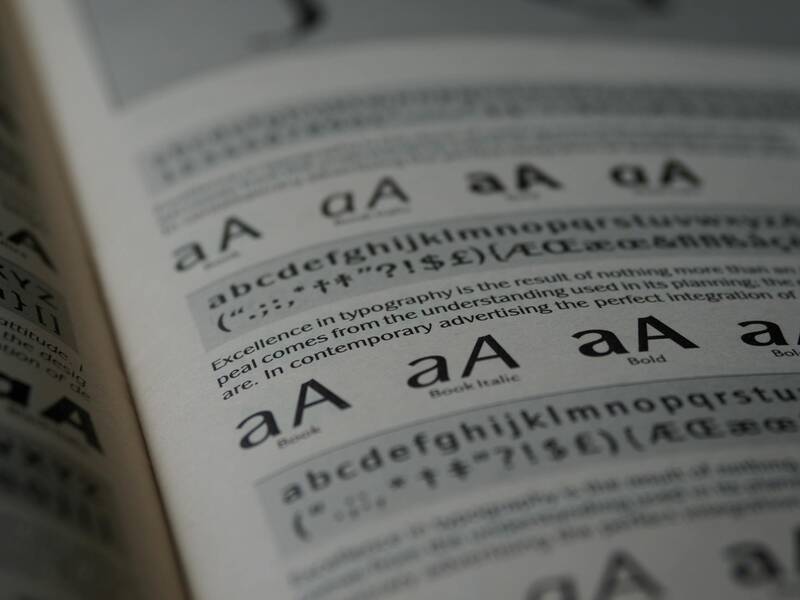
Typography choices should reflect the tone and purpose of the booklet. Select fonts that are legible and complement the overall design theme. Proper font sizes and line spacing improve readability, especially for lengthy texts or technical content. Incorporating consistent styles ensures a cohesive look throughout the publication.
Images play a significant role in enhancing visual appeal and supporting your content. High-resolution images with accurate color representation should be integrated thoughtfully, ensuring they do not overpower the textual information. Use images strategically to break up text sections, illustrate concepts, or showcase products.
Margins and gutter spaces should be adjusted to prevent content from being cut off during trimming. Consistent margins create a tidy appearance and provide space for binding operations, especially important for thicker booklets. A grid or column-based layout can help organize content effectively, ensuring alignment and balance across pages.
Optimizing Content for Print Quality
To achieve the best print results, content should be prepared with high-resolution graphics and proper color modes. CMYK color profiles are standard for print production, ensuring color accuracy. Avoid using low-resolution images or compressed file formats, as these can result in pixelation and dull colors in the final print.
Design templates provided by your printing service can facilitate the layout process, ensuring that bleed requirements and safety margins are met. These templates often specify the necessary margins and resolution standards, reducing the risk of layout errors during production.
In addition, consider the sequence of pages carefully. For booklets, pages are usually assembled in a specific order to ensure correct reading flow after folding and binding. This involves understanding signatures, especially for larger publications, to facilitate proper assembly during the printing process.
Moreover, working closely with your printing provider during the design phase can clarify specifications and avoid costly revisions. They can offer valuable insights on binding margins, paper compatibility, and finishing options, streamlining the entire production process.
Paper Types and Finishing Effects
Choosing the appropriate paper stock is fundamental to achieving the desired aesthetic and functional quality in your custom booklet. Different paper types offer unique textures, durability, and visual appeal, influencing the overall impact of the printed material. Standard options include uncoated paper, which provides a natural, tactile feel suitable for informal or creative projects. Coated papers, available in gloss or matte finishes, enhance image vibrancy and provide a smooth surface for detailed color reproduction, making them ideal for photographic content or premium presentations.
In addition to paper type, weight plays a significant role in the booklet's sturdiness and perceived quality. Lighter weights, such as 90-130gsm, are suitable for thinner brochures or manuals, facilitating ease of handling and cost efficiency. Heavier weights, such as 200-300gsm, lend a more substantial feel, often used for covers or prestige editions, and can withstand frequent handling.
Finishing effects further elevate the visual appeal and durability of your booklet. Gloss lamination produces a shiny, reflective surface that accentuates colors and images, perfect for high-impact covers. Matte finishing, on the other hand, offers a subdued, elegant look with reduced glare, suitable for text-heavy or professional materials. Additionally, spot UV coatings can be applied selectively to highlight specific design elements or logos. These finishing touches not only improve aesthetics but also add protective qualities, guarding against wear and environmental damage.

When selecting paper and finishes, consider the intended use and target audience of the booklet. Promotional materials might benefit from glossy, vibrant finishes to catch attention, whereas informational brochures designed for frequent handling may prioritize durability with matte or lamination options. Consulting with your printing service provider can help you match the right materials with your objectives, ensuring an optimal end result that aligns with your branding and budget.
Official Methods for Custom Booklet Printing in Singapore
When seeking to produce high-quality custom booklets, it is critical to work with established printing providers that operate within recognized industry standards. Reliable printing companies, such as those found on printservicesingapore.com, employ legitimate methods that ensure your printed materials meet professional expectations for quality, durability, and visual appeal.
One of the foundational techniques used in official booklet production is offset printing. This method is renowned for its precision, consistency, and cost-effectiveness when printing large volumes. Offset printing involves creating plates that transfer ink onto printing surfaces, allowing for sharp images and vibrant colors. Its suitability for high-volume runs makes it a preferred choice for corporate brochures, catalogs, and multi-page booklets that require consistent quality across copies.
Digital printing has gained prominence as a viable alternative, especially for shorter runs or projects requiring customization and quick turnaround times. This method directly prints digital files onto paper, eliminating the need for plates. It offers excellent flexibility for incorporating variable data, personalized content, or smaller batch sizes. While digital printing may have a higher per-unit cost for larger quantities, it provides superior cost-efficiency for smaller, customized projects.

Color modes play a vital role in ensuring your booklet's aesthetics are accurately reproduced. The two primary options are CMYK and Pantone color systems. CMYK is the standard for full-color printing, providing a broad spectrum of colors suitable for most design needs. Pantone colors, on the other hand, are standardized shades used for precise color matching, often chosen for brand consistency or specific color requirements. By working with a professional printer, you can select the most appropriate color mode to achieve vibrant visuals that align with your branding guidelines.
Further, finishing options like lamination, embossing, and foil stamping are available to enhance the tactile and visual quality of your booklet. These techniques, when executed through accredited printing methods, add a layer of sophistication and durability, ensuring your booklet withstands handling and environmental factors effectively. Printing providers committed to quality adhere strictly to industry standards and best practices, guaranteeing your custom booklet printing project is completed to the highest standards.
Choosing an official printing provider involves verifying their compliance with industry specifications, examining their portfolio, and ensuring they utilize approved methods and materials. This diligence helps assure that your project benefits from precision, consistency, and a final product that effectively communicates your message and elevates your branding efforts.
Official Methods for Producing Custom Booklets
When pursuing high-quality custom booklet printing, relying on established and reputable industry practices is essential. This ensures that your printed materials meet quality standards, durability expectations, and aesthetic requirements. The primary methods employed by certified printing providers include digital printing, offset printing, and specialized finishing techniques that are executed using authorized equipment and inks.
Digital printing stands out for its quick turnaround times and cost-effectiveness, particularly for small to medium print runs. It utilizes digital files directly from design software, allowing for easy revisions and personalization. This method maintains consistent color fidelity and sharp image reproduction, making it suitable for projects requiring timely delivery or frequent updates.
Offset printing, on the other hand, is ideal for larger quantities, offering superior color accuracy and detailed image quality. This process involves transferring ink from plates onto the paper via rubber blankets, enabling high-volume production with consistent results. Reputable printers maintain strict adherence to industry standards in plate manufacturing, ink types, and press calibration, guaranteeing each booklet's quality aligns with project specifications.
Finishing techniques elevate the visual appeal and tactile experience of your booklet. Accredited providers utilize methods like lamination, UV coating, embossing, foil stamping, and die-cutting, all performed with approved machinery and materials. These processes add protection, texture, and visual interest, reflecting a professional image that enhances your branding or storytelling.
Utilizing accomplished printing methods also involves rigorous quality control protocols. Pre-press checks, color calibration, and post-print inspections are routinely conducted to prevent issues such as color mismatches, registration errors, and material defects. Working with a provider experienced in offi cial production procedures assures that your project is handled with precision and expertise throughout every stage.

Ultimately, choosing certified printing facilities that utilize official methods and approved materials enhances the durability, appearance, and overall impact of your custom booklets. Clear communication with your service provider about approved techniques, materials, and standards fosters a seamless production process, resulting in a product that meets your expectations and supports your strategic objectives.
Overview of Custom Booklet Printing
Custom booklet printing offers a versatile and professional way to showcase products, services, or stories through tailored formats that meet specific branding and communication needs. This method allows for extensive customization in size, layout, binding, and finishing, ensuring the final product aligns perfectly with your vision. The process typically involves meticulous pre-press planning, precise printing techniques, and high-quality materials to produce booklets that are both visually appealing and durable. Custom booklet printing caters to a wide range of industries including marketing, education, corporate communications, and event promotion, making it an essential tool for conveying detailed information in an engaging format.

Employing official printing methods involves adherence to industry standards, thus ensuring each booklet meets quality expectations. The selection of authorized techniques and materials guarantees that color fidelity, binding strength, and overall finish are maintained at a high level. Additionally, partnering with reputable printing providers familiar with official procedures minimizes risks of quality discrepancies and delivery delays, ultimately supporting your branding and communication strategies with premium outputs.
Types of Booklets and Binding Options
Choosing the right type of booklet and binding is fundamental to achieving your desired aesthetic and functional outcome. Binding options vary based on the purpose, volume, and design of the booklet:
- Saddle Stitching: Ideal for booklets with fewer pages (typically up to 48 pages), saddle stitching involves binding pages along the fold using staples. It offers a clean appearance and cost-effective solution for shorter brochures.
- Perfect Binding: Suitable for thicker booklets or catalogs, perfect binding involves adhesive to bind the pages along the spine, creating a professional look similar to hardcover books.
- Wire-O and Spiral Binding: These options provide lay-flat capabilities, making them suitable for manuals, workbooks, or presentation materials that require easy page turning.
- Case Binding: Used for high-end, durable booklets, case binding involves sewing and gluing pages within a sturdy cover, often used for comprehensive reports or art portfolios.
Design and Layout Considerations
Effective layout design is key to enhancing readability and visual impact. When designing a custom booklet, focus on balanced typography, consistent margins, and appropriate spacing to guide the reader smoothly through the content. Incorporating compelling images and infographics adds visual interest and supports communication goals. It’s crucial to plan the layout with the final binding method in mind, ensuring that important content is not lost in the gutter or near the binding edge. Using professional design software and adhering to industry standards in bleed, margin, and resolution guarantees a print-ready file that translates accurately from screen to the final product.

Working closely with a professional designer or a printing service that offers layout support can help optimize your content for print, reducing the risk of errors and ensuring a polished finished product.
Paper Types and Finishing Effects
The choice of paper significantly influences the tactile quality and durability of your booklet. Common options include:
- Matte Paper: Offers a non-reflective surface, ideal for text-heavy or design-focused pages where glare reduction is desired.
- Glossy Paper: Enhances image vibrancy and color sharpness, making it a popular choice for photos or vibrant graphics.
- Uncoated Paper: Provides a natural, soft feel suitable for a more subdued, elegant appearance.
Finishing techniques can elevate the visual and tactile appeal of your booklet:
- Lamination: Adds a protective layer, available in matte or gloss finishes, for enhanced durability and aesthetic appeal.
- UV Coating: Provides a high-gloss finish that highlights colors and offers resistance against scuffs and fingerprints.
- Embossing and Debossing: Create textured patterns or lettering for a distinctive touch that enhances branding elements.
- Foil Stamping: Adds metallic or colored foil accents, increasing visual interest and perceived value.

Choosing the right paper and finishing effects depends on your goals for durability, aesthetics, and overall message, with authorized suppliers providing high-quality materials and techniques suited for official printing projects.
Printing Techniques and Color Options
To achieve accurate color reproduction and crisp image quality, official printing providers utilize approved techniques such as offset printing and digital printing. Offset printing is ideal for large quantities, providing high fidelity and sharp detail, while digital printing offers fast turnaround for smaller runs with comparable quality.
Color options include CMYK process printing for vibrant, full-color images and special spot or Pantone colors for precise matching of brand-specific hues. When designing your booklet, consider the overall color scheme, ensuring that hues are consistent across pages and that images are calibrated correctly to prevent discrepancies. Quality control protocols during production—such as proofing and color matching—are essential for delivering a final product that accurately reflects your design intentions.
The selection of printing technique and color options should align with your project requirements in terms of volume, timeline, and visual expectations, to secure a professional outcome.
Ensuring the Final Product Meets All Standards
When opting for custom booklet printing, it is crucial to ensure that the final product aligns with your specifications and professional standards. This involves meticulous quality control processes throughout the production cycle, from pre-press to finishing. Reputable printing services employ rigorous proofing procedures, including digital or physical proofs, to confirm that colors, layout, and content are precisely as intended before mass production begins.
In addition, advanced calibration methods are maintained to ensure consistent color accuracy across multiple print runs. This guarantees that every booklet reflects the original design intent, maintaining brand consistency and visual appeal. Moreover, finishing touches such as lamination, embossing, and foil stamping are carefully applied under controlled conditions, contributing to a polished, durable product that leaves a strong impression.

Quality assurance extends to paper handling and binding techniques as well. Ensuring proper binding and neat trimming not only enhances aesthetic appeal but also prolongs the lifespan of the booklet, making it suitable for distributing in official or professional contexts. Standardized procedures for inspection and quality checks are integral to trustworthy printing services, safeguarding your investment by delivering a product that meets both aesthetic standards and functional expectations.
Legal and Compliance Considerations in Official Printing
For official applications, it is important to work with authorized printing providers who utilize certified materials and adhere to recognized industry standards. This approach ensures the use of high-quality, compliant papers and inks, which is especially pertinent for documents subject to regulatory or formal scrutiny. Additionally, employing certified suppliers helps in maintaining traceability and accountability throughout the printing process, further underpinning the credibility of your printed materials.
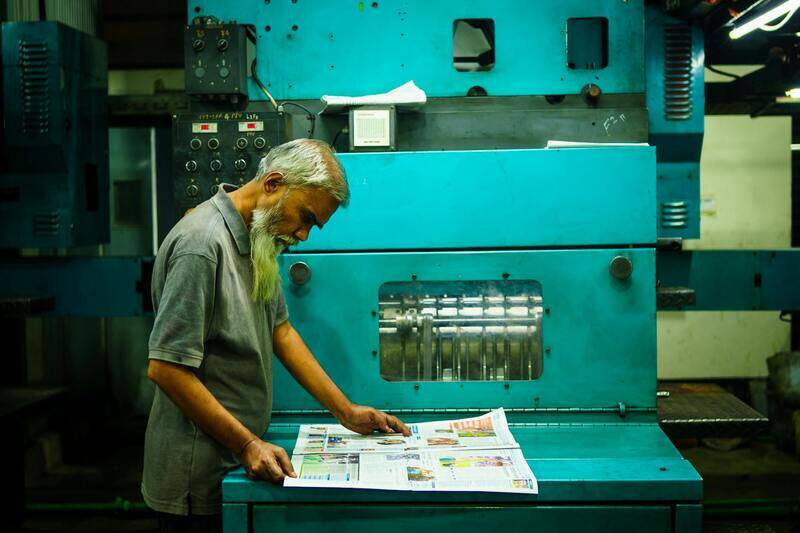
Beyond material quality, official printing often involves adherence to specific documentation procedures, such as maintaining print records and certificates of conformity. These practices bolster trust in the production process and ensure that your booklet printing project complies with relevant standards, providing reassurance to stakeholders and recipients of the printed materials.
Proper Storage and Handling for Future Use
After printing, proper storage is key in preserving the integrity of your booklets. Store finished products in a controlled environment, away from direct sunlight, humidity, or extreme temperatures. Stacking the booklets flat and using protective covers can prevent warping, fading, or other damage that could compromise their professional appearance.
For ongoing projects or large inventory, consider implementing a systematic inventory management system. This approach allows for easy retrieval and distribution, ensuring that each booklet remains in optimal condition until it reaches its intended audience. Additionally, carefully planned distribution ensures that your official printed materials are handled respectfully and presented professionally, reflecting positively on your brand or organization.