Understanding Color Printing Technology
Color printing technology has revolutionized the way visual content is reproduced across various sectors, including marketing, education, art, and personal use. The primary goal of these technologies is to produce high-quality, accurate, and vibrant color images that meet specific professional standards. To achieve this, several printing methods are employed, each with distinct capabilities, advantages, and typical applications.

Types of Color Printing Technologies
The most common color printing methods include Inkjet printing, Laser printing, and Offset printing. Each technique utilizes different mechanisms to apply color inks or toners onto printing substrates.
Inkjet Printing
Inkjet printing is renowned for its exceptional capacity to produce detailed and vivid images. It works by propelling tiny droplets of liquid ink directly onto paper, allowing for a wide color gamut and smooth gradations. This technology is particularly suited for short runs, personalized prints, and high-quality photographic reproductions.
Laser Printing
Laser printers employ a laser beam to create an electrostatic image on a drum, which then attracts toner particles that are transferred onto paper to form the final image. They are favored for their speed, cost efficiency in large volumes, and sharp image quality, making them ideal for professional business printing and multiple copies.
Offset Printing
This traditional method involves transferring ink from metal plates onto a rubber blanket, and finally onto the printing surface. Offset printing allows for economical production of high-volume prints with consistent color fidelity. It's widely used for commercial printing such as brochures, magazines, and packaging materials.
Capabilities and Applications
These printing technologies are pivotal in producing diverse high-quality color images, from photographic art prints to advertising banners. The choice of technology hinges on the project's scope, desired output quality, and budget constraints. Advances in color management and printing precision continue to expand the possibilities for print service providers to deliver stunning, true-to-life color reproductions.
By understanding the core differences and capabilities of various color printing methods, clients can better align their projects with the appropriate technology, ensuring optimal results for their visual communication needs.
Understanding Color Printing Technology
Color print images rely heavily on sophisticated printing technologie that ensures vivid, accurate, and consistent results. The choice of method influences the overall quality and cost efficiency of producing vibrant color images for various applications. Among the most prevalent techniques are digital printing, which includes Inkjet and Laser technologies, and traditional offset printing, each offering distinct advantages tailored to different project needs.

Digital Printing Technologies
Digital printing methods, such as Inkjet and Laser, are known for their ability to produce high-quality color images quickly and with minimal setup. Inkjet printers operate by propelling tiny droplets of liquid ink directly onto the printing surface, making them highly versatile for short-run and customized print jobs. Their ability to reproduce intricate color details and smooth gradations makes them a popular choice for photo prints, marketing collateral, and personalized items.
Laser printing, on the other hand, employs a laser beam to generate electrostatic images onto a drum, which then attracts toner particles that are fused onto paper. This technology is favored for its speed, cost-effectiveness at high volumes, and sharp, precise color output. It is especially suitable for business environments requiring fast turnaround of multi-page documents with consistent color quality.
Offset Printing for High-Volume Color Prints
Offset printing remains a dominant method for producing large quantities of high-quality color images with consistent fidelity. It involves transferring ink from metal plates onto a rubber blanket, which then presses the image onto paper. The process, while requiring more initial preparation, offers excellent color accuracy and cost efficiency for bulk production. Commercial printing of magazines, brochures, and packaging often relies on offset because of its ability to maintain color consistency across extensive runs.
Advancements Enhancing Color Print Quality
Recent technological innovations have significantly expanded the capabilities of color printing. Improved ink formulations, enhanced color management software, and higher-resolution printers enable more precise color reproduction. Color calibration tools are now integral to printing workflows, ensuring that prints match digital designs as closely as possible. Additionally, hybrid printing solutions that combine digital and offset techniques allow for flexible, cost-effective production with high visual impact.
Role of Color Management Systems
Effective color management is crucial in achieving true-to-life reproduction in printed images. Modern print services implement standardized ICC profiles and calibration routines to maintain color consistency from digital file to physical print. These systems address variations caused by different inks, papers, and machine settings, resulting in vibrant, accurate color prints that meet clients' expectations. Maintaining meticulous color control throughout the printing process is fundamental for producing professional-quality images.
Choosing the Right Color Print Image Format for Optimal Results
To ensure the highest quality in color print images, selecting the appropriate file format is critical. Professionals typically favor formats that support high-resolution images with extensive color profiles and minimal compression artifacts. The most common choice includes TIFF (Tagged Image File Format) and PDF (Portable Document Format), both capable of preserving detailed color information and resolution necessary for high-quality printing. TIFF files are especially valued for their lossless compression, making them suitable for projects demanding the utmost precision and color fidelity.
For projects that require quick turnaround times or digital workflows, high-resolution JPEGs can be used effectively, provided they are saved with maximum quality settings. However, JPEGs employ lossy compression, which might lead to slight degradations in image detail and color accuracy, especially when printed at large sizes. Therefore, it is essential to work with raw, uncompressed images during the initial design process, converting to the suitable print format only at the final stages.

The Significance of Color Profiles and Calibration
Effective color management begins with embedding correct ICC profiles within your images. These profiles define the color characteristics of the device or medium involved, whether it’s a monitor, printer, or paper type. When a color print image includes the correct ICC profile, it allows the printing device to reproduce colors with greater accuracy, ensuring consistent results across various projects and materials.
Color calibration extends beyond file preparation. It involves regular calibration of monitors to accurately reflect intended colors and calibration of printing devices. This process minimizes color discrepancies between digital designs and physical outputs, making sure the produce matches client expectations every time. Calibration tools and software are integral to this workflow, providing precise control over color reproduction, which is especially important for complex images requiring fine gradation and subtle color transitions.
Handling Color Print Images for Different Printing Techniques
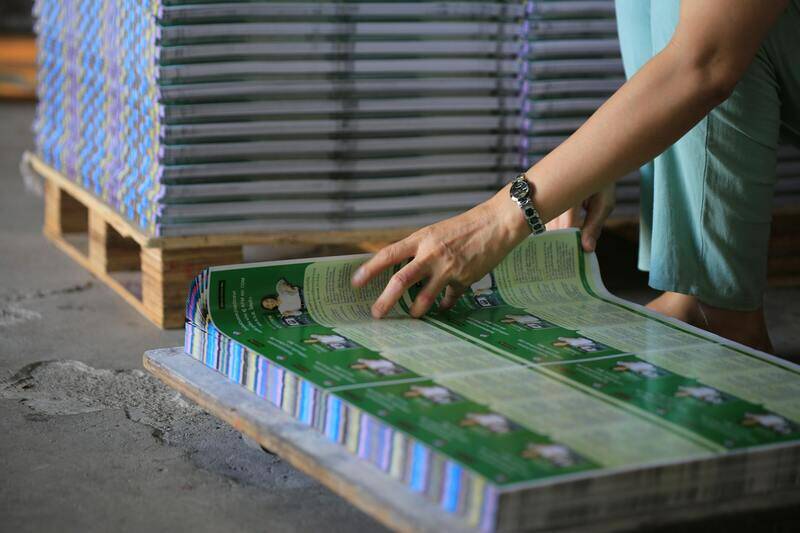
The choice of printing technique significantly influences how color print images are prepared and processed. For offset printing, images should be prepared with CMYK color modes, which align with the four-color printing process. This approach ensures that the final print closely resembles the digital design, especially for complex color images and gradients.
Digital printing methods, such as inkjet or laser printing, also rely on accurate color management but often use RGB color profiles internally. When preparing images for digital output, converting RGB images to CMYK before printing can help predict the final appearance more accurately, eliminating surprises due to color shifts during the conversion process.
- Use high-resolution images (at least 300 DPI) for sharp, detailed prints.
- Maintain consistent color profiles throughout the workflow for color fidelity.
- Convert RGB images to CMYK before printing, when appropriate, to avoid unexpected color shifts.
- Ensure that images are saved in a lossless format during the editing process.
- Consult with your print service provider to verify preferred file formats and color profiles.

Precise Color Calibration and Proofing
Achieving accurate and consistent color print images hinges on meticulous calibration and proofing processes. Color calibration involves adjusting printers and monitors to display and reproduce colors as close to the digital design as possible. This process typically employs a series of calibration tools and color management software to ensure that the colors in the digital file align with the physical print output. This step is crucial for complex images that demand subtle gradients and tones, as it minimizes discrepancies between the intended design and the final product.

Implementing Color Profiles for Consistency
The use of color profiles, particularly ICC profiles, plays a pivotal role in maintaining color consistency across different devices and materials. Each printing device and paper type has specific color characteristics that can be standardized using appropriate profiles. Embedding correct color profiles into digital files prior to printing helps ensure that the colors are accurately translated during the printing process. Maintaining a coherent workflow with standardized profiles prevents unexpected color shifts and maintains fidelity throughout the production cycle.

Proofing Techniques for Final Quality Assurance
Before embarking on the full print run, proofing is an indispensable step that involves creating sample prints that simulate the final output. Various proofing methods, such as digital proofs, hard proofs, or contract proofs, are employed to evaluate the accuracy of colors, tonal ranges, and image details. Digital proofs, produced on the same or similar printers to the production device, offer quick feedback and allow adjustments in the digital file before mass production. Hard proofs, typically printed on a commercial printer, provide a tactile preview of color fidelity and image quality, enabling designers and clients to approve the final look with confidence.

Monitoring and Quality Control During Printing
Throughout the printing process, ongoing monitoring and control measures help maintain consistent color reproduction. This includes real-time color measurement with spectrophotometers, regular calibration checks, and detailed quality assessments at each stage. By comparing each print against established standards or color targets, operators can quickly identify deviations and make necessary adjustments. Implementing strict quality control protocols helps produce uniform, high-quality color print images that meet client specifications and brand standards.

Understanding Color Printing Technology
Color printing technology has evolved significantly over the years, integrating advanced mechanisms and color management systems to produce vivid, true-to-life images. Modern methods such as digital inkjet and laser printing utilize complex algorithms to interpret digital color data and translate it into precise ink or toner deposition on various substrates. These technologies leverage a combination of CMYK color models (cyan, magenta, yellow, black) to create a broad spectrum of hues, enabling detailed and vibrant images suitable for diverse applications, from marketing materials to fine art reproductions.
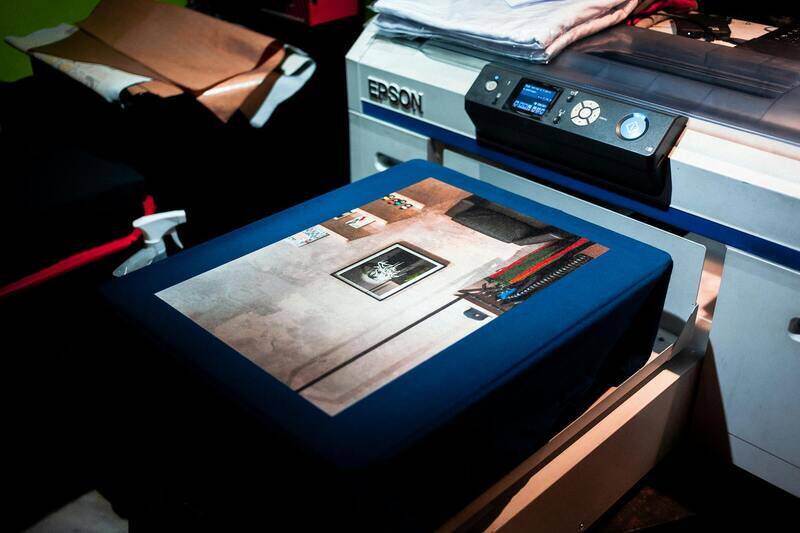
Modern color printers often incorporate multi-pass printing strategies and enhanced color management systems that allow for precise control over color output. Calibration tools and color profiles are essential components, ensuring that the output aligns accurately with digital design specifications. This is particularly important when reproducing complex images that require consistent color accuracy across multiple print runs.
Colors in Print Images: Concepts and Management
Managing colors effectively in print images involves understanding color models, controlling tonal ranges, and applying color profiles to maintain consistency. In digital printing, the RGB (red, green, blue) color model used for screens must be translated into the CMYK model suitable for print media, a process known as color profiling. Accurate color management workflows encompass client specifications, digital design adjustments, and calibration of printing equipment to ensure the final print output matches the desired appearance.
- Color Models: Understanding the differences between RGB and CMYK is fundamental for accurate color reproduction in print images.
- Color Profiles: Embedding ICC profiles within design files guides printers to interpret colors accurately during output.
- Color Calibration: Regular calibration of printers ensures consistent color reproduction over time, minimizing unwanted color shifts.

Designing Effective Color Print Images
Creating compelling images for printing requires an in-depth understanding of color theory and practical design strategies. Designers must consider the limitations and capabilities of the chosen printing technology, adjusting color palettes and tonal ranges accordingly. Effective color print images balance vividness and clarity, ensuring that the message or aesthetic intent is preserved across all viewing distances.
- Color Palette Selection: Choose a color scheme that complements the brand or purpose, with attention to contrast and harmony.
- Image Resolution: Ensure high-resolution images to avoid pixelation and loss of detail in the final print.
- Contrast and Tonal Balance: Adequate contrast enhances image clarity and visual impact, especially in detailed images.
- Proofing and Adjustments: Conduct comprehensive proofs to validate color accuracy and make necessary corrections before large-scale printing.
Attention to these aspects helps produce visually striking and precise color print images that effectively communicate the intended message.
Understanding Color Printing Technology
Color printing technology encompasses a range of sophisticated techniques designed to produce vibrant, accurate, and durable images on various substrates. The core methods include inkjet, laser, and offset printing, each with unique mechanisms suited for different applications. Inkjet printers spray tiny droplets of liquid ink directly onto the media, offering high resolution and color richness ideal for short runs and custom jobs. Laser printers use electrostatic charges to transfer powdered toner onto paper, delivering quick and precise images suitable for high-volume output. Offset printing employs metal plates and ink transfer through rollers, excelling in producing large quantities with consistent color fidelity. Understanding the technological nuances of these methods allows print professionals to select the most appropriate process for their specific needs, ensuring optimal color reproduction and overall quality.

Further, advancements in color management systems, including digital color matching and variable data printing, have enhanced precision and flexibility in color output. Milling techniques, polymer-based media, and specialty inks further expand the creative possibilities, allowing for a broader spectrum of hues, textures, and finishes. Integrating these technologies with precise calibration and profiling ensures that colors are faithfully reproduced across different media and devices, maintaining consistency and professional standards throughout the print process.
Colors in Print Images: Concepts and Management
Handling colors effectively in print images requires an understanding of underlying color concepts, notably color models such as RGB and CMYK. RGB (Red, Green, Blue) is predominantly used for digital screens, whereas CMYK (Cyan, Magenta, Yellow, Key/Black) is the standard for printing due to its ability to reproduce a wide gamut of physical colors.
Managing colors within these models involves several critical steps to achieve desired results:
- Color Profiles: Embedding International Color Consortium (ICC) profiles in design files informs printers how colors should be interpreted, ensuring consistency between the on-screen design and the printed output.
- Color Gamut Awareness: Recognizing the limits of the CMYK color space helps designers avoid hues that cannot be accurately reproduced, prompting adjustments for more realistic color management.
- Color Consistency: Using calibrated monitors and standardized color palettes minimizes discrepancies, resulting in print images that match client expectations and branding guidelines.
Designing Effective Color Print Images
Designing images for color printing involves a blend of artistic vision and technical precision. Crucially, designers must tailor their creative approach to the specific capabilities and limitations of the printing process to optimize vibrancy and detail. Proper planning in this phase ensures that the final product aligns with the intended aesthetic.
Key considerations include:
- Color Palette Selection: Selecting harmonious colors that reflect the brand or visual concept, ensuring sufficient contrast for readability and visual interest.
- Image Resolution: Working with high-resolution files (typically 300 dpi or higher) prevents pixelation, maintaining sharpness and clarity post-print.
- Contrast and Tonal Balance: Adjusting brightness and contrast levels appropriately enhances depth and detail, especially in complex images.
- Proofing and Adjustments: Creating print proofs or test samples allows for the evaluation of color accuracy and image fidelity, facilitating informed corrections before mass production.
Implementing these strategies ensures that the printed images not only capture attention but also convey the intended message with precision and vibrancy.

Understanding Color Printing Technology
Color printing technology has advanced significantly over the past decades, incorporating both traditional methods and modern digital solutions to meet diverse commercial and artistic needs. At its core, color printing involves the precise application of ink or toner onto various substrates to reproduce full-color images with fidelity and vibrancy. Key processes include offset printing, digital printing, flexography, and gravure, each suited to specific types of projects and volumes.
Offset printing remains a dominant technique for producing high-quality color images at large volumes. It utilizes a series of plates, each dedicated to a specific color, typically Cyan, Magenta, Yellow, and Black (CMYK). These plates transfer ink onto rubber blankets, which then etch the image onto the printing surface. Modern offset presses boast advanced technology that ensures color consistency and sharp detail over extensive runs.
Digital printing, on the other hand, provides a flexible, fast-turnaround solution that excels in small to medium runs. It employs inkjet or laser technology to directly print digital files onto substrates, allowing for quick modifications and personalized outputs. Digital presses also benefit from integrated color management systems that align digital data with true-to-life color reproduction, maintaining vibrancy and accuracy across various media.
Implementing the right technology depends on project scope, budget, and desired quality. For high-volume tasks requiring precise color consistency, offset methods are preferred. Meanwhile, digital solutions serve well for customized, short-run projects where speed and flexibility are paramount.

Color Management Systems in Printing
Effective color management is critical to achieving accurate color reproduction in print images. This involves calibrated monitors during pre-press design, standardized color profiles, and properly maintained printing equipment. Utilizing ICC profiles tailored for specific substrates ensures consistent color output regardless of device variability. Regular proofing and calibration are essential steps to align the digital design with the final printed image, minimizing discrepancies and ensuring the integrity of the original concept.
Color management is not solely technical but also artistic, requiring collaboration between designers, print technicians, and clients to set realistic expectations and achieve optimal results. By systematically controlling the color workflow, organizations can deliver print images that match branding standards and client visions with reliability.
Colors in Print Images: Concepts and Management
Color in print images extends beyond mere aesthetics; it encompasses scientific principles, perceptual psychology, and precise technical execution. The fundamental concept involves reproducing a wide gamut of colors from digital files onto physical media through specific ink combinations and printing techniques.
The primary color model in printing is CMYK, which leverages the subtractive color theory. Unlike additive RGB color mixing (used in digital screens), subtractive mixing subtracts light to produce the desired hue. Effective management of these colors involves selecting the right shades, controlling ink density, and compensating for substrate interactions that can alter the perceived color.
One of the critical challenges is maintaining color consistency throughout the production process. Variations in ink formulation, paper stock, and environmental conditions can influence the final appearance of printed colors. To address this, printers often utilize standardized color palettes and swatch libraries, enabling predictable output and reducing mismatches.

Color Harmony and Contrast
Designing effective print images involves selecting a harmonious color scheme that aligns with branding or visual objectives. Color harmony enhances aesthetic appeal, while contrast ensures visual clarity and focus. Employing tools such as color wheels, contrast ratios, and digital color pickers helps designers craft balanced images that communicate effectively and attract viewers.
Proper management of tonal values and saturation levels also plays a role in creating images that are both vibrant and legible. When scaling images for print, maintaining high resolution (typically 300 dpi or more) ensures details are crisp, preventing pixelation that could diminish color vibrancy and overall image impact.
Designing Effective Color Print Images
Designing for print requires a careful understanding of how colors translate from digital screens to physical media. Key considerations include selecting an appropriate color space, working within the limitations of printing processes, and preparing files that are optimized for accurate color reproduction.
Designers should always work in a color-managed environment, utilizing calibrated monitors and color profiles specific to the intended substrates. Choosing the right color palette—preferably based on Pantone or achieved through CMYK adjustments—helps ensure consistent appearance across different print runs and materials.
Image resolution is vital; high-resolution files (minimum 300 dpi) prevent fuzzy or pixelated print output. This clarity supports detailed images, especially when reproducing intricate designs or photographic content. Adjusting contrast and tonal balance during the design phase enhances depth, making images pop in the final printed piece.
Proofing remains an essential step—producing test prints or digital proofs allows for critical evaluation of color fidelity. Corrections based on proofs ensure that the final product aligns with the creative vision and branding requirements.
Preparing Files for Successful Color Printing
- Work in the CMYK color mode to predict how colors will look post-printing.
- Embed ICC profiles when saving files to maintain color accuracy across devices.
- Use high-resolution images (minimum 300 dpi) to prevent pixelation.
- Avoid excessive use of gradients or effects that may cause banding or color shifts.
- Create proof samples to validate colors before mass production.
Ensuring Authenticity and Standardization in Color Print Images
Maintaining consistency and high quality in color print images necessitates adherence to established standards and validated methods. Printing facilities utilize comprehensive color management workflows to guarantee that each output aligns with the intended visual effect. These workflows incorporate calibrated equipment, standardized color profiles, and rigorous process controls, ensuring reproducibility across different print runs and media.
One highly regarded approach involves the use of industry-standard color profiles, such as those aligned with ISO standards for color management. Embedding ICC profiles in digital files is a common practice, allowing printing devices to interpret colors consistently regardless of the originating software or hardware. This process minimizes deviations and ensures that the final printed image closely matches the designer’s original vision.
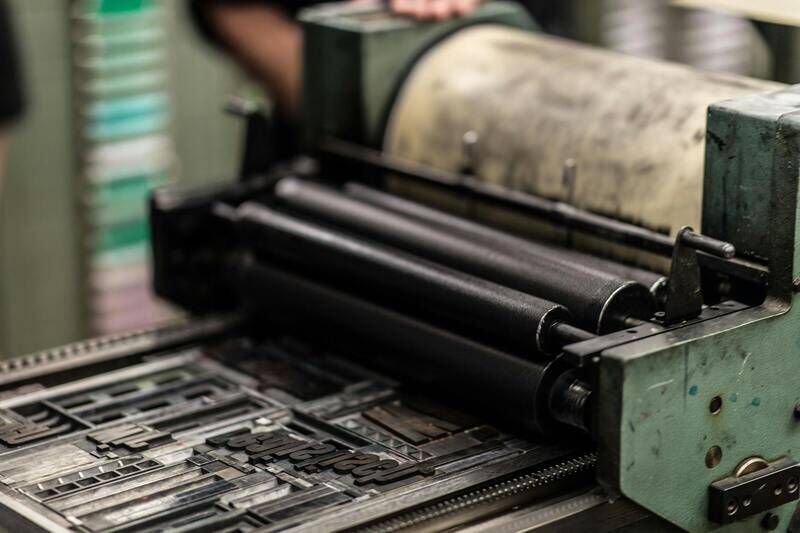
Color validation involves several precise procedures. Before full-scale production, test prints—often called color proofs—are employed to verify that the printed colors meet the specified requirements. These proofs can be digital, which provides a quick preview, or physical, which offers the most accurate representation of the final product. Based on these tests, adjustments are made to the digital files or printer settings to correct color discrepancies.
Industrial Equipment and Techniques for High-Quality Color Print Images
- Calibrated presses: High-end commercial printers are calibrated regularly to ensure color precision. This includes adjusting ink densities and registration settings.
- Spectrophotometers: These devices measure printed color patches, allowing technicians to analyze and calibrate color output with pinpoint accuracy.
- Color profiling software: Advanced software is used to generate custom profiles for specific printers, inks, and papers, elevating consistency and repeatability.
- Proofing presses: These specialized presses mimic the characteristics of the final printing process, enabling detailed quality assessment before mass production.
Strict adherence to these methods ensures that each printed image maintains its intended vibrancy, detail, and overall quality, regardless of volume or substrate variations.
Overall, institutionalized methods of color standardization reaffirm the integrity of print images, fostering trust among clients and safeguarding brand consistency over time.