Understanding Color Printing
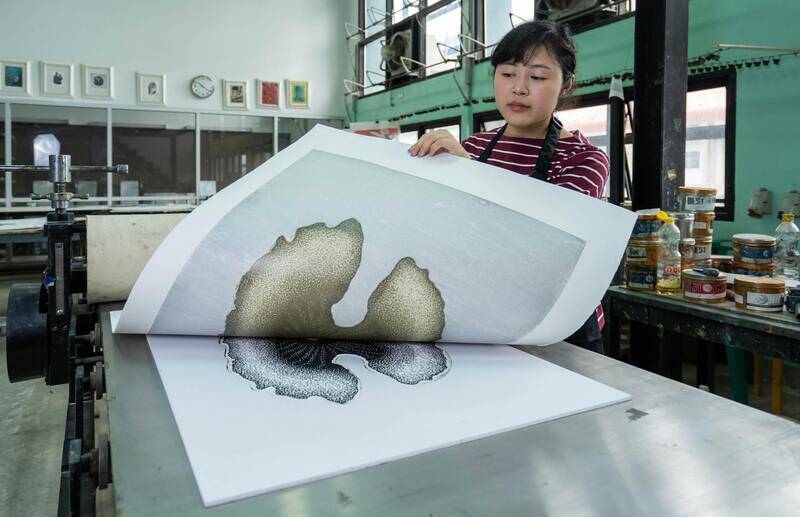
Color printing is a vital component for many businesses, educational institutions, and individual projects requiring vibrant, high-quality visuals. It involves transferring colored images or text onto various substrates such as paper, fabric, or plastics, utilizing specialized printing technologies. The core goal is to reproduce complex images with accurate color representation, sharp details, and professional finish.

Different Printing Methods and Their Characteristics
There are several approaches to color printing, each suited to different needs and budgets:
- Laser Color Printing: Utilizes toner cartridges and laser technology, providing fast and cost-effective solutions for high-volume printing. It excels in producing sharp text and graphics with consistent color quality.
- Inkjet Color Printing: Uses liquid ink sprayed through tiny nozzles onto paper. It offers superior color blending and is ideal for high-resolution images and photo printing but may be slower and more expensive per page.
- Dye Sublimation: A specialized process often used for printing on fabrics, plastics, and items like mouse pads or mugs. It produces durable, vibrant prints with a glossy finish.
- Offset Printing: Suitable for large-volume jobs, offset printing offers excellent color accuracy and consistency. It involves transferring ink from a plate to a rubber sheet before printing onto the substrate.
Characteristics of Color Printing Methods
Understanding the advantages and limitations of each method helps determine the most appropriate choice based on project scope, quality expectations, timeframe, and budget. Laser printers are typically more economical for moderate quantities, while inkjet printing is favored for detailed and colorful images. Offset printing remains a go-to for mass printing with uniform color fidelity. Dye sublimation adds special effects for customized products.
By comprehending these fundamental aspects, users can better navigate the options available for color printing, ensuring that their printouts meet desired standards without unnecessary expenditure.
Factors Affecting Color Print Out Price
Determining the cost of color printing involves several critical variables that influence the final price. Businesses and individuals must consider these components carefully to manage their budgets effectively while ensuring quality output. The main factors include the volume of prints, the complexity and number of colors in the design, the type of paper or material used, and the printing technology applied. Each element contributes uniquely to the overall expense, making it essential to evaluate them thoroughly when planning a printing project.
Volume of Prints
The quantity of prints significantly impacts the cost per page. High-volume jobs typically benefit from bulk discounts, as printers optimize processes and reduce per-unit costs. Conversely, small runs or one-off prints tend to be more expensive per piece due to setup fees and minimal economies of scale. It’s vital to assess whether the project requires a small batch for quality or a large run for consistency and cost efficiency.
Color Complexity and Design
The number of colors and the intricacy of the design directly influence the printing price. Full-color images with gradients and detailed artwork demand higher ink consumption and more sophisticated printing techniques, which can elevate costs. Simple two or three-color prints are generally more economical but still require consideration of how the artwork’s complexity might affect production time and ink usage.
Paper and Material Choices
The type and quality of paper used in color printing are pivotal in cost determination. Standard paper is cost-effective, whereas specialty materials like glossy or textured finishes, or thicker cardstock, can increase expenses. For items like promotional materials, posters, or packaging, selecting the appropriate substrate is equally crucial in balancing quality with budget constraints.
Printing Technology
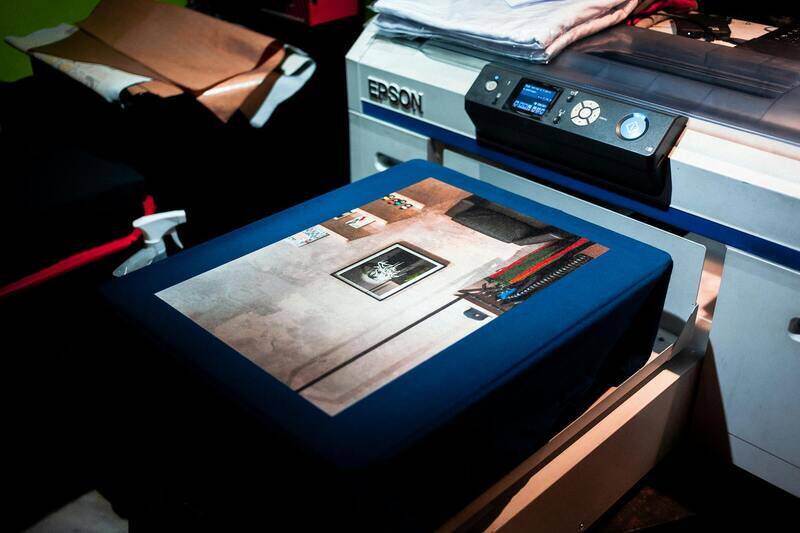
The method of printing also affects the price. Digital color printing offers quick turnaround and flexibility for small to medium runs with competitive pricing. In contrast, offset printing is more cost-effective for large-scale jobs but involves higher initial setup costs. Dye sublimation and inkjet options might be preferred for specific applications like apparel or photo prints, with their own pricing considerations based on equipment and ink costs.
Additional Considerations Affecting Color Print Out Price
- Design Preparations and File Fixing: Pre-press work, formatting, and color management can add to costs if extensive adjustments are required.
- Print Size and Resolution: Larger sizes and higher resolutions demand more resources, influencing the overall expense.
- Finish and Special Effects: Lamination, UV coating, or embossing can enhance appearance and durability but also increase costs.
- Turnaround Time: Rush orders incur premium charges to prioritize workflow and expedite production.
Understanding these factors helps users make informed decisions, balancing quality, speed, and budget to achieve optimal results in color printing projects.
Variation in Color Print Out Costs
Prices for color printing can vary significantly based on multiple factors, including the scope of the project, printing volume, and the specific requirements of the print job. Small-scale jobs such as business cards or flyers typically tend to have a higher per-unit cost due to setup and material expenses, whereas larger volume orders often benefit from economies of scale, reducing the overall price per piece.
Different print providers may also apply varying pricing strategies. Some charge flat rates per sheet or per print, while others operate on project-based pricing models that incorporate design, material, and finishing costs. The choice of printing technology plays a crucial role here: digital printing generally offers more flexible and affordable options for short runs, whereas offset printing might provide lower costs per print at higher volumes.
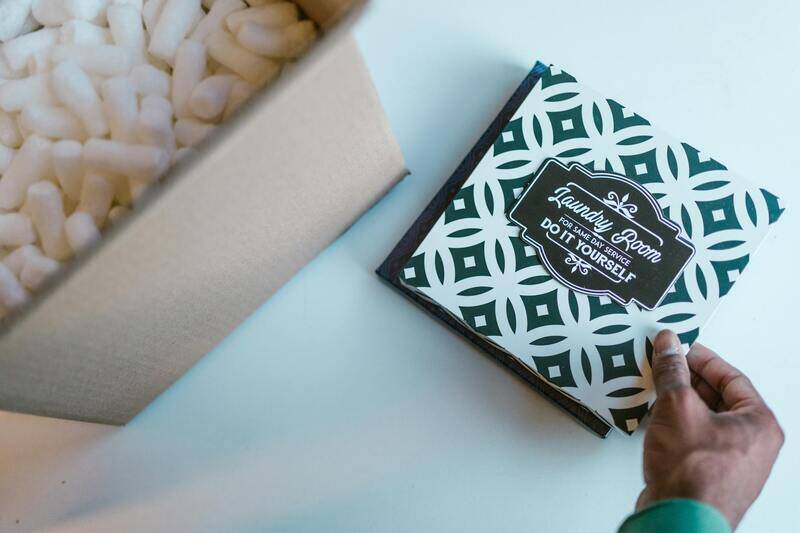
Advanced options such as premium finishes, customized effects, or specialty paper stocks tend to increase total costs. Moreover, urgency can also impact pricing; rush orders are often accompanied by additional charges to ensure faster delivery. Understanding these variables helps in planning a budget that aligns with the project’s scale and desired quality, ensuring a strategic approach to obtaining the best value for color print outputs.
Estimating and Comparing Printing Prices
Accurately estimating the cost of color printing involves analyzing key elements such as the number of copies required, the size and complexity of the design, and any additional finishing touches. Many print service providers offer online quoting tools that facilitate preliminary cost assessments, allowing customers to compare options effectively.
When evaluating prices from different providers, it is critical to consider what is included in the quote. Some may bundle design and file preparation costs, while others might charge separately. Clarifying the scope of services and total expected expenses ensures transparency and helps prevent unexpected charges.

Requesting samples or viewing portfolios can provide additional insights into quality and print accuracy, which are equally important alongside price. Ultimately, a comprehensive comparison based on both cost and quality parameters supports more informed decision-making for color printing projects.
Understanding Color Printing
Color printing involves translating digital images into physical copies that showcase a spectrum of colors with accuracy and vibrancy. This process requires specialized equipment, such as high-quality inkjet or laser printers, and often involves multiple color cartridges to produce a wide range of hues. The complexity of the image, the type of paper used, and the printing technique all influence the resulting color fidelity and overall cost. Achieving precise color reproduction is crucial for marketing materials, photographic reproductions, and detailed artwork, necessitating advanced printing technologies and skilled operators. These factors collectively contribute to the pricing structure, making it essential to understand what goes into the cost of producing high-quality color printouts.

When selecting a print service, customers should focus on the quality of color consistency and the ability to match digital proofing. High-end printers with better color management systems and calibration capabilities tend to command higher prices but offer superior output quality. Moreover, the choice of inks—whether dye-based or pigment-based—affects both cost and durability of the final print. Pigment inks, for instance, provide longer-lasting images but at a higher expense. Recognizing these technical aspects helps clients better understand the pricing factors and ensures that the final product meets their expectations.
Factors Affecting Color Print Out Price
- Quality of Printer and Ink: Top-tier printers with advanced color management systems and premium inks produce better results but cost more.
- Print Size and Resolution: Larger formats and higher resolutions require more ink and slightly longer production times, influencing pricing.
- Paper Type and Finish: Specialty papers, textured finishes, or thicker stock add to the overall cost due to material expenses.
- Quantity of Prints: Higher volume jobs generally benefit from bulk discounts, whereas small batches might be priced at a premium.
- Turnaround Time: Urgent printing orders often attract additional fees to expedite production and delivery.
Pricing Models for Color Printing
Print service providers typically adopt several pricing frameworks to determine the cost of color printouts, often combining basic rates with additional charges for specific services:
- Per-Page Pricing: This model charges based on the number of pages or copies, with rates decreasing for larger volumes. It is common in digital and on-demand printing environments.
- Project-Based Pricing: Suitable for large or complex jobs, this approach involves a custom quote derived from the scope, materials, and required finishing touches.
- Tiered Pricing: Offering different rate levels based on quantity thresholds, encouraging bulk orders and volume discounts.
Understanding the nuances of these models helps clients choose the most cost-effective approach aligned with their project needs.
Additional Costs and Considerations
Beyond the basic printout price, several supplementary charges might influence the final invoice:
- Design and File Preparation: If original artwork or high-resolution files need optimization, there may be associated fees.
- Finishing Services: Binding, lamination, cutting, or mounting can significantly add to the overall expense.
- Delivery Fees: Remote locations or urgent delivery requests often involve extra charges.
- Color Matching and Proofing: Ensuring colors match specific standards or proofs may incur additional costs to achieve precision.

Understanding Color Printing
Color printing involves the reproduction of images, graphics, and text in full color, utilizing a combination of cyan, magenta, yellow, and black (CMYK) inks. This method is widely applicable in marketing materials, photographic reproductions, and personalized print products. The process demands high-quality equipment and materials to achieve vibrant, precise colors that meet professional standards. The complexity of color management, including calibration and proofing, significantly impacts the overall costs associated with producing consistent and accurate color reproductions. When exploring the color print out price through various providers, it's essential to understand the technical requirements and finishing options, as these factors directly influence pricing and lead to variations in quality and expense.

Factors Affecting Color Print Out Price
The cost of color printing is determined by multiple elements, each contributing to the final price. Recognizing these factors helps in budgeting and selecting suitable print services:
- Print Volume: Larger quantities typically benefit from volume discounts, reducing the per-unit cost. Small runs tend to have higher unit prices due to setup and handling overheads.
- Print Quality and Resolution: Higher dpi (dots per inch) settings and premium inks increase costs but provide sharper images and more accurate colors.
- Material and Substrate: The choice of paper, vinyl, or other printing substrates impacts pricing. Specialty materials or thicker stocks usually incur higher charges.
- Color Management and Calibration: Ensuring color consistency across different devices and mediums requires additional calibration and proofing, adding to the expense.
- Finishing Options: Processes such as lamination, binding, cutting, or mounting add to the overall price but enhance durability and presentation quality.
- Delivery and Rush Orders: Urgent requests or deliveries to remote locations may carry additional fees, impacting the final cost.
Pricing Models for Color Printing
Print service providers typically adopt several models to determine the color print out price. Understanding these models facilitates better decision-making and budget control:
- Per-Page Pricing: This straightforward approach charges a fixed rate per printed page, often decreasing with volume. Ideal for short-term needs or smaller volumes.
- Project-Based Pricing: For complex or large-scale jobs, a customized quote is provided, considering all specific requirements such as materials, finishes, and delivery timelines.
- Tiered Pricing: This model offers different rates based on quantity thresholds, incentivizing bulk orders with discounts at higher volumes.
These models are designed to cater to various client needs, balancing cost efficiency with quality requirements.
Variation in Color Print Out Costs
The color print out price can vary significantly depending on several factors:

- Job Size: Small runs tend to have higher per-unit prices due to setup costs, whereas larger runs benefit from economies of scale.
- Material Choice: Premium or specialty substrates increase overall costs, especially if they require specific handling or processing.
- Color Accuracy and Finishing: High fidelity color matching and elaborate finishing techniques such as embossing or UV coating raise the price.
- Turnaround Time: Short-notice projects or urgent deliveries often include rush fees, influencing the final quote.
By carefully evaluating these factors, clients can better understand the pricing landscape of color printing services and select options that align with their budget and quality expectations.
Understanding Color Printing
Color printing involves reproducing images, text, and designs in multiple hues to achieve vibrant, detailed visuals. This process requires advanced printing technology, such as digital or offset presses, which are capable of accurately reproducing complex color palettes. The quality of color printing hinges on several critical aspects, including color fidelity, resolution, and finishing processes. These factors influence not only the visual appeal of the final output but also the overall cost, as producing high-quality color prints demands precision and sometimes specialized materials.
Factors Affecting Color Print Out Price
The cost of producing color prints is determined by multiple variables. Understanding these is essential for clients seeking accurate estimates and optimal value for their investments.
- Print Volume: Larger quantities typically lower the per-unit cost, thanks to economies of scale. Conversely, small runs tend to be priced higher due to setup and minimum order charges.
- Material Selection: Premium substrates such as glossy or matte finishes, textured papers, or specialty materials increase both material and handling costs.
- Color Complexity: Full-color images with high resolution or detailed gradation require more ink, longer press times, and precise calibration, which drive up the cost.
- Finish and Coatings: Lamination, UV coating, embossing, or varnishing enhance durability and visual impact but also add to the overall expense.
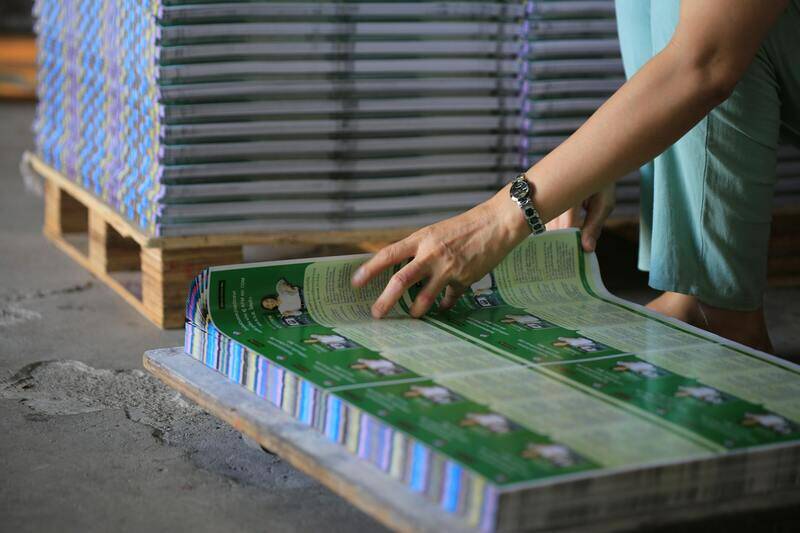
- Printing Technology: Digital printing offers flexibility for short runs with quicker turnaround, often at a higher per-page cost. Offset printing is more economical for large volumes but involves higher initial setup costs.
Pricing Models for Color Printing
Various pricing structures are available within the industry, each catering to different project sizes and needs. Understanding these models enables clients to choose the most cost-effective solutions.
- Per-Page Pricing: A straightforward approach where costs are calculated based on the number of pages printed. This model benefits small or short-term projects with predictable volumes.
- Project-Based Quotes: Customized pricing tailored to specific project parameters, including materials, finishes, and timelines. Common for complex or large-scale jobs requiring detailed specifications.
- Tiered Pricing: Offers discounts at higher volume thresholds, providing incentives for bulk orders. This model encourages clients to increase order quantities to save costs.
Variation in Color Print Out Costs
Color print out prices are not uniform and can fluctuate significantly based on several key factors:

Here are some insights into how costs vary depending on project specifics:
- Job Size: Smaller jobs often incur higher per-unit costs due to fixed setup charges. Larger projects benefit from volume discounts and process efficiencies.
- Material Choice: Specialty printing substrates, such as textured or metallic papers, increase material expenses, especially if they demand special handling or processing techniques.
- Color Fidelity and Finish: Achieving exact color matching or using luxury finishes like embossing or UV coating can substantially raise the final cost.
- Urgency: Projects requiring expedited delivery or rush processing typically include additional fees, influencing the overall price.
By considering these aspects, clients can better forecast their budgeting needs and select printing options that balance quality and affordability, ensuring their projects meet expectations within their financial parameters.
Detailed Breakdown of Color Print Out Pricing Components
Understanding the various components that contribute to the overall cost of color printing is essential for effective budgeting and decision-making. Each element influences the final price and potential options for cost optimization.
- Setup and Plate Fees: For digital printing, setup costs are minimal, but for offset printing, plate creation can incur a significant upfront expense, especially for complex or high-resolution color jobs.
- Print Quantity: Volume plays a pivotal role; larger orders typically benefit from economies of scale, reducing the per-unit cost. This is particularly relevant for bulk print runs, such as brochures, posters, or flyers.
- Material Selection: The choice of paper or other substrates markedly impacts cost. Premium materials, textured, or specialty papers with metallic or reflective finishes tend to cost more due to their unique properties and handling requirements.
- Color Complexity and Fidelity: More colors and intricate shading or gradients require more precise print calibrations and sometimes additional passes, escalating the costs. Achieving exact color matches, especially for branding purposes, might involve specialized ink mixing processes, further increasing expenses.
- Finish Treatments and Special Effects: Coatings such as matte, gloss, or UV varnish, as well as embossing, foil stamping, or lamination, add layers of complexity and cost. These enhancements mollify the print's visual appeal but necessitate additional processing steps.
- Turnaround Time: Rush orders or expedited services, necessary for tight deadlines, often involve premium charges, especially if they require after-hours work or prioritization.
How to Effectively Estimate Your Color Printing Budget
Accurate estimation of color print out costs involves a comprehensive understanding of project specifics and available options. To facilitate this process:
- Gather Detailed Specifications: Define your printing requirements including size, quantity, material preferences, color complexity, and finishing touches. Detailed specifications help in obtaining precise quotes from service providers.
- Request Multiple Quotes: Engage with reputable printing services to compare prices based on your specifications. Ensure that quotes include all potential costs, such as setup, materials, finishes, and delivery fees.
- Consider Cost-Performance Balance: While the lowest price might be tempting, evaluate the quality of materials and finishing options offered. Sometimes, investing slightly more ensures durability and visual appeal that matches your branding or project objectives.
- Utilize Cost-Calculators: Some online printing service platforms provide interactive calculators that estimate costs based on input parameters. These tools assist in planning and budget management without the need for multiple inquiries.
- Factor in Bulk Discounts and Promotions: Many providers offer discounts for larger orders or repeat business. Leveraging these deals can significantly optimize your overall expenditure.

Understanding Color Printing
Color printing involves the reproduction of images and text in multiple shades to achieve vibrant and accurate representations. Whether printing marketing materials, posters, or art, it's essential to grasp the nuances of color output to manage expectations and budgets effectively. The quality of color printing depends on factors such as printer type (inkjet, laser, or digital), ink quality, paper selection, and the complexity of color gradients. High-quality color printouts demand advanced color management techniques, including precise color calibration and the use of professional-grade inks and substrates. Learning how different printers and materials impact color fidelity enables consumers and businesses to select appropriate options that balance cost and visual impact. For instance, high-end printers with wider color gamuts produce more accurate color reproductions, but typically at a higher price point.

Factors Affecting Color Print Out Price
The final cost of color printing is influenced by multiple elements. The primary factors include the type of printer used, the quality and type of ink, paper or substrate chosen, the complexity of the printed image, and additional finishing features. High-resolution images with detailed gradients and numerous color shades require more ink and processing time, thus increasing costs. Additionally, the size of the print, whether it's A4, A3, or larger formats, directly impacts material consumption and labor. Specialty finishes, such as lamination, embossing, or spot UV coating, add to the expense but significantly enhance the visual and tactile appeal. The quantity ordered also plays a vital role; bulk printing often benefits from discounted rates, making it more economically viable for large projects.

Pricing Models for Color Printing
Color print out prices are typically structured through different models, depending on the service provider. Common approaches include per-page pricing, fixed project quotes, or tiered bulk rates. Per-page pricing is straightforward, charging a set rate for each printed page, which enables easy cost estimation for small or one-off jobs. Fixed project quotes are often provided for larger or more complex orders, taking into account all variables such as materials, finishes, and turnaround time. Tiered bulk pricing offers a sliding scale, providing discounts as the volume increases, encouraging efficient large-scale printing. Some providers also incorporate set-up fees for processing, especially for custom designs or specialty finishes, which are included in the overall quote. Choosing the appropriate pricing model depends on the scale and nature of the printing project.

Variation in Color Print Out Costs
The price for color printing can vary significantly based on several factors. High-resolution color images with extensive gradients and fine details tend to increase ink usage and processing time, leading to higher costs. The choice of printing technology also affects pricing; digital printers are typically more flexible and cost-effective for small to medium runs, whereas traditional offset printing may offer better rates for large quantities. The material selected, such as glossy, matte, or specialty papers, will influence the overall expense, with premium substrates commanding higher prices. Finishing options, including folding, binding, lamination, or embossing, further add to costs. Urgency of delivery can also impact the final price; expedited services often come at a premium. Therefore, understanding these factors enables better budgeting and selection of appropriate options for your specific needs.

Estimating and Comparing Printing Prices
Effective comparison of color print out prices requires detailed estimates based on your project specifications. Begin by clearly defining the scope, including size, quantity, material, and desired finishes. Request written quotations from multiple reputable providers, ensuring all potential costs—such as setup, materials, and delivery—are included. Many professional printers offer online calculators that can provide instant estimates based on input parameters, which is a valuable starting point for budgeting. When reviewing quotes, pay attention to unit costs, discounts for larger volumes, and the quality of materials proposed. It is advisable to review client testimonials and sample prints to verify quality standards. Balancing cost with quality is crucial; selecting a provider solely on the lowest price may lead to compromises in key aspects like durability and color accuracy. Proper comparison ensures you allocate your budget efficiently while achieving the desired print outcome.

Cost-Saving Tips for Color Printing
- Opt for smaller file sizes and resolutions when possible to reduce ink and processing expenses.
- Choose standard paper and finishes rather than custom options unless necessary.
- Print in bulk to enjoy volume discounts and lower per-unit costs.
- Utilize digital proofs or mock-ups to finalize design elements before printing to avoid costly reprints.
- Leverage promotional deals or referrals offered by local print providers.
- Plan your printing schedule to avoid rush orders that accrue additional fees.
- Coordinate with printing services that offer free consultations on optimizing cost without sacrificing quality.
Finding Affordable Color Printing Services in Singapore
Locating cost-effective yet reliable color printing services in Singapore involves thorough research and comparison shopping. Reputable print providers often showcase their pricing structures and material options online, enabling better planning and budgeting. It is advisable to seek out reviews and testimonials to gauge service quality and customer satisfaction levels. Many local printers provide tiered pricing based on order volume, allowing for budget flexibility with larger projects. Additionally, industries like marketing and events often have established relationships with trusted printers—leveraging these networks can streamline procurement and access discounts. Visiting the print shop or requesting samples can further ensure that the output meets your expectations before committing to large orders. By balancing affordability with quality assurance, you can achieve professional results without exceeding your budget.