Factors Affecting Color Printing Cost
Understanding the various elements that influence the cost of color printing is essential for businesses and individuals seeking to optimize their printing expenses. Several core factors need to be considered to accurately estimate and manage color printing budgets. These include the type of printer used, the amount of ink consumed, quality of the materials involved, and specific operational needs. Recognizing these factors enables more informed decisions when selecting printing options and suppliers, ultimately leading to more cost-effective outcomes.

Printer Type and Technology
The choice between different printer technologies significantly impacts the cost structure of color printing. Inkjet printers, known for their versatility and high-quality output, often have lower initial purchase costs but can consume more ink per page. Laser printers, particularly those designed for color output, tend to have higher upfront costs but may offer greater efficiency for high-volume printing. The specific model and features of the printer also play a role, with advanced machines equipped to handle larger volumes or produce more vibrant colors typically commanding higher prices.
Ink or Toner Usage
Color printing demands a substantial amount of ink or toner, especially when producing rich, vivid images. Ink cartridges or toners vary in cost, and their lifespan depends on print volume and coverage. Color-intensive jobs require more ink coverage, increasing the overall expenditure. Efficient use of ink or toner, along with choosing cartridges with optimal cost-per-page ratios, can help in controlling expenses over time.
Material Quality and Substrate Type
The material on which printing occurs, known as substrates, influences cost. Standard office paper is economical, but higher-quality papers or specialty materials like glossy, matte, or textured surfaces can add to the expenses. These materials are often necessary for professional presentations, marketing materials, or photographic prints that demand superior aesthetic qualities. The durability and specific characteristics of the substrate can also affect the lifespan and usage frequency, further impacting cost considerations.
Additional Operational Factors
Other variables include the complexity of the print design, color accuracy requirements, and the speed of production. High-resolution, multi-color images with detailed graphics typically increase printing costs due to higher ink consumption and longer print times. Workspace efficiency, maintenance requirements, and energy consumption of the equipment also contribute to the overall cost structure. These factors must be balanced according to project needs to achieve optimal cost-effectiveness without compromising quality.
Pricing Structures in Color Printing
Understanding the various pricing models employed by printing service providers is crucial for effective cost management. Most providers structure their charges based on one or a combination of the following:
- Per-Page Pricing: This is one of the most common methods, where a fixed rate is charged for each printed page. The cost typically varies depending on whether the print is in color or black-and-white, with color pages usually costing more. Factors influencing per-page rates include the printer's efficiency, ink or toner consumption, and the complexity of the print design.
- Volume-Based Pricing: When large quantities are involved, bulk discounts are often available. This model encourages customers to commit to larger orders, reducing the overall cost per unit. Volume discounts are particularly advantageous for marketing campaigns, promotional materials, or bulk document printing.
- Project-Based Pricing: For custom projects with specific requirements—such as large banners, brochures, or posters—pricing is customized based on factors like size, material, and finish. This approach allows for precise cost estimation aligned with the project's scope and complexity.

Choosing the appropriate pricing structure depends on the scope, volume, and specific needs of a project. For smaller, immediate jobs, per-page pricing may be sufficient, while larger or ongoing projects benefit from volume discounts and contractual arrangements. Engaging with providers that offer flexible pricing options ensures better cost control while maintaining quality standards.
Comparison of Color and Black-and-White Printing Costs
While black-and-white printing tends to be more economical due to lower ink or toner consumption, the need for vibrant, detailed color images often justifies the additional expense. The cost difference is influenced by factors such as ink coverage, paper choice, and print technology. Color printing generally requires more sophisticated hardware and higher ink or toner usage, leading to increased operational expenditure. However, for marketing materials, photos, and presentations, the visual impact of color printing can outweigh the additional costs.
Impact of Printing Quantity on Cost
The volume of prints directly affects the unit cost. Small runs typically incur higher per-unit costs owing to setup and material expenses, while larger quantities benefit from economies of scale. Bulk printing often results in significant savings, especially when using high-capacity equipment optimized for volume. It's important to plan ahead and consolidate printing needs to maximize cost efficiency without sacrificing quality.
Materials and Substrate Choices
Material selection plays a pivotal role in the overall printing cost. Standard office paper offers an economical choice but may not be suitable for high-end presentations or photographic work. Specialty materials such as glossy, matte, textured, or synthetic substrates enhance visual appeal and durability but come at a higher price point. The choice of substrate not only impacts initial costs but also influences maintenance, longevity, and the perceived value of the final product. For instance, premium glossy papers are preferred for photo printing, whereas textured options might be used for artistic or decorative purposes.

Careful assessment of project requirements and budget constraints is essential when selecting materials. Using the right substrates ensures that the investment aligns with the intended use and desired aesthetic, preventing unnecessary expenditure on overly expensive options where they are not warranted.
Cost-Saving Tips for Color Printing
Effective cost management in color printing involves strategic choices and process optimizations. Some practical tips include:
- Opt for Draft or Economy Mode: Many printers offer a draft setting that reduces ink consumption, suitable for internal proofs or drafts.
- Limit Color Use: Minimize the use of multiple colors or high-coverage images when full-color fidelity is not necessary.
- Choose Appropriate Paper: Use standard or mid-range substrates for everyday documents; reserve premium materials for final, high-impact prints.
- Batch Printing: Consolidate jobs to reduce setup times and material waste, especially for large-volume projects.
- Use Software Tools: Leverage pre-press and print management software to optimize layouts and ink coverage, avoiding unnecessary color overlaps or over-inking.
Adopting these practices not only reduces costs but also sustains printer performance and longevity, ensuring consistent quality across projects.
Estimating and Comparing Color Printing Costs
Accurate cost estimation begins with understanding all variables involved in a printing job, including design complexity, material choices, volume, and required turnaround times. Many providers offer detailed quotes based on submitted specifications, enabling clients to compare options effectively. To facilitate informed decisions, request itemized estimates that break down costs for ink, paper, labor, and finishing processes. Comparing these figures alongside the quality standards and service guarantees helps identify the best value for your specific needs.
Additional Factors and Considerations
Beyond basic cost factors, other considerations influence overall expenses. These include the reputation and reliability of the printing service, turnaround times, and post-print services such as lamination, binding, or custom finishes. Understanding the scope and potential hidden costs—such as artwork preparation or additional proofing—ensures comprehensive budget planning. Investing in a provider with transparent pricing and quality assurance policies ultimately supports optimal outcomes without unexpected expenses.
Factors Affecting Color Printing Cost
Understanding the various elements that influence the price of color printing is essential for effective budgeting and planning. Primarily, the type of printing equipment used plays a significant role. Digital printers, especially those equipped for high-resolution color output, often have higher operational costs compared to traditional offset presses, which are more cost-effective at large volumes. The complexity of the design also impacts costs; intricate graphics, multiple color layers, and detailed images demand more ink and precise calibration, increasing both material and labor expenses.
Paper quality and substrate selection further contribute to overall costs. Premium materials, such as glossy or textured finishes, require specialized inks and handling, which elevate the printing expenses. The size and dimensions of the printed piece are additional factors—larger formats naturally consume more resources and may require custom adjustments to print setups.

Turnaround time and order volume also affect pricing. Rushed projects often incur higher fees due to overtime labor and expedited processing. Conversely, larger orders typically benefit from economies of scale, reducing the per-unit cost. Understanding these drivers helps in selecting the most cost-efficient options that meet quality standards and deadline requirements.
Pricing Structures in Color Printing
Pricing models for color printing generally fall into two categories: flat-rate pricing and per-unit charges. Flat-rate pricing offers a fixed cost for specific job parameters, simplifying budgeting for predictable projects. Per-unit pricing, common in digital printing, varies depending on the number of copies, with discounts typically applied as volume increases.
Many print service providers utilize tiered pricing structures, where larger quantities result in lower unit costs. Additionally, setup fees may be charged for new jobs, especially offset printing, which requires creating printing plates. These initial costs are amortized over the total number of units, highlighting the importance of estimating accurate quantities upfront.

For projects requiring multiple revisions and proofs, some providers may charge additional fees for artwork adjustments and proofing cycles. Clarifying these costs early can prevent unexpected expenses and streamline the printing process. When comparing quotes, it’s advisable to review detailed cost breakdowns, focusing on ink usage, material costs, setup charges, and finishing options, to assess overall value and ensure the chosen solution aligns with project requirements and budgets.
Impact of Printing Quantity on Cost
The volume of prints directly influences the overall and per-unit costs in color printing. As the quantity of prints increases, the average cost per piece typically decreases, allowing businesses to benefit from economies of scale. This effect is especially evident when utilizing offset printing methods, where higher initial setup costs are amortized over large volumes, making large print runs more cost-effective.
For small-scale projects or urgent jobs, digital printing offers faster turnaround times but may incur higher per-unit costs. However, digital printers are increasingly capable of handling larger volumes efficiently, narrowing the price gap for bulk orders. It’s important for clients to analyze their project requirements carefully, weighing the benefits of bulk printing against storage and distribution considerations.
Many print providers offer volume-based discounts to incentivize larger orders. For instance, a client printing 500 copies may pay a premium per piece compared to printing 5,000 copies. These discounts are often structured in tiers, where higher quantities unlock progressively lower unit prices, making it advantageous to plan for larger batches whenever feasible.
Understanding the relationship between print volume and cost helps optimize project budgets. By estimating the necessary quantity accurately, clients can avoid over-ordering or underestimating costs, ensuring they capitalize on available discounts without incurring unnecessary expenses.

Moreover, large volume projects may require additional considerations, such as storage of printed materials, fulfillment logistics, and potential reprints due to errors or changes. These factors should be incorporated into cost estimations to provide a comprehensive overview of total project expenses.
Materials and Substrate Choices
Choosing the appropriate materials and substrates is a crucial factor influencing the overall cost of color printing. Various paper types, finishes, and specialty materials come with different pricing structures, directly impacting the final expenses of your print project. Understanding these options enables clients to make informed decisions that balance quality and budget constraints.
Standard paper options such as matte, gloss, and satin finishes typically offer a range of prices depending on their weight, texture, and quality. For example, heavyweight coated papers tend to be more expensive than lighter, uncoated alternatives but provide a more premium feel suitable for marketing materials, presentations, and product packaging. Conversely, lighter or recycled papers might reduce costs but could limit the print's visual impact or durability.
Specialty substrates, including textured papers, metallic finishes, translucent plastics, or textured vinyls, often carry significantly higher costs due to their unique production processes and material properties. These substrates are ideal for projects aiming to stand out visually but should be used judiciously within the overall budget constraints.
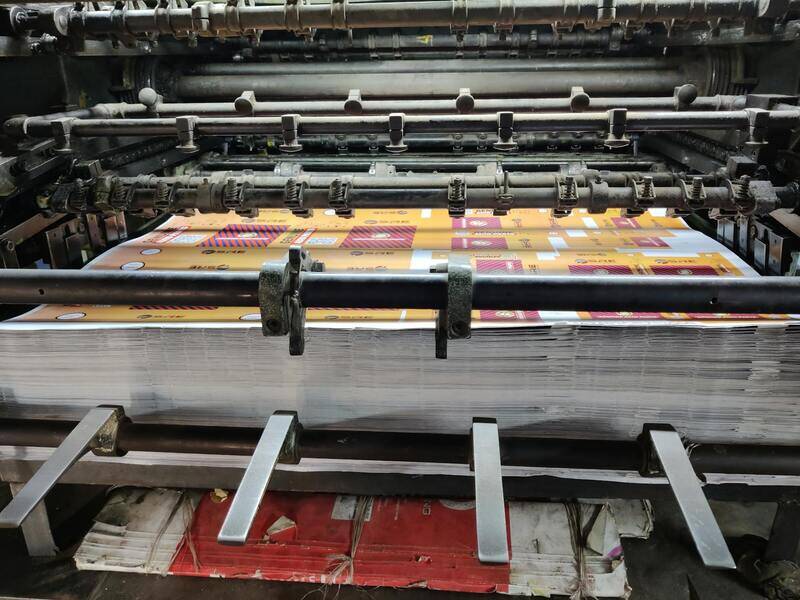
Another consideration is lamination and coating, which provide additional protection and enhance color vibrancy. Matte or gloss lamination costs vary depending on the size and type of coating, adding a further layer of expenses but often increasing the longevity and aesthetic appeal of the print material.
Impact of Material Quality on Cost
Higher-quality materials typically entail increased costs, but they can also improve the perceived value of the final product. It’s essential for clients to align their project’s objectives with their material choices to optimize expenditure without compromising on quality. For instance, premium glossy papers might be justified for high-end brochures or promotional items, while more economical options may suffice for internal memos or draft prints.
Cost considerations also extend to the environmental aspect, where eco-friendly materials, such as recycled or FSC-certified papers, may carry a premium but align with sustainability goals, potentially appealing to environmentally conscious audiences.
Ultimately, the selection of materials should reflect both the visual requirements and budget parameters of the project. Close consultation with printing professionals can help identify suitable options that meet quality expectations while controlling costs.
Factors Affecting Color Printing Cost
Multiple variables influence the overall expense associated with color printing projects. Understanding these factors enables clients to make informed decisions that balance quality with budget considerations. Key elements include the complexity of the design, the number of colors used, and the type of printer employed. More intricate images with gradients, fine details, or multiple color layers require additional setup time and ink consumption, leading to higher costs. Additionally, kinds of ink—such as standard versus specialty or metallic inks—can significantly alter the price structure.
Printer technology plays a vital role as well. Digital printers offer cost efficiency for small-to-medium runs but may incur higher per-unit costs at larger volumes compared to offset presses. Offset printing, while potentially more economical at scale, involves higher initial setup charges, reflecting the complexity of color calibration and plate creation. The choice of print resolution, typically measured in dots per inch (DPI), also impacts cost; higher resolutions produce sharper images but demand more ink and processing time.

Pricing Structures in Color Printing
Color printing costs are generally determined through either per-page rates, flat fees, or a combination of both. When employing a per-page pricing structure, factors such as page size, coverage area, and color complexity are analyzed. For instance, printing a page with full-color images covering the entire surface will incur a higher charge compared to a page with minimal color content.
- Per-Page Rates: Typically applied to digital and small-run printing, these rates fluctuate based on ink coverage and size.
- Project-Based Pricing: Often used for large jobs, this involves an estimate based on the total number of pages and materials used.
- Setup Fees: Offset printing may include additional charges for plate creation, color calibration, and press setup.
Some printers offer tiered pricing models that provide discounts for bulk orders, thereby reducing marginal costs and encouraging larger runs. Additionally, there may be surcharges for special finishes or unique materials, which should be factored into the overall project budget.
Comparison of Color and Black-and-White Printing Costs
While black-and-white printing generally involves lower costs due to reduced ink usage and simpler setup, the expense disparity becomes more pronounced in color printing. Color print jobs require multiple ink cartridges and more frequent calibration, which contribute to higher operational costs. This is especially true for high-quality, high-resolution images where ink density is increased to achieve vibrant, consistent results.
In terms of efficiency, monochrome printing may be preferable for large volumes of text-based documents, whereas color printing justifies additional costs when visual impact is paramount—such as promotional materials, marketing brochures, or detailed graphics.

Impact of Printing Quantity on Cost
The volume of prints directly affects the unit cost. Small quantities tend to have higher per-unit costs because of setup fees and the inefficiency of ink and material usage. Conversely, larger runs benefit from economies of scale, significantly reducing the cost per unit. Offset printing is particularly advantageous for high-volume jobs due to lower marginal costs once the initial setup is completed. Digital printers, however, maintain cost-effectiveness for short runs with minimal setup time.
When planning a print project, it's important to consider the balance between the desired quality and budget constraints. Increasing the quantity often results in a lower average cost per print, making it advisable for campaigns aiming for broad outreach or bulk distribution. Pricing models may include discounts for larger orders, emphasizing the importance of forecasting needs early to optimize expenditure.

Materials and Substrate Choices
The choice of substrate material has a significant impact on color printing cost. Basic paper options like standard coated or uncoated papers tend to be more affordable. However, specialty substrates—such as textured surfaces, metallic finishes, or translucent materials—introduce additional expenses due to their manufacturing processes and procurement costs. These choices can enhance visual appeal and tactile experience but must be weighed against budget limitations.
Additional surface treatments, like lamination or coating, provide extra protection and vibrancy to the printed materials. Matte or gloss lamination costs vary based on size, material type, and application technique, adding a layer of expense but often enhancing durability and aesthetic impression. Eco-friendly materials, including recycled and FSC-certified papers, might carry higher costs, but they help align the project with sustainability goals and appeal to environmentally conscious audiences.
Material selection should align with the print's purpose, desired appearance, and budget constraints. Collaborating with experienced printing professionals ensures optimal material choices that meet both quality standards and cost targets.
Factors Affecting Color Printing Cost
Understanding the various elements that influence color printing expenses is crucial for effective budgeting and project planning. Several key factors determine the final cost, ranging from the complexity of the design to operational efficiencies within the printing process.
Design Complexity and Color Usage
The intricacy of the artwork or design heavily impacts the cost. High-detail images, gradients, and the use of multiple colors require more sophisticated printing techniques and precise color matching, which can increase both setup and production time. Moreover, designs with extensive color variation or photographic content tend to consume more ink and necessitate higher-quality materials, thereby raising overall expenses.
Number of Colors Printed
While full-color printing offers vibrant visuals, each additional color can contribute incrementally to costs. This is especially true when employing specialized inks or intricate color separations to achieve accurate hues. Eliminating unnecessary color layers or opting for optimized color schemes can help control costs without sacrificing visual impact.
Type of Ink and Printing Technology
The choice between digital or offset printing influences cost. Digital printing typically has lower setup costs and is suitable for short runs, while offset printing, though more expensive initially, becomes cost-effective for large quantities. The type of ink—standard vs. specialty options like metallic or UV inks—also affects pricing, with specialty inks adding to the expense due to their production and application intricacies.
Color Matching and Calibration
Maintaining consistent color quality across print batches requires precise calibration, which may involve additional tests and adjustments. Accurate color matching is vital for brand consistency and visual appeal, but the process can drive up costs, especially for complex color schemes or high-volume runs.
Additional Post-Processing
Enhanced finishes such as varnishing, laminating, or embossing contribute to the tactile and aesthetic value but come at extra charges. These finishing touches demand extra materials, labor, and equipment use, adding to the overall color printing cost.

Conclusion
Achieving a balance between visual quality and budget requires a comprehensive understanding of these influencing factors. Collaborating with experienced print service providers can help identify cost-effective strategies that meet project specifications without compromising on the desired aesthetic and durability.
Factors Affecting Color Printing Cost
Several pivotal elements influence the final cost of color printing projects, necessitating careful consideration during planning and execution. Notably, the complexity of the design, the color palette utilized, and the intricacy of the artwork all play significant roles. Intricate images with fine details often require higher-resolution presses and more meticulous calibration, which increases overall expenses. Moreover, the number of different colors used influences ink costs; printers generally need additional inks for specific shades, especially if custom mixing or spot colors are involved.

Targeted color accuracy and consistency, as well as the requirement for special effects like metallic or fluorescent inks, can further escalate costs. These specialty inks often demand specific application techniques or unique printing setups, adding to both material and labor expenses. Additionally, the quality of the substrate—such as thick cardstock versus lightweight paper—significantly impacts costs, with heavier or specialty materials typically incurring higher charges.
Pricing Structures in Color Printing
Color printing costs generally adhere to two primary structures: per-unit pricing and project-based pricing. Per-unit charges are common for small orders, where each print is priced individually, often influenced by the number of colors, the printing method, and the material used. For larger projects, a bulk or flat rate is often negotiated, which can reduce the per-piece expense. This approach is advantageous for high-volume runs, where economies of scale lead to substantial savings.
Offset printing, suited for large quantities, involves upfront setup costs that are amortized over all completed copies, reducing the unit price as order volume increases. Digital color printing, however, offers flexible, immediate costs more suitable for short runs or last-minute jobs. Understanding the specific pricing model and how it aligns with project needs can lead to significant cost efficiencies.
Comparison of Color and Black-and-White Printing Costs
Color printing inherently carries a higher cost compared to black-and-white due to additional supplies and process complexities. Color printing requires multiple ink cartridges and precise alignment, which increases material expenses and setup time. Conversely, black-and-white printing uses a single toner or ink, simplifying production and reducing costs. However, the benefits of color—such as enhanced visual impact and effective branding—often justify the premium, especially for marketing materials, packaging, and promotional items.
Impact of Printing Quantity on Cost
The volume of prints directly influences the unit cost, thanks to economies of scale. Small quantities, typically under 1,000 copies, tend to have higher per-piece costs due to fixed setup charges and material wastage. As production volume increases, these fixed costs are distributed across more units, reducing individual costs. This principle underscores the importance of accurately estimating needs and planning for batch sizes that optimize economies of scale.

Materials and Substrate Choices
The choice of materials has a significant impact on color printing costs. Standard coated or uncoated papers are cost-effective options for most projects, but specialty substrates such as textured paper, synthetic materials, or eco-friendly options tend to increase expenses. The compatibility of the substrate with printing inks and processes is crucial, as some materials require specific treatments or coating applications to achieve optimal results.
Cost-Saving Tips for Color Printing
- Opt for standard sizes and paper types to avoid additional cutting or processing charges.
- Limit the use of custom spot colors to essential areas to reduce ink costs.
- Design with simplicity in mind—eliminate unnecessary complexities and details which might require high-resolution or multiple passes.
- Choose bulk printing options when possible, as larger quantities significantly lower per-unit costs.
- Consult with professional printers to explore alternative materials or finishes that match aesthetic goals while controlling expenses.
Estimating and Comparing Color Printing Costs
Accurate cost estimation involves understanding all associated variables, including design complexity, material selection, ink types, and quantity. It’s advisable to request detailed quotes from multiple print service providers, outlining all potential charges. Comparing these estimates allows for informed decisions that balance budget constraints with quality expectations. For complex projects, requesting a pre-production proof can also help identify potential cost drivers and make necessary adjustments beforehand.
Additional Factors and Considerations
Beyond the core costs, several other factors can influence the overall investment in color printing. Turnaround times, for instance, can affect costs if expedited processing is required. Furthermore, customization options like embossing, lamination, or specialty finishes might enhance visual appeal but add to the expense. Service charges for design assistance or delivery logistics should also be accounted for in comprehensive budget planning. When evaluating quotes, be sure to consider these additional aspects to ensure clarity and avoid unexpected costs that could impact the project’s financial scope.