Understanding Fast Brochure Printing
Fast brochure printing has become an essential service for businesses that need high-quality promotional materials delivered within tight deadlines. It involves utilizing advanced printing techniques and streamlined processes to produce brochures swiftly without compromising on quality. In Singapore's competitive market, quick turnaround times can significantly impact marketing campaigns, product launches, or corporate presentations, making fast brochure printing an invaluable resource for companies seeking agility and efficiency.

Typically, fast brochure printing services cater to urgent requirements, allowing businesses to meet last-minute opportunities or respond swiftly to market trends. This process involves a combination of proper planning, optimized workflows, and cutting-edge technology to shorten typical production cycles while maintaining the standards expected from professional printing. Whether for trade shows, promotional campaigns, or corporate updates, fast brochure printing provides a practical solution to deliver impactful marketing collateral on time.
In the context of Singapore's dynamic economy, where time-to-market can determine competitive advantage, the ability to produce high-quality brochures swiftly can make a substantial difference. Companies are increasingly relying on specialized printing services that offer quick turnarounds, ensuring their branding messages are delivered promptly to their target audiences. This need for speed enhances the overall effectiveness of marketing efforts and supports business growth in a fast-paced environment.
Choosing the right fast brochure printing method requires understanding various components, including technology, material options, and workflow efficiencies. Not all printing services offer the same capabilities; therefore, selecting a partner with a proven track record for rapid production and exceptional quality is vital. By doing so, companies can confidently execute marketing strategies with the assurance that their printed materials will arrive promptly and meet their expectations.
In summary, fast brochure printing is more than just quick production; it is a strategic asset that enables businesses to stay agile, responsive, and competitive in Singapore's bustling marketplace. Leveraging the right techniques and professional services ensures that promotional materials do not just meet deadlines but also uphold the standards that reflect the brand's professionalism and commitment to quality.
Understanding Fast Brochure Printing
Efficient brochure production hinges on the selection of appropriate printing technology and streamlined workflows. Modern digital printing solutions, particularly those utilizing high-speed presses, are instrumental in reducing turnaround times without compromising on quality. Unlike traditional offset printing, which often involves lengthy setup processes, digital printers enable the direct transfer of digital files onto printing substrates, facilitating rapid production cycles.
When optimizing for speed, it’s crucial to consider the order size and the complexity of design. Small to medium runs benefit most from digital printing due to its quick setup and flexibility in customizing each piece if needed. Highly intricate designs with numerous colors or special finishes may require advanced printing techniques that can accommodate such details efficiently. Properly prepared files and digital workflows ensure fewer errors and faster processing, which accelerates the overall production timeline.

In addition to technological advantages, optimizing each stage of the printing process—from file submission to finishing—can significantly impact speed. Digital file preparation, including proper color profiles, bleed settings, and resolution, helps avoid delays caused by reprints or corrections. Employing standardized templates and maintaining clear communication with the printing provider can streamline production even further.
Key Factors Affecting Print Speed
- Type of printing technology (digital vs. offset)
- Order volume and complexity
- Design intricacy and color requirements
- File readiness and formatting
- Material choice and availability
Understanding these elements allows businesses to better coordinate with their printing partners, ensuring that expectations for delivery are realistic and achievable. It’s important that the selected service provider offers flexible options tailored for rapid production to meet tight deadlines efficiently.
Choosing the Right Printing Technology for Speed
Digital printing methods, particularly high-speed presses, are best suited for quick turnarounds due to their minimal setup requirements and rapid printing capabilities. This technology is adaptable for various paper stocks and finishes, providing flexibility without significant delays. For larger quantities, some services may leverage hybrid or digital offset presses that balance speed with cost-efficiency, delivering quality outputs within compressed timeframes.
Design and File Preparation for Faster Production
Accurate and optimized design files are critical for swift production. Utilizing standardized templates and adhering to recommended file formats minimizes the risk of errors and reprints. Ensuring that color profiles are correctly embedded, resolution is set at professional standards, and bleed areas are properly defined allows the printing process to proceed smoothly. Additionally, pre-approving proofs digitally helps identify issues early, avoiding potential delays later in the process.

Clear communication regarding specifications and deadlines with the printer is equally vital. Providing comprehensive instructions upfront enables the print team to plan their workflow accordingly, preventing last-minute corrections that can slow down production. When all parties are aligned, the entire printing operation becomes more efficient, ensuring rapid delivery of finished brochures.
Choosing the Right Printing Technology for Speed
When prioritizing rapid brochure production, selecting the appropriate printing technology is crucial. Digital printing stands out as an optimal choice for quick turnaround times, especially for small to medium print runs. This method eliminates the lengthy setup process associated with traditional offset printing, allowing for almost immediate commencement once the digital file is prepared. Digital presses can produce high-definition images and vibrant colors, ensuring the final product meets professional standards while adhering to tight schedules.
Offset printing, although historically regarded for high-volume, high-quality outputs, can be adapted for faster production when employing high-speed presses and streamlined workflows. Modern digital offset presses have shortened setup procedures and can handle larger quantities efficiently, making them suitable for businesses requiring both quality and speed in their brochure printing projects. These presses are ideal for orders with complex color requirements or detailed graphics that demand precision, ensuring the finished brochures are impressive and consistent across the batch.

Hybrid printing solutions also exist, combining aspects of digital and offset technologies to optimize speed and quality for diverse printing needs. Such systems enable quick turnarounds for projects that require detailed customization alongside large quantities, making them a flexible choice for businesses with frequent printing demands.
Design and File Preparation for Faster Production
Achieving a swift production process begins well before the printing begins. Proper design and meticulous file preparation are fundamental to avoiding delays. Standardized templates and predefined layouts help streamline the process, providing clarity for both designers and printers. Ensuring that files are formatted correctly—using high-resolution images, embedded color profiles, and accurate bleed settings—reduces the likelihood of errors that can lead to reprints.
Pre-approving digital proofs is an essential step; it allows stakeholders to review the layout, color accuracy, and overall quality before the final print run. This proactive approach significantly decreases the risk of last-minute adjustments that could slow down overall turnaround. Clear, detailed communication about specifications, deadlines, and specific finishing requirements also expedites the workflow. When every aspect of the file and design process is aligned with the printer’s workflow, production becomes more predictable and efficient, facilitating faster delivery of the brochures.
Design and File Preparation for Faster Production
Preparing brochure files with precision and adherence to best practices can significantly impact the speed of the printing process. High-quality, print-ready files are essential to achieving quick turnarounds without sacrificing quality. Standardizing templates and consistent layout designs streamline both the design phase and the printing workflow, ensuring that files meet the printer's specifications from the outset. Using vector graphics for designs, where appropriate, guarantees sharp images and text, while avoiding unnecessary file complexity reduces processing times.
When preparing files, it’s crucial to ensure proper resolution—typically 300 DPI—to prevent pixelation and maintain clarity. Embedding color profiles such as CMYK ensures color accuracy across different devices and media, reducing the risk of color mismatches that can delay production. Accurate bleed settings, usually about 3mm beyond the trim line, are necessary for seamless finishing, especially for designs with background colors or images extending to the edges.
Pre-approving digital proofs before the final print run is an efficient way to catch issues early. Digital proofs should be reviewed for layout accuracy, color fidelity, and overall design integrity. This step helps to catch potential errors before printing, reducing the need for reprints and associated delays. Maintaining clear communication channels between designers and printer operators provides clarity on technical specifications, deadlines, and finishing requirements, ultimately leading to a smoother production cycle.

Understanding Fast Brochure Printing
Fast brochure printing has become an invaluable service for businesses seeking to effectively communicate their message within tight deadlines. This process emphasizes rapid turnaround times while maintaining high-quality output, enabling companies to meet urgent marketing campaigns, event promotions, or last-minute branding needs with confidence. The core of fast brochure printing relies on optimized workflows, advanced printing technologies, and meticulous planning from file preparation to final delivery.

Key Factors Affecting Print Speed
- Printing Technology: The choice of printing equipment significantly influences turnaround times. Digital presses, for example, allow for quicker setup and shorter run times, making them ideal for fast brochure printing. Conversely, traditional offset printing, while suitable for large volumes, may involve more setup time and may not be as swift for small or urgent orders.
- File Readiness: Properly prepared files reduce processing delays. Ensuring files are in the correct format, with appropriate resolution and color profiles, streamlines the printing process. Consistent templates and simplified designs further accelerate production.
- Material Availability: Having readily available high-quality paper stocks and finishing materials ensures minimal delays. Custom or hard-to-source materials can slow down the process, so verification of inventory before printing is essential.
- Workflow Optimization: Efficient job management, including prioritizing urgent jobs and utilizing automated workflows, shortens lead times. Clear communication channels between clients, designers, and production teams are crucial for seamless coordination.
- Quantity and Order Size: Smaller, frequently recurring orders can be processed faster than large, complex runs. Bulk orders may require additional setup time, but economies of scale can be achieved if scheduled properly.
Choosing the Right Printing Technology for Speed
Different printing technologies offer distinct advantages when prioritizing speed:
- Digital Printing: This technology is optimal for fast turnaround times, especially for short runs or personalized brochures. It eliminates the need for lengthy plate creation, enabling quick jobs from digital files.
- Inkjet and UV Printing: Suitable for highly customized or on-demand printing with rapid production cycles. These methods are effective for small batches or prototype brochures.
- Offset Printing: While traditionally associated with large volume production, modern offset presses can incorporate quick setup options. For bulk orders where speed is secondary to cost efficiency, offset remains a viable choice.

Design and File Preparation for Faster Production
Efficient design and meticulous file preparation are fundamental to minimizing delays in brochure printing. Here are best practices to speed up the process:
- Use Standardized Templates: Establishing templates for common brochure formats ensures compatibility and expedites file setup. It reduces the need for extensive adjustments during the final stages.
- Opt for Vector Graphics: Vector-based designs produce sharp images at any size and are less processing-intensive, leading to faster printing workflows.
- Maintain Proper Resolution: Files should typically be set at 300 DPI to prevent pixelation and ensure clarity, avoiding the need for reprints caused by low-resolution images.
- Embed Color Profiles: Incorporate CMYK profiles to guarantee color consistency, reducing the risk of color mismatches that could require costly reprints.
- Set Accurate Bleed Margins: Including at least 3mm bleed ensures seamless trimming and avoids additional adjustment steps post-printing.
- Pre-approve Digital Proofs: Reviewing digital proofs thoroughly allows for early detection of issues, preventing extra rounds of printing and delays.
Incorporating these practices into the workflow ensures that files are print-ready, minimizing processing time and facilitating a swift journey from design to finished product.
Understanding Fast Brochure Printing
Fast brochure printing is a specialized service designed to meet the demands of clients requiring quick turnaround times without sacrificing quality. This process leverages advanced printing technologies, optimized workflows, and efficient material handling to produce high-quality brochures within narrow timeframes. In competitive markets, being able to deliver promotional materials swiftly can provide a significant advantage, enabling businesses to capitalize on timely campaigns, trade show appearances, or last-minute marketing opportunities.
Core Elements of Fast Brochure Printing
- Rapid Turnaround Capabilities: Implementing high-speed digital printing presses that allow for quick processing of large quantities.
- Streamlined Workflow: From file intake to printing and finishing, optimized procedures reduce delays at every stage.
- Pre-emptive Planning: Utilizing templates, standardized formats, and pre-approved proofs accelerates the process from approval to final print.
- Efficient Material Handling: Ready stock of paper and finishing supplies minimizes wait times between production stages.
- Dedicated Scheduling: Allocating specific time slots and resources for rush orders ensures adherence to tight deadlines.
Benefits of Speed in Brochure Printing
Rapid brochure production enables businesses to respond swiftly to market demands, launch promotional campaigns promptly, and capitalize on fleeting opportunities. It also enhances organizational flexibility, allowing for last-minute adjustments and quick reprints if required. High-quality rapid printing maintains the same standards for color accuracy, resolution, and durability as traditional methods, ensuring the final product still conveys professionalism.
Types of Printing Technologies Facilitating Fast Turnaround
Several printing methods are optimized for speed, each suitable for different requirements:
- Digital Printing: Known for its speed and flexibility, digital printing is ideal for smaller quantities and customizable brochures. It supports quick setup and rapid production cycles.
- Large-Format Inkjet: Suitable for oversized or specialty brochures requiring vivid images and detailed graphics, with fast execution.
- UV Printing: Offers quick curing times and high durability, suitable for outdoor and high-traffic environments.
Ensuring a Smooth Rapid Production Process
Successful fast brochure printing hinges on meticulous preparation and communication. Collaborate closely with your printing service provider to ensure that files meet all technical specifications. Confirm that artwork is optimized, resolutions are adequate, and color profiles are embedded correctly. Additionally, establishing clear timelines and expectations upfront can prevent unforeseen delays, making the process seamless from initial design to final delivery.

Understanding Fast Brochure Printing
Fast brochure printing has become an essential service for businesses and organizations that require immediate marketing collateral without compromising on quality. This process involves utilizing advanced printing technologies and streamlined workflows to produce high-quality brochures within tight timeframes. It is particularly valuable for events, promotional campaigns, last-minute sales launches, or any scenario where receiving printed materials swiftly can impact success. The key to effective fast brochure printing lies in balancing speed with precision, ensuring that the final outputs are visually appealing, durable, and true to the original design specifications.
Key Factors Affecting Print Speed
Several critical elements influence the turnaround time for brochure printing. These include:
- Design Complexity: Intricate graphics, extensive color palettes, and detailed images may require longer processing times, especially in traditional printing methods. Simplified designs or optimized files can significantly reduce production time.
- File Preparation: Properly formatted and high-resolution files prevent delays caused by technical issues. Ensuring that all artwork is correctly embedded, color profiles are set, and fonts are embedded or outlined helps expedite printing.
- Printing Technology: The choice of technology impacts speed. Digital printing and UV printing are generally faster and ideal for short deadlines, whereas offset printing offers high volume efficiency but may have longer setup times.
- Material Selection: The type of paper or cardstock used can influence print time. Standard materials tend to print faster than specialty or custom finishes that may require additional handling.
- Post-Processing: Finishing steps such as cutting, folding, laminating, or coating can add to the timeline. Integrated finishing solutions within the rapid printing process can help minimize delays.
Choosing the Right Printing Technology for Speed
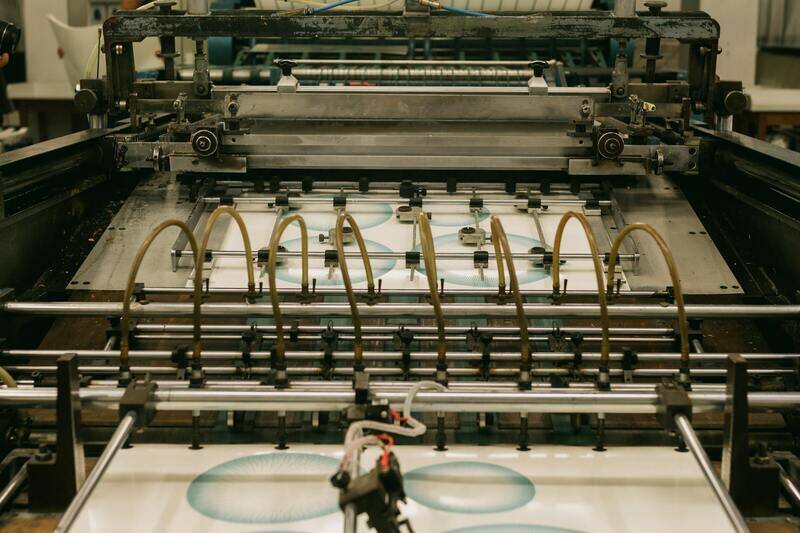
The selection of printing technology is pivotal in achieving fast turnaround times without sacrificing quality. Here are the most effective options:
- Digital Printing: Renowned for its quick setup and flexible production capabilities, digital printing is perfect for small to medium print runs. It allows for rapid customization and minimal press downtime, making it the go-to choice for urgent brochures.
- Large-Format Inkjet Printing: Ideal for oversized brochures or those with detailed, high-resolution images, large-format inkjet printers can deliver vivid print quality swiftly, especially suitable for visual-heavy marketing materials.
- UV Printing: This technology cures inks instantly, enabling immediate handling and finishing, suitable for outdoor or high-durability brochures requiring rapid production times.
Design and File Preparation for Faster Production
Optimized design and meticulous file preparation are fundamental to a seamless fast brochure printing process. To streamline production:
- Use high-resolution images (at least 300 DPI) to avoid reprints due to resolution issues.
- Embed or outline fonts to prevent missing font errors during printing.
- Convert colors to the appropriate color profiles, typically CMYK, to ensure color accuracy.
- Limit the use of complex transparencies or effects that may increase processing time.
- Save files in printable formats such as PDF/X, which are compatible with most professional printing workflows.

Advantages of Fast Brochure Printing for Businesses
Swift brochure production offers several strategic benefits:
- Enhanced Agility: Rapid response to market opportunities allows businesses to capitalize on emerging trends or timely campaigns.
- Cost Efficiency: By reducing storage needs and minimizing inventory, companies can manage budgets more effectively.
- Real-time Marketing: Quick turnaround facilitates ongoing promotional activities, ensuring marketing efforts stay relevant and impactful.
- Event Readiness: Firms can produce on-the-spot materials for trades, exhibitions, or presentations, ensuring professional appearances with minimal lead time.
- Competitive Edge: Fast access to printed collateral can differentiate a business in fast-moving markets, providing an immediate visual presence.
Selecting a Reliable Fast Printing Service in Singapore
Ensuring fast brochure printing requires partnering with a reputable service provider equipped with the latest technology and a dedicated team to handle urgent orders. When evaluating potential vendors:
- Check their experience with rapid turnaround projects and positive client feedback.
- Confirm their capacity to handle different print technologies suited for speed and quality.
- Review their quality control measures to sustain high standards even under tight deadlines.
- Assess their communication processes to ensure clarity and timely updates on progress.
- Inquire about their finishing options and complementary services like delivery logistics for end-to-end support.

Understanding Fast Brochure Printing
Fast brochure printing is a specialized service that caters to businesses and individuals needing high-quality printed collateral within tight timeframes. This process involves streamlined workflows, efficient print technologies, and rapid turnaround methods to ensure that clients receive their brochures promptly without compromising on quality. Whether for last-minute marketing campaigns, urgent event materials, or quick product launches, rapid brochure printing provides a reliable solution to meet these demanding schedules.
Key Factors Affecting Print Speed
- Order Complexity: Simplified designs and smaller quantities typically enable faster production. Complex graphics, high-resolution images, or intricate finishes can extend processing times.
- Material Selection: Using standard paper stocks and finishes often accelerates the printing process, whereas specialty papers or textured finishes may add production time.
- Pre-Press Preparation: Properly prepared files that adhere to specifications minimize delays during the pre-press stage, leading to quicker start times.
- Printing Technology: Modern digital presses are faster for short runs, while advanced offset presses excel in high-quality production with quick turnaround when optimized.
- Production Capacity: The efficiency and capacity of the printing facility impact how swiftly an order can be completed, especially during peak periods.
Choosing the Right Printing Technology for Speed
For swift brochure printing, digital printing technology often serves as the ideal option due to its ability to produce high-quality outputs with minimal setup time. Digital presses eliminate the need for printing plates, enabling quick start-up and faster production cycles, which are crucial for urgent orders. Alternatively, high-speed offset printing can offer superior quality for larger quantities when time permits, especially if the artwork is ready in advance. Understanding the project scope and quantity needed helps in selecting the most suitable technology to optimize both speed and print quality.
Design and File Preparation for Faster Production
Properly prepared digital files are instrumental in reducing production delays. Ensuring that artwork files are correctly formatted, high-resolution, and free of errors simplifies the printing process. Using common file formats such as PDF/X-1a ensures compatibility with printing equipment. Incorporating bleed and safe margins, adhering to color profiles, and providing vector graphics for logos or text enhance print accuracy. Clear communication with the printer about specifications and deadlines facilitates smoother operations, avoiding unnecessary revisions that could slow down the process.
Advantages of Fast Brochure Printing for Businesses
- Captures Market Opportunities: Rapid production allows businesses to seize fleeting promotional chances or respond to industry trends swiftly.
- Supports Time-Sensitive Campaigns: Whether for product launches, seasonal campaigns, or event promotions, quick turnaround ensures materials are ready on time.
- Reduces Inventory Risks: Just-in-time printing minimizes storage costs and excess inventory, leading to more flexible marketing strategies.
- Enhances Professional Presence: Last-minute materials, when executed well, project a polished and timely brand image to clients and partners.
- Boosts Competitive Edge: Swiftly produced brochures can help your business stand out in fast-paced markets, attracting attention before competitors.
Selecting a Reliable Fast Printing Service in Singapore
Locating a reputable printing partner involves evaluating several critical aspects: the provider’s experience handling urgent orders, technological capabilities, quality control protocols, and customer service standards. An ideal service provider maintains well-maintained digital and offset presses, ensuring high productivity without sacrificing clarity or color accuracy. Transparent communication channels are essential for tracking progress and addressing any issues promptly. Additionally, assessing their finishing options and delivery logistics ensures a seamless process from order placement to receipt of the brochures, making the entire experience efficient and dependable.
Cost Considerations and Practical Tips
While fast brochure printing is invaluable for time-sensitive projects, it is essential to weigh the associated costs. Expedited services may incur premium charges due to overtime printing, priority handling, or rush delivery. To maximize value, consider planning your design and file preparation well in advance, enabling you to access quicker turnaround options at standard rates. Communicating clear specifications upfront reduces the need for reprints or corrections, saving both time and money. When choosing a service provider, compare quotes and check for bundled services like delivery and finishing, which can further streamline operations and reduce logistical hassle.