Overview of Colors Fprint
Colors fprint is a critical concept in the printing industry, referring to the precise replication of specific colors during the printing process. It encompasses the reproducibility and consistency of colors across various print jobs, whether in digital or offset printing. Understanding colors fprint is essential for ensuring brand consistency and achieving desired visual effects in printed materials such as brochures, business cards, packaging, and promotional items. The significance of accurate color reproduction cannot be overstated, as it directly affects the aesthetic appeal and messaging clarity of printed content.
In digital printing, colors fprint involves controlling ink application and digital color data to produce consistent hues. Conversely, offset printing relies heavily on color management systems, precise ink formulation, and calibration to reproduce colors accurately. Both methods necessitate strict adherence to standard procedures and technical parameters to minimize color deviation.
Achieving the correct colors fprint requires a comprehensive understanding of color science, printing technology, and production workflows. Color variation can occur due to different paper textures, ink formulations, printing pressures, and environmental factors. Therefore, industry professionals employ meticulous calibration, periodically adjusting equipment, and using standardized color references to maintain fidelity.
Moreover, the significance of colors fprint extends beyond aesthetics to brand integrity and customer perception. Uniform color reproduction informs branding consistency and ensures that the visual identity remains intact across various media and print runs. This consistency enhances trust and recognition among consumers.
Effective management of colors fprint involves utilizing sophisticated color control tools, such as spectrophotometers and color management software, which help monitor and adjust output parameters. These technologies facilitate communication among different parts of the printing process, ensuring all components align to produce the intended colors.

Techniques for Achieving Accurate Colors Fprint
Achieving precise color reproduction in printing involves multiple calibrated and controlled techniques that ensure consistency and fidelity across different substrates and press conditions. One fundamental method is the utilization of color calibration charts, which provide standardized references for measuring output colors. By regularly printing and comparing these charts using spectrophotometers, operators can identify deviations and make necessary adjustments to the printing process.
Color matching techniques also play a vital role, especially in environments where brand consistency is crucial. This includes employing Pantone Matching System (PMS) colors, which provide a universal palette that ensures non-ambiguous color specifications. When specific hues are mandated, printers consult color swatch guides to select inks that closely match the desired appearance, reducing variability between print runs.

Furthermore, advanced software solutions are increasingly integrated into printing workflows to automate color adjustments. Color management software enables pre-press operators to simulate and visualize how colors will appear on final media, providing options to fine-tune parameters before actual printing begins. Such digital previewing minimizes waste and rework by aligning expectations with actual output.
Another powerful technique involves controlling environmental conditions within the printing facility, such as temperature and humidity levels, which can significantly influence ink behavior and paper characteristics. Maintaining stable conditions ensures that colors remain consistent over extended periods and across multiple print runs.
The Role of Color Profiles and Standards
Color profiles are digital files embedded within the printing workflow that define how colors are interpreted between devices. They serve as the bridge that translates color data from design software to the physical output, ensuring colors are rendered accurately regardless of differences in printers, inks, or substrates. Standardized color profiles, such as ISO standards or ICC profiles, facilitate uniform color management across diverse platforms, making it possible to achieve predictable results.
Adopting these standards reduces the chances of discrepancies caused by device-specific limitations. Calibration of each device with corresponding profiles aligns color output, effectively harmonizing the entire production chain. This alignment is particularly critical in multi-device operations or when printing on various materials, where color consistency can otherwise be challenging to preserve.
Applications of Colors Fprint in Printing Services
Colors fprint are fundamental in various printing applications that demand high fidelity, such as commercial branding, packaging, and fine art reproduction. Precise color matching ensures that logos, color schemes, and design elements are consistently maintained, reinforcing brand identity and visual appeal. In packaging, accurate colors communicate product quality and authenticity to consumers, making the role of careful color reproduction paramount.
In the field of promotional materials, from brochures to banners, consistent color reproduction across media ensures professional presentation and enhances customer perception. Moreover, specialized printing services like textiles and ceramics also depend on accurate colors fprint to meet client specifications and maintain product quality.
Challenges in Managing Colors Fprint
Despite advancements in technology, managing colors fprint remains complex due to the inherent variability in substrates, inks, and printing conditions. Different paper textures and finishes can absorb inks differently, leading to color shifts. Variations in ink formulations may also affect color vibrancy and hue accuracy. Environmental factors, such as humidity and temperature, impact ink stability and drying times, further complicating precise color control.
Another challenge is translating digital color representations into physical outputs accurately. Color differences may arise from device limitations, such as differences in color gamuts between monitors and printers. Ensuring alignment between digital designs and physical products requires meticulous calibration and ongoing management efforts.
Future Trends in Colors Fprint Technology
Emerging trends suggest a continued push towards enhanced automation and integration of artificial intelligence in color management systems. Machine learning algorithms are expected to analyze past print outcomes, predict deviations, and recommend adjustments in real time, minimizing human error and optimizing color fidelity.
Advances in ink formulations, including wider color gamuts and more durable, eco-friendly options, will expand the possibilities for accurate and sustainable color reproduction. Additionally, real-time color monitoring systems using spectrophotometry during the print process will provide instant feedback, enabling immediate corrections and reducing waste.
Best Practices for Optimizing Colors Fprint
- Consistently calibrate and profile all printing devices following manufacturer specifications and industry standards.
- Utilize standardized color references such as Pantone guides and ISO color profiles to maintain consistency.
- Perform regular environmental control to minimize external influences on print quality.
- Integrate advanced color management software to simulate and verify color output before printing.
- Collaborate with clients to define precise color expectations early in the project.
- Implement routine quality checks using spectrophotometers to verify color accuracy during production.
- Invest in ongoing staff training to deepen understanding of color science and management tools.
Techniques for Achieving Accurate Colors Fprint
Reproducing exact colors in printing relies heavily on meticulous calibration and profiling of the printing equipment. Calibration involves adjusting printers to adhere to specific standards, ensuring that the colors output align with desired references. Profiling, on the other hand, creates a detailed map of how a particular device renders colors, which is then used to adjust the workflow for consistent output across different devices and media.
One of the most critical steps in ensuring color accuracy is the use of high-quality spectrophotometers. These devices measure the spectral properties of printed colors, providing precise data to adjust printer settings accordingly. Regular calibration using these tools helps maintain consistent color output over time, countering machine drift and wear.
In addition, color management software plays a fundamental role. Such systems utilize ICC (International Color Consortium) profiles, which standardize color representations across various devices and media. By integrating these profiles into the printing workflow, operators can simulate how colors will appear in the final output, allowing for adjustments before actual production begins.

Further, maintaining strict environmental controls is vital. Temperature, humidity, and ambient lighting can all influence color fidelity. Implementing controlled conditions minimizes external factors that could skew results, ensuring that calibrated settings produce predictable outcomes.
Automation technologies also enhance the precision of color reproduction. Automated color matching systems utilize pre-programmed algorithms and real-time feedback mechanisms, adjusting ink flow and press parameters dynamically. These systems reduce human error and increase consistency, especially in high-volume printing environments.
Ultimately, combining these methods—rigorous calibration, detailed profiling, software integration, and environmental control—creates a comprehensive framework for achieving the most accurate color reproduction possible in print production.
Utilizing Color Profiles and Industry Standards for Consistent Colors Fprint
Establishing uniformity in color reproduction across diverse printing jobs demands adherence to recognized color profiles and industry standards. International Color Consortium (ICC) profiles serve as comprehensive references that translate color data correctly between devices such as monitors, printers, and cameras. By embedding ICC profiles into the printing workflow, operators ensure that the intended hues are accurately represented regardless of the device or media used.
In addition to ICC profiles, standards like ISO 12647 outline color management practices tailored specifically for commercial printing processes. These standards specify ink formulations, colorimetric tolerances, and process control measures, ensuring that print outputs consistently meet client expectations. Implementing these guidelines reduces variation between print runs, fostering reliability and high-quality results.

Operational integration of these profiles involves careful calibration of both color measurement devices and printing systems. Regularly calibrating monitors, proofing tools, and printers against recognized standards guarantees that the interpretations of color data remain accurate over time. This systematic approach accelerates troubleshooting, enhances workflow efficiency, and promotes trustworthiness in color fidelity.
Application of Colors Fprint in Various Printing Services
Accurate color reproduction is pivotal across a spectrum of printing services, from commercial graphics to packaging and fine art printing. For instance, in packaging production, maintaining precise colors ensures brand consistency and visual appeal across different print runs and substrate types. Similarly, in photographic and fine art printing, colors Fprint must reflect subtle nuances, demanding meticulous management and calibration. The ability to reliably reproduce complex color gradients, skin tones, or corporate brand colors elevates the standard of service and client satisfaction.
Professionals leverage advanced color management techniques within these applications, integrating customized ICC profiles and employing high-precision color measurement tools. This approach ensures that each project aligns with the anticipated standards, reinforcing a reputation for quality and precision.

Integration of these practices enables print service providers to meet the increasingly sophisticated demands of clients who rely on true-to-color branding, detailed photographic reproductions, and custom artistic prints. The use of consistent color management techniques transforms raw digital data into tangible prints that truly reflect the original design intent.
Addressing Challenges in Managing Colors Fprint
Despite advancements, maintaining consistent colors Fprint across different print projects can present several challenges. Variations in media properties—such as paper brightness, coating, and texture—can influence color perception, complicating the achievement of uniform results. Additionally, fluctuations in environmental conditions like temperature and humidity may cause ink behavior changes, impacting color accuracy.
Inconsistent calibration routines or outdated profiling can further exacerbate discrepancies, leading to color mismatches and client dissatisfaction. Variations in equipment performance over time, particularly in high-volume production, also introduce complexities that require ongoing attention and adjustment.
To address these challenges, it is essential to adopt rigorous calibration protocols, utilize high-quality measurement tools, and maintain controlled printing environments. Investing in continuous staff training ensures that operators stay updated on best practices in color management. Moreover, routine reviews of process parameters and proactive updates to ICC profiles help sustain the desired level of color fidelity across all operations.

By systematically tracking and managing these variables, print providers can mitigate color inconsistencies, even in complex production scenarios. Through a combination of technological rigor and environmental control, achieving precise and reproducible colors remains a practical goal for professional print services.
Challenges in Managing Colors Fprint
Despite advancements in printing technology and color management practices, several persistent challenges impact the consistent reproduction of colors fprint. These challenges stem from the complex interplay of equipment, materials, and environmental factors that influence color accuracy. Understanding these obstacles is crucial for print providers aiming to deliver high-quality, precise color outputs.
Material Variability
One of the primary challenges in maintaining consistent colors fprint arises from variability in substrates such as paper, cartons, and synthetic media. Each material exhibits unique surface properties, gloss levels, and absorption characteristics that can alter how inks and dyes appear once printed. Even slight differences in paper brightness or coating can result in noticeable color shifts, necessitating careful selection and standardization of materials for color-critical projects.

Equipment Performance and Calibration
Printer calibration plays a pivotal role in consistent colors fprint. Over time, printheads may experience clogging, uneven ink distribution, or mechanical wear, all of which can detract from color fidelity. Regular calibration routines, including nozzle checks and color scans, are vital to identify deviations early. However, inconsistent calibration protocols or neglect can cause persistent color mismatches. Maintenance of printing equipment must be thorough and systematic to sustain optimal color output.
Color Profiling and Software Limitations
Applying accurate color profiles is fundamental for achieving target colors. Challenges often occur when the color management software or ICC profiles are outdated or improperly applied, leading to inaccurate color translation between digital files and printed output. Ensuring profiles are regularly updated and embedded properly across workflow stages minimizes discrepancies. Cross-platform consistency also depends on seamless communication between design software, RIP systems, and the printer firmware.
Environmental Influences
Environmental factors such as temperature, humidity, and lighting conditions influence ink behavior and drying times, impacting color stability. Variations in ambient humidity can cause ink to spread or dry unevenly, while temperature shifts may alter ink viscosity. Controlling the printing environment through climate control measures is essential, especially for high-precision color tasks. Continuous monitoring allows operators to adapt processes proactively, ensuring reliable color reproduction.
Workflow Complexity and Human Factors
Complex workflows involving multiple steps can introduce inconsistencies if not managed carefully. Human errors—such as incorrect file settings, improper paper loading, or misapplication of calibration standards—also contribute to color discrepancies. Training staff thoroughly in color management best practices and establishing standardized procedures help mitigate these issues, leading to more predictable and accurate color results.

Supply Chain and Ink Quality
Variations in ink batches and supply chain disruptions can further complicate color consistency. Different ink formulations or batch-to-batch differences may produce subtle yet impactful color variations. Establishing strong supplier relationships and implementing rigorous incoming quality control processes are effective measures to ensure ink uniformity, preserving the integrity of colors fprint across production runs.
Addressing These Challenges
To mitigate these challenges, print providers should adopt a comprehensive approach that combines technological investment with stringent process controls. Implementing high-precision measurement tools, maintaining strict environmental conditions, and developing detailed calibration protocols are fundamental steps. Regular staff training aligned with industry best practices ensures that personnel can respond effectively to variations, maintaining consistent color reproduction. Continuous process evaluation and adaptation, guided by real-time feedback, are critical for overcoming the inherent complexities of colors fprint management in professional printing environments.
Ensuring Reliability of Color Reproduction through Officiated Methods
In professional printing, achieving consistent and precise Colors Fprint hinges on adherence to established procedures and industry-standard practices. These methods focus on controlled color workflows, calibrated equipment, and standardized processes that collectively uphold high-quality color fidelity across different print runs and materials. Implementing these procedures involves utilizing advanced color measurement devices such as spectrophotometers and densitometers which provide objective color readings, enabling technicians to verify color accuracy at stages of the process.
Furthermore, employing validated color management workflows ensures that the digital design precisely translates into the printed output. This encompasses the use of comprehensive color profiles, which serve as references that define how colors are interpreted by different devices and materials. These profiles are created through meticulous calibration and profiling routines that account for variables such as light source, substrate, and ink properties, thereby standardizing color reproduction regardless of the equipment or environment involved.

Maintaining Consistency through Rigorous Calibration
A fundamental aspect of leveraging official methods involves consistent calibration of printers, monitors, and color measurement instruments. Calibration ensures that devices operate within defined tolerances, minimizing deviations that could compromise the accuracy of colors Fprint. Regular calibration routines, performed according to manufacturer specifications, serve as a cornerstone for predictable color output.
- Calibration of monitors ensures digital designs match intended hues.
- Printer calibration aligns the output with the expected colors based on standard profiles.
- Periodic re-calibration accounts for equipment wear and environmental influences.
Implementing Industry Standards and Protocols
Adopting globally recognized standards, such as ISO 12647, provides a structured framework for color management in printing. These standards specify the parameters for color reproduction, quality control, and process consistency. Strict adherence to such protocols ensures that every print adheres to defined quality metrics, fostering trust and predictability in color accuracy.
Quality Control and Continuous Monitoring
Effective control of colors Fprint involves routine inspections and in-process measurements to identify discrepancies early. Using inline color monitoring systems allows for real-time adjustments, reducing waste and rework caused by color inconsistencies. Documentation of calibration, testing, and inspection results further enhances process transparency and continuous improvement efforts.
Effective Methods for Achieving Accurate Colors Fprint
Ensuring precise color reproduction in printing involves several official and proven techniques that focus on maintaining consistency and fidelity. These methods are fundamental for aligning digital designs with the final printed output, especially when dealing with complex color schemes or specific branding requirements.
Utilization of High-Quality Color Measurement Instruments
One of the primary steps in accurate colors Fprint management is employing calibrated spectrophotometers and colorimeters. These devices provide objective, reproducible measurements of color values, enabling professionals to analyze and adjust color profiles accordingly. Regular calibration of measurement tools guarantees that readings are accurate and consistent over time, which is essential for quality control throughout the printing process.
Implementation of ICC Color Profiles
International Color Consortium (ICC) profiles serve as standardized specifications that describe the color attributes of devices such as monitors, printers, and scanners. Incorporating ICC profiles into the workflow allows for seamless translation of color data across different devices, ensuring that colors are reproduced faithfully from digital design to print. Precise application of these profiles minimizes color deviations and ensures predictable output results.
Color Calibration and Profiling of Printing Equipment
Regular calibration of printers and monitors is vital to maintain accurate colors. This process involves adjusting device settings to conform to standardized reference values, often guided by manufacturers' recommendations. Profiling, on the other hand, involves creating custom profiles tailored to specific equipment and materials, capturing the device’s unique color characteristics. This combination ensures that color data processed digitally translates accurately into the physical medium.

Color Standardization and Industry Protocols
Adopting globally recognized standards such as ISO 12647 provides a structured framework for color consistency in printing. These standards specify parameters for ink formulation, paper types, and process control, establishing uniform quality benchmarks. Strict adherence to such industry protocols facilitates reliable color reproduction, meets client expectations, and reduces rework or waste caused by color inaccuracies.
Incorporating Proofing and Quality Assurance Practices
Contract proofing, whether through digital or traditional methods, offers a tangible preview of the final output, allowing adjustments before full-scale production. Additionally, inline and offline quality assurance measures—including spectrophotometric inspections and visual assessments—contribute to maintaining color fidelity. Documenting these procedures creates an audit trail that supports continuous improvement and precise control.
Integration of Color Management Software
Advanced color management software solutions automate much of the calibration, profiling, and color matching processes. These systems enable precise color adjustments and simulations, minimizing manual intervention and errors. Their implementation ensures consistent outcomes across different projects and reduces dependence on subjective judgment.

Adopting these official methods fosters a robust environment for achieving and maintaining high standards of color accuracy in printing workflows, supporting brand integrity and client satisfaction across a range of print services.
Ensuring Consistent and Accurate Colors Fprint
To achieve precise color reproduction in printing, it is essential to adopt established, official methods that sustain color fidelity throughout the production process. These methods include rigorous calibration of printers, utilization of standardized color profiles, and comprehensive quality control procedures. Calibration involves adjusting the printer's color output to match reference standards, often using spectrophotometers to measure color accuracy and make necessary corrections. This process ensures that colors printed align closely with digital designs and client specifications.
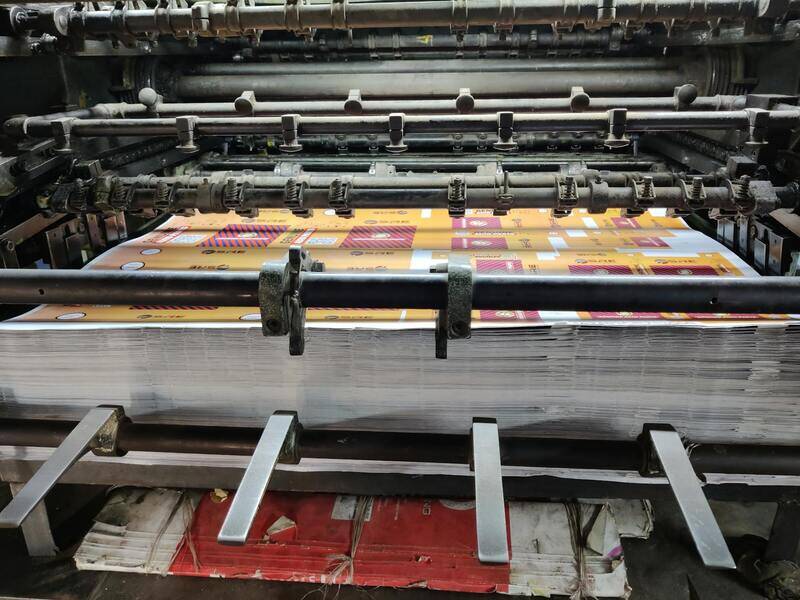
Implementing standardized color profiles, such as those based on International Color Consortium (ICC) standards, enables consistent color management across different devices and media types. These profiles serve as a digital blueprint that guides color conversion, ensuring uniformity regardless of ink, paper, or printing technology used. Accurate profiling is critical in high-fidelity printing environments where color precision directly impacts brand representation and customer satisfaction.
Adherence to Industry Protocols and Standards
Following industry-recognized protocols like ISO 12647 ensures that printing workflows maintain consistency and meet predefined quality benchmarks. These standards encompass various parameters, including ink formulation, paper quality, and press operation conditions. Strict adherence minimizes color variations caused by equipment fluctuations or process deviations, fostering reliable reproduction of colors across multiple print runs.
Proofing and Quality Assurance for Color Fidelity
Pre-press proofing, whether digital or traditional, provides an accurate preview of the final output. By comparing this proof against the original design, adjustments can be made in the early stages to correct color discrepancies. Furthermore, inline quality control tools such as spectrophotometers and colorimeters are essential for ongoing monitoring during printing. These devices facilitate real-time adjustments, detecting deviations before they affect the final product.

Maintaining a comprehensive documentation trail of calibration settings, profiles, and quality checks enhances process control and revises protocols as needed. This disciplined approach ensures repetitive accuracy, essential for high-volume printing environments where uniformity and precision are paramount.
Utilizing Advanced Color Management Software
Modern printing operations leverage specialized color management software that automates many aspects of color calibration and matching. These tools use complex algorithms to simulate how colors will appear on different substrates, making it possible to adjust digital files proactively. Such software minimizes human error, accelerates workflow efficiency, and guarantees that the final printed colors match the intended design with high fidelity.
Continual Process Optimization for Color Consistency
Besides technical calibration, ongoing staff training and process audits are critical. Regularly reviewing calibration routines, updating profiles to reflect environmental or material changes, and maintaining equipment properly ensures sustained color accuracy. Incorporating feedback from quality inspections and customer reviews helps in refining workflows, reducing rework, and enhancing overall service reliability.
Implementing these precise and recognized practices within printing operations solidifies output quality and strengthens client relationships by consistently delivering accurate colors Fprint. These techniques also support compliance with industry benchmarks, paving the way for innovations and advancements in color fidelity management.