Understanding Fast Color Printing
Fast color printing has become an essential component in the modern printing industry, driven by the increasing demand for rapid turnaround times without sacrificing the vibrancy and accuracy of colors. This process involves specialized techniques and high-performance equipment designed to deliver high-quality prints at remarkably quick speeds. The significance of fast color printing lies in its ability to meet the dynamic needs of various sectors, including marketing, publishing, retail, and event promotions, where time-sensitive outputs are crucial.
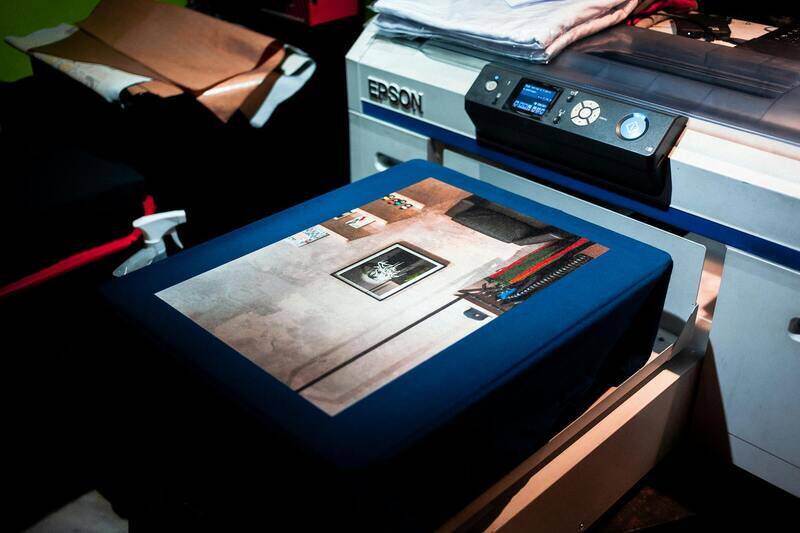
Achieving rapid production while maintaining optimal color fidelity requires a combination of advanced printing technologies, optimized workflows, and precise color management. The main techniques employed to realize these objectives include digital printing processes like inkjet and laser printing, which are known for their speed and precision. Inkjet printing, with its ability to produce detailed images quickly, relies on advanced nozzle technology and superior ink formulations to ensure sharp, vivid colors. Similarly, high-speed laser printing leverages rapid toner transfer methods that enable large volumes of color prints within short timeframes.
In addition to the hardware, color management systems play a vital role in fast color printing. They ensure that the colors produced on the printed material align accurately with the digital source, thus avoiding costly reprints and ensuring customer satisfaction. The integration of robust software solutions ensures consistent color output across various print jobs and media types, further emphasizing the importance of an end-to-end approach in fast color printing processes.
Overall, the evolution of fast color printing continues to enhance productivity and quality standards within the industry, enabling businesses to meet tight deadlines while delivering visually appealing materials. The collaborative advancements in printing hardware, inks, and software contribute to this rapid yet reliable production method, making it a pivotal element for companies seeking competitive advantages in today's fast-paced market environment.
Understanding Fast Color Printing
Core Technologies Enabling Rapid Color Output
Fast color printing hinges on advanced technological processes designed to optimize speed without compromising print quality. Key to this capability are state-of-the-art digital printing methods such as high-speed inkjet and laser printing. Inkjet printing remains popular due to its ability to produce detailed, high-resolution images quickly. It employs specialized nozzles capable of dispersing tiny ink droplets onto media with remarkable precision, facilitating vibrant color reproduction. This technology is particularly suitable for short runs, personalized prints, and high-quality promotional materials where detail and color richness are paramount.
On the other hand, laser printing leverages rapid toner transfer mechanisms that facilitate high-volume production. It works by using a laser beam to create images on a photosensitive drum, which then attracts toner particles and transfers them onto the paper. The process is exceedingly fast, often able to produce thousands of pages within a short period. This makes laser printers ideal for bulk color printing tasks that demand consistency and efficiency.
Color Management for Consistent Quality
Achieving rapid production does not mean sacrificing color accuracy or consistency. Effective color management systems are integral to fast color printing setups. These systems utilize sophisticated software to calibrate printers, monitor color profiles, and ensure that the hues captured digitally are faithfully reproduced on physical media. This process minimizes reprints, reduces material waste, and guarantees uniformity across print batches. As a result, businesses can maintain high standards while meeting tight deadlines, ensuring that their visual communications are both compelling and reliable.
Media Compatibility and Processing Speed
Another critical aspect of fast color printing pertains to media versatility and processing speed. Modern printers are capable of handling various substrates—from coated papers and vinyls to fabrics—without reducing speed or quality. Faster paper feed mechanisms and optimized media handling systems enable printers to switch between different materials seamlessly, maintaining high throughput. This flexibility allows businesses to produce a diverse array of applications, including banners, labels, packaging, and promotional items, all within compressed timelines.
Summary
In conclusion, the core of fast color printing lies in integrative technologies that combine rapid digital printing hardware with sophisticated color management and versatile media handling. These elements work synergistically to convert digital designs into high-quality printed materials swiftly, fulfilling the demanding needs of various industries. Understanding these fundamental components provides a solid foundation for selecting appropriate printing solutions tailored to specific business requirements and production environments.
Understanding Fast Color Printing
Fast color printing is a specialized service that combines high-speed digital printing technology with advanced color management techniques to deliver vibrant, accurate images within tight deadlines. This process relies on sophisticated hardware capable of rapid output while maintaining precise color fidelity. By integrating innovative ink delivery systems and optimized printing pathways, providers can ensure that clients receive high-quality outputs efficiently. The key to successful fast color printing lies in the seamless coordination between hardware capabilities, color calibration, and media handling. This synergy allows for rapid production cycles without compromising on the richness or accuracy of colors, making it an essential solution for businesses that rely on quick turnaround times for marketing materials, packaging, or event displays.

Types of Printing Technologies for Speed and Color Fidelity
To meet the demanding requirements of fast color printing, various technologies have been developed, each offering unique advantages in terms of speed and color accuracy. Understanding these printing methods helps businesses select the most appropriate solution for their specific needs.
Inkjet Printing
Inkjet printers are widely used in fast color printing due to their ability to produce high-resolution images swiftly. Modern inkjet systems incorporate high-capacity nozzles and optimized ink formulations, enabling rapid printing processes that do not sacrifice vibrancy. They are ideal for short to medium runs of promotional banners, posters, and labels where color accuracy is paramount.
UV Printing
UV printing technology utilizes ultraviolet light to instantly cure the inks, allowing for rapid layering and application on a broad spectrum of substrates. This method is especially advantageous for printing on uneven or non-porous surfaces such as plastics, metals, or glass, providing vibrant results with quick turnaround times.
Electrophotographic (Digital Laser) Printing
Digital laser printers excel in producing consistent, high-quality color images at high speeds. Their speed and precision make them particularly suitable for bulk printing of items like business cards, brochures, and packaging materials that require vibrant colors and sharp details.

Key Factors Influencing Fast Color Printing
Several critical elements impact the efficiency and quality of fast color printing services:
- Equipment Capabilities: High-performance printers with advanced print heads and fast processing speeds are essential for maintaining color accuracy while meeting tight schedules.
- Media Selection: Compatibility with various substrates, including coated papers, vinyl, and textiles, ensures versatility without sacrificing speed or quality.
- Workflow Optimization: Streamlined production processes, from digital file preparation to final output, reduce bottlenecks and enhance throughput.
- Color Management Systems: Precise calibration and real-time color adjustments guarantee consistent vibrancy across multiple print runs.
- Ink Technology: High-quality, fast-drying inks prevent smudging or color shifts during rapid printing cycles.
Benefits of Fast Color Printing for Businesses
Embracing fast color printing confers numerous advantages, including accelerated project delivery, increased flexibility in design changes, and the ability to respond quickly to market demands. Businesses can maintain a competitive edge by producing eye-catching promotional materials, dynamic packaging, and impactful signage in a fraction of the traditional time, all while preserving high standards of color fidelity.

Challenges in Achieving Rapid Color Printing
While the surging demand for fast color printing continues to influence market offerings, several technical and operational challenges must be addressed to ensure optimal results. One of the main obstacles lies in balancing speed with print quality. Rapid printing often risks compromising color accuracy, sharpness, or detail if equipment and processes are not carefully calibrated. High-speed printers generate significant heat and use rapid ink deposition, which may lead to color inconsistencies or print defects such as banding or mottling.
Another significant challenge involves media handling. Swift production runs require equipment capable of managing various substrates efficiently without material misalignment or jams. Differing media types, from glossy papers and vinyl to textiles, demand specific handling mechanisms and ink compatibilities, complicating workflow management in fast-paced environments.
Color management itself presents complexity in rapid color printing. Maintaining consistent color reproduction across different batches necessitates advanced calibration and real-time system adjustments. Variations in ink drying times, environmental factors, and substrate absorption rates can all impact the vibrancy and uniformity of printed images.
Operational throughput must be optimized without sacrificing maintenance routines, which are essential to prevent quality degradation over continuous high-volume runs. Frequent cleaning cycles, component replacements, and software updates are vital but can hinder operational speed if not seamlessly integrated into the workflow.

Innovations and Trends in Fast Color Printing
The industry continually advances with innovative technologies designed to overcome these hurdles. Key developments include the integration of ultra-fast inkjet and laser printers equipped with sophisticated print heads capable of delivering high-resolution images at increased speeds. These devices utilize enhanced ink formulations with rapid-drying properties, significantly reducing the risk of smudging and color shifts during quick processing.
Furthermore, advancements in digital workflows now incorporate automated color profiling and real-time calibration systems. These tools enhance consistency, ensuring vibrant and accurate colors regardless of the press speed. The adoption of cloud-based print management solutions also streamlines production schedules, allowing for seamless monitoring and adjustments across multiple printing stations.
Innovative media handling systems such as automated feeders and advanced feed mechanisms optimize throughput and reduce downtime, particularly when dealing with diverse substrates. Moreover, hybrid printing setups that combine different technologies—such as inkjet, UV, and sublimation—offer versatile options catering to various client needs with rapid turnaround times.

Choosing the Right Fast Color Printing Solutions
Selecting the appropriate equipment and protocols hinges on understanding specific business requirements, volume expectations, and desired output quality. High-performance print devices with advanced color management features are fundamental to achieving precise vibrancy and consistency, especially for large-scale projects.
Operational flexibility is also critical. Equipment capable of handling a range of media types and sizes expands service offerings without sacrificing speed. Consider systems equipped with automatic loading and unloading capabilities, as these can substantially boost productivity. Additionally, integrated workflow software should facilitate quick file preparation, color calibration, and job tracking, minimizing manual interventions and delays.
In terms of inks, look for fast-drying, durable options that maintain color brilliance over time and through different environmental conditions. Compatibility with various substrates ensures versatility without compromise, enabling businesses to cater to diverse client needs efficiently.

Ultimately, a comprehensive evaluation of equipment capabilities, workflow integration, and substrate compatibility will guide businesses in adopting fast color printing solutions that meet both current demands and future growth aspirations.
Understanding Fast Color Printing
Fast color printing is an essential component of modern printing services, particularly for businesses that demand quick turnarounds without compromising on vibrant, accurate color reproduction. This process involves advanced printing technologies designed to deliver high-quality, multicolor outputs swiftly, making it ideal for industries such as marketing, retail, and event management. Achieving the perfect balance between speed and color fidelity requires a thorough grasp of the core principles that underpin this technology.
Types of Printing Technologies for Speed and Color Fidelity
The landscape of fast color printing encompasses several technological approaches, each offering unique advantages tailored to specific applications:
- Digital Inkjet Printing: This method leverages precise inkjet technology to produce detailed, vivid images rapidly. Modern high-speed inkjet printers utilize multiple print heads to handle large volumes efficiently, delivering crisp color outputs suitable for posters, banners, and promotional materials.
- Electrophotography (Laser Printing): Commonly used in rapid-volume environments, laser printers excel in producing sharp, accurate colors with high consistency. With rapid drying times and high throughput, laser technology is preferred for business cards, flyers, and transactional documents that require vibrant color replication.
- Hybrid Printing Technologies: Combining the benefits of both inkjet and laser systems, hybrid printers can offer accelerated production times while maintaining superior color accuracy. These systems often feature advanced workflow integration capabilities that optimize speed and quality simultaneously.

Key Factors Influencing Fast Color Printing
Several critical elements determine the effectiveness of rapid color printing processes. Understanding these factors helps in selecting the right equipment and workflow optimizations:
- Print Speed and Throughput: The core criterion, which depends on the capabilities of the printer’s hardware. Higher speeds are achieved through advanced print heads, increased processing power, and optimized print algorithms.
- Color Accuracy and Vividness: This depends on high-quality ink systems, advanced color management software, and calibration protocols that ensure consistent vibrancy across large batches and different media types.
- Media Handling and Compatibility: The ability to work with various substrates (paper, vinyl, fabric, etc.) without losing quality is vital. Automated media loading and versatile media trays enhance productivity and flexibility.
- Drying and Curing Technologies: Fast-drying inks and curing methods are essential for maintaining speed, especially when printing on non-absorbent surfaces or textured materials.
- Workflow Integration: Seamless software solutions for file preparation, color calibration, and job tracking significantly reduce manual interventions, ensuring consistent high-quality output in minimal time.
Benefits of Fast Color Printing for Businesses
Employing fast color printing solutions provides several tangible advantages for enterprises looking to enhance their operational efficiency and market competitiveness:
- Rapid Turnarounds: Significantly reduced production times enable businesses to meet tight deadlines, respond swiftly to client demands, and keep their offerings agile in fast-paced markets.
- Cost Efficiency: High-speed printing reduces labor costs and minimizes material waste through optimized workflows and precise quality control processes.
- Enhanced Customer Satisfaction: Quick delivery of vibrant, visually appealing prints boosts client satisfaction and fosters long-term loyalty.
- Versatility and Product Range Expansion: The ability to handle a variety of media types and job sizes allows businesses to diversify their product offerings without additional delays.
- Competitive Edge: Fast, high-quality outputs position companies as reliable and innovative, attracting new clients and retaining existing ones.
Integrating sophisticated fast color printing solutions aligns closely with strategic business goals of efficiency, quality, and customer engagement, establishing a foundation for sustained growth in highly competitive markets.
Understanding Fast Color Printing
Fast color printing represents a significant evolution in the printing industry, enabling high-quality, vibrant images to be produced rapidly without compromising on detail or color accuracy. Its core advantage lies in the ability to meet tight deadlines and demanding production schedules, making it an essential tool for businesses seeking to stay competitive in dynamic markets. Achieving optimal results requires a comprehensive understanding of the technologies involved, the factors influencing performance, and the strategic benefits such capabilities offer.
Types of Printing Technologies for Speed and Color Fidelity
Several printing technologies are prominent in facilitating fast, color-rich outputs, each with specific features tailored to different business needs:
- Digital Inkjet Printing: Known for its high speed and exceptional color accuracy, digital inkjet printers are ideal for producing detailed images on various substrates, from paper to vinyl. They are widely used in large-format printing, offering quick job turnaround times and vibrant results.
- Laser Printing: Commonly employed in office environments and commercial settings, laser printers excel in speed, especially for high-volume monochrome and color document printing. Modern laser systems incorporate advanced color management to produce sharp visuals efficiently.
- Electrophotographic Printing: Similar to laser printing, this method is favored for its rapid throughput and consistent color reproduction, making it suitable for short-run and on-demand printing tasks.
- UV and LED Printing: These technologies facilitate instant curing of inks, enabling rapid production of durable and vibrant prints on diverse materials, including plastics and metals.

Key Factors Influencing Fast Color Printing
Achieving rapid, high-quality color prints hinges on several critical elements:
- Printer Speed and Resolution: High-performance printers with fast processing speeds and high resolutions can produce vivid images swiftly. Optimizing these settings balances speed with the depth of color and detail.
- Color Management and Calibration: Precise calibration ensures color consistency across multiple prints, essential for maintaining brand fidelity and visual quality during rapid production cycles.
- Material Compatibility: The choice of substrates impacts both the speed and quality of printing. Using media specifically designed for high-speed printing helps achieve optimal results without delays.
- Workflow Automation: Implementing software solutions for job preparation, color calibration, and print queue management reduces manual intervention, streamlining operations.
- Staff Training and Maintenance: Well-trained operators and regular equipment maintenance prevent downtime, ensuring continuous fast and accurate color production.
Benefits of Fast Color Printing for Businesses
Integrating rapid color printing solutions delivers multiple advantages, including:
- Enhanced Responsiveness: Businesses can respond quickly to urgent client requests, reducing lead times and increasing customer satisfaction.
- Cost Savings: Faster production cycles reduce labor costs and material waste, improving overall operational efficiency.
- Market Flexibility: The ability to produce short runs or personalized prints expands product offerings and caters to bespoke customer needs.
- Brand Consistency: Reliable color reproduction ensures brand messaging remains consistent across different print jobs, reinforcing brand identity.
- Competitive Differentiation: Fast turnaround times and high-quality output enhance a company's reputation as a reliable and innovative partner.
Challenges in Achieving Rapid Color Printing
While fast color printing offers numerous benefits, it also presents certain challenges that require strategic management:
- Maintaining Color Accuracy: Rapid production can sometimes compromise color fidelity, necessitating advanced color management systems and calibration routines.
- Equipment Limitations: Not all printers are capable of supporting both speed and high-resolution output simultaneously, prompting investments in specialized equipment.
- Material Constraints: The need for compatible media that can withstand high-speed printing without smudging or warping can restrict choices.
- Workflow Complexity: Ensuring seamless integration between design software, job management tools, and printing hardware is vital to sustain high speeds and quality.
- Operational Costs: High-performance machines and consumables designed for rapid color production can involve higher upfront and maintenance costs.

Understanding Fast Color Printing
Fast color printing has become a critical component of modern visual communication, enabling businesses and creative professionals to meet tight deadlines without compromising on vibrancy and accuracy. This process involves the use of advanced printing technologies that can quickly produce high-quality, color-rich images on a variety of media. The demand for rapid turnarounds is driven by a need for immediate marketing campaigns, real-time event branding, and quick product packaging updates. To achieve this, printers equipped with sophisticated mechanisms are employed to optimize both speed and color fidelity, ensuring that end products resonate with vivid clarity and precision.

Types of Printing Technologies for Speed and Color Fidelity
There are several advanced printing technologies specifically designed to cater to the dual demands of speed and quality:
- Inkjet Printing: Modern inkjet printers utilize high-capacity nozzles and rapid drying inks to expedite the printing process. They are favored for their excellent color range and ability to produce detailed images swiftly, especially on flexible substrates or large-format media.
- Digital Laser Printing: Laser printers provide fast throughput and are well-suited for high-volume color printing. They offer precise color reproduction and are capable of handling various paper thicknesses, making them ideal for producing vibrant marketing materials on demand.
- Electrophotographic Printing: This method combines high-speed capabilities with exceptional color consistency. It is particularly effective in producing large batches of branded materials such as brochures, posters, and labels at a rapid pace.
Key Factors Influencing Fast Color Printing
Several elements determine the efficiency and output quality in fast color printing operations:
- Printer Capabilities: The hardware’s maximum resolution, speed rating, and color management systems directly impact productivity and output quality.
- Media Selection: Using suitable substrates that dry quickly and resist smudging ensures faster processing without sacrificing image clarity.
- Color Management: Precise calibration and color profiling are essential for consistent, vibrant results across multiple prints and media types.
- Workflow Optimization: Streamlined design-to-print processes, automated job handling, and efficient file management reduce delays and errors.
- Maintenance and Calibration: Regular upkeep of printing equipment maintains optimal performance, preventing quality dips and downtime.
Benefits of Fast Color Printing for Businesses
Implementing rapid color printing solutions delivers numerous advantages:
- Enhanced Responsiveness: Businesses can quickly respond to market trends or customer demands with prompt printing of promotional materials.
- Cost Efficiency: Reducing turnaround times minimizes labor costs and inventory storage, allowing for just-in-time production strategies.
- Brand Consistency: Reliable color reproduction ensures brand messages remain uniform across all printed materials, strengthening brand identity.
- Market Agility: The ability to produce short runs and customized print jobs offers greater flexibility in marketing campaigns and product launches.
- Competitive Edge: Fast, high-quality printing boosts reputation as a dependable partner capable of meeting tight deadlines without compromising quality.
Challenges in Achieving Rapid Color Printing
Despite its advantages, fast color printing involves inherent challenges that require strategic management:
- Color Fidelity Maintenance: Accelerated production speeds can lead to inconsistencies in color matching; employing advanced color management tools is essential to mitigate this risk.
- Equipment Limitations: Not all printers can simultaneously support high speed and high resolution. Investing in specialized equipment is often necessary to meet quality standards.
- Media Constraints: The choice of media impacts the printing process; media that dries quickly and withstands high-speed printing without warping are vital for efficiency.
- Workflow Complexity: Seamless integration of design, prepress, and printing workflows is crucial to maintain speed and prevent bottlenecks.
- Operational Costs: High-performance printing systems and premium consumables involve significant investments, which must be justified by production requirements.

Innovations and Trends in Fast Color Printing
The industry continually evolves through innovative technologies and process improvements:
- Hybrid Printing Systems: Combining different printing modalities allows for flexibility, enabling rapid production of diverse materials with consistent color accuracy.
- Artificial Intelligence Integration: AI-driven color matching and workflow automation enhance speed, accuracy, and repeatability of print jobs.
- Nanotechnology in Inks: Advanced inks with faster drying times and enhanced color stability improve overall print quality and efficiency.
- Eco-friendly Rapid Printing: Sustainable practices, such as waterless printing and eco-solvent inks, reduce environmental impact while maintaining high speeds.
- Cloud-based Job Management: Centralized platforms streamline job ordering, tracking, and analytics, facilitating quicker turnaround times.
Continued innovation promises to further transform fast color printing, making it more efficient, versatile, and environmentally responsible for diverse industry applications.
Understanding Fast Color Printing
Fast color printing refers to the ability of printing systems to produce high-quality, vibrant color images at significantly reduced turnaround times. This capability is essential for industries that demand rapid production cycles, such as advertising, retail, packaging, and event marketing. Achieving these speeds without compromising color accuracy necessitates advanced technological solutions and meticulous workflow management.
Types of Printing Technologies for Speed and Color Fidelity
- Digital Inkjet Printing: Known for its versatility and high-resolution output, digital inkjet printers can deliver vivid colors quickly, making them suitable for large-format and short-run projects.
- Electrophotographic (Laser) Printing: Widely used for high-volume color printing, laser systems excel in print speed and sharpness, ideal for producing consistent quality at scale.
- UV Printing: Utilizing ultraviolet light to cure inks instantly, UV printing offers rapid production with exceptional color vibrancy, especially on non-porous surfaces.
- Screen Printing with Advanced Stencils: Enhanced with quick drying inks and automated registration, modern screen printing can achieve faster turnaround times for bulk applications.
Key Factors Influencing Fast Color Printing
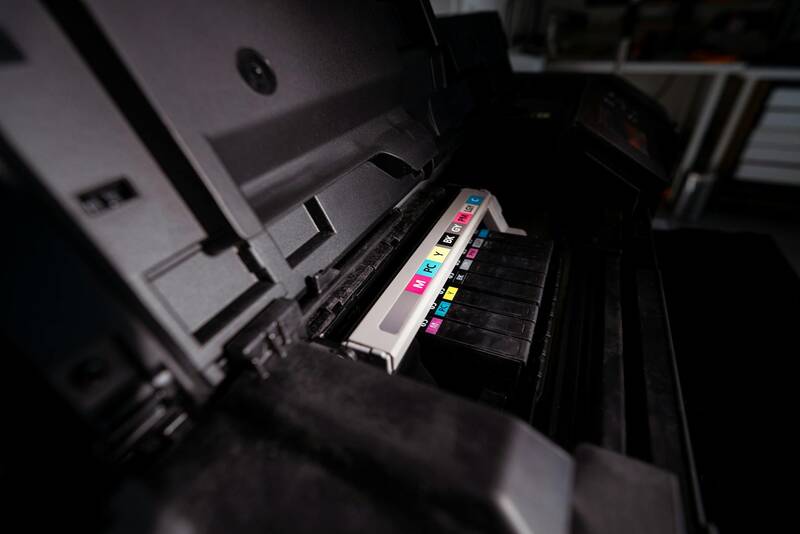
- Printer Speed and Throughput: High-performance machines with multiple print heads and efficient paper handling systems reduce total production time.
- Color Management and Calibration: Precise color matching algorithms and regular calibration ensure consistent vibrancy across rapid print runs.
- Media Handling Capabilities: Compatibility with various substrates and automated media feeding mechanisms contribute to continuous, uninterrupted printing.
- Inks and Consumables: Using fast-drying and durable inks minimizes downtime and enhances productivity.
- Workflow Automation: Integration of design, prepress, and printing processes streamlines operations, preventing bottlenecks.
Benefits of Fast Color Printing for Businesses
- Rapid Turnaround: Quick delivery of projects meets urgent client needs and accelerates time-to-market for campaigns.
- Cost Efficiency: Reduced labor and operational costs stem from minimized manual intervention and optimized machine utilization.
- Increased Productivity: High-speed printing enables handling larger volumes within shorter periods, maximizing output.
- Enhanced Flexibility: Short-run and on-demand printing capabilities facilitate customized jobs without extensive setup times.
- Consistent Quality: Advanced calibration and color management tools ensure vibrant, uniform prints across diverse projects.
Challenges in Achieving Rapid Color Printing
- Balancing Speed and Quality: Pushing for faster speeds can risk sacrificing color accuracy and detail unless supported by sophisticated technology.
- Material Compatibility: Not all substrates dry quickly or absorb inks uniformly, which can lead to smudging or color inconsistencies at high speeds.
- Equipment Investment: High-speed, color-accurate printers often require significant initial capital, demanding careful assessment of return on investment.
- Environmental Considerations: Faster drying inks and powerful machinery may increase energy consumption, underscoring the need for eco-conscious solutions.
Innovations and Trends in Fast Color Printing
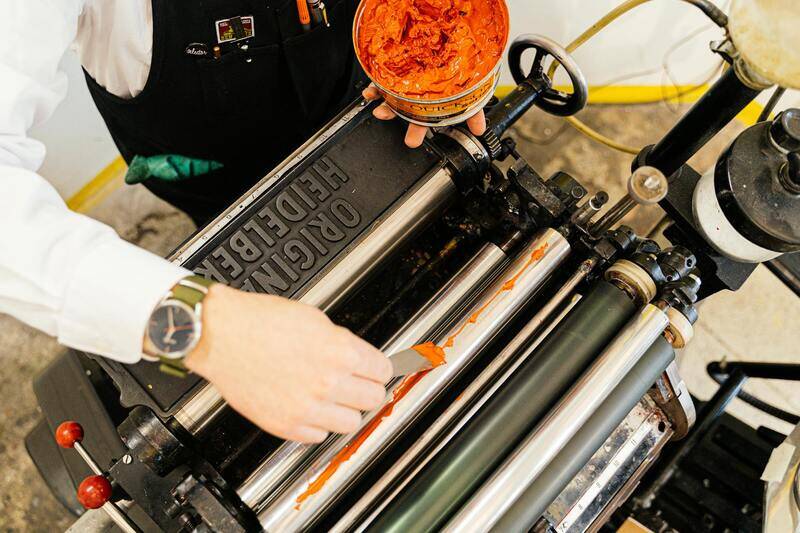
The industry continues to evolve through technological innovations that push the boundaries of speed and vibrancy. Hybrid printing systems now combine different methodologies—such as digital and screen printing—to optimize production flexibility. Artificial intelligence integration automates color matching and workflow processes, drastically reducing human error and turnaround times. Advances in nanotechnology enhance ink formulations, enabling quicker drying times and superior color stability. Eco-friendly approaches, including waterless printing and environmentally sustainable inks, address environmental concerns while maintaining high speeds. Cloud-based job management platforms facilitate seamless job scheduling, tracking, and analytics, further reducing production delays and enhancing operational efficiency.
Choosing the Right Fast Color Printing Solutions
When selecting a fast color printing solution, consider the following factors:
- Production Volume and Speed Requirements: Match printer capabilities with your expected output and turnaround deadlines.
- Color Accuracy Needs: Ensure the system offers robust color management tools compatible with your specifications.
- Material Compatibility: Verify that the printer supports the types of substrates utilized in your projects.
- Operational Costs and Maintenance: Evaluate ongoing expenses such as consumables, energy consumption, and maintenance requirements.
- Scalability and Future Proofing: Choose solutions that can adapt to increased demand or incorporate emerging innovations.