Understanding Brochure Printing Services
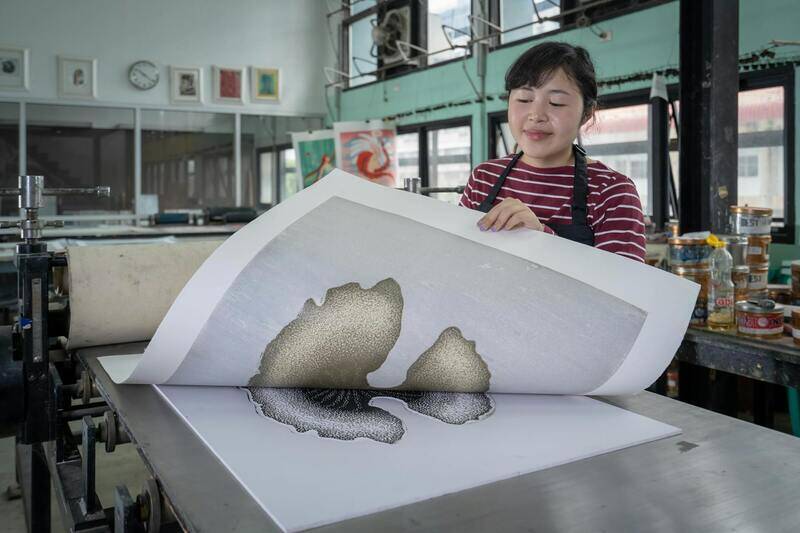
Brochure printing services encompass a range of professional solutions dedicated to producing high-quality printed marketing materials that effectively communicate a company’s message. These services are integral to numerous branding and promotional strategies, providing businesses with a tangible, visually compelling medium to engage potential clients and reinforce brand identity. The process involves translating digital designs into physical copies through various printing techniques, materials, and finishes tailored to meet specific marketing goals.
Effective brochure printing not only amplifies a company's visual appeal but also enhances credibility by showcasing professionalism and attention to detail. Well-designed brochures serve as a versatile marketing tool, capable of conveying comprehensive information about products, services, or corporate values in a concise, accessible format. As part of a broader marketing mix, brochure printing services can be customized to align with brand aesthetics and campaign objectives, ensuring consistency across all communication platforms.
Moreover, these services empower businesses to produce materials that resonate with their target audience. From small-scale local campaigns to large-scale corporate promotions, brochure printing services provide scalability, quality control, and options for innovative design and finishing techniques. This ensures that each brochure not only delivers information but also leaves a lasting impression that enhances brand recognition and customer engagement.
In the context of marketing strategies, brochure printing serves as a bridge between digital campaigns and physical interaction. It complements digital content by offering a tactile experience that can foster trust and credibility. As technology advances, modern brochure printing services incorporate sustainable practices and digital integrations, such as QR codes or personalized elements, further enriching the marketing outreach and customer experience.

Choosing the right brochure printing service involves considering multiple factors including quality standards, available printing techniques, material options, and turnaround times. A reliable service provider can guide businesses through the process, ensuring the final product aligns with branding goals and budget constraints. The importance of professional brochure printing lies in its ability to produce visually appealing, durable, and functional marketing materials that can influence purchasing decisions and strengthen brand loyalty.
Types of Brochures and Printing Options
To select the most suitable brochure printing services, understanding the variety of brochure types and the available printing options is essential. Different formats cater to distinct marketing objectives, whether it’s to provide detailed information or to make a bold visual statement. Common brochure styles include bi-fold, tri-fold, gate-fold, Z-fold, and z-fold. Each format offers unique advantages in terms of space management and visual flow, enabling businesses to communicate their message effectively.
For example, bi-fold brochures are straightforward and easy to navigate, ideal for straightforward messaging or product catalogs. Tri-fold brochures maximize space efficiency and are popular for menus, event flyers, or product listings. Gate-fold brochures, which open out like a gate, provide a premium look suitable for high-end brands and presentations. Z-fold and accordion-style brochures serve as engaging formats to tell a story in sequential panels, facilitating a cohesive narrative or product showcase.
Regarding printing techniques, digital printing offers fast turnaround times and affordable options for short runs, maintaining high-quality output. Lithographic printing, often favored for large quantities, provides exceptional color accuracy and detail, making it ideal for campaigns demanding high visual fidelity. Additionally, screen printing may be used for specialty effects or specific materials.
Choosing the right material is crucial for a durable and appealing brochure. Options vary from standard paper stocks—such as coated and uncoated papers—to premium finishes like gloss, matte, or satin coatings. Specialty materials, including linen, textured, or synthetic stocks, allow for tactile differentiation that can elevate the perceived value of the brochure. Finishing techniques like spot UV coating, embossing, foil stamping, or die-cutting can add sophisticated details, making the brochure stand out.
With attention to these variations, businesses can craft print materials that not only reflect their branding but also leave a memorable impression on their audience. It is vital to work with a printing service provider that offers a broad selection of formats, materials, and finishing options, ensuring each project aligns with your strategic marketing goals and visual identity.
Understanding Brochure Printing Services
Brochure printing services are essential for businesses seeking to communicate their brand message effectively through high-quality printed materials. These services encompass a range of production techniques, materials, and finishing options tailored to meet diverse marketing objectives. Professional brochure printing not only ensures a polished presentation but also enhances brand credibility and leaves a lasting impression on potential clients.
Choosing the right brochure printing service involves evaluating several key factors. A reputable provider should offer a comprehensive selection of printing methods, such as digital, offset, and specialty printing techniques, each suited for different production scales and visual demands. Digital printing is advantageous for quick turnarounds and small volume runs, while offset printing excels in delivering consistency and high fidelity for large orders. Understanding these distinctions allows companies to align their printing strategy with their specific needs, budget, and campaign timeline.
Moreover, professional brochure printing services provide access to a variety of cutting-edge finishing options that elevate the final product. Techniques like spot UV coating, embossing, foil stamping, or die-cutting can add tactile and visual effects, making brochures more engaging and sophisticated. These enhancements contribute to increased perceived value and help differentiate your marketing collateral from competitors' materials.

Understanding the full spectrum of brochure printing services ensures that your printed materials align precisely with strategic marketing goals. From paper selection to advanced finishing techniques, each element plays a crucial role in crafting brochures that resonate with target audiences and support your brand identity.
Types of Brochures and Printing Options
Brochures come in various formats and styles, each designed to serve distinct marketing purposes and presentation formats. Common types include bifold, trifold, z-fold, gatefold, and booklet brochures. The choice of style influences the layout, content flow, and overall aesthetic appeal. Alongside format selection, printing options play a vital role in achieving desired visual and tactile effects.
For instance, digital printing provides affordable, quick-turnaround solutions for short runs or custom designs, maintaining high resolution and color fidelity. Offset lithographic printing is preferable for large volumes, offering excellent color consistency and sharp details, especially for complex designs with vibrant hues or detailed imagery. Specialty printing options, such as embossing or foil stamping, add an element of luxury and elegance, making your brochures stand out in competitive markets.
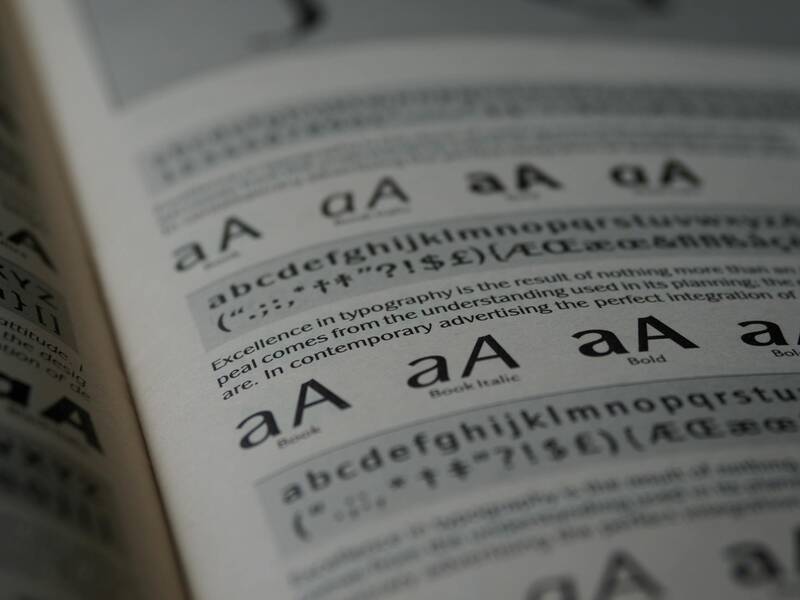
Material choice is equally critical, impacting durability, appearance, and tactile sensation. Standard paper stocks like coated or uncoated paper are common, but premium finishes such as gloss, matte, or satin coatings provide a polished, aesthetic appeal. Specialty materials including textured or synthetic stocks can provide a unique tactile experience, reinforcing brand identity. Finishing touches like spot UV, embossing, or die-cutting further enhance visual interest and tactile engagement, ensuring your brochure leaves a memorable impression on recipients.
Design Considerations for Brochure Printing
Effective brochure design balances aesthetic appeal with functional clarity. Employing a clear layout with logical flow directs the reader’s attention effortlessly across key messages. Strategic use of color schemes should reflect your brand palette and evoke the desired emotional response. Incorporating compelling imagery that aligns with your branding message enhances visual interest and supports call-to-action prompts.
Text content must be concise, engaging, and easy to read, utilizing font styles and sizes that improve legibility. White space is critical in avoiding clutter and allowing key elements to breathe, creating an organized, professional appearance. Consistency in design elements across the brochure fosters brand recognition and reinforces messaging coherence.
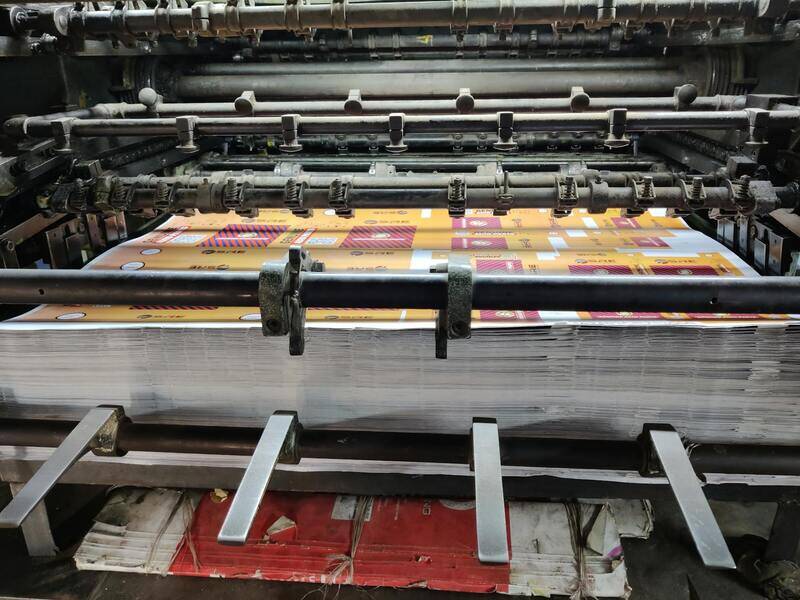
Balancing aesthetic elements with clear, strategic messaging optimizes the brochure’s impact, making it a powerful tool in your marketing arsenal. Working with a professional printing service provider who understands the nuances of design and printing can significantly enhance the effectiveness of your printed collateral.
Legitimate Methods for Achieving High-Quality Brochure Printing Results
To ensure the production of professional and impactful brochures, leveraging authentic printing methods is crucial. Digital printing has become a reliable choice for small to medium print runs, offering quick turnaround times and the flexibility to incorporate variable data or personalized content. This method is ideal for creating customized brochures, limited editions, or rapid modifications without compromising quality.
Offset printing remains the preferred technique for large-scale brochure production, delivering superior consistency, color accuracy, and sharpness. It involves transferring ink from a printing plate to a rubber blanket, then onto the paper, ensuring uniform results across extensive runs. Offset printing is especially advantageous when reproducing intricate design details, Pantone color matching, and achieving a polished, professional aesthetic.

Choosing the appropriate printing method depends on several factors including the scope of the project, budget constraints, and desired quality. Professional printing service providers in Singapore utilize advanced machinery that adheres to strict standards, guaranteeing vibrant colors, sharp images, and durable finishes. Opting for reputable vendors ensures that each brochure is produced with precision and consistency, aligning with your branding objectives.
Additional procedures such as binding, folding, and finishing are integral to delivering a comprehensive, well-crafted brochure. Techniques like saddle stitching, perfect binding, or spiral binding can add functional and aesthetic value. Finishing options like matte, gloss, or satin coatings not only enhance visual appeal but also provide protection from scratches, moisture, and general wear. UV coatings can add a glossy or matte protective layer that makes colors pop while extending longevity.
Employing legitimate and proven printing methods guarantees that your brochure maintains its professional appeal from initial design to final distribution. Partnering with experienced printing vendors who utilize reputable technology and adhere to industry standards helps you achieve the desired impact, effectively communicating your brand message with clarity and sophistication.
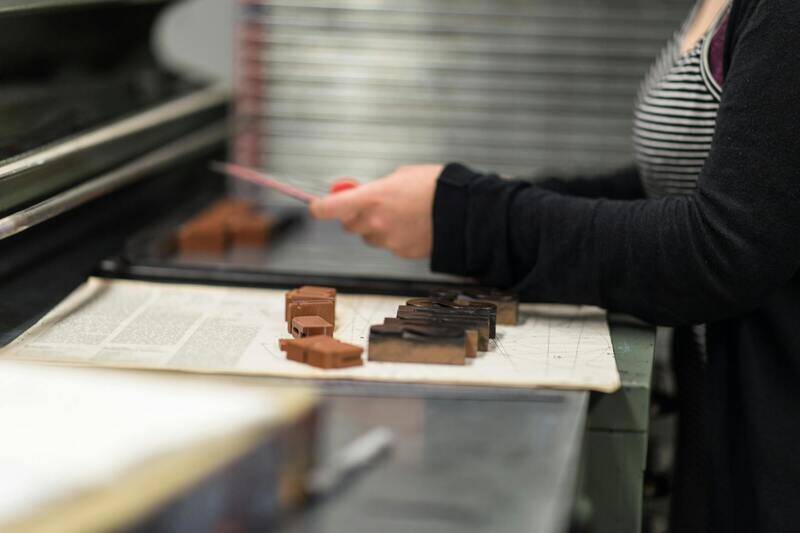
In summary, selecting the right printing method and finishing technique is essential to produce a brochure that not only attracts attention but also withstands handling over time. The integration of modern printing technologies, combined with expert execution, produces professional-grade marketing collateral that elevates your brand and leaves a lasting impression on your audience.
Choosing the Right Printing Material and Finish
When it comes to brochure printing, selecting the appropriate material and finish plays a critical role in ensuring your marketing collateral captures attention and endures the rigors of distribution. The choice of paper thickness and texture can significantly influence the tactile experience and perceived quality of your brochures. Thicker stocks, such as 170gsm or 210gsm, offer durability and a premium feel, making them ideal for corporate presentations or high-end marketing campaigns. Conversely, lighter options like 130gsm are suitable for informational brochures where cost efficiency and easy handling are priorities.
In addition to weight, the surface texture imparts a distinct visual and tactile impact. Matte finishes provide a sophisticated, non-reflective surface that minimizes glare, making text easier to read and images softer. Gloss finishes enhance vibrancy and color saturation, making visuals pop and images appear more vivid. Satin or silk finishes offer a balanced sheen, combining the best qualities of matte and gloss, and are often preferred for their versatile appeal.

Specialty Finishes and Coatings
- UV Coatings: Provide a durable, glossy protective layer that enhances color vibrancy and resistance to scratches and moisture.
- Soft Touch Coatings: Offer a velvety texture, adding a luxurious feel that can elevate the perceived value.
- Spot UV: Targets specific design elements, creating contrast and drawing attention to key features.
Selecting the Right Finish for Your Brochure
Consider the intended purpose and distribution environment of your brochures. For instance, matte finishes are ideal for readability in bright lighting conditions, while gloss coatings are better suited for visually impactful designs. Specialty coatings can be employed selectively to highlight specific sections or branding elements, adding a layer of elegance or emphasis. Working closely with your printing partner helps ensure that the chosen materials and finishes align with your brand image, functional needs, and budget constraints.

Durability and Handling Considerations
Sustainable and high-quality materials are essential for brochures that are expected to withstand handling and environmental factors over time. Selecting papers with better tear resistance and coatings resistant to moisture ensures your message remains intact and visually appealing after distribution. UV coatings and specialty textures not only improve aesthetics but also contribute to the long-term preservation of printed materials, reducing wear and tear.
Professional brochure printing services utilize advanced techniques to apply these finishes uniformly, guaranteeing a consistent, high-quality product. Proper finishing not only elevates the visual impact but also contributes to the brochure’s functional lifespan, making sure your investment continues to promote your brand effectively for an extended period.
Understanding Brochure Printing Services
Brochure printing services encompass a broad range of printing techniques, materials, and finishing options designed to produce professional marketing collateral. These services are tailored to meet diverse business needs, whether for promotional campaigns, product launches, or informational distributions. A reputable brochure printing provider employs state-of-the-art machinery and sustainable practices to ensure high-quality output that aligns with your brand identity and messaging.
When selecting a brochure printing company, it is vital to consider their technical capabilities, range of available services, and experience within your industry. Reliable providers offer a variety of customization options, including different sizes, paper types, finishes, and binding styles, enabling you to create brochures that are both visually appealing and functionally effective.
Understanding the various printing techniques, such as digital printing, offset printing, and large-format printing, allows you to choose the best method for your project based on volume, budget, and quality requirements. For small quantities or rapid turnarounds, digital printing provides flexibility and cost-efficiency. On the other hand, offset printing excels in producing large batches with consistently excellent color fidelity and sharpness.
Types of Brochures and Printing Options
Brochures come in diverse formats, each suitable for different messaging and visual presentation. Common types include bi-fold, tri-fold, z-fold, and gatefold designs. Each layout offers unique advantages in terms of space management and reader engagement, enabling your content to be presented in an organized and compelling manner.
Printing options further enhance their impact. For instance, matte finishes are preferred for readability and a sophisticated look, while gloss coatings attract attention with their vibrant appearance. Special coatings such as aqueous, UV, or soft-touch add tactile appeal and durability, making your brochures more resistant to handling and environmental factors.
Design Considerations for Brochure Printing
- Clarity and simplicity in layout to guide the reader's eye efficiently.
- High-resolution images and graphics to capture attention and accurately represent your products or services.
- Consistent branding elements, such as logo placement, color schemes, and typography.
- Strategic use of white space to improve readability and aesthetic balance.
- Clear calls to action that encourage engagement or response.
Working with a professional designer or utilizing design templates can streamline the process and ensure that your brochure layout effectively communicates your message. Furthermore, collaborating with your printer during the design stage can help optimize file preparation, ensuring that colors and images print accurately and vibrantly.

It is essential to select appropriate paper types and finishes that complement your design. Heavier cardstock lends a premium feel and better durability, while lighter papers may be suitable for bulk distribution. Additionally, choosing finishes like matte or gloss coatings can significantly influence the tactile experience and visual impact of your brochures.
Meticulous attention to material selection and detailed finishing enhances not only the aesthetic appeal but also the longevity of your marketing materials, ensuring they remain compelling and intact throughout their distribution cycle.
Understanding Brochure Printing Services
Brochure printing services encompass a range of professional printing solutions designed to produce high-quality marketing materials tailored to specific business needs. These services ensure that your brochures are printed with precision, vibrant colors, and durable finishes. From initial design to final delivery, choosing a reputable printing provider guarantees consistency, attention to detail, and adherence to your branding guidelines. Expert printers utilize advanced technology like digital, offset, or large-format printing to accommodate various quantities, paper types, and finishes, ensuring every brochure effectively communicates your message with visual impact.
Key Aspects of Professional Brochure Printing
- Print Quality: State-of-the-art equipment ensures sharp images and precise color reproduction.
- Material Options: Wide selection of paper stocks and finishes to match branding and budget.
- Customization: Variety of folds, sizes, and binding options to create unique, engaging layouts.
- Consistency and Color Accuracy: Use of color calibration and quality controls to maintain brand integrity across batches.
- Environmental Considerations: Options for eco-friendly inks and recycled materials for sustainability-conscious brands.
Benefits of Using Professional Brochure Printing Services
Partnering with experienced printers allows businesses to leverage industry expertise, ensuring that each aspect of the brochure—from design to production—is optimized for maximum impact. Professionals can advise on the best materials, finishes, and printing techniques that align with your goals. Moreover, professional services typically include quality checks and reliable timelines, reducing the risk of errors and delays. This enables businesses to focus on strategic marketing efforts, confident that their printed collateral will meet high standards and resonate with target audiences.

Optimizing Distribution Strategies for Brochure Effectiveness
Once your brochures are meticulously printed with high-quality materials and finishes, the next crucial step is ensuring their effective distribution. A strategic approach to distributing brochures can significantly enhance engagement rates and reinforce your marketing message. Consider a multi-channel dissemination plan that leverages both direct and indirect methods to reach your target audience in the most impactful way.
Targeted Placement and Direct Distribution
- Internal Customer Touchpoints: Place brochures in high-traffic areas within your business premises, such as reception desks, checkout counters, or waiting areas. This ensures that every visitor has an opportunity to engage with your material.
- Trade Shows and Events: Distribute brochures at industry events, exhibitions, or networking sessions where your potential clients are present. These settings provide a captive audience receptive to your message.
- Mail Campaigns: Incorporate brochures into direct mail campaigns. Personalize mailing lists based on customer demographics or past interactions to enhance relevance and response rates.
- In-Store Promotions: Use brochures as part of promotional displays within retail outlets, helping to inform and persuade customers during their shopping experience.
Leveraging Digital Integration
Coupling printed brochures with digital channels creates a comprehensive marketing approach. Include QR codes that direct recipients to your website, product videos, or online booking platforms. This strategy not only increases engagement but also allows for tracking response rates and measuring campaign effectiveness.
Follow-up and Measurement
Tracking the impact of your brochure distribution is vital. Use unique discount codes or dedicated landing pages linked from your brochures to gauge responses accurately. Follow up with personalized communications or offers to nurture leads generated through brochure campaigns.
Environmental Sustainability in Distribution
Adopting eco-friendly practices during distribution can enhance your brand image, especially among environmentally conscious consumers. Opt for biodegradable or recycled packaging when mailing brochures and ensure your distribution methods align with sustainability goals.