Overview of Color Printing Services
Color printing services encompass a diverse array of printing solutions that utilize multiple inks to produce vibrant, detailed images and graphics on various substrates. These services play a crucial role in industries ranging from marketing and advertising to education and packaging, where visual appeal and clarity are paramount. The capability to render images in full color allows businesses and individuals to create eye-catching promotional materials, accurate product representations, and professional-grade publications. With advances in printing technology, such services have become more accessible and versatile, accommodating both large-scale commercial needs and smaller bespoke projects.

Typical applications of color printing services include the production of brochures, flyers, posters, business cards, packaging, catalogs, and signage. Each application demands specific attention to color fidelity and material compatibility, making professional color printing a strategic investment for entities aiming to communicate effectively. The role of color printing extends beyond aesthetics; it also influences brand perception, credibility, and customer engagement. As digital displays continue to evolve, high-quality printed materials retain their significance by offering tangible, enduring impressions that complement digital communications.
Types of Color Printing Techniques
Several key techniques underpin the landscape of color printing, each suited to different materials, volumes, and quality requirements:
- Offset Printing: Known for producing high-quality images with consistent color accuracy, offset printing is ideal for large-volume jobs. It involves transferring ink from a plate to a rubber blanket and then onto the printing surface, ensuring sharp detail and vibrant colors.
- Digital Printing: This method offers the advantage of quick turnaround times and the ability to print short runs without the need for plates. It is suitable for personalized prints, prototypes, and small batches, providing flexibility and cost-efficiency.
- Flexographic Printing: Often used in packaging and labels, flexography employs flexible plates to print on various substrates, including plastics, foil, and paper. Its speed and adaptability make it a popular choice for large-scale production.
- Screen Printing: Ideal for printing on non-flat surfaces such as fabrics, ceramics, and plastics, screen printing uses stencils and mesh screens to apply ink in layers. It is commonly used for apparel, signage, and promotional items.
Materials and Media Options
Color printing services support a wide range of media materials to meet diverse project requirements:
- Standard Paper: Matte, gloss, and satin finishes suitable for brochures, flyers, and posters.
- Specialty Papers: Textured, recycled, or coated papers enhance the tactile experience of printed materials.
- Vinyl and Plastic: Durable options for outdoor signage and banners, resistant to weather and UV exposure.
- Fabric and Textiles: Used in printing on apparel, banners, and soft signage with techniques like screen printing or digital textile printing.
- Labels and Stickers: Printed on adhesive-backed substrates for product branding and promotions.

Color Accuracy and Calibration
Achieving precise color reproduction is fundamental in professional printing. Color accuracy depends on meticulous calibration of printers, monitors, and proofing tools. Regular calibration ensures that the colors produced align with the intended design, providing consistent results across batches. Advanced color management systems utilize standardized color profiles, such as ICC profiles, to monitor and control color fidelity. Color matching is especially critical for brand logos, product images, and any material where visual consistency is essential. Quality control procedures typically include color proofing—either digitally or through printed samples—to verify that color outputs meet specifications before full production runs.
Customization and Design Considerations
Customization options in color printing enable clients to tailor their materials to specific branding, aesthetic, and functional needs. Considerations include:
- Color Palette Selection: Choosing the right palette that aligns with brand guidelines and messaging.
- Image Resolution: Ensuring high resolution (300 dpi or higher) for sharp, clear printing.
- Material Compatibility: Selecting media that complement design elements and intended use.
- Finishing Techniques: Applying coatings, lamination, embossing, or other finishing touches to enhance durability and appearance.
Design considerations should also factor in bleed areas, margins, and the use of CMYK or Pantone colors to maintain color consistency and prevent undesired trimming or misalignment.
Pricing and Turnaround Times
Pricing for color printing services varies based on factors such as material, volume, complexity of design, and desired quality. Digital prints generally offer lower costs for smaller runs, while offset printing is more economical for larger quantities. Turnaround times can be as quick as same-day for small jobs, especially with digital printing, or several days for larger offset projects that require lengthy press setup. Advanced scheduling and production planning are essential to meet tight deadlines without compromising quality.
Types of Color Printing Techniques
Choosing the appropriate color printing method is crucial to achieving the desired visual impact, durability, and cost-efficiency. Several proven techniques cater to different project requirements, each with its own set of advantages suited to specific applications.
Digital Color Printing
Digital printing is characterized by direct-to-target printing with no need for plates, making it ideal for short runs and quick turnarounds. It employs advanced inkjet or laser technology to produce vibrant, detailed images suitable for marketing materials, business cards, or personalized items. Digital printing offers high resolution, excellent color fidelity, and the flexibility to incorporate variable data, which is perfect for customized marketing campaigns. Its rapid setup process allows for same-day production, reducing overall project timelines and enabling efficient handling of small-scale orders.
Offset Color Printing
Offset printing remains a go-to choice for large-volume production due to its cost-effectiveness and high-quality output. This process involves transferring ink from metal plates onto rubber blankets, then onto the printing substrate. Offset printing offers consistent color reproduction, sharp detail, and smooth gradations, making it suitable for producing brochures, catalogs, and posters. The setup process is more involved, requiring plates to be prepared beforehand, which makes it less ideal for small batches. However, once setup is complete, offset printing delivers speed and uniformity across extensive runs, ensuring professional and vibrant results with precise color matching.
Large-Format Color Printing
Large-format printing specializes in producing oversized visuals, such as banners, signage, and wall murals. It utilizes wide-format printers capable of printing on a variety of media, including vinyl, fabric, and canvas. This technique ensures highly vivid, eye-catching graphics that make a strong visual statement in outdoor and indoor environments. The technology used, such as solvent or UV inkjet printers, ensures durability and weather resistance, making it suitable for both temporary marketing displays and permanent installations. Its capability to produce seamless, high-resolution images over large surfaces makes it indispensable for branding and promotional events.
Matching Technique to Project Goals
When selecting a color printing method, it is essential to consider factors such as volume, desired finish, budget, and deadline constraints. Digital printing offers quick, cost-effective solutions for small, personalized jobs, while offset printing remains the standard for consistent, high-volume projects. Large-format options are best for prominent visuals that require size and durability. Careful evaluation of these parameters ensures optimal quality and efficiency.
Material and Media Options
Choosing the appropriate material is fundamental to achieving optimal color printing results. Different media influence print vibrancy, durability, and overall appearance. Common options include various types of paper, vinyl, fabric, and rigid substrates. For instance, high-gloss photo paper enhances image sharpness and color brilliance, making it ideal for photo prints and marketing collateral aimed at capturing attention. Vinyl banners and adhesive decals are preferred for outdoor advertising due to their weather resistance and color retention qualities. Fabric media, such as canvas or polyester, are frequently used for fine art reproductions or upscale displays, offering a textured surface that complements the printed colors. Rigid substrates like acrylic, aluminum, or foam boards are suitable for signage requiring a sturdy, lasting presentation. When selecting materials, considering factors such as the intended environment, exposure to elements, and the desired finish—whether matte, satin, or gloss—ensures the print will meet project's functional and aesthetic requirements.

Color Accuracy and Calibration
Achieving precise color reproduction is crucial in high-quality printing. Color calibration involves adjusting printers, monitors, and inks to ensure consistency across different printing sessions and media types. This process includes the use of standardized color profiles and ICC (International Color Consortium) profiles, which guide the printer to reproduce colors accurately based on the specific media used. Professionally calibrated printers minimize discrepancies, ensuring that the final output matches the intended design specifications. Regular maintenance and calibration of printing equipment are essential to maintain color fidelity over time. For projects demanding exact color matching—such as corporate branding, product packaging, or fine art reproductions—the use of advanced color management systems guarantees that the printed result aligns with client expectations.
Customization and Design Considerations
Customization options in color printing services extend beyond basic size and media choices. Many providers offer specialized finishes, such as gloss, matte, or satin coatings, which can enhance color saturation and add protective properties that resist scuffs, scratches, or UV damage. Additional enhancements include laminations, spot varnishes, and embossing, which contribute to the visual impact and longevity of the print. Design considerations also involve resolution, color profiles, and file formats. High-resolution images ensure sharp, detailed output, especially for large-format or close-view applications. Proper color profiles, such as Adobe RGB or sRGB, should be selected based on the print’s purpose to maintain accurate color rendition. Ensuring that design files are correctly prepared with bleed marks and safe margins helps prevent undesired cropping or color bleeding. Tailoring these elements to specific print projects maximizes the visual appeal and professional quality of the final product.
Pricing and Turnaround Times
Costs in color printing services depend heavily on factors like the chosen media, print size, volume, and finish. Digital printing tends to be more economical for small runs with shorter turnaround times, offering rapid production and on-demand options. Offset printing, while requiring higher initial setup costs, becomes cost-effective during larger quantities due to its faster per-unit output. Large-format printing prices vary based on media type and size, with special finishes adding to the expense. Turnaround times are influenced by the complexity and quantity of the order. Standard digital print jobs often complete within 24 to 48 hours, while larger or more intricate projects such as multi-panel banners or custom surfaces may require several days. Efficient communication and detailed project specifications with the service provider streamline the process, reducing delays and ensuring timely delivery.

Environmental and Quality Standards
Growing emphasis on sustainability influences color printing practices, prompting providers to adopt eco-friendly inks, recyclable materials, and energy-efficient equipment. Water-based and soy-based inks are popular choices for reducing volatile organic compounds (VOCs) and minimizing environmental impact. Adherence to quality standards involves strict control over color consistency, media handling, and finishing processes. Certifications such as ISO standards on environmental management and quality assurance are indicators of reputable printing services that prioritize eco-conscious practices without compromising output quality. Maintaining high standards ensures durability, vibrant color reproduction, and customer satisfaction, reinforcing the importance of choosing providers who align with quality and environmental commitments.
Choosing the Right Color Printing Service Provider
Selecting a trusted provider involves assessing their technological capabilities, range of materials, and experience in handling specific types of projects. A professional printing company demonstrates a comprehensive understanding of color management, media handling, and environmental standards. Prioritize providers with transparent pricing, clear turnaround timelines, and options for customization. Customer reviews and portfolio samples can offer insights into their expertise and consistency. Engaging with a service provider that offers dedicated project consultations ensures your specific goals are understood and executed with precision, delivering high-quality, visually compelling results every time.
Color Management and Calibration in Color Printing Services
Maintaining consistent, vibrant colors across all printed materials requires meticulous color management and calibration processes. Professional color printing service providers utilize advanced color management workflows, which include regular calibration of printers and monitors, to ensure that the digital design accurately translates into the final printed product. This involves using standardized color profiles and software solutions that align with industry best practices, ensuring that every print run matches the original design specifications.

Calibration involves adjusting hardware components such as colorimeters and spectrophotometers to benchmark true color output. This process corrects color deviations that may arise from hardware aging, environmental factors, or media variability. Color profiles, often in the form of ICC profiles, are then employed within the workflow to ensure consistent color reproduction, regardless of different media types or printing conditions.
Techniques Used for Color Matching and Reproduction
Multiple calibrated techniques are used by professional color printing services to reproduce colors accurately:
- Spectrophotometric measurement: Utilizes specialized devices to measure color samples and create precise color profiles for printers.
- Color swatch matching: Compares printed samples to predefined color palettes or pantones to ensure exact color matching.
- Soft proofing: Employs digital previews to simulate how colors will appear on final media, allowing adjustments before actual printing.
- Hard proofing: Produces a tangible proof for approval, ensuring colors align with client expectations before a large run.
Implementing these techniques ensures that printed materials meet strict quality standards and maintain color consistency across various projects, enhancing brand integrity and visual appeal.
Importance of Continuous Monitoring and Quality Assurance
Ongoing monitoring throughout the printing process is essential to catch and rectify deviations early, maintaining high-quality outputs. Quality assurance protocols typically include regular calibration schedules, control strips in each print job, and adherence to industry standards. High-end equipment and systematic checks help reduce waste, minimize reprints, and guarantee that colors remain true to design specifications from first print to last.

By prioritizing accurate color management, reputable printshops demonstrate professionalism and reliability, ensuring that clients receive vibrant, true-to-design prints every time. This meticulous approach not only enhances visual impact but also reinforces trust and satisfaction, especially in projects demanding precise color representation such as branding, marketing collateral, and artistic prints.
Material and Media Options for Color Printing
One of the crucial aspects that influence the final appearance and durability of color printed materials is the choice of substrates and media. Reputable color printing services offer a broad spectrum of material options to cater to diverse project needs, ranging from traditional paper stocks to specialized media tailored for specific applications.
Standard paper types such as matte, glossy, and satin are widely used for flyers, brochures, posters, and business cards. Each finish imparts a different aesthetic and tactile experience; for instance, gloss finishes enhance color vibrancy and image sharpness, making them ideal for marketing collateral meant to grab attention. Matte surfaces, on the other hand, reduce glare and are preferred for materials requiring readable text and sophisticated visual tones.
Beyond traditional paper, synthetic media like vinyl and fabric are popular for outdoor signage, banners, and exhibition displays due to their resilience against weather conditions. Specialized materials like self-adhesive vinyl or backlit films add versatility to display options, ensuring that images maintain vivid colors and sharp contrasts under various lighting conditions.
For fine art reproductions or photographic prints, artists and photographers often opt for high-quality, acid-free photo papers designed to preserve color integrity over time. These premium substrates often come with additional surface textures, such as pearl, luster, or cotton finish, which influence how colors are perceived and how light interacts with the print.

Print service providers typically provide samples or swatch books to help clients select the most appropriate media for their project’s purpose, audience, and environmental conditions. Incorporating the right media choice ensures that color reproductions are not only visually appealing but also durable and suitable for their intended use.
Importance of Consistent Color Calibration and Monitoring
Maintaining color fidelity throughout a print run is vital for projects that demand precise color matching, such as corporate branding, packaging, and artistic reproductions. This requires ongoing calibration of printers, monitors, and proofing tools, coupled with rigorous quality control measures at each stage of production.
High-end printing equipment is equipped with advanced calibration features that adjust color output based on environmental factors such as temperature and humidity. Routine calibration schedules, alongside the use of standardized Color Control Strips, enable print operators to detect and correct any drift in color accuracy promptly.
Implementing a comprehensive quality assurance protocol minimizes waste and rework while ensuring that color profiles are consistent across multiple print sessions. This combination of technology and meticulous checks assures that printed colors faithfully reflect the original digital designs, thereby preserving brand integrity and achieving client satisfaction.
Image Placeholder

Final Considerations in Color Printing Material Selection
Choosing the right paper or media involves evaluating factors such as the desired visual effect, durability, and the environment where the printed material will be displayed. For instance, indoor displays may favor glossy or matte papers, while outdoor signage requires weather-resistant materials with UV protection.
Professional print providers often advise clients on the optimal combination of media and printing techniques to achieve the best results. This collaborative approach ensures that the final product not only meets aesthetic expectations but also withstands practical considerations, maintaining color vibrancy and clarity over time.
Environmental and Quality Standards
Adhering to stringent environmental and quality standards is essential for maintaining the integrity of color printing services. Reputable printing service providers implement sustainable practices that reduce waste, minimize environmental impact, and utilize environmentally friendly inks and substrates. These measures are aligned with established industry standards that promote responsible printing processes.
Suppliers often employ eco-friendly inks such as soy-based or vegetable-based options that produce vibrant colors while reducing harmful emissions. The selection of recyclable and biodegradable media further ensures compliance with sustainability goals. Additionally, facilities are equipped with advanced filtration and waste management systems that handle solvents, inks, and other chemicals responsibly.
Quality assurance frameworks are integral to verifying that every print output meets specified color and durability standards. This process involves thorough inspection protocols, including color consistency checks, adhesion tests, and resistance evaluations against environmental factors like UV exposure, moisture, and abrasion. Consistently meeting these quality benchmarks not only guarantees long-lasting, visually appealing results but also aligns with best practices for environmental stewardship.

Choosing the Right Color Printing Service Provider
Selecting an appropriate printing partner involves assessing several core aspects to ensure that your project requirements are fully met. An ideal provider demonstrates extensive expertise in color management, access to cutting-edge equipment, and a comprehensive understanding of different media and printing techniques.
Key criteria for evaluation include:
- Experience and reputation: Proven track record in delivering consistent quality for diverse projects, including branding, promotional materials, or large-format signage.
- Technological capability: Utilization of advanced printing technologies such as wide-format printers, digital presses, and sophisticated calibration software to ensure color fidelity.
- Portfolio and testimonials: Review of previous work and client feedback to gauge reliability and overall satisfaction.
- Certifications and compliance: Adherence to industry standards for quality, safety, and environmental practices.
- Customer service and collaboration: Transparent communication, flexibility in design adjustments, and timely delivery further enhance the overall experience.
Engaging with a provider that emphasizes quality control, technological innovation, and customer-centric service elevates the outcome of your printing projects. A reliable partner not only produces visually stunning results but also offers peace of mind through professionalism and technical proficiency.
Overview of Color Printing Services
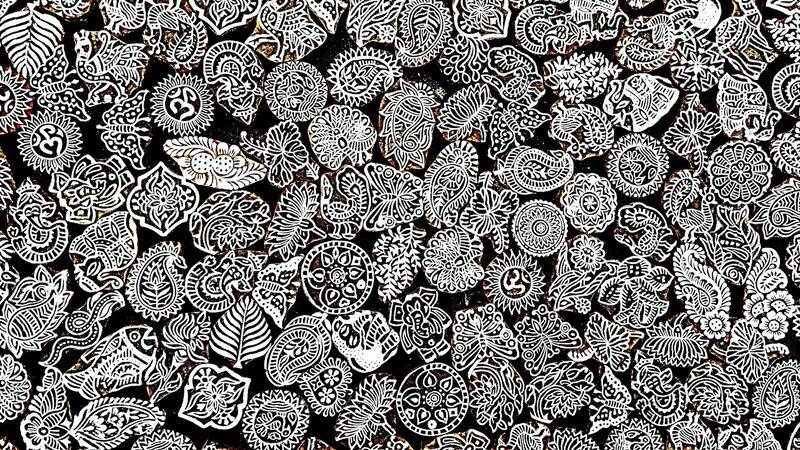
Color printing services encompass a broad spectrum of high-quality print solutions tailored to meet diverse business and personal needs. From vibrant marketing collateral to intricate packaging designs, these services rely on advanced printing methods to reproduce rich, true-to-life colors with precision. Utilizing cutting-edge technology ensures consistent results across various media types, fostering brand recognition and visual impact. A reputable color printing provider maintains strict quality controls, enabling clients to achieve their desired aesthetic while adhering to project specifications and deadlines.

Types of Color Printing Techniques
Numerous printing techniques are employed in professional color printing services, each optimized for specific applications and media. An understanding of these methods can inform better decision-making and ensure optimal results.
- Digital Color Printing: Ideal for small to medium runs with quick turnaround times. Digital presses provide high-fidelity color reproduction with minimal setup, making them suitable for customized jobs like business cards, posters, and promotional materials.
- Offset Color Printing: Suitable for large-volume projects, offset printing offers excellent color accuracy, consistency, and cost-effectiveness at scale. This method involves transferring ink from plates to a rubber blanket before reaching the substrate, ensuring sharp images and vibrant colors.
- Wide-Format Printing: Used primarily for banners, signage, and large displays, this technique employs specialized printers capable of handling larger media. It produces vivid, durable prints that withstand outdoor conditions when necessary.
- Screen Printing: Often employed for apparel and promotional items, screen printing produces bold colors and textures, especially on textile or textured surfaces.

Material and Media Options
The selection of appropriate media significantly influences the final quality and application of printed pieces. Modern color printing services offer a wide array of material options to match project demands, environmental considerations, and budget constraints.
- Paper and Cardstock: Ranging from glossy, matte, textured, to heavyweight stocks, these materials cater to business stationary, packaging, and promotional print materials.
- Vinyl and Films: Suitable for outdoor signage and banners due to their durability and weather resistance.
- Fabric and Textiles: Used in textile printing for apparel, promotional textiles, and curtains, offering vibrant colors and wash-fastness.
- Specialty Materials: Including acrylic, canvas, and透明 films, these are employed to create unique visual effects and high-impact displays.
Color Accuracy and Calibration
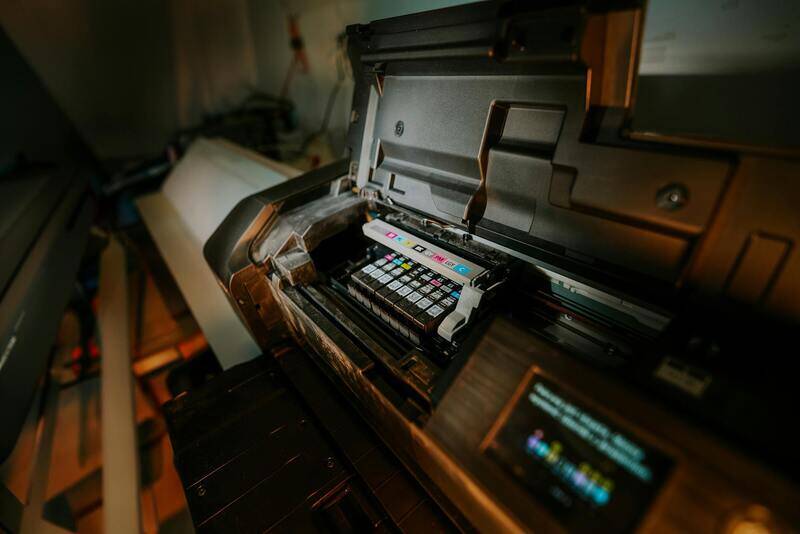
Achieving precise color matching necessitates meticulous calibration and color management processes. Professional color printing services utilize specialized hardware and software to ensure that colors are accurately reproduced across different devices and media. This includes:
- Color Profiling: Creating ICC profiles for printers and media to standardize color output, essential for maintaining consistency in multi-session jobs.
- Color Calibration: Regular calibration of printers and monitors ensures that digital files are accurately translated into printed colors, reducing discrepancies.
- Proofing: Producing color proofs or samples allows clients to verify color fidelity before committing to full-scale production, minimizing costly errors.
By adhering to rigorous calibration protocols, color printing services maintain high standards of color fidelity, aligning final outputs with client expectations and branding guidelines.

Customization and Design Considerations
Customized printing options enable brands and individuals to create visually compelling materials that stand out. Effective collaboration with a color printing service includes attention to several design and technical factors:
- Design Files Submission: High-resolution files in appropriate color modes (CMYK or RGB) to facilitate accurate output.
- Use of Spot Colors: Incorporating Pantone or other standardized color systems to achieve precise brand colors that digital screens cannot replicate.
- Bleeds and Margins: Including proper bleed areas ensures that no unprinted edges occur, especially important in full-bleed prints.
- Finishing Options: Incorporating matte or gloss coatings, embossing, or lamination to enhance durability and visual impact.
Pricing and Turnaround Times
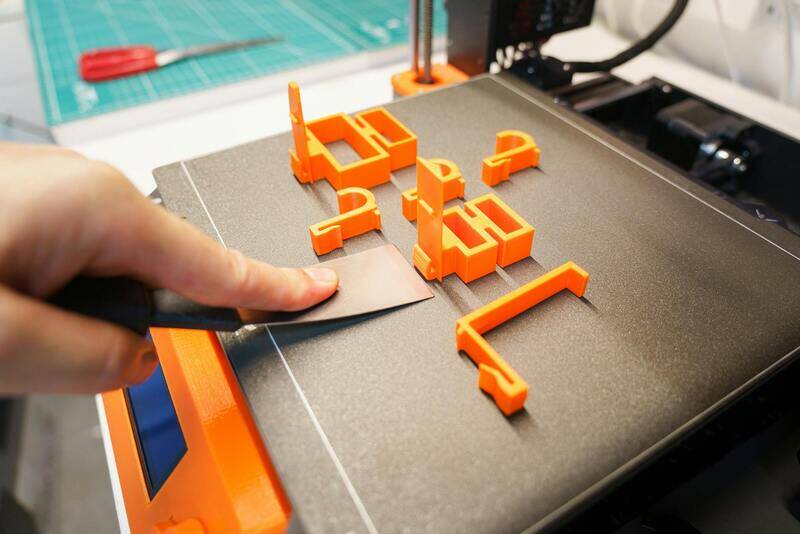
Cost structures in color printing services vary based on factors such as media choice, print volume, complexity of design, and finish requirements. Transparent pricing models often include setup fees, per-page or per-square-meter costs, and premium charges for expedited production.
Turnaround times are influenced by order size, media availability, and workload. Standard projects typically range from 24 hours to several days, with rush options available for urgent needs. Establishing clear communication channels with the provider and understanding their production capacity helps in planning and meeting deadlines effectively.
Secure Payment Methods for Color Printing Services
When engaging with professional color printing services, securing your financial transactions through trusted payment methods is paramount. Reputable providers typically offer multiple secure options to facilitate smooth and safe payments, ensuring that your confidential information remains protected throughout the process.
Common Secure Payment Options
- Credit and Debit Card Payments: Widely accepted and protected by advanced encryption, card payments are a standard for most printing service providers. They offer immediate processing and easy dispute resolution.
- Bank Transfers: Secure bank transfers or wire payments directly to the service provider’s account are common for large-volume projects, providing a transparent transaction trail.
- Online Payment Platforms: Methods like PayPal, Stripe, or other trusted online payment gateways often feature robust security protocols, fraud protection, and buyer protection policies.
- Mobile Payment Solutions: Some providers accept payments via secure mobile wallets, giving clients additional convenience with layered security features.
Importance of Transparent Billing
Clear invoicing and detailed quotations are essential for avoiding misunderstandings related to costs and services. Reliable printing companies provide detailed breakdowns of charges including setup fees, media costs, finishing options, and any applicable taxes. This transparency enhances trust and simplifies the payment process, allowing clients to review and approve costs before production begins.
Methods to Verify Payment Security
- Use of Secure Payment Gateways: Confirm that the provider’s website uses SSL encryption, indicated by a padlock icon in the browser address bar, ensuring data protection during transactions.
- Official Receipts and Invoices: Obtain detailed receipts for every payment, aligning with the agreed-upon quotation and reflecting the exact services rendered.
- Customer Support Accessibility: Reliable providers have accessible support channels to address any concerns or disputes regarding payments promptly.
Additional Tips for Smooth Payment Processing
- Always verify the legitimacy of the service provider before proceeding with payments.
- Check for secure and reputable payment options listed on their official website.
- Avoid cash payments unless directly arranged and verified in person.
- Maintain records of all payment confirmations and correspondence for future reference.